
Last updated: Apr 19, 2026
Aptos sits on Monterey Bay, so roofs can see marine air, overnight condensation, and salt exposure even when rainfall is low in summer. That coastal microclimate pushes moisture management and corrosion resistance to the front of typical maintenance tasks. The combo of redwood-shaded canyon microclimates and Santa Cruz County practices means a roof that doesn't just shed water but also resists long, damp spells in the canyon pockets and in bluff zones where salt spray lingers. Understanding these patterns helps you choose materials, detailing, and a maintenance cadence that keep roof assemblies dry and durable.
Coastal exposure makes flashings, fasteners, vents, and skylight trim prime targets for corrosion. In areas closer to the coast and bluff lines, consider fasteners and flashings in stainless steel or high-grade coated metals rather than standard galvanized options, and favor non-corrosive vent closures and skylight trims. If a roof uses metal or synthetic components, ensure that any exposed screws or nails have corrosion-resistant coatings and are sealed with compatible sealants. In canyon zones where humidity lingers, flashing detail around chimney caps and dormers should include additional sealant continuity and a continuous drip edge to reduce capillary wicking. For tiles and shingles, look for products with proven moisture barriers and robust underlayment systems designed for cooler, damper conditions. The goal is a system that dries quickly after storms and resists moisture intrusion at penetrations.
Moisture management hinges on moving air through the attic or roof space. In coastal pockets, overnight condensation can linger, and damp nights pull moisture into underlayment and sheathing. Ensure roof vents are unobstructed by vegetation or debris and that soffit, ridge, and gable openings are balanced to promote air exchange without creating a wind-driven path for salt-laden air. In canyon and tree-covered areas, cooler and damper conditions after storms slow drying, so vent location and size matter more. If a roof relies on a continuous underlayment, verify that the underlayment type is compatible with the climate's freeze-thaw and moisture profile and that it remains waterproof when buried under shingles or tiles. Consider a ridge vent system paired with inlet vents near soffits to encourage steady air movement even on gray, calm days.
Condensation often concentrates at roof-to-wall transitions, skylights, and vent stacks. Pay special attention to flashing seams around skylights, chimney stacks, and vent boots; these areas are commonly targeted by salt spray and moisture ingress in the high-humidity pockets of Aptos. Use high-quality sealants rated for salt exposure and temperature fluctuations, and inspect them after winter storms and during the shoulder seasons. In canyon canyons where branches brush roof edges, keep a routine around cleaning debris that can trap moisture against flashing and trims. At all transitions, ensure step flashing is properly integrated with the counter-flashing and that sealant lines remain continuous and free of cracks.
Coastal conditions call for a more frequent post-winter check than inland markets. After the wet season, inspect flashing seals, vent closures, and skylight trims for signs of corrosion or salt deposit buildup. In bluff and coastal zones, a mid-spring check helps catch salt-induced corrosion that may start as pinpoint rust near fastener heads. For canyon-side roofs, schedule a fall inspection to confirm that damp acumulations didn't compromise underlayment or ventilation pathways. When inspecting, look for dark staining along ridges or near penetrations, which can signal moisture retention or slow drying. Keep gutters clear to prevent standing water near the eaves, where dampness can creep up the fascia and into trim details. A proactive, homegrown maintenance rhythm keeps a roof resilient against Aptos's unique blend of marine air, condensation, and canyon dampness.
Aptos experiences mild but wet winters, so active leaks and emergency dry-ins tend to cluster around winter storm periods rather than summer heat events. When a storm rolls in, the intensity and duration of rain can overwhelm aging seals and flashings, turning a minor seep into a urgent sheet of water where it matters most-under attics, eaves, and along coastal walls. You should treat any fresh drip as an active leak until a licensed roofer confirms otherwise, because moisture moves quickly through decking and insulation in this climate. Keep a close eye on areas where redwood canyons meet your roofline; hidden channels and mossy surfaces can channel water to vulnerable joints.
Heavy rainfall can delay tear-offs and expose homes to longer scheduling gaps if a roof fails during the rainy season. If you discover a leak during a storm, protect interior spaces first with clean tarps anchored securely, but avoid over-tarping where wind can catch material and create dangerous projectiles. Remove nearby debris from the roof surface and gutters so water has a clear path to drainage. When a leak is suspected around penetrations or chimney/chase areas, focus on temporary sealants only as a stopgap-these are not long-term fixes and can trap moisture beneath the surface if used improperly. Call a local roofer with storm-response capacity to assess quickly and plan a safe tear-off window after the rain eases.
Wind during spring and fall can complicate tarping, debris containment, and material staging on exposed coastal properties. If wind gusts exceed a manageable threshold, postpone temporary measures until it subsides, or ensure tarps are weighted and fastened with corrosion-resistant hardware to withstand persistent gusts. On canyon-facing roofs, wind patterns can push moisture along seams you don't expect; prioritize securing sealants around skirting, vents, and dormers where moisture intrusion tends to begin. Have a rapid-access plan for staging crews and materials so that when a weather lull opens, the team can move quickly, seal thoroughly, and get shingle edges or flashing re-secured before another front arrives.
Your primary goal is to prevent moisture from penetrating deeper into the attic and wall assemblies during winter storms. Set up temporary indoor containment for any room exhibiting dampness, and document leaks with photos and dates to support a timely follow-up visit. Maintain clear access to roof edges and eaves; clutter can hinder emergency dry-ins and create additional hazards during winter. In Aptos, the clock ticks fastest during rain events-act decisively, verify roof integrity with a pro, and schedule permanent repairs at the first reasonable window after a storm band passes.
When you can't wait, these contractors offer fast response times to stop leaks and prevent further damage.
Daddario Roofing
(831) 476-9109 www.daddarioroofing.com
Serving
5.0 from 46 reviews
You can choose Daddario Roofing with confidence for all your roofing needs! Whether it is re-roofing, repairing an existing roof, or ordering a roof inspection Daddario Roofing Company is your very best choice.
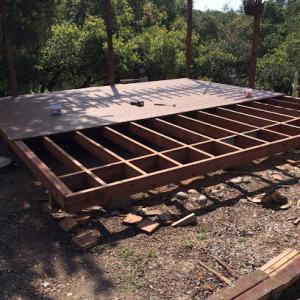
Ed's Tile & Shingle Roof Cleaning
(831) 277-7713 edsroofcleaning.com
Serving
5.0 from 6 reviews
Exterior power washing at it's best! For all of your exterior cleaning needs, call Ed's Tile & Shingle Roof Cleaning. Does your home look a little dull? Do you think you need to paint? Maybe all you need is a good exterior cleaning. Our qualified and insured technicians will clean and restore your exterior surfaces and bring out the beauty of your home which is more cost effective than painting! We also can clean and reseal your fences, decks, patios and porches, along with cleaning your gutters and downspouts so that they work more efficiently. Call Ed's Tile & Single Roof Cleaning today to schedule your next home improvement project.
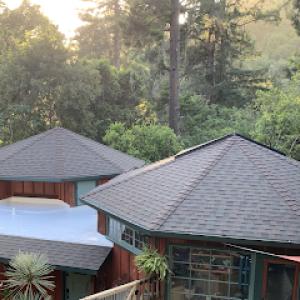
Redwood Roofing
(831) 888-7790 redwoodroofing.com
Serving
5.0 from 155 reviews
Need reliable roofing solutions in California? Serving Soquel, Freedom, Capitola, Aptos, Los Gatos, Aromas, Ben Lomond, Santa Cruz, Watsonville, Bonny Doon, Boulder Creek, and nearby areas, we’re here to assist! Our team specializes in roof replacements and repairs for flat and pitched roofs, both commercial and residential. From asphalt shingles to skylight repairs, we focus on quality and safety to give you peace of mind. Reach out for trusted, expert roofing care you can rely on.
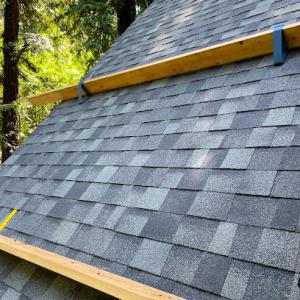
Blue Wave Roofing
(831) 240-5487 bluewaveroofing.com
Serving
5.0 from 50 reviews
Blue Wave Roofing is proud to offer our full service roofing expertise and services to our community. As a local roofing company based in Santa Cruz, CA and serving the South Bay to Monterey Bay area, we have over 30+ years experience specialized in all aspects of residential roofing as well as commercial roofing.
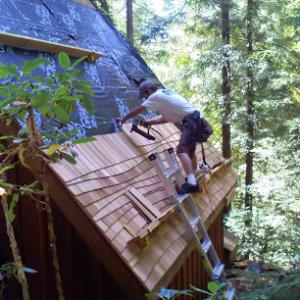
Moriarty's Roofing
(831) 466-9948 www.moriartysroofing.com
Serving
4.8 from 350 reviews
We are a local company that has been serving Santa Cruz County for over 20 years. As a full service roofing contractor, we are able to provide outstanding quality work in the areas of residential and commercial roofing. We pride ourselves on providing quality installs with quality products. We offer products with lifetime warranties on both steep and flat roofing applications and back all of our installations with a 10 year craftsman warranty. Whether you are looking for a luxury option for those making a statement, are needing a new roof or roof repair, we are the company you are looking for. We enjoy challenging projects and will do our best to make sure you are satisfied before we complete the project.
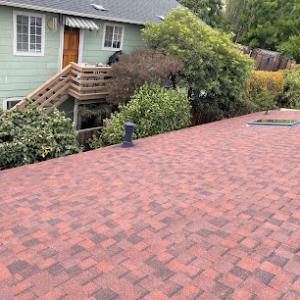
Six Star Roofing
(831) 345-0134 sixstarroofing.com
Serving
5.0 from 68 reviews
With unwavering dedication, we will approach your roofing project as if it were our own home. Throughout the process, we will collaborate closely with you, providing guidance and support from start to finish. Our ultimate objective is to ensure your utmost satisfaction, aiming for nothing less than 100% customer contentment! "During my high school and college years in Washington State, I gained substantial experience in the construction trades. Following a successful period in the health services field, I decided to return to my origins and establish Six Star Roofing in 2019. It brings me immense pride to operate a roofing company that strives for excellence in all aspects of its operations." Six Star Owner Jonathon Rank
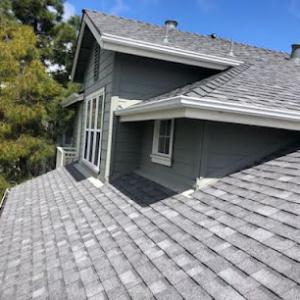
Cal Coast Roofing
(408) 506-8261 calcoastroofs.com
Serving
5.0 from 5 reviews
Protect your largest investment with our reliable roofing services. We are a locally owned and operated roofing company currently serving Watsonville, CA and surrounding communities. If you want to make your roof last as long as possible, it is vital that you never put off a roof repair. Small issues with roofing become big issues in a hurry. No matter how major or minor the repair you need, we are here to help. We offer roofing contracting, roof installation, and standing seam roofing.
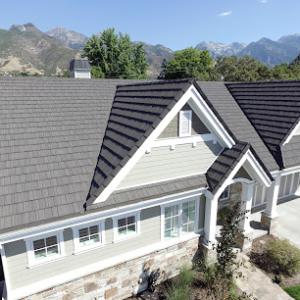
Shelton Roofing
(831) 464-4120 sheltonroofing.com
Serving
4.9 from 32 reviews
Shelton Roofing, a family-owned business since 1981, has over four decades of experience as the premier roofing expert for residential and commercial needs in Santa Cruz and Monterey County. With their specialization in diverse roofing systems including metal, asphalt shingle, PVC, stone-coated steel, and tiles, they guarantee warranties and ensure lasting protection. As a local business, Shelton Roofing prides itself on prompt emergency access, prioritizing customer relationships, and contributing to the strength of the community. Their dedication to customer satisfaction and their passion for delivering dream roofs have earned them the trust of many over the years.
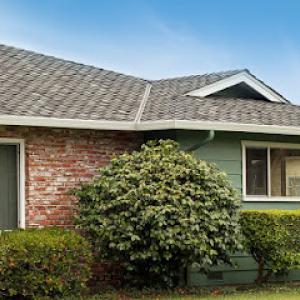
David Horn Roofing & Construction
(831) 476-2151 www.davidhornroofing.com
Serving
5.0 from 7 reviews
David Horn Roofing & Construction provides roofing, siding, and deck services to the Santa Cruz, CA area.
Guido Roofing
Serving
5.0 from 4 reviews
Your trusted partner for commercial and property roofing solutions. We offer a wide range of services, including repairs, replacements, maintenance, and inspections, all delivered with professionalism and attention to detail. Whether it’s a small fix or a large scale project, we’re here to protect your investment. Se Habla Español
Kennedy Roofing
(831) 254-4900 kennedyroofing.net
Serving
5.0 from 13 reviews
Kennedy Roofing has been established over more than 20 years in the business completing work of exceptional quality throughout Watsonville and the surrounding cities. Our team of skilled roofers has the tools and the experience to confidently offer a comprehensive range of services for your roof. We service in general inspections, repairs of all scopes, the installation of brand new roofs and maintenance such as pressure washing. Beyond roofs themselves we also install seamless gutters and solar panels adding great value to your home. We work with you to make the process as convenient as possible and will work with you to get your project completed to your full satisfaction before receiving payment.
Bay Quality Roofing
(888) 289-0009 bayqualityroofing.com
Serving
5.0 from 3 reviews
By using the highest-quality materials and providing great customer service, Bay Quality Roofing remains the go-to roofing contractor along the coast.
Reroof timing in Aptos is best planned around the drier months to minimize weather interruptions and moisture exposure during tear-off. Coastal exposure from Monterey Bay means sudden mist and coastal fog can roll in, even on days that look clear inland. A practical approach is to target a consecutive stretch of stable, dry weather-typically late spring through early fall-and build in buffer days for unexpected coastal drizzle. Because Santa Cruz County inspection timing can be affected by both weather and department workload, scheduling early and communicating with the roofing contractor about potential delays helps keep the project on track. If the forecast shows a front moving through, it's wise to pause tear-off, seal temporary openings, and resume only after a solid stretch of dry days.
Homes perched in shaded or damp microclimates near redwood canyons demand extra attention. Shade slows drying, so areas under heavy tree cover or adjacent to moisture-prone walls may require a longer dry-out period between tearing off old roofing and laying down new underlayment and shingles. In Aptos, sequencing matters: begin with the sunniest, highest sections to gain temperature-driven drying, then move to the more shaded elevations. Pay attention to existing deck or ventilation where moisture could linger; improving attic ventilation before reroofing reduces condensation risk during the early stages of installation. A careful contractor will schedule tear-off in contiguous blocks, minimizing time where exposed roof decks sit unfinished and vulnerable to errant moisture.
Because coastal breezes can drive moisture into open roof assemblies, plan for a continuous work cadence rather than long gaps. If decks or skylights are present, protect interior spaces with temporary barriers and ensure tarping directs any incidental runoff away from damp walls. In canyon-adjacent zones, crews may encounter more dew and cooler mornings; that means harsher morning humidity and longer dry-out needs after removing the old roof. A well-coordinated crew will stagger tasks-from removing shingles to applying underlayment and then installing the first row of starter shingles-so each stage has a predictable, dry window. This reduces the risk of dew soaking exposed decking or call-backs caused by moisture seeping under imperfect seals.
Planning for Aptos requires acknowledging seasonal demand fluctuations in Santa Cruz County. Peak dry-season windows fill quickly, and busy schedules can extend project duration even when weather cooperates. If a homeowner has constraints around interior occupancy, tree trimming to improve sun exposure, or adjacent landscaping adjustments, addressing these ahead of time helps maintain a steady reroof progression. For shaded or damp sites, establishing a conservative timeline with extra drying buffers reduces the chance of moisture-related finish issues and supports a longer-lasting roof that stands up to coastal microclimates.
Asphalt shingles remain a common lower-cost choice, but Aptos moisture exposure makes ventilation, underlayment quality, and flashing execution especially important. When you choose asphalt, pair it with a high-quality breathable underlayment and a robust, continuous venting plan to keep attic temperatures and humidity in check. In the coastal canyon microclimates, ensure the shingle installation includes upgraded drip edge detail and properly sealed along eaves and rake lines to prevent wind-driven moisture intrusion. Consider architectural shingles for better wind resistance and a thicker profile that sheds moisture more reliably than standard 3-tab options.
Metal roofing in Aptos needs careful attention to corrosion-resistant components because coastal humidity and salt air can accelerate deterioration of exposed metal parts. Opt for coatings designed for salt exposure, and examine fasteners, trims, and closures for galvanic compatibility to reduce hidden corrosion risks. Pay close attention to roof-to-penetration details, especially around vents, skylights, and chimneys. A continuous sealant strategy and properly flashed edges help prevent moisture from leaking into the decking. If you select standing-seam metal, ensure the seams are continuous and that sealant joints are rated for high-humidity coastal conditions. Regular inspection of painted surfaces and any exposed fasteners will extend the roof's service life in this environment.
Clay and concrete tile fit many Central Coast homes, but their weight and detailing matter on reroofs where older structures, valleys, and penetrations need close review. Ensure the structure can support the added load and that attic ventilation remains adequate after installation. Tiles require precise laying over a compatible underlayment and battens, with careful control of valley flashing and step-flash details around chimneys and skylines. In canyon-adjacent areas, inspect for potential moisture pooling at valleys and ensure proper slope to maintain drainage. Address any movement or cracking promptly to prevent water intrusion, as coastal moisture can exploit small gaps if left unaddressed.
Concrete tiles share some weight considerations with clay, while synthetic or composite shingles offer a lighter alternative that may ease structural concerns. For Aptos, the emphasis remains on moisture management, so choose systems with proven waterproof underlays and reliable flashing. Synthetic options can provide excellent UV resistance and flexibility in transitional climates, but confirm compatibility with existing eaves, seals, and penetrations. Whichever path you choose, verify that ventilation, drip edges, and valley detailing are designed to handle the local humidity levels and the prevalence of fog and coastal mist.
When planning a roof replacement, you'll see a clear spread depending on material. In Aptos, asphalt shingles run roughly from $350 to $650 per square, metal from $600 to $1200 per square, clay tile from $900 to $1800 per square, concrete tile from $800 to $1500 per square, synthetic or composite shingles from $450 to $900 per square, and slate from $1200 to $2400 per square. Those ranges reflect the coastal and canyon realities-water exposure, access, wind considerations, and moisture-sensitive scheduling can push labor time and staging costs upward.
Moisture management and corrosion resistance are the core concerns on Aptos roofs. On coastal or canyon properties, access to the jobsite can be more limited for crews and materials, staging space is tighter, and windy Santa Cruz County conditions can complicate timing. Expect longer setup and takedown windows, which translates to higher labor hours vs. inland markets. If the existing roof has frequent wind-driven debris or salt spray exposure, the crew may need additional underlayment or corrosion-resistant components, which adds to the price per square.
Tile roofs-whether clay, concrete, or synthetic-must handle frequent moisture changes and possible salt or canyon air exposure. Tile reroofs often cost more because detail work, such as flashing around skylights, chimneys, or solar penetrations, becomes more labor-intensive in these climates. Likewise, metal roofs exposed to coastal moisture can require upgraded fasteners and corrosion-resistant coatings. If the project includes extensive roof accessories or damaged metal components, anticipate higher costs due to replacement and careful workmanship to maintain longevity.
The likelihood of corroded flashings, deteriorated gutters, and rust-prone components is higher in Aptos. A roof with skylights or solar, or a previously damaged flashing plan, will demand meticulous resealing and component matching. Expect extra hours for inspecting and replacing fasteners, sealants, and the edge metal; these details directly affect the final cost per square. If moisture-damaged underlayment is uncovered in multiple sections, the total price can climb quickly.
When comparing bids, ask for a breakdown that separates material costs, labor, staging, and any corrosion mitigation for metal components. Request parity in underlayment type, flashing material, and edge metal choices across bids to get a true apples-to-apples comparison. Given Aptos's moisture and corrosion tendencies, prioritize bids that explicitly address moisture barriers, proper venting, and corrosion-resistant hardware, even if the upfront price is modestly higher.
Don't let upfront costs delay a critical repair - these contractors offer payment plans to fit your budget.

Reroof projects in this coastline pocket are governed by Santa Cruz County rather than a separate city building department. As a homeowner, you should anticipate a formal process: a full reroof typically requires a building permit, with plan review followed by a final inspection. The pace of review can vary, and your project may sit in queue if the weather is uncooperative or the county's workload is high. Plan for potential delays and align timing with the typical winter moisture cycles that Aptos experiences.
County reviewers prioritize components that impact moisture management and long-term durability: underlayment, ventilation, and flashing. Underlayment quality and proper installation are scrutinized because coastal moisture can seep through marginal spots during wet seasons. Ventilation must be adequate to prevent trapped humidity in wood and sheathing, which can accelerate rot in canyon microclimates where shaded, damp conditions linger. Flashing around chimneys, valleys, eaves, and transitions to walls must be continuous and corrosion-resistant, especially where salt spray and coastal air exposure are common.
In Aptos, scheduling can shift with weather and department workload. Wet winters slow inspections, while heavy rain can pause work entirely to protect underlayment and roof deck. Expect the inspector to verify ventilation calculations, proper clearance for vents, and the integrity of all flashing once the roof is installed and protected by temporary coverings. If you're coordinating a contractor, build in buffer days for plan revision requests and for any required corrections identified during final inspection.
Start by assembling the project package early, including roof plan drawings and product specifications for underlayment and flashings. Confirm with the contractor that the chosen venting strategy meets county expectations and that flashing details extend correctly around all penetrations and transitions. Maintain open communication with the building department and schedule inspections promptly to avoid weather-driven hold-ups.
California's tighter underwriting environment affects Aptos owners even without a hail-driven claims market, especially where wind exposure or broader regional wildfire concerns trigger closer roof scrutiny. That means insurers may ask for more documentation about roof age, maintenance history, and existing protective details. For coastal and canyon-adjacent homes, the combination of ocean spray, salt air, and high humidity can accelerate fastener corrosion and shingle wear. When presenting a claim, expect questions about condition prior to the event and whether moisture management features-valleys, higher-slope transitions, and proper venting-were maintained. Transparent records help prevent later disputes.
Roof replacements in this area may require stronger pre- and post-installation photo documentation, material records, and proof of completed flashing and ventilation work. Gather receipts for underlayment, corrosion-resistant fasteners, and any vents or intakes that were upgraded to address the canyon microclimates. A well-documented project timeline with clear before-and-after images can ease adjuster review, particularly when wind or moisture exposure is high. If a contractor provides comparable materials with better coastal performance, keep color and finish details to avoid later questions about weathering.
Storm-related leak claims can face more adjuster review, so homeowners should document interior staining, active entry points, and temporary protection measures taken during winter events. Take dated photos after each storm and keep a log of any temporary tarping or sealant work performed to limit further damage. Proactive moisture checks in attic spaces, including venting status and signs of condensation, help illustrate the roof's long-term condition and reduce delays in claim decisions.
Skylight work in this area hinges on reliable curb, flashing, and seal transitions. Moisture-heavy coastal mornings and winter rains stress aging components, so reuse of old flashings or seals is a recipe for failure. When planning skylight work, prioritize full flashing replacement around any existing curb and ensure the seal transitions where the skylight meets the roof surface are integrated with the adjacent roofing layer. Pay close attention to the drip edge and counter-flashing where the skylight meets a high-slope roof, and verify that the skylight flashing is corrosion-resistant and rated for extended exposure to salt spray.
Solar-integrated reroof planning matters because the roof is not just a tear-off and install. Before any material comes off, map out where solar hardware will land and how conduit routes will tie into the electrical system. If a roof replacement is anticipated, coordinate with the solar installer to align panel mounting, shading considerations, and any required roof penetrations. In practice, this means staging the roof deck, underlayment, and flashing in a way that accommodates future solar hardware without compromising the new roof's water-shed performance. The goal is to avoid re-penetrations or patching after the fact, which are prone to leaks in this climate.
Roofs with many penetrations in damp coastal conditions demand careful flashing replacement rather than cosmetic patching, especially on older reroofs. Treat every penetration-vent stacks, chimney cricket, skylight flanges, and solar conduits-as a potential leak point until properly flashed. In practice, remove compromised flashing, clean the surrounding area, and install continuous, corrosion-resistant flashing with proper sealant joints. Ensure step-flashing transitions along each penetration are tight and bend correctly to shed water, not trap it. If a roof is aging, err on the side of renewing flashing components rather than patching them.
Find contractors experienced in skylight installation, flashing, and leak repairs to bring natural light into your home.
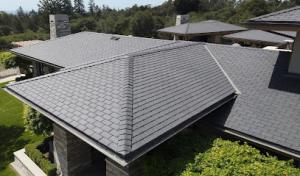
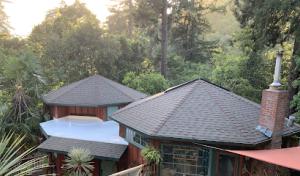
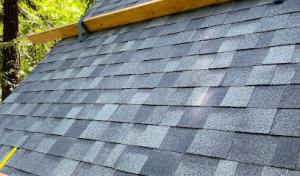
Pitched residential roofs dominate the housing stock, but low-slope sections still appear on homes with porches, attached garages, or additions. In this coastal climate, moisture management and corrosion resistance take on greater importance for these flatter surfaces. The Monterey Bay exposure means more wind-driven spray and higher humidity through the year, while canyon microclimates can create variable moisture loads under redwood canopies. On low-slope areas, drainage behavior and membrane detailing drive long-term performance, so attention to these zones matters just as much as on the main roof.
Winter brings a different set of failure modes for low-slope roofs. Ponding water can linger longer on these surfaces, especially when transitions collect debris or when roof gradients are insufficient. Seam weaknesses and edge flashing defects become more consequential as water sits and moves laterally across the membrane. In Aptos, where salt-laden air and occasional fog can accelerate corrosion, the membrane edge details and metal flashings need extra attention to resist oxidation and surface wear. A small seam or edge imperfection today can translate into a leak path after a series of winter storms.
Transitions between a tile or shingle main roof and a low-slope porch, garage, or addition are common weak points. These intersections mix different drainage behaviors and flashing demands, so they require deliberate detailing. Improper cross-over conditions can create hidden water traps or mismatched slopes that promote micro-ponding. Pay particular attention to the slope compatibility, the continuity of the waterproofing layer, and the method used to terminate the main roof membrane at the transition. Over time, incompatible materials or insufficient flashing height can lead to slow water intrusion that's easy to miss until a heavy storm hits.
Inspect low-slope areas after storms for signs of water staining, damp insulation, or damp roof decking. Look for any pooling that remains after typical rainfall rituals and verify that edge flashings are intact and corrosion-resistant. If there are any visible seams, ensure they are properly sealed and that the membrane laps are overlapping correctly. Regular cleaning of debris-prone zones around transitions helps prevent blockages that worsen ponding. When in doubt, a focused inspection by a roofing professional who understands local moisture behavior can prevent small issues from becoming costly repairs.
Find specialists in TPO, EPDM, and built-up flat roofing systems for residential and commercial properties.
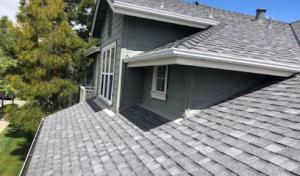
Because the local market signals emphasize reroofing, quick response, and cleanup, Aptos homeowners are likely to compare contractors on jobsite control and leak response as much as on price. The coastal and canyon microclimates require crews that can manage moisture, corrosion, and winter timing on a schedule that minimizes exposure. Long-established operators matter here because county workflows, coastal detailing, and Santa Cruz County timing are easier for crews already familiar with the area.
For homes with tile, skylights, solar, or mixed-slope sections, select contractors whose specialty mix matches those exact roof conditions rather than general handymen. Tile systems demand careful waterproof detailing at edges, penetrations, and transitions to avoid leaks that can travel under Spanish or concrete tile. Skylights and solar mounts add corrosion risks near salt spray and damp canyon air; ensure the crew has proven experience with flashing, sealants, and anti-corrosion practices. Mixed slopes require crews who can sequence work to protect fragile sections while maintaining consistent drainage and thermal expansion performance.
Ask for references with projects similar in climate and roof composition, then verify how they manage site control: material staging, debris containment, and daily cleanup. Inquire about their response workflow for leaks, including rapid triage steps and on-call availability during storms. Favor contractors who demonstrate a clear plan for sequencing roof work so that vulnerable areas stay protected during wet periods. Confirm they are comfortable coordinating with any existing skylights, solar components, or venting that will stay in place or require modifications.
Prepare a shortlist with at least three crews who show strong local familiarity, documented tile or mixed-slope experience, and a track record of tidy job sites. Schedule site visits to assess how they inspect for moisture intrusion, how they protect nearby landscaping, and how their crew leaders communicate progress and issues. Draft concrete expectations for leak prevention, on-site containment, and post-job cleanup so responsibilities are clear before work begins.