Last updated: Apr 19, 2026
The daily rhythm of San Diego's far southern border brings a unique mix of marine moisture, winter rain, and Santa Ana wind events. In this neighborhood, most full replacements are scheduled during the dry season to reduce rain delays and exposed-deck risk. When a roof is planned around the dry stretch, the crews can work with fewer interruptions, and the underlayment and decking have a better chance to dry thoroughly before any potential winter moisture hits. Planning with these seasonal patterns in mind helps avoid back-to-back leaks and keeps your project on a predictable track.
In practical terms, the dry season in this corner of the South Bay means focusing the bulk of the work between late spring and early fall. By coordinating around extended stretches without heavy rain, you minimize the chance of storms interrupting tear-off, sheathing work, or the installation of underlayment. This is especially helpful for tile and asphalt re-roofing, where the deck needs solid drying windows to keep fasteners and sealants from prematurely settling or staining. If a replacement must push into late fall, expect shorter drying windows and a higher likelihood of rain-related delays.
Marine layer conditions are a familiar variable along the coastal edge. Those foggy, damp mornings and late-day humidity can slow drying and sealing in spring and fall, extending cure times for underlayment and adhesive applications. When you're scheduling, ask the crew to prioritize days with lower humidity and less marine layer buildup, even if temperatures look comfortable. It can be worth shifting a few days to catch a drier, more predictable stretch, so the roof dries evenly and the adhesive bonds seal properly. This is particularly important for underlayment exposure windows, which need solid, dry surfaces to achieve full adhesion and wind uplift resistance.
Santa Ana winds can disrupt tear-off and material handling even when skies are clear. The gusts can lift loose debris, blow lightweight materials across yards, and complicate staging in narrow driveways or alley lots. Local scheduling recognizes that wind and rain aren't mutually exclusive threats-windy periods can occur during dry spells and still stop progress. The practical approach is to anticipate potential wind windows during the fall and winter shoulder seasons and to build in buffer days for weather shifts. A few calm days can dramatically improve the speed and safety of roof removal, deck prep, and material staging, reducing the risk of wind-driven delays.
When requesting a timeline, ask for a window that prioritizes prolonged dry spells and minimizes exposure during marine-dominated or windy periods. Have the crew specify contingencies for marine layer delays and for Santa Ana wind forecasts, including backup dates and a clear plan for securing loose materials when gusts rise. If weather forecasts suggest a sudden marine layer or a forecasted Santa Ana event, a proactive internal re-sequencing can keep the project on track without sacrificing quality. For tile and concrete tile, confirm that installation sequencing accounts for continuous drying times, especially around mornings with high humidity. For asphalt shingles or synthetic options, confirm adhesive and sealant cure windows align with the local climate, not just the calendar.
This approach keeps the project moving reliably while respecting the particular blend of maritime moisture and wind that shapes roofing here. By anchoring the schedule to dry spells and preparing for marine layer and wind, homeowners can reduce delays and protect the integrity of the new roof through San Ysidro's distinctive climate.
The area faces a distinct blend of marine moisture, winter rain, and occasional Santa Ana wind events, all shaping how roofs age here. The dominant local material mix includes asphalt shingles, clay tile, concrete tile, metal, wood shakes, and synthetic/composite shingles, with tile especially relevant to Southern California residential architecture. Homeowners often see clay and concrete tile on the steep, sun-warmed ridges, while asphalt shingles remain common on mid-slope homes and garages. This mix means choosing roofing materials is as much about local wind patterns and moisture handling as it is about curb appeal.
Winter storms bring higher humidity and stronger rain bands that test underlayment and flashing. Tile roofs, particularly concrete and clay, emphasize the importance of underlayment life and careful installation because water can travel along the roof deck if any laps are compromised. When planning a replacement, aim for a window with dry, steady weather so crews can confirm venting, underlayment continuity, and tile fit without rushing through a rain risk. Asphalt systems show more sensitivity to heat aging and seal-strip timing, so avoiding late-season heat buildup during any spring re-roofing is wise if Santa Ana winds are forecast to pick up shortly after completion. For metal roofs, ensure proper panel seam seals and corrosion-resistant coatings to withstand salt-laden coastal air that lingers after storms.
Tile roofs in this region often require attention to underlayment life and broken or slipped pieces after wind events. If a wind-driven maintenance cycle is skipped, small cracked tiles can become large headaches after the next storm. Regular inspection after Santa Ana episodes is prudent: look for loose fasteners, slipped trim, and any displacement of edge tiles that can direct water into eaves or soffits. Concrete and clay tiles are heavy; ensure that rafter connections and fastener patterns are sound to resist high-wind gusts. In homes with clay or concrete tile, verify that the flashings at chimneys, valleys, and roof-to-wall transitions are intact, since moisture intrusion can be subtle but costly over time.
Asphalt shingles age noticeably under our dry-summer climate, with UV exposure accelerating granule loss and mat oxidation during extended summer sun. This makes timing a replacement or major repair critical: the roof should have a solid, UV-protected surface, with seal strips in good condition to prevent early edge leakage. Shingle roofs also benefit from reflective or cool-color choices that reduce heat buildup in attic spaces and help extend the life of the roof system. If a home uses synthetic or composite shingles, UV wear still matters, though the composition may resist some weathering; inspect for brittleness or cupping after several hot summers.
Start with a seasonal walkaround after rain or wind storms: check for lifted or loose tiles, broken ridges, or exposed underlayment near eaves. On asphalt, look for missing granules, curling edges, or any noticeable blistering after heat waves. For metal, check for sealant integrity around penetrations and at panel joints, especially where salt air can accelerate corrosion. A close look at gutters and downspouts can reveal hidden leaks that correlate with interior staining. With tile, pay attention to broken pieces and slipped laps after wind to avoid cascading water intrusion that can mimic a roof fail.
Your choice hinges on climate exposure, roof slope, and long-term maintenance expectations. Clay and concrete tiles excel in heat resistance and longevity but require robust structural support and careful wind detailing. Asphalt offers a wide range of styles and faster installation, with attention to UV-rated products and proper sealant applications. Metal roofs provide wind resistance and lightweight benefits, with coatings tailored to coastal air. Wood shakes bring a distinctive look but demand diligent moisture control and coating cycles. Synthetic/composite shingles offer versatility and often improved UV tolerance, but verify warranties that address our Santa Ana and marine exposure.
Find contractors who specialize in clay and concrete tile roofs, known for their durability and curb appeal.

GUA Roofing
(619) 345-5099 chulavista-roofing.company
Serving
5.0 from 20 reviews
When it comes to taking care of your home, the roof plays a vital role in safeguarding everything underneath. At Guaranteed Roofing, we understand the importance of reliable and exceptional roofing services. Our extraordinary roofing service is designed to provide homeowners with peace of mind, knowing that their roofs are in expert hands. With our simple yet effective approach, we offer a range of services aimed at maintaining and repairing roofs to ensure longevity and durability. Whether it's routine maintenance, roof repairs or complete replacements, our team is dedicated to delivering top-notch results every time. At Guaranteed Roofing, simplicity meets excellence in all aspects of our work.
Chula Roofing Pros
(760) 514-0043 chula-roofing-pros.ueniweb.com
Serving
5.0 from 20 reviews
Chula Roofing Pros offers high-quality roofing design and services in Chula Vista. We are seasoned roofers who deliver top quality and budget-friendly roofing services. Get in touch with us on +17605140043. When you hire us, you know you’re getting skilled, passionate technicians you can trust to do the best job possible. And, as a bonus, we always feature competitive pricing on our services.
Ascent Roofing San Diego
(858) 758-3594 www.ascentroofingsd.com
Serving
4.9 from 125 reviews
Ascent Roofing (formerly Alpha Roofing) is a San Diego roofing company that provides high-quality Residential Roofing Services, Commercial Roofing Services, & HOA Roofing Services. Our expert team has the knowledge and experience to handle all of your roofing needs, including Roof Replacement & Roof Installation. We work with a variety of Roofing Systems, including Shingle Roofing, Tile Roofing, Torch Down Roofing, & Single Ply/TPO Roofing. As one of the top roofing companies in San Diego, we believe that every customer deserves the best possible service, which is why we offer competitive pricing & financing options. Whether you need a small roof repair or a complete Roof Replacement, we are here to help. Contact us today!
Bonita Roof Replacement & Repairs
(619) 822-1439 bonitaroofers.pro
Serving
5.0 from 18 reviews
Introducing Bonita Roof Replacement & Repairs, the go-to solution for all your roofing needs. Our extraordinary roofing service is designed to provide you with top-quality repairs and replacements in a simple and hassle-free manner. At Bonita Roof Replacement & Repairs, we understand the importance of a sturdy and reliable roof for your home or business. That's why we offer a range of services to cater to your specific requirements. Whether you need a quick repair or a complete replacement, our experienced team is dedicated to delivering exceptional results every time. With our straightforward approach, getting the best roofing service has never been easier.
NEW Roofing Team
(619) 831-6181 bonita-roofing.us
Serving
5.0 from 10 reviews
Welcome to NEW Roofing, your go-to choice for extraordinary roofing service. Our team provides simple and hassle-free roofing solutions to homeowners looking for top-quality roof installation. With our commitment to excellence and customer satisfaction, we take pride in delivering exceptional results that stand the test of time. At NEW Roofing Team, we understand the importance of a reliable and durable roof for your home. That's why we offer professional expertise combined with straightforward processes to ensure a stress-free experience for our customers. From initial assessment to meticulous installation, our team is dedicated to providing you with peace of mind and a superior end result.

RM Roofing
(619) 765-2837 www.rmroofinginc.com
Serving
4.9 from 36 reviews
Looking for a reliable roofer in National City, CA? With over 15 years of experience, RM Roofing is your trusted choice for commercial and residential roofing. We offer expert services including repairs, maintenance, re-roofing, tear-offs, and skylight and gutter installations. Our seasoned professionals provide personalized customer service, prompt responses, and quick emergency scheduling. We pride ourselves on delivering tailored solutions that meet each client's unique needs, ensuring your property remains safe and secure. Our commitment to quality and superior craftsmanship has earned us 5-star reviews from satisfied customers, and we offer service in both English and Spanish. Contact us for a free estimate today!
Built 2 Last Roofing
(619) 836-7276 b2lastroofing.com
Serving
5.0 from 4 reviews
At Built 2 Last Roofing, we’re more than just a roofing company, we’re your partners in protection, quality, and peace of mind. Specializing in residential and commercial roofing, as well as repair and replacement services, we are dedicated to ensuring that your property is safeguarded with durable, high-quality roofing solutions. We have the expertise to handle any job, big or small. With years of industry experience, we’ve established ourselves as trusted roofing experts. Our team is fully licensed and insured, providing you with confidence and assurance that your roofing project is in the hands of professionals.
Superior Roofing & Waterproofing
(619) 947-2115 www.superioroof.com
Serving
5.0 from 4 reviews
Superior Roofing & Waterproofing Serving San Diego County, Superior Roofing & Waterproofing specializes in residential and commercial roofing systems. From roof repairs and replacements to waterproof coatings and leak detection, we deliver long-lasting results with licensed, insured crews. We work with asphalt shingles, tile, TPO, PVC, and silicone coatings—always using top-tier materials. Whether you’re in Chula Vista, La Mesa, or Oceanside, we offer free roof inspections and fast estimates. Call today or book online for same-day service in your area.
San Diego Roofing Replacement & Repair
Serving
5.0 from 14 reviews
Located in the heart of San Diego, Alpha Prime Roofing is your premier destination for high-quality roofing materials. Serving contractors and DIY enthusiasts alike, our store at 3827 Florence St offers a comprehensive selection of shingles, underlayment, and all the essential tools you need to complete your project. Our knowledgeable team is dedicated to helping you find the perfect supplies to ensure durability and style. Choose Alpha Prime Roofing for excellence and reliability on every job.
A&J's Professional Roofing
(619) 274-6130 ajsproroofing.com
Serving
5.0 from 13 reviews
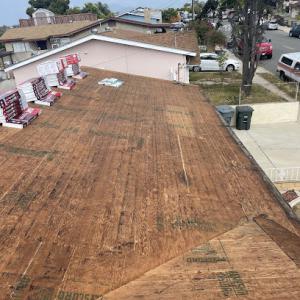
Protect your largest investment with our reliable roofing services. We are a locally owned and operated roofing company currently serving San Diego, CA and surrounding communities. If you want to make your roof last as long as possible, it is vital that you never put off a roof repair. Small issues with roofing become big issues in a hurry. No matter how major or minor the repair you need, we are here to help. We offer roofing contracting, roof leak repair, and roof installation.
McKay Roofing & Solar
(858) 541-1097 mckayroofingsolar.com
Serving
4.8 from 157 reviews
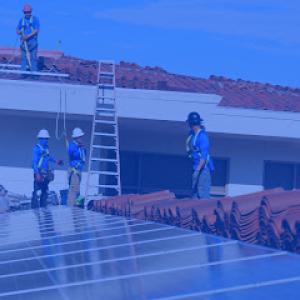
McKay Roofing and Solar is a local roofing contractor serving San Diego County with over 40 years of experience. Based in Spring Valley, we handle roof repair, roof replacement, and solar installation for residential and commercial properties. Most of our work comes from older roofs, heat damage, leaks, and roofs that need to be addressed before solar is installed. We work throughout San Diego, including Mission Valley, La Mesa, El Cajon, Lemon Grove, Santee, Chula Vista, and surrounding areas. Straight answers, no pressure, and work that’s built to last.
Preman Roofing-Solar
(619) 568-2762 www.premanroofing.com
Serving
4.5 from 75 reviews
Preman Roofing-Solar, San Diego’s top roofing contractor, offers a variety of cost-effective roofing and solar options and services for commercial and residential properties. At Preman Roofing-Solar, we take pride in offering the top residential and commercial roofing services. We offer solar roofing as one of our leading premier roofing services. Our solar roofing experts specialize in customized solar designs for single and multi-family homes. From conceptualization to installation, your solar roof is in good hands with our roofing specialists at Preman Roofing-Solar. From roof repair to solar roofing installation, our San Diego Roofing experts are ready to help.
Winter rain in this area often follows long dry spells, which can mask underlying wear on underlayment and flashing. After a dry stretch, moisture slicks into shingles and penetrates weak seams where it's least suspected. San Ysidro homeowners frequently see roof problems surface during these events, when a single long downpour reveals leaks that have been silently creeping for weeks. If you notice stains on ceilings after a storm, or damp spots near interior walls adjacent to the roof line, treat it as a warning bell. The first sign may be a small drip behind an attic vent, a damp spot along a ceiling seam, or a musty odor in the attic space. Do not wait for a second storm to act. Early discovery matters, because hidden underlayment wear and flashing defects tend to cascade quickly once the rain arrives in force.
Warm, dry Santa Ana winds can lift vulnerable edges, displace tiles, and expose weak fastening before the next rain arrives. In San Ysidro's microclimate, those gusty days push tiles upward, pop out a loose ridge cap, or shift a row enough to create a direct path for rain. If you hear rattling or see lifted edges during a wind event, treat it as an urgent signal. A single displaced tile or a loosened seam can turn into a full-on leak when the next shower hits. Inspect areas around roof penetrations-vent pipes, chimneys, and vent stacks-for gaps that widen with wind. While cosmetic looseness might seem minor, the underlying fastening and sealant can degrade rapidly under repeated wind pressure and temperature swings.
Because the local contractor market shows strong emergency-repair activity, rapid tarping and leak stabilization are a meaningful part of the real service landscape here. When a leak is confirmed, prioritize temporary tarping to minimize interior damage while durable repairs are sourced. A proper tarp should cover the damaged area completely, extend well beyond the affected zone, and be secured against wind uplift with weighted edges or anchoring. Leaks beneath attic fans, skylights, or near the eaves demand extra attention, since those points are prone to recurring exposure in Santa Ana conditions. Plan for a swift inspection by a seasoned local roofer who understands how winter rains interact with marine moisture and wind-driven stress on tile and shingle configurations. Quick stabilization reduces interior damage, buys time for a proper fix, and preserves the long-term integrity of the roof structure. In the interim, keep interior ceilings dry, capture water from active leaks with containers placed beneath drips, and document storm-related damage for reference during repairs.
When you can't wait, these contractors offer fast response times to stop leaks and prevent further damage.
Full roof replacements in this area go through the City of San Diego's Development Services Department, not a separate local city hall process. That means your project steps follow the city's permit workflow: submittal, plan review or plan check, and then inspections as the work progresses. Work cannot proceed beyond initial phases without the city's approval, and plans should clearly show roof type, underlayment, fasteners, and any structural changes. Expect checkpoints that reflect the actual materials chosen and the method of installation.
The local process generally includes plan review or plan check before any physical work begins. Once the project is underway, inspections occur during the roof installation and a final inspection wraps up the job. If the inspector identifies corrections, a re-inspection will be scheduled after those corrections are completed. Keeping ahead on plan accuracy helps prevent delays that can complicate weather-driven timelines. It's common for certain portions of the work to be inspected separately, such as decking, underlayment, and flashing, so your crew should coordinate these steps in advance.
Coordinating contractor scheduling with City of San Diego inspection availability is essential, because inspection timing can affect dry-in sequencing during wetter periods. If a rain event is forecast during a critical dry-in window, align the crew's pace with the inspector's calendar to minimize back-and-forth delays. Communicate anticipated milestones with the contractor and the city inspector early in the project so dry-in and weather-sensitive tasks have clear targets. In practice, you'll want to lock in inspection dates well ahead of time and build a small weather contingency into the schedule.
When planning, assume a slightly longer lead time for permit review than a private project without city oversight. Start the process early if the project is tied to a specific maintenance window or seasonal constraint, such as winter rain or Santa Ana wind risk periods. Prepare a complete submittal package that reflects the chosen roof assembly, its drainage considerations, and any detailing around parapets or skylights. If you own a multi-project property or several units, coordinate staggered inspections to avoid clashes with weather fronts or limited crew availability. Finally, verify that the contractor's plan matches the city's current code requirements and any neighborhood-specific amendments.
In this coastal-inland edge area, the most practical way to size a replacement is to anchor expectations to the per-square ranges you'll routinely see quoted. Asphalt shingles run roughly from 350 to 700 USD per square, metal from 800 to 1400, clay tile from 1000 to 1800, concrete tile from 900 to 1600, wood shingles or shakes from 700 to 1300, and synthetic or composite shingles from 500 to 900. These numbers reflect both material choices and the local realities of re-roofs, which are common here and bring tear-off, disposal, and deck-repair costs into bids.
Here, costs are influenced not just by material price but by the execution reality of re-roofs. Most homes in the area need tile or asphalt upgrades, and many projects involve removing old layers, cleaning debris, and performing deck repairs before the new install. That combination adds to labor time and disposal overhead, which tightens the difference between a simple material comparison and a complete bid. When evaluating bids, you'll notice that a "tile over tile" approach is not always feasible, so plan for additional labor if a full tear-off is required. The end result is that the project's total cost often sits above the material-only estimate.
Winter rain, marine moisture, and Santa Ana wind events all press into project scheduling here. If you can, align the replacement to avoid the wet months, as moisture exposure raises the risk of deck damage and requires more protective measures during tear-off. Santa Ana conditions can also drive shorter work windows due to gusty winds; that may push crews to add weather-day contingencies or even choose a more weather-tolerant system, which in turn can shift costs upward. Tile-heavy homes tend to need more meticulous sealing and waterproof detailing at transitions, ridge lines, and penetrations, especially in a windy, damp climate.
If you prioritize a longer-term, less maintenance-intensive roof, concrete or clay tiles deliver durability in this climate but come with higher upfront costs. For lower up-front expense with decent longevity, asphalt or synthetic options are cost-effective, though they might require more frequent maintenance in a marine setting. When you receive bids, ask for a breakdown that includes tear-off, disposal, deck repairs, and any extended work windows caused by Santa Ana seasons. This helps ensure you're comparing apples to apples across the local cost landscape.
Get a clear picture of your project costs upfront - no commitment required.
In this border area, California's tightening homeowners insurance market affects you through stricter roof-age scrutiny, more documentation requests, and possible carrier limitations tied to wind or wildfire-risk underwriting. That means your roof project will be under closer scrutiny, and carriers may respond to aging, weather exposure, or material choices with tighter coverage rules. Being prepared helps you avoid gaps in coverage when storms or leaks test a roof's resilience.
San Ysidro homeowners should expect insurers to want thorough pre- and post-work photos, especially after wind-driven damage or leak events that develop during winter storms. The photos should capture roof surfaces, flashings, penetrations, and any existing damage, plus close-ups of problem areas. After work, document the installed materials, flashing details, nurseries of skylights or vents, and a clear view of the overall condition. Maintain a digital archive so you can quickly provide evidence if a claim arises later.
Because roof condition can affect renewals and premiums in California, documenting maintenance, repairs, and final inspection sign-off is especially important before and after replacement. Keep contractor invoices, warranty certificates, and any third-party inspection notes organized by date. If a wind event or storm uncovers latent issues, ready photos and records help demonstrate that proper steps were taken to restore integrity and reduce future risk.
When planning repairs or replacement, factor in the timing around Santa Ana winds, marine moisture, and winter rain. Timely patching of vulnerabilities-such as underlayment, flashing, and vent seals-can minimize subsequent insurer questions and reduce the chance of coverage hiccups during peak storm seasons. Consistent, well-documented maintenance earns you clearer renewal decisions and steadier coverage.
Connect with contractors who help homeowners navigate the claims process from damage assessment to final approval.


A notable portion of local crews has a flat-roof specialty, reflecting real activity in San Ysidro's housing mix alongside traditional pitched roofs. That means a homeowner can expect a reasonable range of expertise for low-slope systems, including some that focus on single-ply membranes, modified bitumen, or built-up methods. The true opportunity is matching the right system to the roof's condition, the age of the substrate, and the expected service life, rather than defaulting to a one-size-fits-all approach.
In the coastal climate, low-slope roofs are more sensitive to drainage performance, ponding persistence, and slower drying during marine-layer periods. Plan for effective drainage paths that minimize standing water after storms, and verify that any roof deck or membrane layer has clean transitions at perimeters and penetrations. Regular inspection after winter rain and during marine fog helps catch edge failures early. Consider upgrading to drainage-enhanced details, such as improved slope where feasible, upgraded overflows, and careful flashing details at roof-to-wall junctures to reduce moisture ingress.
Roof coating appears as an active but smaller specialty in this market, suggesting restoration is a niche option rather than the default path for every aging roof. Coatings can be appropriate for flat or low-slope sections with compatible substrates and moderate aging, especially as a preventive measure or a short-term holding solution between major replacements. However, coatings rely on clean, sound surfaces and proper surface preparation; they won't fix structural issues or widespread membrane failures. Use coatings to extend life on compatible roofs, but pair them with a realistic plan for eventual rehab or replacement if leaks or deck weaknesses emerge.
Because marine moisture and Santa Ana wind cycles interact with seasonal rains, schedule any low-slope replacement or coating project with the wet months in mind. Allow ample time for weather windows, ensure proper staging to protect decks and interior spaces during winter storms, and align coating cures with dry spells to maximize adhesion and performance. A well-timed upgrade or restoration preserves membrane integrity through Santa Ana events and the next marine layer period.
Find specialists in TPO, EPDM, and built-up flat roofing systems for residential and commercial properties.

Solar roofing is an active specialty among local contractors, so planning around existing or future rooftop solar is a common conversation in this part of the county. When you think about a replacement, you're not just choosing materials-you're coordinating a path that keeps your electrical plan compatible with the roof deck, underlayment needs, and potential panel layout. For tile-heavy homes, the decision often centers on whether to replace the surface first and then attach the array, or to install a partial system that can be expanded later without renegotiating critical flashing or edge details. In practice, you'll want a contractor who can outline a clear sequence that preserves roof integrity while leaving room for solar hardware.
On tile-forward homes, solar work can complicate sequencing because roof repairs, underlayment work, and panel attachment details need to be coordinated together. The roof waterproofing layer must be continuous beneath any mounting rails or racking, and tile removal or re-tile work should be tightly integrated with the flashing plan around penetrations. A well-coordinated schedule minimizes multiple trips to your roof and reduces the risk of leaks during installation. Because tiles can be fragile and Santa Ana winds can worsen edge damage, expect careful handling of tiles during any removal and reinstallation, with temporary protective measures as a routine part of the job.
Look for a crew that treats solar-ready roofing as a single, integrated scope rather than separate line items. The contractor should map out where underlayment upgrades, flashing, and panel attachments converge, so there are no surprises once panels are mounted. In practice, that means a single project timeline that accounts for weather windows, especially during marine-moisture seasons and winter rains, and a detailed plan for how any necessary re-flashing around skylights or vents will be coordinated with panel hardware. A thoughtful approach helps ensure a durable roof and a reliable solar installation without last-minute changes.
Find contractors who integrate solar panels or solar shingles into your roof for long-term energy savings.