Last updated: Apr 19, 2026
The oceanfront setting in this neighborhood means roofs and metal components endure regular sea spray. That salt exposure raises corrosion risk for flashing, fasteners, and any penetrations near the coast. When you're choosing components, prioritize corrosion-resistant metals and fasteners rated for high-saline environments. In practical terms, look for flashed seams and metal trim with protective coatings designed for salt spray, and verify that through-bolt or screw patterns avoid galvanic reactions with nearby copper, steel, or aluminum if mixed materials are used. A recurring check of exposed fasteners after heavy marine winds is not overkill here, since coastal microclimates can accelerate wear even during mild seasons.
Coastal Southern California sun beats down year-round, and UV exposure is a bigger aging factor than freeze-thaw cycles in this area. Exposed surfaces such as clay or concrete tile facades and the metal accents on Mediterranean-inspired roofs will develop surface wear, fading, and microcracking over time. The takeaway is to prioritize UV-resistant underlayment choices and durable surface coatings, especially for any tile profiles with flat deck areas that catch substantial sun. When you plan a repair or replacement, consider resurfacing or re-coating options that extend UV resistance, rather than relying solely on the tile color for longevity. In many cases, a well-sealed underlayment and properly flashed transitions will keep the roof performing longer even if the tile showing wear is still intact.
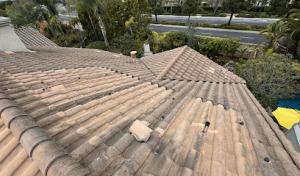
Spanish and Mediterranean-style homes in the area commonly feature clay and concrete tile. For these roofs, the surface tiles often carry the load, but the underlying underlayment and flashing condition frequently determines replacement timing more than the tile surface itself. Pay attention to the condition of the underlayment, the integrity of the nailing assemblies, and the flashing around penetrations, valleys, and transitions to dormers or skylights. If flashing is compromised or shows signs of corrosion or water staining, plan for attention before tile replacement becomes necessary. The key is to keep the underlayment dry and the flashings continuous and well-sealed, because salt air and sun can progressively degrade these interior barriers even when the surface tiles look acceptable.
Adopt a proactive inspection routine that reflects coastal realities. Schedule a thorough roof check twice a year: after the heavier winter winds and after the dry summer heat peaks. During each inspection, look for corrosion on metal components, loose or misshapen tiles, and any signs of water intrusion around penetrations or along eave lines. In the presence of sea spray, prioritize inspecting flashings and fasteners first, then surface tiles. If you detect rust on metal trim or fasteners, or if you notice grout-like sealant deteriorating at joints, address those issues promptly to preserve the roof's protective layers. Remember, the tile may stay visually sound while the critical barriers underneath have softened or corroded, so don't rely on surface condition alone.
In this coastally influenced climate, tile roofs often outlive the waterproofing layer beneath them. That means you may end up doing lift-and-reset work rather than a straightforward tile swap. The aging waterproofing can trap moisture or fail prematurely if not addressed in the same window as the tile. Planning the re-roof around dry, calm periods with favorable Santa Ana patterns helps keep the underlayment and flashings from getting stressed by wind-driven rain or salt spray during the process. The timing also intersects with sun exposure and roof slope, so a winter-to-spring window is often ideal to avoid the peak heat of summer and the wet season's unpredictable storms.
La Jolla's housing stock features many older custom homes with unique roof lines, which means broken field tiles, aged flashings, and brittle underlayment are common during re-roofs. Expect tile fragments to show up during removal, and plan for temporary protection of interior spaces when the old underlayment is exposed. Salt air and UV exposure have taken a toll on fasteners and metal flashings, so the sequence should prioritize securing all penetrations, then addressing flashings around chimneys, vents, and parapets before installing new tile. Because wind can shift batter boards and scaffold placements, the crew will need to stage materials carefully to minimize wind-driven debris on neighbors' properties and on the promenade-facing aspects.
Begin with a weather-aware estimate window. Pick a dry streak of at least several days, with a forecast for low humidity and moderate temperatures to protect underlayment and fasteners. Schedule a pre-assembly inspection to identify broken field tiles, deteriorated underlayment, and aged flashings. On removal day, expect some underlayment to show its age; this is not a failure of the tile roof itself but a necessary conversion to a sound base. If multiple sections share a common underlayment or flashing strategy, coordinate replacement so the new components aren't overwhelmed by adjacent failures. After tile removal, address all flashings, counter-flashings, and any damaged decking before tile reinstall begins. Confirm that the chosen tile type and color maintain the historic aesthetics if preserving the look is a goal.
With a large inventory of older custom homes, many homeowners face a choice between preserving tile aesthetics and adopting lighter, lower-maintenance systems. If preserving looks is a priority, work with a fabricator who can source compatible field tiles and matching edges, while upgrading underlayment and flashing to current standards. If opting for a lighter or lower-maintenance system, plan for a likely increase in fastener considerations and potentially different flashing details to accommodate the new material. In either path, ensure the re-roof timing aligns with dry seasons and the crew's familiarity with the local roof geometries to minimize downtime and maximize the life of the new assembly.
Find contractors who specialize in clay and concrete tile roofs, known for their durability and curb appeal.
Alma Roofing
(619) 693-3670 www.almaroofingsd.com
Serving
5.0 from 70 reviews
At Alma Roofing, we are San Diego's trusted roofing company specializing in new roof installation, roof repair, and roof replacement for residential and commercial properties. As a fully licensed and insured roofing contractor, we offer the best roofing services for your home and business. Whether you need a shingle roof, tile roof, or flat roof, our expert team ensures top-quality workmanship. We also provide 24/7 emergency roofing services for roof leaks and storm damage, along with gutter and vent installation and repair. Serving all of San Diego, we back our work with warranties provided only to preferred and certified contractors, and also offer flexible financing. Contact us for your free roof inspection & estimate today!
Ford Roofing
(619) 562-3971 fordroofingsd.com
Serving
5.0 from 14 reviews
"Ford Roofing is an independently owned and operated, Better Business Bureau accredited roofing company that has been serving San Diego County since 1988. With over 30 years in business, Ford Roofing has the knowledge and expertise to address any roofing needs you may have. While based in eastern San Diego County, Ford Roofing has the mobility to reach any part of San Diego County with ease. With an extremely high referral rate, Ford Roofing is the type of company you’ll want all your friends and family to know about!"
Build Brothers
(760) 566-7734 www.buildbrothersinc.com
Serving
4.9 from 615 reviews
Build Brothers is a family-owned and operated roofing and solar contractor based in San Diego, CA. With over 20 years of experience, we specialize in energy-efficient residential and commercial solutions. Our commitment to top-tier craftsmanship, competitive pricing, and exceptional customer service has earned us hundreds of 5-star reviews. We offer financing options and reliable workmanship warranties, making us a trusted choice for solar and roofing projects across San Diego County.

A-Class Roof Repairs
(619) 874-1796 a-classroofrepairs.com
Serving
4.8 from 19 reviews
With over 25 years of expertise in the roofing industry, we are proud to offer cost-effective and efficient solutions for your roofing needs. Servicing the San Diego & Los Angeles areas we specialize in both residential and commercial roof repairs, we provide high-quality services at a fraction of the cost of a complete reroof. Whether you need to fix a single slope or address the entire roof structure, our team is here to help. Contact us today for a free roof inspection and let us ensure your property remains safe and secure with our trusted repair solutions!
Roofing Specialists of San Diego
(858) 922-5903 roofingspecialistsofsandiego.com
Serving
4.8 from 141 reviews
Roofing Specialists of San Diego is a licensed roofing contractor that has been serving San Diego since 2001. With over 2 decades of experience, we bring expertise and reliability to each and every project. We believe that a roof is the most integral part of a home. It’s what holds your walls together and keeps your house, your possessions, and your family safe and secure. Roofing Specialists of San Diego preforms roof repairs and new roofing installations. When it comes to service, we've got you covered! From the first phone call all the way through the jobs completion. We care what you think. When having such an important project performed on your home or building, always be safe by hiring a licensed San Diego roofing contractor.
Roof Rejuvenate of San Diego
(619) 707-0514 roofrejuvenatesd.com
Serving
5.0 from 10 reviews
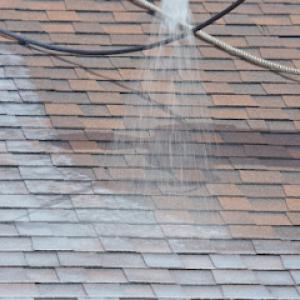
Roof Rejuvenate of San Diego is home to the best roof rejuvenation services in the area. Our goal is to provide our customers with exceptional service, while extending the life of their roof. Our service has even been lab-tested and field-proven to extend your roof's life. Call today to get started!
Triumph Roofing & Exterior
(619) 688-8401 triumphroofing.us
Serving
5.0 from 24 reviews
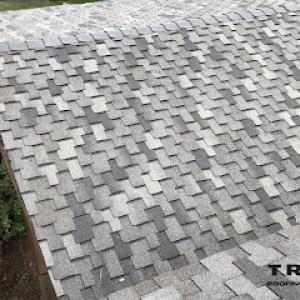
Commercial & Residential Roofing We are committed to working with quality, patience, and dedication. Our mission is to give you the finest possible service and do it right the first time. It will save you both money and time. The top roofing services in the region are provided by Triumph Roofing, which includes “commercial roofing,” “residential roofing,” and “multi-family roofing.” Our professionals work tirelessly to complete high-quality work ahead of schedule. Triumph Roofing is just what you are searching for if you want the best customer service, qualified and experienced professionals, excellent work, unrivaled warranties, and the best rates all in one place.
Resilient Roofing
(619) 501-2138 www.resilientroofing.com
Serving
4.8 from 207 reviews
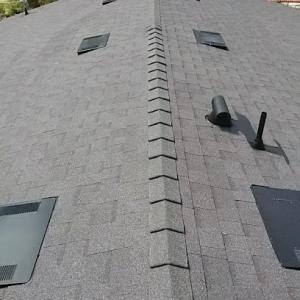
At Resilient Roofing, we solve roofing problems. We proudly serve all of San Diego and Orange counties, along with San Bernardino, Los Angeles, and Riverside, providing expert roof repair, new roof installation, and maintenance for every roof type under the sun. We've been in business since 1967, and we're proud to offer custom roofing solutions tailored to your needs, and backed by our Leak Free Guarantee. Our roofing consultants adhere to a strict code of ethics, and we will never do a roof replacement if your roof can be repaired - a commitment that has earned us a finalist position in the BBB Torch Awards for Ethics from 2022-2024. With flexible financing options at the ready, Resilient Roofing is committed to keeping you safe and dry.

Peak Builders & Roofers of San Diego
(619) 330-1299 peakbuilderssd.com
Serving
4.9 from 121 reviews
Peak Builders & Roofers of San Diego is a roofing contractor & general contractor providing top-notch roofing & home remodeling services in the San Diego County area. Specializing in residential and commercial roofing, ADUs, garage conversions, kitchen & bathroom remodels, concrete driveways, & retaining walls. Our skilled team is adept at roof repair, roof replacement, and general roof maintenance. We pride ourselves on delivering affordable roofing solutions without compromising on quality. As one of the best roofing companies in San Diego, we ensure every project meets the highest standards. Whether you need a minor roof repair or a complete roof replacement, trust us to handle it with professionalism and care.
RSI Roofing
Serving
4.8 from 99 reviews
A+ Rating by BBB! Established in 1993, RSI Roofing is a fully insured, bonded commercial roofing contractor. RSI caters to a wide variety of clientele, from commercial buildings to residential homes and multi-family communities, to industrial and institutional properties. For more information, please call us at 858.278.7200.
Sunstone
(858) 500-1550 www.sunstoneroofing.com
Serving
5.0 from 167 reviews
Sunstone: your trusted partner for comprehensive property solutions. As a licensed general contractor, we specialize in safeguarding and enhancing your home. From expert roof repairs and replacements to flawless interior and exterior painting, including protective coatings, we deliver exceptional craftsmanship. We also offer solar panel maintenance and re-installation services, ensuring your sustainable energy solutions perform optimally. Entrust your property to Sunstone and experience quality service from foundation to solar panel.

Shake, Shingle & Roll Roofing
(858) 278-7791 www.ssrroof.com
Serving
4.8 from 24 reviews
David Knutson has lived in San Diego since 1970. In 1984 at the age of 18, he embarked on a roofing career. Nine years later he formed his own company Shake, Shingle & Roll Roofing. Quality work and attention to detail has allowed Dave’s company to grow. Most of our work comes from referrals. Shake, Shingle & Roll Roofing is a CertianTeed Select Shingle Master Contractor. All of our installers are Certified Applicators. Shake, Shingle & Roll Roofing was incorporated in 1993. Shake, Shingle & Roll, Inc. is a proud member of the Better Business Bureau since 1995 with an A+ rating and in good standing with San Diego Roofing Contractor’s Association since 1993. Shake, Shingle & Roll, Inc. is a licensed C-39 contractor. License #846149.
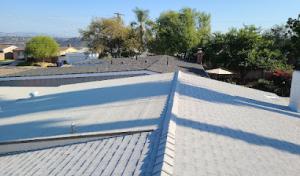
On hillside homes with low-slope sections, the blend of ocean air, salt spray, and abundant sun creates a unique set of challenges. Concrete and clay tiles may hold up well on higher areas, but the low-slope zones endure more direct exposure to salty moisture and UV degradation at a steady rate. The salt and wind can accelerate corrosion on metal components and degrade sealants and membranes faster than in inland neighborhoods. Choose assemblies designed for coastal use, with corrosion-resistant fasteners, UV-stable flashing, and compatible sealants that resist salt creep. In addition, transitions between roof planes-especially where decks or terraces step down-need careful detailing to avoid hidden leak paths.
Bluff and canyon-facing properties often feature intricate rooflines with multiple penetrations, wall intersections, and varying ridgelines. Each seam or flashed joint becomes a potential leak point if not correctly engineered and inspected. The more perpendicular walls and intersecting planes you encounter, the more important it is to verify that every termination is continuous with the proper counterflashing, sealant backing, and drainage channels. In practical terms, early-stage design decisions matter: ensure that flashing collars around vent curbs, skylights, and attic access closely align with the slope geometry to prevent ponding and slow-seeping leaks from finding a path through a membrane edge.
Even in a mild coastal climate, winter rain events can reveal weaknesses that sleeper systems hide during dry seasons. Ponding on low-slope sections is a common warning sign. If water remains on the surface long enough to saturate the substrate, it can accelerate membrane seam deterioration and overburden edge details. Clogged drains compound the problem, turning brief showers into longer exposure periods for vulnerable seams. Proactive maintenance-removing debris, checking drip edges, and confirming that scuppers and interior gutters keep flow unobstructed-helps prevent sudden failures during a rain-heavy spell.
A hillside home will benefit from a disciplined inspection routine that prioritizes flashing joints, corner transitions, and wall penetrations. After storms, pay extra attention to deck-to-roof interfaces and any signs of efflorescence or staining near penetrations, which can indicate slow leaks. When you see abird's-eye view of water sheeting or ripple patterns in waterproofing membranes, treat it as a warning, not a cosmetic issue. Document issues with photos, map critical transitions, and schedule targeted repairs before hidden deterioration spreads.
Given the combination of sun, salt, and variable slope, you should favor roof systems and accessories that perform reliably under coastal exposure. If a low-slope membrane is involved, ensure the system accommodates expansion joints and movement at wall intersections without creating stress concentrations. For hillside properties with frequent transitions, the continuity of waterproofing at penetrations and the durability of edge details become as important as the primary roof membrane. A thoughtful, site-aware approach protects both the roof and the hillside home from the long-term consequences of harsh coastal conditions.
Find specialists in TPO, EPDM, and built-up flat roofing systems for residential and commercial properties.
Roofing Specialists of San Diego
(858) 922-5903 roofingspecialistsofsandiego.com
Serving
4.8 from 141 reviews
Spring and fall are the sweet spots for a roof replacement on the bluff and hillside neighborhoods. The sun is gentler, the heat isn't as punishing, and tasks that rely on calm daytime conditions stay on track. In La Jolla, the coastal breeze can flip from mild to biting, and a rushed summer install invites heat-related issues and material handling hazards. Align the schedule to dodge the peak heat and the wetter slice of winter, when delays ripple through dry-in phases. If a project starts in late spring or early fall, crews can push through dry-in with fewer interruptions, reducing the risk of leaks before the final layer is set. This is especially critical on homes with clay or concrete tiles, where proper sealing during dry-in determines long-term weather resistance.
Santa Ana wind periods are not a distant forecast for coastal and hillside properties in this area. When those winds surge, debris moves faster, ties loosen, and shingles or tiles can be displaced during the tear-off phase. Exposed hillside sites and coastal homes feel the impact more acutely, turning a routine replacement into a scramble to secure loose materials and protect adjacent vegetation and driveways. Plan around forecasted wind windows and ensure crews have secure staging zones and contingency tarps. A tight, reinforced edge system and careful debris containment become non-negotiables on bluff-adjacent homes where gusts can whip through canyons and gullies with surprising speed.
Winter storms in this region can pause dry-in schedules and leave roofs vulnerable if replacement starts too close to a rain event. Even a modest shower can set back plywood and underlayment work, and high humidity slows cure times for sealants and coatings. For homes with solar arrays or skylights, prolonged wet-in periods increase the risk of moisture intrusion around penetrations. Build a realistic contingency into the plan to accommodate the variability of winter weather, and coordinate with crews to accelerate critical steps before storms roll in. In practice, that means prioritizing weather-ready phases, securing materials prior to fronts, and having a rapid-response plan to cover exposed areas if a sudden downpour arrives. This approach minimizes leaks and keeps the project on track when winter showers arrive unexpectedly.
When you can't wait, these contractors offer fast response times to stop leaks and prevent further damage.
La Jolla's sunny coastal climate makes solar-equipped roofs common enough that reroof planning often has to account for panel removal and reinstallation sequencing. When assessing a reroof, you should map panel locations first and coordinate with the roofing crew so that mounting rails and racking stay aligned with the new underlayment and flashing details. Take stock of shading from nearby trees or upper-story features, and confirm that any future solar expansion can be accommodated without tearing into finished sections again. The goal is to keep the solar system as close to its original, efficient orientation as possible while the roof is open for work.
Custom homes in La Jolla frequently include skylights and architectural roof penetrations that become leak points if flashing is not rebuilt during reroofing. If panels must be removed, designate a clear sequence for detaching and reattaching modules that minimizes exposure of flashing systems. When panels go back on, verify that mounting brackets do not compromise flashing around vents, skylights, or valley intersections. Where possible, request pre-cut, factory-sealed flashing sleeves for any penetrations that will be re-flashed once the roof deck is replaced. The aim is to prevent misalignment or compression failures as the new roof layers are installed above and around the existing solar hardware.
On tile and mixed-slope roofs, coordinating solar mounts and skylight flashing with the roofing scope is especially important to avoid future water entry. Skylights should have updated step flashing and counter-flashing integrated with the tile field, not just tucked behind shingles or tiles. If a skylight sits near a roof-to-wall transition or above a dormer, ensure that kerfs, sealants, and perimeter flashing are refreshed to tolerate ocean-spray and UV exposure. A careful reroof plan treats each penetration as a potential leak path and builds redundancy into the flashing details to survive the local climate.
With tile or mixed-slope configurations, ensure the roofing crew collaborates closely with the solar installer and any skylight specialists. The coordination should address how the roof deck is prepared, where mesh or underlayment is placed, and how vertical flashings interface with the tile laps. By aligning the solar mounting plan, skylight flashing, and the roofing scope from the outset, the risk of water entry is minimized and the roof remains durable under the region's sun and salt exposure.
Find contractors who integrate solar panels or solar shingles into your roof for long-term energy savings.
Roofing Specialists of San Diego
(858) 922-5903 roofingspecialistsofsandiego.com
Serving
4.8 from 141 reviews
Coastal salt-air exposure, bluff-top winds, and strong sun shape material performance in this hillside enclave. Tile and metal options commonly show longer lifespans here than flatter inland neighborhoods, but the trade-off is higher staging and access costs when crews navigate steep driveways, tight properties, or cliffside lots. When planning, expect additional expense for careful drivetrain work, extra safety measures, and meticulous protection around ocean-facing exposures where corrosion and UV wear can accelerate flashing and sealant degradation.
Asphalt shingles sit lower in upfront cost, but here they can suffer faster blistering on sun-exposed surfaces, making tile or metal more economical over the life of the roof. Metal roofs offer corrosion-resistant components and fast installation, yet lift and set work for panels, ridge caps, and flashings near skylights or solar penetrations can push local costs upward. Clay tile delivers classic, long-lived performance, though weight, lift, and precise alignment around vents require careful staging and skilled labor. Concrete tile blends durability with moderate weight, but long runs on steep slopes demand robust fall protection and higher crew coordination. Wood shingles and shakes bring a natural look favored on some Spanish-style homes, yet weathering in salty air can shorten their service window without consistent maintenance. Slate provides superior longevity in this climate, but installation costs are high due to weight and precision detailing.
La Jolla projects often require meticulous flashing details around skylights and solar penetrations, as well as corrosion-resistant components in coastal zones. The combination of steep access and hillside or bluff-adjacent lots means crews may need specialized equipment and longer setup times, which raises overall project costs relative to flatter inland sites. Expect careful sequencing for tile lift-and-reset work and for integrating new flashing around penetrations to maintain watertight performance over decades.
Scheduling around the City of San Diego's review timing can affect project duration and carrying costs for larger reroofs. Longer permitting or inspection windows may extend the replacement timeline, so budgeting for interim protection, temporary housing, or staged material deliveries helps avoid cash-flow strain during the replacement window. Align expectations with the crew about access windows and staged material drops to minimize delay-induced costs on steep or hillside sites.
Get a clear picture of your project costs upfront - no commitment required.
San Diego County Roofing & Solar
(855) 732-6868 sandiegocountyroofing.com
Serving
5.0 from 42 reviews
For a full re-roof, the work is not complete without a building permit issued by the City of San Diego. La Jolla falls under that city's jurisdiction, and the permit must be secured before any roofing materials are replaced in full. The process is not a single-signoff event; it unfolds through plan review and on-site inspections set along the installation timeline. Expect that plans will be checked for compliance with local building codes and the specifics of a coastal roof system, including how materials will perform under salt spray, wind, and sun exposure. The plan submission should clearly show the proposed roof assembly, fasteners, underlayment, and venting strategy to withstand both the blufftop climate and seismic considerations.
City review is thorough and targeted toward durability in the coastal environment. In addition to standard structural and fire-safety requirements, the review focuses on underlayment choices, flashing details around chimneys and vents, and the continuity of ventilation to prevent moisture buildup in hot La Jolla days. Flashing must be integrated with adjacent walls and coping, with attention to corrosion-resistant materials appropriate for salt air. The underlayment choice is evaluated for its compatibility with the local climate and roof type, whether low-slope or tile. Seismic-related compliance is also considered, ensuring nailing patterns, anchor points, and any retrofit measures align with current seismic standards. Submittals typically include product data, installation details, and roof-dew point considerations to show the system will perform over decades exposed to sun and spray.
Inspection scheduling in this city operates on a calendar that aligns with the permit review and installation milestones. On-site inspections are required during installation and again after completion to verify that the final roof matches the approved plan and complies with safety and performance requirements. The timing of inspections can influence project pacing; plan for potential hold times if an inspector is tied up or if revisions are requested to address plan-review notes. Coordination between the roofing crew, material deliveries, and the permit office helps keep the project moving smoothly, especially given the visible nature of coastal homes and the desire to minimize disruption to adjacent properties and street access.
Coastal salt air, blufftop winds, and bright sun shape not only roof longevity but how insurance views your roof. In this market, carriers pay close attention to the roof's age and material, because that pair often signals how soon you may face a failure or a leak once the next storm hits. The coastal climate amplifies wear on metal, clay, and concrete tiles, and can accelerate corrosion on fasteners and flashings. Understanding that dynamic helps you anticipate what insurers may prioritize in underwriting and renewal decisions.
California insurers commonly ask for roof age, material type, and proof that work was permitted and brought up to current code, which affects reroof decisions in this area. If your roof shows age or mismatch with current standards, expect questions about recent upgrades, maintenance, and any prior weather-related claims. A straightforward record trail reduces the chance of coverage gaps, especially after a storm that stirs salt-laden air or uplifts tiles. In a climate where coastal homes mix Spanish tiles, modern low-slope systems, and solar arrays, consistency and documentation matter more than ever.
Detailed photo records, permit paperwork, and repair documentation matter because California carriers have tightened underwriting on older roofs and prior-claim properties. Keep before-and-after photos of any roof work, including tile replacements, sealant upgrades, and underlayment changes. Save warranties, maintenance receipts, and inspection reports, and organize them by date and contractor. If a claim ever arises, a clear file showing system components, age, and upgrades can help demonstrate that the roof remains in a defensible condition against wind-driven or salt-rich exposure.
Coverage availability can be influenced by wildfire exposure in the broader region, even for coastal homeowners in La Jolla. Insurers may apply stricter restoration thresholds or adjust premiums after nearby fires, and that reality filters down to how policies are written, renewed, or resisted. Being proactive with documentation and a transparent maintenance history helps address these sensitivities rather than leaving renewal decisions to chance.
Keep a current inventory of roof materials, ages, and visible condition, with timestamped photographs. When in doubt, gather evidence that shows work was performed to modern standards and that proper permit-related steps were followed. That diligence not only supports your claim history but also clarifies your risk profile in a market where salt, sun, and wind continually test roofs.
Connect with contractors who help homeowners navigate the claims process from damage assessment to final approval.
Roofing Specialists of San Diego
(858) 922-5903 roofingspecialistsofsandiego.com
Serving
4.8 from 141 reviews