
Last updated: Apr 19, 2026
Imperial Beach sits directly on the Pacific coast, so roofs are exposed to salt-laden marine air that can accelerate corrosion at metal flashings, fasteners, vents, and edge details. That salty reach isn't just a nuisance; it speeds up deterioration in places you rely on to keep water out. Expect to see more frequent signs of wear around penetrations, along eaves and coping, and at any exposed metal terminations. The salt air also means flashing and seam work wears out sooner than you might anticipate if you're comparing to inland homes with less exposure.
Coastal sun adds another layer of aging to roofing surfaces. Southern California's sun is relentless even in the milder months, and UV exposure can dry out sealants, degrade surface coatings, and make asphalt shingles craze or chalk faster. In practice, this means the clock on surface aging starts ticking earlier in the calendar, so replacement planning should account for sooner surface fatigue and more frequent resealing or re-coating intervals. The sun's effect compounds with the marine environment, so a roof that looks fine after winter can show chalking or loss of granules by late spring.
Because the local climate is mild rather than freeze-thaw driven, many roof failures here show up first as corrosion, underlayment fatigue, and flashing deterioration rather than ice-related damage. That pattern matters for how you inspect and what you prioritize during maintenance. Look for dark staining around metal flashings, rust spots on metal joints, loose edge metal, and any signs that fasteners have started to back out or corrode. Underlayment wear is often quiet-delaminated or powdery sections beneath shingles can indicate moisture ingress before you see visible shingles curling or missing granules.
Start with a routine, practical inspection plan that fits this climate. Set a twice-yearly check-in, ideally after winter storms and again in late summer when the sun's intensity peaks. Walk the roof from a safe stance, checking flashing at the chimney, vents, and along eaves for lift or corrosion. Pay particular attention to edges and rake trims, where salt spray and wind-driven moisture concentrate. Inspect the roof penetrations-vent stacks, skylights, and plumbing vents-for any caulking gaps or rust on metal collars. You'll often find that the first notable failures are at these junctions, not far from where roof meets wall.
When choosing materials, consider long-term resistance to salt and UV exposure. Metal choices should emphasize corrosion-resistant alloys and proper coatings, plus corrosion-inhibiting fasteners. If asphalt or composite options are used, select products with UV-protective granules and stress a robust, sealed edge detailing to slow granule loss and surface aging. Clay and concrete tiles tolerate salt exposure reasonably well, but their fasteners and underlayment still need attention, especially at hips and ridges where wind- and salt-driven moisture can exploit any joints. Wood shingles and shakes demand extra vigilance for surface drying and rot, as UV exposure can dry and warp wood faster in this coastal environment; treated or naturally rot-resistant options may extend service life but still require moisture management and periodic sealing.
Maintenance steps you can implement now include cleaning up salt residue after major coastal storms and rinsing salt buildup from eaves, gutters, and flashing. Keep the roof surface clear of debris that can trap moisture and accelerate corrosion at flashing details. Apply or refresh sealant at penetrations and joints with products rated for coastal use, ensuring proper curing in dry, non-salty conditions. If you notice rust stains, lifted edge metal, or corrosion at fasteners, plan for targeted repairs rather than waiting for a full roof replacement. In practice, timely flashing replacement and resealing deliver the most durable protection against ongoing salt air exposure.
Finally, plan your replacement strategy around observed wear patterns rather than a fixed timeline. In Imperial Beach, corrosion-driven failure and flashing deterioration often precede other roof issues. Use that to guide inspection intervals, prioritize flashing and underlayment protection, and choose materials with proven coastal performance. A roof that is well-maintained against salt air and UV stress can maintain its protective role for longer, but the coastal environment always demands a proactive approach.
Chula Roofing Pros
(760) 514-0043 chula-roofing-pros.ueniweb.com
Serving
5.0 from 20 reviews
Chula Roofing Pros offers high-quality roofing design and services in Chula Vista. We are seasoned roofers who deliver top quality and budget-friendly roofing services. Get in touch with us on +17605140043. When you hire us, you know you’re getting skilled, passionate technicians you can trust to do the best job possible. And, as a bonus, we always feature competitive pricing on our services.
GUA Roofing
(619) 345-5099 chulavista-roofing.company
Serving
5.0 from 20 reviews
When it comes to taking care of your home, the roof plays a vital role in safeguarding everything underneath. At Guaranteed Roofing, we understand the importance of reliable and exceptional roofing services. Our extraordinary roofing service is designed to provide homeowners with peace of mind, knowing that their roofs are in expert hands. With our simple yet effective approach, we offer a range of services aimed at maintaining and repairing roofs to ensure longevity and durability. Whether it's routine maintenance, roof repairs or complete replacements, our team is dedicated to delivering top-notch results every time. At Guaranteed Roofing, simplicity meets excellence in all aspects of our work.
Ascent Roofing San Diego
(858) 758-3594 www.ascentroofingsd.com
Serving
4.9 from 125 reviews
Ascent Roofing (formerly Alpha Roofing) is a San Diego roofing company that provides high-quality Residential Roofing Services, Commercial Roofing Services, & HOA Roofing Services. Our expert team has the knowledge and experience to handle all of your roofing needs, including Roof Replacement & Roof Installation. We work with a variety of Roofing Systems, including Shingle Roofing, Tile Roofing, Torch Down Roofing, & Single Ply/TPO Roofing. As one of the top roofing companies in San Diego, we believe that every customer deserves the best possible service, which is why we offer competitive pricing & financing options. Whether you need a small roof repair or a complete Roof Replacement, we are here to help. Contact us today!
RM Roofing
(619) 765-2837 www.rmroofinginc.com
Serving
4.9 from 36 reviews
Looking for a reliable roofer in National City, CA? With over 15 years of experience, RM Roofing is your trusted choice for commercial and residential roofing. We offer expert services including repairs, maintenance, re-roofing, tear-offs, and skylight and gutter installations. Our seasoned professionals provide personalized customer service, prompt responses, and quick emergency scheduling. We pride ourselves on delivering tailored solutions that meet each client's unique needs, ensuring your property remains safe and secure. Our commitment to quality and superior craftsmanship has earned us 5-star reviews from satisfied customers, and we offer service in both English and Spanish. Contact us for a free estimate today!
Bonita Roof Replacement & Repairs
(619) 822-1439 bonitaroofers.pro
Serving
5.0 from 18 reviews
Introducing Bonita Roof Replacement & Repairs, the go-to solution for all your roofing needs. Our extraordinary roofing service is designed to provide you with top-quality repairs and replacements in a simple and hassle-free manner. At Bonita Roof Replacement & Repairs, we understand the importance of a sturdy and reliable roof for your home or business. That's why we offer a range of services to cater to your specific requirements. Whether you need a quick repair or a complete replacement, our experienced team is dedicated to delivering exceptional results every time. With our straightforward approach, getting the best roofing service has never been easier.
Built 2 Last Roofing
(619) 836-7276 b2lastroofing.com
Serving
5.0 from 4 reviews
At Built 2 Last Roofing, we’re more than just a roofing company, we’re your partners in protection, quality, and peace of mind. Specializing in residential and commercial roofing, as well as repair and replacement services, we are dedicated to ensuring that your property is safeguarded with durable, high-quality roofing solutions. We have the expertise to handle any job, big or small. With years of industry experience, we’ve established ourselves as trusted roofing experts. Our team is fully licensed and insured, providing you with confidence and assurance that your roofing project is in the hands of professionals.
San Diego Roofing Replacement & Repair
Serving
5.0 from 14 reviews
Located in the heart of San Diego, Alpha Prime Roofing is your premier destination for high-quality roofing materials. Serving contractors and DIY enthusiasts alike, our store at 3827 Florence St offers a comprehensive selection of shingles, underlayment, and all the essential tools you need to complete your project. Our knowledgeable team is dedicated to helping you find the perfect supplies to ensure durability and style. Choose Alpha Prime Roofing for excellence and reliability on every job.
NEW Roofing Team
(619) 831-6181 bonita-roofing.us
Serving
5.0 from 10 reviews
Welcome to NEW Roofing, your go-to choice for extraordinary roofing service. Our team provides simple and hassle-free roofing solutions to homeowners looking for top-quality roof installation. With our commitment to excellence and customer satisfaction, we take pride in delivering exceptional results that stand the test of time. At NEW Roofing Team, we understand the importance of a reliable and durable roof for your home. That's why we offer professional expertise combined with straightforward processes to ensure a stress-free experience for our customers. From initial assessment to meticulous installation, our team is dedicated to providing you with peace of mind and a superior end result.
Preman Roofing-Solar
(619) 568-2762 www.premanroofing.com
Serving
4.5 from 75 reviews
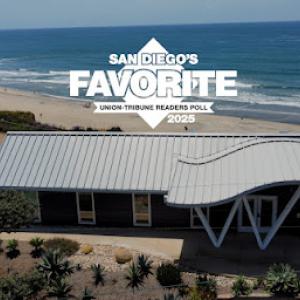
Preman Roofing-Solar, San Diego’s top roofing contractor, offers a variety of cost-effective roofing and solar options and services for commercial and residential properties. At Preman Roofing-Solar, we take pride in offering the top residential and commercial roofing services. We offer solar roofing as one of our leading premier roofing services. Our solar roofing experts specialize in customized solar designs for single and multi-family homes. From conceptualization to installation, your solar roof is in good hands with our roofing specialists at Preman Roofing-Solar. From roof repair to solar roofing installation, our San Diego Roofing experts are ready to help.

Exclusively Roofing
(619) 663-1261 www.exclusivelyroofinginc.com
Serving
5.0 from 40 reviews
Started from the ground up in San Jose & San Diego, Exclusively Roofing has been and always be a local solution for a full range of roofing, siding, and gutter services. Our business is built on neighborly trust, quality work, and affordable prices. From homes to commercial estates and all points in between, serving the greater San Jose and San Diego community with top-notch roofing has been our stock in trade. As demand has increased for our particular brand of quality, we've added siding and gutter services as a natural expansion to our ability, making us a comprehensive property exterior protection company. Your new roof is right around the corner – call Exclusively Roofing today.
A&J's Professional Roofing
(619) 274-6130 ajsproroofing.com
Serving
5.0 from 13 reviews
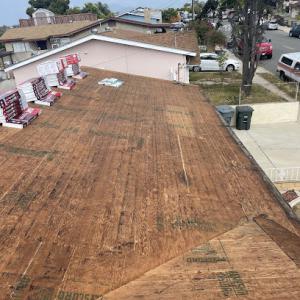
Protect your largest investment with our reliable roofing services. We are a locally owned and operated roofing company currently serving San Diego, CA and surrounding communities. If you want to make your roof last as long as possible, it is vital that you never put off a roof repair. Small issues with roofing become big issues in a hurry. No matter how major or minor the repair you need, we are here to help. We offer roofing contracting, roof leak repair, and roof installation.
619 Roofing
Serving
4.8 from 123 reviews
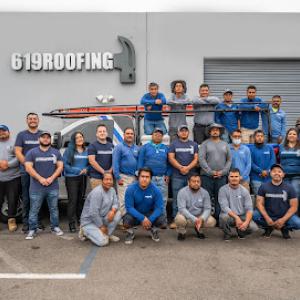
Serving San Diego, Orange, and Riverside Counties, 619 Roofing is a trusted, family-owned roofing company based in Escondido with over 40 years of combined experience. We’re proud to be both Owens Corning™ Preferred and GAF Factory-Certified contractors, offering expert roofing solutions delivered by a fully bilingual team committed to quality, safety, and exceptional customer care. Whether you need a full roof replacement, emergency repairs, or preventative maintenance, we provide reliable service 24/7 across San Diego County and surrounding areas. Our full-service offerings include re-roofs, roof repairs, drone inspections, roof maintenance, gutter repairs, and more. Choose 619 Roofing for unmatched professionalism and craftsmanship.
Imperial Beach features a lively mix of roofing materials, from asphalt shingles and metal to clay and concrete tiles, plus wood shingles or shakes and synthetic options. This coastal context means you have viable paths that balance local climate stressors with home design. Asphalt shingles remain common for good reason: they're straightforward to install, perform reliably against salt air in the short term, and pair well with many existing rooflines in the area. Metal roofing speaks to the same practicality, delivering strong wind resistance and excellent longevity when correctly installed over a solid deck or proper underlayment. For homes with Tuscan-leaning or Mediterranean influences, clay or concrete tiles bring a classic look while handling the salt spray and sun exposure-though weight and retrofit considerations matter, especially on older structures. Synthetic or composite shingles offer a modern, lower-maintenance option that can mimic traditional looks without all the mass.
Tile roofs are a natural fit for the broader South Bay and coastal Southern California aesthetic, where warm tones and textured profiles complement the urban and beachside streetscapes. In Imperial Beach, tile systems can provide robust durability against coastal sun and wind, yet their weight and assembly complexity deserve careful planning during re-roofing or when changing materials. If a tile retrofit is on your radar, verify that the structure can support the load, and consider mechanical tile-fastening or reinforced underlayment options to mitigate storm gusts. For homes with flat or gently low-slope sections, tile can be integrated with compatible flashing details that keep coastal moisture from wicking into the deck, preserving roof integrity over time.
Low-slope and flat roof work is a meaningful segment of the Imperial Beach contractor scene, driven by roof forms that demand precise drainage and careful membrane detailing near the coast. In these instances, selecting a membrane material with proven coastal performance matters, along with coatings or reflector systems that address intense sun. Proper edge detailing, drain placement, and periodic resealing become crucial under marine exposure, where salt air can accelerate wear on flashing and seam locations. If a flat section exists in the home's envelope, plan for routine maintenance cycles and a roof system that accommodates future repairs without major demolition.
With a coastal climate that delivers salt-heavy air and seasonal moisture, you'll want a system that emphasizes durable fastener options, corrosion-resistant flashing, and a surface that tolerates sun and wind without frequent rework. Aesthetics should harmonize with the property style while ensuring that the chosen material can manage expansion and contraction without compromising seams. For older homes, compatibility with existing framing, retrofitting possibilities, and lightweight alternatives can influence the decision as much as coastal performance. In all cases, coordinate the roof's drainage plan with the local coastal drainage realities to prevent moisture buildup in transitions between materials.
No matter the material chosen, expect regular coastal maintenance to extend the life of the roof. Inspect exposed flashings, fasteners, and the intersection of roof and siding after heavy marine wind events, and schedule periodic cleanings to prevent salt residue from corroding metal components. Consider high-quality fasteners and corrosion-resistant hardware as standard practice for Imperial Beach's marine environment. A well-chosen roof type, installed with attention to coastal details, can deliver decades of reliable performance while preserving the neighborhood's distinctive sun-drenched character.
In Imperial Beach, the main weather-related work delays typically come from winter storms and regular rain between November and February rather than from snow or hail seasons. That means your roofing project can be cruising along through the fall, but a front moving in from the Pacific can pause or push a schedule days or weeks. If you're planning a tear-off or shingle replacement, expect rain interruptions to cluster around those months. Your crew should structure a realistic window, with backup days allocated for rain holds, and you should avoid relying on a tight, fixed start date during late fall when fronts stall just offshore.
Fall wind events are a local installation concern because exposed coastal roofs can face wind uplift risk during tear-off and dry-in stages. The combination of salty air, high gusts, and blue-sky moments can lull you into thinking a window is calm, only for a wind event to surge and threaten underlayment and flashing work. If a tear-off is scheduled in autumn, require your crew to stage material in a protected area, secure all loose items, and complete critical steps - particularly underlayment and flashing - during the calmest possible windows. A plan that builds in additional time for gusty days helps prevent afternoon setbacks and keeps the roof line watertight as soon as possible.
Dry-season scheduling is often favored locally because it reduces rain interruption risk while allowing crews to complete underlayment, flashing, and final covering work in more stable conditions. When the sky stays clear, you gain confidence that the sharp edge details, seam work, and anchor points will be protected from marine corrosion and sun exposure long enough to cure properly. This is not a luxury; it's a practical buffer against repeated coastal weather cycles that otherwise push projects off schedule and increase the chance of weather-related damages during installation.
You should align your project with predictable dry windows, preferably outside November-February, and set hard targets for each critical stage: tear-off, underlayment, flashing, and final covering. Communicate clearly with the crew about acceptable rain margins (screens and tarps ready to deploy within hours) and wind precautions for fall and early winter days. If a storm is forecast, confirm a rescheduled date promptly to lock in the next dry stretch and protect interior spaces from moisture exposure.
Monitor reliable local forecasts weekly, and have a contingency plan with your contractor for shifting dates by a few days to accommodate sudden wind or rain. Request a staged schedule that prioritizes sealing and flashing during any dry window, and insist on secure storage of materials to withstand marine gusts. Prepare interior spaces for potential delays and maintain temporary protection against moisture until the roof is weather-tight.
Find local contractors experienced in assessing and restoring roofs after hail, wind, and severe weather events.
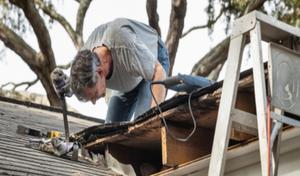
Local cost planning should use these ranges per square: asphalt shingles 420 to 900, metal 750 to 1600, clay tile 950 to 2700, concrete tile 800 to 1800, wood shingles or shakes 900 to 2000, and synthetic or composite shingles 600 to 1200. These figures reflect the coastal market, where material choices align with long-term resilience against salt air and sun exposure.
Coastal corrosion exposure can raise replacement scope by increasing the likelihood that flashings, fasteners, vents, and other metal accessories need to be upgraded along with the field roofing material. In practice, that means a straightforward swap for a new roof often ends up with upgraded fasteners, corrosion-resistant flashing, and potentially vent revisions. The goal is to avoid future rust staining and water intrusion around the perimeter, where salt-laden air finds joints and penetrations first.
Costs can also move upward when a full re-roof triggers plan review, inspections, or plan check for more complex assemblies, or structural evaluation tied to heavier roof systems such as tile. A heavier system, like clay or concrete tile, carries not only higher material costs but additional weight considerations, which can translate to need for structural assessment and possibly reinforcement. That added scope should be anticipated in budgeting from the outset.
For a straightforward replacement in a typical house, align the chosen material with the upper end of its range only if higher durability or longer warranty is desired in this climate. If a roof is near the salt-air corridors or shows early corrosion signs on flashings, factor in a modest allowance for upgraded metal accessories. When choosing tile, plan for potential structural checks and a slightly higher overall project margin. In any case, a full re-roof in this area may cost more than inland equivalents due to coastal exposure and the need for corrosion-resistant components.
Don't let upfront costs delay a critical repair - these contractors offer payment plans to fit your budget.
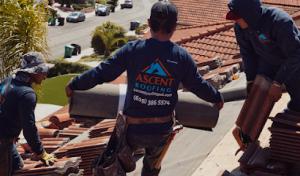
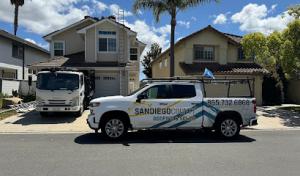
San Diego County Roofing & Solar
(855) 732-6868 sandiegocountyroofing.com
Serving
5.0 from 42 reviews
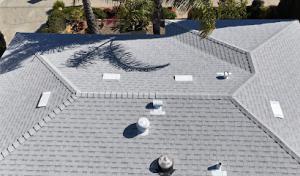
A full re-roof in Imperial Beach typically requires a permit reviewed by the City of Imperial Beach Building Department. Before any tear-off begins, you should line up your project in the city's system and have drawings or notes ready that explain the proposed roofing assembly, underlayment, flashings, and any structural changes. The planning stage is where it pays to be precise about coastal salt exposure, wind considerations, and how your chosen materials will stand up to marine air. If the project involves replacing structural components or altering roof lines, expect the plan to be scrutinized more closely. Delays at this stage can ripple into scheduling with contractors, delivery windows for materials, and weather-ready timing.
Local inspection flow generally includes an initial inspection during installation and a final inspection after completion. The first check aims to verify that the roof deck is sound, fasteners are appropriate for the chosen covering, and flashing details align with local conditions. The final inspection confirms the system is fully installed, with correct attic ventilation, integrated drip edge, and proper alignment of crown, rake, and valley flashings against salty coastal air. It helps to have all critical components documented on site-spec sheets for underlayment, sealants, fastener types, and any corrosion-resistant metal details-so the inspector can verify compliance without delay.
Fees and processing times vary locally, and plan checks may apply when roof assemblies are more complex or when structural changes are part of the project. If you're upgrading to metal or tile, or if you're adding a skylight or venting changes, expect a more detailed review. Coastal projects often trigger additional corrosion-resistant hardware requirements or enhanced flashing details to mitigate salt exposure. Build a realistic schedule that accounts for permit reviews, possible revision rounds, and weather windows-especially in winter months when marine moisture and storms can influence work progress and inspection readiness. Staying ahead with thorough shop drawings and a clear sequence of work helps avoid rework and keeps the permit path from derailing the installation.
In this coastal city, the insurance landscape has tightened, with carriers increasingly asking for roof age, replacement history, contractor estimates, and clear roof-condition documentation. For Imperial Beach homeowners, the goal is to demonstrate a durable, well-maintained roof that can stand up to salt air and winter moisture. Expect questions about what has changed or been repaired over time, and be ready to provide concrete proof rather than general assurances.
When insurers review a claim or renewal, photos and wind-uplift information matter as much as the roof's visible condition. Fall wind exposure in this area can influence discussions about roof performance, fastener integrity, and flashing longevity. Keeping a tidy file of inspection notes, signed sign-offs, and dated before-and-after replacement photos makes a real difference. If a roof has seen work, having clear records of what was done, who performed it, and when it occurred helps prevent underwriter second-guessing.
Older roofs tend to trigger tougher underwriting or higher deductibles, especially in a city where salt-laden air accelerates wear on flashings and fasteners. This is not about alarm but about reality: coastal exposure increases the likelihood that insurers will scrutinize wind resistance, material compatibility, and prior repairs. Your best defense is transparent history: show ongoing maintenance, documented improvements, and any professional assessments that verify performance against coastal conditions.
Keeping permit records, inspection sign-offs, and a clear portfolio of before-and-after replacement photos positions you well as underwriting guidelines evolve. In a market where non-renewal pressure exists, proactive documentation can support confidence in your roof's resilience and reduce the chances of abrupt coverage gaps. This is a practical, local approach to maintaining protection against Imperial Beach's unique blend of sun, salt air, and seasonal storms.
Connect with contractors who help homeowners navigate the claims process from damage assessment to final approval.
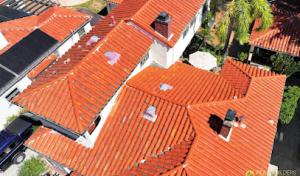
Solar roofing is an active specialty in the contractor market, so when planning a roof replacement you must account for penetrations, mounting details, and sequencing if solar is present or planned. Inspect existing penetrations for corrosion or degraded sealants, and map where modules, rails, and in-roof connections will sit relative to roof edges, vents, and fascia. During removal and installation, coordinate flashing installation in the correct order: first secure the roof field, then install mounting hardware, then seal all penetrations with UV-stable flashing and compatible sealant. In coastal conditions, expect salt-laden fasteners and metal components to weather unevenly; use corrosion-resistant fasteners and describe where coils or rails might block or align with existing vent stacks to avoid leaks. After completion, confirm that roof-to-module transitions maintain a continuous waterproof plane and that any visible seams are fully bedded and sealed.
Skylight work is a recurring local specialty, making curb flashing and leak-prone transition details especially important during re-roofing rather than treating skylights as separate from the roof system. During a re-roof, remove old skylight curb flashings, inspect the curb for cracks, and replace with properly coring and seaming to block salt intrusion. Install new curb flashing that ties into the main roof flashing, with a stepped, weather-tight interface to the skylight frame. Ensure fasteners through the curb are corrosion-resistant and that sealant lines are continuous around the interior perimeter. In coastal weather, emphasize the seal at the skylight deck, the ram-clip or mounting bracket areas, and the transition from curb to glass or polycarbonate. Perform a careful water test around the skylight after installation to verify no seepage occurs under salt-saturated conditions.
In a salt-air environment, penetrations and exposed metal components around solar and skylight assemblies deserve closer attention because they can weather differently from the main roof field. Regularly inspect flashings at both solar arrays and skylight interfaces for lifted edges, compromised sealant, or corrosion. Plan for periodic resealing and, when replacing the roof, coordinate around any vent or chimney work so that all penetrations align with the new roof deck layout. Keep a close eye on seam integrity between curb flashing and roof membrane, especially where salt spray can accumulate.
Find contractors who integrate solar panels or solar shingles into your roof for long-term energy savings.
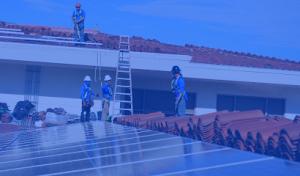
In this market, quick-response contractors are common, especially after leaks, wind events, or winter rain. You will encounter firms that emphasize fast scheduling and visible responsiveness. That can be a setup for rushed decisions, so balance speed with solid credentials. Look for a contractor who can commit to a reasonable timeline without skipping daylight after a storm, and ask how they manage scheduling during peak seasons.
The contractor landscape leans toward affordable pricing, cleanup-included service, and long-established or family-owned operations. Those traits reflect what local homeowners value when comparing bids. However, given the mix of residential, commercial, re-roofing, tile, and flat-roof work in Imperial Beach, prioritize firms whose day-to-day portfolio aligns with the specific roof type you have. A tile roof needs a roofer who understands tile underlayment, wind ratings, and the proper methods for flashing at hips, valleys, and chimneys.
Coastal conditions demand attention to salt air, moisture, and sun exposure on fasteners and flashings. Ask for recent projects in similar environments, and request references from property owners who face the same salt exposure. Confirm that the crew has training in corrosion-resistant detailing, coastal wind considerations, and appropriate sealants for marine air. A portfolio that shows concrete or clay tile, metal, or flat roofing reflects the range you may need in this city's neighborhoods.
Because response time matters after a storm, inquire about on-site inspections, emergency tarping, and how the contractor communicates during weather events. Confirm what their cleanup entails and whether debris containment is part of the package. Look for a firm that can provide clear written scopes for repairs versus full re-coverages, so you know what is included if multiple phases are needed.
Finally, prioritize contractors who discuss long-term performance: mirror-specified materials, proper underlayment choices, and correct flashing details for coastal conditions. A reliable local roofer should present a candid project plan that matches the actual roof type on the property, not just a generic pitch.