Last updated: Apr 19, 2026
In this valley, the wettest roofing disruption period runs from roughly November through March. That means tear-off crews, dry-in work, and inspections can get tangled with storms, mud, and delayed material deliveries. If you're planning a reroof, it helps to map a rough calendar that avoids the heart of the wet season. Start by identifying a window of two to three dry weeks after a good rain spell ends, and aim to complete the tear-off before the next storm cycle rolls in. If a storm is forecast within that window, shift to a short, staged approach: remove the old roof in sections only, bring in underlayment and temporary weather protection quickly, and seal the most vulnerable areas, so a sudden rain event doesn't force a full rework. Keep the crew's equipment protected and stockpiled materials away from open bays; even a light shower can slow an ambitious schedule. Dry-in times are tense during these months, so coordinate delivery and staging to minimize the chance of exposing a partially finished roof overnight or over a weekend.
Think through the rain risk at every step. If tarps or plastic coverings are used, ensure they're anchored securely against Santa Paula's typical gusts and that the edges are weighted to resist wind-driven peeling. Plan for drainage and clean-up efficiency: gutter and valley debris can clog quickly in a wet spell, so set up a quick-access debris chute or a dedicated disposal route to avoid last-minute interruptions. When winter rain is likely, set expectations with neighbors and the homeowner about unplanned pauses. It helps to have a backup plan for a partial re-cover if a storm is forecast late in the project-this reduces the chance of shingles or underlayment exposure during a long-term project and minimizes rework once the weather clears.
Hot, dry summers in the Santa Clara River Valley increase UV stress on exposed underlayment and can shorten the safe window between tear-off and final weatherproofing. If a roof must be done in late spring or early summer, you'll want to schedule the most physically demanding tasks for cooler morning hours and keep material lines out of direct sun whenever possible. Underlayment and other vulnerable layers don't tolerate prolonged high heat, so plan to complete the critical weatherproofing stages-installing the underlayment, flashing, and any sealant work-before the peak heat stubbornly sets in. If a project must stretch into the high-heat period, consider a staged approach with aggressive protection of underlayment edges and fast-drying sealants, and build in extra time for inspections after the first monsoon-related cold snap that might follow a hot spell.
Make sure crews have shaded breaks and ample hydration, and that staging areas stay compact and orderly. Heat stress can slow progress and degrade workmanship if access paths get cluttered or roofers have to roam to fetch tools in direct sun. In practice, aim to complete the primary weatherproofing before the hottest days peak, then finalize cleanup, trim work, and any cosmetic touch-ups as temperatures ease. A careful sequencing plan avoids lingering exposed areas and reduces the risk of heat-related material warping or adhesive issues on the day you seal the last ridge vent.
Santa Ana wind events in late summer and spring can scatter debris, complicate material staging, and make temporary coverings less reliable on partially completed roofs. If a wind forecast shows elevated risk, tighten the project plan to favor fewer exposed edges and quicker turnover from tear-off to weatherproofing. Debris management becomes a real concern: shingles and flashing pieces can become airborne, so secure all loose materials the moment they're on the roof and shield exposed edges with wind-resistant coverings. Temporary coverings may not hold as reliably as hoped during gusty days, so consider using stronger fasteners and doubling down on edge protection around skylights, vents, and dormer openings.
When wind risk is high, avoid stacking materials on the roof beyond what's needed for the day's work. Prepare a quick-response plan for securing tarps and for a rapid reset if a gust hits mid-work. Coordinate with the crew to advance the most wind-sensitive tasks first-securing underlayment, installing solid flashings, and completing any critical weather seals-so you're not left with a partial roof during a wind event. Finally, keep a close watch on debris fall zones and communicate with neighbors about potential project impacts during the wind season.
In practice, planning around these seasonal realities means aligning tear-off, dry-in, and weatherproofing tasks with the local weather rhythm, while prioritizing secure staging, efficient sequencing, and robust protection against rain, heat, and wind. With careful scheduling, a reroof can ride out Santa Paula's seasonal quirks and deliver long-lasting performance for years to come.
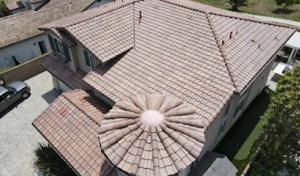
In Santa Paula, clay and concrete tile dominate the skyline and the finished look of Mediterranean and Spanish-influenced homes. The shape and color of these tiles help shed the inland sun and Santa Ana winds, but the performance depends just as much on what lies underneath as on the tile itself. The boom of tile reroofs here often hinges on the longevity of underlayment, the care given to edge details, and how attic ventilation is designed to work with a tiled roof system. That means your planning should center on the full system, not just the surface.
Most failures you'll see locally arise from aging or degraded underlayment and edge details rather than the tile field itself. The underlayment carries the rain from the tile to the roof deck, and if it breaks down or is poorly installed, leaks can show up years later in unexpected spots. Edge details-drip edge, rake edges, and the transition where roof meets walls-are another frequent weak point, especially after wind-driven debris or repeated seasonal cycles. When a contractor emphasizes the tile, take a careful look at what's behind it and at how the edges are treated. A durable roof starts with a solid base and a clean, well-protected perimeter.
Because the permit review in this area looks closely at underlayment, attic ventilation, and edge details, your reroof plan should document those elements clearly. Plan for a modern underlayment compatible with clay or concrete tile, placed with proper overlaps and adequate fastening. Attic ventilation must align with the roof design to prevent heat buildup, which can age the underlayment and sheathing. Edge details should show properly seated drip edges, sealed rake edges, and flashing that bridges transitions around chimneys, vent stacks, and skylights. If a project sketch highlights these details, inspectors recognize that the system beneath the tiles is being treated as a living part of the roof, not an afterthought.
Winter rain in this valley shape-call for schedule flexibility to avoid heavy rain windows during critical membrane work. If a reroof cannot be completed in a dry stretch, ensure the underlayment is rated for prolonged exposure and that the installation sequence protects the deck and insulation. Summer heat can accelerate curing and affect sealants, so plan tasks like a roof deck inspection and edge flashing installation for cooler mornings or late afternoons. Santa Ana wind exposure makes edge detailing more important; avoid gaps or misaligned edges that could lift under gusts. If a temporary solution is needed, use a secure, wind-resistant barrier over vulnerable sections while work progresses.
Before signing off, confirm that the chosen underlayment is compatible with tile and climate, and that the installation method respects tile expansion and contraction. Edge details should include continuous drip edge coverage, proper flashing at transitions, and a clean termination where the roof meets walls or chimneys. Ask for a walkthrough of the rake edges, valley protection, and how the system handles water shedding at eaves. Finally, ensure attic ventilation paths are preserved or improved, so moisture and heat don't trap under the roof deck, which can compromise the roof's longevity over time.
Find contractors who specialize in clay and concrete tile roofs, known for their durability and curb appeal.

All Climate Roofing & Construction
(805) 504-1042 allclimateroofing.com
Serving
4.9 from 171 reviews

Sears Roofing
(818) 287-0135 www.searshomeservices.com
895 Faulkner Rd, Santa Paula, California
3.0 from 2 reviews
For 30+ years, Sears Home Services has been a leader in home improvement and remodeling services in your local area—continually earning 5-Star Reviews. Simply call or click to schedule your FREE in-home consultation with one of our local home improvement consultants for your heating and cooling, windows, cladding or siding, or roofing needs. In some areas we also do kitchen and bathroom remodeling, including countertops, cabinets and flooring. Our knowledgeable experts will explain your options, money-saving deals, special financing offers and flexible payment plans. When you work with us, we provide you with a project manager to ensure your home improvement project goes smoothly from start to finish. We are committed to your satisfaction.
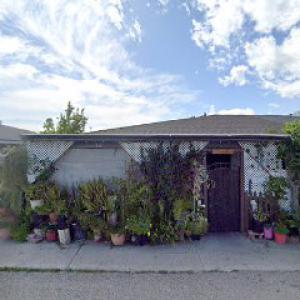
Allstyle Roofing
(805) 437-9013 allstyleroofinginc.com
Serving
5.0 from 16 reviews
Do you need a quality roof repair near you? Allstyle Roofing is the top choice for roofing contractors near you. We specialize in shingle roofing service and tile roofing near you, providing the best roofing service in Fillmore CA. Don't put off your roofing needs any longer and get in touch with Allstyle Roofing today! Our team of experienced roofing contractors will make sure you get the best roofing service in Fillmore CA. or more than 25 years, we have been providing exceptional shingle roofing services near you. We are a trusted roofing company near you and are dedicated to providing the highest level of workmanship and customer service. Contact us now and let us show you why we are the best roofing contractors near you!

All Climate Roofing & Construction
(805) 504-1042 allclimateroofing.com
Serving
4.9 from 171 reviews
Over the last decade, thousands of homeowners have chosen All Climate Roofing for their roofing, chimney, and waterproofing needs. We are specialized in fixing complicated leaks related to flat roofs, tile roofs and composition roofs. We repair and replace termite-damaged and dry rotted fascia boards, rafters, beams, shiplap and roof sheathing. We are factory-certified in deck coating and repairs. Our success is achieved one customer, and one roof at a time.
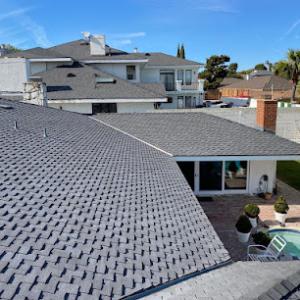
NEMA Roofing
(805) 977-5949 nemaroofing.com
Serving
5.0 from 160 reviews
About Southern California’s # 1 Roofing Contractor Roofing Specialists with over 40 years experience. NEMA Roofing Solutions is your one stop shop for all your roofing needs. From installation to repair, our family owned and operated company offers quality work at affordable rates.
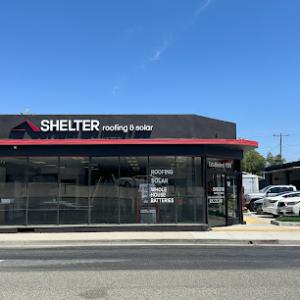
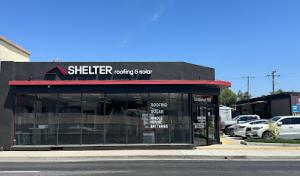
Shelter Roofing & Solar
(805) 914-0255 shelterroofingandsolar.com
Serving
5.0 from 103 reviews
Shelter Roofing and Solar is a roofing contractor in Moorpark servicing the Agoura Hills, Simi Valley, Thousand Oaks, Moorpark, and nearby areas. Our roofing company offers residential roofing, commercial roofing, commercial roof repair, asphalt shingle commercial roofing, solar roofing and more. Customers love us because of our comprehensive roof warranties and affordable roof financing options. We also have industry affiliations and certifications such as Certainteed and Owens Corning. If you want to experience how your most trusted Moorpark and Thousand Oaks roofing company embraces our motto “Go Smart with Shelter! Roofing, Solar. Batteries”, call us now for a free estimate!

GreatWay Roofing
(805) 523-2550 greatwayroofing.com
Serving
5.0 from 146 reviews
Trusted Roofing Services in Camarillo – GreatWay Roofing Need a reliable roofer in Camarillo, CA? GreatWay Roofing has been delivering high-quality residential and commercial roofing services since 1999. As a family-owned and locally operated company, we’re proud to serve the Camarillo community with unmatched workmanship, dependable service, and lasting results. From new roof installations and repairs to inspections and maintenance, our experienced team handles it all—bringing over 25 years of expertise to every project. We have a dedicated staff that ensures every job is completed with care, precision, and professionalism from start to finish. For trusted roofing in Camarillo, count on GreatWay Roofing to get the job done right.
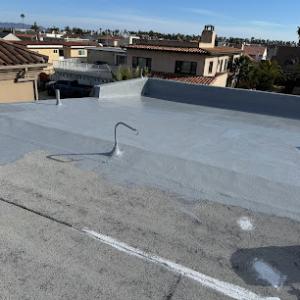
Creative Roofing Solutions
(805) 535-3101 creativeroofingsolutionsca.com
Serving
5.0 from 21 reviews
Creative Roofing Solutions (CRS) was established in 2020. CRS is Veteran owned, local and family owned. We provide free quotes to homeowners, commercial property owners, property managers and homeowners associations looking to repair or replace current their existing roof. CRS is the only distributor and certified installer for the Worthouse Metal roof on the West Coast.
America's Best Roofing Company
(310) 792-1261 americasbestroofing.com
Serving
5.0 from 25 reviews
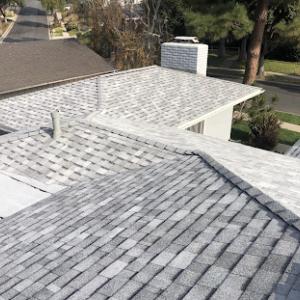
"America's Best Roofing Company is a residential and commercial roofing contractor that services Southern California. We are dedicated to customer service and will strive to satisfy you with high quality, custom roof solutions. We provide peace of mind by offering full warranties from both our company and the material manufacturer. Our goal is to exceed your expectations and earn the reputation of being the best roofing contractor in Southern California."
Fritts Roofing & Repair Company
(805) 477-9954 frittsroofing.com
Serving
5.0 from 23 reviews
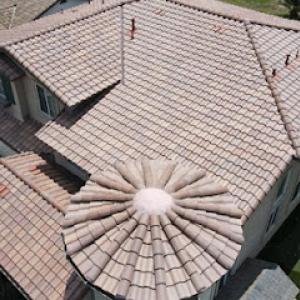
Family-Owned & Operated Since 1997 At Fritts Roofing, we've proudly served Ventura County and surrounding areas with top-quality commercial and residential roofing services for over 25 years. As a family-owned and operated business, we bring a personal touch to every project, backed by decades of experience and a reputation built on trust, craftsmanship, and reliability. Whether it’s a new roof installation, routine maintenance, or emergency repairs, our team is committed to delivering durable, high-quality solutions tailored to your property’s needs. We treat every job — big or small — with the care and attention it deserves. When you work with us, you’re working with a local team that puts your satisfaction and safety first.
M&J Roofing
Serving
5.0 from 10 reviews
Affordable roofing excellence in Camarillo neighborhoods - M&J Roofing. Quality doesn t have to break the bank. Expert roof repairs, replacements, installations at fair prices. Licensed contractor with financing options, manufacturer warranties, and commitment to your satisfaction throughout Camarillo.

LocalRoofs
Serving
4.9 from 395 reviews
LocalRoofs provides professional roofing services throughout Ventura and Los Angeles County, including Thousand Oaks, Westlake Village, Malibu, Simi Valley, Calabasas, Agoura Hills, Santa Barbara, and surrounding communities. Based in Newbury Park, our licensed roofing contractors provide roof repair, roof replacement, and roof installation services for residential and commercial properties. Get a FREE roof checkup and estimate today! CSLB #1095477
Macias Roofing
(805) 974-9041 www.maciasroofinginc.com
Serving
5.0 from 24 reviews
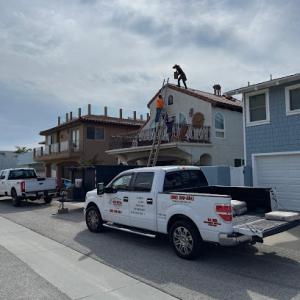
Our Story At Macias Roofing, we are dedicated to providing top-quality roofing services to our clients. Our company was founded by a team of experienced roofers who have been in the industry for over 27 years. Our Services We offer a wide range of roofing services; residential and commercial including roof repair, new roof installation, tile cleaning, tile rest, new tile installation, fascia repair, flat roof. Our team of experts utilize the highest quality materials to ensure that our clients receive the best possible results.
Wildfire-season brings more than smoky skies and ash drift across the valley; it directly processes through the way a roof ages here. Santa Paula homeowners face wildfire-season roofing concerns tied to Ventura County fire risk, including smoke and ash affecting vents, valleys, and rooftop work conditions. Ash can clog attic and roof vents, sump through ridge lines, and settle into valleys where moisture can linger. When ash accumulates, it is not just a surface issue-the particles can abrade sealants, degrade flashings, and create hidden creep that weakens waterproofing over time. During heavy smoke events, visibility drops and workers must slow operations to protect lungs and eyes, turning a routine reroof into a cautious, extended project.
Wind-driven debris is a recurring concern during Santa Ana conditions, making post-event inspections important even when there is no obvious puncture or missing field material. In our climate, gusty days peel wind across exposed ridges and into eaves, lifting brittle shingles or loosening edges on older roofs. Ahead of storm-season pushes, you plan for more frequent checks after strong wind events, because a small loose corner or hairline gap can become a leak once rains return or ash settles into those vulnerable areas. The local roofing approach emphasizes unhaulled fasteners, thorough numbing of penetrations, and careful resealing around vents and curbs after each high-wind period.
California's wildfire-driven insurance volatility directly affects roofing decisions, especially when owners are trying to preserve or improve insurability after roof aging or prior damage. In this market, a roof that has withstood a few seasons of Santa Ana winds without a major failure might still attract higher scrutiny if ash exposure or prior damage raises questions about underlying deck condition or flashing integrity. That reality means a practical homeowner stance is to document all vent and flashing upgrades, ensure a clean, ash-free drainage path on the roof surface, and maintain a habit of pre-winter and pre-fire-season inspections so that minor issues do not balloon into coverage headaches.
Timing reroof work around the dual pressures of winter rain and wildfire-season fallout is essential. On clear days, clean the roof and gutters to minimize ash buildup before the first winter storms-and particularly before any anticipated Santa Ana winds. When planning work, expect that ash-laden air can complicate the installation process, so allow for additional curing or adhesive time if coatings or sealants are involved. In short, the approach here is steady, methodical, and locally informed: protect the roof surface from ash ingress, verify flashing integrity after each high-wind spell, and coordinate post-event inspections promptly to catch any hidden trouble before it escalates.
Find local contractors experienced in assessing and restoring roofs after hail, wind, and severe weather events.
All Climate Roofing & Construction
(805) 504-1042 allclimateroofing.com
Serving
4.9 from 171 reviews
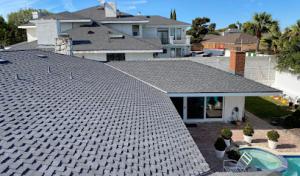
A full reroof project in this area typically requires a permit through the city building department. Before any shingle or tile work begins, you or your contractor should pull the permit and schedule inspections in line with the county's calendar and local ordinances. The permit process helps ensure that the work aligns with Santa Paula's expectations for roof longevity and fire safety, especially given the inland climate and exposure to Santa Ana winds. Plan on submitting drawings or notes that reflect the chosen system, roof edge details, and how the project will handle ventilation and underlayment.
Santa Paula plan review pays particular attention to attic ventilation, underlayment, and roof edge details rather than treating reroofing as a simple material swap. Ensure the plan set clearly shows attic venting strategies that fit the house's size and layout, including intake and exhaust paths, as well as any roofing accessories like vents, flashing, and drip edges. Underlayment choices should meet local code expectations for moisture control and wind resistance, with explicit details on overlap, fasteners, and sealant methods. Roof edge details-drip caps, fascia protection, and how the edge transitions to weatherproofing-are reviewed carefully, since improper edge treatment can lead to leaks after heavy winter rains or during Santa Ana season.
Because reroofing intersects with Santa Paula's seasonal patterns, plan submissions with the local inspection cadence in mind. Work during the dry window helps prevent washouts and reduces call-backs to fix wind-driven or rain-prone gaps. If a wind event or anticipated Santa Ana conditions are forecast during the project, coordinate protective measures and tarping with the permit holder so inspections can proceed smoothly when weather allows.
Inspections occur during roof installation and again at final. Each inspection confirms that the installed system matches the approved plan and that attic ventilation, underlayment, and edge details comply with criteria. Any outstanding corrections must be resolved before the permit can be closed, so keep a close eye on any deficiencies noted by inspectors and schedule timely follow-ups to avoid delays.
In Santa Paula, material choice matters beyond curb appeal, and cost ranges reflect local realities. Asphalt shingles typically run about $400 to $750 per square, metal $700 to $1200, clay tile $900 to $1800, concrete tile $850 to $1500, wood shingles or shakes $900 to $1700, and synthetic or composite shingles $600 to $1100 per square. Those numbers align with the inland Ventura County setting, where concrete and clay tile roofs must withstand sun, winter rain, and Santa Anas and where labor scope can shift with the project's details.
Tile-heavy reroofs in this city tend to push costs higher than plain surface replacement. The permitting-heavy, edge-detail oriented work means more attention to underlayment, ventilation, and precise edge refinements. If your roof uses clay or concrete tile, expect contractor crews to inventory more components, confirm flashing around hips and valleys, and spend extra time coordinating underlayment to prevent leaks after a storm. That makes tile projects feel more "whole-system" than a simple surface swap, even if the visible tiles look the same.
Seasonal demand spikes shape scheduling and pricing in Santa Paula as well. After a winter rain or a string of wind events, you'll notice faster response times from repair crews but also tighter windows for dry-in work. Quick-dry-in becomes a priority when crews are juggling multiple emergency calls, so booking earlier in the shoulder seasons can save both time and money. In dry, hot summer months, supply chains for specialized tiles or underlayment materials may tighten, nudging costs upward for certain product lines and edge details.
If you're planning a reroof, use these practical checks to anchor your timeline and budget. First, align your material choice with Santa Paula's sun and wind exposure: metal roofs resist wind well but may heat faster in peak sun, while clay or concrete tiles stay cooler and offer long life but require careful underlayment and precise installation. Second, when you see winter rain in the forecast, arrange for a window with dry weather to complete underlayment, flashing, and any vent work before the next storm. Third, anticipate edge detailing and ventilation as non-optional upgrades on tile roofs, not optional refinements, which will push the project's total cost beyond the visible surface. And finally, ask for a detailed scope that items underlayment, ventilation, and edge work so you're comparing apples to apples across bids.
The most popular roofing material in the US. Find pros who install, repair, and replace asphalt shingles.
All Climate Roofing & Construction
(805) 504-1042 allclimateroofing.com
Serving
4.9 from 171 reviews
You're living in a place where Mediterranean sun, winter showers, Santa Ana winds, and wildfire-season ash all press on your roof. That mix pushes insurers toward tighter underwriting and more frequent premium scrutiny, especially after a severe season. When a claim is on the table, the carrier will look closely at whether damage came from an isolated event or longer wear, and that distinction can tilt outcomes in unexpected ways.
Insurers and adjusters commonly want date-stamped photos, prior damage documentation, and detailed information on roofing material, underlayment, and ventilation. Having clear, labeled records helps, particularly if a wind gust or ash-soaked rain led to a leak or shingle failure. Organize a simple timeline: last major storm, any suspected wind uplift, and observable changes in the roof seam or flashing. In this local climate, precise records aren't just helpful-they're often decisive.
For properties with wind, rain, or wildfire-season exposure, documentation quality can materially affect whether damage is treated as sudden loss, wear, or deferred maintenance. If an issue surfaces after an ash event or a windy afternoon, expect the carrier to probe whether the problem existed before the incident or developed over time. Strengthen your file with dated evidence that links the event to the observed condition.
Keep a running photo log, especially after significant weather. Note material type, roof age, and visible wear around vents, seams, and flashings. If you've previously experienced high-wind years or nearby wildfire smoke, preemptively document any new deformations or leaks to support a clear claim narrative. The difference in how a claim is processed can hinge on the clarity of that documentation.
Connect with contractors who help homeowners navigate the claims process from damage assessment to final approval.


Santa Paula's mix of older homes and reroof-heavy contractor activity means transition details around skylights and lower-slope sections are common leak points during winter rain. The path water takes from upper deck to penetrations, edge details, and roof-to-wall transitions gets stress-tested with seasonal moisture and wind-driven rain. When a roof is rebuilt or resealed, those details deserve extra attention before final inspection to prevent slow leaks that show up after a heavy storm.
In practice, inspect skylight curbs, flashing, and sealants first. Look for mismatched materials where a skylight collar meets the shingle or tile, and ensure step flashing links cleanly from the roof plane to the skylight curb. On lower-slope sections, check for thin or degraded underlayment, rusted or displaced fasteners, and any vegetation debris that could trap moisture. The edge where lower-slope roofing meets a parapet or wall is a high-risk zone; verify that the edge drip and counterflashing sit flush and that no gaps exist where wind can lift material.
Santa Ana winds can press moisture into weak seams, so pay close attention to penetrations, vents, and pipe collars on the windward side of the roof. In winter rain, water tracks along the roof deck and finds any slight misalignment in transitions. A reroof project that stalls around these spots often leaves you with a lingering drip after a storm. Plan a targeted water-test or a controlled leak check around skylights and low-slope transitions after installation, ideally during a light rain or with temporary water testing still in place.
Local demand shows a clear need for skylight work and flat or low-slope roofing alongside standard pitched reroofing. Confirm the contractor demonstrates experience with properly integrated flashing around skylights, sound underlayment across low slopes, and robust roof-to-wall transitions. Ask for recent local examples where edge and interior transitions were key leak points, and request verification of their detailing around parapets, curb-mounted skylights, and any nearby attic access hatches.
During planning, map all skylight penetrations and low-slope transitions on the plan, noting potential drainage concerns. Share that map with the crew so field teams prioritize edge details and curb flashing during the install. After roofing, request a focused inspection of skylight flashings, underlayment continuity, and the roof-to-wall transition-especially where winter rain and wind stress meet the roof edge.
Find contractors experienced in skylight installation, flashing, and leak repairs to bring natural light into your home.
All Climate Roofing & Construction
(805) 504-1042 allclimateroofing.com
Serving
4.9 from 171 reviews
Santa Paula's inland climate means the roof bears intense summer sun for longer stretches, which amplifies the importance of a solid, well-sealed roof before any solar installation or re-installation. You should plan reroof activities so that the roof deck, underlayment, and flashing have completed curing and are fully watertight before solar modules or mounting hardware go up. This reduces the risk of leaks around penetrations and minimizes the chance of shimmying or rework once the solar system arrives.
On reroof projects, sequencing matters because underlayment, flashing, and penetrations should be resolved before solar equipment is mounted or remounted. Coordinate the order so a clean, continuous moisture barrier is in place, with all penetrations properly sealed and tested, prior to solar contractor arrival. The Santa Paula mix of Mediterranean sun, winter rain, and Santa Ana winds can stress newly installed components; a watertight base reduces callbacks and damage when a solar array is installed or adjusted.
Local contractor signals show a real but secondary solar-roofing specialty presence, indicating homeowners here do seek coordinated reroof and solar work. If a roofer notes a solar-ready substrate, confirm that the roof's edge details, vents, and pipe boots are compatible with the mounting layout. You'll benefit from choosing a roofer who can foresee how the solar racking will interact with tile or shingle transitions, and who can provide a clear sequence plan that protects your roof during the solar installation window.
Before any solar gear arrives, ensure all underlayment seams are sealed, flashing at chimneys and valleys is secure, and penetrations are properly flashed and tested. Establish a mutual schedule among the roofing team and the solar installer to avoid rework caused by rain-heavy winter weeks or heat-driven material expansion in peak summer. This coordinated approach keeps the roof performing well and ready for efficient solar performance for years to come.
Find contractors who integrate solar panels or solar shingles into your roof for long-term energy savings.
All Climate Roofing & Construction
(805) 504-1042 allclimateroofing.com
Serving
4.9 from 171 reviews