
Last updated: Apr 19, 2026
Moorpark's Mediterranean pattern means most full roof replacements are easier to schedule in the long dry season rather than during the wetter winter period. The stretch of hot inland summer conditions can shorten safe work windows and affect asphalt shingle handling during installation. Santa Ana wind periods in this part of Ventura County raise the risk of exposed tear-off phases and unsecured edge materials if projects are poorly timed. Understanding these seasonal rhythms helps you choose a start window that minimizes irritation and reduces the chance of weather-related delays or damage to the roof deck.
When planning a re-roof, start by picking a block of consistently dry days. The best sequence usually runs from late spring through early fall, avoiding the peak heat of August if possible and steering away from the windy corridors that can push harmless debris into sensitive areas. If a job begins just before a known Santa Ana window, expect the crew to be extra vigilant about securing tarps, edge metals, and underlayment. A well-timed kickoff reduces the likelihood of material lifting, rolled-out underlayment curling, or shingle blow-offs during gusty spells.
Hot inland summer conditions in Moorpark can shorten safe work windows and affect asphalt shingle handling during installation. When temperatures rise, shingles become more pliable and lighter, but they also soften and can warp if left on the roof in direct sun. Scheduling installations during the milder portions of the day-early morning or late afternoon-helps maintain shingle integrity. Proper loading in the shade and frequent breaks for crew members protect both material quality and worker safety. If a hot spell hits mid-project, consider pausing the sheathing and underlayment installation until temperatures moderate, or shifting to a less heat-sensitive material to preserve the warranty's integrity.
Wind exposure is a real factor in this area. Santa Ana conditions aren't rare enough to ignore the risk of loose edge materials during tear-off. Builders with Moorpark experience layer in redundancy: stronger temporary edge securements, additional fasteners, and fast-track cleanup to keep gusts from lifting exposed sections. Contractors should have a wind contingency plan that includes temporary enclosures for gutters and valley areas, plus a quick-release method for tarps if a sudden wind surge arises. If a forecast shows high wind potential, rescheduling the critical tear-off phase is typically the prudent move.
Even mild winter rain can catch a project mid-tear-off if timing isn't carefully planned. The moisture intrusion potential is higher when underlayment and decking are exposed. Moorpark crews mitigate this by choosing a dry-streak window with a reliable forecast, prioritizing deck inspection and dry framing prior to any roofing material removal. A well-timed sequence begins with a thorough tarping and weather-protected staging, proceeds through a controlled tear-off, and ends with rapid installation of underlayment and new roofing to lock out moisture during the shoulder seasons.
Select a start date that follows a prolonged dry period, allowing for a continuous installation phase. Schedule the tear-off to align with clear, low-wind days when possible. Ensure that the crew has a plan for edge protection and secure storage of materials during any brief wind events. Build in a brief buffer at the end of the dry spell to accommodate any unexpected heat spikes or late wind days without transferring exposed decking into a storm window. For solar-equipped homes, coordinate the panel or rack considerations with the timing to minimize shadowing interruptions and ensure the system remains protected during the re-roof process. By aligning the project to Moorpark's dry-season pattern, the re-roof proceeds with fewer weather-driven disruptions and a smoother finish.
Clay tile and concrete tile are dominant choices in Moorpark, matching the city's suburban Southern California housing stock and heat-exposed roofscapes. These surfaces can deliver long service life when properly installed and maintained, but they also demand attention to heat and wind effects that are less pronounced in milder climates. The weight of these tiles, combined with their color and texture, influences how quickly a roof heats up and how the underlying layers respond during the dry seasons. When selecting tiles, consider both color for solar reflectance and profile for wind resistance along exposed ridgelines. In a neighborhood where many homes rely on tile for their aesthetic and durability, upgrading to high-reflectance finishes or lighter blends can help reduce heat load without sacrificing curb appeal.
Extended UV exposure and long dry spells in Moorpark make heat resistance and underlayment durability more important than freeze-thaw performance. The tiles themselves are durable, but once the underlayment ages or breaches, heat and sun can accelerate deterioration, especially under flat or low-slope sections where water can linger. An underlayment chosen for elevated heat resistance and UV stability can prevent slow moisture ingress that leads to rot or mold beneath the tile layer. Look for underlayment with proven UV resistance, and ensure it is compatible with the tile system you're using. Regular inspection after peak dry spells-with special attention to any soft spots or lifted edges-helps catch aging or damaged underlayment before leaks develop.
Tile roofs in Moorpark often need attention not just for the field tiles but for ridge, edge, flashing, and underlayment details that age beneath otherwise long-lasting tile surfaces. The long, dry stretches can create garden-variety wear on ridge caps, where mortar or sealant may crack and allow wind-driven dust or moisture to infiltrate. Edge scenarios-where roof meets fascia or where overhangs create micro-traps for water-require careful flashing detail and sealant choices that stand up to heat cycling. Flashing should be copper or corrosion-resistant metal compatible with the chosen tile system, and must be installed with proper slopes and sealant at all joints. In wind-prone zones, ensure ridges and hips have continuous cap tiles or robust mechanical attachment, so gusts don't loosen tiles and expose underlayment.
Santa Ana-era winds in this area can test tile roofs more than other climates. The secure attachment of both field tiles and accessories matters, especially at the ridge line and near chimney details where wind exposure is greatest. Fastener selection should account for heat-driven expansion and contraction, reducing the risk of tile cracking or flashing loosening over time. When a re-roof or major repair is planned, verify that fasteners and tile clips are appropriate for the tile type, climate, and roof pitch. A well-vented attic also helps mitigate heat buildup that otherwise translates into higher temperatures at the tile surface, potentially shortening tile life and aging underlayment more quickly.
Dry-season timing matters for Moorpark roofs because the combination of heat, wind, and winter rain can stress the system away from peak conditions. Schedule major interventions-tile replacement, underlayment refresh, flashing reseal, and ridge repair-in the cooler, drier window just before the coldest rains arrive. This approach minimizes exposure to driving rain while work is underway and leverages the dry-season lull to complete critical details behind the scenes, like underlayment checks and flashing reseals. Regular mid-season checks during dry spells help catch heat-related aging early, so a larger re-roof event isn't forced into the wet months. By focusing on ridge, edge, flashing, and underlayment health alongside field tile integrity, Moorpark homes can maintain a durable, heat-tolerant tile roof that stands up to the elements year after year.
Find contractors who specialize in clay and concrete tile roofs, known for their durability and curb appeal.
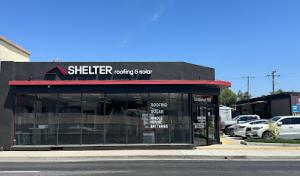
Shelter Roofing & Solar
(805) 914-0255 shelterroofingandsolar.com
480 Moorpark Ave, Moorpark, California
5.0 from 103 reviews


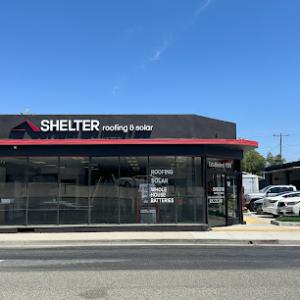
Shelter Roofing & Solar
(805) 914-0255 shelterroofingandsolar.com
480 Moorpark Ave, Moorpark, California
5.0 from 103 reviews
Shelter Roofing and Solar is a roofing contractor in Moorpark servicing the Agoura Hills, Simi Valley, Thousand Oaks, Moorpark, and nearby areas. Our roofing company offers residential roofing, commercial roofing, commercial roof repair, asphalt shingle commercial roofing, solar roofing and more. Customers love us because of our comprehensive roof warranties and affordable roof financing options. We also have industry affiliations and certifications such as Certainteed and Owens Corning. If you want to experience how your most trusted Moorpark and Thousand Oaks roofing company embraces our motto “Go Smart with Shelter! Roofing, Solar. Batteries”, call us now for a free estimate!

GreatWay Roofing
(805) 523-2550 greatwayroofing.com
Moorpark, California
4.8 from 23 reviews
Top-Rated Roofing Company in Moorpark – GreatWay Roofing Looking for trusted roofing services in Moorpark, CA? GreatWay Roofing has been proudly serving the local community since 1999 with expert residential and commercial roofing solutions. As a family-owned and locally operated business, we’ve built a strong reputation for best-in-class workmanship, honest service, and reliable results.From new roof installations and repairs to inspections and maintenance, our experienced team handles a wide range of roofing needs with precision and care. Fully insured and bonded, we bring a full team of dedicated professionals to every job—ensuring quality from start to finish and beyond. Serving Moorpark and surrounding areas for over 25 years, Great
Lightning Roofing Repair Service Moorpark
(805) 600-0268 lightning-roofingllc.com
453 Los Angeles Ave, Moorpark, California
4.8 from 21 reviews
Looking for dependable roofing contractors in Moorpark, CA? Lightning Roofing Repair Service Moorparkoffers top-quality roofing solutions for both residential and commercial properties. From new roof installations to repairs and maintenance, our experienced team ensures every project is completed efficiently and built to last. We use premium materials and modern techniques to deliver strong, weather-resistant roofs with unmatched customer satisfaction.

TecHero
(805) 530-5002 techeroroofing.com
207 W Los Angeles Ave, Moorpark, California
5.0 from 9 reviews
TecHero Roofing is the top rated roofing company based in Moorpark serving Thousand Oaks CA, Newbury Park CA, Camarillo CA, Oxnard CA, and Ventura markets. Our local roofers specialize in residential roof repairs and new roof installations. We also work on repairing wind and storm damage to roofs. Our company works with all major insurance carriers to evaluate roof damage. TecHero Roofing also helps buyers and sellers of homes do roof inspections. As a local roofing contractor our office also offers emergency roof tarping services. Hablamos espanol!

Infinity Roofers
(805) 225-7663 infinity-roofers.com
Serving
5.0 from 73 reviews
Are you looking for a trusted Roofing contractor in Simi Valley, California? If yes, Infinity Roofers is the company you can count on for the job. We do Residential Roofing, Commercial Roofing, Roof Repair, Roof Replacement, Roof Maintenance, Roof Inspection, Emergency Roof Repair, Shingle Roofing, Metal Roofing, Tile Roofing, Flat Roofing, and more. We have a team that provides some of the best Roofing Solutions in the Simi Valley, California area. Our roofing company in Simi Valley, California, has a well-trained team of roofing professionals dedicated to providing exceptional roofing solutions to our clients. Contact us to get a free estimate on your next project today.
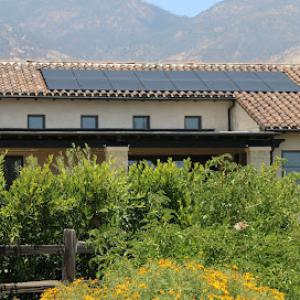
August Roofing & Solar
(805) 855-1655 www.augustroofing.com
Serving
4.9 from 260 reviews
August Roofing & Solar provides premium roofing and solar solutions. It is our goal to deliver professional service, best in class materials and superior craftsmanship for residential customers from West LA through Ventura County to Santa Barbara.
Roofing H Thousand Oaks
Serving
5.0 from 47 reviews
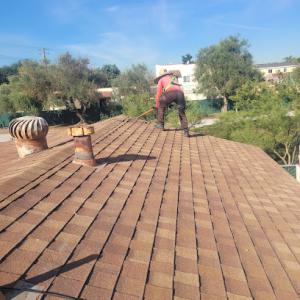
With Roofing H Thousand Oaks, you can rest assured that your roof is in expert hands. Our experienced team is dedicated to providing superior roofing services, from meticulous new installations to reliable repairs and proactive maintenance. We use high-quality materials and proven techniques to ensure a durable and long-lasting roof that protects your home or business for years to come. Experience the difference that professionalism and quality craftsmanship can make.
Allstyle Roofing
(805) 437-9013 allstyleroofinginc.com
Serving
5.0 from 16 reviews
Do you need a quality roof repair near you? Allstyle Roofing is the top choice for roofing contractors near you. We specialize in shingle roofing service and tile roofing near you, providing the best roofing service in Fillmore CA. Don't put off your roofing needs any longer and get in touch with Allstyle Roofing today! Our team of experienced roofing contractors will make sure you get the best roofing service in Fillmore CA. or more than 25 years, we have been providing exceptional shingle roofing services near you. We are a trusted roofing company near you and are dedicated to providing the highest level of workmanship and customer service. Contact us now and let us show you why we are the best roofing contractors near you!

LocalRoofs
Serving
4.9 from 395 reviews
LocalRoofs provides professional roofing services throughout Ventura and Los Angeles County, including Thousand Oaks, Westlake Village, Malibu, Simi Valley, Calabasas, Agoura Hills, Santa Barbara, and surrounding communities. Based in Newbury Park, our licensed roofing contractors provide roof repair, roof replacement, and roof installation services for residential and commercial properties. Get a FREE roof checkup and estimate today! CSLB #1095477
Dependable Roofing San Diego
(760) 214-6313 dependableroofingsandiego.com
Serving
5.0 from 30 reviews
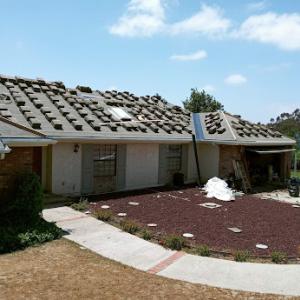
Dependable Roofing San Diego is your go-to choice for professional roofing contractors in Oceanside CA. We specialize in high-quality roof repair in Oceanside CA for residential and commercial properties. From minor leaks to full roof replacements, our expert team delivers durable, cost-effective solutions. As a trusted roofing company in Oceanside CA, we work with shingles, tile, flat roofs, and more. Customers count on us for honest estimates, timely service, and exceptional workmanship. Choose the roofing contractors Oceanside CA homeowners and businesses rely on for long-lasting protection. Call today for a free quote!
Next Door Home Upgrades
(805) 919-8091 nextdoorsolar.com
Serving
5.0 from 69 reviews
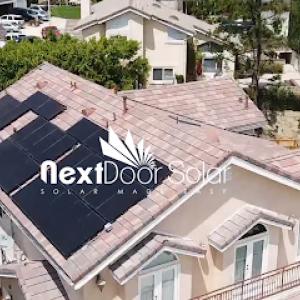
Next Door Home Upgrades in Simi Valley, CA, specializes in professional roof replacement designed to protect homes from the region’s hot sun, seasonal winds, and occasional heavy rain. Our team replaces aging or damaged roofs with durable solutions that address common local issues such as cracked shingles, heat damage, and storm wear. By focusing on quality installation, we help homeowners improve energy efficiency and safeguard their property for years to come. As experienced roofers in Simi Valley, we are known for our professionalism, reliability, and dedication to delivering trusted roofing services tailored to the needs of our community.

All Climate Roofing & Construction
(805) 504-1042 allclimateroofing.com
Serving
4.9 from 171 reviews
Over the last decade, thousands of homeowners have chosen All Climate Roofing for their roofing, chimney, and waterproofing needs. We are specialized in fixing complicated leaks related to flat roofs, tile roofs and composition roofs. We repair and replace termite-damaged and dry rotted fascia boards, rafters, beams, shiplap and roof sheathing. We are factory-certified in deck coating and repairs. Our success is achieved one customer, and one roof at a time.
Winter rainfall in this area comes with a twist: Santa Ana wind events can slam roofs with blowing debris and gusts that pry loose shingles or tiles. This combination creates a specific pattern of risk: leaks aren't driven by grand hail events, but by a sequence of windy days followed by rain that finds its way through the smallest gaps. On roofs with exposed edges, wind-driven debris exposure is a bigger concern during regional wind events, making edge flashings and ridge lines frequent failure points. The result is that a seemingly minor edge lift or damaged underlayment can become a full interior leak after a single storm. Plan for dry-season work to avoid those winter-triggered failures bleeding into spring.
In Moorpark, exposed roof edges take the brunt of Santa Ana gusts. Debris-from palm fronds to irrigation hardware-collects at eaves and rakes, nudging vulnerable tiles or shingles loose. If your roof edge is cracked, lifted, or capped by debris, a wind event can complete the damage before you notice it. Immediate action: clear perimeter gutters and off-ridge pathways, trim overhanging branches away from the highest edge points, and inspect edge metal or flashing after strong winds. Keep a close watch on any signs of granule loss, lifted shingles, or cracked tiles near the perimeter, especially after a windy period.
Even when winters are relatively mild, a day of rain can stall active replacements and push a project into a tight weather window. Small flashing or underlayment defects that would otherwise be inconsequential become interior leak risks once the first heavy rain arrives. If a roof renewal is scheduled for the dry season, ensure flashings are sealed with materials rated for Santa Ana winds and that underlayment is continuous and properly lapped at hips, valleys, and roof-to-wall transitions. The goal is a continuous watertight barrier that survives both wind-driven rain and the occasional heavy downpour.
Before the dry season starts, conduct a focused inspection of ridge caps, edge flashings, and access points like vents and skylights. Tighten fasteners on loose ridge caps and verify sealant integrity around all penetrations. Replace any damaged tiles or shingles that could become wind-borne projectiles. For homes with solar setups, confirm mounts and flashing around PV arrays are intact and weather-resistant, since that area is often a stressed edge during Santa Anas. When a windy spell threatens, preemptively secure loose debris and consider protective barriers for areas known to accumulate wind-driven debris. A proactive approach here keeps winter rain from turning into a costly interior fix.
Find local contractors experienced in assessing and restoring roofs after hail, wind, and severe weather events.
Shelter Roofing & Solar
(805) 914-0255 shelterroofingandsolar.com
480 Moorpark Ave, Moorpark, California
5.0 from 103 reviews
Lightning Roofing Repair Service Moorpark
(805) 600-0268 lightning-roofingllc.com
453 Los Angeles Ave, Moorpark, California
4.8 from 21 reviews

TecHero
(805) 530-5002 techeroroofing.com
207 W Los Angeles Ave, Moorpark, California
5.0 from 9 reviews
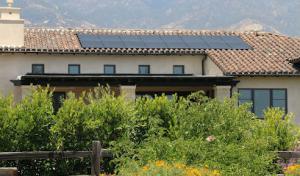
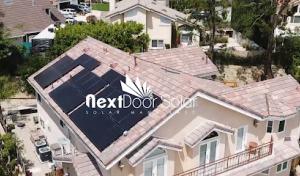
Solar roofing is an active specialty in Moorpark's contractor market, reflecting the city's sunny inland climate and homeowner interest in roof-mounted systems. When planning a replacement or retrofit, coordinate the solar array layout with the roof's overall geometry to avoid creating new venting or flashing conflicts. Pay attention to high-penetration areas such as large arrays near ridges or along the south-facing slope, where wind uplift can be more pronounced. Ensure the chosen mounting hardware is compatible with the roof type and that the sealants used around penetrations have UV resistance and a track record for performance in dry-season heat. If the roof is tile-based, confirm there is a plan for tile-cutting, resealing, and re-fastening to maintain tile integrity and wind resistance. Schedule the solar installation to follow any major reroofing work so that flashing transitions remain continuous and leak paths are minimized.
Skylight work is also a meaningful local specialty, making penetration flashing and leak tracing especially relevant on replacement projects. Before any tear-off, identify all skylight curb configurations, flashing materials, and venting accessories. During replacement, ensure the new flashing integrates smoothly with the roof deck and any existing underlayment. In Moorpark, expansion and contraction from seasonal heat can stress flashing joints; choose flexible flashing materials and confirm they are compatible with the adjacent roof surface. Track condensation risks and ensure proper drainage away from the skylight to prevent interior moisture issues after the job.
On Moorpark homes with tile roofs, solar and skylight details often require careful coordination with tile layout, flashing transitions, and venting components. Map out tile courses around penetrations so that flashing aligns with tile planes without creating gaps. When cutting through tiles for skylights or solar penetrations, maintain proper sealant coverage and edge protection to prevent micro-leaks. Verify venting components remain functional and unobstructed after reinstallation, especially in households with attic or roof vents that tie into the same roof plane as the installations.
Start with a detailed roof plan that marks all penetrations and corresponding flashing types. Confirm compatibility of solar mounting rails, skylight curbs, and venting with tile profiles. Schedule installation to minimize roof exposure during the wetter months and ensure reliable resealing after each penetration. Finally, perform a targeted leak test after completion to verify that flashing transitions hold under wind-driven rain conditions typical of inland Ventura County.
Find contractors who integrate solar panels or solar shingles into your roof for long-term energy savings.
Shelter Roofing & Solar
(805) 914-0255 shelterroofingandsolar.com
480 Moorpark Ave, Moorpark, California
5.0 from 103 reviews
A building permit is normally required for a full re-roof in Moorpark. That means the project isn't just a matter of swapping shingles or tiles on a weekend; it triggers formal review to ensure the structure, venting, and drainage meet current codes and local standards. The permit process protects your home from gaps in weatherproofing and from venting issues that can cause moisture problems or poor attic ventilation down the line. Treat the permit as the first line of defense, not a hoops-to-jump through.
The City of Moorpark Building Department handles permit issuance and reviews plans and contractor licensing before approval. That review isn't a behind-the-scenes formality. It checks that the proposed roofing system, underlayment, flashing details, and roof penetrations align with local requirements and with existing neighborhood expectations. It also confirms that the contractor you hire holds the proper licenses and registrations to perform the work. If the plans show a material change, like moving from a tile roof to an alternative, the review may take extra time, so factor in the inevitable scheduling realities when you pick your start window.
Inspections in Moorpark are typically scheduled after tear-off and again after completion to verify roofing and venting details. The first inspection, following the tear-off, focuses on ensuring the roof deck is sound, permanently protected from moisture, and that the new underlayment and approved flashing placements are in place. The second inspection occurs after the installation is complete, to verify the roofing material is correctly installed, eave and ridge details are properly finished, and attic venting and soffit configurations meet the intended performance. If the inspector spots missing vents, improper resealing around vent pipes, or misaligned starter courses, the job won't pass until corrections are made and re-inspected. That moment can slow the project and, practically, extend the dry-season window you hoped to keep dry.
Working with the Building Department requires timely communication and clear documentation. Have your contractor submit the project plans, product specifications, and a site map of penetrations and venting details. Keep copies of all plan revisions, permit numbers, and inspection notices handy in case questions arise during tear-off or after completion. If you've faced a weather-driven delay, like Santa Ana winds or an unexpected cold front, inform the department promptly; delayed starts can still run into the same inspection cadence, and you don't want to miss a required inspection slot. Patience, precise details, and prompt responsiveness will help keep the re-roof on track and compliant.
Get a clear picture of your project costs upfront - no commitment required.
Shelter Roofing & Solar
(805) 914-0255 shelterroofingandsolar.com
480 Moorpark Ave, Moorpark, California
5.0 from 103 reviews

Provided local cost ranges run from about $500 to $900 per square for asphalt shingles, $900 to $1400 for metal, $1200 to $2500 for clay tile, $1000 to $2200 for concrete tile, and $700 to $1400 for wood shingles or shakes. Those figures reflect Moorpark's mix of tile-heavy roofs and newer solar-equipped homes, where the roof system and any accompanying hardware can influence the price beyond the simple material paycheck. When planning, you'll want to use these bands as a baseline and compare quotes that itemize tear-off, disposal, underlayment, and any attic ventilation work.
In Moorpark, tile-heavy roofs can raise project cost because the roof system often involves more labor-intensive handling than basic shingle tear-off and replacement. Clay and concrete tiles, in particular, require careful removal, re-laying, and precise alignment to avoid cracks, leaks, and wind uplift. If your home's roof is mostly tiles, expect crews to allocate extra time for tile removal and reinstallation, plus potential add-ons like pedestals, sills, or flashings that must be managed with care in Santa Ana wind conditions.
Costs in Moorpark can also move with seasonal scheduling pressure, especially when winter rain delays work or when homeowners rush to complete projects before wet weather. To minimize cost creep, align a dry-season window that avoids mid-winter rain forecasts and the hottest weeks when crews throttle pace. For asphalt or metal, you still need solid underlayment and sealants to hold up through the windy Santa Anas, but tile roofs demand a longer, steadier dry stretch. Begin procurement and sequencing early, so material delivery, scaffold setup, and permit-free weather days line up for a smooth, uninterrupted install.
When budgeting, factor not only the per-square price ranges but also roof complexity, penetrations, and solar equipment integration if applicable. If you're weighing material choices, remember that concrete and clay tiles carry higher installed costs than asphalt shingle, with wood shingles at the lower-mid end but offering shorter lifespans in this climate. In Moorpark, selecting a strategy that prioritizes a dry, wind-resistant install during a predictable cool period can save both time and money.
The most popular roofing material in the US. Find pros who install, repair, and replace asphalt shingles.
Shelter Roofing & Solar
(805) 914-0255 shelterroofingandsolar.com
480 Moorpark Ave, Moorpark, California
5.0 from 103 reviews
Moorpark homeowners face the same unsettled insurance landscape that affects many inland Ventura County communities. Wildfire exposure and regional wind events have a direct impact on how roof-related risks are underwritten and how claims are processed. The combination of dry Santa Ana winds, seasonal heat spikes, and the occasional winter rain can tilt an insurer's view of structural resilience. The consequence is that policyholders may see more frequent scrutiny, tighter underwriting, or changes in coverage terms after a major weather event.
When a claim or renewal is evaluated, insurers may request detailed records about the roof. This includes age and type of roofing material, any recent roof work, and documentation of weather events that have affected the home. In Moorpark, where many roofs blend tile aesthetics with newer solar systems, having a clear file of previous inspections, retrofit notes, and installation dates can shorten the back-and-forth in a claim discussion. Being prepared with accessible records can influence not only approvals but the scope of settlements discussed with adjusters.
Permit verification and professional roof inspections can materially affect claim decisions and settlement discussions in this market. After a storm, an insurer may require a licensed inspection to verify condition and to confirm that recent repairs meet expected standards. If a roof shows age-related wear or mismatched components, the question becomes whether pre-existing conditions are masked by a recent repair. A proactive, documented inspection history helps align expectations between homeowner, contractor, and insurer when decisions about coverage are made.
Keep a dated file with roof material type, age, and any upgrades or solar installations. After severe wind or rain, arrange a quick professional assessment and secure any needed certifications. If a claim arises, respond promptly with organized records and independent inspection reports to support a clear narrative for the insurer. In this market, transparency and preparedness can shape the direction and speed of settlement discussions.
Connect with contractors who help homeowners navigate the claims process from damage assessment to final approval.
TecHero
(805) 530-5002 techeroroofing.com
207 W Los Angeles Ave, Moorpark, California
5.0 from 9 reviews

Flat and low-slope roofing is a visible specialty in this area, even though the town is better known for its tile-dominant pitched homes. In the dry seasons, low-slope additions such as patios, sunrooms, or transitions from a main tile roof can blend into the structure-until winter rain reveals weaknesses in drainage or flashing. The local climate's high daytime temperatures push fast drying times, but a sudden storm can expose joints that never received thorough attention during original construction. Plan for inspection and maintenance that aligns with the typical Moorpark weather pattern: hot days, Santa Ana-style wind surges, and modest winter rainfall.
Many Moorpark houses combine a tile main roof with attached low-slope sections. That combination often means different materials, different flashing details, and a higher chance of overlooked issues at transitions. For a single project, treat each area as its own framing and waterproofing system. Check the edge details where the flat or low-slope section meets the steeper tile roof, looking for-old or deterioratedUnderlayment, mismatched flashing, and movement that could crack seals. A careful add-on inspection should verify that drainage paths remain clear, scuppers are active, and any parapet or curb flashings are still watertight after seasonal shifts.
When selecting materials for low-slope portions, compatibility with the adjacent tile roof matters. Not all low-slope membranes and flashing products age the same way next to concrete or clay tile. Consider color and UV exposure, since Moorpark's glaring sun can accelerate aging on flat sections that aren't shaded by the main roofline. Ensure that flashing transitions use compatible sealants and backer materials to prevent pinholing or movement under wind loads common in inland Ventura County mornings and evenings.
Dry-season planning remains crucial here. Schedule a targeted inspection after the hottest months and again after the first significant winter rain. Look for signs of pooling or misdirected runoff, peeled or cracked flashing, and any rusting or corrosion on metal components exposed to Santa Ana winds. Early detection keeps Moorpark additions from becoming costlier problems once winter moisture is present.
Find specialists in TPO, EPDM, and built-up flat roofing systems for residential and commercial properties.
Dependable Roofing San Diego
(760) 214-6313 dependableroofingsandiego.com
Serving
5.0 from 30 reviews