
Last updated: Apr 19, 2026
In this area, reroofing projects are most practical during the dry months, when the Santa Clarita Valley soils and hillside soils aren't damp from winter storms. Hot, dry summers push a roof's aging process, so planning work for late spring through early fall aligns with the typical weather pattern. You can expect clearer days, less mud from rain, and fewer delays caused by wet decking or rain-related safety concerns. Keeping to a dry-season window helps crew productivity and reduces the risk of moisture-related setbacks during installation.
Strong UV exposure in this region accelerates the aging of asphalt shingles and roof tiles. Asphalt shingles can start showing accelerated granule loss, curling, or fading sooner than you might expect if they're exposed to long, uninterrupted sun. Tile roofs-whether clay or concrete-face sun-induced wear that can cause glaze cracking, delamination, or crazing over time. When you're evaluating the right timing for replacement, consider how harsh sun exposure has aged the surface layers and whether the underlayment and flashing appear to have taken a stake from the heat. If the roof already shows brittle edges or color fading, that is a signal that waiting for a cooler month could push you into more rapid deterioration once the new materials go on.
Santa Ana wind season introduces uplift risk and can complicate installation sequencing and material staging on exposed homes. When these winds pick up, loose panels or shingles can be peeled back, and fastener work may need more robust sequencing to ensure roof components stay secure during the retrofit. If your hillside home sits in a wind-prone corridor or has a corner exposed to prevailing gusts, you'll want to schedule critical steps for a period when wind speeds typically ease. For projects with tall stacks, chimneys, or skylights, plan the work with the expectation that certain portions of the roof may need to be completed in phases to keep crews safe and ensure proper anchoring of the new roofing system.
A practical approach to replacement timing follows a simple sequence. First, perform a condition assessment to determine if the roof is approaching the end of its service life-look for widespread granule loss, curled edges, or cracked tiles, and check flashing around chimneys and penetrations. Second, choose a dry-season start window large enough to complete the project without interruptions from a late-summer heat spike or a windy period. If the project must stretch into the shoulder months, arrange an interim plan to protect exposed decking and underlayment from heat and dust until the main installation can occur. Third, coordinate sequencing with the crew to minimize the number of exposed, unsealed sections during high wind forecasts. That often means sequencing roof sections by elevation and wind exposure, so critical areas are closed off first and secondary areas follow once sheathing and underlayment are secured.
When contemplating replacement timing, consider how long the current roof has held up under the Santa Clarita climate. If shingles or tiles show consistent signs of aging-granule loss, color degradation, or repeated leaks in high-sun areas-adopting a dry-season schedule can help ensure the new roof is installed under favorable conditions, with reliable wind management and uninterrupted curing of underlayment. In hillside homes, rapid weather shifts, such as a late-winter warm spell followed by a sudden cold snap, can also affect material handling and adhesive performance. Plan with a contingency for sudden heat waves or wind surges, and discuss staging and fastener choices with the contractor to tailor the timing precisely to the home's exposure and slope.
In this part of California, wildfire and wind risk affect underwriting and can make insurers more demanding about proof of roof condition and replacement necessity. The Santa Ana-driven gusts and the heat soak during Santa Clarita-style summers stress materials differently than milder coastal climates, and that distinction shows up in how policies are written and renewed. For homes perched on hillside pads near reservoirs and freeways, insurers often treat roofing aging as a signal of overall risk, not just a cosmetic concern. The consequence is that a roof's documented health matters as much as its appearance.
Homeowners should expect requests for pre-loss and post-loss photos, detailed scope documentation, and contractor reports. An insurer may want a timeline of roof aging, maintenance history, and any past repairs, especially where wind-driven debris or heat cycles have accelerated wear. Have a simple, organized archive: dated photos that clearly show edge damage, curling shingles, granule loss, or flashing failures; a basic inspection report from a qualified contractor; and a straightforward description of the roof's material, coverage, and any known environmental stressors. In hillside neighborhoods with wildfire concerns, the insurer may pay particular attention to flashings around chimneys, vents, and valleys where embers can collect. Getting ahead with clear, professional documentation can reduce back-and-forth and speed up decisions.
Adjusters in wildfire-prone years may seek independent verification of roof condition before approving full replacement. This means your insurer could request a third-party roof assessment or an engineering perspective if the claim involves significant damage or if aging is a factor in the requested scope. You should be prepared for this by keeping current contractor contact information, ensuring your chosen professional is licensed and experienced with local wildfire and wind stresses, and by storing copies of their findings. If there is any ambiguity about the roof's remaining life, anticipate requests for corroborating reports, not just a single estimate. The goal from the insurer's side is to confirm necessity and to align the claim with risk realities on hot, wind-prone days and the potential for ember exposure.
Keep a running record of maintenance and any repairs with photos tied to dates and weather events. Before a claim is filed, commission a preemptive roof health check from a reputable local contractor who understands Castaic's climate and common structures. When you receive communication from an adjuster, respond promptly with organized documentation: a concise scope of work, clarity on materials and installation details, and the contractor's professional assessment of roof longevity under current conditions. In a market where wildfire and wind pressure can tilt underwriting decisions, proactive preparation reduces surprises and helps ensure that what is warrantied and replaced reflects real risk rather than what is merely presumed.
Connect with contractors who help homeowners navigate the claims process from damage assessment to final approval.

Ferguson & Melvin Roofing
Serving
4.9 from 49 reviews
We’ve proudly served Santa Clarita and Los Angeles County since 1979, providing reliable roofing services for residential and commercial properties. Our experienced team specializes in roof repairs, re-roofing, maintenance, and restoration. Whether you need a new roof installation, a repair, or preventive maintenance, we deliver lasting results with quality craftsmanship. With decades of experience, we’re the trusted local roofing contractor homeowners and businesses count on for dependable, professional service.
GreatWay Roofing
(661) 200-9452 www.roofingcontractorcamarillo.com
Serving
5.0 from 114 reviews
Looking for a reliable and professional roofing contractor in Valencia, CA? Look no further than GreatWay Roofing. With more than 20 years of experience, we have been proudly serving the community since 1999. As a locally and family-owned business, we understand the importance of providing exceptional customer service and workmanship from start to finish and even after the job is done. Unlike many of our competitors who are one-man shows, we have a dedicated team committed to delivering quality results and ensuring your satisfaction. Don't waste your time with unreliable contractors; choose GreatWay Roofing for all of your roofing needs. Contact us today for a free estimate.
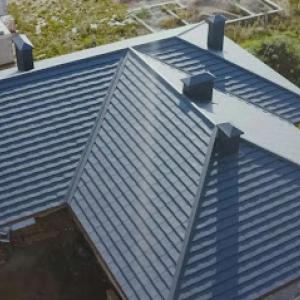
Santa Clarita Roofing Experts
(661) 768-1026 santaclaritaroofingexperts.com
Serving
5.0 from 17 reviews
Transform your roofing needs with Santa Clarita Roofing Experts, your trusted partner for roofing solutions in Santa Clarita, CA. Our team is dedicated to bringing your roofing projects to life, whether it's a reliable residential roof replacement, a high-quality commercial roofing installation, roof repairs, or a custom roofing design, we can do it all. We combine expertise with the latest roofing materials and craftmanship to deliver lasting results. Santa Clarita Roofing Experts is committed to creating secure, energy-efficient, and visually pleasing roofing solutions whether that is residential roofing or commercial roofing. No one handles roofing projects better than us! Contact us today and let's turn your roofing vision into reality!
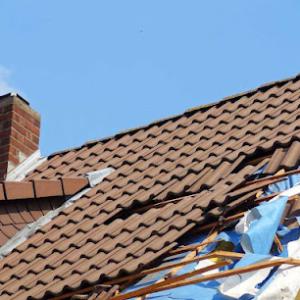
LA Roofing Masters
(888) 621-9378 www.roofinstallationlosangeles.com
Serving
5.0 from 13 reviews
To say you are the best roofing company in Santa Clarita CA doesn’t mean that you are really the best. Only years of experience, and countless amount of satisfied customers in Santa Clarita can prove that you are the best roofing contractor in Santa Clarita California. LA Roofing Masters can service, repair, install all types of roofs. From leaking roof repair, to complete new roof installation, we can help. Contact us for free estimate on you next roof or for same day roof repair in Los Angeles County.
Perfect Roofing
(855) 866-4423 perfectroofingca.com
Serving
4.5 from 26 reviews
Perfect Roofing inc Company is your resource for top-notch for new roof installation services, replacement or repair. we services los Angeles county, venture county and orange county. our team member’s bring many years of experience to projects of all kinds. Our priority to provide the highest quality level of work and customer service. Our crew is trained to provide the first-class work material and good experience for all our customers Contact the Perfect Roofing inc today to schedule your no cost, no obligation, in-depth consultation. Free Onsite Inspection Best Price Guarantee 100% Satisfaction Guarantee Call Today.

Alpine Roofing Guys
(818) 446-3957 alpineroofingguys.com
Serving
5.0 from 324 reviews
Alpine Roofing Guys stands as a beacon of excellence in the roofing industry, boasting a rich legacy since its founding in 1994. With a steadfast commitment to unparalleled craftsmanship and unwavering dedication to customer satisfaction, we have earned the trust and admiration of countless clients over the years. Our team’s expertise, coupled with a passion for perfection, ensures that every project is executed with precision and care. From residential to commercial roofing solutions, we deliver unparalleled quality, durability, and reliability. With us, you can rest assured that your roofing needs are in the hands of seasoned professionals who prioritize excellence in every aspect of their work.
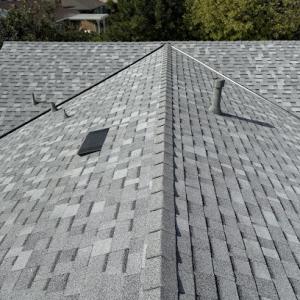
United Roof Builders
(661) 977-7669 unitedroofbuilders.com
Serving
5.0 from 18 reviews
Install new shingle roof Install new tile roof Replace old roof shingles Install fascia boards Install new flat roof
Next Door Home Upgrades
(805) 919-8091 nextdoorsolar.com
Serving
5.0 from 69 reviews
Next Door Home Upgrades in Simi Valley, CA, specializes in professional roof replacement designed to protect homes from the region’s hot sun, seasonal winds, and occasional heavy rain. Our team replaces aging or damaged roofs with durable solutions that address common local issues such as cracked shingles, heat damage, and storm wear. By focusing on quality installation, we help homeowners improve energy efficiency and safeguard their property for years to come. As experienced roofers in Simi Valley, we are known for our professionalism, reliability, and dedication to delivering trusted roofing services tailored to the needs of our community.
August Roofing & Solar
(805) 855-1655 www.augustroofing.com
Serving
4.9 from 260 reviews
August Roofing & Solar provides premium roofing and solar solutions. It is our goal to deliver professional service, best in class materials and superior craftsmanship for residential customers from West LA through Ventura County to Santa Barbara.

GreatWay Roofing
(805) 852-0510 greatwayroofing.com
Serving
4.9 from 42 reviews
Trusted Roofing Experts in Simi Valley – GreatWay Roofing Looking for a reliable, professional roofer in Simi Valley, CA? GreatWay Roofing has you covered. Since 1999, our family-owned and locally operated company has proudly served the Simi Valley community with top-quality roofing services backed by over 25 years of experience. Our dedicated team ensures every job is completed with exceptional workmanship and attention to detail—before, during, and after your project. We take pride in providing honest estimates, dependable service, and lasting results you can count on. Don’t leave your roof to chance. Choose GreatWay Roofing—Simi Valley’s trusted roofing specialists. Call today for your free estimate!
Statewide Roof Repair
Serving
5.0 from 5 reviews
Roof leaking in Santa Clarita? Statewide Roof Repair provides fast emergency repairs and permanent solutions. We handle wind damage, hail damage, worn shingles, flat roof issues, and more. Licensed roofing contractor offering same-day service, detailed estimates, and workmanship guarantees.
Infinity Roofers
(805) 225-7663 infinity-roofers.com
Serving
5.0 from 73 reviews
Are you looking for a trusted Roofing contractor in Simi Valley, California? If yes, Infinity Roofers is the company you can count on for the job. We do Residential Roofing, Commercial Roofing, Roof Repair, Roof Replacement, Roof Maintenance, Roof Inspection, Emergency Roof Repair, Shingle Roofing, Metal Roofing, Tile Roofing, Flat Roofing, and more. We have a team that provides some of the best Roofing Solutions in the Simi Valley, California area. Our roofing company in Simi Valley, California, has a well-trained team of roofing professionals dedicated to providing exceptional roofing solutions to our clients. Contact us to get a free estimate on your next project today.
In hillside and valley-adjacent homes around the reservoir and freeway corridors, clay tile and concrete tile are the go-to choices that handle the hot sun and standout curb appeal. They pair well with the local Santa Clarita aesthetic and hold up under the high daytime heat. While asphalt shingles are present, the enduring look and fire-resistance of tile make them a dominant option for long-term performance on sloped lots here. The key is recognizing that tile systems are more than the surface tiles you see; the entire assembly relies on proper underlayment, fasteners, and flashings to stay durable through decades of sun and wind.
Castaic's sun isn't just bright; it penetrates through the top layer and ages the underlayment, fasteners, and roof deck as well. UV exposure can make the color fade, but more importantly it accelerates material fatigue in the entire roof assembly. Cracked or weathered underlayment can invite leaks even if the visible tiles look sound. Pay attention to the condition of ridge caps and hip tiles, where sun exposure is most intense and wind-driven debris can pry vulnerable edges. Regular inspection should include checking for micro-cracks in field tiles that might indicate substrate stress or compacted decking beneath.
During Santa Ana events, hillside homes face stronger gusts that can lift unsecured tiles and loosen flashing. Tiles may appear intact while the fasteners and mortar joints lose bite against shifting wind pressures. In exposed locations, look for loose or cracked tiles, slipped battens, and signs of tile movement at edges and along ridgelines. Wind-driven debris can create localized impacts that fracture tiles or compromise seal around chimneys and vent flashing. A proactive neighborly approach-brief checks after strong winds and after-fire-season alerts-helps prevent small issues from becoming leaks or wind-driven hazards.
Because clay and concrete tiles are denser and heavier than asphalt, the supporting deck and underlayment deserve equal attention. Inspect for broken or hollow-sounding tiles, worn underlayment patches, and flashing corrosion especially where two planes meet. In areas with ongoing drought or heat stress, calendar-based checks for tile integrity and fastener security are wise, with a focus on hillside exposures and windy sections. If several tiles show cracks, or the mortar around hip tiles has deteriorated, it's a practical signal that the roof needs a thorough assessment for potential re-seating, re-flashing, or even full tile replacement to preserve the roof's protective role.
Find contractors who specialize in clay and concrete tile roofs, known for their durability and curb appeal.
In Castaic, asphalt shingles run roughly 350 to 700 USD per square, while metal roofs typically land between 700 and 1100 USD per square. If clay tile is your choice, you're looking at about 900 to 1600 USD per square, with concrete tile ranging from 1000 to 1800 USD per square. Wood shingles or shakes usually fall in the 800 to 1600 USD per square neighborhood, and synthetic or composite shingles sit around 700 to 1200 USD per square. These are the practical budgets you'll encounter for standard residential projects on hillside lots or where heat and wind are part of the year-round pattern. For a homeowner in a subdivision or reservoir-adjacent hillside, that range tends to bracket most bids you'll receive from local crews.
Summer heat and Santa Ana winds are not just uncomfortable in Castaic; they can compress scheduling windows and push material lead times. If a contractor must wait for a cooler spell or a lull in wind events, your project may slip, and crew availability can tighten, nudging overall costs upward. Wildfire season adds another layer: suppliers and crews may prioritize safer, steadier projects, which can push start dates and transport times. In practice, that means if you're targeting late summer or early fall, you might see a small premium simply because resources are tighter and trucks are booked farther out. Planning ahead and locking in a firm start date during the shoulder months can help contain those fluctuations.
A heat- and wind-prone climate accelerates aging for some options more than others. Asphalt shingles remain the most economical up front, but wind uplift and sun exposure can shorten their lifespan in this area compared with more resilient choices like concrete or clay tiles. Metal roofing often handles heat well and resists wind better, but initial costs are higher. If your hillside setting faces intense sun and occasional ember exposure, tiles or high-quality synthetic options may offer better long-term value, balancing durability with maintenance. Your choice will influence not only the upfront square-foot cost but lifecycle performance in the local environment.
Project totals are also affected by additional fees tied to project value through the local building department process. While the wording varies, expect that larger roof replacements may carry proportionally higher ancillary costs beyond the material and labor line items. If you're comparing bids, ask each contractor to break out the base roofing cost, installation charges, disposal or recycling fees, and these value-based adjustments. That transparency helps you see where a bid diverges and makes a more apples-to-apples comparison for a Castaic home facing hot sun, wind swings, and wildfire-aware budgeting.
Get a clear picture of your project costs upfront - no commitment required.
Reroof projects in this hillside community are overseen by the City of Santa Clarita Building and Safety department. The process is not optional; permits are typically required to ensure that the new roof structure, venting, and underlayment meet local code and safety expectations. Start the permit application well before any tear-off begins, and make sure the contractor submits the complete plan set that reflects your chosen roofing system and any required attic ventilation changes. Permits help align the project with Santa Clarita's oversight standards, which can influence inspection timing and scheduling, especially in hillside lots where wildfire awareness and wind-driven loads factor into code requirements.
Expect inspections to occur in two key windows: after the tear-off is completed and again after final installation. The first inspection confirms that the roof deck is sound, free of rot, and ready for underlayment and new coverings. In Castaic, where sun exposure accelerates deck aging and wind can reveal minor substrate flaws, this early check matters for long-term performance. The final inspection verifies that all components are in place, including the chosen roofing assembly, proper fastening patterns, and the integrity of penetrations around chimneys, vents, and skylights. Having both inspections scheduled within a narrow window helps avoid weather-driven delays and ensures compliance with local expectations.
As part of the reroof inspection process, the Building and Safety department specifically checks venting and underlayment compliance. A correctly vented attic reduces heat buildup and hot-air pressure against the sheathing, which is crucial in hot Santa Clarita summers. Underlayment choices should be appropriate for the selected roofing material and climate, with attention to edge setbacks, waterproofing around vents, and compatibility with anti-condensation measures. If your home sits on a hillside with wildfire risk considerations, be prepared to demonstrate ignition-resistant venting details and any fire-rated underlayment features required by current code. Have your contractor provide documentation of product specs and installation notes during the permit review to streamline the inspection timeline.
Coordinate with your roofer to align tear-off schedules with permit approval and the two inspection windows. Request a pre-inspection meeting if available to review venting layouts, underlayment type, and any Santa Clarita-specific requirements that might influence fastener choices or tile or shingle attachment methods. Keep access clear to the eaves and roof edges for inspectors, and ensure that attic access points and penetrations are ready for review. Remember that permit compliance is not just a box to check; it helps protect your home against wind uplift, heat damage, and wildfire pressures while aligning with the community's permitting standards.
In this hillside community, the wetter winter period can delay roofing schedules and increase water intrusion risk once tear-off has started. Santa Ana winds can still gust through gaps created by wear, and fast-moving storms can catch you off guard when crews are on a tight tear-off timeline. If rain shows up during a scheduled replacement, you face an urgent decision point: pause briefly to seal vulnerable areas or press through and risk hidden leaks that worsen once the roof dries out.
Emergency leak response matters locally because dry-season replacements can still be interrupted by off-season rain events. If a drip becomes a steady stream, act quickly to tarp the repair area and containment seams while you coordinate a safe window for crew access. Do not wait for a full fix during a pending storm; temporary measures-covering exposed penetrations, securing loose shingles, and diverting runoff away from electrical and interior spaces-can prevent extensive water damage in the house and attic.
Wind-driven debris during Santa Ana periods can create openings that do not show up until winter rain arrives. Inspect soffits, vent flashings, and ridge lines after a windy day, even if everything looked intact at prior checks. When rain comes, those micro-gaps admit water quickly. Document problem spots with photos, and arrange a targeted repair plan as soon as the weather allows, prioritizing any areas where tarps or temporary patches have already failed.
When you can't wait, these contractors offer fast response times to stop leaks and prevent further damage.
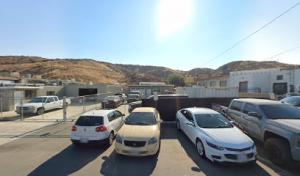
Although pitched residential roofs dominate the housing stock, the contractor market shows meaningful demand for flat or low-slope roof work. When a low-slope replacement is needed, expect more attention to edge detailing and drainage paths. In hillside lots with Santa Ana wind exposure, even small misalignments in a flat or low-slope surface can become persistent trouble spots, so plan for careful edge sealing and robust flashing around any transition to adjacent sloped sections.
Local inspections emphasize underlayment and venting, which makes transition details around penetrations especially important. On a low-slope roof, choose underlayment with proven wind uplift resistance and ensure seams are fully sealed in both heat and strong gusts. Venting should be evaluated for both attic and roof surfaces; inadequate venting can trap heat and accelerate aging of the deck and sealants. Pay particular attention to how vent stacks, exhausts, and HVAC penetrations are flashed, since weather-driven movement and heat cycles in this area stress transitions more than you might expect.
Skylight-related leak work is present in the local service mix even though it is not the dominant roof type. If a skylight sits on a low-slope segment, check the flashing apron, curb seal, and surrounding shingle or tile transitions for micro-movements caused by wind loads and sun exposure. For any re-roof with a skylight, verify that the flashing detail remains continuous across the junction with the main roof, and consider upgrading to a self-sealing edge or compatible curb material.
When inspecting a low-slope section, treat edge details, penetrations, and transitions as their own discrete trouble spots. Run a moisture check along the perimeter, test drainage paths, and confirm that all flashing materials remain pliable after the hottest weeks of the year. In hillside lots, this proactive approach helps prevent water infiltration that becomes more noticeable during Santa Ana wind events.
Find specialists in TPO, EPDM, and built-up flat roofing systems for residential and commercial properties.
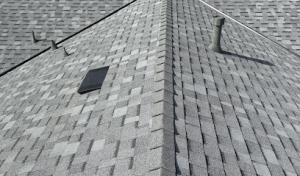
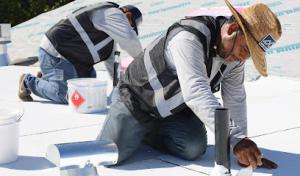
In this hillside reservoir-and-freeway community, the heat, Santa Ana winds, and wildfire awareness shape how roofs age. Insurers in this California risk environment may closely review repair scope, so written documentation matters more than verbal assurances. A warranty that looks strong on paper can lose meaning when the paperwork doesn't clearly describe what was replaced, why it was necessary, or how it was installed to withstand our specific exposure. Vague promises are especially risky when UV exposure accelerates aging and wind-driven debris tests the roof's edge every season.
Castaic homeowners should compare how contractors document underlayment choices, attic ventilation details, and the explicit necessity for any replacement. The underlayment should be described in enough detail to support a claim if wind-driven rain or heat stress tests the roof. Ventilation should specify intake and exhaust locations, and whether calculations or standards were met to maintain membrane efficiency and attic temperatures. Replacement necessity ought to be tied to observed damage, age, and proof of performance under Santa Clarita-area conditions, not just contractor opinion. Clear, itemized notes that connect each component to expected performance during Santa Ana winds and wildfire-scare scenarios help with both permits and claim support.
Warranty discussions in this environment should acknowledge that UV, wind, and wildfire-related scrutiny can shorten the practical value of vague proposals. Look for warranties that spell out failure mechanisms, service timelines, and coverage limits tied to real conditions your roof will face. Ask for samples of prior claim outcomes in similar exposure zones, and insist on a written plan that links monitoring, maintenance, and replacement criteria to your roof's actual performance over time. In short, the strongest warranty is one that reads as a precise, testable, and verifiable record of what was done and why.