
Last updated: Apr 19, 2026
The Santa Monica Mountains sit up to your left and open Conejo Valley terrain yawns to the right, so afternoon sun and sharper wind are baked into most homes here. Your roof ages faster from sun and thermal cycling than from cold snaps, so the edge of each shingle or tile should be checked for sun-bleached fade, curled edges, and fastener wear after the hottest months. In practical terms, plan inspections to catch edge wear and misaligned flashing before a stormy season rather than waiting for a leak to appear. The goal is steady performance through long UV-heavy dry seasons, not just rapid fixes after a gusty event.
Fall Santa Ana wind events matter locally because they can lift aging edges, move debris across valleys and foothill lots, and complicate tear-off scheduling in exposed neighborhoods. If your roof faces prevailing gusts, pay attention to ridge tiles, vent pipe flashing, and any loose fasteners. During a windy spell, you may notice lifted shingles at the edges or creaks along the rafter lines as the sun has already cooked edge materials. In practical terms, anchor details and edge protection deserve extra scrutiny during inspection and planning. For reroof projects, consider edge-fastening methods and higher-grade underlayment to resist wind-driven uplift, especially on slopes with strong afternoon winds.
Wildfire-aware decisions are not abstract here: roofs are a frontline defense. The mix of dry vegetation nearby and occasional Santa Ana dynamics means choosing materials that resist ember intrusion and surface radiant heat. Fire-rated options that help slow ember penetration can be a prudent path, particularly on structures with dense eaves or heavy overhangs where embers can ride along the soffits. In this climate, color and texture choices can influence heat absorption, so lighter tones that reflect some solar gain may help reduce thermal cycling. The right underlayment, ignition-resistant components, and durable fasteners become parts of a cohesive system rather than a one-off layer.
Timing a reroof in this terrain is less about the calendar and more about the seasonal wind windows and sun exposure cycles. Plan major work for periods when Santa Ana threats are lowest and afternoons are not relentlessly hot, giving you a calmer tear-off and quieter reinstallation. If a roof is approaching the end of its service life or shows widespread cupping, cracking, or flashing failure, coordinate scheduling in a stretch with moderate temperatures and minimal wind days. This helps protect crews and reduces the chance of weather-related delays that can expose newly exposed sheathing to sun glare and debris.
Tile-heavy roofs are common here, and the local mix includes concrete and clay tiles alongside asphalt and metal options. When you weigh material choices, factor longevity under high sun and wind, ease of maintenance, and ember resistance. Concrete and clay tiles offer durable, long-lived performance with good resistance to uplift when properly installed, while metal can provide light weight and strong wind resistance with careful seam detailing. Asphalt and synthetic shingles offer cost-effective alternatives with faster installation, but ensure granule retention and edge integrity hold up under prolonged sun exposure. For homes with significant afternoon glare, consider color and surface texture that minimize heat buildup without sacrificing protective coverage.
Clay and concrete tile are a natural fit for the Conejo Valley's sun-soaked, hillside neighborhoods, where Mediterranean and Spanish-influenced styling dominates Thousand Oaks-area subdivisions. The tile profiles not only echo these design sensibilities but align with the region's heat and UV exposure. In practice, that means you'll see thicker, heavier tile systems on many homes, with colors and textures selected to blend with stucco walls and terra-cotta accents. The long-term performance hinges on choosing the right tile for your slope, a well-sealed fastener plan, and careful detailing at transitions from roof to walls, chimneys, and skylights.
On older tile roofs, the recurring issue is rarely the tile itself becoming brittle all at once. Instead, underlayment aging beneath reusable field tiles often drives reroof decisions. The underlayment-whether it's a modern synthetic or a traditional felt-can deteriorate under constant sun, wind, and heat, especially where tile color and installation details trap heat. Because tiles are heavy and often reused, the risk is hidden at the deck level. Paying attention to the age and condition of the underlayment, along with any signs of moisture intrusion near hips and ridges, is essential. This pattern matters because it reshapes budgeting: if the underlayment has reached the end of its service life, replacement becomes more than a tile swap.
Foothill winds stamp a distinctive demand on tile systems. Heavier tile compositions-typical in this market-require meticulous attention to ridge lines, hips, edges, and flashing details. Wind-riven debris and blowing dust can accelerate wear at fasteners and sealants, so timing decisions should factor in the condition of ridge caps, edge metal, and the continuity of flashing around chimneys and vent penetrations. The weathering pattern often suggests that a reroof decision is less about tile condition alone and more about the overall integrity of the roof deck and its protective layers. In practice, that means proactive inspections after peak wind seasons and before the hottest stretches of summer, when expansion and contraction stress the roof system the most.
When surveying a tile roof in this area, look for cracked or displaced tiles at the ridgeline, loose or corroded edge profile metal, and any signs of water staining along the eave line or at valley intersections. Pay attention to the condition of the underlayment beneath the field tiles, especially in sections with long runs or complex geometry. If reusable field tiles are present, ensure they seat firmly with an intact batt or setting bed and that mortar joints near chimneys or walls remain sealed. Regularly scheduled checks after heavy wind events can catch flashing and ridge-line issues early, reducing the chance of moisture intrusion and preserving the roof's long-term performance.
Find contractors who specialize in clay and concrete tile roofs, known for their durability and curb appeal.

LocalRoofs
2550 Azurite Cir, Newbury Park, California
4.9 from 395 reviews
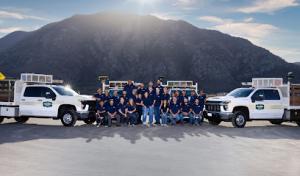

All Climate Roofing & Construction
(805) 504-1042 allclimateroofing.com
Serving
4.9 from 171 reviews

LocalRoofs
2550 Azurite Cir, Newbury Park, California
4.9 from 395 reviews
LocalRoofs provides professional roofing services throughout Ventura and Los Angeles County, including Thousand Oaks, Westlake Village, Malibu, Simi Valley, Calabasas, Agoura Hills, Santa Barbara, and surrounding communities. Based in Newbury Park, our licensed roofing contractors provide roof repair, roof replacement, and roof installation services for residential and commercial properties. Get a FREE roof checkup and estimate today! CSLB #1095477

Best Top Roofing
(805) 518-1448 besttopremodeling.com
Serving
5.0 from 66 reviews
With a decade of dedicated service, Best Top Roofing has been a trusted name in the industry since 2014. Specializing in comprehensive roofing solutions, this business offers expertise in new installations, repairs, and maintenance. Best Top Roofing is committed to delivering quality craftsmanship and dependable service, ensuring your home is protected with a durable and long-lasting roof. Their team of skilled professionals takes pride in their meticulous work, providing peace of mind to every homeowner.

GreatWay Roofing
(805) 523-2550 greatwayroofing.com
Serving
5.0 from 146 reviews
Trusted Roofing Services in Camarillo – GreatWay Roofing Need a reliable roofer in Camarillo, CA? GreatWay Roofing has been delivering high-quality residential and commercial roofing services since 1999. As a family-owned and locally operated company, we’re proud to serve the Camarillo community with unmatched workmanship, dependable service, and lasting results. From new roof installations and repairs to inspections and maintenance, our experienced team handles it all—bringing over 25 years of expertise to every project. We have a dedicated staff that ensures every job is completed with care, precision, and professionalism from start to finish. For trusted roofing in Camarillo, count on GreatWay Roofing to get the job done right.

All Climate Roofing & Construction
(805) 504-1042 allclimateroofing.com
Serving
4.9 from 171 reviews
Over the last decade, thousands of homeowners have chosen All Climate Roofing for their roofing, chimney, and waterproofing needs. We are specialized in fixing complicated leaks related to flat roofs, tile roofs and composition roofs. We repair and replace termite-damaged and dry rotted fascia boards, rafters, beams, shiplap and roof sheathing. We are factory-certified in deck coating and repairs. Our success is achieved one customer, and one roof at a time.
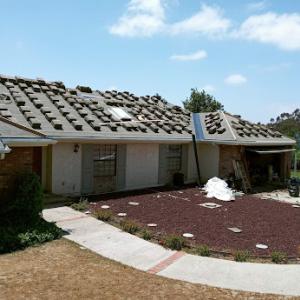
Dependable Roofing San Diego
(760) 214-6313 dependableroofingsandiego.com
Serving
5.0 from 30 reviews
Dependable Roofing San Diego is your go-to choice for professional roofing contractors in Oceanside CA. We specialize in high-quality roof repair in Oceanside CA for residential and commercial properties. From minor leaks to full roof replacements, our expert team delivers durable, cost-effective solutions. As a trusted roofing company in Oceanside CA, we work with shingles, tile, flat roofs, and more. Customers count on us for honest estimates, timely service, and exceptional workmanship. Choose the roofing contractors Oceanside CA homeowners and businesses rely on for long-lasting protection. Call today for a free quote!
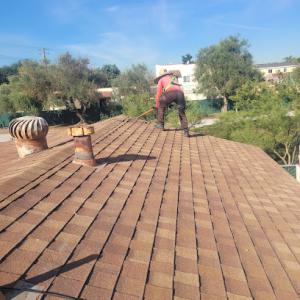
Roofing H Thousand Oaks
Serving
5.0 from 47 reviews
With Roofing H Thousand Oaks, you can rest assured that your roof is in expert hands. Our experienced team is dedicated to providing superior roofing services, from meticulous new installations to reliable repairs and proactive maintenance. We use high-quality materials and proven techniques to ensure a durable and long-lasting roof that protects your home or business for years to come. Experience the difference that professionalism and quality craftsmanship can make.
Fortress Roofing
(805) 484-0151 www.facebook.com
Serving
5.0 from 11 reviews
Roofing company located in Camarillo, California. We handle all roofing needs, including all tile or shingle full re-roofs and repairs. We offer free estimates and strive to provide excellent care to our customers and returning customers.

Top Armor Roofing
(805) 492-9036 toparmorroofing.com
Serving
4.9 from 28 reviews
Roofing contractor specializing in Community/HOA, Commercial, and Residential roofing services in Thousand Oaks, Westlake Village, and the greater Ventura County area. Family owned with over 35 years of experience. With our roofing services, you can expect a project manager on every job, all full-time employed crews who are manufacturer-trained and certified. Certainteed Shinglemaster Pro roofing contractor in addition to our specializations on all other roofing systems and applications. Professionalism, integrity, and pride in workmanship are just a few of our many core values. From roof replacement, roof repairs, re-roofing services and beyond - you'll find a team of roofing professionals you can rely on with Top Armor Roofing.
Shelter Roofing & Solar
(805) 914-0255 shelterroofingandsolar.com
Serving
5.0 from 103 reviews
Shelter Roofing and Solar is a roofing contractor in Moorpark servicing the Agoura Hills, Simi Valley, Thousand Oaks, Moorpark, and nearby areas. Our roofing company offers residential roofing, commercial roofing, commercial roof repair, asphalt shingle commercial roofing, solar roofing and more. Customers love us because of our comprehensive roof warranties and affordable roof financing options. We also have industry affiliations and certifications such as Certainteed and Owens Corning. If you want to experience how your most trusted Moorpark and Thousand Oaks roofing company embraces our motto “Go Smart with Shelter! Roofing, Solar. Batteries”, call us now for a free estimate!
Bigs Roofing & Construction
Serving
5.0 from 7 reviews
Bigs specializes in providing comprehensive roofing, construction, and HOA services. Serving Ventura County for over 20 years, we offer proposals too fulfill all needs and challenges. Bigs appreciates the opportunity to serve you.
M&J Roofing
Serving
5.0 from 10 reviews
Affordable roofing excellence in Camarillo neighborhoods - M&J Roofing. Quality doesn t have to break the bank. Expert roof repairs, replacements, installations at fair prices. Licensed contractor with financing options, manufacturer warranties, and commitment to your satisfaction throughout Camarillo.
Roof Land
(747) 242-0362 www.rooflandla.com
Serving
4.9 from 37 reviews
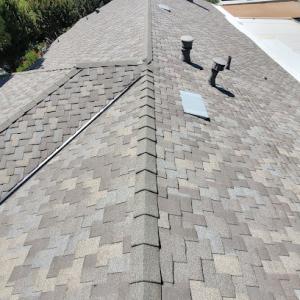
Roof Land is a trusted roofing company proudly serving Agoura Hills, Westlake Village, Oak Park, Thousand Oaks Simi valley and surrounding areas. We specialize in roof replacement, re-roofing, and roof repair for all roof types—tile, shingles, and flat roofs. Our experienced in-house crew delivers top-quality workmanship using the best materials on the market. We are licensed, bonded, and insured, and every job comes with a 10-year warranty for your peace of mind. Contact us today for a free estimate – quality and professionalism you can count on.
Sun exposure, steady winds, and the chance of wildfire awareness drive how long a reroof lasts and how well the install proceeds. Dry, predictable weather keeps underlayment from soaking up moisture and minimizes the risk of shingles curling or adhesive not setting correctly. In this area, winter rain events are intermittent but disruptive, so letting a project stretch across wet periods is a real risk to the stack of materials and the dry-in timeline. The typical corridor for reroofs favors a sequence that keeps rain out of the attic while still allowing adhesive and sealants ample time to cure in dry air. Think of this as a staggered window rather than a single perfect day.
Extreme summer heat in inland Ventura County can slow crew pacing and complicate shingle handling, while sunny mornings can lure trades into rushing. The hottest stretches are not always the easiest install window because some materials cure or set differently in high heat, and working in heat can degrade certain underlayment layers if the crew isn't pacing properly. When planning, avoid the peak heat hours and use early morning or late afternoon blocks for the most delicate steps, like rapid installation of underlayment and the initial smooth-out of shingles or tiles. Wind adds another wrinkle: gusts can lift lightweight underlayment or delay tear-off sections, so equipment staging and debris containment should be prioritized on breezier days.
Autumn can look ideal on paper, but Santa Ana wind periods in the Conejo Valley can create debris and safety issues that affect tear-off and dry-in timing. High winds can elevate the risk of flying debris and make temporary coverings less reliable, which in turn challenges the integrity of a dry-in. If a Santa Ana forecast appears, it's prudent to lean toward shortening the tear-off phase and pushing for a quicker dry-in window, ensuring gutters, vents, and roof penetrations are secured with appropriate fasteners and netting. Those wind events also raise fire-safety concerns for crews and for the adjacent property, so a contingency plan for rapid shutdown and secure storage of materials becomes a practical necessity.
Begin with a weather buffer that prioritizes a dry stretch of several days without precipitation and with moderate temperatures. Schedule tear-off for days following a dry forecast, then immediately proceed to underlayment and moisture barrier installation, making sure the roof deck is inspected for any soft spots or damage before laying the first row of shingles or tiles. Plan the final stage-dry-in and flashing installation-during the calmest part of the season, when wind is predictable and not gusting. Keep an eye on radar and local wind advisories, and coordinate with the crew to avoid mid-project interruptions caused by unexpected storms or strong Santa Ana gusts.
Get a clear picture of your project costs upfront - no commitment required.
LocalRoofs
2550 Azurite Cir, Newbury Park, California
4.9 from 395 reviews
Dependable Roofing San Diego
(760) 214-6313 dependableroofingsandiego.com
Serving
5.0 from 30 reviews
In this market, material pricing spans from asphalt shingles at 450 to 900 USD per square up to clay tile at 900 to 1800 USD per square, with concrete tile, metal, wood, and composite falling between those ranges. That spread matters, because the choice isn't only about aesthetics-it's about how a roof stands up to sun, wind, and the occasional wildfire risk consideration. If a reroof requires matching an existing hipped or gabled silhouette, expect a tighter margin around your chosen product. For Newbury Park homes with hillside massing, the heavier products like clay or concrete tile can push installed square costs higher once you factor in tear-off and reattachment work.
Costs in this neighborhood often rise when homes have tile tear-off, tile reset work, or complex ridges common in suburban hillside architecture. The roof rarely sits flat, and when ridges twist and turn with the topography, you'll see labor hours climb quickly. Access constraints on sloped lots near foothill edges can compound those numbers, because crew setup, material staging, and safe handling become more time-consuming. If a project trades a layered, tile-based roof for a full replacement, prepare for a longer schedule and tighter labor coordination, which translates into higher day-rate exposure and impact on the overall price.
Beyond material choice, the local roof footprint influences cost. In this area, sun exposure accelerates aging in underlayment and decking, which can necessitate more thorough prep work or premium underlayment choices. If the project encounters difficult access, multiple roof faces, or tight downstream runs for waste containment, waste hauling and additional safety measures add to the bottom line. For homes with exposed slopes and limited staging area, anticipate that even modest upgrades may carry a premium to ensure safe, code-compliant installation under California conditions.
Project budgets here can also be affected by demand spikes after wind or rain events when quick-response reroof and repair crews are booked out. When a surge hits, material lead times and contractor availability tighten, potentially shifting costs upward and compressing your bidding window. Planning ahead for a dry window and aligning with reliable local crews can help stabilize your project price and keep the work on track.
The most popular roofing material in the US. Find pros who install, repair, and replace asphalt shingles.
LocalRoofs
2550 Azurite Cir, Newbury Park, California
4.9 from 395 reviews
All Climate Roofing & Construction
(805) 504-1042 allclimateroofing.com
Serving
4.9 from 171 reviews
A full reroof in this foothill area typically runs through the local building department that serves Thousand Oaks or Ventura County, depending on where the property sits on the map. That distinction matters, because the review channels and inspector rosters differ once the plans leave the desk. Expect the process to be rooted in the actual jurisdiction where the house is registered, not a one-size-fits-all stamp. Walking through the correct doorway early helps avoid delays later in the season when plan check queues grow.
Homeowners should anticipate a plan review in addition to on-site inspections. In this market, the emphasis shifts away from a simple over-the-counter signoff toward careful scrutiny of ventilation, flashing details, and nail patterns. Ventilation is checked to ensure attic air exchange won't trap heat or moisture, which is a real concern after a dry Santa Ana cycle followed by sudden bursts of wind. Flashing must tie the new roof to chimneys, vent stacks, and wall transitions without leaks. Nail patterns are reviewed to verify hold-down strength against wind-driven rain and debris. Deviations flagged at review or during visits can trigger rework, so respond promptly to inspector notes to keep the project moving.
Inspection timing can stretch or compress the overall schedule, especially during busy seasons when crews are juggling multiple reroofs. Contractors who sequence dry-in, rough inspection, and final inspection with a tight, predictable cadence offer the most resilience against weather surprises and permit hot spots. If a plan review raises questions, expect a short pause to resolve them before the next inspection window opens. The practical takeaway is to align the project calendar with the authority having jurisdiction and to maintain clear communication with the inspector-because a misstep here translates quickly into weather-driven delays and extended exposure of the roof edge. In this neighborhood, steady, transparent pacing matters more than a rushed finish.
Sun-baked hills, dry winds, and proximity to open-space edges mean roof condition is scrutinized beyond leaks and cosmetic repairs. In this foothill setting, insurers look at the roof as a line of defense against embers and radiant heat. That reality pushes some carriers to push for sooner reroofing or more fire-rated materials, even if no active leak is present. The timing question becomes less about a calendar and more about how the roof stands up to the local fire risk, wind-driven debris, and how well it has aged in this climate.
In this market, insurer scrutiny can affect reroof timing because some California carriers have tightened underwriting, raised deductibles, or reduced availability in wildfire-exposed areas. Agents may flag roof age, visible wear, venting quality, and the presence of ignition-prone features near eaves and ridges. If the roof shows aging or damaged components, renewal terms can tighten or coverage options narrow. The consequence is practical: a renewal pause or a shift toward more stringent coverage questions, even if the home has no recent damage.
Homeowners should keep dated photos, permit records, material invoices, and inspection signoffs because claim handling and renewal questions can turn on documented roof age and condition. A clear trail helps prove when critical upgrades occurred, what materials were used, and that the roof met safety expectations at the time of sale, transfer, or policy renewal. In a wildfire-aware market, a well-documented roof history often smooths renewals and supports timely coverage decisions.
Start with a straightforward assessment of ember-prone areas, chimney clearance, and roof edge details. Photograph the roof from multiple angles season to season, especially after high-wind events. If visible wear exists, tightening the pathway to a fire-safety upgrade now can align with both protection goals and future underwriting realities, rather than reacting after a claim or renewal notice. Newbury Park's unique setting demands proactive, well-documented maintenance that speaks to durability under fire and wind exposure.
Connect with contractors who help homeowners navigate the claims process from damage assessment to final approval.

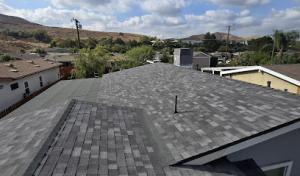

High sun exposure drives the pace and sequencing of reroof projects here. Rooftop solar installations require careful coordination with flashing, ridge venting, and remaining-roof-life decisions before panel work begins. In practice, this means planning a reroof so that any underlayment changes, drip edge alignment, and chimney or vent tie-ins are completed in a single, unified process. If panels are anticipated, the roofing contractor should stage penetrations and flashing details to minimize rework and to ensure that long-term waterproofing is preserved once PV components are installed.
Skylight flashing deserves extra attention in this climate because UV exposure and seasonal thermal movement can age seals even when rainfall is not constant. When a skylight is part of a reroof, ensure the flashing-to-roof interface uses updated sealants compatible with expansion and contraction. Consider corralling skylight penetration work into the primary reroof scope so that sealant lifecycle and flashing underlayment remain consistent across all work. A deliberately chosen flashing sequence helps prevent micro-movements from heating days that can create slow leaks years after installation.
On tile-heavy local roofs, every penetration detail is more labor-sensitive than on a simple shingle field, which can materially change repair scope and leak diagnosis. Flattened, sealed, and properly bedded penetrations help avoid cracked tiles and subsequent leaks. Pay special attention to the ordering of counterflashing around vents or chimneys and ensure that cement or mastic sits beneath the tile line without creating trapped moisture. In long-term terms, a well-sealed, tile-compatible flashing system reduces future maintenance and preserves roof integrity across deep sun cycles and Santa Ana winds.
Find contractors experienced in skylight installation, flashing, and leak repairs to bring natural light into your home.
All Climate Roofing & Construction
(805) 504-1042 allclimateroofing.com
Serving
4.9 from 171 reviews
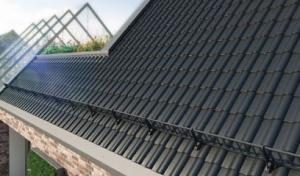

While the main roofs in this foothill zone are tile or shingle, some homes add low-slope patio covers, additions, or modern annexes. These sections sit in the sun longer, catch more wind-driven debris, and drain differently from the primary roof. In practice, that means you should expect different wear patterns on these surfaces, with faster granule loss on shingles and faster crazing or surface staining on low-slope materials. Keep an eye on flashing where the low-slope meets the main roof, because that transition is a recurring weak point in this neighborhood.
These low-slope sections are especially vulnerable during winter rain because drainage and ponding issues show up quickly after long dry periods when maintenance has been deferred. If you notice standing water or slow drainage after a storm, inspect the flat areas first: clogged gutters, overwhelmed scuppers, and surface depressions are common culprits. In the days following a heavy rain, run a visual check for damp spots, moss growth, or soft coating edges, then address any pooling or surface deflection before the next wet season.
Transitions between tile or shingle main roofs and low-slope sections complicate flashing details. In this area, you'll frequently see misaligned or undersized flashings where the two roof types meet, plus potential buildup at inside corners. A practical approach is to verify that step and counter-flashing extend properly onto both substrates and terminate with a clean sealant line. If a tie-in shows any movement or bubbling sealant, treat it as an active concern rather than a cosmetic fix. Plan proactive resealing and flashing upgrades when you notice stress cracking or ridge vent misalignment at these junctions.
For these sections, establish a higher-frequency maintenance routine. Inspect after winter storms and at the end of dry spells, and clean drainage paths quarterly. Replace weathered sealants promptly, and consider discreet protective coatings that resist wind-carried debris without trapping moisture. A targeted, timely approach keeps these vulnerable tie-ins from escalating into larger roof system issues.
Find specialists in TPO, EPDM, and built-up flat roofing systems for residential and commercial properties.
All Climate Roofing & Construction
(805) 504-1042 allclimateroofing.com
Serving
4.9 from 171 reviews
Dependable Roofing San Diego
(760) 214-6313 dependableroofingsandiego.com
Serving
5.0 from 30 reviews