
Last updated: Apr 19, 2026
In South San Francisco, projects are most practical when scheduled for spring or fall, avoiding the winter rainy season and the hotter stretches that stress crews and materials. The goal is to secure a dry deck and stable weather window before underlayment goes on and flashing is set. When you map the calendar, pick a period with consecutive dry days, but also leave buffer for an unexpected shower. Because foggy, damp spring conditions can linger, you want a window where you can reasonably expect dry, attic-to-eave airflow without constant moisture buildup on sheathing.
Spring on the Peninsula often brings a persistent marine layer that lingers into mid-morning and sometimes into the afternoon. Foggy, damp conditions can slow deck drying and leave higher moisture in roof sheathing before underlayment goes on. If you're targeting a spring start, coordinate with the contractor to verify the decking is dry enough to accept underlayment and fasteners. A practical check is to have the crew perform a pin test or moisture meter reading on the top plates and visible decking before any tear-off begins. If readings stay elevated, push back the clock by a few days of drying potential, or adjust sequencing to keep working only during the drier parts of the day.
Fall coastal winds in South San Francisco can influence tear-off sequencing, material staging, and debris control during active reroof work. Windy afternoons can complicate lifting bundles, securing underlayment, and keeping debris contained. Plan sequencing so that tear-off and roof sheathing work occur during lighter wind periods, with access routes and staging zones cleared and prepped for quick material movement. Consider pre-cutting and pre-staging bundles on the roof or secure ground-level storage away from gust paths to minimize delays caused by sudden gusts. Establish a clear wind contingency plan with the crew, including extra tarps and tie-downs for debris nets and edge protection.
The transition from tear-off to underlayment is a critical moment for moisture management. In the Peninsula climate, you want a dry, stable deck surface before underlayment is installed. If the deck still shows high moisture, you risk trapped moisture under the underlayment, which can compromise the roof system's long-term performance. Build in a short, flexible dry-down period if weather shifts are forecasted. Use fans or dehumidifiers in enclosed attic access points only when safe and appropriate, and keep a watch on ambient humidity readings. Communicate with the crew about delaying fastener installation or shifting to a temporary cover if a moisture spike occurs.
Coastal air can bring salt spray and grit that cling to wet surfaces. During fall and spring, prioritize tight debris control and material staging to minimize wind-driven dispersion and moisture exposure. Use containment covers, secured tarps, and shut down any unsecured racks during high-wind alerts. Schedule site cleanup at predictable intervals, not just at the end of the job, to prevent moisture-laden debris from accumulating in gutters or on the deck. By coordinating staging with favorable weather slots and using robust containment, the project stays on track and reduces weather-related delays.
A full reroof in this area requires a building permit, so planning can't be sketched after materials arrive. The process is designed to catch critical details that affect long-term durability-decking, underlayment, flashing, and venting-before a single nail goes in. If a permit path is overlooked, work can stall mid-project, or a later compulsion to open framing and address deficiencies can trigger additional costs and delays. Start with a clear timeline that accounts for the city's review cycle and potential backlogs. Knowing this upfront helps prevent a cascade of hold-ups that materialize after weather windows narrow.
During review, the focus is the roof's structural and moisture-control systems, not just the surface appearance. Decking needs to be sound and properly supported, with fastener patterns that meet code requirements. Underlayment quality and coverage receive scrutiny to ensure an effective barrier against the Peninsula's damp winters. Flashing around chimneys, valleys, and transitions must be coordinated with venting details to deter leaks where trouble most often begins. Venting itself is checked for compatibility with the chosen roofing system and for adequate attic airflow. Because these details influence every subsequent step of reroofing, a missing or poorly executed element can become a persistent source of leaks or wind-driven lift down the line.
Processing times commonly run about 1-3 weeks, varying with department workload. That window should be planned into the project schedule so the crew isn't left idling under a wet spell or foggy moisture conditions when the work most needs to proceed. After installation, inspections are scheduled to verify underlayment installation, proper nail patterns, and overall code compliance. These checks are not cosmetic; they verify that the reroofed assembly will perform when winter rain returns. If structural work triggers a certificate of occupancy requirement, a final inspection is required to close out the permit. Missing these inspections or rushing through them can leave a homeowner vulnerable to rework and additional permit fees.
Coordinate with the roofing contractor to prepare a complete permit application package, including deck condition notes, underlayment type, flashing details, and venting plan. Build a buffer into the schedule to accommodate review time and potential revision requests. Plan for weather contingencies that fit the typical wet season timing; having material on site but not yet permitted creates a risk of exposure and unnecessary wear. Finally, treat the inspections as a critical milestone, not a bureaucratic hurdle-address any findings promptly to keep the project moving and reduce the chance of rework once winter conditions arrive.
This area's cool, foggy pattern drips moisture onto the roof longer than you might expect, especially during winter storms. The roof system can appear dry on top, yet dampness may linger in the deck and underlayment if the layers aren't fully prepared for prolonged exposure. In this context, where winter rains arrive with coastal winds, the timing of reroof work matters, and the patience to complete proper detailing pays off after the first week of sustained rain. The dominant residential materials you'll see- asphalt shingles, metal roofing, clay and concrete tile, wood shingles or shakes, and synthetic or composite shingles-each bring their own moisture response, but the key constant is how well the deck, underlayment, flashing, and venting interact to shed water.
Asphalt shingles remain common for their ease and versatility, yet the long Pacific fog season can stress edge detailing and transitions if installation isn't precise. Metal roofing brings durability and a clean look; its fasteners and seams demand meticulous sealing, especially near vent pipes and penetrations where moisture can chase airflow. Tile systems-both clay and concrete-offer excellent longevity in this climate, but their weight and edge details require careful framing and backer work, plus weatherproof fasteners in windy conditions. Wood shingles and shakes appeal for their traditional texture, but they demand a robust underlayment to resist moisture infiltration around rakes, eaves, and overhangs where fog moisture settles. Synthetic or composite shingles bridge many of these traits with consistent textures and often resilient underlayment compatibility, though installation still hinges on careful edge and vent work. The common thread is that, on a Peninsula roof, the surface material must harmonize with the deck preparation, underlayment choice, and flashing plan to handle damp conditions without creating hidden leaks.
Underlayment plays a pivotal role when moisture lingers. A high-quality, properly installed underlayment with enough overlap and suitable breathability can prevent capillary action from pulling water into seams and fasteners. In this climate, flashing around chimneys, skylights, vent stacks, and transitions to dormers should be continuously continuous, with sealed joints and drip edges that redirect water away from the deck. Pay particular attention to corner details and field joints where fog moisture can creep into small gaps. Ensure penetrations through the roof plane are treated with compatible flashing materials and sealants rated for wet conditions. The best outcomes come from coordinating underlayment and flashing choices with the selected surface material so that movements due to wind or temperature changes don't create new leak paths.
Tile and metal installations demand extra vigilance at edges, ridges, and penetrations. Edge trims, gutter lines, and fascia need integrated moisture management to keep standing water away from fasteners and deck joints. In winter, wind-driven spray and salt air can exploit marginal seams, so installers should verify that edge fasteners are corrosion-resistant and that sealants have proven performance in damp, foggy environments. Vent detailing-especially around attic venting and roof exhausts-should encourage air movement while preventing water intrusion. For homes with complex roof lines or multiple levels, a staged reroof with careful sequencing helps keep sections dry during work and reduces the risk of moisture intrusion in the decking before final flashing is secured.
Choose a material that matches your existing house aesthetic while prioritizing an integrated moisture strategy: durable edge details, rigorous underlayment, and meticulous flashing at every penetration. If your home features multiple roof planes, plan for additional time and attention to transitions between materials, because edge exposure will test those junctions in the damp coastal climate. In this market, a well-executed combination of surface choice, thorough deck preparation, and precise edge and vent detailing will preserve roof performance through the foggy months and beyond.
Average pricing here tends to cluster by material in a way that's easy to compare when you're budgeting. Asphalt shingles typically run about $420 to $800 per square. Metal roofs sit higher, in the $900 to $1,600 per square range. Clay tile installations commonly space from $1,200 to $2,500 per square, while concrete tile lands roughly $1,100 to $2,300 per square. Wood shingles or shakes usually fall between $650 and $1,100 per square, and synthetic or composite shingles are typically $800 to $1,500 per square. These ranges reflect local labor pace, material availability, and the type of underlayment and flashing commonly used on Peninsula homes.
Seasonal weather windows here can shift the overall cost picture. Winter rain and the persistent coastal fog moisture can extend staging time and push crews to work around damp conditions, which often lengthens the project timeline and may add a bit to labor cost. Spring moisture and early fog can similarly slow crews as decks and underlayment dry out, especially on reroof jobs where close attention to decking and flashing detail is required. Fall wind events can create tighter scheduling windows, making it harder to keep a project on the original start date and potentially increasing crane or access time if equipment needs to be repositioned.
If you're planning a reroof, aim for a late dry season window when possible. Start with a rough target that avoids the heaviest winter rains and the foggiest shoulder months, and build in a few extra days for weather hiccups. Talk with a contractor about the projection for material deliveries, since curbside access and haul-away time can be affected by coastal humidity and maritime air. Consider staggering some phases if the crew needs to juggle multiple sites during a typical winter lull; this can help maintain steady progress without piling up idle labor time. Finally, verify that your chosen roof profile and underlayment choice align with the local climate realities, so you get the best long-term performance within the cost range you're budgeting for.
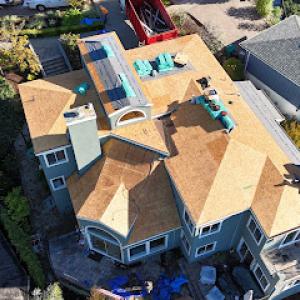
Royal Roofing CA
(408) 418-2474 royalroofingca.com
109 Northcrest Dr, South San Francisco, California
5.0 from 108 reviews
Royal Roofing CA is a licensed and insured roofing company (CSLB #1122158) based in South San Francisco, proudly serving the Bay Area — including San Jose, Fremont, Palo Alto, and San Francisco. We specialize in shingle, tile, and flat roof replacements, roof repairs, leak detection, new installations, and roof inspections. From residential homes to commercial properties, we deliver expert craftsmanship, quality materials, and 24/7 emergency service. Contact us today for a free estimate.

Calisco Roofing
(925) 832-9196 caliscoroofing.com
South San Francisco, California
5.0 from 41 reviews
As specialists in residential and commercial roofing services with 11+ years of experience, we are dedicated to providing customer service that is second to none. Whether you have a new construction project, or it is time for repairs, we offer the roofing services you need.

Mr. Roofing
(650) 832-9995 www.mrroofing.net
101 1st St, South San Francisco, California
4.7 from 103 reviews
As your local San Francisco roofing company, Mr. Roofing is proud to not only serve our neighbors for roof installation and repair, but to offer complete solar solutions for your home. As contractors and consultants, we can help you choose a solar roofing system that nets you energy savings and improves your home value. Whether you just need new shingles or a whole new solar system, our team at Mr. Roofing is glad to help. Give us a call today for a free quote.
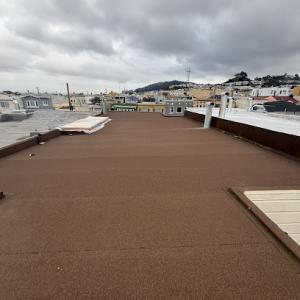
Amcal Roofing
(415) 684-4498 amcal-roofing-inc.com
South San Francisco, California
5.0 from 19 reviews
Amcal Roofing has been a cornerstone of the Sunnyvale community for over 26 years, providing exceptional roofing services that stand the test of time. Our journey began with a commitment to excellence and a passion for quality workmanship. Over the years, we have built a reputation for being one of the most reliable and professional roofing companies in the area. Our team consists of highly trained and experienced roofing specialists who take pride in their work and are dedicated to exceeding customer expectations. We believe in fostering long-term relationships with our clients by delivering consistent, high-quality results on every project. At Amcal Roofing, we pride ourselves on providing top-quality roofing services.

Mike McCurdy Roofing
(650) 952-0233 mikemccurdyroofinginc.com
371 Shaw Rd, South San Francisco, California
4.6 from 24 reviews
Family owned and operated Roofing Company in the Bay area for over 45 years. Get exceptional quality roofing service and repairs at an affordable price. Mike McCurdy Roofing of South San Francisco, CA is one of the last family owned and operated roofing companies in the bay area. We strive for quality workmanship with unparalleled customer service and warranties. We offer several different styles of high quality roofing materials including but not limited to Shingle/Composition roofs, Modified Bitumen roofs, TPO and a variety of coatings for all types of roofs from modular homes and residential roofs to commercial buildings. All carpentry work is conducted in house and we fabricate any skylights and gutters, etc.

Central Roofing
(650) 589-4173 www.centralroofingcal.com
727 Airport Blvd, South San Francisco, California
4.6 from 29 reviews
Licensed and highly experienced roofing contractor that provides expert installation and repair services for all applications. Credentialed with the BBB and proud of our A+ rating.Established in 1981. Our Business is family owned and operated started in 1981, in South San Francisco and we serve the entire Bay Area, San Mateo County, Santa Clara County, Contra Costa West County, Marin County.
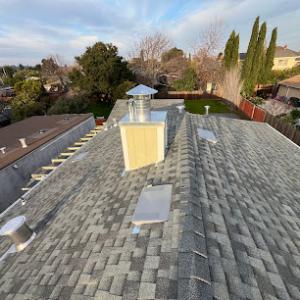
Cal State Roofing & Sheet Metal Company
(415) 954-2278 www.calstateroofing.com
509 Mayfair Ave, South San Francisco, California
4.5 from 8 reviews
We offer service in residential and commercial roofing and restoration (Steep Slope, Low Slope, Flat roof), as well as gutters and downspouts.
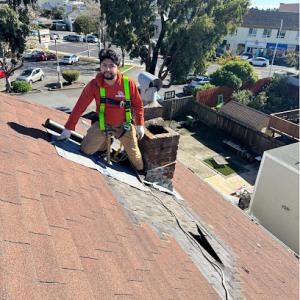
EHL Roofing
(415) 964-9422 www.ehlroofing.com
Serving
5.0 from 17 reviews
EHL Roofing – Licensed Roofing Contractor in Daly City, CA We’re a local, family-owned roofing company serving Daly City, South San Francisco, San Bruno, and the entire Bay Area. After installing 500+ roofs since 2019 for major contractors, we founded EHL Roofing to deliver the same high-quality results directly to homeowners—no sales reps, no middleman markup. We offer roof replacement, leak repair, shingle installation, and drone inspections. Licensed (#1145092), bonded & insured. Free inspections, honest pricing, and guaranteed workmanship. Call us today!
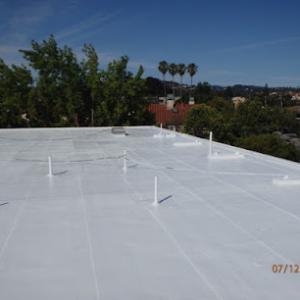
C & J Roofing
233 S Maple Ave Bldg. O, South San Francisco, California
3.1 from 8 reviews
For over 35 years we have provided high quality craftsmanship for residents & businesses all throughout the Bay Area. We offer honest & accurate roof evaluations & inspections to homeowners, the insurance industry & real estate agents. Our attention to detail is unmatched when it comes to shingle, tile & built-up roof systems, just a few of our many specialties! We offer custom gutter & skylight design, layout & installation and when disaster strikes, we offer 24-hour emergency services. We are fully licensed, bonded and insured, BBB verified and accredited and 5 star rated on Yelp. We are proud to serve this illustrious area and the remarkable people who reside in it. If you’re in need of quality roofing services, look no further!
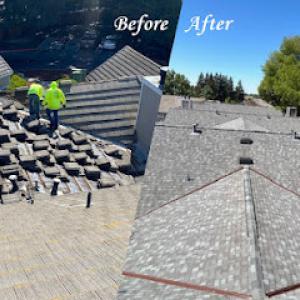
CFY Construction
(650) 488-0221 cfyroofingconstruction.com
Serving
5.0 from 511 reviews
CFY Construction is a trusted and experienced contractor specializing in high-quality exterior construction services. We proudly serve residential and commercial clients with expert solutions in roofing, gutters, waterproofing, siding, coating, and stucco. With a strong commitment to craftsmanship, durability, and customer satisfaction, CFY Construction ensures that every project is completed with precision and care. Whether you need a new roof, weatherproofing for your property. Our skilled team is equipped to deliver lasting results that protect and enhance your investment. At CFY Construction, we combine industry-leading materials with years of hands-on experience to meet your building needs-on
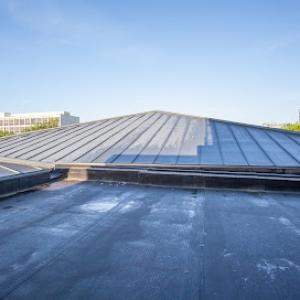
Felix Roofing
Serving
4.8 from 76 reviews
Felix Roofing is a fully licensed roofing contractor in Pacifica, CA serving Marin County, Solano County, and Central/Northern California with a wide range of services. From new roof installations to storm damage repair and flat roof tear-offs, we do it all. No job is too large or small for our team of professional roofers. We serve residential and commercial customers. We have over 40 years of experience serving the Greater Pacifica, CA area with custom roofing projects. We specialize in all types of roofing including shingle, tile, metal, slate, and flat roofs. We also offer leaky roof repairs, waterproofing, and deck coating services.

Tom Lee Roofing
(415) 333-5373 www.tomleeroofing.com
Serving
5.0 from 25 reviews
Tom Lee Roofing, Inc. is a fully licensed, bonded and insured roofing contractor since 1990. For more than 30 years, we have provided exceptional service to more than 14,000 satisfied customers. Our experienced staff is committed to providing the best quality workmanship, service, dependability and high customer satisfaction.
South San Francisco leak investigations often need to distinguish between active rain intrusion and moisture-related issues worsened by prolonged fog and slow drying. On a misty morning, water might appear at a seam or flashing, but the trunk of the problem can be damp decking that never fully dries. You'll notice a slowdown in drying after a few days of fog, with mildew aromas and a musty feel creeping under the attic access. When rain returns, the same spots may weep more aggressively, yet the root cause can be lingering moisture that never had a chance to evaporate completely. The key is to observe whether staining continues after several dry days; if it persists, start with the underlayment and decking condition, then re-check flashing and vent connections for any lingering seepage.
Because local permit review emphasizes flashing and venting, these are key areas to scrutinize on older reroofs with recurring leaks. Pay close attention to where roof-to-wall transitions occur, and where step flashing meets cladding. Look for corroded or lifted metal, missing sealant, or improper overlaps that channel water inward. Vents that back up with condensation or settle out of plumb can create hidden leaks that only show up after several storms. On a roof with a fog-laden climate, even small gaps become big problems as moisture lingers and travels along horizontal planes. If you see staining around vent collars or weakened sealant mastic, flag it for immediate repair and ensure flashing surfaces are clean and properly corrosion-resistant.
Winter storms can interrupt replacement schedules and leave partially exposed roofs vulnerable if emergency dry-in is not handled quickly. A partially shingled roof during a wet spell invites water to seep through unprotected decking and into attic spaces. The priority is to implement a rapid dry-in plan that prevents wind-driven rain from lifting underlayment or soaking plywood edges. Keep temporary covering tight and secured, especially around valleys and penetrations, and schedule weather windows for critical flashing and vent work as soon as realistic. If a leak is found, treat it as an immediate priority to minimize interior damage and avoid costly delays.
When you can't wait, these contractors offer fast response times to stop leaks and prevent further damage.
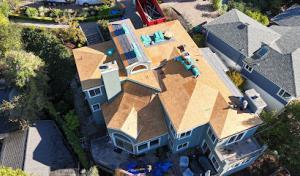
Royal Roofing CA
(408) 418-2474 royalroofingca.com
109 Northcrest Dr, South San Francisco, California
5.0 from 108 reviews

Calisco Roofing
(925) 832-9196 caliscoroofing.com
South San Francisco, California
5.0 from 41 reviews

Homeowners in this area are navigating a California insurance market that has grown more selective. Carriers may limit coverage or raise premiums after a claims history, especially if winter storms and wind-driven leaks are involved. In practice, this means your roof Wariness isn't just about the shingle color or style-it can affect whether you can renew a policy at all, and how quickly a claim gets processed after a leak or wind event.
Insurers commonly want detailed roof condition documentation, wind or hail history, and proof of updated materials before offering or renewing coverage. That can feel like a hurdle, but it's the new baseline in this climate. In South San Francisco, where fog and moisture patterns create unique exposure, expect requests for recent roof inspections, photos of degraded decking or flashing, and notes on ventilation and underlayment. Having those reports ready can prevent delays when a claim is needed or when a policy comes up for renewal.
For claims tied to winter storms or wind-driven leaks, homeowners should document roof condition before repairs and keep records of materials, inspection results, and any permit closeout. The foggy mornings and damp afternoons common to this peninsula setting can mask creeping leaks, so a careful before-and-after photo log is worth maintaining. When a storm hits, your documentation becomes a key bridge between what happened, what was repaired, and what your insurer will approve. In practice, that means organized, dated notes and clear records of the materials used and the state of the roof at the time of evaluation. Without them, recovery from a claim can stall or become uncertain, compounding the stress after a winter setback.
Connect with contractors who help homeowners navigate the claims process from damage assessment to final approval.

NC Roofing Solution Inc. San Mateo
(650) 664-3314 ncroofingsolution.com
Serving
5.0 from 112 reviews

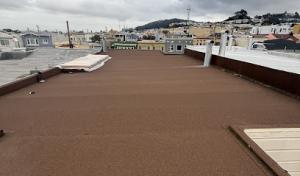
A South San Francisco contractor signals meaningful local demand for flat-roof work, skylight repairs, and solar-related roofing coordination. In this market, flat roofs can hide slow leaks and poor drainage behind parapets, so expect to inspect inside corners, curbs, and roof-to-wall transitions closely. When a project targets multiple functions-roofing, skylights, and solar-the goal is to lock in a reliable, weather-resilient plan early, so crews don't thrash flashing details mid-progress.
On local homes, prolonged dampness and winter rain can expose weak transitions at curbs, flashings, and penetrations. Pay particular attention to the junctions where a skylight curb meets the deck, and where solar mounting brackets tie into existing flashings. Ensure decking is dry and sunken fasteners are replaced or sealed before new layers go down. If a leak path is suspected, address it before installing a new roof membrane or cap sheet, because a soggy substrate undermines long-term performance.
When reroofing, coordinating skylight or solar work with the main roof scope helps avoid repeated disturbance of new flashing details. Plan penetrations in a single sequence, using compatible flashing assemblies and continuous sealants across all openings. Choose compatible products for curb flashing, skylight flange seals, and rafter-to-deck transitions to minimize callbacks. If solar racking is included, align mounting with the roof slope and drainage plan to maintain water shedding and air movement across the deck.
Schedule the most critical weather-sensitive tasks for drier windows, and protect newly installed components with temporary enclosures during foggy spells. After the main roof is in place, test all skylight and solar penetrations with a controlled water test, then complete any flashing touch-ups promptly. A coordinated approach reduces rework and helps the system perform as a unified whole.
Find specialists in TPO, EPDM, and built-up flat roofing systems for residential and commercial properties.
Royal Roofing CA
(408) 418-2474 royalroofingca.com
109 Northcrest Dr, South San Francisco, California
5.0 from 108 reviews
Amcal Roofing
(415) 684-4498 amcal-roofing-inc.com
South San Francisco, California
5.0 from 19 reviews

Mike McCurdy Roofing
(650) 952-0233 mikemccurdyroofinginc.com
371 Shaw Rd, South San Francisco, California
4.6 from 24 reviews
South SF homeowners commonly hire for reroofing rather than only new construction, reflecting a mature housing stock and strong replacement market. That reality means you'll often be evaluating established residential roofers who are used to the rhythm of this neighborhood's needs, not flashy boutique outfits. When a project is on deck, reliable crews tend to stand out for showing up prepared and ready to work with crews that understand typical Southeast Peninsula weather patterns and what a wet season can do to an ongoing roof job.
Local contractor signals show quick response and cleanup included are major hiring priorities, especially when leaks happen during the wet season. Quick phone calls, property visits, and clear scheduling windows matter. You want a roofer who returns messages promptly, confirms access needs for attic or crawlspace, and sticks to a realistic plan that accommodates unpredictable rain. Pick teams that spell out who is on site each day and how they will protect your interior during a rain event.
Established residential roofers are more prevalent than highly niche firms here, so homeowners often compare responsiveness, scope clarity, and post-job cleanup as much as price. Look for a written scope that clearly lists decking, underlayment, flashing, venting, and inspection steps. Ask for a detailed sequence of work, including material deliveries, tarp placement, and a plan for managing moisture during installation. A clear, itemized approach reduces surprises once work begins.
Post-job cleanup is non-negotiable for South SF neighborhoods, where street and gutter cleanliness is valued by neighbors and the HOA-friendly mindset is common. Confirm that cleanup includes removal of scraps, nails, and any debris at day's end, plus a final walk-through to address touched-up areas or lingering minor issues. A contractor who treats cleanup as part of the contract signals respect for the neighborhood's standards.