
Last updated: Apr 19, 2026
In San Bruno, the mild but wet winter season reshapes how a reroof is scheduled. The practical rhythm is to target spring through fall for most tear-offs and dry-in work, with the wet months from November through February treated as a hard stop for full tear-off projects on exposed homes. This means coordinating a reroof to begin after the typical winter rain lull and finishing before the wetter months return, or scheduling a project to ride the drier stretch in late spring into early summer. On hillside homes with slopes and ridgelines, this timing matters even more because wind exposure can complicate a tear-off mid-project when moisture is still stubborn or when gusts sweep across open decks. The implication is clear: map a plan that avoids the core rainy season and aligns with the Peninsula's spring-to-fall dryness.
For a smooth operation, start roofing work as soon as the bulk of the late-winter and early-spring rains have passed and the forecast looks reliably dry for a sustained period. Spring and early summer offer the best combination of lower rainfall risk and longer dry spells, which helps with underlayment adhesion, sealant curing, and shingle or panel set times. If a project is weather-cohorted to a specific month, aim for a schedule that sits in the mid-to-late spring or early summer when fog and coastal humidity are still present but precipitation is minimal. Coastal fog can linger during these months, so plan for potential intermittent humidity that can extend curing times. The key practical move is to anchor start dates to forecasted dry stretches of at least several days, with a buffer for a few more dry days to complete a secure dry-in before any stray marine fog returns.
Even in what seems like a dry window, Spring and early summer bring coastal humidity on the Peninsula that can slow the drying of underlayment, adhesives, and sealants. On many San Bruno roofs, the underlayment and roof-to-wall seals require a longer cure period when humidity remains elevated, particularly on higher-profile pitches or on roofs with long runs. If a project encounters foggy mornings or damp afternoons, expect modest delays in the full cure of adhesives and sealants. To minimize impact, cluster tasks that rely on dry conditions-such as applying underlayment, installing flashings, and sealing penetrations-in the most sun-exposed hours of the day and position crews so they can move to interior or sheltered tasks if a marine layer rolls in. The practical effect is a plan that remains flexible within the spring-to-summer window, with a built-in contingency for a few extra days of dry weather.
Fall and winter Bay Area storm winds bring a different risk profile, especially on exposed slopes and ridgelines around San Bruno. Exposed roof decks can become unsafe during gusty periods, and partially completed tear-offs are more vulnerable to wind-driven debris and lift. If the forecast shows strong front passages or windy spells, pause on any exposed stages of the tear-off and secure materials and scaffoldings. Slope orientation matters: steeper, more exposed sections should be scheduled for the most stable, calm windows or postponed until calmer days, while less exposed elevations can proceed with careful staging. When wind risk is high, a shorter, tightly sequenced plan that advances from secure interior tasks to more exposed exterior work helps keep crews safe and protects the roof structure during repair. If a project must run into late fall, arrange for flexible daily targets and ready-down days to absorb any abrupt wind shifts without compromising weather-tightness.
Coordinate timing around the wet season by establishing a primary dry window in late spring through early summer, with a back-up plan for early autumn in milder years. Build in buffer days for catching any stray Bay Area drizzle and for the occasional coastal fog that slows drying, particularly on shaded or north-facing roof planes. For more exposed homes, draft a wind-aware sequence that prioritizes interior and sheltered tasks when forecasts indicate stronger winds. In all cases, keep communication tight with the crew and the homeowner about expected drying times, especially for underlayment, adhesives, and sealants, so everyone understands how the coastal microclimate here shapes the timeline. In San Bruno, timing reroofs to ride the dry, relatively calm pockets of the year-not the peak of the rainy season-yields the most durable, long-lasting results.
Coastal-influenced air in this peninsula climate accelerates corrosion of metal flashings, valley metals, vents, and fasteners compared with inland Bay Area areas. The salty, damp air lingers around rooftops, especially on days when fog is heavy and the mist slides across the ridge lines. That combination means metal components don't just sit passively at the edge of your roof; they work harder and wear sooner than you might expect if you're used to drier inland conditions. The consequence is not dramatic storm damage every season, but a quiet, relentless decline in performance that shows up as leaks, staining, or vent failures over time.
Corrosion risk matters most at penetrations and edge metal, where repeated winter wetting and marine air exposure can shorten the service life of otherwise sound roof systems. Valleys collect water and debris, creating micro-habitats for corrosion, while step-downs and flashing details at chimneys, vents, and skylights face the brunt of oscillating moisture. If edge metal becomes brittle or starts to separate from the substrate, the risk of slow leaks grows even without a dramatic storm. Pay attention to where shingle laps meet metal trim-those junctions are prime opportunities for salt-laden spray to find a path under coverings.
Material selection in this region is not just about the field covering; accessory metals and fastening systems need to hold up in salt-laden coastal air. Aluminum and zinc alloys can fare differently based on thickness, coating, and the quality of the sealant used around penetrations. Fasteners, screws, and nails that appear fine on a dry day can corrode years earlier than expected if they're not paired with compatible, corrosion-resistant profiles. This is especially true on steeper roofs where wind-driven spray can reach the fastener line from multiple directions during winter storms. The practical takeaway is to match the entire assembly-not just the visible roof surface-with a corrosion-conscious mindset.
Look for early signs of edge corrosion around rake metals and overhangs after wet, foggy spells. Inspect flashing seams at valleys and around vents for any seam separation or dark staining that hints at moisture intrusion. If paint or coating on metal flashings looks chipped or bubbled, treat it as a red flag: corrosion may be lurking beneath, ready to undermine the roof's sealing strategy. When planning a reroof or a major repair, specify compatible accessory metals and a sealing system designed to endure salt exposure, not just a short-term aesthetic match. A careful, holistic look at the metal details can extend the whole roof's life in a climate where the air itself is a constant adversary.
Explore specialists in steel, aluminum, and standing seam metal roofs built to last 50 years or more.

NC Roofing Solution Inc. San Mateo
(650) 664-3314 ncroofingsolution.com
Serving
5.0 from 112 reviews
The dominant reroof choices in this city include asphalt shingles, metal roofing, clay tile, concrete tile, wood shingles or shakes, and synthetic or composite shingles. In this coastal-influenced pocket of the Peninsula, the wet-season pattern-heavy rains, dense fog, and salt air-makes the timing of a reroof every bit as important as the material itself. You will want a system that respects the winter's slow drip and the fog's moisture lingering on roof surfaces, so credible underlayment and proven flashing details become a priority from day one. A common mistake is choosing aesthetics without weighing moisture management and wind resilience, especially on exposed hillside streets that catch gusts off the Bay.
Heavier tile reroofs in this area may trigger added structural review during permitting, making material swaps more involved than like-for-like replacements. Clay and concrete tiles, while durable and visually distinct, impose true weight and dynamic load considerations. If a roof is near the upper end of a slope and faces consistent wind exposure, the added mass can shift how the roof behaves during a storm, particularly when old framing is combined with newer, heavier assemblies. In practice, that means a careful assessment of joist spacing, nailing patterns, and fastener choices becomes part of every reroof plan. If a heavier option is chosen, anticipate a more thorough structural conversation with the contractor and, where applicable, the building professional overseeing the project.
Because winter rain and coastal moisture are constant realities, the performance of the underlayment under the chosen surface matters as much as the surface itself. A robust underlayment paired with a well-sealed perimeter and well-integrated roof-to-wall flashing will pay dividends in reliability through the season's wetter weeks. In windy segments and along exposed eaves, durable flashing that resists lift and corrosion is essential. The best roofing systems here pair an aggressive underlayment strategy with flashing materials designed for coastal exposure, ensuring that even when rain drives in at odd angles or gusts press on roof edges, water finds the path it is intended to follow toward the gutters.
The surface look remains a meaningful consideration, yet it should not eclipse practical performance in this climate. Asphalt shingles lend quick, cost-effective coverage and a broad color range for weathered coastal neighborhoods. Metal roofing offers high wind resistance and a low-maintenance profile that can, with the right fasteners and sealants, hold up well to foggy, damp conditions. Tile options-clay or concrete-bring distinctive aesthetics and longevity but demand careful structural verification and a design that accounts for drainage and snow-like moisture shedding patterns, even where actual snowfall is rare. Wood shingles or shakes deliver a traditional texture, but require attention to elevated moisture, rot resistance, and seasonality-driven maintenance. Synthetic or composite shingles provide a middle ground, with weight and flexibility benefits that can ease installation demands while offering good moisture handling.
Your reroof plan should align with the local wet-season calendar: anticipated rainfall, foggy mornings, and inland wind events all influence how a roof ages and how fast water can ingress if gaps appear. When evaluating material swaps, prioritize how the chosen combination works with underlayment strategy, flashing durability, and weight implications as much as surface appearance. The result is a roof system that not only looks right but behaves correctly through a typical San Bruno winter, remaining resilient against the elements while preserving the home's envelope and interior comfort.
A full reroof in San Bruno requires a permit through the City of San Bruno Building Division rather than proceeding as over-the-counter maintenance work. This ensures the project meets local structural, fire, and wind-resistance standards that are particularly important for hillside homes and windy coastal conditions. The permit process starts with plan review, which assess how the chosen roof system interacts with existing ventilation, underlayment, and eave details.
San Bruno uses staged inspections to keep projects on track and to catch issues early. There is one inspection during underlayment and flashing installation, which verifies membrane continuity, drip edge connections, and vent flashing before the roof covering is installed. A final inspection occurs after the entire roof covering is in place, confirming material type, fastening pattern, and proper penetration sealing. Keeping the scheduling aligned with these two critical checkpoints helps prevent weather-related delays, especially during the peninsula's wetter months.
Projects involving heavier roof systems or ventilation changes can require additional review. If you're upgrading to a heavier concrete or clay tile, or making substantial changes to roof ventilation, plan for potential extra review time and more detailed submissions. Homes with retrofit gable vents, attic fans, or updated chimney flashing can trigger questions about wind uplift, moisture control, and thermal bridging. In San Bruno, small design tweaks that affect flashing details or roof-to-wall connections are examined closely to ensure long-term performance in fog and winter moisture.
Allow several weeks for permit processing after plan review, especially if the project includes changes to the roof structure or ventilation strategy. Start the permit path early in the project window to accommodate foggy mornings, light winter rainfall, and the peninsula's typical wind exposure. Keep contractor communications clear about which inspections are required and how weather sequencing may influence inspection timing and access to the roof.
In this coastal Peninsula pocket, reroof timing is as much about weather windows as it is about material choice. The wet season bring rain delays, fog dampness, and slower drying times, so the workable window for a full tear-off and install tightens. Asphalt shingles sit at about $420-$800 per square, a predictable baseline when storms are hovering and crews need to squeeze in work between fronts. If you're weighing metal, plan for $700-$1,350 per square, which can pay off in windy months or when you want a longer-lasting, low-slope option that resists the fog's dampness a bit better.
Tile options shift the cost envelope upward. Clay tile runs roughly $1,000-$2,400 per square, while concrete tile is typically $1,000-$2,100 per square. Those figures reflect not just the material but the added weight, potential structural checks, and the need for careful installation around San Bruno's wind exposure and hillside roofs. When wind and rain are persistent, some crews favor lighter sequences or staggered work, which can push schedule and cost slightly higher yet still competitive for tile's long life.
Wood shingles or shakes come in around $700-$1,100 per square in this market. Wood can be a solid aesthetic and performance choice in milder weeks, but damp winters emphasize maintenance needs-rot resistance, ventilation, and proper underlayment become more critical. If a roof is being upgraded from wood to a different material, or if you are adding venting or a radiant barrier, expect price adjustments that are common when winter weather compresses the workable season.
Synthetic or composite shingles present a middle ground, typically $500-$1,000 per square. They can offer better resistance to salt-air corrosion and fog-driven moisture, which is worth factoring into a decision when the roof is facing repeated damp cycles. For replacements, synthetic options may also ease installation during shorter clear spells, though labor costs rise with any material change during winter.
Tile replacements and material changes can cost more locally when permit review expands to structural or ventilation checks rather than a straightforward like-for-like reroof. If your roof needs additional reinforcement or upgraded attic ventilation to accommodate a new tile system, expect the higher end of the range to come into play. In San Bruno, planning around rain delays and slow drying conditions matters, so ask for a revised schedule and a buffer in the bid to avoid back-to-back weather holdouts. Overall, a thoughtful selection based on exposure, roof pitch, and the salt-laden coastal air will help balance upfront cost with long-term performance.
Caruzos Roofing Contractors
(650) 271-3968 caruzosroofing.com
99 Linden Ave, San Bruno, California
5.0 from 3 reviews
new roofs, re-roofs, emergency repairs, gutters and down spouts, skylights, tiles, pvc roofs, tpo membranes.

Mike McCurdy Roofing
(650) 952-0233 mikemccurdyroofinginc.com
Serving
4.6 from 24 reviews
Family owned and operated Roofing Company in the Bay area for over 45 years. Get exceptional quality roofing service and repairs at an affordable price. Mike McCurdy Roofing of South San Francisco, CA is one of the last family owned and operated roofing companies in the bay area. We strive for quality workmanship with unparalleled customer service and warranties. We offer several different styles of high quality roofing materials including but not limited to Shingle/Composition roofs, Modified Bitumen roofs, TPO and a variety of coatings for all types of roofs from modular homes and residential roofs to commercial buildings. All carpentry work is conducted in house and we fabricate any skylights and gutters, etc.

Mr. Roofing
(650) 832-9995 www.mrroofing.net
Serving
4.7 from 103 reviews
As your local San Francisco roofing company, Mr. Roofing is proud to not only serve our neighbors for roof installation and repair, but to offer complete solar solutions for your home. As contractors and consultants, we can help you choose a solar roofing system that nets you energy savings and improves your home value. Whether you just need new shingles or a whole new solar system, our team at Mr. Roofing is glad to help. Give us a call today for a free quote.
Felix Roofing
Serving
4.8 from 76 reviews
Felix Roofing is a fully licensed roofing contractor in Pacifica, CA serving Marin County, Solano County, and Central/Northern California with a wide range of services. From new roof installations to storm damage repair and flat roof tear-offs, we do it all. No job is too large or small for our team of professional roofers. We serve residential and commercial customers. We have over 40 years of experience serving the Greater Pacifica, CA area with custom roofing projects. We specialize in all types of roofing including shingle, tile, metal, slate, and flat roofs. We also offer leaky roof repairs, waterproofing, and deck coating services.
EHL Roofing
(415) 964-9422 www.ehlroofing.com
Serving
5.0 from 17 reviews
EHL Roofing – Licensed Roofing Contractor in Daly City, CA We’re a local, family-owned roofing company serving Daly City, South San Francisco, San Bruno, and the entire Bay Area. After installing 500+ roofs since 2019 for major contractors, we founded EHL Roofing to deliver the same high-quality results directly to homeowners—no sales reps, no middleman markup. We offer roof replacement, leak repair, shingle installation, and drone inspections. Licensed (#1145092), bonded & insured. Free inspections, honest pricing, and guaranteed workmanship. Call us today!

Royal Roofing CA
(408) 418-2474 royalroofingca.com
Serving
5.0 from 108 reviews
Royal Roofing CA is a licensed and insured roofing company (CSLB #1122158) based in South San Francisco, proudly serving the Bay Area — including San Jose, Fremont, Palo Alto, and San Francisco. We specialize in shingle, tile, and flat roof replacements, roof repairs, leak detection, new installations, and roof inspections. From residential homes to commercial properties, we deliver expert craftsmanship, quality materials, and 24/7 emergency service. Contact us today for a free estimate.

Central Roofing
(650) 589-4173 www.centralroofingcal.com
Serving
4.6 from 29 reviews
Licensed and highly experienced roofing contractor that provides expert installation and repair services for all applications. Credentialed with the BBB and proud of our A+ rating.Established in 1981. Our Business is family owned and operated started in 1981, in South San Francisco and we serve the entire Bay Area, San Mateo County, Santa Clara County, Contra Costa West County, Marin County.
Cal State Roofing & Sheet Metal Company
(415) 954-2278 www.calstateroofing.com
Serving
4.5 from 8 reviews
We offer service in residential and commercial roofing and restoration (Steep Slope, Low Slope, Flat roof), as well as gutters and downspouts.
Amcal Roofing
(415) 684-4498 amcal-roofing-inc.com
Serving
5.0 from 19 reviews
Amcal Roofing has been a cornerstone of the Sunnyvale community for over 26 years, providing exceptional roofing services that stand the test of time. Our journey began with a commitment to excellence and a passion for quality workmanship. Over the years, we have built a reputation for being one of the most reliable and professional roofing companies in the area. Our team consists of highly trained and experienced roofing specialists who take pride in their work and are dedicated to exceeding customer expectations. We believe in fostering long-term relationships with our clients by delivering consistent, high-quality results on every project. At Amcal Roofing, we pride ourselves on providing top-quality roofing services.
CFY Construction
(650) 488-0221 cfyroofingconstruction.com
Serving
5.0 from 511 reviews
CFY Construction is a trusted and experienced contractor specializing in high-quality exterior construction services. We proudly serve residential and commercial clients with expert solutions in roofing, gutters, waterproofing, siding, coating, and stucco. With a strong commitment to craftsmanship, durability, and customer satisfaction, CFY Construction ensures that every project is completed with precision and care. Whether you need a new roof, weatherproofing for your property. Our skilled team is equipped to deliver lasting results that protect and enhance your investment. At CFY Construction, we combine industry-leading materials with years of hands-on experience to meet your building needs-on

By The Bay Roofing & Construction
(415) 645-3166 btbroofingandconstruction.com
Serving
5.0 from 21 reviews
In the heart of San Francisco & Bay Area, California By The Bay Roofing & Construction stands as a trusted ally for all your roofing, chimney, siding, gutter, renovations and waterproofing endeavors. Our experienced team combines artistry with functionality, delivering exceptional results that will transform your property's essence. By The Bay Roofing & Construction is a family-owned and -operated business. We are also veteran-owned and -operated, LGBTQ+-friendly, and environmentally conscious.

Calisco Roofing
(925) 832-9196 caliscoroofing.com
Serving
5.0 from 41 reviews
As specialists in residential and commercial roofing services with 11+ years of experience, we are dedicated to providing customer service that is second to none. Whether you have a new construction project, or it is time for repairs, we offer the roofing services you need.
In the Bay Area, homeowners insurance is generally still available, but underwriting can be influenced by wildfire exposure, prior claims, and mitigation measures. For San Bruno, that means your policy is more sensitive to how your property sits on the bluff or hillside, how well you've addressed defensible space, and any history of nearby fires. If your roof has seen prior issues, or if surrounding vegetation isn't trimmed, expect closer scrutiny of your renewal or a new policy quote. The message is practical: keep records tidy and show you've reduced exposure where you can.
For San Bruno reroofs tied to damage, insurers commonly expect detailed contractor bids, photos of existing conditions, and a clearly documented replacement scope before approving major work. That trio of elements isn't just paperwork-it's your bridge from a legitimate loss to a smooth evaluation. The more you can demonstrate the project's scope with precise photos and a bid that maps every roofing area, the faster your claim moves from inquiry to settlement. In foggy, damp winters, it's common for claims to stall if documentation is incomplete or ambiguous about what's being replaced and why.
Because San Bruno's most common roof stressors are winter rain, wind, and moisture-related deterioration rather than a single catastrophic peril pattern, documentation quality can strongly affect claim handling. Expect adjusters to compare pre- and post-damage conditions, verify moisture-related damage across eaves and vents, and assess wind-driven wear on ridge lines. The cleaner and more comprehensive your file-photos, timestamps, weather context, and a detailed replacement scope-the more confidence insurers have in approving and closing the claim without delay.
Connect with contractors who help homeowners navigate the claims process from damage assessment to final approval.
NC Roofing Solution Inc. San Mateo
(650) 664-3314 ncroofingsolution.com
Serving
5.0 from 112 reviews

Wet-season patterns bring sustained rain, fog, and coastal moisture that keep flashing details at skylights and low-slope transitions damp longer. In Peninsula homes with mixed roof geometry, where steeper residential sections meet lower-slope areas over additions or garages, these details are common leak points. Leaks often show up during extended wet spells rather than isolated summer showers, so careful attention here pays off before the first heavy rains.
Skylight flashing should be continuous and well-seated against both the curb and surrounding roofing. In houses with fog-prone climates, sealants can dry out more slowly and traps moisture beneath flashing if not properly bedded. Check for small hairline gaps at the corners after a heavy rain event and re-seal promptly if any damp spots appear on interior ceilings. Use metal flashings with a painted, corrosion-resistant finish to resist coastal humidity. Ensure the skylight curb sits solidly on a clean, dry surface before applying any sealant or bedding.
Low-slope areas over additions or garages are particularly susceptible during San Bruno's wet winters. Confirm that transitions between steeper roofs and flat sections are mechanically fastened and properly integrated with continuous flashing. Look for misaligned head or curb flashings where the two roof planes meet, and verify that end laps shed water toward the field of the roof. When a low-slope run looks dry only after a sunny day, recheck after a few hours of rain, since persistent dampness hides failures until the season turns.
During autumn, perform a careful walk-around with a flashlight after a few rainy days to spot subtle dampness along skylight seals and low-slope joints. On aging systems, consider upgrading to continuous, integrated flashing rather than patching isolated spots. If a concerned area shows recurring dampness, plan a targeted reseal or flashing replacement before the next wet period. In foggy stretches, expect slower drying times and schedule inspections accordingly.
Find contractors experienced in skylight installation, flashing, and leak repairs to bring natural light into your home.

For homeowners planning both reroofing and solar, sequencing is the hinge that prevents your new roof from becoming a patchwork after installation. The final roof assembly, all penetrations for racking, conduit, and cables, plus the solar system's electrical inspections, should line up with the roof's finish. In practice this means the interval between decking, underlayment, flashing, and the solar racking should be choreographed so nothing is re-opened after the roof is sealed. Wet-season planning matters because San Bruno's climate brings fog and damp days that slow access to the attic and roof deck. Collaborative timing helps avoid delays tied to re-flashing or resealing around penetrations, which can be especially disruptive on hillside homes exposed to wind gusts. When a reroof is scheduled, discuss solar mounting goals and preferred racking locations early with the contractor to prevent later adjustments.
Material choice matters for solar attachment planning, especially when comparing asphalt systems with tile or metal roofs that use different flashing and mounting approaches. Asphalt shingles typically support rail systems with integrated sealant considerations, while tile roofs require careful counter-flashing and tile cutouts to maintain waterproofing. Metal roofs offer strong attachment points but demand ground-clearance and foam closure details near penetrations. In San Bruno, salt-air exposure can influence flashing corrosion and sealant longevity, so confirm that flashing materials are compatible with both the roof finish and the selected solar hardware. Ensure that roof color, texture, and slope still allow clean sealant joints and minimal vent stack interference for a visually cohesive result.
A practical timing strategy centers on completing the roof assembly before the wettest window fully locks in. That keeps the roof dry during final inspections and enables a single pass for waterproofing around penetrations. If solar planning is part of the reroof, align the electrical inspection sequence with the roof's final stage so permit reviewers see a complete, watertight installation. For hillside properties with wind exposure, verify that mounting hardware is rated for uplift and that flashing transitions align with the chosen roofing material to avoid wind-driven leaks. This approach minimizes the need to revisit finished areas and supports a smoother, more predictable project flow.
Find contractors who integrate solar panels or solar shingles into your roof for long-term energy savings.

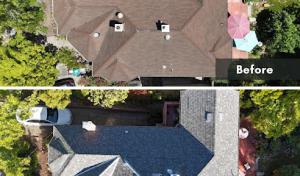
San Bruno homeowners know the rhythm of the wet season and the wind-driven gusts that sweep over hillside streets. When a reroof is needed, local contractors typically deliver quick responses, thorough cleanup, and residential-focused workmanship rather than flashy, highly specialized niche services. The emphasis is on solid, practical reroofing that holds up through foggy mornings and rainy fronts, with a clean job site and dependable scheduling during wetter months.
The market features a meaningful mix of long-established firms, which matters when weather panels and underlayment must perform reliably under damp conditions. Tenure signals a track record of handling North Peninsula quirks-coast-influenced salt air, occasional salt spray, and windbursts that test edge details. Homeowners can expect crews that know how to coordinate staging, protect landscaping on hillside lots, and tidy up gutters and access points before the next storm front.
Warranty offerings are common enough to consider, but the real value lies in how workmanship coverage pairs with manufacturer-backed eligibility. On a full replacement, ensure the contractor can document workmanship guarantees that survive seasonal humidity and temperature swings, and that product warranties align with the local exposure to fog and wind. Ask for written details on what is covered, for how long, and what triggers a valid claim, especially where fast pacing meets heavy rain.
Look for firms with a demonstrated focus on residential projects and clear communication during wet periods. Prioritize contractors who schedule with realistic weather contingencies, protect driveways and landscaping from runoff, and provide a straightforward plan for cleanup and debris removal. In this market, reliability, steady crews, and transparent warranty terms tend to translate into fewer surprises when the rains return.