Last updated: Apr 19, 2026
Pacifica's position directly on the San Mateo County coast exposes roofs to salty sea air that can accelerate corrosion of metal flashings, fasteners, vents, and edge components. In practical terms, this means flashings should be inspected more often than inland areas, especially where edges meet hips, valleys, and roof-to-wall connections. Corrosion doesn't announce itself with a loud signal; it begins as micro-pitting and loose fasteners, followed by slow leaks that are hard to trace from the attic. When planning roof work, prioritize corrosion-resistant materials and coatings, and be prepared to refresh metal details sooner than you would inland.
The city's frequent marine layer and high humidity keep roof surfaces damp longer than inland Peninsula locations. Damp times stretch material exposure and can accelerate deterioration of underlayment and decking if ventilation and flashing details are weak. In practice, check for consistently damp or darkened sheathing, especially along edges and near penetrations. If underlayment appears aged or stiff from moisture exposure, consider upgrading to a more breathable, moisture-tolerant option and ensure the ventilation strategy is robust enough to move air from soffits to ridge vents during damp seasons.
Homes perched on ocean-facing slopes and ridgelines are more exposed to onshore moisture and wind than sheltered inland blocks near the hills. Wind-driven rain can force moisture through seemingly minor gaps and around fasteners that would stay dry on less exposed roofs. That means ridge flashing and drip edges require careful attention to fastening pattern, sealant compatibility with salt air, and continuous protection along long runs. When choosing detailing for these exposures, lean toward continuous flashing, corrosion-resistant fasteners, and sealants proven to withstand salt spray and temperature swings.
Regular checks should focus on corrosion-prone points: chimney and vent bases, step and counter-flashings at transitions to walls, skylights, and any sidewall penetrations. Look for staining or white powder on metal, loosened nails, and any signs of rust around edges where salt spray settles. In damp seasons, identify areas where water sits or migrates slowly due to limited drainage, such as valleys with debris buildup or clogged gutters. If roof penetrations are older than a decade, prioritize resealing and, where feasible, upgrading to corrosion-proof fasteners and thicker flashing where salt exposure is greatest.
A sound Pacifica roof strategy relies on effective ventilation to move marine moisture out of the attic. Ensure soffit intake and ridge exhaust are clear and balanced so that damp air does not linger in the attic, which can accelerate mold, rot, and underlayment breakdown. For homes on exposed slopes, consider adding or upgrading ridge vents or turbine vents if the prevailing wind patterns bring persistent damp air upward. Pair ventilation with a reliable, salt-resistant underlayment system and ensure any attic hatch or scuttle openings have proper seals to prevent air currents from pulling moisture into living spaces.
When approaching maintenance, start with a visual sweep from the ground to the eaves, noting any green or white oxidation on metal, loose or missing fasteners, and any edge corrosion. If a leak source seems elusive after a rain, track the moisture path to high-probability penetrations and inspect the corresponding flashing details first. For homes on exposed slopes, schedule more frequent inspections after winter storms or periods of sustained onshore wind, when fatigue in edges and joints is most likely to reveal itself. Use non-staining sealants compatible with salt exposure for temporary fixes, but plan for longer-term, code-consistent repairs that restore a continuous water barrier and durable flashing.
In Pacifica, the wet winter pattern and coastal storms make active leak calls the most urgent during rain events, especially where wind drives water into flashing transitions. When a storm rolls in, remember that even small drips at a flashing corner or at a roof-to-wall intersection can escalate quickly as sea air carries moisture and salt. Treat any fresh leakage as a high-priority signal: an attic or ceiling patch is not enough if water is tracking along framing or under underlayment. The goal is to stop water at its source and prevent it from finding gaps behind siding, around skylights, or at ridge lines. Do not delay triage or assume a temporary tarp will hold; rain exposure is relentless and can worsen in minutes.
Strong onshore winds in fall and winter can interrupt installation schedules and can worsen failures at ridges, eaves, skylights, and roof-to-wall intersections. If a storm arrives with gusts, expect flashing and fastener failures to propagate quickly-metal flashing can peel, sealant joints can shear, and tiles can lift. Schedule flexibility matters: prioritize work on vulnerable edges and transitions before a forecasted wind event. When winds are forecasted, secure materials and ensure temporary measures are in place to limit water intrusion. If creaks, rattles, or shifting insulation are noticed during windy periods, treat them as warning signs and address them promptly, rather than waiting for a calmer window.
Because roofs can stay damp between storms, small defects often show up as recurring leaks rather than one-time storm events. A persistent drip at a skylight after rain, a damp spot near a chimney, or moisture creeping along a seam in a cool spell means the issue is more structural than cosmetic. Do not rely on a single dry day to declare a fix; moisture can linger, compromise sealants, and reveal hidden corrosion or damage to metal components. Conduct quick checks after every significant rain: look for wet laps, rust on flashings, buckling under shingles, and loose end caps. If a recurring leak appears, escalate to a targeted repair plan that addresses the path water follows through the vulnerable intersections first, then restore the surrounding protective layers.
When rain begins, inspect the most exposed areas first: ridge, eave edges, skylights, and transitions where roof meets wall. If leaks are active, place a temporary tarp or waterproof membrane over the affected area to reduce moisture intrusion while a permanent repair is prepared. Keep a handheld light and a mirror handy to trace water paths across rafters and ceilings; sometimes the visible leak is not the source. Document with photos and timestamps, then coordinate a rapid response with a trusted local roofer who understands marine moisture, salt air, and winter wind patterns. Time is critical: delayed fixes only compound corrosion risk, rot, and interior damage.
When you can't wait, these contractors offer fast response times to stop leaks and prevent further damage.

Felix Roofing
Pacifica, California
4.8 from 76 reviews
Felix Roofing is a fully licensed roofing contractor in Pacifica, CA serving Marin County, Solano County, and Central/Northern California with a wide range of services. From new roof installations to storm damage repair and flat roof tear-offs, we do it all. No job is too large or small for our team of professional roofers. We serve residential and commercial customers. We have over 40 years of experience serving the Greater Pacifica, CA area with custom roofing projects. We specialize in all types of roofing including shingle, tile, metal, slate, and flat roofs. We also offer leaky roof repairs, waterproofing, and deck coating services.
EHL Roofing
(415) 964-9422 www.ehlroofing.com
Serving
5.0 from 17 reviews
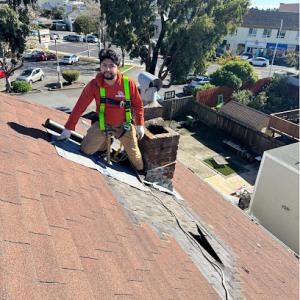
EHL Roofing – Licensed Roofing Contractor in Daly City, CA We’re a local, family-owned roofing company serving Daly City, South San Francisco, San Bruno, and the entire Bay Area. After installing 500+ roofs since 2019 for major contractors, we founded EHL Roofing to deliver the same high-quality results directly to homeowners—no sales reps, no middleman markup. We offer roof replacement, leak repair, shingle installation, and drone inspections. Licensed (#1145092), bonded & insured. Free inspections, honest pricing, and guaranteed workmanship. Call us today!
Mr. Roofing
(650) 832-9995 www.mrroofing.net
Serving
4.7 from 103 reviews
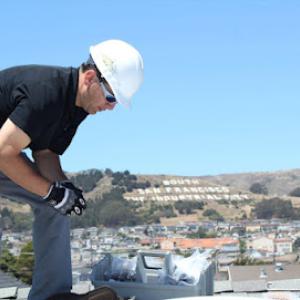
As your local San Francisco roofing company, Mr. Roofing is proud to not only serve our neighbors for roof installation and repair, but to offer complete solar solutions for your home. As contractors and consultants, we can help you choose a solar roofing system that nets you energy savings and improves your home value. Whether you just need new shingles or a whole new solar system, our team at Mr. Roofing is glad to help. Give us a call today for a free quote.
Royal Roofing CA
(408) 418-2474 royalroofingca.com
Serving
5.0 from 108 reviews
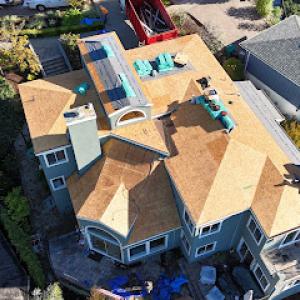
Royal Roofing CA is a licensed and insured roofing company (CSLB #1122158) based in South San Francisco, proudly serving the Bay Area — including San Jose, Fremont, Palo Alto, and San Francisco. We specialize in shingle, tile, and flat roof replacements, roof repairs, leak detection, new installations, and roof inspections. From residential homes to commercial properties, we deliver expert craftsmanship, quality materials, and 24/7 emergency service. Contact us today for a free estimate.
CFY Construction
(650) 488-0221 cfyroofingconstruction.com
Serving
5.0 from 511 reviews
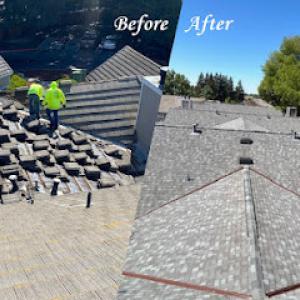
CFY Construction is a trusted and experienced contractor specializing in high-quality exterior construction services. We proudly serve residential and commercial clients with expert solutions in roofing, gutters, waterproofing, siding, coating, and stucco. With a strong commitment to craftsmanship, durability, and customer satisfaction, CFY Construction ensures that every project is completed with precision and care. Whether you need a new roof, weatherproofing for your property. Our skilled team is equipped to deliver lasting results that protect and enhance your investment. At CFY Construction, we combine industry-leading materials with years of hands-on experience to meet your building needs-on

Mike McCurdy Roofing
(650) 952-0233 mikemccurdyroofinginc.com
Serving
4.6 from 24 reviews
Family owned and operated Roofing Company in the Bay area for over 45 years. Get exceptional quality roofing service and repairs at an affordable price. Mike McCurdy Roofing of South San Francisco, CA is one of the last family owned and operated roofing companies in the bay area. We strive for quality workmanship with unparalleled customer service and warranties. We offer several different styles of high quality roofing materials including but not limited to Shingle/Composition roofs, Modified Bitumen roofs, TPO and a variety of coatings for all types of roofs from modular homes and residential roofs to commercial buildings. All carpentry work is conducted in house and we fabricate any skylights and gutters, etc.

Tom Lee Roofing
(415) 333-5373 www.tomleeroofing.com
Serving
5.0 from 25 reviews
Tom Lee Roofing, Inc. is a fully licensed, bonded and insured roofing contractor since 1990. For more than 30 years, we have provided exceptional service to more than 14,000 satisfied customers. Our experienced staff is committed to providing the best quality workmanship, service, dependability and high customer satisfaction.

Central Roofing
(650) 589-4173 www.centralroofingcal.com
Serving
4.6 from 29 reviews
Licensed and highly experienced roofing contractor that provides expert installation and repair services for all applications. Credentialed with the BBB and proud of our A+ rating.Established in 1981. Our Business is family owned and operated started in 1981, in South San Francisco and we serve the entire Bay Area, San Mateo County, Santa Clara County, Contra Costa West County, Marin County.

At Last Roof Repair
(650) 538-5203 www.roofrepairdalycity.com
Serving
5.0 from 16 reviews
At Last Roof Repair provides top-tier roofing services dedicated to protecting your home. Specializing in expert repairs, our team delivers durable solutions and peace of mind. We are committed to serving the Daly City area with professional craftsmanship and exceptional attention to detail. Experience the quality and reliability that sets us apart as your premier choice for all your roofing needs.
Modern Roofing & Associates
(650) 270-5141 modernroofingservices.com
Serving
4.8 from 16 reviews
We do complete roof replacements, roof repairs, seamless gutters and downspouts, emergency service calls
By The Bay Roofing & Construction
(415) 645-3166 btbroofingandconstruction.com
Serving
5.0 from 21 reviews
In the heart of San Francisco & Bay Area, California By The Bay Roofing & Construction stands as a trusted ally for all your roofing, chimney, siding, gutter, renovations and waterproofing endeavors. Our experienced team combines artistry with functionality, delivering exceptional results that will transform your property's essence. By The Bay Roofing & Construction is a family-owned and -operated business. We are also veteran-owned and -operated, LGBTQ+-friendly, and environmentally conscious.
Amcal Roofing
(415) 684-4498 amcal-roofing-inc.com
Serving
5.0 from 19 reviews
Amcal Roofing has been a cornerstone of the Sunnyvale community for over 26 years, providing exceptional roofing services that stand the test of time. Our journey began with a commitment to excellence and a passion for quality workmanship. Over the years, we have built a reputation for being one of the most reliable and professional roofing companies in the area. Our team consists of highly trained and experienced roofing specialists who take pride in their work and are dedicated to exceeding customer expectations. We believe in fostering long-term relationships with our clients by delivering consistent, high-quality results on every project. At Amcal Roofing, we pride ourselves on providing top-quality roofing services.
Pacifica's hillside neighborhoods blend coastal cottages, mid-century silhouettes, and heavier tile-roofed homes. The marine moisture and salt air press on every roof surface, and winter wind-driven rain can find small lapses in flashing or underlayment. The dominant reroof choices reflect this mix: asphalt shingles, metal, clay tile, concrete tile, wood shingles or shakes, and synthetic or composite shingles. Each option carries unique strengths under Pacifica's salty exposure, so the best path is to match the roof type to the home's age, structure, and how aggressively salt air and wind stress the system. Watch for how the roof interacts with venting, gutters, and the hillside drainage before committing to a material.
Metal roofs perform well on Pacifica slopes, but salt air doesn't stop at the panels-fasteners, flashings, and accessories feel the bite too. If a metal roof is chosen, insist on a corrosion-resistant fastener system with longer coatings and stainless or coated steel screws, plus color-matched, high-quality flashings designed for coastal use. Treat every seam, ridge cap, and edge detail as a potential leak path, because wind-driven rain can force moisture under seemingly tight joints. Pacifica homes benefit from continuous underlayment with a strong sealant at every penetration, plus periodic inspection of the perimeter drip edge to prevent salt-laden spray from creeping into eaves and soffits. In coastal microclimates, a slightly thicker coating and regular maintenance schedule can mean the difference between a long-lived roof and repeated call-backs after winter storms.
Clay and concrete tiles remain relevant locally, especially on hillside homes with existing tile rooves. The weight is real and must be supported by the structure; older homes may require structural checks before reroofing. Access during replacement or repairs is tougher on slopes, so plan for safe staging and containment to prevent wind-blown debris from scouring the underlayment. Underlayment replacement becomes a bigger factor when tiles age or when previous installations show salt-induced degradation around fasteners and penetrations. Because tile roofs rely on precise alignment and reliable underlayment, any leak symptoms in winter wind-driven rain should prompt a careful inspection of tile pedestals, sealants, and flashing at eave and chimney interfaces. Expect a broader scope of work on hillside houses where the roof and attic geometry constrain access.
Asphalt and synthetic/composite shingles offer straightforward installation and good wind resistance when properly flashed, but salt air accelerates edge corrosion and can degrade sealants at rake and hip lines. Choose shingles with enhanced algae-resistant and moisture-tolerant overlays, and pair them with a robust step flashing system around chimneys, valleys, and dormers. In the marine environment, ensure roof vents and pipe penetrations are sealed with compatible, long-lasting sealants designed for coastal climates. Regular inspections should focus on the first 5 to 10 feet of eaves, where salt spray and wind-driven rain tend to concentrate, checking for lifted tabs, granule loss, and any gaps that could invite leaks during winter storms.
Wood shingles or shakes bring a classic look but require careful coastal maintenance. The salt air accelerates grain checking and can invite mildew on shaded hillside faces. If wood is in place or planned, seal and re-seal exposed faces and ensure continuous protection at penetrations and flashing. On slopes, roof access for maintenance is more challenging, so plan for a durable, water-shedding underlayment and tight sealing around dormers and vents. For synthetic or composite shingles, look for coastal-grade formulations designed to resist salt corrosion and UV exposure, which helps maintain color and seam integrity even after numerous winter storms.
Persistent marine moisture and wind-driven rain test every curb detail where a skylight meets the roof. In fog-heavy stretches, salt air can creep into seams and fasteners, slowly widening gaps that might not show up on a dry, inland day. Small installation defects-tiny gaps around the curb, cracked sealants, or misaligned flashing-now become recurring leak pathways. The result is a quiet, creeping drip that undermines decking and sheathing over time. In Pacifica, this erosion happens sooner if flashing isn't up to the task or if corrosion-prone metal is used in the flashing stack. The lesson is practical: treat any skylight joint as a moving part of the roof, not a fixed cosmetic detail, and expect attention as moisture conditions shift with the seasons.
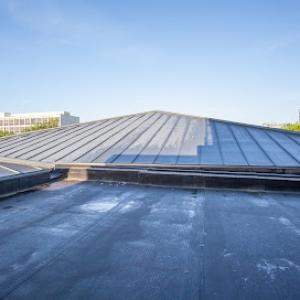
Skylights are a meaningful local repair category, and in Pacifica they are especially vulnerable where persistent moisture and wind-driven rain exploit aging curb and flashing details. When reroofing, inspect every skylight penetration with a critical eye: the curb should sit flat and firm, flashing should bend cleanly into the roof deck without gaps, and the sealant around the frame should be intact and pliable. Don't overlook the drip edge and counter-flashing; they must align smoothly with the skylight channel to divert water away from the curb. If you notice any staining, soft decking around the frame, or peeling sealant, plan for remediation rather than a quick patch. Your goal is a continuous, corrosion-resistant barrier that holds up under damp, salty air even when the fog thickens.
During regular roof checks, prioritize skylight surrounds and their flashing as focal points. After storms, re-evaluate for any signs of dampness around the frame, loose fasteners, or corrosion-prone metal. Clean gutters and roof channels with attention to salt residue that can accelerate corrosion of flashing edges. If aging curb details or flashing appear compromised, address them promptly rather than waiting for a visible leak-because in Pacifica, small weaknesses become larger problems under repeated dampness and wind.
Find contractors experienced in skylight installation, flashing, and leak repairs to bring natural light into your home.
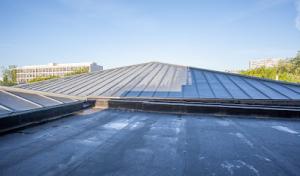
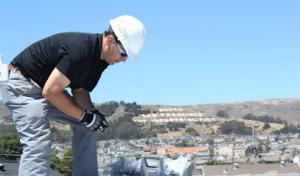

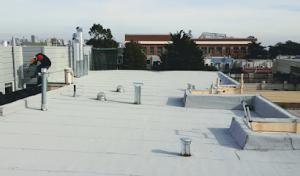
Flat and low-slope roofing is an active specialty in Pacifica, reflecting the city's mix of coastal residential additions, garages, and some commercial buildings. The steady marine moisture, salt air, and fog-driven dampness make this niche particularly relevant for homeowners who want a reliable, long-lasting surface without frequent, disruptive repairs. In this setting, the scope often centers on surface drainage, membrane condition, and the occasional coating treatment to extend service life.
On low-slope roofs, every inch of drainage matters when fog lingers and winter rain arrives. Start by inspecting the primary water channels: scuppers, internal drains, and the field seams. Look for mineral buildup or dried salt residues near seams and flashings, which can indicate slow drainage or subtle leaks. Ensure that roof edges have a consistent positive slope toward drains; even a fraction of an inch per foot makes a real difference over a wide deck. Pay attention to wore or chipped edge metal that can trap moisture and promote corrosion, especially where salt air mixes with rain. If you notice standing water after a heavy shower, map the area and plan a targeted cleaning or reseal. For Pacifica's coastal conditions, routine seasonal checks are a practical habit, not a luxury.
The membrane is the first line of defense against wind-driven rain and salt-laden spray. In Pacifica, membrane condition should be evaluated for punctures, lifted edges, and fastener corrosion, particularly around penetrations like vents, skylights, and plumbing stacks. Probing soft or bubbling areas can reveal underlying delamination from moisture intrusion. If a visual scan shows embedded grit or surface cracking, address it promptly before the next winter storm. In this climate, that maintenance cadence avoids larger leaks and improves comfort during foggy, damp weeks.
Roof coatings are a smaller but active local niche, offering a practical way to extend service life on aging low-slope systems instead of full replacement. For homeowners who prefer a measured approach, a coating can help resist salt spray and minor leaks while preserving the existing membrane. Choose coatings proven for coastal exposure, with current weathering warranties and salt resistance. Surface preparation is key: clean the deck, address any cracks or blisters, and ensure flashings are sound before recoating. Regular inspections after the coating cure help confirm ongoing protection through winter storms and changing coastal winds.
Set a fall and spring check routine focused on drainage reliability, membrane integrity, and flashing condition. Keep a nearby area clear of debris that can clog scuppers, and carry a basic inspection kit for a quick home check after big coastal winds. When problems arise, address them promptly with a plan tailored to the Pacific coast climate, rather than delaying until a leak becomes obvious.
Find specialists in TPO, EPDM, and built-up flat roofing systems for residential and commercial properties.
Reroofing in this coastal terrain carries more than just selecting a cosmetic roof. Pacifica reroof pricing is shaped by the city's coastal exposure, where corrosion-resistant accessories and better flashing details can add cost beyond the field roofing material itself. When you choose metals or composites, you're often buying performance in salt air and wind-components like grade-40 or higher fasteners, stainless steel vent boots, and enhanced drip edges can push the overall price up, but they pay off in life span and leak resistance. Asphalt shingles stay the most budget-conscious upfront, but you'll still want corrosion-resistant underlayment and quality flashing to hold up to marine moisture.
Steep streets, hillside lots, and ocean-facing access constraints can raise labor and staging costs compared with easier inland suburban sites. In Pacifica, crews must navigate tighter access points and wobbling ladder placements against spray from the sea breeze. Labor time grows when scaffolding must be carefully staged on slopes, or when materials need manual carrying around tight bends. The cost ranges reflect these realities: heavier or more specialized materials may be costlier to install here than on a gentle suburb. Factor in the risk of higher crew mobilization charges if equipment has to be parked farther from the house.
Asphalt Shingles: 450-900 USD per square. This remains the most cost-effective option, but expect higher extra charges for premium flashing and corrosion-resistant accessories. Metal Roofing: 700-1500 USD per square. Strong long-term value in salt air environments, with higher upfront costs for protective coatings and a robust flashing kit. Clay Tile: 1100-2400 USD per square. Attractive but heavier and more demanding on structure; coastal wind management often adds to fastener and sealant budgets. Concrete Tile: 900-1800 USD per square. Similar to clay in weight and need for precise flashing; coastal install may add staging costs. Wood Shingles/Shakes: 900-1700 USD per square. Aesthetic choice that still requires careful moisture and corrosion control details. Synthetic/Composite Shingles: 500-1000 USD per square. Mid-range on price with good wind resistance and lower maintenance, but higher-end coastal detailing can shift totals.
Winter storm delays and wind interruptions can stretch project timelines in Pacifica, which affects scheduling and can influence pricing during the wet season. If rain or gusty conditions lengthen labor days, expect higher daily rates or extended job durations. Planning with a contingency for timetable shifts helps keep the job on track and prevents nickel-and-dime delays from piling up in busy winter months.
Get a clear picture of your project costs upfront - no commitment required.
A reroof in Pacifica requires a building permit from the Pacifica Building Department. Before any tar, shingles, or metal panels come off, verify the permit status and required documentation, including a basic project description and any necessary drawings. The process is designed to keep storm-drenched, salt-air homes protected, so submitting clear scope sketches helps prevent delays. Plan for a permit review that aligns with the typical Pacifica construction timeline and the city's expectations for coastal housing projects.
Inspections are typically scheduled during and after installation, with checkpoints commonly covering tear-off, underlayment, flashing, and final completion. The tear-off check ensures that the existing roofing material is removed cleanly and that the deck and roof structure are sound for the new layer. Underlayment inspection confirms proper moisture barriers and fastener penetration, which is especially important in marine moisture conditions. Flashing inspections focus on edge details, vents, skylines, and any transitions around chimneys or dormers, where wind-driven rain can attack seams. The final completion inspection verifies that the new roof is properly secured and that all components meet code requirements and city amendments.
Local reroof permitting follows California Building Code requirements with local amendments, and plan review is generally straightforward for standard reroof work. Given Pacifica's damp, salt-laden environment and winter wind-driven rain, expect emphasis on corrosion-resistant hardware, flashing detail, and proper ventilation. Having clear, code-compliant details for edge flashing and roof-to-wall transitions helps streamline the review. If plans show nonstandard materials or complex flashing, expect a quicker path to approval with precise manufacturer specifications and installation guidelines.
For homeowners with a coastal roof, claim timelines can stretch longer than inland applications. After a storm, expect requests for additional documentation and, at times, delays tied to high-volume weather claims along the coast. In California's current insurance environment, roof age, material type, and photo documentation carry extra weight when filing claims or renewing coverage. This means supporting evidence matters more than ever, and the clock can run differently than what neighbors remember from a decade ago.
Because Pacifica roof problems often involve moisture intrusion and repeated winter leak events rather than dramatic one-day losses, meticulous records become the best defense. Maintain a storm-day photo log showing roof surfaces, flashing, and visible wear, then contrast with after-storm images that reveal any new entry points or dampness inside the attic and ceilings. Collect repair receipts, vendor notes, and photos of rusted fasteners or corroded metal components exposed to salt air. A well-documented history helps a claim ride out the marine moisture environment and wind-driven leaks that are common here.
Coastal salt air accelerates corrosion and can disguise slow seepage as hidden damage. Leaks may show up in the attic long after a storm, or migrate along ridge vents and flashing seams during gale-force winds. Expect insurers to probe for signs of recurring moisture rather than a single catastrophic event. The emphasis is on how many times moisture penetrated, how quickly it was detected, and what barriers stood in the way of a clean, dry attic. Preparation means detailed interior moisture mapping and third-party assessments when there is any doubt about the extent of intrusion.
Material type matters in Pacifica, where marine moisture and wind can challenge typical coastal roofs. Coastal-friendly choices and quality flashing become central to claim durability. When a storm hits, the strength of flashing, fasteners, and edge details influences how a claim is judged and how long coverage remains reliable. Proactive maintenance-regular inspections after wet months and before heavy Atlantic-style winter storms-can reduce the risk of surprise claim hurdles and help maintain steady insurance coverage through the years.
Connect with contractors who help homeowners navigate the claims process from damage assessment to final approval.

NC Roofing Solution Inc. San Mateo
(650) 664-3314 ncroofingsolution.com
Serving
5.0 from 112 reviews