Last updated: Apr 19, 2026
Millbrae's roof replacement calendar hinges on mild but wet winters. Projects are best scheduled from late spring through early fall to minimize rain interruption risk. The Peninsula's combination of fog, humidity, and coastal exposure means any work plan should anticipate drying delays and weather-influenced setbacks. In practice, that means front-loading major steps like underlayment installation during dry windows and avoiding peak-wetching weather for sealants and adhesives. Slippery, humid air can linger after a rain, slowing curing times even when the sky is dry, so plan with a buffer for still-air, moisture-saturated conditions.
Coastal fog in the north San Mateo County corridor doesn't always bring rain, but it does slow drying of underlayments, sealants, and adhesives long after the clouds roll in. You'll notice fasteners and flashing seem to take longer to settle when humidity sits in the 70s or higher and mist clings to surfaces in the evenings. That slow drying matters: it increases the risk of punch-through during re-roof steps if the crew pushes ahead on adjacent work without adequate cure time. If a dry spell hard to come by exists, expect temporary protective measures to stay in place longer, and coordinate with the team to stagger tasks so no critical sealant application sits in damp air.
Winter storms on the Peninsula routinely turn minor roof issues into active leaks. When atmospheric-river style events hit, emergency response demand spikes, and a project with imperfect sequencing can become a high-priority nuisance. If a roof is already in process when a storm hits, gaps in flashing or underlayment vulnerability can translate into urgent repairs mid-project. That's why meticulous scheduling, with contingency buffers for weather, is not optional-it's essential to keep the job moving and to protect the interior from sudden moisture intrusion.
Aim to complete the heaviest lifting-especially full underlayment, insulation, and initial shingle or tile installation-the heart of the replacement during the late spring through early fall window. If the schedule must push into late fall, build in a robust moisture-management plan: expose as little overlap as possible between wet and dry work, use temporary coverings where feasible, and set realistic drying-time expectations for primers, sealants, and bedding mortars. Coordinate with the crew to defer any adhesive-heavy steps to mornings with the highest likelihood of sun and lower humidity. Maintain a rapid response plan for unexpected showers, including tarp-ready coverage and a clear chain of decision-making for pausing work without losing critical sequence order.
As the rainy season approaches, your attention should turn to the sequencing of activities that depend on dry conditions. Ensure the project timeline accounts for reliable stretches of dry weather between storms. If a project is underway during a stretch of frequent fog and humidity, expect minor delays and plan accordingly with the contractor to protect underlayment margins and flashing seals. Keep communication lines open with the crew so they can flag any moisture-related curing concerns early, instead of letting them accumulate into larger issues that demand emergency attention. In fog-drenched mornings, exercise extra caution around ladder stability and surface traction, and confirm that all temporary coverings are securely fastened to withstand coastal gusts.
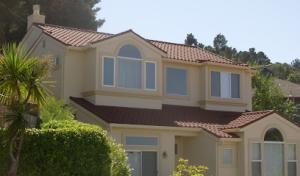
Millbrae homes commonly use asphalt shingles, clay tile, concrete tile, standing seam metal, synthetic composite products, and synthetic slate, reflecting a mix of mid-century and higher-end Peninsula housing stock. The coastal fog and salt air shape how these materials behave, especially during wetter seasons. When planning replacements, think about how each material handles moisture, wind-driven salt, and the way fog dampens attic ventilation performance. Sloped lots near the hills tend to accumulate more wind-driven spray and debris, so detailing matters more here than in flatter inland neighborhoods.
Bay-adjacent salt air makes flashing, fasteners, and other metal edge components a bigger durability concern. For asphalt shingles, ensure an extra-durable underlayment and high-quality step and head flashing at valleys and chimneys. Clay and concrete tiles need careful underlayment and solid interlayment seams to resist wind uplift in coastal breezes. Standing seam metal systems demand meticulous seam sealing and corrosion-resistant fasteners, given the salty air and frequent temperature swings. Synthetic composites and synthetic slate can offer better weight distribution and ease of flashing transitions, but still require precise integration with gutters, rake edges, and vent penetrations to avoid moisture ingress. In all cases, plan for a comprehensive inspection of near-peak roof edges and any metal-to-film transitions to preempt corrosion and leaks.
Heavier tile and slate-look systems matter more on Millbrae's sloped neighborhoods because reroofing may trigger closer review when structural work or nonstandard assemblies are proposed. If a heavier tile or synthetic slate is chosen, confirm that the existing roof structure can support the added load without compromising the attic space or deck connections. On steeper pitches, true underlayment performance becomes critical to prevent moisture migration during those damp winter days. For asphalt or synthetic shingles, ensure a strong, well-sealed drip edge and correct nailing patterns to withstand coastal winds. In all cases, verify that venting and ridge closures stay effective as the roof fills with fog and moisture, since condensation can linger near the eaves when a time-tested dry-out window is narrow.
Clay tile and concrete tile offer durable options, but their weight and installation nuances require a structural check-up and a careful fastener plan in exposed ridges. Standing seam metal trades off longevity and wind resistance if properly integrated, yet it hinges on flawless flashing at penetrations and along eaves. Synthetic composite and synthetic slate present flexible, lighter alternatives with modern resilience, but still need attention to edge detailing and sealants against salt-laden air. Asphalt shingles remain a practical, common choice, yet axle on wind-driven coastal conditions needs higher-quality underlayment and progressive sealing around valleys and transitions. The common thread across these options: a well-sequenced installation that prioritizes moisture protection at all edge interfaces and careful coordination with any roof-to-wall connections that feel the brunt of coastal humidity.
In Millbrae, prolonged rain is often more damaging than a single severe event because repeated wetting exposes weaknesses at penetrations, valleys, and aging underlayment. After the wet season, you may notice dampness lingering around roof penetrations where flashing meets vents, skylights, or exhausts. Those spots are prone to slow seepage that isn't dramatic at first but can undermine the structure when moisture cycles through several storms. The key distinction here is that moisture can travel along the interface rather than dripping from a single obvious failure, so a cautious eye on converging damp spots matters.
Fog-heavy mornings and shaded roof planes can keep assemblies damp longer, which can delay diagnosis and prolong moisture-related deterioration after storms. If a portion of your roof sits under a finger of fog or spends long hours shaded by oaks or neighboring structures, any compromised underlayment or cracked sealants may remain hidden until warmth returns. Take note of patchy staining on ceilings inside, especially below eaves or near wall-to-roof transitions, and understand that the milky or gray sheen you see on decking after a storm can signal more than surface moisture-it can indicate later-stage degradation in the roof deck or membrane.
Coastal wind exposure on the Peninsula increases wear at flashing transitions and roof edges, especially where older metal components are already corroding. Strong breezes carry salt that accelerates corrosion and can push moisture into seams that otherwise look sealed. If flashing along the rake and valley lines shows corrosion halos, loose fasteners, or lifted edges, those are early indicators of vulnerability that may worsen with back-to-back systems. Edges often fail first when combined with weathered sealants, so pay attention to granule loss along the eaves or a soft, spongy feel in the decking near perimeters after storms.
These patterns converge in homes with aging underlayment or multiple penetrations clustered around chimneys, plumbing stacks, and roof-to-wall joints. Repeated wetting can cause wicking along nail heads and fastener penetrations, creating subtle tunnel-like leaks that only become obvious after several storms. The practical response is consistent inspection after the wet season tapers, focusing on any new stains, musty odors in attic spaces, or damp insulation signs. When diagnosing, look for soft spots in decking, rust on metal flashings, and delamination where layers of underlayment have separated.
If a troubling pattern emerges, plan for a targeted assessment rather than waiting for a dramatic drip. A careful inspection after the rainy period-prior to any spring dry spell-helps determine whether dry-down has occurred evenly across the roof or if lingering moisture remains at key transitions. Remember that even small, persistent leaks can erode framing and insulation over time, so treat these signs as a warning rather than a curiosity.
Find local contractors experienced in assessing and restoring roofs after hail, wind, and severe weather events.

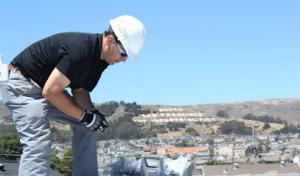
In this hillside town, pricing is driven by Bay Area labor rates and the reality that many projects are full re-roofs rather than small patch jobs. You'll notice that crews bring more equipment, staging, and time to work around multi-level layouts and tight access. This isn't a field of quick fixes; it's a staged operation where materials, labor, and disposal are coordinated to minimize disruption during wet stretches.
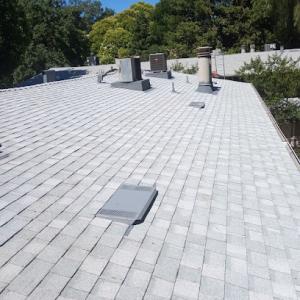
Asphalt shingles remain the most common starting point for budget-conscious projects, with installed costs typically ranging from 350 to 600 USD per square. Clay and concrete tiles command higher price points due to weight, underlayment needs, and the specialized carpentry around hips and valleys; clay tiles often land between 800 and 1200 USD per square, while concrete tiles generally run from 700 to 1100 USD per square. Synthetic or composite shingles offer a middle path, commonly from 450 to 800 USD per square, balancing durability with reasonable install time. Standing seam metal and synthetic slate sit at the upper end, with metal frequently in the 900 to 1500 USD per square range and synthetic slate between 1000 and 1800 USD per square.
Hillside access and multi-level home layouts are parts of Millbrae's character, and these realities increase staging, tear-off, and debris handling complexity. Expect longer setup times, more careful material handling, and sometimes additional edge protection to preserve landscaping and driveways. Coastal moisture exposure and Bay fog require materials that resist damp cycling and maintain joints before the next rain.
Because the wet season shapes how work can progress, scheduling matters. Your project benefits from starting during the window when underlayment and final inspections can occur with more predictable weather, minimizing delays from back-to-back storms. If nonstandard materials or structural changes are contemplated, plan for longer lead times due to supplier availability and the potential for longer sequencing of trades. This affects both completion timing and overall project value.

By The Bay Roofing & Construction
(415) 645-3166 btbroofingandconstruction.com
Serving
5.0 from 21 reviews
In the heart of San Francisco & Bay Area, California By The Bay Roofing & Construction stands as a trusted ally for all your roofing, chimney, siding, gutter, renovations and waterproofing endeavors. Our experienced team combines artistry with functionality, delivering exceptional results that will transform your property's essence. By The Bay Roofing & Construction is a family-owned and -operated business. We are also veteran-owned and -operated, LGBTQ+-friendly, and environmentally conscious.
Two Brothers Roofing
Serving
5.0 from 15 reviews
Since 1979, Two Brothers Roofing has provided quality roofing services in the San Francisco Bay Area. Specializing in residential, HOA, and multi-unit projects. Our services include; Roof Installations, Roof Repairs, Roof Inspections, Roof Maintenance.
NC Roofing Solution Inc. San Mateo
(650) 664-3314 ncroofingsolution.com
Serving
5.0 from 112 reviews
NC Roofing Solution is a licensed and insured roofing company serving San Mateo and the broader Bay Area. They offer a range of services, including roof replacement, repair, rejuvenation, and gutter installation. Their expertise covers various roofing types, such as asphalt shingle, flat, standing seam metal, tile, TPO, and torch-down roofs. The company is recognized as a GAF certified roofing contractor, reflecting their commitment to quality and professionalism. They have received positive feedback from clients, highlighting their efficiency, professionalism, and high-quality materials. For residents and business owners in San Mateo seeking reliable roofing solutions, NC Roofing Solution

Mike McCurdy Roofing
(650) 952-0233 mikemccurdyroofinginc.com
Serving
4.6 from 24 reviews
Family owned and operated Roofing Company in the Bay area for over 45 years. Get exceptional quality roofing service and repairs at an affordable price. Mike McCurdy Roofing of South San Francisco, CA is one of the last family owned and operated roofing companies in the bay area. We strive for quality workmanship with unparalleled customer service and warranties. We offer several different styles of high quality roofing materials including but not limited to Shingle/Composition roofs, Modified Bitumen roofs, TPO and a variety of coatings for all types of roofs from modular homes and residential roofs to commercial buildings. All carpentry work is conducted in house and we fabricate any skylights and gutters, etc.
Spotlight Roofing
(650) 863-3730 www.spotlightroofing.com
Serving
5.0 from 66 reviews
Spotlight Roofing is a roofing contractor based in San Mateo, CA, providing residential and commercial roofing services. The company handles metal roofing installation, roof repair, and roofing replacement for a variety of property types. Services also include roof inspection to help identify wear, damage, or structural concerns. Spotlight Roofing works with different roofing materials and systems and supports new installations as well as existing roofs. All work is performed with attention to local building standards and project requirements in the San Mateo area.
Caruzos Roofing Contractors
(650) 271-3968 caruzosroofing.com
Serving
5.0 from 3 reviews
new roofs, re-roofs, emergency repairs, gutters and down spouts, skylights, tiles, pvc roofs, tpo membranes.
CedarRise Ridge Contractors
Serving
5.0 from 2 reviews
CedarRise Ridge Contractors is your premier destination for all roofing essentials in the heart of Burlingame. Located at 1128 Hamilton Ln, we offer a comprehensive range of high-quality roofing supplies tailored for both professionals and DIY enthusiasts. Our expertly curated inventory ensures you have access to the best materials for any project, big or small. We are dedicated to providing the community with durable and reliable products, making us the trusted source for achieving a strong, beautiful roof.

Mr. Roofing
(650) 832-9995 www.mrroofing.net
Serving
4.7 from 103 reviews
As your local San Francisco roofing company, Mr. Roofing is proud to not only serve our neighbors for roof installation and repair, but to offer complete solar solutions for your home. As contractors and consultants, we can help you choose a solar roofing system that nets you energy savings and improves your home value. Whether you just need new shingles or a whole new solar system, our team at Mr. Roofing is glad to help. Give us a call today for a free quote.
Custom Copper & Sheet Metal Roofing
Serving
5.0 from 7 reviews
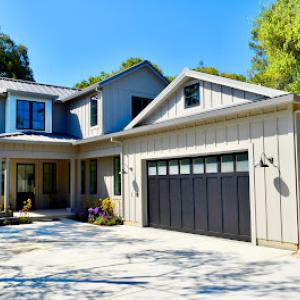
CCSMR is a professional roofing contractor headquartered in Fremont, California. We are masters at installing sheet metal, copper, and zinc roofing and siding systems. We offer services for both residential and commercial projects, including remodelling and new building.
Felix Roofing
Serving
4.8 from 76 reviews
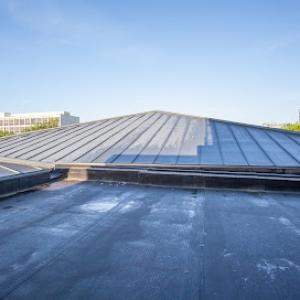
Felix Roofing is a fully licensed roofing contractor in Pacifica, CA serving Marin County, Solano County, and Central/Northern California with a wide range of services. From new roof installations to storm damage repair and flat roof tear-offs, we do it all. No job is too large or small for our team of professional roofers. We serve residential and commercial customers. We have over 40 years of experience serving the Greater Pacifica, CA area with custom roofing projects. We specialize in all types of roofing including shingle, tile, metal, slate, and flat roofs. We also offer leaky roof repairs, waterproofing, and deck coating services.
Amcal Roofing
(415) 684-4498 amcal-roofing-inc.com
Serving
5.0 from 19 reviews
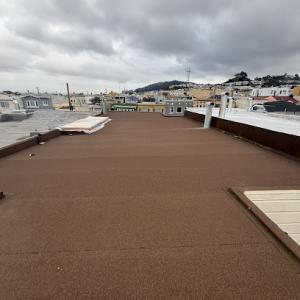
Amcal Roofing has been a cornerstone of the Sunnyvale community for over 26 years, providing exceptional roofing services that stand the test of time. Our journey began with a commitment to excellence and a passion for quality workmanship. Over the years, we have built a reputation for being one of the most reliable and professional roofing companies in the area. Our team consists of highly trained and experienced roofing specialists who take pride in their work and are dedicated to exceeding customer expectations. We believe in fostering long-term relationships with our clients by delivering consistent, high-quality results on every project. At Amcal Roofing, we pride ourselves on providing top-quality roofing services.
Royal Roofing CA
(408) 418-2474 royalroofingca.com
Serving
5.0 from 108 reviews
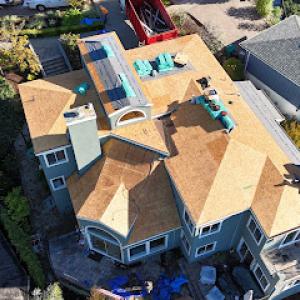
Royal Roofing CA is a licensed and insured roofing company (CSLB #1122158) based in South San Francisco, proudly serving the Bay Area — including San Jose, Fremont, Palo Alto, and San Francisco. We specialize in shingle, tile, and flat roof replacements, roof repairs, leak detection, new installations, and roof inspections. From residential homes to commercial properties, we deliver expert craftsmanship, quality materials, and 24/7 emergency service. Contact us today for a free estimate.
For full roof replacement work, Millbrae's Building Division generally requires a building permit rather than treating it as no-permit maintenance. The permit process exists to ensure that the work meets current seismic, wind, and fire-safety standards appropriate for hillside homes with Bay views and coastal exposure. Preparing ahead by confirming permit scope with the contractor can help prevent delays once work begins. The permit reviewer will look for accurate descriptions of the roof system, venting, underlayment, and drainage details, especially given the salty coastal air effect on fasteners and flashings. Expect that plans will be part of the permit package, and that any deviations from standard assemblies may prompt additional questions up front.
Contractors typically submit plans as part of the permit application, and inspections commonly occur at underlayment installation and again at final completion. The underlayment stage is a critical checkpoint during Millbrae's rainy season window, as it verifies moisture barriers and proper attachment that can withstand winter humidity. The final inspection confirms that the completed roof matches the approved plan, and that penetrations, flashings, and drainage are correctly executed. Inspections are scheduled with reasonable lead time, so coordination between the homeowner, contractor, and inspector helps avoid weather-related hold-ups. If a project involves nonstandard roofing materials or structural work, anticipate an extra layer of plan-check attention before approval. This extra review aims to ensure compatibility with the neighborhood's typical housing stock and the coastal environment, where salt exposure can influence material selection and fastener corrosion considerations.
In Millbrae, projects that depart from conventional asphalt, concrete, or clay components may trigger more in-depth scrutiny. Nonstandard roofing materials or any structural modifications can require additional calculations or load-path reviews. That additional attention is intended to verify that the roof assembly will perform under local wind, rain, and fog cycles, particularly for hillside homes perched above El Camino Real and exposed to coastal moisture. Communicating openly about material choices and any structural changes early in the design phase helps align the plan with the Building Division's expectations and reduces the risk of permit delays.
Before submitting, ensure the contractor's scope clearly lists underlayment type, nailing pattern, flashing details, and venting plan. Have documentation ready for any nonstandard materials, including manufacturer specifications and wind uplift considerations. During inspections, keep access clear to roof edges and attic spaces, and address any exposure to salt air that might affect fasteners or coatings. A well-documented plan and timely communication with both the contractor and the Building Division support a smoother path from permit to final approval.
When a roof issue hits during Pacific storms or winter drizzle, the claim often hinges on how quickly documentation is provided and how well the condition is described. In the Bay Area, standard homeowners policies often support roof replacement claims, but carriers commonly ask for permit records, contractor estimates, and photo documentation of prior and current condition. This means you should prepare a clear timeline from the storm event through to permanent repair, noting when leaks first appeared and how the interior and exterior areas responded to moisture.
Before contacting the insurer, assemble a focused packet. Include recent photos of exterior damage and any staining inside ceilings or walls, plus dated images showing the roof's condition before the event if available. Gather a few contractor estimates that detail scope and materials, and keep records of any temporary tarping or emergency protection you used. Because the Peninsula market tends to run hot, the carrier may request a copy of underlayment or shingle exposure details from the replacement, so include notes from roofing professionals about existing roof age and visible wear. A concise, well-photographed file speeds up the adjustment process and reduces back-and-forth.
Claim timing can be affected by regional pricing and endorsements, which matters in a high-cost Peninsula market like Millbrae. If the weather window is tight, insurers may request additional documentation or staging plans reflecting how the roof will be repaired in the coming weeks. Keep a dated log of weather events, leaks, and any temporary measures. Delays due to material availability or contractor scheduling can influence the claim timeline, so align expectations with your adjuster early and maintain consistent contact.
After winter leak events, homeowners in Millbrae should document interior staining, exterior storm-related changes, and any temporary emergency protection used before permanent repairs. Note every affected room, the height of the leak, and any resulting interior damage to ceilings, walls, or floors. Exterior evidence, such as lifted shingles or flashing corrosion, should be photographed from multiple angles. This thorough record helps ensure repairs are authorized promptly and that compensation reflects the full scope of damage.
Start by notifying the insurer promptly after you suspect roof damage. Submit the documentation packet, including estimates and photos, and request an adjuster visit. During the site inspection, point out pre-existing conditions and clearly distinguish new storm-related damage. If the first settlement offer seems incomplete, use your documented evidence to request a re-evaluation, citing the specific documentation you provided. Throughout, maintain organized records and confirm receipt of each communication.
Connect with contractors who help homeowners navigate the claims process from damage assessment to final approval.
NC Roofing Solution Inc. San Mateo
(650) 664-3314 ncroofingsolution.com
Serving
5.0 from 112 reviews

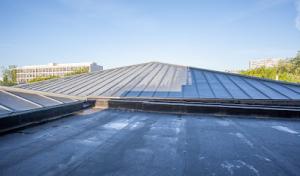
While pitched roofs dominate the area, low-slope sections are common on additions, garages, and some multifamily or commercial-adjacent structures along the city's flatter corridors. These surfaces sit closer to coastal humidity and fog, and their performance hinges on drainage and membrane integrity. In practice, that means prioritizing slope, continuity of seams, and robust edge details rather than relying on a single patch.
Millbrae's wet winter pattern makes drainage performance especially important on low-slope roofs because standing water and slow drying can compound membrane wear. Plan a continuous run of drip edges, properly gasketed penetrations, and a perimeter that encourages runoff away from transitions. If negative or ponding areas exist, address them with shingle or membrane adjustments before covering with new material. Regular checks after the first storms help catch slow drainage issues before they bite into the system.
Coastal humidity can make patching and coating windows narrower on low-slope assemblies than homeowners expect. Expect that adhesive bonds and sealants cure more slowly in damp air, and that patch materials may require pre-wetting or specific temperatures to achieve a durable seal. Use patches and coatings that match the existing membrane's compatibility and allow for a slightly longer cure window during our humid season. Don't rely on a quick seal in late fall that could fail when rains return.
Coordinate the replacement sequence so the underlayment and flashings are fully inspected before the final surface is installed. On additions and garages, verify that transitions to higher-slope roofs shed water without creating backflow or seepage paths. Keep a close eye on edge detailing, fastener patterns, and any required venting-each of these elements directly influences how well the low-slope portion holds up through our rainy months.
Find specialists in TPO, EPDM, and built-up flat roofing systems for residential and commercial properties.
By The Bay Roofing & Construction
(415) 645-3166 btbroofingandconstruction.com
Serving
5.0 from 21 reviews
NC Roofing Solution Inc. San Mateo
(650) 664-3314 ncroofingsolution.com
Serving
5.0 from 112 reviews

Reroof timing matters when solar is present because homeowners often try to complete roof work during the dry season before panel reinstallation. In Millbrae, the transition from foggy, damp mornings to pressured rainfall windows can complicate scheduling, especially when the work must align with both underlayment and final inspections. If a dry spell extends into late fall, plan a window that allows for a tight sequence: remove the old roofing, install underlayment with care around existing penetrations, address any deck or sheathing issues, and leave ample lead time for the solar installer to reattach and re-tune the system after the roof is complete. Coordinating these steps ahead of the winter months helps minimize moisture exposure to interior spaces and reduces the risk of delayed solar reinstallation.
The city's mix of older homes and varied roof geometries means attachment points and penetrations deserve close review before reroofing under existing solar. In homes with complex ridges, chimneys, skylights, or multiple vent configurations, the number and location of mounting anchors can shift during a re-roof. A thorough survey should map every penetration, confirm that flashings are compatible with the new material, and verify that mounting hardware will not compromise the roof's deck or ventilation paths. Especially in hillside sections, where wind-driven moisture can follow penetrations, attention to sealant compatibility and flashing transitions around curved eaves or variable slopes matters.
When solar is mounted, the re-roof plan should anticipate panel rails, racking, and any future expansion or maintenance access. If panels are to be removed for the roof, schedule a precise sequence so that mounting rails and roof penetrations align with the rafter layout and underlayment pattern. Communication with the solar installer is essential to confirm that flashing around the array bases remains watertight after reinstallation and that any required reinforcements for attachment points are included in the roof's scope. In short, a well-coordinated plan minimizes rework and ensures the solar system remains secure and efficient once the final stage is complete.
Find contractors who integrate solar panels or solar shingles into your roof for long-term energy savings.