Last updated: Apr 19, 2026
In Burlingame, the San Francisco Peninsula sits squarely under recurring marine layer fog and damp air. That pattern keeps roof surfaces wet longer than inland pockets, even when the calendar reads winter. The mild, persistent dampness means leaks don't always announce themselves with a dramatic drip; they creep, often hiding behind underlayment, flashing, or attic chases. Homes that sit closer to the Bay or on lower elevations experience the moisture more consistently, while drier inland micro-areas on the Peninsula can feel the difference only during the heaviest storms. This is not a summer problem; it is a year-round moisture cycle that ages roofs from the outside in.
Your first signal is surface wetness that sticks around for days after a storm passes. Muddy halos around fasteners, darkened shingles near vents, and pale, chalky streaks on clay or concrete tile indicate moisture lingering where it shouldn't. In low-slope or flat-roof areas, even small pooling can saturate underlayment and reveal flashing flaws. Inspect skylight buckles and metal edge details for corrosion or loose sealant, since salt-laden coastal air accelerates deterioration. If a patch looks suspicious after a light rain, don't shrug it off-the foggy climate makes problems silent and persistent.
The double risk here is rainfall overlapping with aging underlayment and flashing. A roof that seemed dry after a dry spell can start leaking once the next round of damp air arrives. In practice, that means repair timing should be aggressive in late fall through early spring, when the marine layer is thickest and the nights stay damp. Do not wait for a dramatic leak to appear; a slow seep can undermine interior ceilings, wall cavities, and attic insulation before a homeowner notices. Early detection is your best defense against interior mold and insulation exposure.
Start with a focused roof-health check before the season shifts. Look for bubbling underlayment near eaves on low-slope sections, loose or cracked flashing around chimneys and vents, and any missing ridgeline sealant. In older tile roofs, inspect the laps and fasteners where moisture tends to creep. Replace damaged or delaminating underlayment and upgrade flashing where corrosion or gaps are evident. If the roof deck shows any soft spots or warped boards, prioritize those areas for assessment and potential repair. For homes near the Bay, add a metal step flash or enhanced sealant where sea air directly meets the roofscape, since coastal exposure accelerates wear on brittle materials.
Treat Burlingame's marine-driven aging as a long-term issue, not a one-off project. Establish a seasonal cadence: a thorough visual in late autumn, a targeted mid-winter check after storms, and a post-season follow-up to confirm all flashing and seals remained intact. Keep a close eye on attic and ceiling areas for signs of moisture intrusion during long damp spells. A proactive approach-addressing flashing, underlayment, and potential deck weak points early-prevents hidden damage from turning into costly repairs once the next rainy season arrives. Remember: persistent moisture exposure is a habit to manage, not a single fix.
Your housing mix includes traditional pitched roofs with clay or concrete tile alongside low-slope extensions, porches, and some multifamily or commercial-adjacent structures. In this coastal moisture environment, the tile surface itself often holds up well, but the real wear shows up in underlayment, valleys, and flashings. Winter dampness, fog, and marine moisture push wear into these detail areas first, so focusing on these components matters more than chasing the tile surface. If a roof has both pitched and low-slope sections, treat the system as two linked but distinct problems: the tile roof needs protection at the underlayment and flashings, while the metal or flat-slope portions demand attention to drainage and membrane integrity.
Valleys are a common failure point on densely landscaped Burlingame lots where trees drop debris and shading builds up damp spots. Inspect valleys from both the attic and the exterior for signs of moisture penetration, rusted metal accents, or displaced flashing. Underlayment on clay or concrete tile can deteriorate under continuous damp exposure even when the tile surface looks fine. Pay particular attention to barrier membranes at the eave edge and at roof-to-wall transitions where moisture can creep in during prolonged mist or storms. Flashings around chimneys, vents, and skylights deserve a monthly check after heavy rains; any gaps or compression can act like a funnel for water during winter rain events. When you spot minor gaps, address them promptly before they widen, especially where multiple roof planes meet.
Low-slope areas in this region are more vulnerable to drainage-related wear during winter rain and extended fog cycles. Ensure the primary waterproof membrane shows no punctures, blisters, or seam separations where roof meets parapets or overhangs. Check edge details and drip edge connections for rust or detachment, since failing edges can spill water into interior walls over time. Debris build-up in gutters and downspouts is a frequent culprit, especially in neighborhoods with mature trees. Regularly remove leaves and coastline-deposited sediment to prevent ponding and slow degradation of the membrane. If standing water persists after a rain, re-evaluate slope and flashing details; even a small misgrade can magnify moisture intrusion over seasons.
Set a seasonal rhythm: after the wet season's peak, do a thorough exterior inspection focused on valleys, flashings, and edge details; mid-season, perform a lighter touch-up around penetrations; and before the first heavy coastal storm, confirm that all flashings and membranes are secure. Inside the attic, keep an eye on insulation and vapor barriers around any seepage zones; a damp spot on the underside of the roof deck is a telltale sign to call in a pro for targeted repair. With a mix of tile and low-slope areas, treat each section on its own timeline, but monitor how water travels across the roof plane as a single system.
Find contractors who specialize in clay and concrete tile roofs, known for their durability and curb appeal.
Redwood Roofing
(650) 303-3705 redwoodroofingco.com
312 Lang Rd, Burlingame, California
5.0 from 6 reviews
NC Roofing Solution Inc. San Mateo
(650) 664-3314 ncroofingsolution.com
Serving
5.0 from 112 reviews
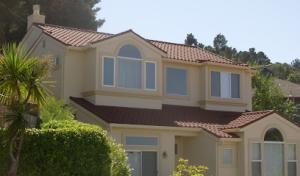
As a homeowner in this coastline neighborhood, you feel the dampness in the air long after spring fog lifts. Your roof faces a steady diet of marine moisture, winter rain, and varying rooflines-from hillside nooks to flatlands. The right material for Burlingame balances moisture resistance, airflow, and detailing that holds up through years of damp coastal exposure. The choices below reflect what you'll actually encounter in the local market and what tends to age best under our Bay Area marine layer.
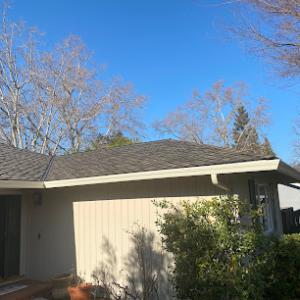
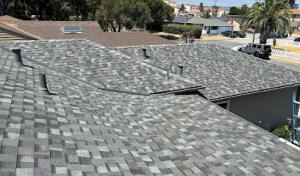
Asphalt remains common and familiar, especially on mid-century and newer homes that show a practical, down-to-earth aesthetic. The coastal moisture can shorten the useful life of lower-grade products if ventilation and flashing details are weak. In Burlingame, it's smart to pair asphalt with a well-separated attic ventilation plan and high-quality flashing at chimneys, skylights, and transitions. Look for architectural or laminated shingles with thicker asphalt and mineral granules that resist moisture intrusion and blistering. A correctly ventilated roof deck keeps shingles cooler and reduces the risk of accelerated aging from prolonged dampness. If you choose asphalt, prioritize proper underlayment and a dependable drip edge to shed moisture effectively along bayside winds or storm-driven rain. Regular inspections after heavy rain seasons help catch fasteners or sealant failures before leaks form in the coastal edge zones.
Metal can perform well in Burlingame's damp coastal air, offering strong hail resistance and excellent shed capability. The key here is corrosion resistance and attention to penetrations and edge detailing. Stainless or galvanized components, factory-coated finishes, and corrosion-resistant fasteners help metal roofs resist the salty air that lingers near the Bay. Pay particular attention to valleys, ridges, and where the roof meets the siding-these are common trouble spots where moisture and condensation can accumulate if flashing isn't continuous and well-sealed. Proper sealants around skylights and vents, plus a robust waterproof underlayment beneath the metal, make a big difference. Panels should be installed with careful attic venting to avoid condensation gathering beneath the metal skin, and flashing must be continuous across transitions to prevent slow leaks that can travel along the deck.
Clay tile, concrete tile, slate, and fiber cement all appear in Burlingame's market, reflecting the mix of older upscale homes and varied neighborhood architecture. Tile systems bring durability and a classic look, but the coastal climate demands careful attention to underlayment, fasteners, and clip systems that tolerate temperature swings without cracking. Concrete and clay tiles handle damp winters well when installed with a breathable, moisture-macing underlayment and proper slope to shed water quickly. Slate offers exceptional longevity but requires precise substrate preparation and seasoned installation to resist moisture intrusion at nail lines. Fiber cement provides a lower-maintenance option with decent moisture resistance, yet it still benefits from continuous flashing and careful edge detailing to prevent capillary moisture wicking. Across all these materials, the recurring theme is meticulous installation around penetrations and transitions, plus ensuring roof geometry promotes fast drainage and reduces standing moisture after winter storms.
In Burlingame, your roof ages most noticeably where damp air lingers and rainwater encounters irregular flashing or insufficient ventilation. Whatever material you choose, routine inspections after the wet season help you identify microleaks that could otherwise creep into the interior over time. Focus checks on edge seams, chimney bases, vent penetrations, and skylight flashings. A proactive approach-reinforcing seals, updating degraded underlayment, and correcting small deflections before they grow-saves more than you might expect when the Bay breeze returns. For older homes with mixed roof lines, coordinating material transitions and ensuring consistent ventilation across attic spaces becomes especially important to slow moisture-driven aging.
The most popular roofing material in the US. Find pros who install, repair, and replace asphalt shingles.
NC Roofing Solution Inc. San Mateo
(650) 664-3314 ncroofingsolution.com
Serving
5.0 from 112 reviews
Custom Copper & Sheet Metal Roofing
533 Airport Blvd. #400, Burlingame, California
5.0 from 7 reviews
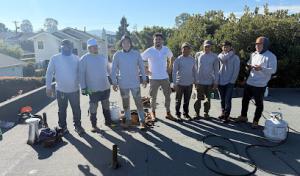
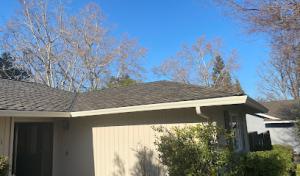
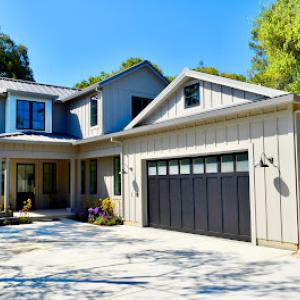
CCSMR is a professional roofing contractor headquartered in Fremont, California. We are masters at installing sheet metal, copper, and zinc roofing and siding systems. We offer services for both residential and commercial projects, including remodelling and new building.
Redwood Roofing
(650) 303-3705 redwoodroofingco.com
312 Lang Rd, Burlingame, California
5.0 from 6 reviews
Redwood Roofing is a professional full-service San Francisco roofing company. Our team of expert roofing professionals has 10-30 years experience each. Our workmanship is backed with a 10-year warranty on all services, and we take real pride in using the best materials to deliver the best possible service to our customers. Redwood Roofing. is actively licensed by the California Contractors State License Board to do business in San Francisco and throughout the state of California. Redwood Roofing is the best option for your roofing needs in California and the Bay Area, contact us for a free quote today on your roofing repairs, shingle, tile, flat roof, roof coating, and all roofing related construction work - skylights and more.
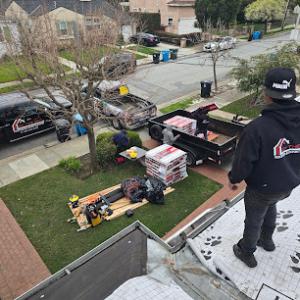
By The Bay Roofing & Construction
(415) 645-3166 btbroofingandconstruction.com
Serving
5.0 from 21 reviews
In the heart of San Francisco & Bay Area, California By The Bay Roofing & Construction stands as a trusted ally for all your roofing, chimney, siding, gutter, renovations and waterproofing endeavors. Our experienced team combines artistry with functionality, delivering exceptional results that will transform your property's essence. By The Bay Roofing & Construction is a family-owned and -operated business. We are also veteran-owned and -operated, LGBTQ+-friendly, and environmentally conscious.
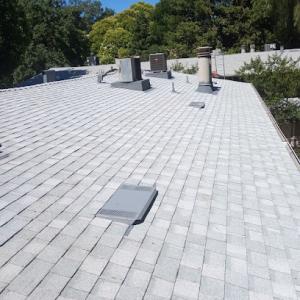
Two Brothers Roofing
Serving
5.0 from 15 reviews
Since 1979, Two Brothers Roofing has provided quality roofing services in the San Francisco Bay Area. Specializing in residential, HOA, and multi-unit projects. Our services include; Roof Installations, Roof Repairs, Roof Inspections, Roof Maintenance.
CedarRise Ridge Contractors
1128 Hamilton Ln, Burlingame, California
5.0 from 2 reviews
CedarRise Ridge Contractors is your premier destination for all roofing essentials in the heart of Burlingame. Located at 1128 Hamilton Ln, we offer a comprehensive range of high-quality roofing supplies tailored for both professionals and DIY enthusiasts. Our expertly curated inventory ensures you have access to the best materials for any project, big or small. We are dedicated to providing the community with durable and reliable products, making us the trusted source for achieving a strong, beautiful roof.
NC Roofing Solution Inc. San Mateo
(650) 664-3314 ncroofingsolution.com
Serving
5.0 from 112 reviews
NC Roofing Solution is a licensed and insured roofing company serving San Mateo and the broader Bay Area. They offer a range of services, including roof replacement, repair, rejuvenation, and gutter installation. Their expertise covers various roofing types, such as asphalt shingle, flat, standing seam metal, tile, TPO, and torch-down roofs. The company is recognized as a GAF certified roofing contractor, reflecting their commitment to quality and professionalism. They have received positive feedback from clients, highlighting their efficiency, professionalism, and high-quality materials. For residents and business owners in San Mateo seeking reliable roofing solutions, NC Roofing Solution
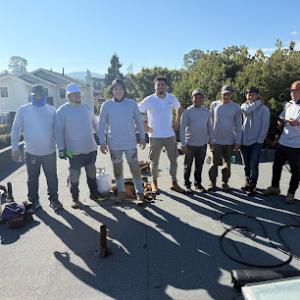
Spotlight Roofing
(650) 863-3730 www.spotlightroofing.com
Serving
5.0 from 66 reviews
Spotlight Roofing is a roofing contractor based in San Mateo, CA, providing residential and commercial roofing services. The company handles metal roofing installation, roof repair, and roofing replacement for a variety of property types. Services also include roof inspection to help identify wear, damage, or structural concerns. Spotlight Roofing works with different roofing materials and systems and supports new installations as well as existing roofs. All work is performed with attention to local building standards and project requirements in the San Mateo area.
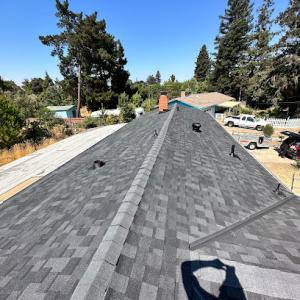
Thor Contracting Corporation
(415) 837-3496 thorcontractingcorporation.com
Serving
4.9 from 14 reviews
Thor Contracting Corporation is a distinguished roofing contractor in San Francisco, CA. With a deep understanding of local architectural styles and weather patterns, we are adept at installing roofs that stand the test of time. Our team of skilled professionals is dedicated to upholding the highest standards of workmanship and customer satisfaction. We offer a comprehensive suite of roofing services in San Francisco, CA, including leak repair, shingle replacement, and preventive maintenance. Our commitment to using quality materials and state-of-the-art techniques ensures that every roof enhances the aesthetic appeal and provides long-lasting durability. Trust us to be your expert guide through every step of your roofing project.
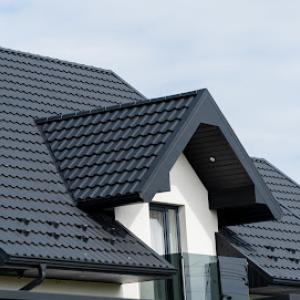
ELM Roofing Contractors
(650) 249-0784 elmroofingcontractors.com
Serving
4.9 from 153 reviews
ELM Roofing Contractors is a local San Mateo CA. roofing company. We are licensed and insured with a C39 contractor license. We offer roof replacement, roof repair and roof inspections to customers in San Mateo CA. and the surrounding areas. Our team is built out of some of the best roofers in the bay area. We offer our service for all types of roofs and work with leading brands of roofing materials. All our work comes with a warranty. In addition, a project manager is assigned to give regular updates to the customer and supervise each roofing project. We take the safety of our roofers and customers seriously. Our company offers free onsite consultations. Contact ELM Roofing Contractors to schedule a meeting with one of our licensed roofers
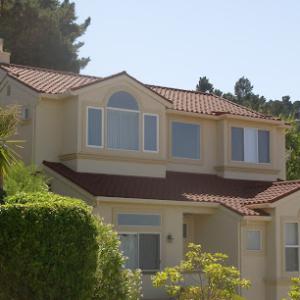
Cal-Pac Roofing San Mateo
(650) 286-0450 www.cal-pacroofing.com
Serving
4.5 from 17 reviews
CAL-PAC ROOFING, a local roofing company based in San Mateo, offers the installation of a full line of roofing products. Since 1978, Cal-Pac has installed all styles such as shake, shingle, tile, low slope, and flat roofs. Cal-Pac utilizes only premium products that are fully warranted. Rain Gutter installation is also available. Visit the custom showroom in San Mateo and review the many available types of roofing available for residential and commercial customers.
Jim Hageman Roofing
(408) 910-9190 jimhagemanroofingllc.com
Serving
4.8 from 25 reviews
WE’LL TAKE CARE OF ALL YOUR ROOFING PROBLEMS Our experienced roofers in San Jose, CA can handle all types of roofing projects with ease. We can perform: Roof installations on your newly built home Reroofing, to replace your damaged roof Roof repairs on any kind of roof Gutter installations, to replace your corroded gutters

Robert's San Mateo Roofing
(650) 300-0401 sanmateoroofrepair.com
Serving
4.9 from 8 reviews
Robert s San Mateo Roofing is a reliable roofing contractor serving San Mateo, CA and surrounding areas. We specialize in roof repair, roof leak detection, shingle and tile roofing, flashing repair, storm damage restoration, and complete roof replacement services. Our experienced team delivers high-quality workmanship using durable materials to ensure long-lasting protection for your home or business. Whether you need minor roof repairs or a full roofing system upgrade, we provide dependable, affordable, and efficient roofing solutions tailored to your needs.
In Burlingame, re-roof pricing reflects Peninsula labor costs and the realities of working on older homes where deck boards, flashing, or ventilation may be uncovered during tear-off. Asphalt shingles sit in the mid-range for most projects, while heavier materials push total costs higher, especially when the job requires careful handling to protect surrounding finishes. Tile and slate projects tend to cost more, not just for the material itself but for the extra labor, weight, and the need to preserve the home's existing appearance on established houses. Concrete tile sits between asphalt and clay in many cases, but installation often requires more precise framing and underlayment work, which can raise labor hours.
Asphalt shingles run roughly from 450 to 900 USD per square, a spread that mostly reflects deck condition, attic ventilation upgrades, and the ease of matching existing shingle profiles on older facades. Metal roofing ranges from 700 to 1,300 USD per square; the premium here covers fasteners, trim, and the ability to better resist Burlingame's damp winters, yet costlier penetrations and flashing details may appear once the tear-off reveals compromised decking. Clay tile typically lands between 1,100 and 1,800 USD per square, and concrete tile from 900 to 1,500 USD per square, with tile and slate projects often costing more due to weight, handling, and repair complexity-especially when matching the roof's original rhythm, color, or profile matters on a long-owned home. Slate, at 1,500 to 2,800 USD per square, is the high-end option where fiber cement shingles at 450 to 800 USD per square offer a more economical but durable alternative.
Winter scheduling delays from rain and fog can affect project timing and labor efficiency, while summer heat and dry conditions can make installation windows more predictable. Burlingame re-roof projects frequently require careful staging to minimize disruption to neighbor properties and to protect interior spaces from seasonal moisture swings. On older homes, expect the possibility of uncovering additional needs-ventilation upgrades, flashing repairs, or decking reinforcement-that can shift both scope and cost mid-project.
Get a clear picture of your project costs upfront - no commitment required.
Redwood Roofing
(650) 303-3705 redwoodroofingco.com
312 Lang Rd, Burlingame, California
5.0 from 6 reviews
A full re-roof in Burlingame typically requires a building permit through the city rather than being treated as minor maintenance. That distinction matters because it triggers a formal review process, documentation, and field checks that can affect project timelines. If the work involves replacing underlayment, changing the roof slope, or altering penetrations for venting or plumbing, the city will expect detailed plans and calculations. Approaching the permit as a necessary step rather than an afterthought helps prevent surprises during the job and avoids the risk of unknowingly performing unpermitted work, which can complicate future resale or insurance claims.
The city reviews roofing submittals online, so you should expect plan review and permit timing to vary with project valuation and the complexity of the job. Smaller updates may move quickly, while a complete re-roof with tiles or metal on a hillside lot, or on a house with custom details, can take longer as reviewers check for drainage, roof-to-wall connections, and compliance with local design guidelines. Prepare to provide clear roof layout drawings, a scope of work, material specifications, and details on flashings, edge metal, and venting. The online system also means communications tend to be documented, so keep an eye on correspondence and respond promptly to any comment or revise-and-resubmit requests.
Burlingame coordinates inspections during and after installation, so contractors need to sequence tear-off, dry-in, and final completion around city sign-off. That sequencing matters in damp winters when moisture can linger in roofing assemblies. A well-planned sequence keeps your interior protected and reduces the risk of weather-related delays that could trigger extensions or additional inspections. Ensure the tear-off phase is coordinated with temporary weather protection and that the dry-in stage has proper venting and drainage details ready for inspector review. The final inspection will verify the workmanship, proper flashing at hips and valleys, and that all penetrations conform to code and city requirements. If any deviations are found, corrections must be completed before the permit can be closed, which can impact the overall project timeline and the stability of your roof through the next rainy season.
Burlingame homeowners operate within California's difficult insurance environment, where claim handling and underwriting can be affected by broader insurer pullbacks and tighter documentation standards. The bay breeze and persistent damp season can complicate evaluations, so understanding that insurers may pause or adjust timelines is essential. When a roof shows moisture-driven aging or wind-related wear, be prepared for a careful, sometimes longer, review process that weighs long-term performance over a quick fix.
For moisture intrusion or wind-related damage, insurers may ask for professional assessments, photos, prior repair history, and warranty records before approving replacement scope. This is especially true with Burlingame's mix of marine exposure and diverse roof types, where a single leak can hide behind multiple layers. Gather clear, dated evidence from trusted contractors, including moisture readings and roof age, and organize warranty details so the claim path isn't slowed by missing items.
Accepted replacement materials and claim timelines can be influenced by current California carrier practices, making documentation especially important before tear-off begins. In practice, that means finalizing material choices and project scope in writing with the insurer before any heavy work starts. If you're balancing a clay or concrete tile on a mid-century hillside home or a low-slope coastal unit, coordinate carefully with your adjuster to avoid misalignment between what's approved and what's installed, reducing the chance of post-claim disputes.
Connect with contractors who help homeowners navigate the claims process from damage assessment to final approval.
NC Roofing Solution Inc. San Mateo
(650) 664-3314 ncroofingsolution.com
Serving
5.0 from 112 reviews

In damp coastal conditions, skylight curbs and their flashing transitions are common weak points. Repeated exposure to marine moisture means curb sealants can degrade faster, and flashing joints may seize up with corrosion or silicone failure. When inspecting, pay close attention to the transition from the skylight to the roof plane: any lifting edge, hairline crack, or dark staining around the curb signals potential seepage. In Burlingame, fog cycles and winter rain create more opportunities for moisture to migrate under flashing, so examine both the up-and-down seam and the side nulls where wind-driven spray can intrude. Plan resealing or flashing replacement during cool, dry periods to maximize cure and adhesion.
Sealants age differently on coastal roofs, especially where salt-laden air and frequent dampness accelerate wear. Look for chalky or softened silicone, polyurethane, or acrylic joints along skylight perimeters. Seasonal cycles of wet-dry exposure can cause micro-movements in the curb, widening gaps over time. When resealing, choose products compatible with the roof surface and the existing flashing material, and apply across the full perimeter to avoid partial cures that trap moisture beneath the skin.
Solar-related penetrations matter in this market because roof replacement planning may need to coordinate with existing or future solar equipment on dry summer schedules. Map all current penetrations and any shut-off or venting components tied to the solar array. When replacing a roof, align new flashing details with the solar mounting plan so the attachment hardware seats cleanly without forcing improper bends in the flashing. For ongoing maintenance, keep a maintenance log of sealant intervals around penetrations tied to the solar hardware, since the heat and sun exposure are less intense here than inland areas, but moisture remains a constant player.
Penetration-heavy roofs in Burlingame need careful flashing work because repeated wet-dry cycles from fog and winter rain can expose installation shortcuts. Use continuous, multi-layer flashing where possible, with properly lapped overlaps to shed water toward the exterior. Pay attention to lift lines around pipe sleeves and electrical conduits; shallow sags here invite ponding water and accelerated sealant failure. When calibrating replacement timelines, favor long-lasting materials that resist salt exposure and maintain flexibility through seasonal moisture swings.
Find contractors experienced in skylight installation, flashing, and leak repairs to bring natural light into your home.
Redwood Roofing
(650) 303-3705 redwoodroofingco.com
312 Lang Rd, Burlingame, California
5.0 from 6 reviews