
Last updated: Apr 19, 2026
Suisun Marsh sits beside the edge of the marsh and strait, so roofs there face a persistent damp breeze that inland Solano County neighborhoods farther from the marsh edge don't see as routinely. Morning moisture and salt-tinged air can linger longer on decks and underlayment, especially during the wet season. This means shingles and underlayment in Suisun have to tolerate more frequent condensation and persistent surface dampness than you'd expect inland. The street-facing wind corridors along the Carquinez Strait bring gusts that can stress aging roof details, lift loose edges, and complicate staging for tear-offs. In practical terms, that means paying attention to how moisture sits on decking between workdays, and how wind can reveal gaps or weak seals on vulnerable details like ridge caps and eave flashings.
Because summers here are reliably dry and winters bring the bulk of the rain, scheduling reroof work for the dry season is the most predictable path to a long-lasting result. Dry conditions reduce the risk of decking and underlayment exposure to moisture during installation, and they allow crews to complete tear-offs and re-slating or resealing without rain delays that leave plywood or OSB exposed. Plan staging so that the deck is covered or dried between phases of tearing off and installing new underlayment. If a longer project period is necessary, consider temporary weather protection strategies that keep the deck dry during intermittent showers, especially when mornings are dewy or fog-tinged.
Shingles and underlayment must perform well under salt-tinged air and daily mist. Asphalt shingles can shed moisture efficiently, but in this environment, the underlayment choice underneath matters most: a high-quality synthetic or self-adhering underlayment with good vapor permeability helps prevent blistering and moisture entrapment. Metal roofs resist wind uplift when properly fastened, but coastal winds can lift fasteners if installation is rushed or the substrate isn't prepped cleanly. Tile and concrete options should be evaluated for weight and flashing details, since salt air can corrode exposed metal components over time and salt-laden moisture can creep into seams if flashing isn't continuous and well-sealed. For homes with existing wood components, selecting a roof system with robust edge and ridge detailing reduces wind-driven moisture intrusion at vulnerable seams.
Before the dry season begins, perform a comprehensive inspection focused on edge fasteners, ridge caps, and any existing wind-prone details. Tighten or replace loose fasteners and reseal exposed penetrations with corrosion-resistant sealant. Inspect for and address any signs of moisture sitting on the decking: soft spots, cupping, or dark staining suggest the deck needs attention prior to underlayment installation. When staging the tear-off, protect the deck from rain exposure between removal and installation-plastic sheeting or temporary roofing can keep the surface dry. During installation, ensure proper ventilation of the attic space and confirm that the underlayment sits flat with no air pockets, which is especially important in a damp climate where moisture can accumulate under lifted shingle edges. Schedule a follow-up inspection after the first significant winter rain to confirm that the ridge lines and seals remain sound under the season's wind cycles.
In Suisun City, winter storms are the main period when hidden weak points show up as active leaks, especially where older roofing has already been stressed by summer heat and wind. The combination of salt-laced air from the marsh, higher humidity, and soaking rains pushes underlayment and flashing to the edge of failure. Small drips in late fall can become steady streams after a heavy storm, and those leaks tend to surface first around attic penetrations, vent pipes, and along transitions between roof planes. When moisture sits on surface granules or porous shingles, it undermines the seal and accelerates deterioration. If you know you've got an older roof, plan for heightened scrutiny when the wet season arrives.
Seasonal wind and rain together make small failures around penetrations, edges, and transitions more urgent because moisture can spread before the next dry work window opens. Look for discolored attic ceilings, damp insulation, or a musty smell near eaves and crown moldings. Outside, inspect around vent stacks, chimney flashings, skylights, and wall terminations; lifted shingles, missing granules, or creased flashing sheets are red flags. The salt air accelerates corrosion on metal components, so any exposed fasteners or flashing should be checked for rust or loosening. If a beam of sunlight across the attic reveals daylight peppering through, treat it as a warning sign that water intrusion is closer than expected.
Tarping is not a one-off fix; it's a protective stopgap that buys precious time until a full reroof can be scheduled. If active leaks are detected, place a sturdy tarp over the affected area, anchoring it securely to solid structure to withstand wind gusts. Target leaks by creating a temporary seal along the flashing lines and around penetrations with roofing cement or compatible sealant, then cover with additional tarp to direct water away from the interior. Document the progression with photos from both inside and outside, noting the storm dates and the exact locations. Contact a local contractor who specializes in storm-related roof stress to assess the extent of underlayment damage and flashing corrosion before the dry season window closes.
Because moisture can spread quickly when dry spells break, prioritize repairs that restore enclosure around penetrations, seal vulnerable edge details, and resecure any flashing that has loosened from the deck. When choosing materials for a repair, consider the local exposure: a wind corridor that channels salty spray demands robust underlayment, corrosion-resistant metal components, and sealants rated for coastal abrasion. If multiple leaks emerge, scheduling a staged repair plan can prevent cascading failures and protect the interior while waiting for a full reroof. Through this seasonal pattern, the best defense remains a proactive, site-specific assessment paired with timely, durable fixes.
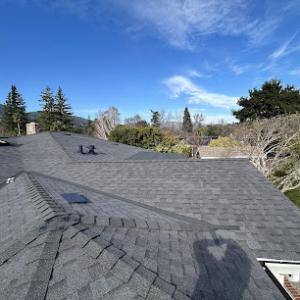
Roofmasters
(707) 447-7663 www.roofmasters.org
247 Benton Ct, Suisun City, California
4.7 from 42 reviews
Since 1993, Roofmasters, a family-run business for four generations, has been providing exceptional roofing services in the counties of Solano, Napa, Yolo, Contra Costa, and Sacramento. They specialize in all aspects of roofing, from tile to sunrooms, and even offer insulation, solar energy systems, and commercial real estate inspections. With a dedication to high-quality work, Roofmasters guarantees customer satisfaction and is proud to be a trusted community partner.
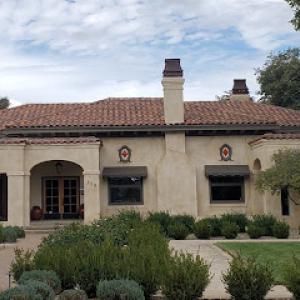
Affordable Roofing
(707) 429-9460 www.affordableroofing.biz
Suisun City, California
3.2 from 9 reviews
We are a family-owned and operated small business that was established in 1980. We provide a wide range of roofing services and products for residential and commercial clients in Solano county, Our company has experience with all types of roofing materials, including tile, cedar shakes, and dimension shingles. Affordable Roofing inspects and repairs existing roofs, provides free estimates, it's fully insured, and installs seamless gutters, downspouts, skylights, and ventilation.

Roof Doctors Solano County
(707) 674-5775 theroofdoctors.net
Serving
4.7 from 84 reviews
"Nobody inspects, repairs and certifies more roofs or solves more roof leak problems in the SF Bay Region." Over 300,000 roofs inspected. We do complimentary roof inspections with detailed reports that include pictures. Reports sent within 24 hours of inspection. We are a licensed roofing contractor that offer repairs, replacment bids, gutter cleaning bids, gutter guard installs, and general roof maintenance. Service in the following San Francisco Bay Area counties: Alameda, Contra Costa, Marin, Napa, Solano & Sonoma Counties.
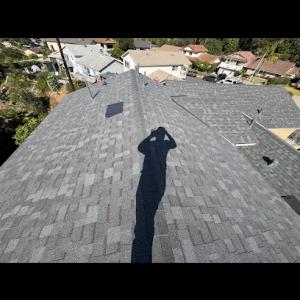
Bay Area Affordable Roofers
(707) 506-0312 bayareaaffordableroofers.com
Serving
5.0 from 22 reviews
Bay Area Affordable Roofers is a roofing company serving Fairfield, CA, providing roof repair, roof replacement, roof installation, roof inspections, emergency roof repair, metal roof repair, and shingle installation and repair. Since 2002, Bay Area Affordable Roofers has worked with homeowners across Fairfield, CA and nearby communities to support long-lasting and reliable roofing solutions. Our team understands the roofing needs of homes in the Bay Area and applies experience with local materials and weather conditions to deliver steady, dependable service for a wide range of roofing projects.
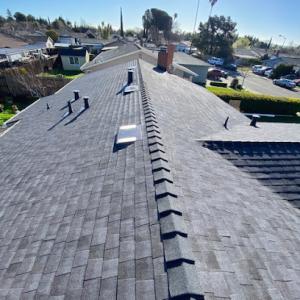
N. American Roofing
(707) 624-5836 namericanroofing.com
Serving
5.0 from 37 reviews
North American Roofing is a local family-owned business ready to serve our community. We are fully insured and bonded. We specialize in new roofs, repairs, and gutter systems. Our pledge is to get the job done right. Contact us today!

Spartan Home Services - Roofing & Solar
Serving
5.0 from 27 reviews
At Spartan Home Services we specialize in premium roof and solar systems. Whether you're in need of roof repair or considering a roof replacement, our team is here to provide comprehensive solutions tailored to your needs. Extending beyond quality, we have a passion for creating lasting relationships with our neighbors, to listen, to hear, and to help. Trust Spartan Home Services for quality work that stands the test of time from a team that will nurture you through your whole project.
Pacific Coast Roofing Service
(510) 912-5454 pcroofingservice.com
Serving
5.0 from 56 reviews
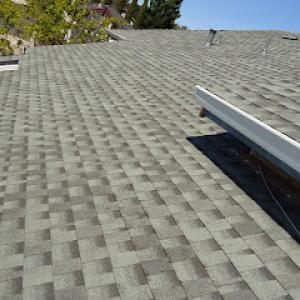
Pacific Coast Roofing Service has been servicing the Bay Area since 1996 with the very best roofing installation and repair services since 1996. Serving both homeowners and commercial properties, we offer free on-site estimates. Based in El Sobrante, CA we work all over the Bay Area including Oakland and Walnut Creek. Our team of experienced roofers can handle all manner of residential and commercial buildings at the right price with the very best in workmanship. If you have a roofing job needing done, you can depend on our crews to do it all. Serving both homeowners and commercial properties, we offer free on-site estimates.
Frontline Roofing
(707) 471-5249 www.frontlineroofing.com
Serving
4.7 from 41 reviews
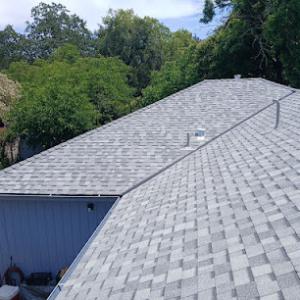
Located at 419 Mason Suite 102, Frontline Roofing is your local expert roofing contractor, specializing in roof replacement, repair, and installation for both residential and commercial properties. As a top-rated "roofing company near me," we offer exceptional services including metal roofing, flat roof services, shingle roofing, and comprehensive commercial roofing solutions throughout California. Our team is dedicated to ensuring durability and energy efficiency for every project. Choose Frontline Roofing for reliable protection and enhanced aesthetic appeal. Contact us today for competitive pricing and personalized consultations, and experience why our clients rate us so highly.
Lumpville roofing
(925) 273-4575 lumpvilleroofing.com
Serving
5.0 from 5 reviews
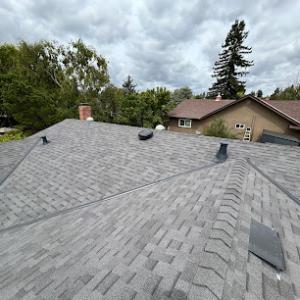
Roofing contractor, all type of roofing applications, including asphalt shingles, torchdown application, roof coatings. Lumpville Roofing also prepares and preforms roof inspections. Roof repairs an emergency leak calls Fully licensed and insured.
Northern California Roofing
(707) 447-5655 northerncaliforniaroofing.com
Serving
4.7 from 113 reviews
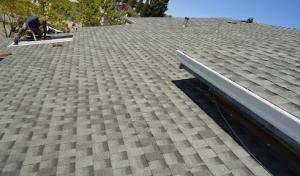
Northern California Roofing Company has been serving our neighbors throughout the Northern California area since 1990. We specialize in all phases of the roofing process: from roof repairs to roof replacements, as well as maintenance programs and complete roof overhauls. Our professionals are dedicated to serving your needs in a timely manner, with an emphasis on quality craftsmanship, as well as a commitment to customer service excellence. We pride ourselves in being a “one-stop contractor” in the roofing industry. Call us today to get your free estimate
Enterprise Roofing Service
(925) 689-8100 enterpriseroofing.com
Serving
4.8 from 25 reviews
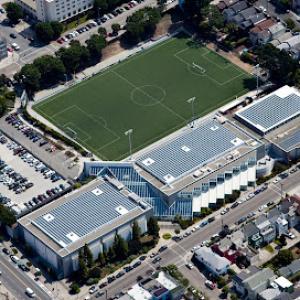
Commercial Roofing and Waterproofing Contractor. 24-Hour Emergency Leak Service. Used Roofing Tile Boneyard open Monday - Friday from 10:00am to 3:00pm.
Goode Painting
(209) 650-3836 www.goodepaintingco.com
Serving
5.0 from 25 reviews
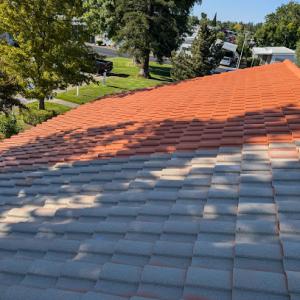
Goode Painting is a licensed painting and home-services provider with over 20 years of experience. We specialize in roof cleaning and soft washing, pressure washing, roof coatings, residential and commercial painting, solar panel cleaning, bird netting, window cleaning, and exterior repair work. Whether it's restoring your roof, refreshing your property, or taking on a custom project, feel free to reach out with any questions.
Asphalt shingles remain the dominant choice for the local re-roof market. You'll find many homes with this profile on Mediterranean- and suburban-style layouts, where color and texture options help blend with the neighborhood. The key in this area is not just the shingle itself but the underlayment and nail strategy you pair with it. Seawindged gusts and winter moisture demand a high-quality underlayment and a careful fastener schedule to prevent wind uplift and moisture migration along rafter bays. In practice, choose a high-wind-rated underlayment and opt for longer nails with proper sealing at hips and ridges. If a home has existing vented soffits, confirm the underlayment penetrations around those vents are sealed to resist salt air intrusion from the marsh corridor.
Tile roofing, using clay or concrete, aligns with Solano County's housing stock and its Mediterranean- and suburban-inspired designs. Clay and concrete tiles offer excellent longevity and a natural resistance to wind-driven moisture when installed with proper battening and set-downs. The local context makes tile a meaningful option, but installation quality matters especially near the marsh influence. Look for a contractor who is comfortable with the substrate preparation for tile and who uses appropriate sealants at penetrations and transitions. In practice, ensure that flashing around chimneys, vents, and skylights is sturdy and corrosion-resistant, and consider a ridge system that accommodates thermal movement without cracking the grout or mortar.
Metal roofing appears less often in this market, which means installer experience becomes a premium consideration if choosing metal near the marsh-influenced environment. If you pursue metal, verify that a seasoned team handles seam sealing, corrosion protection, and the dynamic between salt air and seasonal winds. You want careful detailing at eave edges and along roof-to-wall transitions to reduce the risk of wind-driven moisture entering at fastener points. A metal roof can perform well in gusty months, but the local contractor pool can influence warranty satisfaction and long-term performance, so prioritize proven local references and a project-specific wind uplift plan.
In Suisun City, timing matters with respect to the dry season. Roof systems should be planned so the heaviest roof-work occurs during the dry window to reduce moisture intrusion risks and to allow sealants and underlayments to cure properly. Whichever material you choose, insist on high-quality underlayment, attention to flashing details, and careful assessment of the existing roof deck's condition. The marsh moisture and Strait winds demand meticulous installation practices to maintain long-term leak resistance and performance.
When you price a reroof in this area, you'll notice a clear spread by material. Provided local pricing ranges run about 450 to 750 USD per square for asphalt shingles, 900 to 1400 for metal, 1000 to 1800 for clay tile, 900 to 1500 for concrete tile, 900 to 1600 for wood shingles or shakes, and 500 to 900 for synthetic or composite shingles. Those ranges reflect typical local crews and the kinds of roofs common on this side of the marsh, where long-term moisture and seasonal wind drive both material choice and maintenance planning. If you're swapping from one material to another, expect the higher end to apply when structural work or plan review becomes part of the job.
Costs in Suisun City can rise when winter weather compresses the reroof season into drier months, increasing competition for scheduling and labor availability. If you wait until the wet season to start, you may face price bumps and tighter windows to complete before the next storm cycles. Plan your project for the late dry season when crews can reliably access your home and bring in materials without weather delays. A small shift in timing can save a few percentage points in labor overhead, which matters when your roof is at the upper end of the pricing ranges.
Tile and heavier systems can add cost if structural review or plan review is triggered by substantial changes, which is especially relevant when switching materials rather than replacing like for like. If you're moving from asphalt to metal or from concrete tile to clay, a check for structural adequacy and possible reinforcement may be needed. That review adds time and expense, but it protects against issues in the marsh-wind corridor. With heavier roofs, be prepared for longer installation times and potential access considerations, which can push costs toward the higher end of the local ranges.
In practice, the right approach is to align material choice with the climate realities here: salt air, winter moisture, and wind exposure. A well-ventilated underlayment and a roofing system designed for damp conditions will help prevent early leaks. If you're comparing bids, ask how each bid handles underlayment quality, wind-rated fasteners, and moisture management at eaves and ridges. Doing so helps ensure the price you pay reflects durability in this corner of the bay.
Get a clear picture of your project costs upfront - no commitment required.

Northern California Roofing
(707) 447-5655 northerncaliforniaroofing.com
Serving
4.7 from 113 reviews
A full reroof project in this area typically requires a building permit so the Building Division can verify underlayment, ventilation, and structural compliance. The permitting process ensures the new roof is integrated with existing attic ventilation and moisture control, which is especially important given the salt air and winter moisture that can linger in the marsh edge. The city expects the permit to cover not just the shingles, but the full roofing assembly including underlayment, attic vents, fasteners, and any deck or plywood repairs that may be needed to support the new roof. Before work begins, confirm with the Building Division that a reroof qualifies for permit review and gather the standard site plan and product details you'll be asked to provide.
Some reroof projects may require plan review when the scope includes substantial changes rather than a straightforward replacement. If the plan involves adding or relocating exhaust vents, changing roof geometry, converting venting strategies, or upgrading structural members to support a heavier material, expect a plan review. Suisun City's review helps catch issues tied to wind exposure along the Strait corridor and marsh moisture, ensuring the new configuration will perform properly under local conditions. If your contractor anticipates any nonstandard decking, altered eave configurations, or a switch to heavier tile or metal options, plan review is likely.
Inspections are staged during and after the work, and the contractor is responsible for scheduling them with the city. Typical sequences include a pre-roof inspection to verify decking and structural integrity, a process during installation to confirm underlayment and ventilation are correctly installed, and a final inspection after completion to verify all components meet code and the approved plan. In Suisun City, inspectors will specifically look for proper underlayment installation, appropriate venting in the attic space, and secure fastening patterns that can withstand seasonal winds. Expect a wind- and moisture-focused check near the end of the project to confirm that the assembly will resist the local exposure and stay dry through winter moisture.
Coordinate closely with the licensed contractor to align the permit submission, plan review (if required), and the inspection calendar. Since inspections are staged, communication with the city and the contractor matters: confirm dates, required access, and any weather-related contingencies that could delay underlayment setting or ventilation checks. Dry-season timing matters here; scheduling ahead of the wet months helps ensure the underlayment and roof deck dry properly and reduces the risk of weather interference during critical stages of installation. Keep in mind that the city may request product data sheets and verification that the chosen underlayment and vents meet local wind and moisture performance expectations.
Avoid starting without a permit, as that can trigger delays and rework. If plan review is required, provide complete drawings and product specs early to prevent back-and-forth. Ensure the contractor commits to timely scheduling of each inspection; missed inspections can stall the project and complicate moisture management strategies around the marsh edge and Strait wind corridor.
You're operating in California's wide insurance landscape, where carriers may ask for proof of recent roof replacement, photos, bids, and a clear scope timeline. Even though the area isn't defined by one single disaster, statewide premium shifts and coverage changes ripple outward and can touch local homeowners after major weather events or wildfire-driven insurer pullbacks elsewhere in the state. That means you should have a clean, organized record and be prepared to present a cohesive narrative of the reroof project when requested.
The maritime edge and Strait winds shape what makes sense for roof work in this city. Winter moisture and salt air can accelerate underlayment wear and complicate sealant performance, so timing around the dry season matters more than it might elsewhere. If a reroof is scheduled in the shoulder months, ensure a robust plan for wind-driven debris storms that can pop up quickly and force someone to pause work or adjust materials mid-project.
Because winter storms and wind events are the main local roof stressors, you should document damage promptly with date-stamped photos before temporary repairs or tarping alter the evidence. This helps preserve a clear before-and-after record for both claims and future assessments. Take wide shots of the entire roof and close-ups of any compromised seams, flashing, or underlayment, then store the images in a dated, organized folder.
Suisun Marsh moisture and salt exposure can influence how different roofing Materials behave once installed. In this environment, choosing underlayment with strong moisture resistance and fasteners rated for coastal winds reduces early wear. If you expect repeated wind gusts or seasonal salt exposure, discuss with your roofer how installation details-such as sealing at edges and overhangs-will hold up through a few wet seasons.
Connect with contractors who help homeowners navigate the claims process from damage assessment to final approval.

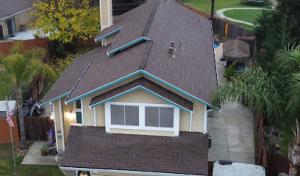
In this market, reroofing is far more common than niche specialty work, so you'll find replacement-focused crews who can complete a full tear-off and new install with a clear schedule. Work crews tend to stay responsive once a project is underway, since leaks during the wet season are a real concern for occupied homes. Cleanup is typically included, with tarps and daily debris haul, so you don't walk into a yard littered with nails or shingle scraps. From a neighborhood perspective, you'll notice a mix of long-established outfits, family-owned operators, and lower-cost teams. The key is balancing a solid local track record with timely response and accountable cleanup, rather than chasing premium branding alone.
Material performance hinges on moisture from Suisun Marsh and the coastal wind corridor. Asphalt shingles are common for quick replacement, while metal roofing offers durability against salt air and wind when the panels and fasteners are corrosion-resistant. Clay or concrete tile can handle absorption and heat similarly, but installations must be meticulous to prevent wind-driven blow-off in gusty periods. Synthetic or composite shingles provide a middle path, offering good moisture tolerance and lower maintenance in this coastal-influenced setting. Regardless of material, expect contractors to emphasize high-quality underlayment and accurate deck preparation, since moisture intrusion is a frequent risk with winter rains and ongoing marsh humidity.
Because many homeowners need to manage active leaks while staying in the home, crews commonly prioritize prompt mobilization and rapid progress without sacrificing thoroughness. Expect a clearly staged progress plan: roof removal, deck prep, underlayment, flashing around penetrations, and venting checks, followed by final cleanup and walk-through. Warranties tend to reflect replacement-focused work, with assurances on material performance and workmanship for a defined period. If a contractor emphasizes quick turnaround, confirm that speed won't compromise moisture barriers or ventilation details in the attic.
Local market signals favor contractors who blend price sensitivity with a proven local track record and responsive service. Ask for recent local jobs, inspect a completed reroof on a similar home, and verify cleanup standards. Since the mix includes both legacy family crews and affordable operators, you'll want references that speak to on-site organization and reliable communications during adverse weather or winter conditions. Prioritize crews that demonstrate solid moisture management, wind-rated fasteners, and a clear plan to keep your home livable during the reroof.
Get a clear picture of your project costs upfront - no commitment required.
Northern California Roofing
(707) 447-5655 northerncaliforniaroofing.com
Serving
4.7 from 113 reviews