
Last updated: Apr 19, 2026
Spring and fall windows are often the most practical replacements, especially when the Delta-edge summer heat presses down on job sites. You'll notice that schedules tighten as the thermometer climbs, making asphalt shingles and metal projects more physically demanding for crews and more challenging to coordinate around undisturbed work. In your planning, target shoulder seasons when temperatures are moderate and humidity is lower, so tear-off and installation proceed with less stack-up heat stress on shingles, underlayment, and ladders. This is not a guess; the heat makes work harder, and safety margins shrink quickly once July hits. Align your re-roof timing with those milder weeks, and you'll see fewer heat-related delays and safer, steadier progress.
Wet winter weather in East Contra Costa can interrupt tear-off schedules and increase the risk of exposing roof decks to moisture during active jobs. If a storm front rolls through, expect short pauses or even temporary shutdowns while rain, wind-driven spray, and rising ground moisture complicate access. The pattern is less forgiving when tarps and drop cloths can't keep pace with an active roof, or when crews need to re-seal exposed sections before a next round of storms. Build your schedule with built-in contingency days for wet spells and heavy winds. Moisture exposure during tear-off can compromise decking and fasteners if sections are left exposed too long, so plan to complete removal quickly and move into dry-in phases as soon as feasible. If a forecast shows a real rain risk, communication with the crew about safe shutdowns and return-to-work timing helps avoid unnecessary exposure and moisture-related issues.
Seasonal wind patterns in the area make secure fastening and wind-uplift compliant installation more important than in calmer inland markets. East Contra Costa experiences gusts that can lift loose edges or poorly seated shingles, especially along ridgelines and exposed eaves. The right underlayment choice, precise nailing patterns, and adherence to uplift-resistance standards matter more here. When you set a re-roof schedule, anticipate wind constraints by coordinating with the crew to complete critical fastening tasks during stable wind periods. A practical approach is to plan for frame-to-sheathing inspection and starter course alignment on days when winds are forecast to be light to moderate, then reserve the strongest, edge-fastening steps for windows of calmer weather. When windy conditions persist, crews may modulate their sequence to secure the roof deck first, then finish with upper courses and ridge caps, reducing the risk of loose materials and shingle blow-off on the jobsite.
Ventilation and attic conditions influence both performance and longevity once the new covering goes on. Hot summers can push attic temperatures past the comfort threshold, affecting both the roof's thermal performance and the equipment used during installation. Ensure that your contractor verifies attic ventilation as part of the replacement plan, not as an afterthought. A well-ventilated attic helps sustain the new roof's lifespan by reducing heat buildup, which can degrade underlayment and affect shingle adhesion over time. If your home has limited soffit or ridge venting, consider a ventilation upgrade as part of the re-roofing project. It's common to coordinate the upgrade during the same window as the roof replacement because it minimizes disruption and aligns the work with the same access points and interior trades.
In practice, the best approach is to lock in a spring or fall replacement window that avoids the peak heat of midsummer and the wettest parts of winter, while keeping an eye on weekly wind forecasts. Your contractor should plan a sequence that prioritizes secure fastening in wind-prone areas and confirms uplift compliance before any tear-off begins. Communicate clearly about potential weather interruptions and establish a contingency plan that keeps the project moving once conditions permit. This combination of timing, wind-conscious fastening, and up-to-date ventilation planning helps ensure a durable roof that stands up to the Delta winds, seasonal heat, and rain events.
Clay tile and concrete tile are established roofing choices for homes with warm-climate suburban stock in this area. The way these tiles reflect sun, shed heat, and resist wind fits the Delta-edge summer pattern you see here. When you have a tile roof, you're often balancing long-term durability with the need to protect the waterproofing layer underneath. The visible tile can outlast the underlayment, so the health of what you don't see matters just as much as the exterior look.
Heavy tile systems come with real consequences for reroofs, especially on older houses that weren't designed for the extra load. Before you commit to a full tile replacement, have a structural assessment that looks at framing, sheathing, and any retrofit history. If the attic is not vented well, or if the roof framing isn't rated for tile weight, you'll face added complexity and potential reinforcement needs. If your plan is to re-tile, expect to address structural loading, underlayment upgrades, and potential rearrangement of services running in the attic.
Antioch's summer heat makes the condition of underlayment especially important. The tile surface is largely decorative and protective, but the waterproofing layer below must stand up to heat cycling, wind-driven rain, and occasional winter moisture. If underlayment is aged, damaged, or mismatched for a tile system, heat can push through weaknesses and threaten leaks even when the tiles look fine. A reroof in this climate should verify the integrity of the underlayment, ensure compatibility with clay or concrete tiles, and plan for replacement if wear is evident. A thorough attic inspection often reveals insulation gaps, vapor barriers, and potential air leakage that can accelerate underlayment degradation.
Attic ventilation plays a pivotal role in tile longevity. With the tile visible on top, the waterproofing beneath relies on a cooler, well-ventilated attic to prevent heat soak that can accelerate aging of underlayment and sealants. In practical terms, that means checking for adequate soffit and ridge ventilation, ensuring baffles are in place, and confirming that attic fans or passive vents aren't creating negative pressure that pulls conditioned air into the attic. For many homes, modest upgrades to ventilation yield meaningful improvements in both energy efficiency and roof longevity, especially when the roof is loaded with heavy tile.
Delta winds can lift or rattle tile while winter rains demand dependable waterproofing. A tile roof system should be evaluated for uplift resistance, with attention to fastener integrity, batten systems, and potential gaps where wind-driven rain could penetrate. During re-roof planning, you'll want to review the edge detailing, hip and valley integrity, and the condition of sealants around penetrations. If you notice cracked tiles, loose fasteners, or degraded flashings, address those issues early to prevent wind-driven moisture from bypassing the tile surface and reaching the underlayment.
Timing re-roofs between the peak heat and the wet season minimizes exposure to extreme conditions and moves the project into a more forgiving window. If tiles are being replaced or a full roof overhaul is underway, coordinating installation with temperate, drier weeks helps maintain tile alignment, seal integrity, and underlayment performance. For older homes, consider a phased approach that protects interior spaces during construction while enabling the roof system to ventilate properly during hot months. A thoughtful plan minimizes heat exposure inside the attic during work and preserves the structural and waterproofing integrity of the home.
Find contractors who specialize in clay and concrete tile roofs, known for their durability and curb appeal.
Dynamic Roofing
(925) 755-8482 dynamicroofbayarea.com
2808 Lincoln Ln, Antioch, California
5.0 from 24 reviews

Roof Tile Custom Specialists
(925) 634-8700 www.rooftilecustomspecialists.com
2388 Buchanan Rd, Antioch, California
4.6 from 11 reviews
Understanding the price range starts with material type. In this market, asphalt shingles sit at the lower end of the spectrum, while clay or concrete tile rise to the higher end. When you're budgeting, expect asphalt shingles to land in the several hundred-dollar per square range, and clay or concrete tile to push toward the higher thousand-dollar mark per square. The quoted ranges below reflect typical local conditions, not cosmetic upgrades or unusual structural work.
Antioch's summer heat can slow crews and shorten daily productivity, especially on darker or reflective surfaces that trap heat. That can stretch labor time and lift labor costs beyond a simple square-rate calculation. When winter rain enters the picture, scheduling becomes reactive rather than proactive, creating gaps that push total project time and staging costs higher. If a project runs into wet weeks, you're more likely to see increased crew mobilization charges, extended stump-work for moisture protection, and temporary weatherproofing costs. These seasonal dynamics are common in our market and can swing the final price noticeably.
Tile-heavy roofs require more material handling, longer install timelines, and additional mechanical work, which elevates price versus a straight overlay. Tear-offs, when needed, add substantial labor and disposal fees compared with a no-tear or simple overlay approach. Ventilation work and wind-uplift compliance add a further layer of complexity; ensuring proper attic intake, exhaust, and sealing against local wind exposure is essential for performance in Delta-edge conditions and can add to both material and labor lines on the bill. If a reroof must address ventilation or upgrade existing underlayment for uplift resistance, expect a higher sticker price than a minimal-replacement scenario.
If a re-roof is scheduled in the shoulder months when temperatures are milder and rainfall is lower, you'll often see steadier progress and closer alignment to the baseline material costs. If the plan includes tile, a tear-off, or updates to ventilation, budget a contingency for 5-15 percent above the base material-and-labor estimate to cover weather-driven delays and uplift-related work. A well-vented attic and a properly strapped, wind-resistant roof assembly are not extras here; they're part of a durable, long-term solution that helps protect your home through hot summers and windy winters.
In short, Antioch reroof pricing tracks closely to material choice, with labor timing and uplift requirements acting as the primary drivers of total cost.
Get a clear picture of your project costs upfront - no commitment required.
Dynamic Roofing
(925) 755-8482 dynamicroofbayarea.com
2808 Lincoln Ln, Antioch, California
5.0 from 24 reviews
All Clean Gutters & Roofing
(925) 437-6934 allcleanguttersandroofing.net
Antioch, California
5.0 from 3 reviews

Goode Painting
(209) 650-3836 www.goodepaintingco.com
Antioch, California
5.0 from 25 reviews
Goode Painting is a licensed painting and home-services provider with over 20 years of experience. We specialize in roof cleaning and soft washing, pressure washing, roof coatings, residential and commercial painting, solar panel cleaning, bird netting, window cleaning, and exterior repair work. Whether it's restoring your roof, refreshing your property, or taking on a custom project, feel free to reach out with any questions.
Dynamic Roofing
(925) 755-8482 dynamicroofbayarea.com
2808 Lincoln Ln, Antioch, California
5.0 from 24 reviews
Roofing services, roof repairs, and gutter installation

Neram Roof Repair & Install
(916) 234-2525 antiochroofrepair.com
2109 Wildflower Dr, Antioch, California
4.8 from 17 reviews
At Neram Roof Repair & Install, we're on the cutting edge of both roofing and landscaping services. We're committed to delivering unparalleled expertise, craftsmanship, and personalized solutions to our valued customers. With an unwavering commitment to quality and integrity, our team of professionals leverages state-of-the-art tools and techniques to provide comprehensive roof maintenance, installation, and repair services. We extend our passion for excellence to intricate landscaping designs, transforming outdoor spaces into vibrant and functional masterpieces. AtNeram Roof Repair & Install, we strive to leave our mark on every project, creating lasting impressions and elevating your property's aesthetic appeal.

Roof Tile Custom Specialists
(925) 634-8700 www.rooftilecustomspecialists.com
2388 Buchanan Rd, Antioch, California
4.6 from 11 reviews
Roof Tile Custom Specialists provides tile roof installation, tile roof repair, tile roof flashings, dry rot repairs, and roof ventilation to the Contra Costa County, CA area.
B & K Roofing
(925) 625-1243 www.bandkroofing.net
2006 A St #215, Antioch, California
5.0 from 6 reviews
B and K Roofing is proud to offer superior roofing and maintenance services to customers throughout the greater Bay Area. With over 30 years of experience in the industry, our company is committed to delivering the highest level of workmanship and customer service to every client we serve.
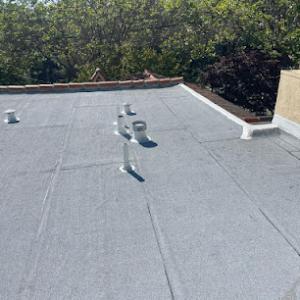
All Clean Gutters & Roofing
(925) 437-6934 allcleanguttersandroofing.net
Antioch, California
5.0 from 3 reviews
Our company was built with the commitment to ensure cost-effectiveness and high quality in every gutter and roofing project we are hired to work on for the community of Antioch, CA and the surrounding areas. Our company was founded under the great values of: • Professionalism • Commitment • Diligence • Cost-Effectiveness Contact our team today and get a free estimate for any of the services that we offer. If you hire us to do the job, we will work hard and smart until your expectations are exceeded. Contact our professional and reliable company today to save time and money on your project!
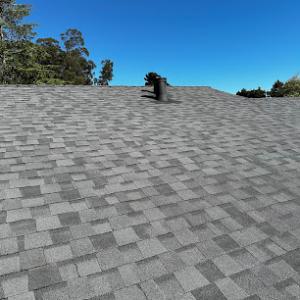
Innovation Roofing System
(510) 330-3834 innovationroofingsystems.com
2348 Chardonnay Way, Antioch, California
5.0 from 3 reviews
Located at 2348 Chardonnay Way, Innovation Roofing System provides top-notch roofing services including roof repair, roof replacement, and emergency roof repair. As experts in residential roofing services and commercial roofing contractors, we also specialize in flat roof repair, shingle roof installation, roof inspection services, gutter repair and installation, and metal roofing installation. Committed to delivering quality and efficiency, our skilled team ensures every project meets the highest standards. Choose Innovation Roofing System for reliable, professional roofing solutions. Call us today!

Alardima Roofing
(855) 321-3418 pronestroofing.shop
2013 Rubye Dr, Antioch, California
5.0 from 1 review
Alardima Roofing offers top-tier roofing services dedicated to protecting your home with quality and expertise. Serving the Antioch community and surrounding areas, our skilled professionals specialize in a wide range of roofing solutions, from new installations to meticulous repairs and replacements. We are committed to using premium materials and delivering exceptional craftsmanship, ensuring every project meets the highest standards of durability and aesthetic appeal. Trust Alardima Roofing to provide a reliable and long-lasting cover for your most important asset.

All American Roofing & Gutters
(855) 235-0472 masterlineroofing.store
Serving
5.0 from 5 reviews
Based in Oakley, All American Roofing and Gutters is your premier choice for comprehensive roofing solutions. Our seasoned professionals specialize in all aspects of roofing, from initial installation to meticulous repairs and full replacements. We are dedicated to providing top-quality craftsmanship and reliable service to protect your home for years to come. Trust our expertise to elevate the safety and aesthetic of your property.

V Mendoza Roofing
(925) 783-6265 vmendozaroofing.net
Serving
4.3 from 16 reviews
V Mendoza Roofing was founded by Valente and Yecenia Mendoza in 2008. Since then, the small business has installed new roofs on over a thousand residential and commercial projects. With 30 years of roofing experience, Valente prides himself in ensuring that his customers receive not only quality roofs but also quality customer service. Since their first service, V Mendoza Roofing has offered free estimates to all customers; offering roof installments on new construction, re-roofs and overlay on commercial and residential projects and roof repairs. The company also provides gutter services.
Steve Roofing
Serving
4.9 from 16 reviews
Steve Roofing Specializing in all your roofing needs. Cedar Shake, Asphalt Shingles, Tile Roof, Flat Roof, Gutter Repair/Cleaning. All types of roof Commercial building Please call today to get your free estimates (20mi Radius of Modesto, CA.) or second opinion.
Pacific Coast Roofing Service
(510) 912-5454 pcroofingservice.com
Serving
5.0 from 56 reviews
Pacific Coast Roofing Service has been servicing the Bay Area since 1996 with the very best roofing installation and repair services since 1996. Serving both homeowners and commercial properties, we offer free on-site estimates. Based in El Sobrante, CA we work all over the Bay Area including Oakland and Walnut Creek. Our team of experienced roofers can handle all manner of residential and commercial buildings at the right price with the very best in workmanship. If you have a roofing job needing done, you can depend on our crews to do it all. Serving both homeowners and commercial properties, we offer free on-site estimates.
A full re-roof in Antioch typically requires a building permit, and the city's permitting system is designed to catch important details before wrap-up. The process is not simply about paperwork; it ensures that the roof structure, underlayment, and chosen materials can withstand the Delta-edge wind, heat, and winter rain that define the area. If a project proceeds without the proper permit, you risk postponed occupancy, fines, and possible rework that disrupts a hot summer or rainy season.
In Antioch, the roofing contractor commonly pulls the permit rather than the homeowner handling the process alone. This arrangement helps keep the project on track, since roof work is time-sensitive and weather-dependent. A licensed contractor is expected to submit plans, confirm material specifications, and coordinate inspections at the right milestones. If you are considering handling the permit yourself, be prepared for extra diligence and a tight schedule to align with local code enforcement.
Before the tear-off begins, know that the permit review will evaluate critical elements beyond the canopy of shingles or tiles. You should confirm that the existing roof structure can carry the new load, that attic ventilation is adequate to manage the Delta heat, and that fastenings and flashing meet uplift resistance requirements. The planning phase is your best chance to address any retrofit needs-like upgrading vents, installing baffles, or planning for a more robust roof deck-so you don't face delays after tear-off.
After tear-off and installation, Antioch's final inspection checks code compliance and material installation details, including venting and wind-uplift requirements. The inspector will look for proper nailing patterns, correct underlayment installation, and correct vent placement to prevent moisture buildup and overheating in attic spaces. If a discrepancy is found, the project may need corrective work, which can stretch into unfavorable weather windows and complicate the re-roof schedule. Planning for a thorough review reduces the chance of rework and follow-up visits.
To avoid surprises, schedule the permit and inspection steps early in the project timeline and maintain clear communication with the contractor about inspection readiness. Have notes ready on vent configurations, drip edge, and flashing transitions, since these details often determine whether the final approval comes smoothly. Remember that the code checks exist to protect your home from wind-driven uplift, leaks, and heat damage-factors that are especially consequential in a climate with hot summers and winter rains.
Antioch's wet winter storms create the city's most common urgent roofing window, when active leaks and moisture intrusion become immediate problems. When heavy rains arrive, a single dripping attic vent or interior stain can escalate quickly into structural concerns if left untreated. You need a plan for fast assessment and temporary containment-tarps, grout patches for minor gaps, and quick-seal products that resist wind-driven rain. Prioritize areas around penetrations, skylights, and along the eaves where moisture can seep in before a proper repair can be scheduled.
Because local demand spikes around rain events, fast-response repair capacity matters in Antioch more than in purely replacement-driven markets. Have a trusted roofer on call who can mobilize within 24 hours after the first sign of trouble. If a leak is active, isolate the affected area by drying and drying out the space to prevent mold growth, then protect valuables and ceilings with plastic sheeting. Keep a stash of temporary fix materials and document the damage with photos to expedite insurance or contractor coordination.
Wind accompanying seasonal storms can worsen edge damage and expose weak fastening on aging roofs in the area. Inspect fascia boards, underlayment, and edge fasteners after each significant storm. If shingles are curling, nails are exposed, or a wind-driven flap appears, treat it as urgent: secure the loose area with temporary fasteners or sealants, then schedule a professional assessment before the next storm cycle. Regular attic ventilation checks help reduce condensation that feeds leaks, especially during heavy rain weeks when quick drying becomes critical.
Create a storm-response checklist: immediate shut-off points for interior leaks, a clear route for a contractor to access the roof, and a photo log to track progression. Stock a small kit of weatherproof sealants, roofing tape, and tarps. After a major rain event, perform a quick exterior walkaround at first light to catch fresh damage before it worsens. If you suspect wind-driven edge damage, address it within days rather than weeks to reduce cascading issues.
When you can't wait, these contractors offer fast response times to stop leaks and prevent further damage.

Neram Roof Repair & Install
(916) 234-2525 antiochroofrepair.com
2109 Wildflower Dr, Antioch, California
4.8 from 17 reviews
B & K Roofing
(925) 625-1243 www.bandkroofing.net
2006 A St #215, Antioch, California
5.0 from 6 reviews
Innovation Roofing System
(510) 330-3834 innovationroofingsystems.com
2348 Chardonnay Way, Antioch, California
5.0 from 3 reviews
When a roof is damaged by a covered peril, your homeowner policy can respond even if the roof is aging, but many policies in our area require that the loss be linked to a sudden, verifiable event rather than long-term wear. This means a wind-driven shingle lift or a hail impact is more likely to be covered than gradual aging from Delta-edge heat and winter rains. The key consequence is that the insurer's letter of denial or approval can hinge on the documented pre-loss condition and the specific peril that caused the damage.
In California, insurers increasingly scrutinize roof condition before paying claims, so having dated photos and records showing routine maintenance, recent replacements using the same material, and pre-loss condition is essential. In practice, keep a timeline of attic venting improvements, roof repairs, and debris removal, and store it with your claim file. A paint-marked calendar, receipts, and written notes from professional inspections can translate into clearer determination at the adjuster's desk, reducing disputes after a storm or heavy wind event.
Where wildfire exposure affects underwriting in parts of the broader region, policy terms and premiums can influence whether you repair, restore, or fully replace aging roofs. If soot, ember exposure, or radiant heat are flagged in underwriting notes, the pathway of a claim shifts, and the insurer may favor replacement over repair in some scenarios. Understanding how distinct risk factors interact with your policy helps you set expectations and prepare for the claim process well in advance of a severe season.
Treat each severe event as a potential turning point. After a storm, document with fresh photos from multiple angles, note the date and time, and keep records of any professional evaluations. If a contractor flags deficiencies beyond the immediate loss, request a written assessment that connects observed damage to a defined peril. This proactive record-keeping can streamline claims and support timely decisions about repairs versus a broader roof replacement when the Delta winds and winter rains repeat.
Connect with contractors who help homeowners navigate the claims process from damage assessment to final approval.
Neram Roof Repair & Install
(916) 234-2525 antiochroofrepair.com
2109 Wildflower Dr, Antioch, California
4.8 from 17 reviews

Alardima Roofing
(855) 321-3418 pronestroofing.shop
2013 Rubye Dr, Antioch, California
5.0 from 1 review
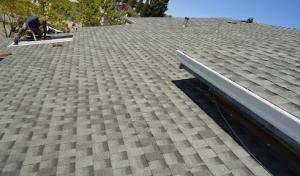
Although most houses in this area use pitched roofs, there is meaningful demand for flat and low-slope work on patio covers, additions, and some residential transitions. The Delta-edge climate compresses the service life of these membranes when they sit in direct sun or face winter rain events, so failures tend to show up sooner than expected if the installation or the aging pattern isn't matched to Antioch's heat and wind. Attic and airflow considerations still matter for any attached low-slope element, since heat buildup accelerates wear on seals and coatings.
Low-slope sections tend to be more exposed to wind-driven rain and debris. In winter, small perimeter joints and edge details are the first places to see leaks if those details aren't properly flashed. Look for rapid aging of coatings on roof membranes, especially near transitions to existing pitched roofs or exterior walls. Heat exposure in summer accelerates aging, so coatings can become chalky or lose adhesion before the first heavy rainfall of the season.
Before the first winter storms, check all coping, edge seams, and flashings around patio covers and additions. Push on field seams to confirm they remain flexible and free of cracks. Inspect surface coatings for signs of blistering or loss of gloss, which can indicate water trapped under the membrane. If any step shows moisture intrusion hints or peeling coatings, schedule a quick follow-up with a local contractor who understands Delta winds and sun exposure.
Plan a mid-late fall maintenance window to refresh seals and recoat exposed membrane areas while the days are cooler and drier. Don't wait for a prolonged wet spell to address edge flashings or deteriorated coatings, since winter rains arrive quickly and can expose vulnerabilities in a hurry. A proactive refresh keeps low-slope additions from becoming problem areas as seasons change.
Find specialists in TPO, EPDM, and built-up flat roofing systems for residential and commercial properties.
Innovation Roofing System
(510) 330-3834 innovationroofingsystems.com
2348 Chardonnay Way, Antioch, California
5.0 from 3 reviews
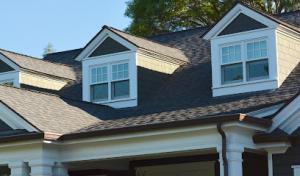
Antioch homeowners expect timely replies, especially after winter rains or a wind event that uncovers shingles or leaks. A practical contractor offers a clearly defined response window, arrives with a organized crew, and covers the job site so cleanup is immediate-gutters, driveways, and landscaping left free of debris. Quick, tidy service isn't a luxury here; it's a signal that a team understands Delta-edge heat and wind exposure, and knows how to minimize disruption during repairs or re-roofs. On every visit, expect tarps, careful material handling, and a final sweep that leaves the area ready for the next rain or heat spike.
In a competitive market, affordable pricing matters, but established and licensed contractors stand out in Antioch's crowded field. Homeowners look for clear communication, documented workmanship expectations, and proof of insurance. A reliable roofer explains how attic ventilation and uplift resistance impact the work, especially when planning a re-roof to withstand summer heat and winter rains. The best teams bring heat- and wind-season experience to the table, show up with proper equipment, and leave a record of the work performed. Expect a project that respects your time, your home, and your neighbor's property, with a focus on long-term value rather than a quick, low-cost fix.
Warranty messaging is active in this market, so distinguish between workmanship promises and manufacturer-backed material coverage. Ask for a written summary that separates labor guarantees from material warranties, and verify what each covers, including wind-driven uplift, flashing, and ventilation components. Antioch homeowners benefit when a roofer documents maintenance recommendations and provides guidance on re-roof timing that aligns with seasonal patterns-hot summers, heavier winter rains, and occasional Delta winds. A responsible contractor reviews roof slope, underlayment, and ventilation to frame realistic warranty expectations.
Antioch properties often need timing that avoids peak heat and winter storms. Good roofers propose seasonal scheduling to minimize heat exposure during installation and to embrace a safer, drier window for re-roofs. They offer a practical plan for sequencing repairs, flashing updates, and vent checks that protect attic health and energy efficiency, while keeping disruption to a minimum for busy families and long-standing homeowners alike.