Last updated: Apr 19, 2026
The dry, furnace-hot summers in this corner of Napa County create the rare chance to get tear-offs cleanly done with minimal interruption. When the sun bakes the shingles and the air dries the deck, a long, continuous dry window becomes the asset you're counting on. Plan tear-offs and underlayment exposure for the heart of summer and early fall, aiming to keep decking exposed only as long as necessary. In practice, that means coordinating crews to finish sections before the next heat spike, scheduling material staging in shaded areas, and keeping weather backups ready for sudden sea-breeze shifts that can roll in on a warm afternoon. Every day without rain is a day you can advance, but not at the expense of compromising underlayment integrity or creating excessive exposure time.
Winter rains here don't just slow progress; they raise real leak risk as soon as decking is exposed. Multi-day re-roof projects demand weather planning tighter than inland, dry-climate markets. If a winter storm looms, consider a staged approach with overlapping sections and temporary coverings that protect the interior while crews advance. Maintain a robust plan for rapid tarping, secure material stacking, and pre-staged roofing squares so any delay doesn't cascade into days of exposure. Weather forecasts aren't just numbers here; they're the difference between a dry, controlled install and a patchy mess that invites leaks and warranty questions. Communicate a clear contingency schedule to homeowners so they understand the risk of delays and the importance of swift material protection when a storm window opens.
Fall winds can surge through southern Napa County, turning debris control and material staging into a high-stakes task. Debris nets, sweep routes, and covered staging areas aren't optional; they're practical defenses against embers and gust-driven fallout. Schedule start dates to avoid peak wind days when possible, and align crew shifts to minimize the amount of exposed decking during the windiest hours. A clean, unobstructed jobsite helps prevent embers from catching loose materials, while a tight daily wrap reduces the chance of debris migrating and complicating the next day's work. Build in buffer days for weather-driven delays, and keep a ready plan to relocate material piles to secure areas should a sudden wind event arise.
American Canyon's roofing timeline is most forgiving when everything aligns with extended dry spells, but the calendar rarely cooperates perfectly. Have a practical, action-oriented workflow that treats dry windows as finite resources, uses early morning or late evening shifts to exploit cooler, drier air, and preserves a clear line of communication with homeowners about how changing weather reshapes milestones. In practice, this means pre-assembling sections during calm, pre-wrenching fasteners for quick, secure placements, and ensuring the crew can swing between tasks with minimal backtracking. The result is a faster, safer install that respects the local climate, while protecting the deck, the interior, and the family's schedule from the unique weather rhythms of this valley.
The dominant materials in American Canyon are asphalt shingles, metal roofing, clay tile, concrete tile, synthetic/composite shingles, and fiber cement shingles. This mix reflects a neighborhood fabric that has seen both steady homes and the occasional retrofitted upgrade. When you're choosing a roof, think through how each material sheds water, stands up to heat cycling, and pairs with existing flashing and vents. Asphalt shingles stay a practical baseline, but if you're eyeing a longer service life or a stronger wind profile, metal or tile options merit careful consideration for the long run.
Because the climate blends wet-winter exposure with summer heat, material choice here is less about snow load and more about water shedding, fastening reliability, and heat cycling. Water runoff direction, attic ventilation, and the ease of resealing fastener penetrations matter more than in cooler, snow-prone zones. Heat cycling can fatigue fasteners and sealants over time, so a roof assembly that allows for controlled expansion and contraction, plus robust edge detailing, pays dividends. In taller, wind-prone neighborhoods, roof edge attachments and ample underlayment become practical priorities to reduce wind-driven leaks during the wet season.
Tile and metal are locally relevant upgrade paths, but their weight, attachment details, and accessory compatibility matter more on re-roof projects in established neighborhoods than on new-build subdivisions. Concrete tile and clay tile offer strong water shedding and a dense look, but they require a solid, reinforced deck and careful nailing patterns to maintain wind resistance. Metal roofs bring excellent fastener reliability and heat performance, yet corrosion protection, proper panel seams, and flashings near dormers or skylights demand precise detailing. If choosing either, plan for compatible edge trim, underlayment choices, and venting configurations that align with existing gutters and overflow outfalls. In older areas, verify that the roof structure can accommodate the weight and that the attachment points integrate with the current masonry or wood framing without reroof-induced misalignments.
Installation nuance matters more when re-roofing in established streets than in new subdivisions. Access constraints, tree canopy management, and matching the current fascia and gutter hardware influence the success of the project. Pay particular attention to how new materials will interface with existing ventilation intakes, exhausts, and chimney flashing. A sound plan coordinates shingle or tile courses with the existing drip edge, and ensures that fastener patterns respect the wind exposure that Bay breezes bring. In tight streets, careful staging prevents damage to neighboring homes and keeps the project moving without compromising water shedding paths.
Timing work around wet winters, summer heat, and fall wildfire-wind windows is essential. Start with a dry spell in late summer or early fall to maximize cure times for underlayment and flashing, while aligning with a lull in heavy autumn winds. Post-rain checks are a must; after the first good rain, inspect for any lift, seam separation, or flashing gaps and address promptly to maintain the roof's performance through the next cycle.
Typical local pricing runs about $350-$700 per square for asphalt shingles, $700-$1100 for metal, $1100-$1900 for clay tile, $900-$1500 for concrete tile, $450-$800 for synthetic/composite shingles, and $500-$900 for fiber cement shingles. In practical terms, a standard 1,000-square-foot roof (roughly 100 squares) will translate into the lower or upper end of those ranges, depending on roof complexity and attic access. When choosing materials, consider not just the sticker price but the long-term performance in Bay-influenced winds and wet winters. For tile roofs, expect higher labor and accessory costs, but also better hail and wind resistance in this climate. For asphalt or synthetic options, the upfront cost is leaner, but performance and energy considerations still matter in heat-heavy months.
Costs in American Canyon can rise when winter scheduling compresses demand into dry periods, especially for full tear-offs that cannot risk exposed decking during rain. If a contractor has a tight winter window, one crew might push work into late fall or early spring, which can shorten available days for dry weather work and skew prices upward due to rush scheduling. Homeowners who plan ahead can often secure a better rate by aligning major install windows with shoulder seasons-late spring or early fall-before the wet season, but not during the hottest stretches of summer when crews are most in demand. Weather-driven delays are not unusual, so contingency budgeting for a few extra days of work or a temporary tarp plan can prevent cost creep.
Re-roof pricing here is also affected by whether the home is switching from lighter materials to tile, which can add structural and accessory complexity on existing houses. If a switch to clay or concrete tile is on the table, expect higher requirements for underlayment, deck reinforcement, and valley work, all of which push the price beyond the basic material cost. On the flip side, staying with asphalt, synthetic, or fiber cement options can keep the project more predictable, but may still require upgrading fasteners and flashing to meet local wind exposure demands. When a change in roof mass occurs, ask the contractor to confirm that the existing framing and supports can handle the new load, and to outline any reinforcing steps and associated costs up front.
Cowan Roofing
(707) 333-4660 www.cowanroofinginc.com
101 W American Canyon Rd, American Canyon, California
4.2 from 5 reviews
Cowan Roofing is a family-owned business with five generations of roofing expertise. We offer a wide range of roofing services for both homes and businesses. Our team is skilled in various roofing materials and techniques, ensuring durable and high-quality work on every project. Trust us for reliable roofing solutions backed by five generations of experience.
G&T Brothers Roofing
Serving
5.0 from 24 reviews
G&T Brothers Roofing has 15 years experience working with residential roofing bringing our clients the best quality work. We are trained for quality workmanship to do the best job possible.
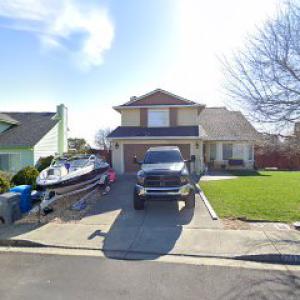
NewCap Roofing
(707) 712-1968 newcaproofing34.com
Serving
4.8 from 4 reviews
All types of roofing and gutters
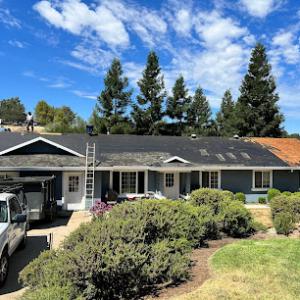
Angelo's Roofing
(707) 244-7663 www.angelosroofinginc.com
Serving
5.0 from 20 reviews
We offer top to bottom residential and light commercial roofing services from new construction, to repairs, to complete re-roofs. We handle shingle and low slope roofing projects with precision and efficiency. We also offer gutter services like repairs, seamless gutter installation, and gutter guards. Call us or visit our website for a free estimate!
Roof Maxx of Vallejo, CA
(707) 914-1959 www.roofmaxx.com
Serving
5.0 from 8 reviews
Roof Maxx® is a scientifically formulated and 100% safe, plant-based roof rejuvenating spray treatment that was developed by renowned scientists from the world’s largest private research and development company.
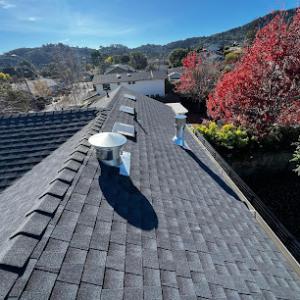
California Premier Roofing
(707) 209-9390 californiapremierroofing.com
Serving
5.0 from 18 reviews
Your roof is an integral part of your home or business that protects it from the elements, so don’t choose just anyone as your preferred Vallejo & Benicia roofing company. After all, a roof & gutter inspection, roof & gutter repair, roof & gutter installation is only as good as the company you hire. California Premier Roofing is one of California's most respected roofing repair and installation companies. In our 25 years of service we’ve earned our reputation through hard work, quality customer service, and unbeatable savings! From small single-family homes to large restaurants and offices, no job is too complex or large for us. So if you’re ready to hire the best roofers in the business, contact California Premier Roofing today.
Napa Roofing Replacement & Repair
Serving
5.0 from 11 reviews
Keep your home safe and warm with Pros Napa Chimney Sweep, your trusted local experts in chimney care. Located at 22 Monez Blvd in Napa, we provide comprehensive chimney sweeping services to ensure your fireplace is clean and operating efficiently. Our experienced team is dedicated to helping you prevent fire hazards and maintain a healthy home environment. We use top-of-the-line equipment and techniques to deliver exceptional results every time. Trust us to handle all your chimney maintenance needs.

Spartan Home Services - Roofing & Solar
Serving
5.0 from 27 reviews
At Spartan Home Services we specialize in premium roof and solar systems. Whether you're in need of roof repair or considering a roof replacement, our team is here to provide comprehensive solutions tailored to your needs. Extending beyond quality, we have a passion for creating lasting relationships with our neighbors, to listen, to hear, and to help. Trust Spartan Home Services for quality work that stands the test of time from a team that will nurture you through your whole project.
Padilla's Roofing
(707) 265-6304 padillasroofing.com
Serving
5.0 from 11 reviews
Osbaldo has over 20 years of experience. He lives in Napa and so he enjoys helping out local citizens. Napa is all about community and small and locally owned businesses like Padilla's Roofing, it's what makes a place like this feel like home. We dedicate our time to our clients making sure that they are always satisfied. A family-owned business helping other families stay safe under their roofs.
Roofmasters
(707) 447-7663 www.roofmasters.org
Serving
4.7 from 42 reviews
Since 1993, Roofmasters, a family-run business for four generations, has been providing exceptional roofing services in the counties of Solano, Napa, Yolo, Contra Costa, and Sacramento. They specialize in all aspects of roofing, from tile to sunrooms, and even offer insulation, solar energy systems, and commercial real estate inspections. With a dedication to high-quality work, Roofmasters guarantees customer satisfaction and is proud to be a trusted community partner.
CSA Roofing, Painting, General Contracting
(707) 253-8199 www.csanapa.com
Serving
4.8 from 6 reviews
CSA Roofing, Painting, General Contracting, and Heating & Air provides just that. High quality work with materials sourced from top notch vendors.
Bay Area Affordable Roofers
(707) 506-0312 bayareaaffordableroofers.com
Serving
5.0 from 22 reviews
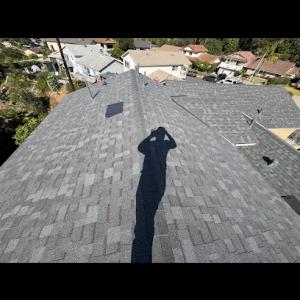
Bay Area Affordable Roofers is a roofing company serving Fairfield, CA, providing roof repair, roof replacement, roof installation, roof inspections, emergency roof repair, metal roof repair, and shingle installation and repair. Since 2002, Bay Area Affordable Roofers has worked with homeowners across Fairfield, CA and nearby communities to support long-lasting and reliable roofing solutions. Our team understands the roofing needs of homes in the Bay Area and applies experience with local materials and weather conditions to deliver steady, dependable service for a wide range of roofing projects.
A full re-roof on a residential property in this part of Napa County typically requires permitting through the local Building Department. The permit ensures that the new roofing system meets local code requirements for fire resistance, wind uplift, and energy performance, and it provides a formal record for insurance and future resale. Because the area experiences Bay-influenced winds and wet-winter timing, the permit process is structured to verify installation methods that withstand both high wind events and seasonal moisture. When a project starts, the permit must be pulled by the contractor or homeowner, and the approved plan set should reflect the chosen roofing material and underlayment, along with any ventilation or flashing details that are specific to your roof's geometry.
The City of American Canyon Building Department reviews roofing permits and requires inspections at rough-in and final. Submittals typically include product specifications, roof framing details, underlayment type, fastener schedule, and any necessary drip edge or attic ventilation information. It is common for the reviewer to check that the roof geometry, valley protection, and chimney flashing are consistent with current code amendments and local amendments. Expect a brief plan check period where questions or clarifications may be requested. Having complete, legible, and site-specific details helps keep the review on track and reduces the chance of rework during inspections.
Homeowners and contractors need to post the permit and schedule inspections as part of the local process. The posted permit should be clearly visible at the job site, along with the contractor's license number and contact information. Inspections are typically coordinated through the Building Department's inspection line or portal, and scheduling should align with key milestones: rough-in framing and underlayment installation, followed by final roof completion and flashing checks. In a climate with wet winters and fall wildfire-wind concerns, it's wise to plan inspections to avoid heavy rain days or peak fire season when access and scheduling can be tighter.
Rough-in inspection focuses on structural and underlayment integrity, ensuring the roof deck is sound and the underlayment installation conforms to code and the permit details. The final inspection confirms the completed roof system-shingle, tile, or metal-meets all requirements for attachment, flashings, venting, and clearance. Be prepared to address any corrective work noted by the inspector, which may involve resealing flashing or adjusting fasteners. In this market, timely communication with the inspector and keeping access clear for the inspector's safety gear is essential to avoid delays.
After the final inspection passes, ensure that the approved plans are retained with the property records and that any warranty or insurance documentation reflects the completed work. Maintaining a tidy, up-to-date permit file assists with future property transactions and aligns with local expectations for responsible re-roof projects in this city.
Roof age and material documentation can influence underwriting and renewals in the local wildfire-influenced insurance landscape. Insurers may scrutinize not just a current condition, but the history of repairs, material type, and resistance features that affect overall risk. This environment means a well-documented roof can ease renewals, while gaps in documentation can trigger closer review or coverage adjustments that ripple beyond a single claim.
Expect insurers to request detailed proof of roof condition, including age, last storm performance, and the exact materials installed. Sharp notes on fire-resistant features, attic ventilation, and roof deck integrity are increasingly common. Updates that show recent maintenance or retrofits to improve resistance can shape coverage language and renewal terms. In regions faced with wildfire risk, the emphasis shifts from visible damage alone to the broader risk profile of the roof system.
Claims and renewals can involve closer adjuster review and pricing changes tied to regional wildfire risk rather than only to visible roof damage. A seasoned adjuster may compare your roof's actual performance history, maintenance cadence, and material adequacy against regional risk benchmarks. This means proactive documentation-before the claim or renewal cycle-often reduces friction when a file moves through the process.
Keep a centralized roof file with receipts, warranties, and any inspection notes. Photograph the roof and attic components periodically, especially after storms or high-wind events. If you've upgraded to fire-resistance features or a different material, save installation records and product specs. When you approach renewal season, have ready a concise summary of roof age, type, and recent preventive measures so adjusters can assess risk more efficiently. Regular maintenance-clean gutters, inspect vents, and replace damaged shingles-supports a resilient roof and a smoother insurance review.
Connect with contractors who help homeowners navigate the claims process from damage assessment to final approval.

CSA Roofing, Painting, General Contracting
(707) 253-8199 www.csanapa.com
Serving
4.8 from 6 reviews
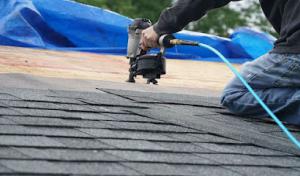
In this market, leak response is a meaningful part of the local landscape. Winter rain turns minor roof defects into interior damage concerns in a hurry, and delays can doubling the scope of a repair. If water shows at a seam, penetration, or around a vent stack, treat it as an emergency and act fast. Quick tarping, temporary flashing adjustments, and securing loose shingles or tiles can prevent active leaks from cascading into ceilings and insulation. Every hour counts when rain is forecast, especially for homes with older underlayment or compromised decking.
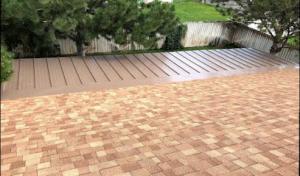
American Canyon hosts a diverse mix of shingle, tile, and metal roofs, so repair methods vary by material, particularly around penetrations and transitions. For asphalt or synthetic shingles, focus on sealing around vents, chimneys, and valley intersections; look for lifted edges and missing granules that invite water intrusion. Tile roofs require careful re-seating of displaced tiles and re-mortaring penetrations without cracking surrounding pieces. Metal roofs benefit from inspecting fasteners for looseness and corrosion and ensuring flashing around skylights and connectors remains watertight. In all cases, extend the repair a bit beyond the obvious leak path to address potential adjacent entry points because wind-driven rain and seasonal shifts often exploit small gaps you might not notice at first glance.
Gusty fall conditions and wet-season exposure make temporary protection and fast scheduling especially important for active leaks. If a leak is confirmed, deploy a sturdy tarp or temporary roof patch to limit further water intrusion while you line up a proper repair window. Plan repairs to avoid the peak of winter storms and the hottest days of late summer, when accessibility and material handling become challenging. For ongoing leaks, prioritize a prompt assessment by a trusted local roofer who understands how American Canyon's wind patterns stress transitions and penetrations.
When you can't wait, these contractors offer fast response times to stop leaks and prevent further damage.
Although pitched residential re-roofing dominates, there is still an active local market for flat or low-slope roof work. In neighborhoods with utility shops, additions, or flat-roofed porte-cocheres, you'll see a steady flow of requests for restoration rather than full replacement. Coatings and small low-slope repairs often fit these projects, especially on older homes where the core structure remains sound but the surface is aging.
Roof coatings appear as a smaller but real specialty in this market, suggesting some owners are evaluating restoration on qualifying low-slope sections instead of full replacement. If the low-slope area is isolated and the underlying deck shows no major delamination, a coating can restore water resistance and reflectivity with less disruption than a tear-off. Focus on single-ply or built-up configurations that tolerate ongoing movement and wind exposure. Coatings should be paired with a thorough inspection of flashings, parapets, and edge details to prevent failure at seams.
Wet-winter performance is the key local screening issue for any coating or low-slope system considered in this area. Plan work for periods with extended dry spells and low rain probability to ensure proper cure and adhesion. If rain is forecast, delay surface preparation and application until surfaces are dry and clean. After a cold or windy spell, verify substrate temperature and moisture levels before applying coatings, because wetness or dew can compromise adhesion and lifespan. Inspect for ponding, cracks, and irregularities that could trap moisture, and address drainage paths prior to coating. For multi-year protection, consider a maintenance plan that includes periodic cleaning, reapplication intervals, and a follow-up inspection after the first significant winter season to catch early signs of wear.
Find specialists in TPO, EPDM, and built-up flat roofing systems for residential and commercial properties.
Solar-integrated roofing exists in the local contractor scene, but it isn't universal. On a re-roof, a practical approach is to plan for solar work to align with the roof replacement so you're not paying for duplicate labor or extra penetrations. This means confirming early with the roofing team which components can be staged together and which can be added later without compromising weatherproofing.
The area's wet winters, hot summers, and fall wind and wildfire risk drive a sensible sequence. If a roof needs replacement, scheduling the solar attachment work to follow the roof install minimizes backtracking and flashing repairs. For projects starting in late summer, ensure the roof is weather-tight before autumn wind events, then bring in the solar installer while the roof is still accessible and warm enough to work with sealants and flashing components.
Choose roofing materials with future solar accessibility in mind. Favor layouts and flashing details that allow clean serviceable seams if panels or racking require maintenance down the line. In this market, many roofs are multi-layered or have older flashing concepts; selecting products and details that ease PV attachment and future inverter or conduit routing reduces long-term disruption. Discuss with the contractor whether any recent flashing upgrades or drip edge improvements would help prevent leaks around penetrations once solar hardware is installed.
Start with a clear plan: confirm which trades will install the roof and the solar hardware, and establish a shared timeline with concrete milestones. Request a single, coordinated roof layout that anticipates racking placement, conduit runs, and access points for future maintenance. Finally, verify that the chosen roofing cycle and solar attachment method maintain consistent weatherproofing across penetrations, joints, and transitions, so the system remains robust through Napa County's seasonal changes.
Find contractors who integrate solar panels or solar shingles into your roof for long-term energy savings.