Last updated: Apr 19, 2026
The hot, dry summers bring sustained UV exposure that ages asphalt shingles and exposed roofing membranes at an accelerated pace. In this climate, shingles can chalk, curl, or lose protective granules faster than in milder areas. If a roof is already showing surface wear, expect that heat-driven aging to speed up fatigue in the next few seasons. For tile roofs, sun exposure can fade color and may stress underlayment seams beneath the tiles, especially on southern and western exposures. In practice, this means proactive monitoring after mid-summer heat waves and planning any major repairs or replacements while the roof is still structurally sound enough to support a safe tear-off.
Fall Santa Ana wind events push often dry, fast-moving air through the area and can create significant uplift risks on aging shingles, ridge components, and poorly secured tile edges. Homes with older or previously loosened components are more susceptible to wind-driven damage during these events. If you have noticed loose ridge caps, cracked or bare shingle tabs, or tiles that move with strong gusts, expect a higher likelihood that a wind storm will reveal the need for secure re-fastening or temporary stabilization before a full replacement. The timing of any repairs should consider the probability of a windy spell, aiming to complete critical securement ahead of peak Santa Ana conditions.
Winter storms and heavier rainfall from November through February commonly disrupt tear-off and dry-in scheduling for full roof replacements in this area. The approach of the season brings unpredictable weather slots, which can stall work and shrink the number of window days for dry-in, especially when dealing with roof decks that need thorough moisture management. In practice, this means planning a replacement window with a buffer for possible rain delays, and ensuring the new roof system is designed to tolerate shorter dry periods if a late dry-out becomes necessary. Early communication with the crew about potential weather holds helps prevent a rushed or compromised installation when the rain finally subsides.
For homes facing hot summers and wind-prone falls, align major roof work with mid-to-late spring when temperatures are still warm but not extreme, and prior to the heavy Santa Ana season. If a fall replacement is unavoidable, prepare for a wind-risk window by reinforcing or resealing critical seam and edge components beforehand and scheduling the tear-off to occur during a stretch forecast with minimal high-wind days. When winter rain is a factor, aim for a dry-in completion by late winter or early spring, leveraging extended daylight and milder temps to finish the installation and ensure a solid dry-in before any potential late-season storms.
Track sun exposure on the roof through the year, noting which elevations endure the most heat, and inspect for accelerated aging signs such as granule loss, curling, or membrane blistering. After heavy Santa Ana events, inspect ridge lines, edge tiles, and tape seams, looking for signs of uplift or movement. Before any planned replacement, have a clear plan for securing debris containment and minimizing exposure to moisture during tear-off. Maintain a ready-to-go communication line with the crew so weather holds don't derail the schedule, and confirm the anticipated dry-in period aligns with the local climate windows to maximize long-term roof performance.
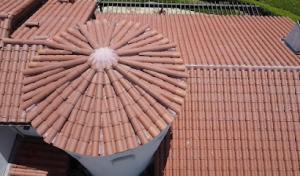
In this neighborhood, asphalt shingles, clay tile, concrete tile, metal roofing, wood shingles or shakes, and slate cover most homes. Tile remains especially relevant because Mediterranean and Spanish-influenced rooflines pair naturally with clay and concrete profiles, delivering a cohesive street appeal while aligning with local expectations for durability under strong sun. The mix of textured shingle patterns and smooth tile profiles creates a practical balance between curb appeal and long-term performance, especially when matched with underlayment choices that resist heat and seasonal swings. For homes aiming to preserve a traditional look without compromising modern reliability, clay and concrete tile offer both aesthetic harmony and proven resilience.
Pico Rivera experiences intense sun for a large portion of the year, and heat tolerance matters as much as color fade resistance. Underlayment quality becomes a more critical factor than in cooler coastal zones, because high daytime temperatures can accelerate wear on the roofing system. Clay and concrete tiles handle heat well but require careful installation to prevent crack propagation in heat cycles; metal roofing can offer excellent reflectivity and wind resistance, yet some profiles may require thoughtful detailing to avoid heat-induced expansion. Asphalt shingles can perform reliably with a cool, reflective granule overlay, but lighter shades tend to fade faster under Southern California sun. In any option, selecting a high-quality synthetic or appropriate mineral underlayment improves long-term performance in this sun-drenched climate.
Santa Ana winds shape a significant portion of the roof's stress in this area. Roofing systems should emphasize secure fasteners, wind-rated edge details, and proper sealant choices around penetrations to reduce lift risk. Tile roofs have a long track record in exposure zones, but their installation must ensure the battens, flashing, and hips are meticulously tied down. Metal roofs, when installed with corrosion-resistant fasteners and a properly sealed ridge, can excel in windy conditions, yet the choice of seam type and panel overlap matters for integrity during Santa Ana gusts. Asphalt shingles, while common, benefit from reinforced wind warranties and edge drip details to minimize blow-off during the windiest months.
Winter rain timing in this area tests roofing systems differently than in milder climates. Concrete tiles and clay tiles shed water well when properly pitched and . However, the weight and brittleness of clay undersecutive cold snaps require attention to valley treatments and hip installations to prevent water infiltration at joints. Concrete tiles generally resist moisture well but can be heavier, demanding solid structural support and careful anchoring at eaves. Metal roofs shed water quickly and with lower risk of ice damming, but flashing around chimneys, vents, and skylights must be continuous and corrosion-resistant. Asphalt shingles can excel with a robust drip edge and good attic ventilation to manage condensation and potential winter freeze-thaw cycles.
When choosing a roof type, consider the long-term look you want and how it complements the home's exterior lines. For Mediterranean- and Spanish-influenced houses, clay or concrete tile often delivers the best visual harmony and a durable profile for sun exposure. If the aim is a lighter color that helps reflect heat, select tile shapes that maximize reflectivity without compromising calcium-based glaze or pigment stability. For modern or accent-roofed homes, metal can provide clean lines and strong performance in wind, but ensure proper panel seams and flashing meet the local wind exposure realities. In any case, a well-sealed roof deck, a heat-tolerant underlayment, and deliberate ventilation remain essential to optimize comfort, energy efficiency, and roof life in this climate.
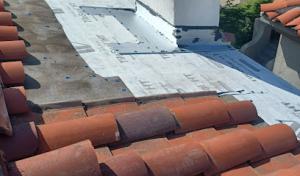
In this climate, many tile roofs reveal their age not where the tiles crack, but in the layer beneath. After years of heat cycling from sun-soaked days to cooler nights, the underlayment and waterproofing materials underneath the visible field tiles begin to lose their grip and integrity. What looks solid from the curb can hide a compromised barrier that allows slow seepage or micro-movements to develop. You may notice small damp spots, uneven attic insulation, or a muggy smell inside the attic before you see broken tiles on the roof surface. This pattern is common enough that a thorough underlayment check should be on every maintenance or replacement plan, not just a tile inspection.
Concrete and clay tile systems can still look serviceable from the street while the real wear has quietly aged out of sight. Fasteners, flashings, and waterproofing details underneath the tiles are the first lines of defense against water intrusion. Over time, heat, expansion, and contraction loosen or corrode those components, even if the tiles themselves remain intact. Edge tiles may appear tight, but the underlayment might be torn or detached where tiles meet hips and ridges. That hidden wear can catch a homeowner by surprise during a heavy rain, making a later, more invasive repair more extensive and disruptive than anticipated.
Santa Ana wind periods don't just rattle tiles; they can shift edge and ridge components on older tile roofs. When winds gust strongly, fasteners can back out slightly, sealant joints can flex, and flashing laps can open up microleaks. After a windy stretch, post-wind inspection becomes crucial. Look for lifted edges, visible fastener heads along hips and ridges, and any dark staining that suggests water infiltration near the roof line. In Pico Rivera, those wind-driven distortions often precede obvious tile damage, so focusing inspections on the upper perimeter and transition zones can save you from bigger problems later.
Schedule a targeted inspection that goes beyond tiles to the underlayment deck, fasteners, and flashings, especially around roof penetrations and along ridges. When hiring a contractor, ask specifically about the age and condition of the underlayment and waterproofing details rather than only the tile condition. After high-wind periods, request a careful edge and ridge check, since those areas tend to bear the brunt of shifting components. If any soft spots, curling underlayment, or unusual moisture cues appear in the attic after rain, treat them as urgent signals-address these before minor issues evolve into substantial leaks or structural concerns.
Find contractors who specialize in clay and concrete tile roofs, known for their durability and curb appeal.
Primetime Roofing
(562) 837-0262 picoriveraroofingcontractor.com
8982 Washington Blvd #27, Pico Rivera, California
5.0 from 12 reviews
Welcome to Primetime Roofing, where we elevate your property to new heights! Our expert roofing contractors specialize in seamless Roof Installation, ensuring precision and durability that withstands the test of time. Upgrade your home with our top-notch Roof Replacement services, transforming your space with style and reliability. Experience peace of mind with our swift and efficient Roof Repair solutions, tailored to protect your investment. Explore the modern touch of Metal Roofing or the classic appeal of Asphalt Shingle Roofing, customized to match your aesthetic preferences. For commercial spaces, our Commercial TPO Roofing guarantees unmatched durability. Trust us for New Construction Roofing, and crafting roofs for tomorrow.
Baja Roofing
(562) 699-5598 www.bajaroofing.com
Serving
4.8 from 60 reviews
Baja Roofing & Coatings has over 35 years of experience in the roofing industry. We’re fully accredited and offer services to both residential and commercial clients. We provide FARR (fluid applied reinforced restoration) and silicon commercial roof installation, commercial single-ply membrane installation, residential shingle roof replacement, tile roof installation, torch down or roll roofing installation, and more. Call us today at (800) 276-6348!
Quality First Roofing Solutions
Serving
5.0 from 11 reviews
Quality First Roofing Solutions stands as a premier roofing supply store in Santa Fe Springs, CA. Located at 12140 Altamar Pl, we are dedicated to providing contractors and DIY enthusiasts alike with an extensive selection of top-tier roofing materials. Discover everything you need for durable, long-lasting roofs, all backed by our commitment to excellence and reliability.
Royal Roofing Company
(562) 928-1200 royalroofing.com
Serving
4.7 from 103 reviews
Royal Roofing (.com) services most of Los Angeles and Orange County’s as a 42yr. year “Same Licenses” Roofing Professional. We’re a GAF “Master Commercial & Master Elite” Certified Roof installer (TOP 2%). We eat, drink and sleep roof Roof leak(s), Roof Maintenance, Strip & Re-Roofing, Commercial Roofing, Residential Roofing, Industrial Roofing, Apartment Roofing, Roof Restoration, Roof Installation, and more. Whether you're experiencing an emergency roof leak or need a couple pips or vent re-sealed, our team is here for you! Our professional roofing contractors take pride in their Workmanship and 5-star reputation. If you're having trouble with your roof or just want to get an evaluation for future work, call us today!
Selah Roofing
(323) 870-7086 www.selahroofingcorp.com
Serving
4.7 from 61 reviews
We bring a passion for efficient results & honest communication to every new project. Put your worries to rest with a roof done right by our experts.
Paradise Roofing
(562) 568-8783 downeyroofingcontractor.com
Serving
4.9 from 39 reviews
Paradise Roofing is your trusted roofing contractor proudly serving Downey, CA, and surrounding areas. Specializing in a wide range of roofing solutions, we deliver exceptional craftsmanship and reliable service for all your roofing needs. Whether you require roof installation, roof replacement, or roof repair, our skilled team has you covered. We work with high-quality materials, offering expertise in metal roofing, asphalt shingle roofing, and durable flat roofing systems. For businesses, our commercial TPO roofing services provide energy-efficient, long-lasting solutions. Building a new home? Count on our new construction roofing expertise to protect your investment. At Paradise Roofing, customer satisfaction is our top priority.
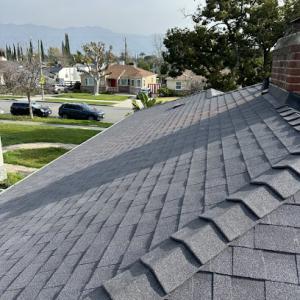
Thompson Roofing
(562) 669-3163 www.thompsonroofingca.com
Serving
5.0 from 28 reviews
Thompson Roofing is a reliable roofing contractor providing expert service to homeowners and businesses who want lasting protection and peace of mind. We specialize in roof repairs, full roof replacements, new installations, leak detection, and emergency roofing services, using only top-quality materials designed to withstand tough weather conditions. Our skilled team works with all roof types, including asphalt shingles, tile, flat roofing, and energy-efficient systems, ensuring every project is completed with precision and care. At Thompson Roofing, we pride ourselves on honest pricing, dependable service, and workmanship that adds both safety and value to your property—making us a trusted choice for roofing solutions in the community.

Cassady Roofing
(562) 944-5817 www.cassadyroofing.com
Serving
4.7 from 30 reviews
Cassady Roofing is a family owned and operated business since 1961. RESIDENTIAL, COMMERCIAL, INDUSTRIAL: New - Repairs - Recover. We do ALL TYPES of Roofing, such as Tile, Shingles, Comp, Hot Mop & Rock Specialists. Certified Cool Roof Appli
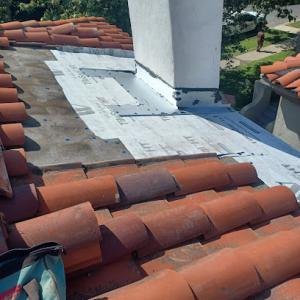
Roof Pros
(323) 253-2120 roofpros4socal.com
Serving
4.8 from 22 reviews
Roof Pros is based in Whittier, California. We deliver top-quality results to home and business owners all over Southern California. With nearly 40 years in the roofing industry, we're well-versed in materials of all types: asphalt shingles, metal roofing, clay tiles, concrete tiles, slate roofing, wood shingles, wood shakes, synthetic roofing, green roofs, solar tiles, built-up roofing, modified bitumen, EPDM, TPO, PVC roofing, standing seam metal, corrugated metal, stone-coated steel, flat roof membranes, and cool roofing. Every project receives a warranty: whether it be a new full roof, roof restoration, a tile reset, or a shingle roof repair, we guarantee results that last. Give us a call today—we’re here to help!
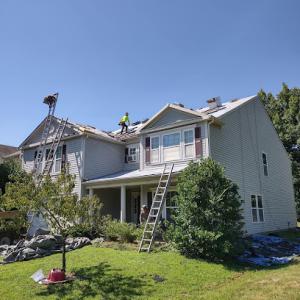
Western Roofing
(213) 474-7358 montebelloroofingcontractor.com
Serving
5.0 from 12 reviews
Welcome to Western Roofing, where sky-high quality meets unbeatable service! Elevate your home with our premier Roof Installation, blending expert craftsmanship and top-notch materials. Discover a new horizon of durability with our Roof Replacement service, tailored to exceed your expectations. Our skilled team ensures a seamless Roof Repair experience, restoring your peace of mind. Unleash the power of modern design with our Metal Roofing options or embrace classic charm with Asphalt Shingle Roofing. For commercial spaces, our expertise extends to cutting-edge Commercial TPO Roofing. From New Construction Roofing to the sleek appeal of Flat Roofing, Western Roofing is your trusted partner in reaching new heights of style and protection!
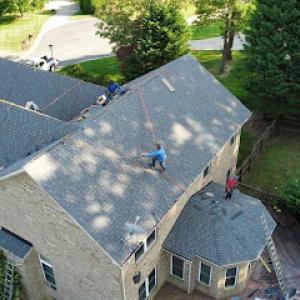
Allied Roofing
(562) 525-5839 norwalkroofingcontractor.com
Serving
4.9 from 23 reviews
Welcome to Allied Roofing, your trusted partner in elevating rooftops to new heights! Experience excellence in every layer with our expert Roof Installation – a seamless blend of precision and aesthetics. Transform your property with confidence through our dedicated Roof Replacement service, ensuring durability and curb appeal. Count on us for meticulous Roof Repair, restoring your peace of mind. Embrace innovation with our cutting-edge Metal Roofing solutions or the timeless charm of Asphalt Shingle Roofing. For commercial spaces, choose the reliability of Commercial TPO Roofing. From New Construction Roofing to the sleek lines of Flat Roofing, Allied Roofing delivers quality, durability, and a new zenith for your property.
Average material pricing in Pico Rivera runs about $350 to $700 per square for asphalt shingles, $700 to $1100 for metal, $900 to $1600 for clay tile, $800 to $1200 for concrete tile, $700 to $1300 for wood shingles or shakes, and $1200 to $2400 for slate. Those ranges reflect typical hands-on experience with local homes that have a mix of old tar roofs, clay tile, and newer asphalt overlays. When you're evaluating bids, confirm whether the quote is for a complete tear-off or a simple overlay, as the latter can look cheaper but often pushes you into additional costs later if the roof fails to meet Santa Ana-wind or winter-rain demands.
Costs in Pico Rivera often rise when older roofs require full tear-off, deck repairs, or upgraded weatherproofing details to satisfy city permit review and inspection expectations. A tear-off exposes underlying framing, which may need replacement or reinforcement after decades of sun exposure. Deck repairs can include replacing rotted sheathing, fixing ridge boards, and addressing vented soffits that have dried out. Weatherproofing upgrades-like improved underlayment, sealant bonds, and upgraded flashing around chimneys and utility penetrations-are common add-ons that can push a bid upward quickly. If a contractor recommends a tear-off, ask for a breakdown that separates materials, disposal, deck work, and underlayment so you can compare apples to apples.
Project pricing can also move upward during the winter rain season or after regional wind events when contractor demand spikes across southeast Los Angeles County. Santa Ana winds can accelerate shingle wear and loosening in exposed ridges, while winter rain tests seals and underlayment. In practice, this means bids in late fall or after a storm event may come with higher mobilization fees or expedited crew charges. If timing isn't urgent, shop across shoulder seasons to lock in more favorable terms and avoid last-minute rate hikes.
Begin with a realistic assessment of your roof's current condition: any visible granule loss, curling shingles, tile cracks, or exposed underlayment signals a higher likelihood of full tear-off and weatherproofing upgrades. Match material choices to long-term durability in sunny, windy conditions, balancing upfront cost with expected lifespan. For insurance dialogue and long-term resilience, keep notes of the specific material ranges above and how they map to your roof's color, weight, and venting needs.
Get a clear picture of your project costs upfront - no commitment required.
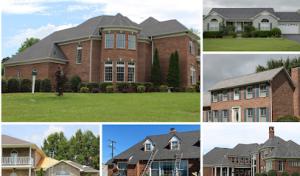
In Pico Rivera, getting a full roof replacement underway starts with the city's permit process. The Building Department requires a roofing permit for full re-roofs, and the typical expectation is that a licensed contractor pulls that permit. When applicable, the liability and compliance paperwork-such as material specifications, plan details, and proof of licensed status-are submitted as part of that permit package. This is not a step to skip or rush, especially given the local emphasis on weatherproofing against the Santa Ana wind events and seasonal rain.
A licensed contractor should handle the permit pull, but it pays to be familiar with what the city will want on file. Expect to provide or verify a material list, installation method, underlayment details, and any ventilation or flashing plans that affect long-term performance. If the project includes unusual or high-end materials-like tile or concrete tile-be prepared to submit manufacturer's installation standards and verify that the chosen underlayment and fasteners meet those specifications. Even with standard asphalt shingles, the city may request documentation that demonstrates compliance with local wind and seismic considerations. Timing can hinge on whether plans align with grading, access, and safe staging space for materials around the home.
Inspections are performed both during and after the installation, with a focus on material specifications and weatherproofing details before final approval. During the job, expect a rough inspection to verify that underlayment, flashing, venting, and roof deck conditions meet code expectations. Pressure tests or moisture checks are possible if the inspector deems them necessary for the project's scope. After installation, a final inspection confirms that the new roof meets the stated material specs, that fasteners and fastener patterns align with manufacturer and code requirements, and that all penetrations are properly sealed to resist the Santa Ana wind-driven rain and heat. If a retrofit touches eaves, soffits, or chimney details, these areas receive particular scrutiny to ensure a durable seal.
Communicate clearly with the contractor about the timing of permit submissions and inspection windows. In this climate, seamless coordination helps protect the roof from weather delays that can extend project timelines and complicate inspections. A consistent point of contact should be established with the contractor to address any amendments or plan clarifications requested by the Building Department. Having the permit reviewed and approved before materials arrive reduces surprises and keeps the project on track, especially in seasons with tighter inspection schedules.
The climate in this valley drives insurers to tighten terms, and Pico Rivera homeowners feel it firsthand as California's wildfire and severe weather risk factors push underwriting to be more selective-even when you're not in the mountains. In this market, a roof isn't just a shelter; it's part of the overall risk profile. Expect insurers to look for recent, concrete evidence of roof condition, age, and a clear rationale for any replacement on older roofs. Thinking ahead about documentation can help you avoid gaps that could delay claims or complicate coverage decisions.
Carriers increasingly want a straightforward, well-supported narrative about your roof. You'll want photos that show the present condition stage by stage, notes on any past repairs, and a simple explanation of why replacement is warranted rather than ongoing repairs. Keep a running file that traces the roof's history: age estimates from any prior assessments, maintenance steps you've taken, and a record of materials used. In markets like Pico Rivera, this kind of transparent history matters when a claim is reviewed, especially if the roof is nearing or beyond typical replacement ages.
Winter storms and Santa Ana wind events can leave displaced materials, interior leaks, and signs of accelerated wear. When these events occur, your documentation should capture the extent of damage, both exterior and interior. Take dated photos of broken shingles, flashing gaps, or signs of water intrusion, and note any temporary protections you implement-tarps, boards, or other measures to minimize further damage. This isn't just good practice; it can influence how a claim is evaluated, since reviewers in this market look for proactive protection and a clear chain of causation for the damage.
Create a simple, accessible folder you can share with your insurer or adjuster. Include a recent roof condition assessment, a dated set of photos, and a concise written summary of why a replacement is the most reasonable course of action given the roof's current state and exposure to Pico Rivera's unique weather patterns. Clear, organized evidence helps prevent delays and supports a smoother claims process when winters are harsh or winds pick up.
Connect with contractors who help homeowners navigate the claims process from damage assessment to final approval.
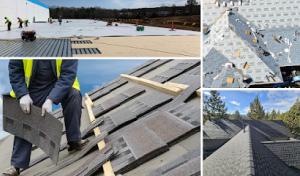
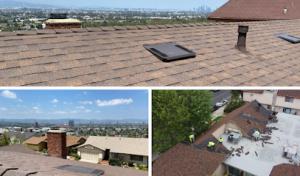
In Pico Rivera, flat and low-slope roofing is a meaningful part of the market, reflecting the mix of residential additions, patio transitions, and commercial buildings. The dry season invites reflective coatings to help cut cooling loads, but winter moisture means substrate dryness and prep quality are critical before application. This section walks through practical steps you can take to extend life and reduce leaks on flat or low-slope surfaces.
Start with a thorough inspection after the first meaningful winter rains. Look for pooled water, soft spots, and trail lines where water may be seeping into seams or fasteners. In inland LA County's climate, leaks often show up only after the first heavy rains, so don't rely on summer dryness to judge performance. Note any blisters, membrane tears, or creeping asphalt in roll roofs, and check edge details where wind uplift can expose gaps.
If you're considering a reflective coating, ensure the substrate is clean, dry, and sound. Remove loose gravel, dirt, and any old coatings that may peel or trap moisture. Dryness is paramount before application; the coating won't cure correctly if the surface holds moisture from winter dew or recent rains. Plan coating windows for a stretch of dry days, ideally with moderate temperatures and low wind to prevent rapid drying or uneven film formation.
Keep drainage paths clear and verify scuppers or gutters are unobstructed before heavy winter rainfall forecasts. Schedule semiannual inspections focused on flashings, parapets, and roof-to-wall transitions, where Santa Ana winds can lift flashing and widen gaps. Small issues caught early in spring will reduce the chance of water intrusion during the next winter cycle.
Find specialists in TPO, EPDM, and built-up flat roofing systems for residential and commercial properties.
Primetime Roofing
(562) 837-0262 picoriveraroofingcontractor.com
8982 Washington Blvd #27, Pico Rivera, California
5.0 from 12 reviews
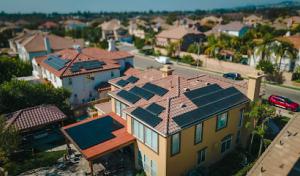
Pico Rivera's strong sun exposure makes solar-related roof work especially relevant when homeowners are deciding whether to re-roof before adding panels. A roof that's already nearing the end of its life will complicate future solar installation, since panels sit on top of penetrations that require a solid, weather-tight base. If the roof looks tired or has recurring minor leaks, consider addressing the roof first. A fresh, properly shingled or tiled surface provides a stable platform for mounting systems and helps maintain long-term performance of the solar array.
On tile and shingle roofs in Pico Rivera, penetrations for solar mounts, skylights, and vents need careful flashing because winter rain can expose installation shortcuts quickly. Use flashing that matches the roof type and extends under the surface layer to seal against water intrusion. For tile roofs, counter-flashing around mounts should be integrated with the existing tile pattern, and for shingles, ensure step flashing coordinates with shingles and sealant is compatible with prolonged exposure to Santa Ana winds. In both cases, verify that all penetrations are sealed with weather-appropriate sealant and tested for water resistance after installation.
Coordinating reroofing with solar work is particularly important because permit-driven full replacements are more disruptive once panels are already installed. If a full replacement is anticipated, plan the solar mountings to align with the new roof deck and underlayment, not as an afterthought. Discuss panel layout and penetrations with the roofer and the solar installer as a single plan to minimize unnecessary cuts and rework. In practice, scheduling the roof and panel work in a coordinated window helps maintain roof integrity during Santa Ana wind swings and the seasonal winter rain, reducing the chance of leaks and misalignment down the line.
Find contractors who integrate solar panels or solar shingles into your roof for long-term energy savings.