Last updated: Apr 19, 2026
South El Monte's roofing calendar is defined by dry, hot summers and wetter winter periods, making dry months the preferred window for full reroofing. When the sun is blistering and the Santa Ana winds are calm, the work goes smoothest, and lockers of materials stay in place without tarps flapping all afternoon. The goal is to plan reroofing for a stretch of consecutive dry days, with a built-in buffer for the occasional heat spike that can slow crew movement or require extra safety precautions. This means aligning the project to a stretch when roofs can be accessed safely, tarps can be secured, and underlayment can cure without premature exposure to moisture.
Winter rain in the San Gabriel Valley can delay tear-off, underlayment exposure, and inspection scheduling when roofs cannot be safely accessed. Even a modest shower can saturate exposed decking, and prolonged wet weather can push several days of work into the following week. In practice, this means you should target a window when the long-range forecast shows at least five to seven dry days in a row, preferably following a period of cool, non-windy days that stabilize the interior and exterior work zone. If a rain event rolls in mid-project, the crew may pause tear-off to prevent decking damage or moisture entrapment, then resume once the roof surface is dry and decontaminated. Those pauses can extend project timelines, but they protect the integrity of the roof system and reduce callbacks later on.
Santa Ana wind periods are a local planning issue because gusts can complicate staging, tear-off, and temporary dry-in on exposed roof sections. High winds increase the risk of loose materials, damaged underlayment, and worker exposure on pitched surfaces. When a Santa Ana pattern is forecast, several practical steps become essential: secure all loose items on the roof, schedule critical tear-off activities for the calmest part of the day, and consider a temporary dry-in strategy only if the wind forecast holds to modest levels. If gusts are forecast to exceed safe thresholds, it's prudent to pause nonessential elevated work and protect interior spaces with alternative temporary coverings. The aim is to prevent weather-driven delays from cascading into compromised roof coverage or rushed installations later.
Begin planning with a realistic two- to three-week window that avoids peak heat and peak wind days, while also steering clear of the wettest part of the winter. Have a standby plan for a short extension if a rain event short-circuits early work, and coordinate with the crew to align material deliveries with the anticipated dry period to minimize on-site clutter and staging time. Communicate a flexible start date that can shift a few days to capitalize on a solid stretch of dry weather rather than forcing work during marginal conditions. For the best overall outcome, schedule critical tear-off during dry, moderate-waning days and reserve the interior or non-exposed tasks for the remainder of the project when weather is uncertain.
Before work begins, conduct a quick weather check focusing on the next seven to ten days and mark any windows that show potential for rain or high winds. Ensure tarps and temporary coverings are ready to secure exposed sections, and verify that all fall-protection and edge-retention measures are in place for windy days. Keep crews hydrated and aware of heat-related safety, even during hotter stretches, since long days on a roof amplify risk factors. Finally, have a clear plan for rapid detour if a storm approaches, including securement of materials and temporary shutdown procedures to preserve the integrity of the new roof system.
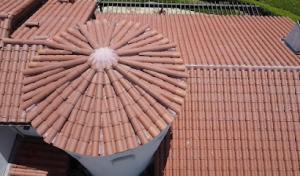
The dominant residential roof types in South El Monte include asphalt shingles, clay tile, concrete tile, metal roofing, wood shingles or shakes, and synthetic or composite shingles. In practical terms, this means you will encounter a wide range of installation challenges and maintenance needs, depending on the chosen system. Clay and concrete tile offer excellent durability and a distinct Southern California look, but their performance hinges on the age and condition of the underlayment and the way tiles sit over the roof deck. Asphalt, metal, wood, and composite options each respond differently to the Santa Ana wind cycles, summer heat, and winter rainfall. When you're planning reroofing, consider how the local climate swings-dry heat, brief but intense rain, and strong gusts-influence fastener choice, underlayment depth, and flashing details. Choosing a system that matches your home's exposure, insulation, and attic ventilation will pay off as seasons change.
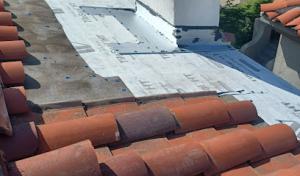
Tile roofing is especially relevant in this part of the region because clay and concrete tile are common on Southern California-style homes and require attention to underlayment aging even when the tiles themselves remain serviceable. If you own a tile roof, inspect the underlayment for wear, punctures, or aging whenever tiles are removed for replacement or repacing. The aesthetic of tile can mask underlying issues, so a proactive approach to moisture barriers, ridge vents, and flashing around chimneys and vents is essential. Concrete and clay tiles tolerate heat well, but weight considerations, substrate condition, and the spacing of fasteners matter more here than in lighter roofing systems. For metal or composite alternatives, watch for thermal movement and expansion gaps that can emerge during the hottest months, creating potential leaks if joints aren't properly accommodated.
Extreme summer heat in this area affects material handling and thermal movement, which matters differently for asphalt, metal, tile, wood, and composite systems. Plan reroofing with the winter rain window in mind so that the new roof has a dry-start period and the underlayment can dry out properly before heavy exposure to rain. If Santa Ana wind events are forecast, ensure fasteners and edge details are secured during installation and that sealants are compatible with the high-heat, dry conditions expected after the windy period. For tile roofs, schedule crews when mornings are cooler and avoid long, heat-soaked days that can stress newly installed underlayment and set the wrong bond with roof tiles. For asphalt or composite shingles, emphasize proper venting and attic insulation to manage heat transfer and prevent premature asphalt aging or warping.
Regardless of the top layer, the lifespan of the roof system in this climate is limited by underlayment aging and flashing integrity. With clay or concrete tile, the underlayment often wears out sooner than the tiles themselves, so plan for a robust, weather-appropriate underlayment and precise integration with tile clips and batten details. For metal, treat the underlayment as a critical first line of defense against condensation and heat-induced degradation. Wood shingles and shakes require careful selection of treated, high-dimension lumber and meticulous sealing to resist cracking in the heat. Synthetic or composite shingles can flex with temperature swings but still need proper sealing around hips, valleys, and penetrations to function reliably during winter rains. Regular inspections after the first windy season will help catch issues early before they spread.
Find contractors who specialize in clay and concrete tile roofs, known for their durability and curb appeal.

Cut Cost Roofing
(626) 772-6172 cutcostroofing.com
1940 Frank Stiles St, South El Monte, California
4.9 from 30 reviews
Cut Cost Roofing provides budget-friendly roofing services in South El Monte, CA with over 20 years of experience. We specialize in roof repair, roof installation, roof replacement, and roof inspections, working with shingle roofing, metal roofing, and flat roofing. Whether you need a small repair or a full roof replacement, we offer high-quality service at prices that won’t break your budget. Serving South El Monte, CA —contact Cut Cost Roofing today for a free estimate and ensure your home is protected!
Fair Price Roofing
(626) 784-6119 fairpriceroofingelmonteca.com
Serving
4.9 from 37 reviews
Fair Price Roofing is a trusted roofing contractor in El Monte, CA, with over 20 years of experience providing affordable and long-lasting roofing solutions for homes and businesses. We specialize in all aspects of roofing El Monte, CA and nearby including Roof Repair, Roof Replacement, Roof Installation, Roof Coating, Roof Inspection, and Roof Rejuvenation. Our experienced crew works with all major roof types, such as Shingle, Metal, Tile, Slate, Flat, TPO, Rubber, and Cedar, ensuring durability and performance tailored to local conditions. Whether you're dealing with storm damage, leaks, or planning a full roof upgrade, we deliver honest pricing and expert results. Contact Fair Price Roofing today to schedule your FREE estimate.
True Price Roofing
(626) 569-5581 truepriceroofing.com
Serving
5.0 from 36 reviews
Need trusted, affordable roofing contractor in El Monte, CA and nearby areas for your home or commercial property? At True Price Roofing, we’ve been delivering value-driven roofing solutions for over 20 years. We provide expert Roof Repairs, Replacements, Installations, Coatings, Roof Inspections, and Rejuvenation. From Shingle and Metal to Tile, Slate, Flat, TPO, Rubber, and Cedar Roofing. Contact us today for expert roofing in El Monte, CA and request your FREE estimate.
Value Wise Roofers
(626) 691-4958 valuewiseroofers.com
Serving
5.0 from 37 reviews
Looking for reliable and affordable roofing services in Bassett, CA? Value Wise Roofers offers over 20 years of experience providing top-quality roofing solutions. We specialize in roof repair, roof installation, roof replacement, and roof inspections. We also provide siding, gutter, skylight, roof waterproofing and window installation services to Basset homeowners. Whether you need shingle roofing, metal roofing, or flat roofing, our team delivers cost-effective solutions to keep your home secure and energy-efficient. Serving Bassett, CA, contact Value Wise Roofers for a free estimate today!
Classic Roofing
(626) 790-1884 elmonteroofingcontractor.com
Serving
5.0 from 13 reviews
Welcome to Classic Roofing, where craftsmanship meets excellence! Elevate your property with our top-notch roofing services. Our skilled team specializes in Roof Installation, ensuring precision and durability that withstands the test of time. Upgrade your home or business with Roof Replacement, a seamless process that guarantees both aesthetic appeal and structural integrity. Count on us for swift and effective Roof Repair, resolving issues promptly. Explore the modern allure of Metal Roofing or the timeless elegance of Asphalt Shingle Roofing, tailored to your preferences. For commercial needs, our expertise extends to Commercial TPO Roofing. Whether it's New Construction Roofing, Classic Roofing transforms visions into reality.
El Monte Roofing Contractors
(626) 323-8814 www.elmonteroofingcontractors.com
Serving
5.0 from 46 reviews
El Monte Roofing Contractors provides top-quality roof installation and replacement services for both residential and commercial properties in El Monte CA and the surrounding areas. Our experienced team is dedicated to delivering durable and reliable roofing solutions tailored to your needs. Whether you need a new roof for your home or a replacement for your business, we ensure excellent craftsmanship and customer satisfaction. Contact us today for a free estimate and let us handle all your roofing needs!
Hudson & Sons Roof Repair
(626) 790-2225 roofingbaldwinpark.com
Serving
4.7 from 71 reviews
Hudson & Sons Roof Repair is a trusted name when it comes to professional roof repair services. With our experienced team of professionals, we specialize in addressing a wide range of roofing issues promptly and effectively. Whether it's fixing leaks, replacing damaged shingles, or restoring the overall condition of your roof, we have the expertise and tools to get the job done right. At Hudson & Sons Roof Repair, we prioritize quality workmanship and customer satisfaction. Trust us to restore the integrity and functionality of your roof with precision and expertise.
Baldwin Park Roofers
(626) 542-1397 baldwinparkroofers.com
Serving
5.0 from 34 reviews
For reliable and affordable roofing in Baldwin Park, CA, trust Baldwin Park Roofers. With over 20 years of expertise, we provide professional roof repair, roof installation, roof replacement, and roof inspections. We specialize in shingle roofing, metal roofing, and flat roofing. Our focus is on delivering long-lasting roofing solutions that meet your needs and budget. Serving Baldwin Park, CA and nearby areas —contact Baldwin Park Roofers today for a free estimate!
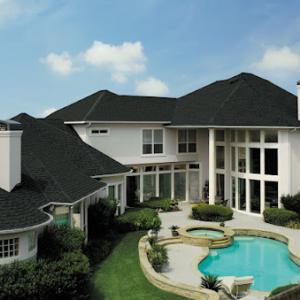
One Faith Roofing & Construction
(866) 733-2320 www.onefaithroofing.com
Serving
5.0 from 14 reviews
With more then 20 years of roofing and construction experience, we are your premier general contractor location serving much of the Los Angeles area of Southern California. Whether you are looking to build a new roof, repair your current roof or add on to your house. We can provide you with the services that you desire. We are general contractors, so we're not just limited to roofing. For a full explanation of what we can do for you fill out the contact form below, call or email us and we will be happy to answer what questions you may have. Thank you for visiting!
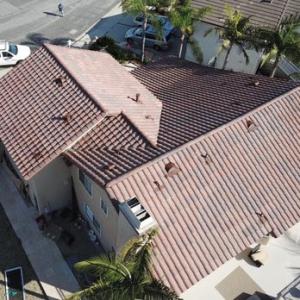
Always Reliable Roofing
(626) 723-9536 alwaysreliableroofing.org
Serving
4.6 from 15 reviews
Protect your home with Always Reliable Roofing, a family-owned and operated business serving the San Gabriel Valley since 2007. As a licensed and insured (C-39 Lic 903930) roofing contractor, we deliver top-quality roofing solutions tailored to your needs. From essential repairs to complete new installations and ongoing maintenance, experience the peace of mind that comes with reliable service and expert craftsmanship. Trust Always Reliable Roofing to keep your home safe and secure.
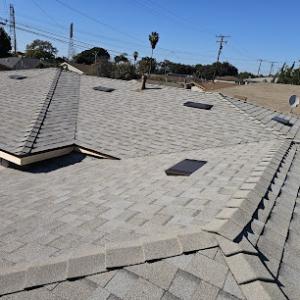
Tigers Roofing
(310) 879-3421 tigersroofing.com
Serving
5.0 from 20 reviews
🏠 Tigers Roofing Secure Your Shelter with Tigers Roofing – Exceptional Quality, Unmatched Experience! ✨ 🛡️ At Tigers Roofing, securing your shelter is our top-most priority. Operating with unrivaled expertise in Gardena, CA 📍, we set the gold standard in the roofing industry. Our unmatched experience, combined with our exceptional commitment to quality, ensures that we deliver solutions that not only meet but exceed your expectations 💪. 📞 Contact us today!!! 📧 tigersroofinginc@gmail.com
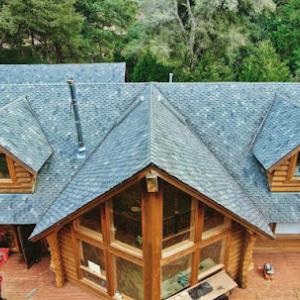
Baja Roofing
(562) 699-5598 www.bajaroofing.com
Serving
4.8 from 60 reviews
Baja Roofing & Coatings has over 35 years of experience in the roofing industry. We’re fully accredited and offer services to both residential and commercial clients. We provide FARR (fluid applied reinforced restoration) and silicon commercial roof installation, commercial single-ply membrane installation, residential shingle roof replacement, tile roof installation, torch down or roll roofing installation, and more. Call us today at (800) 276-6348!
In this climate, the most disruptive roof failures tend to show up during winter rain after long dry periods have aged vulnerable roof details. That dry stretch dries out sealants, fasteners, and flashing, making the first soaking storm a risk to open gaps and vulnerable edges. You'll notice small leaks turning into larger drips quickly if the roof isn't secure before the rain hits. The risk isnifies when the rain returns after a stretch without moisture, so inspect roofs and gutters diligently at the first forecast of storm activity.
Santa Ana wind events are a local concern for lifted shingles, displaced ridge components, and damage to exposed roof edges before the next rain arrives. These winds can peel back vulnerable roof sections, whip loose underlayment, and push debris under shingles or tiles. Shingle tabs may crack or lift, while ridge caps can loosen and expose valley lines. In the days after a windy spell, check for brittle edge damage, torn paper underlayment, and any creased or curled shingles. Don't wait for a leak to appear-wind damage often hides under a dry surface until a quick rainfall reactivates the problem.
If you notice lifted edges or loose components after a wind event, stabilize the area to prevent further damage. Gently re-secure any loose shingles with appropriate fasteners and temporary adhesive patches only if you know the correct method. Protect vulnerable valleys and edges with a tarp anchored away from the roof surface to avoid punctures, and keep gutters clear so water flows freely away from the fascia. If you're unsure about the integrity of flashing around chimneys or vent stacks, treat it as high risk and arrange professional stabilization rapidly. The goal is to keep water out while you plan a proper repair, not to chase a temporary fix that will fail with the next storm.
Emergency repair and storm-damage contractors are common in this market, reflecting the local reality that homeowners often need fast stabilization rather than waiting for a planned replacement. If you detect active leaks, pooling water on the ceiling, or exposed underlayment, prioritize rapid stabilization to limit interior damage. For roofs showing widespread shingle lift, multiple broken tiles, or displaced ridge components after a wind event, arrange a rapid assessment by a contractor who specializes in storm damage and emergency repairs. A timely response can prevent escalating damage and buy you time to finalize a proper reroof plan that holds up through the next winter cycle.
When you can't wait, these contractors offer fast response times to stop leaks and prevent further damage.
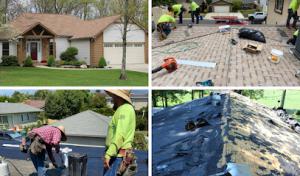
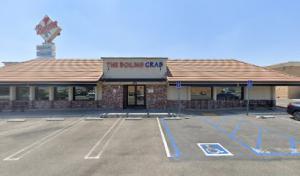
The mix of residential, commercial, and light industrial stock in this area makes flat- and low-slope roofs a common sight. In practice, you'll encounter built-up, modified bitumen, and a growing use of single-ply systems on garages, carports, and small commercial shells. When planning a re-roof or major repair, prioritize a system that handles both the dry Santa Ana winds and the wet season's rain without compromising drainage or glare from sun exposure.
Roof coatings are a practical specialty here because restoration and maintenance extend the life of aging low-slope roofs in a hot inland climate. A high-quality elastomeric or silicone coating can seal minor cracks, improve reflective performance, and buy time between full re-roofs. Local crews often tailor coating products to address heat soak, ponding tendencies, and solar conversion on flat profiles. If the roof has an older membrane, a coating-based approach can be a cost-effective interim solution while planning a more comprehensive upgrade.
Winter rains reveal weaknesses that dry-season inspection misses. In a flat roof, standing water after a storm isn't just an annoyance-it accelerates membrane wear and seam failures. Look for signs of ponding near drainage sumps, scuppers, and edge details. Plan inspections after the wettest storms and after a few heavy wind events, since wind-driven debris can clog drains. A proactive approach includes verifying slope, testing scuppers, and clearing debris that obstructs flow to downspouts.
When evaluating a flat roof, start with the membrane condition: patching this season's blisters or delamination isn't a long-term fix. If coatings are in play, ensure surface preparation is thorough-proper cleaning, flashing inspection, and UV-ready topcoats matter. For a full replacement, select a system compatible with the building's use and traffic load, and verify a robust edge detailing to resist wind uplift. In all cases, prioritize a trusted local contractor with dry-season scheduling experience and a clear plan for winter weather readiness.
Find specialists in TPO, EPDM, and built-up flat roofing systems for residential and commercial properties.
Cut Cost Roofing
(626) 772-6172 cutcostroofing.com
1940 Frank Stiles St, South El Monte, California
4.9 from 30 reviews
When planning a reroof, start with the neighborhood-proven ranges per square: asphalt shingles 420 to 760, metal 700 to 1100, clay tile 900 to 1600, concrete tile 700 to 1200, wood shingles or shakes 650 to 1300, and synthetic or composite shingles 750 to 1250. In this market, asphalt remains the budget-leaning option, while tile systems push the price up, especially when labor and staging for heavier roofs come into play. Use these figures to set expectations with the contractor and to compare apples-to-apples bids that reflect local challenges like wind and rain.
Weather disruptions can tilt costs a notch higher. Winter rain in this area slows work, and Santa Ana winds can trigger dry-in delays if crews need to pause for safety or for material protection. If a project is scheduled to hit those windows, expect added days of labor and possible labor-rate adjustments due to tighter scheduling. Plan a reroof to begin in a relatively dry spell when possible, and build buffers into the schedule to avoid weekend or after-hours surcharges caused by sudden weather shifts.
Tile-heavy reroofing tends to be more complex here, with added labor, staging, and potential lattice work to support weight during replacement. Concrete and clay tiles especially require careful removal, temporary rafter bracing, and meticulous reinstallation to preserve wind resistance. This staging difference can push per-square costs up compared with basic shingle work, even if material prices are similar. If your home has a predominantly tile roof, budget for longer project timelines and a higher labor component.
South El Monte's active re-roofing market fosters price competition on straightforward replacements, which can help on low- to mid-range projects. However, when weather or access constraints arise, a bid may reflect the added logistics rather than material cost alone. Get multiple bids that clearly separate material, labor, staging, and any required underlayment or ventilation work, so you can compare the full scope rather than just the bottom line.
Lock in a preferred start window that avoids the rain-heavy season whenever feasible, and confirm a weather contingency with the contractor. For tile projects, ask about scaffold setup, tile removal sequencing, and waste containment to minimize roof deck exposure time. Finally, align expectations on warranty coverage, especially for wind and freeze-thaw performance, which matter in this climate.
Get a clear picture of your project costs upfront - no commitment required.
Cut Cost Roofing
(626) 772-6172 cutcostroofing.com
1940 Frank Stiles St, South El Monte, California
4.9 from 30 reviews
A full roof replacement typically requires a building permit. Skipping this step can lead to delays, fines, or a stop-work order when inspectors notice the project later. Start with a clear scope: roof area, replacement materials, underlayment, ventilation, and any unique details like skylights or venting. In this climate, where heavy winter rain and Santa Ana wind seasons test systems, a permit helps ensure the plan meets local wind and fire safety requirements before your crew nails the first shingle.
Permits are generally issued through the City of South El Monte Building and Safety Department after submission of the roofing scope, work description, and material specifications. Submitting a complete package upfront reduces back-and-forth and minimizes weather-driven delays. Have your contractor provide site plans or roof diagrams if requested, along with product data for the chosen underlayment and a venting plan that aligns with California's current energy code expectations. Missing information often stalls approval and can push work into inconvenient weather windows.
Inspections occur as work progresses and conclude with a final inspection for completion and code compliance, while projects involving structural changes or certain fire-rated assemblies may trigger plan review. Prepare for multiple check-ins: framing, sheathings, underlayment, and final roof covering. If structural changes are involved-such as rafter or beam work-have plans ready for review, since that triggers a more thorough evaluation. During Santa Ana wind season, inspectors may pay particular attention to wind barriers, nailing patterns, and edge detailing to confirm the roof is ready to stand up to gusts. A small misstep in the permitting process can cascade into rework, moisture intrusion, or non-compliance findings that delay occupancy.
Homes here sit in a tight San Gabriel Valley corridor where hot inland summers meet winter rain and the Santa Ana wind season. That combination keeps insurers wary and picky, especially for roofs that have seen age or wear. California-wide insurer pullbacks in wildfire-prone areas echo into the smaller neighborhoods here, where aging shingles, tiles, or vented ridges can trigger scrutiny. The result is often closer evaluation of roof age, replacement history, and overall condition when a claim is filed. Understanding that context helps you anticipate questions before they arrive and reduces surprises when a contractor's note becomes part of the file.
Claims involving wind-related roof damage hinge on event documentation, photos, maintenance history, and how adjusters interpret timing and cause. A single gust can look different on a claim if there are preexisting leaks or if the roof has patchwork repairs from years past. In this climate, the rain season concentrates water exposure, while Santa Ana periods can drive rapid wear and shingle curling or tile displacement. Photographs taken immediately after a storm, dated weather reports, and a concise maintenance log all help establish a credible timeline. If a roof has undergone recent repairs, keep receipts and a brief description of what was done and with which materials.
Because insurers often ask for detailed records on roof age, materials, and prior claims, careful documentation from the first sign of trouble pays off. Maintain a simple file: purchase dates for replacement or major repairs, notes on material types, and any warranty information. When hiring a contractor, request written evaluations that clearly state age and condition, and keep those communications organized by date. If a claim seems likely, having ready photos, a short maintenance history, and a clear chronology helps insurers assess the cause and the timing of damage more consistently, reducing delays and second-guessing.
Connect with contractors who help homeowners navigate the claims process from damage assessment to final approval.
Cut Cost Roofing
(626) 772-6172 cutcostroofing.com
1940 Frank Stiles St, South El Monte, California
4.9 from 30 reviews

In this inland-summer climate, the combination of winter rain and Santa Ana winds places extra emphasis on planning reroofing so projects don't collide with weather windows or wind-driven debris. If a roof is nearing the end of its service life and solar panels are already in the plan, coordinating the reroof to occur before or during a panel installation can minimize tear-off or reset costs down the line. Practical scheduling often means targeting dry spell periods in late fall or early winter for material delivery and staged work, while keeping in mind that heavy rainfall can complicate insulation and underlayment work. A well-timed sequence helps maintain roof integrity as soon as panels go on, rather than forcing a second disruption after panels are mounted.
Solar-related roofing is an active but smaller specialty in this market, so homeowners frequently evaluate roofing work alongside energy upgrades rather than treating the roof as a standalone project. If you're contemplating panel additions or efficiency improvements, use the reroof window to align with the material you're most likely to choose-common local options like asphalt shingles and tile respond well to deliberate sequencing. When planning, consider how underlayment, attic ventilation, and insulation will interact with both the selected roofing material and the solar array mounting system. A coordinated approach can reduce long-term maintenance concerns and simplify future panel service if roof access is needed.
Consult a roofing contractor with experience in both reroofing and solar interface details, including attachment methods, flashing transitions, and potential shading issues. Create a phased plan that accounts for wind exposure during Santa Ana events and the moisture risk from winter rain, with contingency buffers for weather delays. If panels are already installed, verify that nearby penetrations and flashing are compatible with the new roof cover to prevent future leaks. If panels are pending, discuss an install-ready roof deck and seamless integration so the solar system doesn't impose an unnecessary tear-off later.
Find contractors who integrate solar panels or solar shingles into your roof for long-term energy savings.