Last updated: Apr 19, 2026
As the last of the winter storms push through, Downey homeowners often find that spring offers the clearest window for roof work. Scheduling tear-off and dry-in during this period minimizes the chances of rain interrupting critical phases. In practical terms, plan for concrete milestones: a dry-in inspection when underlayment is laid, and a weather window that allows a few consecutive dry days for shingles or tiles to settle before any residual moisture can threaten adhesion. The goal is to complete major exterior work before the heat of midsummer ramps up, so the roof is academically finished and sealed prior to the next hot stretch.
Santa Ana wind season can arrive with little warning, and high gusts have a way of lifting unsecured materials and scattering debris across exposed roof areas. From late spring into early summer, create a buffer by coordinating with the crew to stage materials securely and protect vulnerable edges. Consider using temporary wind screens or tarps where feasible, and confirm that all openings-vents, skylights, and chimney details-are properly shuttered or sealed during the critical tear-off and dry-in phases. This practice reduces the risk of wind-driven damage dictating rework and helps keep the project on track without weather-induced delays.
Downey's hot, dry summers can take a toll on asphalt shingles and underlayment, accelerating aging if a roof replacement drags into the late season. If a replacement is anticipated, aim to complete the bulk of tear-off and installation before peak heat settles in. Practical steps include scheduling the heaviest labor-intensive days for cooler mornings and evenings, protecting asphalt products with UV-blocking materials during staging, and ensuring proper ventilation to prevent heat buildup in the attic during the dry-in phase. A well-timed finish helps the new roof start life with maximum resistance to sun exposure and prolonged dryness, reducing the chance of early wear before winter rains return.
Autumn in Downey can bring a mix of changing weather patterns and the tail end of Santa Ana wind activity. Use this season to finalize details that reduce the chance of winter rain causing slowdowns. Confirm that flashing details around chimneys, vents, and skylights are fully integrated and inspected, and ensure there is a clear plan for weather-responsive rescheduling if a storm moves in. With a solid dry-in and a tight perimeter, the roof system can weather the first cold fronts more reliably, limiting the impact of late-season rainfall on interior spaces.
Throughout the year, maintain open communication with the contractor about forecasted weather and project milestones. If a winter storm or a sudden wind event looks likely, agree on a call-in plan to pause work safely and protect exposed areas. In Downey, the combination of favorable spring conditions, wind risk in late spring, and summer heat means timing is less about chasing a single window and more about building a flexible schedule that aligns with local weather rhythms. A well-planned sequence minimizes disruptions, reduces stress on the crew, and helps ensure a durable, long-lasting roof once winter rains return.
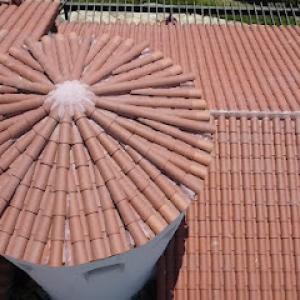
In this area, most homes feature asphalt shingles, clay tile, or concrete tile, with tile and asphalt re-roofing being common projects under the local permit review process. The decision landscape centers on these systems rather than cold-climate roofing assemblies. Asphalt shingles in this climate endure long days of sun, and both clay and concrete tiles define the architectural look and the re-roofing workflow. When choosing a path, homeowners weigh visual compatibility, long-term waterproofing strategy, and the specific underlayment needs that sit beneath the visible surface. The realities on the ground mean that the roof system you select should align with local weather patterns, long-term durability, and the practicalities of replacing underlayment and flashing without disrupting a tile or shingle layer.
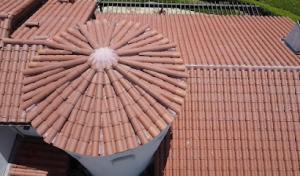
Tile surfaces in this region often outlast the waterproofing layer beneath them, which makes attention to underlayment life crucial. The visible tile canopy can keep rain from penetrating, but once the underlayment wears or deteriorates, water can breach the roof even while tiles still look intact. With clay and concrete tile roofs, the replacement sequence typically involves carefully removing tiles to access the underlayment and flashing, then reinstating a properly lapped, weather-rated membrane. This process benefits from planning around weather windows, because heavy winter rain or sudden wind-driven downpours can complicate staged tile removal and reinstallation. A practical approach is to schedule replacement during a defined dry period, allowing the underlayment replacement and flashing reseal to proceed without extended exposure of the roof deck. For tile homeowners, it's also worth verifying that the new underlayment and fasteners are compatible with the chosen tile profile to avoid future delamination or movement under Santa Ana wind events.
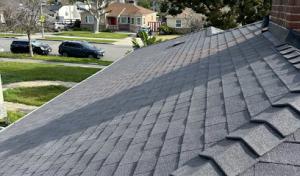
Asphalt shingles in this climate face prolonged UV and heat exposure, which accelerates aging compared with cooler coastal microclimates. The sun's intensity softens asphalt, speeds granule loss, and can lead to more rapid curling or cracking of shingles, especially on south- and west-facing slopes. Because the roof deck and underlayment play a critical role in keeping water out during Santa Ana gusts, it matters to assess the condition of attic ventilation and ridge vents as part of any replacement or major repair. When planning work, consider the sequence of removing damaged shingles, inspecting the roof deck for moisture intrusion, and refreshing the underlayment to maintain a reliable barrier against seasonal stressors. The goal is to restore a roof that withstands the high-heat days, while ensuring the ventilation and insulation around the attic contribute to longer-term performance.
Timing around Downey's winter rain and Santa Ana wind season is a practical factor for any roof project. A window that avoids heavy rains reduces the risk of water intrusion during replacement and allows for a cleaner, faster installation. Santa Ana winds add a layer of risk if fasteners or dry-in methods are attempted in exposed conditions; staging work during calm mornings or after a dry spell helps keep tiles or shingles secure. In tile installations, this translates to planning for tile removal and re-laying when outdoor humidity and winds are lower, coordinating with underlayment installation, and ensuring that flashing details-especially at hips, valleys, and roof-to-wall transitions-are fully integrated before re-covering with tile. For asphalt projects, the same principle applies to preventing wind-driven debris from compromising the new layer during curing and setting.
The choice between tile and shingle hinges on how each system interacts with underlayment, weather windows, and wind exposure. Tile mandates careful attention to the underlayment's remaining life and a methodical replacement sequence that respects the delicate balance between surface durability and waterproofing. Asphalt remains a workhorse choice, but its longevity hinges on UV resistance, ventilation, and timely maintenance to offset heat-related degradation. In all cases, plan around the local wet-season timing and Santa Ana winds to preserve roof integrity and minimize disruption to the home interior.
Find contractors who specialize in clay and concrete tile roofs, known for their durability and curb appeal.
NEMA Roofing
(866) 214-0006 nemaroofing.com
8211 Firestone Blvd, Downey, California
5.0 from 58 reviews
Thompson Roofing
(562) 669-3163 www.thompsonroofingca.com
8554 Firestone Blvd, Downey, California
5.0 from 28 reviews
NEMA Roofing
(866) 214-0006 nemaroofing.com
8211 Firestone Blvd, Downey, California
5.0 from 58 reviews
Roofing contractor
Thompson Roofing
(562) 669-3163 www.thompsonroofingca.com
8554 Firestone Blvd, Downey, California
5.0 from 28 reviews
Thompson Roofing is a reliable roofing contractor providing expert service to homeowners and businesses who want lasting protection and peace of mind. We specialize in roof repairs, full roof replacements, new installations, leak detection, and emergency roofing services, using only top-quality materials designed to withstand tough weather conditions. Our skilled team works with all roof types, including asphalt shingles, tile, flat roofing, and energy-efficient systems, ensuring every project is completed with precision and care. At Thompson Roofing, we pride ourselves on honest pricing, dependable service, and workmanship that adds both safety and value to your property—making us a trusted choice for roofing solutions in the community.
Paradise Roofing
(562) 568-8783 downeyroofingcontractor.com
10935 New St, Downey, California
4.9 from 39 reviews
Paradise Roofing is your trusted roofing contractor proudly serving Downey, CA, and surrounding areas. Specializing in a wide range of roofing solutions, we deliver exceptional craftsmanship and reliable service for all your roofing needs. Whether you require roof installation, roof replacement, or roof repair, our skilled team has you covered. We work with high-quality materials, offering expertise in metal roofing, asphalt shingle roofing, and durable flat roofing systems. For businesses, our commercial TPO roofing services provide energy-efficient, long-lasting solutions. Building a new home? Count on our new construction roofing expertise to protect your investment. At Paradise Roofing, customer satisfaction is our top priority.
Selah Roofing
(323) 870-7086 www.selahroofingcorp.com
Downey, California
4.7 from 61 reviews
We bring a passion for efficient results & honest communication to every new project. Put your worries to rest with a roof done right by our experts.
RC Roofing Company
(562) 923-1632 rcroofingcompany.com
12035, 1/2 Regentview Ave, Downey, CA
4.5 from 19 reviews
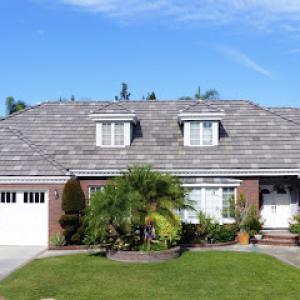
We have been serving Southern California for over 40 years. Our business has flourished for decades due to our high customer referral rate. RC Roofing contractors provide the whole package when it comes to your roof. The owner of RC Roofing will actually come to your home for the consultation and estimate. We have and will maintain Workman Compensation Insurance and Business Liability Insurance for your protection. We deal with cities and their Inspectors all the time, which will help us during your job. Our roofers are professionally trained, with many years of experience working for RC Roofing. We will supply you with a labor guarantee on the workmanship and a material warranty from the material manufacture.
Royal Roofing Company
(562) 928-1200 royalroofing.com
Serving
4.7 from 103 reviews
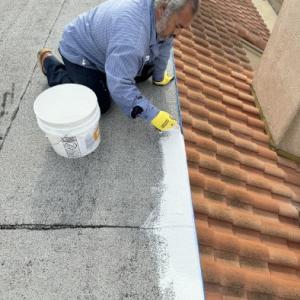
Royal Roofing (.com) services most of Los Angeles and Orange County’s as a 42yr. year “Same Licenses” Roofing Professional. We’re a GAF “Master Commercial & Master Elite” Certified Roof installer (TOP 2%). We eat, drink and sleep roof Roof leak(s), Roof Maintenance, Strip & Re-Roofing, Commercial Roofing, Residential Roofing, Industrial Roofing, Apartment Roofing, Roof Restoration, Roof Installation, and more. Whether you're experiencing an emergency roof leak or need a couple pips or vent re-sealed, our team is here for you! Our professional roofing contractors take pride in their Workmanship and 5-star reputation. If you're having trouble with your roof or just want to get an evaluation for future work, call us today!
GreenCal Construction
(714) 790-1750 greencalinc.com
Serving
4.5 from 76 reviews
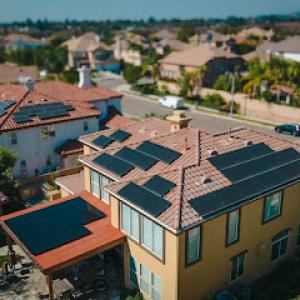
GreenCal Construction provides high-quality, energy-efficient home improvement solutions: residential and commercial roofing & solar, roof repair, windows, insulation, exterior paint, and patio covers. Focusing on sustainability and durability, their expert team enhances homes with innovative, eco-friendly upgrades. Whether you're looking to improve curb appeal, reduce energy costs, or create a low-maintenance outdoor space, GreenCal offers customized solutions tailored to your needs. Their services combine expert craftsmanship, top-notch customer service, premium materials, and long-lasting performance to ensure customer satisfaction. GreenCal Construction has you covered...and surrounded!
Elite Paramount Roofs
(562) 340-7666 roofingsolutions.site
Serving
4.8 from 80 reviews
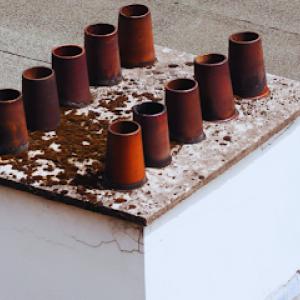
Elite Paramount Roofs is a reputable roofing company known for its dedication to excellence and customer satisfaction. With our experienced team of professionals, we specialize in delivering top-notch craftsmanship and exceptional results. Whether you need roof repairs, installations, or maintenance, our skilled technicians are equipped with the knowledge and resources to handle your project efficiently and effectively. We understand the importance of a well-maintained roof and prioritize using high-quality materials and proven techniques to ensure its longevity and functionality. Trust Elite Paramount Roofs for reliable roofing solutions that protect and enhance the value of your property.
Elevate Roofing
(562) 469-2089 elevateroofingservices.com
Serving
5.0 from 96 reviews
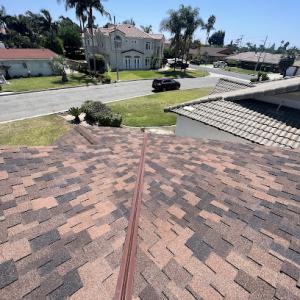
At Elevate Roofing, we're more than just a roofing company we're a close-knit, family-owned business with over 30 years of combined experience in the industry. Picture us as your friendly neighborhood roof experts, committed to treating your home like our own. Here's the deal: we take the time to get things just right, from hand-picking the best materials for your roof to making sure every detail, like ventilation and flashing, is spot on. Our team? They're not just skilled workers; they're like part of the family, dedicated to crafting roofs that not only look great but also stand strong against whatever Mother Nature throws their way. So, if you're ready to give your home the top-notch treatment it deserves, let's chat.
Cudahy Roofing Firm
(323) 530-1274 cudahyroofingfirm.com
Serving
5.0 from 28 reviews
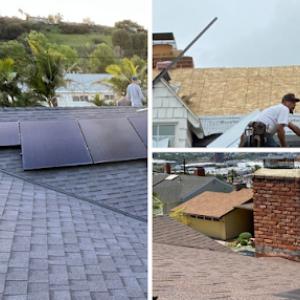
Cudahy Roofing Firm has been delivering expert roofing solutions for over 20 years, earning the trust of homeowners and businesses across Cudahy, CA and surrounding areas. As a leading roofing contractor in Cudahy, CA, we take pride in offering personalized service, durable materials, and attention to detail on every project. From roof inspections to full replacements, our experienced team ensures your roof is built to withstand time and weather. Serving Cudahy and nearby neighborhoods, we’re known for quality work, honest communication, and lasting results. Let Cudahy Roofing Firm protect what matters most—your home.
Allied Roofing
(562) 525-5839 norwalkroofingcontractor.com
Serving
4.9 from 23 reviews
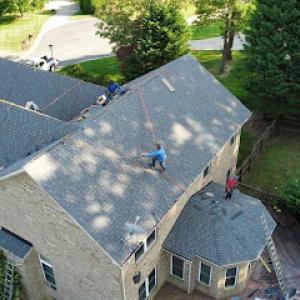
Welcome to Allied Roofing, your trusted partner in elevating rooftops to new heights! Experience excellence in every layer with our expert Roof Installation – a seamless blend of precision and aesthetics. Transform your property with confidence through our dedicated Roof Replacement service, ensuring durability and curb appeal. Count on us for meticulous Roof Repair, restoring your peace of mind. Embrace innovation with our cutting-edge Metal Roofing solutions or the timeless charm of Asphalt Shingle Roofing. For commercial spaces, choose the reliability of Commercial TPO Roofing. From New Construction Roofing to the sleek lines of Flat Roofing, Allied Roofing delivers quality, durability, and a new zenith for your property.
Top Notch Roofing
Serving
4.8 from 79 reviews
Top Notch Roofing is your trusted partner for all your roofing needs. With years of experience, we deliver exceptional craftsmanship and attention to detail. Our team of skilled professionals is dedicated to providing reliable and long-lasting roofing solutions. From installations to repairs, we offer a comprehensive range of services to meet your requirements. We pride ourselves on using high-quality materials and employing industry-leading techniques to ensure your roof is built to last. Trust Top Notch Roofing for reliable and top-quality roofing solutions that exceed expectations.
Residential roof replacements in Downey typically require permits submitted through the City of Downey Building & Safety division. The permit is not a box to check off; it helps ensure that materials, ventilation, ventilation, underlayment, and seismic considerations meet local code expectations. Before you or your contractor submit, gather the basic project details: roof type, square footage, existing decking condition, and the proposed roofing material. The plan review can catch potential issues early, such as required attic ventilation or roof-to-wall framing connections, which saves time later in the process.
The Building & Safety division often reviews for code compliance and structural appropriateness, and some roofing materials trigger extra documentation. For example, certain tile systems, underlayment choices, and flashing details may require stamped manufacturer specifications or engineer notes. If your project uses a material that needs additional support or specific installation sequences, be prepared to provide or revise drawings, product data sheets, or installation manuals. Having these ready at submission can prevent delays and keep the project moving toward approval.
Permit processing can take several weeks depending on department workload. In practice, that means the timeline for starting a re-roof can shift, which matters when the goal is to avoid rain and wind windows. A prudent approach is to align permit submission with a forecast that shows fewer storms in the upcoming weeks, but be aware that weather can slip into the winter rain season unexpectedly. Discuss the expected timeline with your contractor and the city plan reviewer, and confirm a target start date that accommodates both the permit pace and your preferred dry spell.
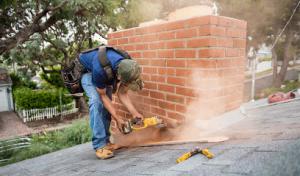
Downey inspections commonly occur at rough and final stages of the roofing job. The rough inspection typically verifies deck integrity, underlayment installation, and flashings before any new shingles or tiles are laid. The final inspection confirms that the roof system is completed as approved and that any penetrations, vents, and chimney flashings are properly sealed. Additional documentation may be requested for certain roofing materials, such as detailed flashings for tile roofs or documentation showing compliance with wind uplift requirements. Keep access clear for inspectors and ensure that any temporary roofing components are removed prior to the final evaluation.
Start the permit process well in advance of the winter rain and Santa Ana wind season. Coordinate with your contractor to schedule inspections on days with predictable weather and clear access to the roof and attic spaces. If a revision is requested by the city, respond promptly with the updated drawings or product data. By aligning permit timing, inspections, and material choice with the seasonal rhythm, you reduce the risk of project delays and keep the roof replacement moving toward a timely finish.
Get a clear picture of your project costs upfront - no commitment required.
Pin Roofing
(562) 923-9242 www.pinroofing.com
7847 Florence Ave # 107, Downey, California
4.6 from 30 reviews
Typical Downey pricing ranges provided for this market are $350 to $650 per square for asphalt shingles, $700 to $1200 for metal, $1100 to $2800 for clay tile, $900 to $1800 for concrete tile, $600 to $1300 for wood shingles or shakes, and $2000 to $4500 for slate. These ranges reflect the mix of tile and asphalt re-roofing common in the city, and they show how heavier systems can push the bottom and top ends of budgets. When you're measuring upfront, use the midpoints as a starting point, but expect some movement based on roof complexity and access.
Costs in Downey often rise when homeowners replace or reset heavy tile systems, address aged underlayment, or coordinate around permit lead times and weather windows. The timing around winter rain and Santa Ana wind season matters: a tight window between forecasted rain events or wind gusts can squeeze scheduling and crew availability, nudging prices higher if demand spikes. If possible, plan a window with dry forecasts and avoid stacking work on days with high wind alerts, which can slow crews and raise protection-related costs.
Asphalt shingles remain the most budget-conscious option, with typical Downey pricing reflecting the $350 to $650 per square range. Metal offers a lighter, often longer-lasting alternative and sits in the $700 to $1200 range. Clay tile and concrete tile deliver distinct aesthetics and resilience, particularly for tile-heavy roofs, but both sit higher-$1100 to $2800 for clay and $900 to $1800 for concrete per square. Wood shingles/shakes land around $600 to $1300, and slate, while premium, runs from $2000 to $4500 per square. In neighborhoods with older underlayment or mixed roof lines, tile and slate can require additional reinforcement or underlayment refresh, which adds to the material and labor tally.
Start with a roof diagram or measurements to confirm square footage, then align material choice with your home's tile or shingle profile. Get at least three detailed estimates that itemize underlayment, ventilation, flashing, and startup fees, and ask about surge charges tied to winter rain or wind events. If a heavy tile system is involved, request a clear plan for reinforcing the deck or adding skipped nails and additional fasteners where needed. Consider staging the project if a focused area shows weather risk, so a portion can be completed and dried before the next storm.
Explore specialists in steel, aluminum, and standing seam metal roofs built to last 50 years or more.
NEMA Roofing
(866) 214-0006 nemaroofing.com
8211 Firestone Blvd, Downey, California
5.0 from 58 reviews
Paradise Roofing
(562) 568-8783 downeyroofingcontractor.com
10935 New St, Downey, California
4.9 from 39 reviews

In Downey, California insurers have tightened underwriting as climate risks-especially prolonged dry spells followed by intense winter rain-become more prominent. Homeowners with older roofs may face stricter renewal scrutiny or coverage limitations when policy reviews occur. That reality isn't a scare tactic; it's a practical consideration for planning projects around weather and protection needs. If a renewal date lands near a season with higher rainfall or gusty Santa Ana winds, anticipate closer scrutiny of the roof's current condition and any prior repairs. Being proactive about documentation and age of materials can help smooth conversations with your insurer when you're nearing a renewal window.
When damage is disputed or the scope of work is unclear, claims handling in this market often hinges on solid, timestamped evidence. You should gather date-stamped photos that show the roof in its pre-loss state, the progression of any damage, and the completed repair or replacement results. Contractor findings-notes on observed leaks, hail impact, or wind-driven damage-carry weight if the insurer questions a claim. Expert reports from a qualified roofer or building scientist can corroborate conditions that aren't easily captured in photos, such as subtle moisture intrusion or the long-term resilience of flashing details. In Downey, where a mix of tile and asphalt roofs is common, document variations across different sections of the roof since some areas may respond differently to winter rainfall or wind exposure.
Variable adjuster timelines can influence whether a homeowner chooses temporary repair, full replacement, or staged work during higher-risk weather periods. If a storm window overlaps with an active claim, the adjuster may request interim measures to prevent further damage while awaiting confirmation on the final scope. This can complicate scheduling, especially when a roof is part of a larger project-like re-roofing with tile or asphalt assets-that benefits from dry spells. Consider coordinating with your contractor to align repair milestones with favorable weather forecasts, while keeping the insurer informed of any temporary fixes. Clear communication about expectations, timelines, and potential risks helps prevent gaps that could jeopardize coverage or claim validity, particularly on older roofs showing signs of wear, mixed materials, or prior repairs that might affect depreciation and scope decisions. In practice, you'll want a documented plan that reflects both the anticipated weather window and the insurer's documentation requirements, so that temporary steps don't undermine a later, properly supported full replacement if needed.
Connect with contractors who help homeowners navigate the claims process from damage assessment to final approval.

In this market, flat-roof specialization is meaningfully active, reflecting a substantial share of low-slope residential and mixed-use projects. When thinking about your roof, recognize that many local crews bring a toolkit tuned for membranes, ballasted systems, and tapered insulation. This matters because the handling of edge details, penetrations, and transitions to parapets can drive long-term performance. If your home uses a flat or nearly flat deck, confirm the contractor understands Downey's typical roof geometry and how to seal vertical drops at parapets to minimize leaks.
Downey's winter rain pattern makes drainage performance more important on low-slope roofs than during the dry season. Before any replacement or repair, map the existing drainage plan and verify that scuppers, downspouts, and internal drains are aligned with current roof loads and anticipated vegetation or debris. Watch for ponding near internal transitions or around vents after heavy rain, and plan for improved slope or additional drainage devices if ponding persists beyond 48 hours. A focused eye on edge detailing and flashings along party walls helps prevent slow leaks that worsen with seasonal rain.
Coatings are an active specialty in this market, reflecting demand to extend service life on aging low-slope systems rather than full replacement in every case. If a coating is considered, assess substrate condition, roof penetrations, and the coating's compatibility with existing membrane materials. Coatings can buy time during mild winters or in-between seasons, but require proper surface preparation and periodic maintenance to avoid premature failure. For many Downey homes, coatings paired with targeted minor repairs deliver meaningful endurance without overhauling an aging deck.
Find specialists in TPO, EPDM, and built-up flat roofing systems for residential and commercial properties.
Thompson Roofing
(562) 669-3163 www.thompsonroofingca.com
8554 Firestone Blvd, Downey, California
5.0 from 28 reviews
Paradise Roofing
(562) 568-8783 downeyroofingcontractor.com
10935 New St, Downey, California
4.9 from 39 reviews
In this market, skylight-related roofing work is a recurring topic for local contractors, so flashing and curb details get extra attention during reroof projects. When evaluating an aging roof, inspect skylight flashing for minor settling cracks, torn sealant joints, and any rust on metal flashings. In hot months, sun exposure can dry and shrink sealant around the curb, making the first winter rain reveal weak spots. Plan for close monitoring of these areas during the plan-and-quote phase, and consider upgrading to integrated curb flashings that align with common Downey shingle and tile patterns. If a skylight sits above an interior living space with high heat gain, prioritize a solution that minimizes thermal movement and reduces potential leaks as temperatures swing seasonally.
Solar roofing is active in the area but remains a smaller specialty, so reroof planning often needs to account for existing or future rooftop penetrations. When you have or anticipate solar mounts, verify that the mounting hardware is compatible with the chosen roofing underlayment and material. Ensure leak barriers extend fully around every penetration and that sealants are chosen for long-term heat resistance. For tile and shingle roofs, confirm that integration details respect the roof geometry so that tiles or shingles do not trap moisture around penetrations. If a retrofit solar array is planned later, consider a roof layout that minimizes the number of penetrations and simplifies future service.
In the hot, sunny climate, penetrations and sealants can be stressed by prolonged heat exposure before winter rain reveals leaks. Check that sealants used on skylights and mounts remain pliable after heat cycles, and choose products with proven performance in high-UV environments. During reroofing, verify that all penetrations include proper backer rods, flashing transitions, and compatible roofing membranes to prevent micro-movements that can lead to leaks once winter rain arrives. A thoughtful sequencing plan for flashing, sealant curing, and shingle or tile installation helps ensure durable performance through Downey's seasonal shifts.
Find contractors experienced in skylight installation, flashing, and leak repairs to bring natural light into your home.
NEMA Roofing
(866) 214-0006 nemaroofing.com
8211 Firestone Blvd, Downey, California
5.0 from 58 reviews
Thompson Roofing
(562) 669-3163 www.thompsonroofingca.com
8554 Firestone Blvd, Downey, California
5.0 from 28 reviews