Last updated: Apr 19, 2026
Evergreen sits in the Front Range hail corridor, where spring hailstorms and summer monsoon thunderstorms routinely drop a quick, heavy hit on roofs. After a storm, the window to secure a fair adjustment closes fast as bids rush in and crews surge to rebuild. Weather swings here-warm afternoons, sudden hail, then freezing temps at night-leave roofs with layered damage that isn't obvious at first glance. A delayed claim can mean dry rot setting in, accelerated wear on shingles, and disputed patches that complicate coverage. Acting fast and documenting aggressively is not optional; it's essential to avoid guesswork being treated as truth later in the process.
Because hail and wind claims are common in the Front Range, you need date-stamped photos that show the roof's status before and after every storm. Take wide shots to capture the entire roof line, close-ups of bruised shingles, dented gutters, and damaged flashing, plus attic photos if you notice moisture or staining. Keep copies of prior roof condition records and any material documentation you can locate-old invoices, product specs, or manufacturer installation notes. When the adjuster comes, your file should feel like a narrative timeline, not a guess. Make sure the photos clearly show any granule loss, hail impact marks, or lifted edges that aren't obvious from the ground.
At elevation, weather can shift from sunny to sleet in a matter of hours. That volatility complicates temporary repairs and the documentation chain. If a temporary fix is needed, ensure it's weather-sealed and clearly documented with the date and who performed it. Save all receipts and take timestamped photos of temporary materials, tarps, seals, or shingle patches. If the storm was severe enough to threaten the decking, arrange a professional inspection promptly; delayed visits give the impression of a later-faltering claim and can invite disputes over the original damage versus subsequent weather.
Adjusters rely on a coherent photo and notes package that links damage to the storm event. Before they arrive, compile a simple binder: incident date, storm notes, photos from the day of the storm, and a list of observed problem areas. Document any prior conditions that could influence the claim-areas where prior maintenance or wear might affect coverage decisions. When the adjuster asks about timelines, be precise: the storm date, the first day you noticed damage, and any steps you took to mitigate further harm. If you have material samples or a product list from the original installation, include those as well.
Do not wait for a "good day" to document damage. Rain and wind can obscure hail impacts, so photograph while the roof is dry but still fresh with recent storm marks if possible. Do not rely on memory for critical dates or the exact sequence of events; replace memory with stamped, dated evidence. Do not patch everything at once without consulting your insurer or a trusted roofer; improper temporary fixes can complicate the claim and reduce coverage on permanent replacement. In this climate, clarity and speed both protect your roof and your wallet, especially as rapid weather swings can create a cascade of issues that insurance will scrutinize closely.
Find local contractors experienced in assessing and restoring roofs after hail, wind, and severe weather events.
Roofing Outfitters
(303) 221-6005 www.roofout.com
30406 Bryant Dr, Evergreen, Colorado
5.0 from 209 reviews
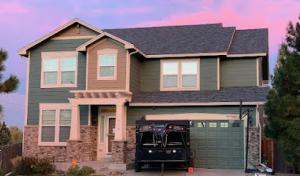
Icon Roofing & Exteriors
(720) 343-7324 iconroofingco.com
1240 Bergen Pkwy suite A230-7, Evergreen, Colorado
5.0 from 50 reviews
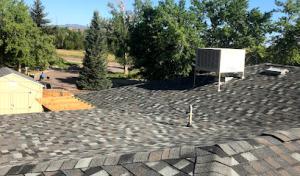
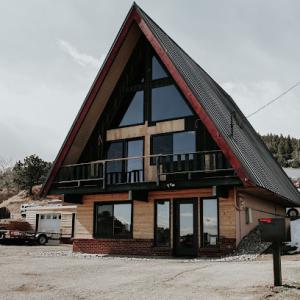
Roofing Outfitters
(303) 221-6005 www.roofout.com
30406 Bryant Dr, Evergreen, Colorado
5.0 from 209 reviews
Roofing Outfitters provides honest, high-quality roofing and exterior services across the Denver metro and Evergreen areas. From residential roof replacements to large-scale commercial flat roofing systems, our team is known for straightforward service, clear communication, and expert craftsmanship. We help homeowners, HOAs, and property managers handle everything from storm damage to insurance claims with confidence and care. Based in Evergreen, CO, and serving both local and national clients, we’re the trusted choice for roofing, siding, windows, and exterior paint. Backed by a 5-star reputation in Evergreen, Golden, Lakewood, Arvada, and beyond. Request your free inspection today.
Icon Roofing & Exteriors
(720) 343-7324 iconroofingco.com
1240 Bergen Pkwy suite A230-7, Evergreen, Colorado
5.0 from 50 reviews
Icon Roofing and Exteriors is a locally owned roofing company based in Evergreen, Colorado, providing professional roof replacement services for homeowners and businesses throughout the surrounding mountain communities. Founded in 2020, we focus on full roof replacements and insurance restoration, helping property owners navigate the claims process with clear communication and hands-on support. Our team understands the unique challenges of Evergreen’s climate, including heavy snowfall, hail, and rapid temperature changes that can impact roof systems. Every project is completed in accordance with state and local regulations, with careful attention to detail and craftsmanship.
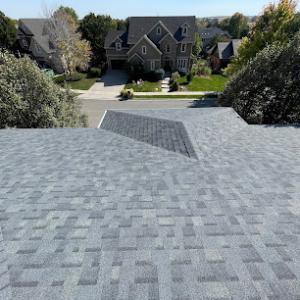
Superior Roofing & Exteriors
(720) 838-6474 www.superiorroofingandexteriors.co
Evergreen, CO
5.0 from 16 reviews
Founded by a family of experienced builders, Superior Roofing and Exteriors was born out of a desire to provide homeowners with a dependable, high-quality roofing service. We saw a need for a contractor that treats every project with the care and attention it deserves. Today, we’re proud to have become a trusted name in the community, known for our integrity, craftsmanship, and unwavering commitment to our customers. We specialize in complete roof services, insurance claims, gutters, and painting.
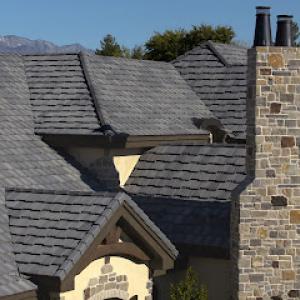
Roam Roofing Colorado
(720) 202-9389 www.roamroofingco.com
29413 Gray Hawk Dr, Evergreen, Colorado
5.0 from 8 reviews
Roam Roofing Colorado, based in Evergreen, CO, offers residential and commercial roof repair and replacement services. Their team of experienced roofers tackles any roofing project, ensuring a durable and weatherproof finish.
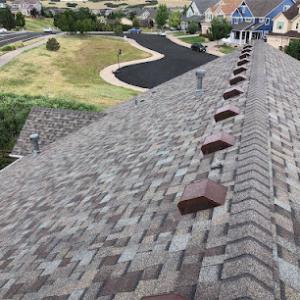
Just Roofs & Gutters
(303) 834-1126 justroofsandgutters.com
29640 Chestnut Dr, Evergreen, Colorado
4.6 from 11 reviews
We are a locally owned roofing company that specializes in residential and commercial roofs. We have do asphalt shingles, tile roofs, metal roofs, commercial grade flat roofs, coating and more. Just Roofs and Gutters is a veteran owned company that strives to treat each customer with respect and care. Our crews a respectful and clean and we can schedule you quickly to get your roof back to new. We specialize in hail damage, wind damage and general aging of roofs. Call us for a free estimate today! We are proud to serve the Evergreen, Conifer, Morrison, Pine, and clear creek county areas.

Home Grown Roofing & Contracting
(303) 997-3976 homegrownroof.com
Serving
5.0 from 80 reviews
Home Grown Roofing and Contracting offers a variety of roofing services for residential and commercial properties in Jefferson, Park, and Summit County. We specialize in lifetime roofing, luxury real estate roofing, and use the highest standards in construction and materials. Together, we have a combined 45 years of experience in the Colorado roofing industry. Home Grown ensures that your new roof will be beautiful, durable, long lasting, and custom tailored to your needs. We closely manage every project from start to finish, and no job is complete until our clients are 100% satisfied. Contact Home Grown Roofing and Contracting TODAY and invest in one of the best roofs money can buy!
Mainzer Roof & Gutter Company
(720) 610-8262 www.mainzerroofing.com
Serving
5.0 from 6 reviews
Mainzer Roof & Gutter Company is a locally owned and operated roofing company based in Evergreen, Colorado, proudly serving the mountain communities of Jefferson County and the Front Range Foothills. We specialize in roof replacements, roof repairs, and gutter installation for residential and commercial properties. With expert craftsmanship, honest communication, and Colorado-tough materials, Mainzer Roof & Gutter Company delivers dependable protection against the elements. Whether you need a new roof, leak repair, gutter upgrade, or storm damage inspection, our team is committed to quality, integrity, and customer satisfaction.
Equinox Roofing
(303) 736-9609 equinoxroofingco.com
Serving
5.0 from 8 reviews
Equinox Roofing is a locally owned roofing contractor. We specialize in roof replacement, roof repair, gutters, siding and exterior painting. Residential and commercial roofing along the Front Range. Equinox Roofing services Denver and the entire Front Range area. We also service the 285 corridor and into the foothills including Evergreen.
PRQ Exteriors
(720) 696-9473 prqexteriors.com
Serving
4.9 from 839 reviews
PRQ Exteriors offers reliable roofing replacement in Golden along with a full range of roofing services, including roof repairs, roof installation, storm damage repairs, and roofing insurance claims. With a focus on quality and innovation, we also provide solar panel installations and storm restoration services to protect and enhance your property. Using durable, weather-resistant materials from trusted manufacturers, we deliver lasting results for both residential and commercial roofs. Our team works closely with homeowners and businesses to ensure every project is completed with precision and care. Contact PRQ Exteriors today to schedule your consultation and ensure your property is well-protected for years to come!
Capital Construction
(720) 254-1883 capital-construction.co
Serving
5.0 from 58 reviews
Serving Colorado since 2008. We’re a family-owned and A+ BBB-accredited roofing company you can rely on. We specialize in roof and gutter replacement. Your roof plays a significant role in your home’s beauty, energy efficiency, and durability—but it also affects property value! Our focus is on delivering high-quality work with a customer first approach, building trust through honest communication and reliable service. We’ll assign a skilled project manager to oversee your roofing service and ensure on-time, under-budget results. We understand Denver’s unique weather challenges and tailor our solutions to meet them. With a commitment to craftsmanship and community, we understand a home should be worry free.
Solano Exteriors
(303) 522-9561 www.solanoexteriors.com
Serving
5.0 from 40 reviews
Since 2019, Solano Exteriors has delivered exceptional roofing, siding, paint, windows, doors and gutter services throughout Colorado. Their skilled team specializes in comprehensive gutter solutions, including cleaning, repairs, installations, and guard systems. Known for their dedication to quality craftsmanship and customer satisfaction, they confidently manage both retail projects and insurance claims. With a strong commitment to service, Solano Exteriors provides reliable and professional exterior solutions built to last.

Monarch Construction & Roofing
(303) 981-1265 monarchroofing.com
Serving
4.6 from 429 reviews
We're your premier, locally owned and operated, roofing company proudly serving Denver, CO and surrounding areas with a focus on customer satisfaction. Our experienced crews are fully insured and we back up our services with a 5 year workmanship warranty. We're fully staffed to handle any residential or commercial project whether it be roofing, gutters or stucco! We work directly with insurance companies and and we also do siding, painting, window replacement, landscaping and more! Call or stop in and see us today for a free quote!
Evergreen's high-elevation sun exposure accelerates granule loss and aging on asphalt roofs faster than lower-elevation Front Range locations. In practical terms, this means shingles you install with fresh granules will still lose protection more quickly once the UV and wind bite starts. For homeowners, this translates to planning for more frequent inspections after the first few post-installation summers and paying attention to granule loss on the gutters and downspouts as early warning signs. In addition, the thinner air and bright sun can subtly shift heat patterns across a roof plane, so a multi-directional assessment after major storms is worthwhile.
Winter freeze-thaw cycling in Evergreen can create micro-cracking in exposed roofing materials and stress roof decking when moisture gets into vulnerable areas. The combination of rapid temperature swings and intermittent moisture intrusion means vulnerable underlayment seams, flashing joints, and deck edges deserve closer inspection after each thaw cycle. If small cracks appear along ridge vents or near skylights, address them promptly to prevent moisture from migrating into attic spaces. Consistent micro-cracking can shorten the effective life of underlayment and compromise deck stability over time, especially in shaded areas where moisture tends to linger longer.
Warm summers followed by cold nights in the foothills make seasonal timing important for replacement, especially when underlayment and deck conditions are already marginal. Plan replacements for late spring or early fall windows when temperatures are mild and moisture risk is lower, but avoid the peak heat of midsummer when underlayment expands more and can suffer accelerated wear. If a roof is approaching the end of its useful life and the deck shows signs of rot, insect damage, or obvious moisture intrusion, timing becomes critical to prevent rapid deterioration through the next cold season. In marginal decks, consider performing deck refinishing or repairs before re-roofing to maximize the new system's longevity.
Material selection matters more here than in flatland climates. Steep, wooded-site homes encounter sun exposure, wind-driven hail, and wildfire-conscious considerations that shape durability. Synthetic and composite shingles can offer balanced performance with better photodegradation resistance, while metal roofing provides excellent hail resilience and long life. When the roof is already climbing in age, choose materials with proven performance in high-elevation conditions and with robust underlayment systems to guard against moisture ingress during the enduring freeze-thaw cycles.
Establish a twice-yearly inspection cadence aligned with seasonal transitions. Early detection of granule loss, cracking, lifted edges, or moisture staining enables targeted interventions that extend the overall life of the roof system. A proactive approach-addressing small issues before they escalate-fits the Evergreen climate where rapid changes test even well-installed roofs.
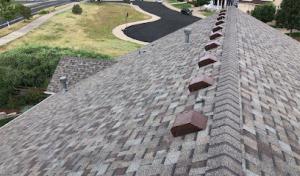
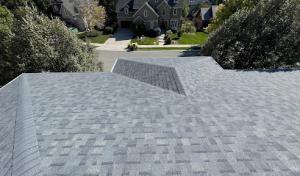
Asphalt shingles remain common in Evergreen, but hail exposure and intense UV at elevation are central tradeoffs homeowners weigh against lower upfront cost. In high-mlevation climates, thicker, impact-resistant asphalt shingles can help reduce denting and granule loss from hail while still offering a familiar look. A key consideration on steep wooded lots is ensuring the shingles are rated for high wind and hail zones and that the roof deck is sound enough to handle the extra wind load without compromising underlayment. When choosing asphalt, look for a class 3 or 4 impact rating and confirm that the shingles are designed to perform in freeze-thaw cycles, since repeated freezing and thawing can loosen granules and shorten service life. Proper installation matters: sealant over eaves and valleys, reinforced starter courses, and attention to nail placement around penetrations reduce wind uplift and future leaks.
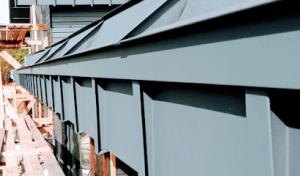
Metal roofing is especially relevant in Evergreen because it handles snow shedding and mountain weather well, but detailing matters on steep roofs and around penetrations. Standing-seam or interlocking panels with a hidden fastener system can minimize ice damming and wind-driven leaks, while light-reflective finishes help reduce heat buildup during bright winter days. On slopes common to foothill homes, careful edge details, snow guards, and proper flashing at chimneys and vent pipes are essential to prevent ice buildup and water intrusion. One practical approach is pairing a metal roof with a high-quality underlayment and continuous ventilation to manage condensation in colder months. For areas where branches or heavy snowfall accumulates near the eaves, ensure overhangs are proportionate and that snow is allowed to shed rather than accumulate against vulnerable edges.
Tile, slate, and composite systems appear in Evergreen's custom foothill homes, where roof structure, snow load considerations, and access on sloped lots can heavily affect feasibility. Clay or concrete tiles provide excellent longevity and a distinctive mountain aesthetic, but they require a robust roof structure to support the weight and ample slope to promote natural drainage. Slate delivers exceptional durability and a timeless appearance, yet its weight and fragility under hail demand precise site assessment and professional design. Composite shingles offer a middle ground, combining impact resistance with lighter weight and easier installation. For all these options, factor in snow load calculations, access during installation, and the ability to perform future replacements on a sloped roof without compromising neighboring properties or landscaping. In areas with dense trees, UV exposure and debris accumulation can accelerate wear, so choose textures and colors that resist staining while maintaining effective drainage paths. Proper flashing around skylights, copper or zinc detailing to minimize staining, and securing a solid deck structure are non-negotiables to ensure long-term performance in Evergreen's climate.
Explore specialists in steel, aluminum, and standing seam metal roofs built to last 50 years or more.
Icon Roofing & Exteriors
(720) 343-7324 iconroofingco.com
1240 Bergen Pkwy suite A230-7, Evergreen, Colorado
5.0 from 50 reviews
Just Roofs & Gutters
(303) 834-1126 justroofsandgutters.com
29640 Chestnut Dr, Evergreen, Colorado
4.6 from 11 reviews

When planning a storm-driven roof replacement, you'll want to start with clear per-square costs. In this area, asphalt shingles typically run from about $350 to $700 per square, metal from $700 to $1100, clay tile from $900 to $1700, concrete tile from $700 to $1200, synthetic/composite from $400 to $800, and slate from $1200 to $2400. These ranges reflect the high-elevation realities: steeper pitches, longer haul distances from the Denver metro supply chain, and the logistics of big jobs on wooded or sloped lots. Your final price will hinge on roof complexity, existing decking, and whether reinforcement or additional fasteners are needed for alpine winds.
Storm-driven surges along the Front Range can tighten labor availability after hail events, which affects both timing and pricing. In Evergreen, crews may be booked weeks out after a storm, especially for material types with longer lead times, like clay or slate. Expect variability in crew availability and a premium for expedited starts during peak post-storm windows. If insurance funding and payment timing hinge on a rapid replacement, factor in potential scheduling bottlenecks and price shifts tied to demand fluctuations.
Steep mountain-site access changes the job dynamics significantly. Sloped driveways and narrow forestry access can slow material delivery and staging, elevating labor hours and equipment needs. For steeper pitches, asphalt and synthetic shingles remain cost-efficient options with solid performance, but steeper roofs may push crew safety measures and utilization of specialized fall protection, modestly lifting totals. Heavy-weight options like slate or concrete tile demand careful structural assessment, and their installation will naturally incur higher labor costs due to material handling and long cycle times.
Begin with a conservative estimate that accounts for start-up contingencies, especially if hail history is recent. Compare material families not only by upfront cost but also by maintenance needs and wind performance at high elevations. Ask for a phased plan if insurance timelines threaten a full replacement, and request itemized bids that isolate haul, labor, and disposal charges. Finally, build a cushion for potential weather-related delays and the additional time crews may need to navigate wooded sites.
Get a clear picture of your project costs upfront - no commitment required.
Just Roofs & Gutters
(303) 834-1126 justroofsandgutters.com
29640 Chestnut Dr, Evergreen, Colorado
4.6 from 11 reviews

Evergreen roof replacements are generally handled through Jefferson County rather than a separate city building department because Evergreen is an unincorporated community. That means your project will be filed with the county building department, not a small-town desk at a city hall. When a roof needs replacement, the permit typically moves through the county's review process, with emphasis on meeting local code requirements and material specifications that are tailored to high-elevation, hail-prone conditions. If a contractor suggests otherwise, verify their source and confirm the permit path with the county before progress continues.
A full roof replacement typically requires a building permit in Jefferson County. The county building department issues the permit and requires compliance with local code and material specifications. This is not a formality to delay residents but a safeguard for structural integrity, fire safety, and long-term performance in steep, wooded sites where hail and freeze-thaw cycles are a constant consideration. Expect the permit package to include site information, proposed materials, and a schematic of roof penetrations and ventilation. Missing or mismatched information can stall approvals and push work into unpermitted territory, which creates downstream problems with inspections and final acceptance.
Jefferson County inspection workflow typically includes required inspections and a final inspection after completion. The sequence usually covers footing or framing if applicable, roof sheathing nailing, underlayment installation, and finally the finished roof assembly. After completion, a final inspection confirms the work aligns with the permit and local requirements before the permit is closed. It is essential to track each inspection step and maintain clear records, because a permit that remains open past the project's end can complicate insurance and future resale. Confirm with the contractor who handles the permit about scheduling and what documents will be needed at each stage.
Coordinate with the contractor to obtain the permit through Jefferson County early in the project, and request a copy of the approved plans and any amendments. Keep an organized file with permit numbers, inspection dates, and any county feedback. Before final payment, ensure the county has issued a permit closure and a final inspection approval. If a county inspection flags a deficiency, address it promptly and rebook the final inspection. In high-elevation climates where storm-driven replacements are common, early permit planning and rigorous adherence to county requirements can prevent costly rework or delays caused by missed inspections.
Evergreen sits in a high-claim Front Range environment where hail and wind losses are common enough to shape deductible decisions, coverage terms, and replacement timing. That reality translates into tighter scrutiny on storm-damaged roofs and a higher likelihood that an insurer will look for solid, objective proof before authorizing a full replacement. For homes built to withstand alpine weather, the difference between a repair and a full roof overhang can hinge on how a claim unfolds under pressure from adjusters and policy language crafted for hail-prone climates.
Insurers serving Colorado's hail-prone Front Range may require stronger documentation of pre-existing damage, repair history, and exact material specifications before approving full replacement. A shredded edge, a visible hail bruise on a ridge vent, or a dated underlayment can become pivotal when the claim moves through the system. Because adjuster conclusions and policy language vary widely in this market, Evergreen homeowners benefit from documenting every slope, accessory, and prior repair before filing.
Adjusters are trained to interpret storm impact through different lenses, and policy language can differ not only by company but by territory. What looks like a clear full-roof replacement to one adjuster might be treated as a repair package to another. The practical effect is that outcomes hinge on detailed record-keeping and precise material specifications, not on a single weather event alone. This is not a caution about doom, but a reality check: clarity up front reduces the chance of surprises later in the process.
Start with a thorough, dated photo log of every visible condition: shingles, valleys, flashings, hips, ridges, vent stacks, attic insulation moisture, and any prior repairs. Collect receipts or invoices for previous roof work and remember exact material specs for the current roof. Create a simple, ordered binder that can be shared with any claims adjuster, appraiser, or contractor, and keep it up to date after any rainstorm or hail event.
Connect with contractors who help homeowners navigate the claims process from damage assessment to final approval.
Roofing Outfitters
(303) 221-6005 www.roofout.com
30406 Bryant Dr, Evergreen, Colorado
5.0 from 209 reviews
Icon Roofing & Exteriors
(720) 343-7324 iconroofingco.com
1240 Bergen Pkwy suite A230-7, Evergreen, Colorado
5.0 from 50 reviews
Superior Roofing & Exteriors
(720) 838-6474 www.superiorroofingandexteriors.co
Evergreen, CO
5.0 from 16 reviews
In Evergreen, storm damage that seems minor in warmer months can become urgent once winter freeze-thaw cycles open cracks and drive leaks deeper into the assembly. A roof that held water yesterday can harbor hidden moisture today, with ice backing up through penetrations, flashing, and underlayment. After a hail event or high-wind gusts, treat any sign of moisture as a true emergency-water can travel along rafters and into ceilings even if the surface looks marginal.
Mountain weather can delay full replacement windows, so temporary dry-in work and fast leak response are especially important after hail or wind exposure in the foothills. If you see brown streaks, damp insulation, or new stains, call for tarping and sealing as a first step. The goal is to cut off active flow while you arrange a more complete assessment, keeping attic and living spaces dry during freeze events that could worsen damage overnight.
Steep roofs and changing conditions in Evergreen make emergency access and safe temporary protection more complicated than in flatter Denver-area neighborhoods. Workers may need temporary anchors, extended ladders, or roof jacks, and weather can shift quickly from clear to hazardous. Coordinate with a contractor who prioritizes fall protection, has experience with snowy or icy pitches, and can execute a sealed tarp or dry-in while minimizing further roof disturbance.
Document the affected areas with photos, cover the most exposed patches with a sturdy tarp secured to the roof framing, and clear any near-term debris from eaves to reduce water tracking. Keep a clear path for responders and avoid climbing on a slick roof yourself. Prioritize a rapid assessment call to schedule a storm-response visit as conditions allow.
When you can't wait, these contractors offer fast response times to stop leaks and prevent further damage.
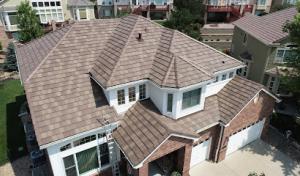

Evergreen's strong sun exposure makes solar appealing, but roof replacement planning matters because mountain-weather wear can shorten the ideal interval before reroofing under older systems. The high-elevation sun is intense, and ultraviolet exposure accelerates shingle aging. When you're evaluating adding or removing solar, coordinate with your roofer to align panel mounting needs with the roof's existing geometry and any anticipated weather-driven wear. A well-timed reroof that matches solar installation can reduce future penetrations and flashing work, minimizing disruption and long-term maintenance.
Foothill homes often have complex rooflines, penetrations, and slope changes that make flashing quality especially important when solar is added or removed during reroofing. Plan for extra flashing at penetrations, edge metal, and transitions where panels integrate with vents, chimneys, or skylights. For roofs with multiple ridges or abrupt slope changes, specify flashing and sealant choices that accommodate thermal movement and snow/ice loads. A meticulous, preinstallation walkthrough helps ensure that what you see on plan translates to a durable, weather-tight result once panels are in place.
In a hail-prone Front Range market, homeowners should document both roofing and solar attachment details before storms and before any insurance inspection. Take timestamped photos of roof surfaces, flashing, vent flash gaps, and mounting rails. Note panel brands, attachment patterns, and any existing microcracks or granule loss. This record helps when assessing hail impact or wind-related damage after a storm and can streamline insurance coordination. Share these details with your roofer and adjuster early, so repairs or replacements address both roof and solar-system interfaces in a unified plan.
When planning a reroof, factor in the solar system's weight, mounting hardware, and potential removal/reinstallation. Consider how panel detachment might affect roof integrity during a replacement and budget for resealing, reflash, and re-sealing around penetrations. Choose materials and flashing systems that tolerate the mountain climate-seasonal freeze-thaw cycles, wind-driven debris, and occasional hail-so the roof and solar array perform cohesively for years to come.
Find contractors who integrate solar panels or solar shingles into your roof for long-term energy savings.