
Last updated: Apr 19, 2026
Fort Collins sits on Colorado's Front Range, where spring hail and wind events regularly trigger concentrated roof-claim activity. The weather pattern is not a occasional nuisance but a predictable pain point that clusters in the late winter through early summer. When a storm hits, roofing problems can escalate fast: dented metal, battered shingles, compromised flashing, and granule loss that accelerates leaks. The clock matters, because the window to secure a smooth claim and repair path narrows as insurers shift from rapid initial assessment to more demanding documentation and contingency terms. If a severe hail event paints your neighborhood with hail-sized hailstones and wind gusts, anticipate a surge in claims within days, not weeks, and be prepared to act decisively.
Local insurance handling is heavily shaped by hail and wind losses, with carriers often requiring photos, detailed documentation, and a formal claim file before approving roof work. After a storm, your first call should be to your agent or insurer with the hail date and weather details, followed by a contractor who can capture sequential images of the roof, attic, and interior damage. Use a ladder-safe approach to photograph shingles' edges, flashing around dormers, and vent stacks; include the gutters and downspouts to show drainage continuity. Keep timestamps on photos and log every communication with the insurer. Insurers frequently request third-party verification of damage and a dated scope of work before granting approval, so assembling a complete, organized package early reduces delays and back-and-forth questions that stall a full replacement or roof repair.
After major regional hail events, homeowners may face tighter carrier terms or higher deductibles, which directly affects whether full replacement is financially practical. In the days following a strike, carriers tend to tighten guidelines on what constitutes eligible damage versus wear-and-tear, and some policies adopt stricter thresholds for a full replacement versus repair. This is not a guesswork scenario; it hinges on clear, documented evidence of hail-induced failure-softened or lifted shingles, compromised underlayment, damaged flashing, and accelerated granule loss. If the claim is approved but the insurer flags only localized damage, a tear-off and partial replacement may be proposed. The risk to you is selective denial or conditional approvals that require you to fund the remainder of a replacement out of pocket. That is why early, precise documentation matters even more when the storm's memory is fresh and adjusters are still in town.
Plan to photograph and inventory your roofing components within 24 to 72 hours after a hail event, then contact your insurer to initiate a claim file as soon as possible. Request a detailed, itemized scope of work from your contractor that clearly differentiates between repairs and full replacement, including how venting, flashing, and drainage will be addressed in the scope. If an adjuster visits, be present with your contractor to walk them through the roof and attic, pointing out hail impact zones, compromised seals, and any signs of water intrusion. Given the Front Range's fast-moving claim cycles, maintain daily check-ins with your insurer to confirm receipt of documents and the next milestone in the approval process. Time is a strategic asset in these claims, and proactive, precise documentation can make the difference between a full replacement that restores long-term protection and a protracted dispute that leaves your roof underinsured and vulnerable longer than necessary.

HERO exteriors
(970) 393-3595 www.heroexteriors.com
2129 Sage Dr, Fort Collins, Colorado
5.0 from 147 reviews
Serving Wellington, Fort Collins, Timnath, Windsor, Cheyenne, Loveland, and Severance, HERO exteriors is your one-stop destination for exceptional exterior services. Our services cover emergency roof repair, gutter installation and repair, hail damage repair, roof maintenance, siding installation and repair, storm damage repair, exterior painting, fencing, windows, roof installation, and free storm damage inspection. With a skilled team and a commitment to excellence, we ensure the highest quality work. Your property's exterior deserves nothing but the best. Contact us today for a free consultation and let HERO exteriors transform your property.
Solstice Roofing
(970) 989-2224 solsticeroofingcolorado.com
321 Del Clair Rd, Fort Collins, Colorado
5.0 from 93 reviews
Solstice Roofing is a trusted Fort Collins roofing company serving Northern Colorado and the Front Range. Our certified IKO RoofPro team specializes in roof inspections, hail damage roof repair, and insurance claim help. We install durable, energy-efficient roofing systems, including asphalt shingles, standing seam metal, flat roofs, and Class 4 impact-resistant options. Known among the best roofing companies in Northern Colorado, we back every project with a 5-year workmanship warranty. For fast, professional roof repair or a free roof inspection near you, call Solstice Roofing today.
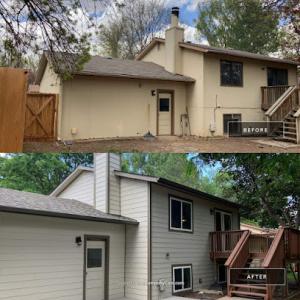
Mighty Dog Roofing of Northern Colorado
(970) 847-2236 www.mightydogroofing.com
507 Cowan St Ste B, Fort Collins, Colorado
5.0 from 89 reviews
When it comes to your home’s exterior, Mighty Dog Roofing delivers top-of-the-line services matched with the neighborly customer care our clients have come to love. Our team of skilled experts will conduct a free, detailed inspection of your home, treating it as our own. Whether your home needs a simple repair or a full roof replacement, expect to receive the transparent guidance you deserve. Whatever the case, our team will work to meet your safety and budget needs. We take pride in operating with quality materials, hiring skilled roofers, and providing our customers with a high-quality experience. See for yourself; our reviews say it all. Schedule your free, home inspection today!
Weddle & Sons Roofing of Fort Collins
(970) 568-8749 weddleandsons.com
418 S Howes St Suite 6, Fort Collins, Colorado
5.0 from 74 reviews
At Weddle & Sons, we believe that our clients deserve the best the industry has to offer. That’s why we offer a full range of roofing and exterior services that make us a one-stop-shop for all your needs. Weddle & Sons, Inc. is a Certified Solar Roof Installer and is accepting orders for new installations in Kansas, Colorado, Wyoming and Nebraska. Learn more about this amazing product being offered directly to you by Weddle & Sons! Our Fort Collins branch services the following areas: Evans, Colorado; Boulder, Colorado; Greeley, Colorado; Laporte, Colorado; Timnath, Colorado; Windsor, Colorado; Berthoud, Colorado; Longmont; Loveland; Thornton; Louisville; Fort Collins; and other cities in this region.
Trust Roofing & Restoration
(970) 999-8778 www.trust-roofs.com
1532 E Mulberry St UNIT E, Fort Collins, Colorado
4.9 from 78 reviews
Are you searching for a reliable roofing contractor in Fort Collins, CO, who understands the unique challenges of residential and commercial roofing? At Trust Roofing & Restoration, we know how critical it is to have a sturdy, well-installed roof protecting your property. With over a decade of experience, we specialize in delivering high-quality roofing solutions tailored to withstand the diverse weather conditions of Colorado. Whether you're dealing with storm damage, hail damage, or simply need a routine inspection, our licensed and insured team is here to provide you with peace of mind and exceptional service. At Trust Roofing & Restoration, our commitment to excellence begins with understanding your needs
Red Diamond Roofing
(970) 373-0449 reddiamondroof.com
155 Boardwalk Dr Suite 400, Fort Collins, Colorado
5.0 from 51 reviews
Experience the exceptional service and quality craftsmanship of Red Diamond Roofing, the premier roofing expert in the industry. We understand that your home or business is not just a building, it's your sanctuary, your investment, and your legacy. That's why we approach every project with the utmost dedication, treating your property as if it were our own. Our team of seasoned professionals is committed to providing you with an unparalleled roofing experience that goes beyond just nailing shingles. At Red Diamond Roofing, we firmly believe that honesty and transparency are key to building strong, lasting relationships with our clients. That's why we prioritize ethical business practices and treat our customers as partners in every project.
Ethos Roofing & Restoration
(970) 632-2216 www.ethosroofing.com
155 N College Ave UNIT 224, Fort Collins, Colorado
4.9 from 75 reviews
Ethos Roofing & Restoration provides unparalleled roofing and property renovation services in Fort Collins, Denver, and all across the Colorado Front Range. From storm damage repairs to roof replacements and restorations, your property is in the best of hands at Ethos. Not only do our licensed contractors provide expert repairs and renovations, but we can also provide educational insights for clients navigating the insurance claims process. Our experienced roofers in Fort Collins can additionally provide: - Siding services - Gutter repairs and replacements - Stucco and stone installations - Exterior painting services - And window replacement services If you're looking for local, reliable contractors - Ethos is the place to call.
The Roofing Center
(970) 718-2221 www.roofingcenter.com
2629 Redwing Rd Suite 114, Fort Collins, Colorado
5.0 from 47 reviews
The Roofing Center is a customer focused residential and commercial roofing contractor. Our team is dedicated to consumer education and helping you find the best solution for your property. We have a long and extensive history in specialty metal roofing , specifically stone coated steel but are experienced and proficient in all types of roofing. Offering Ice Dam Removal services
Apex Restoration & Roofing
(303) 691-5035 www.apexroofingusa.com
3950 John F Kennedy Pkwy #8, Fort Collins, Colorado
4.9 from 66 reviews
With 50+ years of experience serving Fort Collins and surrounding areas, we're your trusted local roofing contractor. Our award-winning team has earned 20+ industry recognitions and maintains 8 professional certifications. Fully licensed and insured, we specialize in residential and commercial roofing, storm damage restoration, and complete roof replacements. Our skilled roofers deliver exceptional workmanship and are dedicated to getting every job done right the first time. Choose Apex for reliable service, expert craftsmanship, and Fort Collins' most trusted roofing professionals.
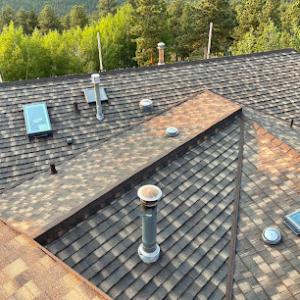
Stonescape Steel Roofing & Exteriors
(303) 823-2365 stonescapesteelroofing.com
3006 E Mulberry St, Fort Collins, Colorado
4.8 from 188 reviews
Stonescape Steel Roofing and Exteriors is a Fort Collins-based exterior service company. We offer residential and commercial roofing, siding, windows, and more. Our woman-owned company specializes in metal systems that bring you R.O.I., unlike with traditional materials. Stonescape handles any and all roof replacements, roof installations, roof repairs, roof restorations, roof coatings, gutters, window replacement and installations, siding replacement and repairs. Whether you are looking for asphalt shingles, stone coated steel, or traditional metal or EPDM, PVC, or TPO for your flat roof, Stonescape has a team that can take care of your property with honesty, integrity, and quality services. Contact us today for your free home inspection!
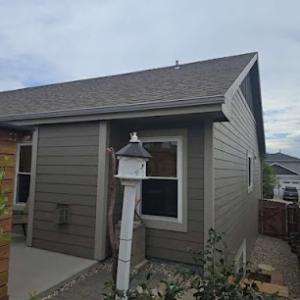
Pro Roofing America - Fort Collins Roofers
(303) 995-0421 proroofingamerica.com
4562 Denrose Ct #5, Fort Collins, Colorado
4.9 from 85 reviews
Transform your property with Pro Roofing America, the leading roofing company in Colorado. With our expert team, we deliver exceptional professional roofing services tailored for homeowners and business owners alike. Whether it's roof replacements, repairs, gutter maintenance, or addressing hail and wind damage, our roofers handle it all with precision and care. Trust us to guide you through the insurance claim process, ensuring your roof is restored promptly and professionally. With our extensive experience in both commercial and residential roofing, no project is too big or too small for us. Choose Pro Roofing America for top-notch craftsmanship and unmatched customer satisfaction.
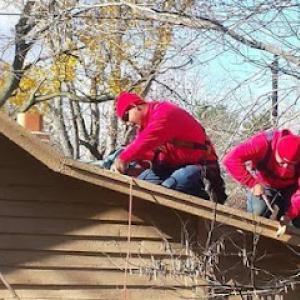
Bone Dry Roofing
(970) 557-7619 www.bonedry.com
1301 E Mulberry St, Fort Collins, Colorado
4.8 from 247 reviews
For more than 35 years, Bone Dry Roofing has been proud to serve homeowners across the greater Fort Collins area. As a family-owned and locally operated company, we’ve built our reputation on quality, reliability, and trust. Our team specializes in roof repairs and replacements, delivering expert craftsmanship backed by a 25-Year Craftsmanship Warranty on every new roof. But our real strength lies in the experience we provide—rooted in honest communication, attentive care, and dependable service from start to finish. That’s The Bone Dry Roofing Experience. Trusted by thousands throughout Fort Collins, we’re here to protect your home and your peace of mind. Contact us today for your free estimate.
Cold winters bring snow and freeze-thaw cycling that can worsen small roof defects into leaks or flashing failures. The patches that seem minor in late autumn can become stubborn leaks after a few freezes. When planning repairs, expect that tasks will progress best when the roof is dry and temps are above freezing for at least 24 hours. In practical terms, that means delaying non-urgent repairs until late spring or early summer if a heavy snowpack sits on the roof. If a leak appears during a winter warm spell, treat it as an urgent red flag and arrange temporary containment while the main repair window is scheduled for a safer stretch of weather. In a typical Fort Collins roof, the timing decision hinges on balancing the risk of additional freeze-thaw damage against the availability of dry, calm days for crews to work safely.
Summer thunderstorms and high winds in Fort Collins can interrupt active roofing jobs and complicate scheduling after storm-driven demand spikes. Storms bring sudden hail pressure and wind-driven debris, which can compile a backlog of urgent repairs while the crew chases re-prioritized projects. If a storm drops a noticeable impact pattern on the roof, treat the situation as time-sensitive but weather-dependent: assess the extent of damage, secure temporary protection, then lock in a repair window for the first clear stretch. Windy days also complicate flashing work and vent seal restoration, so plan for potentially rescheduling around forecasted gusts in excess of practical handling speeds. The key is to coordinate with the roofing crew on a weather buffer-identifying a two-to-three day window of consistently dry weather before and after the repair to minimize revisit calls and to ensure flashing and drainage components behave as intended once the work is complete.
Dry, sunny summers and windy fall conditions affect how quickly exposed roofing materials age and influence the best replacement window. In dry heat, the roof surface heats up, which can accelerate curing of sealants and affect exact timing for applying certain vent boots or flashing wraps. Crews may push for morning-only access in peak heat to protect materials and personnel. In windy falls, loose debris and temperature swings can stress newly installed components, so a careful inspection window-ideally after several days of stable conditions-helps confirm that seals are holding and drainage lines are clear before the project is considered fully complete. When planning a repair, choose a window where the attic space can be ventilated to reduce condensation risk, and ensure gutters and downspouts are ready to receive any temporary debris removal during the work. The aim is to avoid mid-project weather surprises that force partial sessions or force a return visit to reseal flashing around vents and chimneys.
After a storm, initiate a rapid but thorough inspection of the roof while the sky is still calm. Look for lifted shingles, damaged flashing around chimneys and vent stacks, and any pooling near valleys or low points in the roofline. If visible damage is found, call for a professional assessment promptly to determine whether a temporary fix (such as tarping or sealant patches) is sufficient or if a full reroof or targeted repair window is needed. Ensure the inspection includes a close look at drainage paths and the condition of cap shingles at the edges, since Front Range conditions can push water toward vulnerable seams during the next thaw cycle. This proactive approach helps lock in a repair window that minimizes further deterioration while aligning with the community's typical weather patterns.
When you can't wait, these contractors offer fast response times to stop leaks and prevent further damage.

HERO exteriors
(970) 393-3595 www.heroexteriors.com
2129 Sage Dr, Fort Collins, Colorado
5.0 from 147 reviews
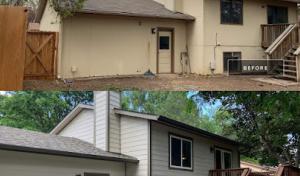
Mighty Dog Roofing of Northern Colorado
(970) 847-2236 www.mightydogroofing.com
507 Cowan St Ste B, Fort Collins, Colorado
5.0 from 89 reviews
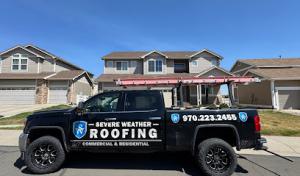
Severe Weather Roofing & Restoration
(970) 223-2455 www.severeweatherroofing.com
3307 S College Ave STE 220, Fort Collins, Colorado
4.7 from 287 reviews
In this city, a building permit for most roof replacements is not optional and must be active before any nails go into the deck. If the permit isn't opened and active, the work may be halted, and rework can create avoidable delays and costs. The permit functions as a formal plan review that helps verify that drainage, ventilation, and flashing are designed to handle Front Range hail, wind, and winter freeze-thaw cycles. Skipping this step can leave you with gaps that undermine long-term performance and future inspections.
Reroof projects here are not a single-signoff affair. Inspections are scheduled at key milestones to ensure the work aligns with local code expectations and climate realities. A rough-in inspection typically happens after the roof deck and underlayment are installed, but before the new roof covering goes on. This checkpoint catches deck integrity, proper underlayment, and any required venting or flashing components while there is still access to correct issues without major teardown. The final inspection occurs once the roof is complete and the drainage plan, flashing details, and venting have been installed and tested against the framing and existing structure. Treat these inspections as opportunities to confirm that the installation will withstand the region's hail events and wind loads, rather than as mere formalities.
Fort Collins inspectors may request receipts and photo documentation to confirm materials and installation practices. Expect to provide product data for underlayments, flashing, vents, and any ice-damming mitigation measures. Photo records help establish the continuity of the drainage plan and the integrity of flashing at eaves, rakes, chimneys, and valleys. Having organized, date-stamped photos and invoices on hand helps speed review and reduces back-and-forth delays. If a contractor offers to "skip" documentation, reconsider the scope and risk; thorough record-keeping is a guardrail against disputes that can arise after a severe storm.
If an inspection flags an item, understand that the emphasis is functional and safety-oriented: proper flashing to prevent water intrusion, correct venting to manage attic moisture and ice dam risk, and a drainage plan that works with the local snow load. Addressing findings promptly preserves the permit's validity and minimizes downtime during the storm season. Communicate timelines clearly with your contractor and the building department, and keep a copy of permit conditions in the job trailer or a mobile folder. In the end, adhering to the permit checkpoints protects the roof's performance through hail and wind cycles and helps keep your neighborhood steady through the next harsh winter.
When Front Range hail storms hit, you'll notice a quick surge in reroofing demand across the area. That surge tightens local supply chains and pulls crew availability, which drives up pricing in the short term. You'll see asphalt shingles in the lower end of the cost spectrum during normal cycles, but after a big hail event the same material can carry a noticeable premium due to higher job volume and quicker scheduling pressures. If you're navigating a claim-driven roof replacement, expect some price variability as local crews re-balance workload and material stock to match demand.
Material choice matters sharply in this market. Local ranges run from asphalt shingles at roughly 350 to 550 USD per square up to clay tile at 1100 to 1800 USD per square. In practical terms, that means a standard mid-range asphalt job can be a straightforward budget item when storms aren't driving demand, while a clay tile installation will stretch both budget and scheduling. Concrete tile sits between asphalt and clay in overall cost, and metal roofing lands on the higher end relative to asphalt but often brings longer-term durability. Synthetic or composite shingles sit in the middle of the pack, offering a balance of cost and performance. When talking with crews, pin down not just the price per square but what's included in that number-underlayment, flashing, venting, and any specialty detailing for storm-damaged gutters or chimneys.
Storm timing has a direct impact on how quickly crews can mobilize and complete work, and this affects scheduling logistics and cash flow on your end. Insurance-driven decisions often hinge on wind and hail impact assessments, which can lead to expedited scoping but also to tighter windows for material installation. Expect some variability in lead times for the more premium options if your property requires more intricate detailing or if the local supply is leaning toward certain products post-storm. If you're weighing replacement versus repair, note that the harsher winters and freeze-thaw cycles can influence the long-term performance of the chosen system, particularly for lighter or less robust shingles. In any case, lock in a clear scope, confirm warranty terms, and align expectations on how storm-season pricing could shift your overall project budget.
Get a clear picture of your project costs upfront - no commitment required.
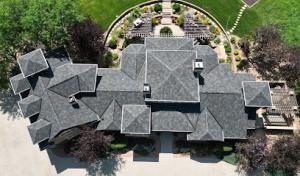
Trust Roofing & Restoration
(970) 999-8778 www.trust-roofs.com
1532 E Mulberry St UNIT E, Fort Collins, Colorado
4.9 from 78 reviews
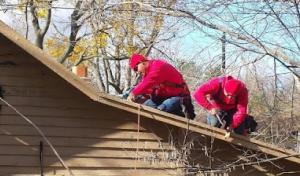
Bone Dry Roofing
(970) 557-7619 www.bonedry.com
1301 E Mulberry St, Fort Collins, Colorado
4.8 from 247 reviews

Premier Roofing Company
(970) 484-7663 www.premier-roofing.com
3201 E Mulberry St UNIT B, Fort Collins, Colorado
4.5 from 676 reviews
Fort Collins homeowners commonly choose among asphalt shingles, metal roofing, clay tile, concrete tile, wood shakes, and synthetic/composite shingles, so material comparisons need to reflect this exact mix. Each option has its own strengths in a Front Range climate that sees spring hail, winter snow loads, and high-sun days. The decision often hinges on how a given roof material handles impact, thermal movement, and long-term maintenance in a dry, windy setting. In practice, this means weighing hail resistance against weight, wind uplift tolerance, and how the material behaves as it ages under temperature swings.
Hailstorms in this area tend to favor roofing that can absorb impact without cracking or puncturing. Asphalt shingles with good spec'd impact resistance can be a reliable baseline, especially when paired with a solid underlayment and properly flashed edges. Metal roofing offers excellent impact performance if panels are installed with proper fasteners to prevent loosening under wind and thermal cycling. Clay and concrete tiles bring generous heft and can resist direct hail strike better than some shingles, but individual tiles can crack or spall, leaving fastener and underlayment exposure that invites leaks if not promptly addressed. Wood shakes bring a natural look but are vulnerable to intermittent hail impacts and require careful treatment and maintenance to prevent weathering and microbial issues in the dry, windy climate.
Thermal movement matters here more than in milder climates. Metal roofs expand and contract with temperature swings, so the panel layout, ridge details, and fastener patterns must accommodate movement to prevent premature leaks or panel distortion. Clay and concrete tiles have inherent thermal expansion considerations, and improper spacing can lead to cracked tiles during rapid cooling after hot afternoons. Asphalt and synthetic/composite shingles generally handle thermal cycling well, but prolonged sun exposure can accelerate granule loss or surface aging, which reduces protective capabilities if the roof is not routinely inspected. In Fort Collins, the drying wind also dries sealants and flashings faster, so ensuring high-quality sealant choices and flashing integration around chimneys, vents, and chimney caps is particularly important.
Tile and wood options require ongoing attention beyond initial installation. Tile roofs demand regular checks for cracked or displaced pieces after hail events and seasonal freeze-thaw cycles, plus careful inspection of the underlayment and flashing where tiles intersect. Wood shakes, while aesthetically favored, need spot maintenance to prevent UV drying and weathering. In a dry, windy setting, resealing and treating wood surfaces periodically protects against rapid drying and crack formation. Overall, Fort Collins homeowners should plan for proactive maintenance schedules that align with seasonal patterns, especially after hail seasons or significant temperature shifts.
Your roof is only as good as its flashing and penetrations. In this area, inspections specifically verify flashing, making leak-prone transitions a bigger practical issue than purely cosmetic reroofing choices. That means a roof can look solid from a distance, yet a small flaw around a skylight or chimney can become the first place water finds its way in after a storm.
Freeze-thaw cycling and wind-driven storms in Fort Collins tend to expose weaknesses first at penetrations, edges, and drainage transitions rather than only in field shingles. Skylights, vents, and exhaust stacks sit at the intersection of multiple materials, so lingering gaps or improper sealant can scream trouble once the weather shifts. Pay close attention to flashing details around skylights, chimney aprons, and transitions where the roof meets vent stacks. These are the spots most likely to fail after a hail event or a windy storm, even when the rest of the roof seems intact.
Before reroofing, discuss with your contractor how flashing will be integrated with the new roofing system. Ask for clear, photo-documented workflows that show step-by-step installation around penetrations and along eaves and drainage transitions. After work is complete, keep a simple record of the exact flashing materials used and the locations treated so you can reference them in future claims or inspections. Because the city may request photos and receipts, homeowners in Fort Collins benefit from documenting flashing and skylight work as part of the permit and claim record. If a leak does develop, address it promptly through coordinated flashing replacement or resealing rather than waiting for multiple seasons to pass.
Find contractors experienced in skylight installation, flashing, and leak repairs to bring natural light into your home.
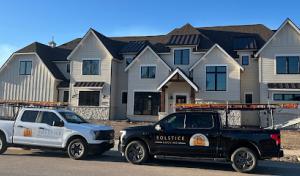
Solstice Roofing
(970) 989-2224 solsticeroofingcolorado.com
321 Del Clair Rd, Fort Collins, Colorado
5.0 from 93 reviews
Weddle & Sons Roofing of Fort Collins
(970) 568-8749 weddleandsons.com
418 S Howes St Suite 6, Fort Collins, Colorado
5.0 from 74 reviews
Trust Roofing & Restoration
(970) 999-8778 www.trust-roofs.com
1532 E Mulberry St UNIT E, Fort Collins, Colorado
4.9 from 78 reviews
In Fort Collins, dry, sunny summers make roof-mounted solar part of the local roofing conversation even though it is not the dominant roof type. When you plan for solar, think about panel placement relative to prevailing shading from nearby trees, chimneys, and upper-story rooms. A south-facing slope with unshaded exposure tends to yield the best production, while north- or east-facing sections may require tilt adjustments to capture more sun. Hail season and winter snow loading still affect the roof underneath the panels, so choose a mounting system that won't compromise flashing or drainage paths. If you're reroofing as part of a solar project, verify that the new underlayment and flashing configurations preserve proper water shedding around every penetrated surface, especially at vent stacks and rooftop equipment.
Low-slope sections demand particular attention because drainage and venting are easier to overlook when the roof's pitch is shallow. The city's inspection focus on venting and drainage is especially relevant here, since improper slope or blocked outlets can create stubborn ponding or ice damming during winter freezes. If you're coordinating roof work around mounted equipment, plan for adequate clearance and integrated flashing that preserves both wind-driven drainage and vent exhaust paths. When low-slope details are tackled, ensure transitions to steeper sections are seamless so water moves off the roof without creating hidden leaks at seams or corner detailing.
Mixed rooflines are common in Fort Collins homes and additions, which can create projects where steep-slope reroofing and low-slope detailing need to be handled together under one permit process. Approach these as a single, cohesive plan: align flashing strategies, ensure continuous drainage, and confirm that the new materials meet both performance needs and the neighborhood's weather realities. This integrated approach helps prevent gaps where water or hail damage could start, and it keeps the system resilient through Front Range wind and freeze-thaw cycles.
Find contractors who integrate solar panels or solar shingles into your roof for long-term energy savings.
Weddle & Sons Roofing of Fort Collins
(970) 568-8749 weddleandsons.com
418 S Howes St Suite 6, Fort Collins, Colorado
5.0 from 74 reviews
The Roofing Center
(970) 718-2221 www.roofingcenter.com
2629 Redwing Rd Suite 114, Fort Collins, Colorado
5.0 from 47 reviews
Greater Front Range Roofing
Communication Studies, 1501 Academy Ct, Fort Collins, Colorado
4.8 from 21 reviews
In Fort Collins, insurers commonly expect a formal claim file with photos and detailed damage records because hail and wind claims are so frequent along the Front Range. A thorough file helps prevent disputes when weather-driven waves of claims hit the market and adjusters are juggling multiple cases. Your file should tell a clear story: what happened, when it happened, and how the roof was impacted across multiple exposures (shingles, flashing, vents, drainage).
Carrier response can vary significantly after major regional hail events, so homeowners need to align contractor scope, city permit steps, and insurer documentation from the start. Start with a concise timeline of the storm, including exact dates and winds observed by your household or neighbors. Document visible damage on both elevations where feasible, and note conditions such as ice dam potential or drainage concerns that could influence mitigation decisions. Insurers prefer organized, corroborated evidence rather than scattered notes or vague descriptions.
Take high-resolution photos before any mitigation or temporary tarping, then repeat after each stage of work. Capture the roof surface, flashing around chimneys and vents, gutters, and any sagging or lifted shingles. Keep a running damage log that assigns dates to events, including hail size estimates if you can obtain them from local weather reports. Save all receipts for any temporary fixes, bin numbers for discarded roofing material, and any communication with the insurer. Progress photos showing each phase of the tear-off, replacement, and re-flashing help illustrate scope and adherence to the approved plan. If a field adjuster visits, request a written note or email recap and attach it to the file.
From the outset, ensure the contractor is aligned with the insurer's expectations for scope and documentation. Ask the contractor to provide itemized photos of the roof decking, underlayment, and flashing before and after work, and to keep a logging of all weather-related delays and inspections. When the city steps in for signoffs, collect copies of inspection records and any official notes, then add them to the claim file. A clean, dated, photo-backed file is your strongest asset when negotiating settlements after the storm.