Last updated: Apr 19, 2026
Westminster sits in Colorado's hail-prone Front Range insurance environment, where roof claims are common enough that carriers often ask for detailed photo documentation, roof age, and contractor estimates. If hail hits, your first move is to photograph every impact area from all angles, clearly showing the extent of damage across shingles, hips, ridges, gutters, and vent flashings. Keep a dated log of when the storm occurred, how large hail appeared, and any subsequent shingle blemishes you notice during routine inspections. This level of documentation isn't optional; it's what carriers expect to support a claim and accelerate the process. Without it, delays can pile up, and you risk losing leverage later when the insurer scrutinizes each claim line item.
Spring hail season and summer monsoon wind events can disrupt installation schedules in Westminster and create demand spikes that delay inspections and contractor availability. When a storm hits, the clock starts not just on evaluating damage, but on finding an available contractor who can provide a timely estimate and schedule. In practice, the best window for action is immediately after the weather clears and insurers begin field reviews. If your area suffered a significant hail event, do not wait for perfect conditions to start gathering estimates; secure a reputable, local roofing contractor now. A contractor with Westminster experience knows how to coordinate with adjusters, expedite material ordering, and align crew availability with the often-tight post-storm timetable.
Because Westminster homeowners often face repeat hail exposure over a roof's life, replacement timing is tied not just to age but to whether cumulative storm damage will still be insurable. If multiple hail events pepper a roof across seasons, an insurer may question continued insurability once the roof shows substantial wear or if structural components near the deck have sustained moisture intrusion. When an adjuster visits, be ready to present the full story: arrival date of the first hail, progression of any new impacts in the months since, and any temporary repairs that were implemented to prevent further damage. If the insurer signals that continued coverage could be jeopardized due to cumulative damage, you'll need to decide whether moving to a full replacement now will preserve coverage for the next decade, or whether delaying could mean higher premiums or denial of future claims.
Act quickly to schedule an inspection with a local roofing contractor who understands Westminster's climate and building stock. Request a detailed, itemized estimate that breaks down shingle replacement, vent and flashing work, and any deck or fascia repairs. Share your photo log and storm dates with the contractor and the insurer so everyone is aligned on the scope. Prepare to coordinate timing with the insurer's field adjuster and the contractor's crew, bearing in mind that spring storms and summer winds can push back crews and material deliveries. If a claim is approved, prioritize scheduling promptly to minimize exposure to further weather events; a rushed but deliberate replacement can prevent recurring hail-related leaks and safeguard the home's long-term performance.
Reliable Roofing & Restoration
(303) 625-6234 www.reliableroof4u.com
1313 W 121st Ave, Westminster, Colorado
4.9 from 301 reviews
Reliable Roofing & Restoration is a local, family-owned roofing contractor in Westminster, CO, serving communities throughout Colorado. Whether you're looking for a reliable roof installation or roof maintenance, a small repair, or a complete roof replacement, we are here for you! Our roofing company has offered excellent craftsmanship and reliable and honest customer service for more than 20 years. Contact us today for a quote.
CCS Roofing
8781 Sheridan Blvd #6034, Westminster, Colorado
5.0 from 77 reviews
CCS Roofing is locally owned and operated roofing, gutter, and siding specialist. With a commitment to quality craftsmanship and customer satisfaction, our experienced team delivers top-notch residential and commercial roofing solutions. From repairs and installations to gutter and siding upgrades, we offer comprehensive exterior services to protect and enhance your property. Trust CCS Roofing for durable, weather-resistant solutions tailored to your needs. Schedule a consultation today and experience our dedication to excellence in every project we undertake.
New Era Roofs
(720) 989-6123 neweraroofs.com
9101 Harlan St Ste. 305, Westminster, Colorado
4.9 from 151 reviews
Established in 2017, New Era Roofs is Colorado's premier roofing contractor, specializing in top-quality residential and commercial roofing solutions. Our experienced team is dedicated to providing durable repairs, replacements, and maintenance services, all crafted to withstand the state’s unique climate. New Era Roofs combines innovation, integrity, and exceptional service to ensure every client receives a reliable and tailored solution.
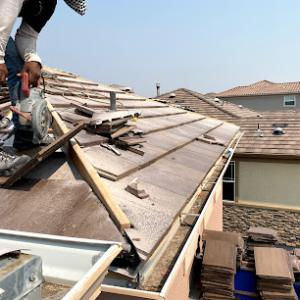
Mile High Roofing Services
(720) 999-8282 milehighroofingservices.com
1499 W 120th Ave #110, Westminster, Colorado
4.9 from 54 reviews
Mile High Roofing Services is a trusted roofing contractor based in Westminster, CO, proudly serving the North Metro Denver area for more than 15 years. We specialize in residential and commercial roofing, including roof replacements, repairs, storm and hail damage restoration, and new roof installations. As an Owens Corning Select contractor with an A+ BBB rating, we deliver dependable workmanship, honest communication, and long-lasting results. We also offer siding, gutters, painting, and window replacement to protect and upgrade your entire exterior. Contact us for a FREE roof inspection today.
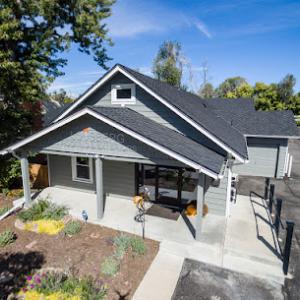
Lousberg Roofing & Exteriors
3705 W 73rd Ave, Westminster, Colorado
5.0 from 32 reviews
Lousberg Roofing & Exteriors was built on a foundation of above average customer service, integrity & strong work ethic. We strive to always go above and beyond for every customer, treating your project as if it were our own. We are able to confidently stand behind every roof with our LIFETIME WORKMANSHIP WARRANTY by using top quality products and some of the best installation teams who take pride in their work. Whether residential or commercial, LR&E will work with customers to design the best roof possible for each individual project.
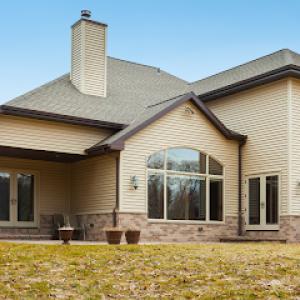
Exteriors Now
(720) 338-9886 www.exteriorsnow.com
7710 Knox Ct, Westminster, Colorado
4.9 from 47 reviews
Exteriors Now, LLC. is proud to call Colorado home. We are a family run business with over 10 years experience in the roofing industry. Exteriors Now, LLC. has in-depth experience, resources and financial strength to handle residential, commercial and multi-family projects. We’re a Licensed and Certified Roofing Contractor that is bonded and insured. We are proud to have an A+ BBB Rating!
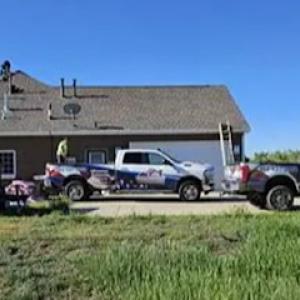
US Property Services
(303) 437-3758 uspropertyservicesinc.com
7390 Lowell Blvd, Westminster, Colorado
4.7 from 41 reviews
With over 20 years of experience, US Property Services, is committed to excellence in every aspect of our business. We specialize in roof restoration and full roof replacements, with a focus on helping homeowners and property managers navigate insurance claims seamlessly with minimal stress and maximum results.
CIG Construction
(720) 897-1886 www.cigconstruction.com
1501 W 124th Ave #600, Westminster, Colorado
4.8 from 32 reviews
Has your property recently been damaged from a hail storm? We can help provide a scope of repair and estimate for the insurance claims process. CIG Construction & Roofing makes sure that the scope of repairs identified by the insurance carrier complies with plans, specifications, codes, laws, regulations and roofing industry standards. This ensures that your roof is installed properly and to code.
Restoration Builders of Colorado
(720) 842-7663 restorbuilders.com
960 W 124th Ave Suite 400, Westminster, Colorado
4.4 from 156 reviews
Welcome To Restoration Builders of Colorado, GAF Master Elite. Restoration Builders of Colorado is a residential & commercial contractor operating in the United States. Our Roof, Windows, Siding and Gutter repair and restoration experts provide assistance with everything from roof inspections and minor repairs to comprehensive storm damage rebuilds and just about everything in between. Our mission is to protect, restore and build properties, strengthen families and support our communities. We are committed locally and ready to serve wide scale for disaster response. Contact us for a free inspection: info@restorbuildersCO.com
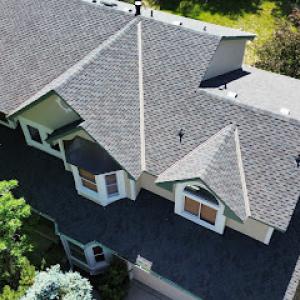
Virtuous Roofing & Restoration
(303) 808-6888 www.virtuous-roofs.com
Serving
5.0 from 49 reviews
Virtuous Roofing & Restoration Is locally owned & operated contractor located in Broomfield, CO. Our mission is to help our community by offering the best workmanship, best customer service and overall satisfaction with you next roofing, gutters or paint job.
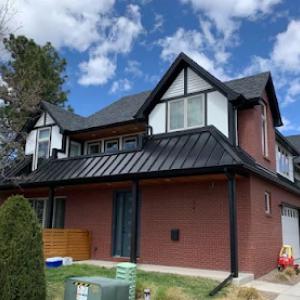
All Seasons Exteriors
(720) 615-0383 www.allseasonsexteriorsco.com
Serving
5.0 from 59 reviews
At All Seasons Exteriors, we are proud to offer Denver's premier roof repair, replacement, and hail damage restoration services. We have gathered some of the most skilled roofers in the state, and our experienced team uses only the highest quality Malarkey shingles and eco-friendly materials to ensure your roof is restored to its original condition - or better - after our thorough inspection. So, if you need roof repair or replacement services from some of the best Denver roofers in the Centennial state, look no further than All Seasons Exteriors. Get in touch with us today!
Roofing MV
Serving
4.8 from 37 reviews
Free Estimates Free Inspections Certifications No down payment needed until the job is done
When choosing a roof in this area, you notice how often hail comes through and how sharply temperatures swing from day to night. Asphalt shingles stay common because they balance cost and repairability, but the Front Range's hail impact and freeze-thaw cycles shorten service life compared with milder climates. If you already have asphalt, inspect especially after hail events for lifted edges, granule loss, and hairline cracks that can grow with repeated freezes. Consider upgrades like more reflective shingles or higher wind resistance underlayment after a severe season. In practical terms, plan inspections for early spring and late fall, right after storms, so any early damage doesn't linger through rapid seasonal shifts.
Tile roofs fit parts of the housing stock, yet they bring additional maintenance realities. Clay and concrete tiles can look durable, but their performance depends on the underlayment and the ability of the system to tolerate freeze-thaw cycles. In Westminster, cracking and chipping may occur where hail strikes the tile surface, but the real vulnerability is the substrate and underlayment beneath. Pay attention to loose or cracked tiles after a hail event, and verify that the underlayment remains intact and properly fastened. If you see exposed gaps or moisture signs, a full roof assessment is warranted. Freeze-thaw performance is improved by ensuring a robust, weathered barrier below the tiles, not just the visible surface.
Metal and synthetic/composite roofs are often evaluated for hail resistance and long-term durability after repeated storm seasons. Metal tends to shed hail impact better than many shingle options, and its rigidity can resist wind blow-off in severe gusts. Synthetic or composite shingles bring a lighter footprint and often good impact damage tolerance, while preserving flexibility to handle sharp temperature swings. For homes with higher exposure or steeper pitches, metal or composite systems can provide meaningful longevity. When considering these options, align panel or shingle profiles with the roof's slope, valley design, and existing roof lines to minimize panel seams and potential impact zones.
Start with an inspection after the next big storm, focusing on impact marks, lifted granules, and underlayment integrity. If hail damage is confirmed, prioritize a replacement strategy that preserves structural venting and ensures a solid barrier against freeze-thaw intrusion. For mixed roofing conditions-parts with existing tiles and other sections with shingles-think about a unified approach that strengthens the entire roof system rather than patching patches. Weather patterns here reward systems that balance impact resistance with airflow and moisture management. In choosing materials, weigh the long-term performance under repeated storm seasons, not just initial appearance, and consult a local roofer who understands the Front Range quirks and the typical housing stock in this area.
In Westminster, storm-driven surges in demand can tighten contractor schedules and push labor and material pricing upward. Hail events along the Front Range don't just test the shingles; they squeeze the local market for days and weeks as crews shift from one job to the next. If a hail storm hits a weekday, you may notice a backlog in estimates and a need to book sooner than you'd expect. That pressure often translates into higher bids, especially for full roof replacements where crews are balancing insurance work with scheduled jobs. If your roof is on the edge of failure after a harsh season, plan for a faster timeline to lock in materials and labor once the claim process clears.
Material choice matters sharply here because homeowners frequently weigh lower-cost asphalt against higher-cost metal, tile, and synthetic options for better hail resilience. Asphalt shingles remain common and can be a solid value, but a severe hail season can expose the cost-versus-durability trade-off more quickly. Metal Roofing offers excellent hail resistance and longer life, but with a higher upfront price. Clay and concrete tiles deliver standout hail performance and wind resistance in many Westminster neighborhoods, yet their weight, substructure needs, and color/maintenance considerations push overall costs upward. Synthetic or composite shingles blend some hail durability with a lighter footprint than tile, often sitting between asphalt and metal in cost but with notable longevity. When you're pricing options, think about the local storm history, the likelihood of repeated events, and how much you value long-term performance against upfront expense.
Project pricing reflects more than the material itself. For asphalt shingles, expect roughly 350 to 750 USD per square, while metal ranges from about 700 to 1,400 USD per square. Clay tile sits higher at roughly 900 to 1,900 USD per square, with concrete tile at about 800 to 1,700 USD per square. Wood shingles or shakes can fall in the middle but skew higher for installation complexity, around 600 to 1,100 USD per square. Synthetic or composite shingles typically run 550 to 1,000 USD per square. In Westminster, the price you actually pay often depends on damage scope, tear-off needs, and how much decking or flashing issues emerge once old material comes off. If a storm exposes rotten decking or flashing flaws during tear-off, expect adjustments to be needed for replacement decking, underlayment, and flashing details-factors that can extend timelines and raise costs.
If you're facing a mid-season replacement, you're balancing urgency with scheduling realities. Insurance timelines, estimate approvals, and the practical window to tear off and reinstall without exposing the home to wind-driven leaks all shape the final price. Weather windows also matter: Westminster's freeze-thaw cycles mean contractors favor dry, moderate weather to minimize callbacks for leaks and shingle lifting. A careful approach is to align on a preferred material early, set clear expectations about tear-off scope, and reserve your spot in the contractor's schedule before peak demand hits after a hail event. By understanding how storm activity, material choice, and tear-off findings interact, you can navigate Westminster's pricing dynamics with fewer surprises.
Get a clear picture of your project costs upfront - no commitment required.
CCS Roofing
8781 Sheridan Blvd #6034, Westminster, Colorado
5.0 from 77 reviews
Mile High Roofing Services
(720) 999-8282 milehighroofingservices.com
1499 W 120th Ave #110, Westminster, Colorado
4.9 from 54 reviews
Full roof replacements in this area generally require a building permit from the City of Westminster Building Division, not permit-free maintenance. This matters because pulling the right permit sets expectations for code compliance, venting, flashing, and underlayment details that the city will review before and during work. Your contractor should be prepared to submit a complete scope of work, including roof vent layouts, attic ventilation strategy, flashing around chimneys and skylights, and the type and installation method for underlayment. Approaching the permit with a complete, accurate plan helps prevent stalled work and miscommunications once crews are on site.
Before the project starts, gather documentation and specs that show how the roof will be vented, flashed, and underlayment installed. The city can require these details to be included in the permit package, so you want a precise, contractor-verified plan. If there are additions like attic hatch access, solar retrofits, or attic insulation work tied to the roof, note those as well. Having a clear, codifiable scope reduces the chance of scope changes that delay approval or trigger extra inspections later. Your contractor should provide stamped drawings or engineering notes if necessary to satisfy the Building Division's expectations.
Westminster inspections are typically required at completion and may occur during installation as the project progresses. Because inspection demand rises after major storm periods, recognizing the peak-season backlog is important. Align the construction schedule with anticipated inspection windows and have all required paperwork ready in advance. If an inspector flags a deficiency, address it promptly to keep the project moving and avoid delays. Clear communication with the Building Division about any field adjustments helps prevent rework and keeps your timeline intact.
The final inspection confirms that venting, flashing, and underlayment meet code and that the installation aligns with the approved plan. After completion, ensure you have all contractor-warranted documentation, including test results or manufacturer notes for underlayment and flashing materials. A smooth closeout depends on submitting the final inspection documents promptly and staying responsive if the Building Division requests additional information. Planning around potential storm-season backlog reduces the risk of extended project downtime.
As a homeowner, verify that the contractor holds the city permit and submits all required plan details before work begins. Schedule the work to consider possible inspection delays and weather-driven interruptions, typical in this region. Maintain open lines of communication with both the contractor and the Building Division, and keep copies of every permit, drawing, and inspection notice. A well-documented process helps ensure your replacement proceeds efficiently and meets Westminster's standards from start to finish.
In Westminster, the insurance process after a hail event often hinges on documented damage being clearly shown and professionally verified. Insurers commonly request date-stamped damage photos, the roof's age, and a formal inspection report from a qualified roofer before approving any repair or replacement work. You should plan ahead to have crisp, timestamped images of hail impact on shingles, gutters, and fascia, taken shortly after a storm, so that your file isn't weakened by time or weathering. A thorough, professional inspection report helps translate what you see with your eye into a measurable claim, especially when granule loss or bruising appears subtle.
Adjusters may ask for independent inspection findings, which matters in Westminster because hail damage can be disputed when granule loss, bruising, and accessory damage are borderline. If a third-party view contradicts the initial assessment, you could find yourself negotiating more than once or appealing a denial. To prepare, arrange a licensed roofer to perform a concurrent evaluation and provide a clear, itemized scope of damage. Keep copies of every communication, and ensure the inspector notes weather exposure, shingle type, and any prior repairs. This can help prevent misunderstandings about what the claim should cover and what constitutes replacement versus repair.
Colorado's hail-driven insurance pressure means Westminster homeowners may see premium changes or be steered toward hail-resistant upgrades after a paid claim. The industry trend is toward upgrades that reduce future risk, which can influence both the insurer's stance and your long-term budgeting. If a hail claim triggers a follow-up discussion about roof materials, weight the pros and cons of durable, hail-tolerant options against the storm history of your neighborhood and the expected lifespan of the existing roof. A well-documented claim that aligns the damage with a credible inspection can smooth conversations about next steps and help you avoid a cycle of repeated adjustments.
After a storm, organize a rapid-start file: dated photos, the roof age, the independent inspector's report, and your contractor's written evaluation. When talking with the insurer, present a cohesive narrative that links observed damage to an inspector's findings and the roof's current condition. If you receive a denial or a request for more information, respond quickly with additional photos or an updated report from a qualified professional. In a high-claim market, proactive, factual documentation is your best shield against delays or misinterpretation.
Westminster's cold winters and rapid temperature swings can stress roof systems through expansion-contraction cycles that expose weak flashing and brittle shingle areas. When moisture sits in cracks or around penetrations, the freeze-thaw cycle can push and pull roofing components, leading to hairline gaps that grow into leaks. In practice, roof edges and valley flashings are particularly vulnerable, as repeated freezing and thawing push water into seams and underlayment. If you notice granular loss on shingles or dark spots near chimney, vents, or skylights after a cold snap, treat it as a warning sign that vulnerable spots may be amplifying damage rather than just aging. Keep an eye on any soft spots or loose flashing around dormers and roof-to-wall transitions, especially after heavy snows melt quickly.
Because Westminster's permit review may scrutinize venting details, ventilation is not just a comfort issue but part of passing replacement work correctly. Inadequate attic ventilation can trap heat and moisture, accelerating ice dam formation and worsening deck moisture during rapid warm spells. Ensure soffit, ridge, and power-venting strategies are balanced to maintain a dry underside of the roof deck through the winter. Pay attention to vent flashing as well; improper sealing here invites leaks that freeze and expand, magnifying damage at the penetration. If a contractor proposes cosmetic venting fixes without addressing attic flow, expect a higher risk of future frost-related issues and recurring leaks.
During clear days, perform a careful ceiling-to-roof check for condensation stains or staining near vents and penetrations. After storms, look for lifted shingles or rusted galvanized flashings, then address promptly to avoid deeper rot. In this climate, timely resealing and proper vent placement are practical steps you can take to reduce long-term vulnerability when wind, hail, and thaw cycles collide.
After a Westminster hail or high-wind event, your roof can look intact on the surface while unseen damage is waiting to leak. Shingles can be battered, flashing bent, and attic bypasses created by granule loss. Wind-driven rain can ride along eaves and into soffits, finding seams where you can't see damage from the ground. The result is a slow drip or a sudden gush into living space during a late afternoon storm.
After Westminster hail and wind events, temporary dry-in measures can be critical because inspection and contractor schedules often tighten at the same time. Start by covering openings with sturdy waterproof tarps anchored well, and seal attic penetrations to slow intrusions. Block attic vents only as a temporary measure if advised by a roofer, to avoid trapped moisture. Keep interior rooms dry with plastic sheeting at ceiling lines and move valuables away from potential water paths.
Wind-driven rain during summer storm patterns can turn small impact damage into interior leaks before a full replacement is approved or scheduled. Recognize the signs early: damp ceiling spots, peeling paint near flashing, or moisture in insulation. If a leak is active, place buckets, towels, and plastic beneath the drip and avoid touching damp wiring or outlets.
Emergency response matters in Westminster because repeated storm rounds can hit before permanent repairs are completed. Contact a local roofer with after-hours availability, document the damage with photos, and request a temporary rescue plan that preserves your interior while you arrange more permanent work. Prioritize quick but safe steps to reduce further damage until a licensed professional can finalize the repair.
When you can't wait, these contractors offer fast response times to stop leaks and prevent further damage.
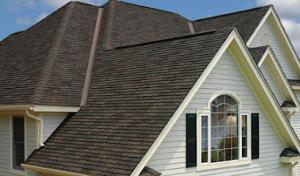
New Era Roofs
(720) 989-6123 neweraroofs.com
9101 Harlan St Ste. 305, Westminster, Colorado
4.9 from 151 reviews
CIG Construction
(720) 897-1886 www.cigconstruction.com
1501 W 124th Ave #600, Westminster, Colorado
4.8 from 32 reviews
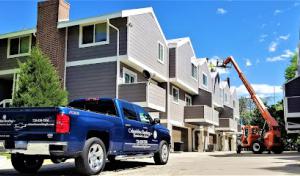
Although the area is largely a pitched-roof market, low-slope sections on additions, garages, porches, and some multifamily or commercial buildings need different detailing than the main roof. In Westminster's climate, freeze-thaw cycles and wind-driven precipitation can drive water to seams and edges where the slope isn't steep enough to shed moisture quickly. Pay attention to transitional areas where a low-slope section meets a steeper roof, as misaligned drip edges or mismatched flashing here can pool water and force leaks into attic or wall cavities. During a roof evaluation, test each low-slope seam for movement and ensure sealant joints stay flexible across seasonal temperature swings.
Homeowners replacing only the visible main roof can miss leak sources on attached low-slope transitions and wall flashings. In practice, that means the most vulnerable spots are where low-slope areas butt against walls, fascia, or vertical surfaces. Inspect vent stacks, skylines, and any condensation or attic intake features where the siding meets the roofline. Flashings should be continuous, with careful overlap over the wall plane and proper termination into flashing on the wall itself. If there is a dormer or cant strip, verify that the interface between roof planes remains watertight as panels expand and contract with temperature shifts.
Selecting the right material for a low-slope insert matters more than cosmetic match. In Westminster, you'll want solutions that maintain a tight seal around penetrations and hold up under wind-driven rain. Evaluate whether the edge metal, underlayment, and sealants are rated for sustained contact with moisture and temperature fluctuations. A robust edge detail and a continuous underlayment plan that carries moisture toward a proper drain are essential, especially where a porch or garage roof ties into the main structure.
Because drainage and seam integrity can degrade between major storms, implement a targeted inspection after hail events or heavy spring runoff. Focus on the low-slope zones first, then extend checks to attached transitions and wall flashings. If any doubt remains about a seam's performance, re-sealing or flashing replacement should be considered sooner rather than later to prevent leaks in the next freeze-thaw cycle.
Find specialists in TPO, EPDM, and built-up flat roofing systems for residential and commercial properties.
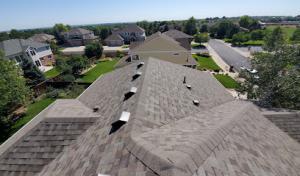
Green Gable Roofing & Exteriors
(720) 504-5023 www.greengableroofing.com
Serving
4.4 from 93 reviews