
Last updated: Apr 19, 2026
Windsor sits in Northern Colorado's high-claim hail and wind corridor, so spring and summer storm events are a primary trigger for inspections, repairs, and full reroofs. When those fronts roll in, roofs endure rapid temperature swings, hail-driven impacts, and gusty winds that test edge seams and ridge lines. This isn't a one-off risk; it's a regular pattern that repeats with each storm season. If a storm hits, you're not just evaluating cosmetic wear-you're assessing the roof's ability to resist future damage and keep the attic dry through the next round of weather. Treat every strong front as a potential prelude to deeper issues that quietly undermine long-term performance.
The gusty thunderstorms here can create edge-lift and shingle blow-off problems even when damage isn't obvious from the ground. A roof that looks intact at a glance can hide lifted edges, micro-tears, and lift along the eaves that invite water intrusion during the next rainfall. Post-storm documentation becomes essential: photos from multiple angles, close-ups of fasteners and roof penetrations, and notes on any unusual wind-driven debris. If a storm rattles your area, don't wait for a clear sign of damage. Inspect and document promptly, because wind can loosen parts you don't immediately notice and leave a small leak that grows with the next storm.
Because repeated seasonal storm exposure is common, insurers commonly expect detailed photo sets and condition records before and after losses. Build a thorough, timestamped library: exterior shots capturing the entire roof line, close-ups of hail impacts on shingles, flashing around chimneys and vents, and interior photos of any attic stains or water marks. Keep a dated diary of storm events, wind speeds if available, and any temporary fixes you deploy. When a claim is filed, this battle-tested record is not optional-it speeds the process and strengthens the position that a full reroof or targeted repairs are warranted rather than a quick patch.
Schedule a professional roof review after every major storm, preferably within 48 to 72 hours while impressions of damage are fresh. Ask the contractor to document edge seams, exposed nails, and any shingle granule loss, as well as flashing integrity around vent stacks and chimneys. Before talking to any insurer, align the assessment with the storm history: note the date, wind direction, and hail size if available. If damage is confirmed, organize the post-storm photo set and condition reports so the file can travel with the claim. In this climate, proactive monitoring and disciplined documentation aren't luxuries-they are the protections that determine whether a repair suffices or a full reroof becomes the responsible choice.
Windsor roofs face a dual challenge: intense Front Range sun that ages materials quickly, and winter freeze-thaw cycles that push shingles and tiles to their limits. Asphalt can dry out and crack faster under extended sun exposure, while brittle tile products are stressed by repeated freezing and thawing. The combination of high-elevation sun and cold snaps means that a roof's longevity hinges on choosing a system with solid thermal performance, wind resistance, and a geometry that sheds hail impact effectively. This section focuses on practical choices that align with the town's roofing realities and housing stock.
The dominant local material mix includes asphalt shingles, metal, clay tile, concrete tile, synthetic/composite shingles, and slate. Material choice here is less about trend and more about storm resilience and how well the product fits the roof structure. Asphalt shingles offer straightforward replacement and decent hail resistance when rated for impact, but notes include accelerated aging with sun exposure and large temperature swings. Metal roofs provide excellent wind performance and resilience to hail if installed with proper fasteners and underlayment; they also reflect sun, which helps with heat-related wear. Clay and concrete tiles bring high fade resistance to sun and a long life when the sheathing and battens are robust, yet they can be brittle after hail and require careful inspection for cracked units after storms. Synthetic or composite shingles blend favorable hail resistance with lighter weight and better freeze-thaw tolerance than some natural tiles. Slate offers exceptional durability in theory, but local exposure means paying close attention to cracks after hail events and cold snaps, as isolated cracks can be missed and still lead to leaks later. Each option requires a roof deck that is sound enough to support the load and a fastener strategy that withstands wind uplift.
Tile and slate systems demand extra vigilance after hail and cold snaps. Cracked units can be isolated and hard to spot until leaks appear, especially on sloped roofs where hidden underlayers can conceal damage. After a severe hail event, inspect for hairline fractures in clay or concrete tiles and for any movement in slate panels. Look for displaced or broken fasteners, and check flashings around chimneys, vents, and edges where terrain-specific wind vectors concentrate impact. Because damage can be discontinuous, a thorough inspection should extend to interior ceilings directly beneath suspect roof areas and to attic hatch lines where moisture may travel. If a crack is found, replace only the affected tile or slate where feasible, but verify adjacent units are not compromised by the underlying deck or underlayment. Regular, proactive checks after the first freeze-thaw cycle of the season help catch issues that can become leaks if ignored.
Wind resistance matters more than aesthetic choices in this climate. Roofs should be designed with wind-rated underlayments and properly secured fasteners to resist uplift from storms. For metal roofs, ensure panel seams are properly sealed and fastened with corrosion-resistant hardware rated for high-altitude exposure. Asphalt shingles benefit from impact-resistant formulations and proper nailing patterns to prevent blow-off during gusts. Tile roofs should be installed with reduced-span batten systems or other strategies that minimize tile breakage under wind-driven debris. The goal is to balance hail resistance, wind uplift protection, and freeze-thaw durability in a system that remains watertight under shifting temperatures. Regular inspections after storm season help identify early signs of wear before minor issues become major repairs.
After hail and high winds sweep through Northern Colorado, local reroof pricing tends to spike. Storm-driven demand tightens labor availability and stretches scheduling windows. In Windsor, that means the price you see for a replacement can drift higher than non-storm months, especially if several roofs in your neighborhood are being addressed at once. When wind-driven debris flies and hail pummels shingles, crews may prioritize emergency or insurance-driven work, narrowing the window you have to choose materials, color, and timing.
Many suburban homes in this area feature hips, valleys, attached garages, and multiple penetrations. Those elements add labor beyond a simple walkable gable roof. Hips and valleys require more roof cutting, flashings, and careful transitions to keep water out. Penetrations for vents, plumbing stacks, and skylights complicate each pass of the install and can extend cleanup and inspection times. If your project includes replacing metal accessories or upgrading underlayment after repeated weather exposure, anticipate additional costs for materials and labor beyond a basic shingle laydown.
The typical cost ranges for common materials reflect both material price and installation complexity. Asphalt shingles are the most economical on a square-foot basis, but a storm season can still push totals higher due to labor scarcity. Metal roofing offers durability in high wind and hail-prone seasons, yet its payback period depends on the existing roof's pitch and attachments. Clay and concrete tiles provide long-term resilience but demand precise installation around hips, valleys, and penetrations, which raises labor hours. Synthetic or composite shingles can strike a balance between cost and hail resistance, though installation nuance remains similar when hips and valleys exist. Slate, while premium, amplifies complexity with every ridge and valley line.
Disposal logistics influence the bottom line. If a large portion of your existing roof needs removal, disposal fees and waste handling can tilt the final price upward. Matching or replacing damaged tile versus new installations matters too: if the project requires matching existing tile profiles or colors, sourcing downtime can lengthen schedules and raise costs. Skylights or upgraded underlayment after repeated weather exposure also shift the math. If a home's insulation or ventilation needs an update alongside the roof, consider this as part of the bid to avoid rework.
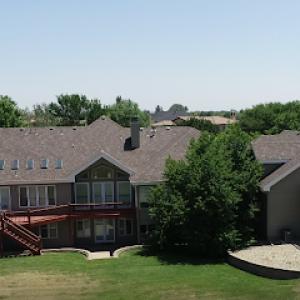
Tornado Roofing & Gutters
1327 Hilltop Cir, Windsor, Colorado
5.0 from 237 reviews
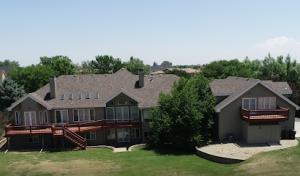
Tornado Roofing & Gutters offers quality Roofing services throughout Northern Colorado. We are a local family owned business, with over 20 years of experience. We take pride in our craftmanship as professional roofers. We take on projects, from asphalt and metal roof installation to gutter installation, including residential roofing & commercial roofing projects. We offer free inspections and estimates. As far as roofing companies in Windsor CO area Tornado Roofing is your best choice. We first started as a roofing contractor in Fort Collins CO in 2007, then moved to Greeley CO, now we are conveniently located in Windsor CO to be able to serve all nearby cities including Fort Collins CO, Greeley CO, Loveland CO and surrounding towns.
Black Belt Roofing
(970) 803-2500 www.blackbeltroof.com
671 Academy Ct UNIT A, Windsor, Colorado
5.0 from 66 reviews
Welcome to Black Belt Roofing, your trusted local roofing contractor in Windsor, CO. With years of expertise and a dedication to excellence, we specialize in residential roofing solutions. Our skilled team uses high-quality materials to ensure durability and aesthetic appeal in every project. From minor repairs to complete roof installations, we pride ourselves on delivering efficient, reliable, and affordable services. At Black Belt Roofing, customer satisfaction is our top priority. Trust our roofing company to protect your home with the craftsmanship and care it deserves. Contact us today for a free consultation and estimate.
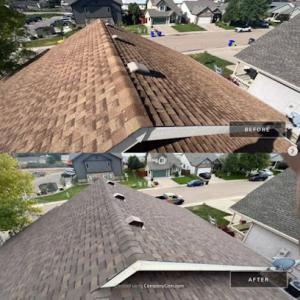
Aspen Leaf Roofing
(970) 639-7663 www.aspenleafroofing.com
9235 Eastman Park Dr STE 5, Windsor, Colorado
5.0 from 92 reviews
Aspen Leaf Roofing is a trusted roofing company serving Denver and Northern Colorado. Aspen Leaf Roofing has continually focused on maintaining customer relations and building on our philosophy of working together with our clients to complete the job. Our primary focus is residential roofing, and we take pride in delivering dependable service, expert craftsmanship, and lasting results. We’re committed to protecting your home with care and precision.
Advanced Roofing Technologies
(970) 663-0203 advancedroofingtech.com
4555 Highland Meadows Pkwy, Windsor, Colorado
4.9 from 113 reviews
Providing the best roofing services in Northern Colorado for more than 25 years, Advanced Roofing Technologies offers top-quality services to both residential and commercial locations. A good Commercial Roofing near me service can only be provided by Advanced Roofing Technologies. Our team of professional Windsor roofing contractors is committed to providing excellent customer service in every roofing project we are trusted with. We aim to provide services and products that satisfy each of our customer's needs while offering competitive prices. Our services include free consultations and estimates regardless of the roofing project. Our good reputation, professionalism and core values differentiate us from other roofing contractors.

Colorado Quality Roofing
(970) 388-3407 www.coloradoqualityroofing.com
Windsor, Colorado
4.9 from 18 reviews
We specialize in all types of residential and commercial roof replacement and installation in the Northern Colorado area. Colorado Quality Roofing focuses on providing quality service while providing quality roofing expertise since 2013. Working with Colorado Quality Roofing is easy! We will help you with your insurance claim, pull permits, provide inspections, and more. Let our team of roofing experts do the work for you. We provide free estimates and damage evaluations. Call us today if you think you may have damage or need a new roof on your home or office building. Call us today, 970-388-3407
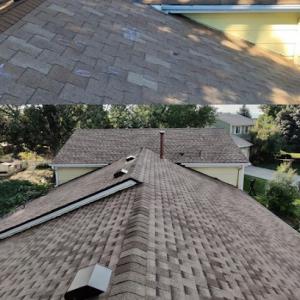
Excellence In Building
5489 Gulfstar Ct, Windsor, Colorado
4.8 from 24 reviews
Excellence in Building is able to service areas in Colorado, Texas, and Southern Wyoming. We provide services to homeowners in regards to storm related insurance claims. We specialize in restoring your property to pre-storm conditions. Please contact us if you need help resolving your insurance claims!
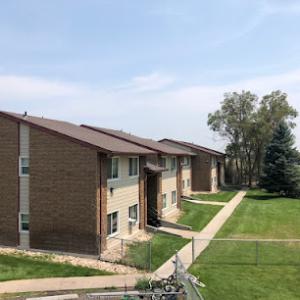
Good Knight Roofing
(970) 449-5000 www.goodknightroofing.com
541 E Garden Dr # R, Windsor, Colorado
5.0 from 12 reviews
Good Knight Roofing, serving the community since 2011, delivers superior roofing solutions for both homes and businesses. Our skilled teams specialize in a wide array of roofing systems, ensuring a perfect fit for every need. From traditional shingles to cutting-edge coatings and durable metal options, we handle it all. Whether it's a minor repair, complete replacement, or protective roof coating, experience the peace of mind that comes with quality craftsmanship and dedicated service. Our Windsor team services Weld County and Northern Colorado including the cities of Windsor, Johnstown, Greeley, Evans, Erie, Frederick, Firestone, Fort Lupton, and everywhere in-between.
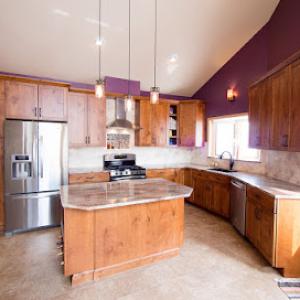
Quality Renovations & Roofing
(720) 212-0878 www.quality-renovations.net
109 Poudre Bay, Windsor, Colorado
5.0 from 9 reviews
Quality Renovations & Roofing has been transforming houses into dream homes since 2016. Specializing as a premier general contractor, we offer full-service general contracting for all your exterior needs. From roofing and siding to windows, painting, basements, decks, and remodels, we handle it all with expert precision. We also work with your insurance company to restore your home. Contact us today for a no obligation consultation.
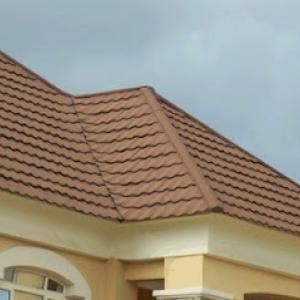
Marina's Roofing
(720) 807-6463 marinaroofing.com
1867 Ruddlesway Dr, Windsor, Colorado
5.0 from 9 reviews
Looking for a reliable roofing contractor in Windsor, CO? Then Marina's Roofing Timnath is the one you are looking for. We offer commercial and residential roofs and repairs to meet your needs. We have the best equipment and our roofers have decades of experience to be sure that your home stays safe and dry. We offer roof inspections free of charge to be ensure that your roof is sustained at optimal levels. Our main priority is to take care of our awesome clients. Whether you need a new roof or need help picking the right shingles, we are always here to help. We also provide gutter repairs and service. You will be able to rest well knowing that Marina's Roofing Timnath is there for you to let you to enjoy your house year round.
Highroad Roofing
(970) 568-7663 highroadroofing.com
Serving
5.0 from 114 reviews
Highroad Roofing has been serving our customers in Northern Colorado and Southern Wyoming since 2005. As a family-owned and operated business, we make sure every customer has peace of mind when choosing us as their contractor. We will take the Highroad in every business dealing! We provide expertise and top-notch service to both residential and commercial customers. We have years of experience in all types of jobs ranging from asphalt, metal roofs, flat-roofs, commercial roofs, and everything in between. We are committed to keeping you and your family out of harm's way by providing you the very best roof!

Colorado Native Roofing & Exteriors
(970) 888-1699 coloradonativeroofing.com
Serving
4.8 from 69 reviews
About We provide state of the art roofing systems that hold up to the toughest Colorado storms. Colorado Natives, born and raised and not going anywhere
Rocky Top Total Roofing
(720) 504-6814 www.rockytoptotalroofing.com
Serving
4.8 from 22 reviews
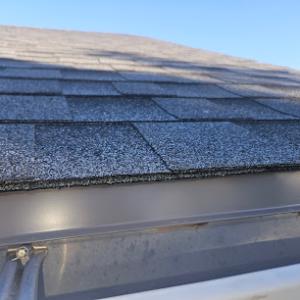
We are a small and highly flexible team of the hardest workers that you may have ever seen. Please allow us the opportunity to earn your business on one of the the services that we provide.
A reroof in Windsor typically requires a building permit processed through the local building department serving the Town of Windsor, and, depending on jurisdictional details, coordination with Weld County processes. This means you'll want to start early by confirming whether your property falls under municipal Windsor administration or a county-adjacent jurisdiction, as the exact path to permit issuance can influence timelines and required paperwork. The permit is not a formality; it ties directly to how inspections are scheduled and how a project is documented for Town closeout. Knowing who handles plan review and on-site verification helps avoid surprise delays when the project reaches the mid-point.
Permit applications generally require a clear project scope, roofing system details, and contractor information. You should have a written description of the planned roof assembly, including material types, underlayment, fasteners, ventilation, and any roof penetrations that will be altered or relocated. The contractor information must be current and verified, with license or registration as required by the local jurisdiction. In Windsor, this documentation supports plan checks that evaluate whether the proposed system meets local wind and hail exposure considerations, as well as structural compatibility with existing rafters and sheathing. In practice, submitting a comprehensive package at the outset reduces back-and-forth and keeps the process moving toward a timely inspection schedule.
Inspections are performed during installation to confirm adherence to the approved plan and code requirements, followed by a final inspection needed to close the permit. Scheduling around weather windows is especially important in this region, where Front Range conditions can compress the inspection timeline if rain, hail, or high winds interrupt work. Expect inspectors to verify nailing patterns, underlayment installation, drip edge placement, and proper flashing details around penetrations and vent stacks. The final inspection verifies that all components align with the permit scope and that any Town or county closeout steps are satisfied, which may include verification of roof ventilation and attic access points.
Certain roofing systems and material changes may receive additional plan review attention. For example, a switch from asphalt to a metal roof or the introduction of heavier tile options can trigger a deeper review of structural compatibility and wind resistance. Debris handling expectations can affect how tear-off and disposal are managed on site; local rules may specify containment measures, disposal routes, and cleanup standards to protect neighboring properties and waterways. Coordinating these details with the contractor ahead of work helps ensure that debris management aligns with both permit conditions and neighborhood expectations, reducing the risk of rework or penalties at inspection.
Windsor homeowners operate in a high-claim environment where hail and wind losses are common enough that insurers scrutinize roof age, prior repairs, and installation quality more closely than in calmer markets. That means your roof isn't just a weather shield; it's a key piece of the insurance conversation after every Front Range storm. When you're evaluating replacement options, expect carriers to ask pointed questions about how your roof has held up over time, and be ready with clear, honest answers rather than optimistic assumptions.
Detailed documentation matters more here than in lower-claim markets. Gather date-stamped photos from multiple angles after major hail events, notes on specific storm dates, and records of temporary protection or debris impacts. Keep a simple, organized timeline that shows when prior repairs happened and what was replaced or repaired. This paper trail helps both you and your insurer distinguish between wear and damage caused by a single event, and it can influence how coverage is applied and how deductibles are viewed after a claim.
Material choice can affect future coverage terms and deductibles in this region because insurers increasingly evaluate how different systems perform under repeated hail and wind exposure. In practice, that means the type of roof you select can subtly shape future eligibility, resilience expectations, and potential out-of-pocket costs if another storm rolls through. For homeowners with a front-range yard of exposure, a durable option that stands up to hail and high winds isn't just about longevity; it's part of the ongoing risk conversation with the insurer.
When planning a roof replacement, clarify with your contractor how they document damage prevention features-underlayment choices, nail patterns, and fastener reliability all influence long-term performance. Ask for a concise written summary of how the chosen system resists hail impact and wind uplift in our Front Range climate. If a storm has recently passed, request a before-and-after assessment from an independent roof inspector to accompany your insurer's evaluation. Sharing a professional, impartial report can smooth the claims process and reduce back-and-forth down the line.
In this market, you're not just selecting shingles or tiles; you're shaping how a potential future claim is reviewed and resolved. Be deliberate about timing, documentation, and the durability profile of the system you install. The goal isn't to alarm, but to ensure your roof stands up to the real weather it will face, while keeping the insurance narrative straightforward and credible for years to come.
Connect with contractors who help homeowners navigate the claims process from damage assessment to final approval.
Tornado Roofing & Gutters
1327 Hilltop Cir, Windsor, Colorado
5.0 from 237 reviews
Black Belt Roofing
(970) 803-2500 www.blackbeltroof.com
671 Academy Ct UNIT A, Windsor, Colorado
5.0 from 66 reviews
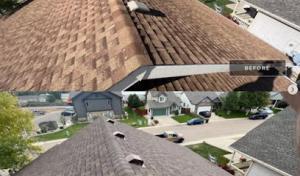
Aspen Leaf Roofing
(970) 639-7663 www.aspenleafroofing.com
9235 Eastman Park Dr STE 5, Windsor, Colorado
5.0 from 92 reviews
Northern Colorado's winter climate carves a slow mischief on roofs. Small cracks in shingles, tile, mortar, and flashing details can widen as temperatures swing above and below freezing. Where a shallow defect sat quietly in late autumn, a few cycles of thaw and refreeze can push moisture deeper, turning a benign gap into a full-on leak path once snow begins to melt. In homes with prior hail hits, those compromised surfaces and flashings carry an added risk: the same membranes that kept water out can become stressed again by temperature swings and moisture intrusion, especially during late-season thaws.
Late spring through early fall is the preferred replacement window in Windsor because snow, cold-weather sealing issues, and winter access constraints complicate full reroof work. If a reroof is delayed into winter, cold adhesive and sealant performance can be unpredictable, and crew access may be limited by shorter daylight hours and snow load considerations. For a homeowner facing weathered patches, planning for a warmer stretch not only improves the quality of the seal, but also reduces the chance of a prolonged leak during critical melt periods.
Homes already touched by hail may appear to weather winter without obvious new leaks, but the underlying roof fabric can be stressed. Inconsistent surface profile from hail damage can trap moisture, while flashing around chimneys, vents, and dormers often bears the first brunt of freeze-thaw cycles. If a winter storm exposes those weaknesses, moisture intrusion can intensify quickly as temperatures swing and the wind shifts moisture through attics and crawlspaces. A careful inspection before cold snaps matters, focusing on flashing integrity, sealant joints, and the condition of any previously damaged areas.
When you can't wait, these contractors offer fast response times to stop leaks and prevent further damage.
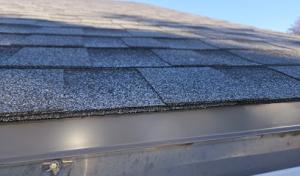

In Windsor's sunny climate, roof penetrations from skylights and solar-related work are especially relevant because flashing details must still withstand hail, wind, and freeze-thaw movement. Skylights and mounting hardware create more junctions for moisture migration, so every detail from curb flashing to sealant joints must be matched to the local weather cycle. The goal is continuity of the moisture barrier from ridge to eave, even when a storm delivers varied temperature swings and hail exposure.
After a Front Range storm, leak tracing often requires distinguishing field damage from failures at penetrations. Heavy rain and wind-driven moisture can bypass anticipated gaps if flashing around skylights or solar penetrations isn't integrated with the new underlayment. Start by documenting the roof surface directly above the leak path, then inspect the skylight curb or solar racking for movement, lifted flashing, or torn sealant. Pay close attention to transitions where shingles meet flashing, and test for symmetry of sealant beads around flashings on both sides of the penetration. Remember that wind-driven moisture can travel laterally under drip edges and along fascia into the attic.
When reroofing after hail, existing skylights or solar attachments affect tear-off sequencing, underlayment continuity, and inspection scope. Plan tear-off so that penetrations are exposed early for flashing assessment, but avoid revealing large sections of underlayment too soon if wind could lift loose sheets. Ensure the new underlayment laps are continuous across penetrations, with proper bleed-out at the skylight curb or solar mounting base. If a curb or racking sits on a compromised roof plane, coordinate shingle removal to preserve the integrity of the surrounding flashing and prevent back-channel leaks.
Inspection should verify that flashing around all penetrations remains watertight after tear-off, with a focus on curb seals, step flashing, and end dams at skylight frames. Confirm that any solar attachments' flashing is integrated with the main roof envelope and that sealants are compatible with the local freeze-thaw pattern. In Windsor, small, overlooked gaps at penetrations can become chronic leaks during rapid spring thaws, so meticulous detail testing is essential.
Find contractors experienced in skylight installation, flashing, and leak repairs to bring natural light into your home.
Tornado Roofing & Gutters
1327 Hilltop Cir, Windsor, Colorado
5.0 from 237 reviews

Colorado Native Roofing & Exteriors
(970) 888-1699 coloradonativeroofing.com
Serving
4.8 from 69 reviews
Colorado Roofing Specialists - Residential & Commercial Roofing
(720) 927-9055 crs-contracting.com
Serving
5.0 from 99 reviews
Many Windsor homes combine steep main roof areas with lower-slope sections over porches, additions, or attached garage transitions, which can age differently under hail and ponding-prone rain events. That means a single storm can reveal issues on one part while another area looks fine. When you assess after a front-range hail season, don't assume the entire roof is uniformly affected. Look closely at transitions where steep meets low-slope, and note any moisture signs, staining, or unusual soft spots around the lower edges of these sections.
Monsoon-season downpours in Northern Colorado put extra stress on underlayment and flashing where roof geometry changes, especially at transitions between steep and low-slope areas. In practical terms, this means paying attention to fastener pop-outs, nail heads exposed by hail impact, and degraded sealant at step and counter-flashing. If a storm pushes water toward a transition, you may see moisture shortcuts that aren't obvious from a quick visual inspection. A careful check from attic soffits and vent penetrations can reveal hidden leaks that surface only after heavy rain.
These mixed-roof configurations often need more careful scope writing after storms because visible shingle damage may not capture moisture risks on adjacent low-slope sections. When filing insurance or contractor claims, map the geometry changes where a steep plane ends and a low-slope begin. Document edge metal, valley intersections, and any ponding areas. For a reliable repair plan, require a close inspection of the low-slope add-ons and their flashing details, not just the visibly damaged shingles on the main roof. Properly scoped work reduces the chance of uncovering moisture problems later.
Find specialists in TPO, EPDM, and built-up flat roofing systems for residential and commercial properties.
Good Knight Roofing
(970) 449-5000 www.goodknightroofing.com
541 E Garden Dr # R, Windsor, Colorado
5.0 from 12 reviews
Colorado Native Roofing & Exteriors
(970) 888-1699 coloradonativeroofing.com
Serving
4.8 from 69 reviews