
Last updated: Apr 19, 2026
Hail season along the Front Range brings sudden, violent storms that can rip through roofs in minutes. In Longmont-where spring and summer storm cycles frequently trigger roof inspections and replacements-the clock starts ticking the moment hail is reported or spotted. Immediate action matters: roof damage can progress from cosmetic dings to concealed leaks that undermine attic insulation, drywall, and electrical systems. If you've had a storm, you should assume a claim is prudent and begin documenting what you see as soon as daylight allows. The goal is to balance quick temporary fixes with solid documentation, so you aren't scrambling when adjusters arrive.
Large regional hail events can slow adjuster scheduling and settlement timelines across Boulder County and the northern Front Range. After a major hail event, several days can feel rushed as multiple homeowners compete for the same contractor and the same adjuster queues. In this environment, you must act decisively: contact your insurer promptly, request an assigned claim number, and confirm the preferred contact method for updates. If you see storm forecasts moving toward the foothills, expect a surge in claims in the following 24 to 72 hours. Stay ready to respond to adjuster visits, because delays at this stage ripple through the entire replacement timeline.
Because Longmont roofs often face both hail impact and high-wind thunderstorm exposure, homeowners need photo documentation of shingles, metal panels, soft metals, gutters, and elevations before temporary repairs are made. Photograph from multiple angles, capturing the roof's overall condition and specific damaged areas. Include close-ups of granule loss, dented metal, bent flashing, and gutter kinks. Take exterior elevation shots to show roof edges, valley intersections, and any signs of accelerated wear. Inside the attic, document roof leaks, stains, and daylight leaks around penetrations if present. If you can, obtain third-party estimates or independent inspector notes to corroborate what you claim was damaged by hail or wind. This documentation becomes your strongest leverage when the adjuster reviews the damage and your claim packet.
When the adjuster arrives, walk them through the roof's exposure zones: hail-scarred elevations, wind-blasted flashing, and any soft metals around vents, chimneys, or skylights. Be clear about the storm window and the dates of adverse weather. If there are complicating factors-like a previous repair, insulation issues, or attic moisture-disclose them upfront. You are aiming for a transparent, crossexamined record so there is no ambiguity about what was damaged by the hail event and what may have been preexisting. Keep a written log of conversations, and verify every recommended next step in writing, including estimated timelines for assessments and proposed repairs.
Temporary repairs can shield your home from further water intrusion, but avoid permanent fixes you cannot support with the final settlement. Use reasonable coverages to protect openings, but preserve damaged materials whenever possible so the final claim can be assessed against the original condition. Do not authorize replacements or partial repairs without written approval tied to the claim scope. Preserve all receipts and document any out-of-pocket expenses so the adjuster's final settlement reflects what was necessary to bridge risk and exposure during the assessment period.
Storm-driven timelines lengthen as weather windows close and contractor calendars fill. Once the adjuster approves a scope, you'll coordinate with your insurer, the contractor, and the city's typical weather constraints to plan the replacement window. Expect a tight, coordinated cadence: finalization of materials, scheduling, installation, and a post-installation inspection. Your preparedness-photos, logs, and prompt communication-keeps the process moving and reduces the chance of misalignment between what was observed and what is approved.
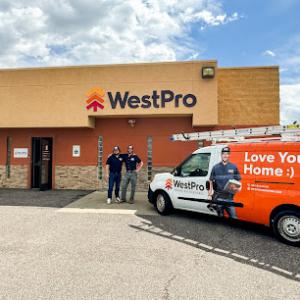
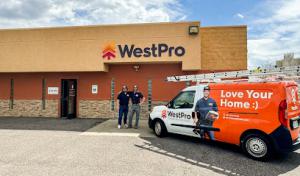
WestPro Home Exteriors
(303) 834-9236 westproroofing.com
164 Primrose Ct, Longmont, Colorado
4.9 from 705 reviews
WestPro Home Exteriors specializes in Siding, Roofing, Solar Roofs, Windows, and Gutters. WestPro is locally owned & operated by two licensed contractors who have been best friends since high school. We love making our community better, one home at a time —1500 homes and counting! WestPro installs James Hardie Siding, GAF Roofing, Solar Roofs, Gutters, and ProVia Windows & Doors. WestPro serves homeowners, commercial buildings & HOAs in Boulder, Longmont, Denver, and surrounding communities. WestPro's credentials include A+ BBB Rating, 5 Star Reviews, Licensed & Insured, Local References, and a Lifetime Warranty. Contact WestPro for a Free Estimate: 303-834-9236 | info@westproroofing.com
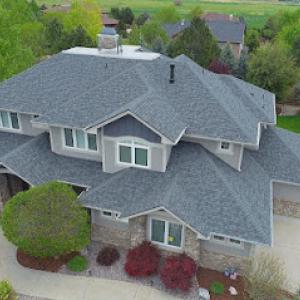
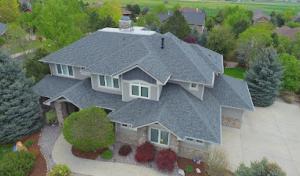
Bulldog Roofing
(303) 395-9728 bulldog-roof.com
1002 17th Ave, Longmont, Colorado
4.9 from 562 reviews
Bulldog Roofing is a family-owned roofing company dedicated to raising industry standards through integrity, transparency, and exceptional workmanship. Founded in Longmont, Colorado in 2015, we serve both Colorado and Nebraska with residential and commercial roofing, including full replacements, repairs, insurance-claim assistance, and 24/7 emergency service. Our team focuses on delivering honest recommendations, high-quality materials, free inspections, and a customer-first experience from start to finish. With deep local roots and a commitment to long-lasting results, we take pride in protecting homes and businesses with craftsmanship you can trust.
GreenPoint Roofing
(720) 684-5500 www.greenpointroofing.com
1030 Boston Ave, Longmont, Colorado
4.9 from 623 reviews
We know you can’t trust just anyone when it comes to your home. As a locally owned and operated business, we’re able to provide a lifetime workmanship warranty on all asphalt shingle roofs. Based in Colorado, naturally we specialize in weather damage claims. Knowing the pressure a weather-damaged roof can put on you and your family, we’ll always go out of our way to provide our customers with an experienced insurance claims specialist to make the claims process that little bit easier. At GreenPoint Roofing, we service the entire Front Range of Colorado from Fort Collins to Aurora, with Longmont being our home base. So whether you’re looking for a repair, or a new roof altogether, get in touch with our friendly team for your free estimate.
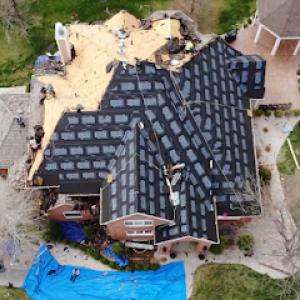
Roof Source
(970) 691-0845 www.roofsourcellc.com
1530 Vista View Dr, Longmont, Colorado
4.9 from 326 reviews
Roof Source is a top rated roofing contractor in Northern Colorado. We offer roof repairs, roof replacements, remodels, and maintenance for roofing systems. We also do site analysis and perform preventative roof maintenance. We work on residential homes, multi-family apartment communities, mixed-use developments, commercial buildings, and industrial warehouses. We perform a free 1-hour inspection to investigate any issues. Bids are honest, custom, and competitive. High-quality roofing materials will be installed for affordable prices, with low cost maintenance. Products are installed by professionals that are safe and reliable. We focus on hiring the best consultants, estimators, subcontractors, and specialists in the region.
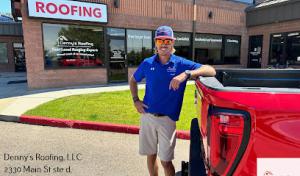
Denny's Roofing
(970) 275-4012 dennysroofingllc.com
2330 Main St ste d, Longmont, Colorado
5.0 from 57 reviews
We are a locally owned and operated Longmont roofing company. We are here to help you protect your asset with our 10+ years industry experience and expertise. Any residential or commercial roofing needs - we're nearby, give us a call! * BBB Accredited * FREE INSPECTIONS & ESTIMATES * FULLY LICENSED & INSURED
Columbine Roofing & Solar
(720) 915-5207 www.columbineroofingllc.com
328 Coffman St, Longmont, Colorado
4.9 from 120 reviews
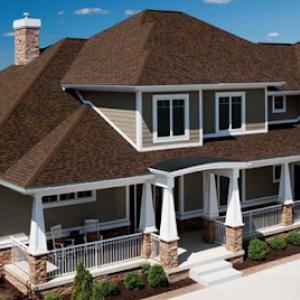
Columbine Roofing & Solar is a licensed and insured roofing company committed to helping our neighbors find beautiful, reliable, and lasting roofs. Whether you need a minor fix, a complete roof replacement, or major repairs post-storm, our team will be by your side in a flash, with the equipment and expertise needed to get your property back to normal. Our highly trained roofers offer residential and commercial roofing services as well as flawless solar installation solutions to properties in Longmont, Thornton, and the surrounding areas. We begin every service with a free estimate and make scheduling hassle-free—often able to arrive at your door the same day you call.
Stone Creek Roofing & Solar
(303) 772-5700 www.stonecreekroofing.com
1567 Skyway Dr #A, Longmont, Colorado
4.9 from 155 reviews
Our commitment to quality services, consistent communication, and honest advice has helped us establish a hard-earned reputation. Much of our growth is driven by word-of-mouth referrals from happy customers and insurance agents because unlike other roofing companies, we work harder to keep our current customers happy than we do chasing after new ones. There are few things more valuable to a homeowner or building owner than a roofing partnership built on trust. At the same time, there are few things more valuable to Stone Creek Roofing & Exteriors than a long-term customer who can’t help but share how much easier any roofing project becomes with our expert guidance.
Safe Plus Roofing
(720) 759-3914 safeplusroofing.com
520 Main St b2, Longmont, Colorado
5.0 from 44 reviews
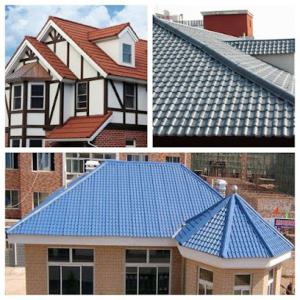
Safe Plus Roofing Company Longmont is a premier roof replacement and roofing repair contractor located in Longmont, CO. As your go-to roofing company, we have the necessary tools and equipment along with the proper know-how, to keep your home safe & dry all year round. Each of our roofers specialize in all types of roofing projects from commercial to residential in order to meet your house's every need. No one likes an emergency, so we offer prompt service. We also provide complimentary roof inspections to guarantee your roof is working at its optimal level. Our top priority is to make our customers happy. With Safe Plus Roofing Company Longmont, you can rest well knowing that we are here to keep comfortable in the heat and dry in the rain.
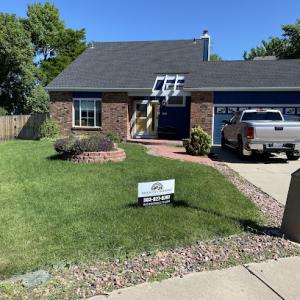
River City Roofing
(303) 827-8707 roofrivercity.com
760 Mountain View Ave, Longmont, Colorado
4.9 from 36 reviews
Welcome to River City Roofing, your trusted partner for residential and commercial roofing solutions in Longmont, Colorado, and surrounding areas. As an Owens Corning Platinum Roofing Contractor, we bring expertise and quality craftsmanship to every project. Specializing in the replacement of shingles, tile, shake, steel, metal, TPO, PVC, and other roofing systems, we ensure durable and reliable protection for your property. Whether it's a repair or a full roof installation, our team is dedicated to delivering exceptional service and exceeding your expectations. At River City Roofing, we prioritize customer satisfaction, professionalism, and attention to detail. Trust us to safeguard your home or business with top-tier roofing solutions.
B's Builders & Roofing
(303) 776-6646 bsbuildersllc.com
9816 Co Rd 7, Longmont, Colorado
4.8 from 20 reviews
B's Builders & Roofing, a trusted Colorado roofing company for over 26 years, offers comprehensive residential and commercial roofing services. Their licensed and insured team tackles everything from storm damage repairs to new roof installations. B's Builders & Roofing prioritizes quality craftsmanship and collaborates with all insurance companies to ensure a smooth claims process.
Rockies Roofing
(970) 447-2333 www.rockiesroofing.com
813 Longs Peak Ave, Longmont, Colorado
5.0 from 9 reviews
Rockies Roofing is Northern Colorado's premier home exterior specialist for roofing, siding, and gutter installation, repair and replacement. Quality you can depend on, service you can trust.
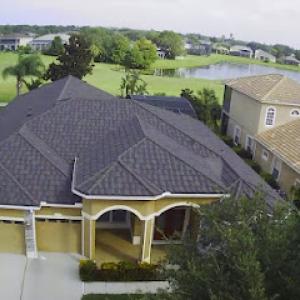
Sunray Roofing & Solar
(720) 333-0336 www.sunrayroofs.com
6160 Firestone Blvd Unit 104-109, Longmont, Colorado
5.0 from 6 reviews
Roofing and Solar contractor. Serve all areas of Denver. Residential and Commercial roof replacement and repair services. Shingle, Metal, Tile, Flat roof, EDPM, TPO and more. Roof replacement, roof repair, and Storm damage we can help! Let us be your #1 choice!
Front Range hail exposure combined with rapid weather swings at the foothill base makes durability and recovery after impact a primary concern. In Longmont, a roof that handles hail without excessive granule loss and still sheds snow well tends to perform best over time. The mix of suburban pitched roofs and some low-slope sections means detailing matters just as much as the material itself, especially where freeze-thaw cycles are common. When planning replacement, think about performance after a hail event, the likelihood of multiple events in a decade, and how a given roof materials handles snow load and wind.
Asphalt shingles are common in Longmont, and they exhibit straightforward installation and repair paths. However, repeated hail exposure on the Front Range makes impact resistance and granule loss a major local replacement issue. If sticking with shingles, look for impact-resistant options (class 4). Keep in mind that hail can accelerate granule loss and shorten the visual life of the roof, especially on southern exposures where sun and wind gusts drive more granule shedding. For homes with a typical pitched roof, this remains a practical choice when paired with a solid underlayment and regular maintenance to catch early leaks after a storm.
Metal roofing is actively marketed here and is often considered by homeowners looking for better hail performance and snow-shedding than standard shingles. In Longmont conditions, metal panels can resist hail impact better than conventional shingles, and their smooth surface helps with sliding snow during heavy winter events. The downside to consider is the potential for louder roof noise in hailstorms and the need for properly integrated flashing and underlayment to prevent edge leaks on steeper pitches. If choosing metal, verify color coatings and visible fasteners meet local freeze-thaw expectations, and plan for a comprehensive inspection after severe hail events to ensure seals around penetrations remain intact.
Clay tile appears in the local market, as do wood shake and synthetic slate, reflecting Longmont's blend of suburban pitched roofs and custom home designs. Clay tile provides excellent longevity and a classic look, but it is heavy and can crack under hail unless paired with robust framing and careful installation. Wood shakes offer a distinctive aesthetic and good insulation value, yet they require vigilant maintenance to prevent moisture intrusion in freeze-thaw cycles and are more susceptible to hail damage on exposed edges. Synthetic slate gives you resilience with a lighter footprint and can mimic the look of natural slate while handling hail better than plain asphalt in some installations. EPDM is common on low-slope sections and performs well with fewer seams, but it can be more susceptible to punctures if not properly protected at edges and penetrations. In all cases, ensure proper underlayment and flashing details, especially where slopes bend or where transitions meet walls and chimneys.
Start by assessing roof pitch, exposure, and the likelihood of heavy snow buildup. For front-facing exposures, prioritize hail resistance and impact performance, even if that means slight changes to the roof look. For steeper, well-protected sections, consider materials that offer aesthetic flexibility and good wind resistance. In mixed-roof homes, a layered approach often makes sense: stronger, hail-resistant sheathing underneath a compatible top layer, with careful edge detailing to manage freeze-thaw movement. Beyond material choice, plan your replacement timing to align with insurance timelines and potential storm windows when hail damage is most likely to be identified and approved.
In this town, the price landscape for roof work post-storm is clearly influenced by whether you're dealing with asphalt shingles or something more premium. For asphalt shingles, expect about $350 to $700 per square. Metal roofs run roughly $700 to $1,400 per square. Clay tile sits higher, around $1,200 to $2,600 per square, while wood shingles or shakes typically fall in the $450 to $900 per square band. If synthetic slate is your choice, plan for about $900 to $1,700 per square. For those considering EPDM rubber roofing, the range is about $4 to $8 per square foot. These figures reflect the front-end costs you'll see when crews are prioritizing storm-damaged houses and the extra inspections and staging that often come with a major hail event.
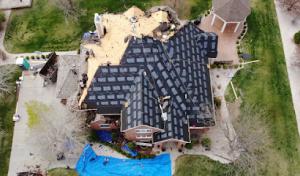
After a severe Front Range hail event, demand spikes for crews, materials, and quick inspection scheduling. Local pricing can rise as crews are diverted from other neighborhoods, and suppliers juggle material availability. That timing can push your project into a window where square footage, roof complexity, and added features (like upgraded underlayment or high-will flashing) push bids higher than typical post-storm baselines. On a treed lot with complex angles, multiple vent stacks, and a prominent ridge line, you'll see the higher end of the ranges more often.
Costs shift with roof complexity on newer suburban homes, and whether storm damage extends beyond field shingles to flashing, skylights, gutters, or low-slope tie-ins. If skylights were damaged or if gutters need replacement or realignment, those add-ons can noticeably change the bottom line. EPDM or synthetic slate projects, while durable, bring their own logistical costs in installation time and adaptation to odd-shaped roof sections common on some Longmont homes.
Insurance-driven planning matters here: a hail-damaged roof often requires a thorough assessment of both shingles and flashings, plus any underlying decking issues. Your claim may cover more than new shingles, depending on the extent of the damage and the condition of the roof deck. When assessing bids, compare not just the per-square price but also what each contractor includes for underlayment, fasteners, drainage plane, and the scope of repairs beyond the field surface. Ask for a written breakdown that lines up with the expected life of the material and the local wind and impact exposure-Longmont's climate makes wind and hail considerations particularly relevant.
Start by collecting multiple bids within a short window to gauge storm-driven price shifts. Verify that bids account for any additional work beyond the field of shingles, such as flashing and edge metal, and confirm the anticipated timeline given high regional demand. If you're weighing material options, remember that asphalt remains the most economical entry point, while metal and clay tile offer longer lifespans but at higher upfront cost. In a tight post-storm market, selecting a contractor with a solid track record for thorough inspections and clear communication helps keep timelines realistic and minimizes rework after hail-damage assessments.
Get a clear picture of your project costs upfront - no commitment required.
WestPro Home Exteriors
(303) 834-9236 westproroofing.com
164 Primrose Ct, Longmont, Colorado
4.9 from 705 reviews
GreenPoint Roofing
(720) 684-5500 www.greenpointroofing.com
1030 Boston Ave, Longmont, Colorado
4.9 from 623 reviews
Denny's Roofing
(970) 275-4012 dennysroofingllc.com
2330 Main St ste d, Longmont, Colorado
5.0 from 57 reviews
A full roof replacement in Longmont typically requires a permit through the City of Longmont Building Division. This isn't just a paperwork step-the permit signals that the project will meet the local building code standards adopted for the Front Range climate, including hail exposure and rapid weather swings at the foothills. The permit process helps ensure that underlayment, flashing, ventilation, and drainage are installed correctly for long-term performance. The city's intent is to keep homes safe and resilient, especially after hail events when roofing systems take repeated hits.
Longmont generally uses an online application path for roofing permits. Before any shingle, metal, or tile work begins, a plan review is required. That means you submit details about the proposed replacement, including materials, roof geometry, ventilation, and underlayment method, so plan reviewers can verify compliance with current codes and local amendments. The plan review stage can surface questions about attic venting, drip edge, and attic access for future maintenance. Having your contractor or a licensed designer on hand to prepare accurate plans helps prevent back-and-forth and keeps the project moving. Expect the city to request clarifications or additional drawings if something in the proposal doesn't align with code expectations.
Scheduled inspections commonly include a rough-underlayment inspection and a final inspection, and failed items can trigger re-inspection and delay project closeout. The rough-underlayment check occurs while the roof deck and underlayment are in place, confirming proper nailing patterns, vent placement, and water barriers. The final inspection verifies everything is completed per approved plans-roof penetrations sealed, drip edges installed, flashing at valleys and vents properly integrated, and all penetrations flashed to prevent leaks. If inspectors identify deficiencies, the project stops at that point and requires corrective work plus a re-inspection, which can push back permit finalization and occupancy readiness. Plan around Longmont's inspection schedule and weather windows, especially after hail storms when gutters, shingles, and flashings may require prompt attention.
Coordinate submission with your contractor so the city receives complete, accurate plans the first time. Align inspection dates with weather forecasts to avoid outages from rain or snow and to prevent unnecessary re-inspections. Keep access clear for inspectors and maintain ongoing communication with the Building Division if any field adjustments are needed. Remember to attach all required documentation, including material specifications and a proposed sequencing of work, to prevent delays during plan review.
When a Longmont winter rolls in, the freeze-thaw cycle takes its toll where flashings meet the field, along roof edges, and around penetrations like vent stacks and skylights. Even if the main field covering still looks serviceable, the joints and metal flashings can crack, lift, or corrode as water seeps in and refreezes. Those small failures often hide under a layer of snow or shingle granules, only to reveal themselves as damp patches in a attic ceiling after a thaw. The lesson is simple: treat vulnerable corners with equal care as the roof's main surface, because the edges are where early leaks tend to start.
Summer thunderstorms in the Front Range bring gusty winds and sudden downpours that stress a roof in more ways than a calm rain. Wind uplift can pry at ridge caps, valley flashings, and the transitions where steep-slope sections meet lower-slope areas. If those transitions aren't properly sealed or mechanically fastened, a strong gust paired with heavy rain can expose weaknesses that a steady drizzle did not. In practice, that means checking the ridges, valley membranes, and any transitional flashing after a big storm, especially if a roof has already endured hail events earlier in the season.
Emergency leak calls in this area often trace back to storm-driven failures at vulnerable accessories rather than a blanket failure of the roof cover. A hail-dented vent boot, a compromised chimney flashing, or a cracked boot flange can become a conduit for interior water intrusion long before the shingles wear out. In those moments, urgent attention is less about replacing large sections and more about stopping the leak at its source while inspecting the surrounding structure. If a leak appears after a storm, prioritize assessing penetrations and accessory connections first, then evaluate the surrounding roofing planes for secondary damage.
After a thaw or a sizable hail event, walk the perimeter with a keen eye for lifted edges, loose flashings, and any telltale granule buildup at the gutters. Pay special attention to dormers, chimney areas, and vent penetrations where the sealant can degrade over years of freeze-thaw cycling. A proactive sealant check and targeted flashing reinforcement can keep leaks from becoming bigger problems when the next weather swing arrives.
When you can't wait, these contractors offer fast response times to stop leaks and prevent further damage.
Bulldog Roofing
(303) 395-9728 bulldog-roof.com
1002 17th Ave, Longmont, Colorado
4.9 from 562 reviews
GreenPoint Roofing
(720) 684-5500 www.greenpointroofing.com
1030 Boston Ave, Longmont, Colorado
4.9 from 623 reviews
Roof Source
(970) 691-0845 www.roofsourcellc.com
1530 Vista View Dr, Longmont, Colorado
4.9 from 326 reviews
Hail exposure along the Front Range means storms show up with alarming regularity, and claim activity reflects that reality. In this market, insurers often scrutinize documentation closely, and what looks like straightforward hail damage can get weighed against the homeowner's past claim history and the pattern of recent storms. A long stretch of consecutive hail years can push an adjuster to examine details more skeptically, especially if the roof already carries a history of repairs or previous claims. For homeowners, this means the documentation you provide may determine how quickly and favorably a claim is handled, not just whether the damage is approved.
If a previous claim exists, review of new damage will naturally consider that history. Repeated regional storm years along the Front Range can trigger insurers to compare current damage with prior fixes, materials, and workmanship. That comparison matters because it can influence whether repairs are treated as partial fixes or a full replacement, and it can affect the scope of work an adjuster authorizes. Understanding this dynamic helps you set expectations and prepare a thorough, organized response when talking with the insurer after a hail event.
In Longmont, weather events can hit quickly and then be followed by delays in the claim timeline. Keep date-stamped photos that show the progression of damage, not just the initial impact. Maintain inspection notes from qualified roofers, and hold onto records of temporary mitigation-tarps, coverings, or temporary repairs-so the claim file reflects proactive management. These records matter because widespread hail events can create longer gaps between first notice, the adjuster's visit, and the final decision. Well-organized evidence helps prevent miscommunications and supports a smoother, more timely review.
Connect with contractors who help homeowners navigate the claims process from damage assessment to final approval.
WestPro Home Exteriors
(303) 834-9236 westproroofing.com
164 Primrose Ct, Longmont, Colorado
4.9 from 705 reviews
Bulldog Roofing
(303) 395-9728 bulldog-roof.com
1002 17th Ave, Longmont, Colorado
4.9 from 562 reviews
GreenPoint Roofing
(720) 684-5500 www.greenpointroofing.com
1030 Boston Ave, Longmont, Colorado
4.9 from 623 reviews
In this market, crews are routinely engaged after hail and wind storms rather than for planned upgrades. The best crews come with a proven track record of rapid response, solid re-roofing experience, and thorough cleanup. When a contractor can mobilize quickly after a storm, that often translates into fewer days your house sits exposed and less chance of secondary damage from wind-driven debris.
Free inspections are common locally, so treat the inspection as a starting point, not a differentiator. Look beyond the surface assessment and compare the scope, the level of documentation, and how clearly the contractor communicates findings. A detailed, weather-ready scope of work helps prevent gaps when the job moves from assessment to replacement.
Longmont homeowners should have clarity on permit submission, inspection scheduling, and any re-inspection corrections. Ask potential crews to specify who manages these steps, what their experience is with the city's inspection cadence, and how they track and address any required re-inspections. A crew that coordinates these logistics smoothly reduces the risk of delays during the middle of a weather window.
Prioritize crews that provide a documented project timeline, daily cleanup standards, and a clear communication plan. In a Front Range climate, a solid crew will protect nearby landscaping from debris, secure scaffolding, and manage wind-driven waste responsibly. Request references from recent storms in nearby neighborhoods and verify they completed the full replacement process with proper disposal of old material and proper flashing detail.