Last updated: Apr 19, 2026
Spring storms on the Front Range bring a relentless hail rhythm that shapes every roof decision. In this market, fast weather swings on the high plains mean a single storm can be followed by another within days. That pattern drives repeated claim activity and can compress contractor availability as crews move from one neighborhood to the next chasing the next round of hail-damaged roofs. When you're weighing timing, treat each hail event as a potential trigger, but understand that the cumulative impact over weeks matters more than a single morning hail report. Your roof carries the stress from multiple events, and delayed action can invite hidden damage that outpaces a quick patch.
Local homeowners often have to coordinate roof decisions around repeated storm rounds rather than a single isolated event. A delayed decision can put you behind a fast-moving window of contractor access, especially when several roofs in your area are competing for the same crew, materials, and after-storm inspections. In practice, this means you should monitor the week-to-week forecasts and track which neighborhoods are getting hit hardest. If a round just passed and another is on the horizon, plan for a phased approach: prioritize critical weatherproofing first, then move into a full replacement if ongoing hail claims stack up. If your roof survived one storm with only cosmetic damage, don't assume you're in the clear-wind-driven shingle lift, hail pitting, and underlayment compromise can become evident only after a few days of sun or after a subsequent storm.
Insurers commonly expect photo documentation and detailed damage assessments because hail and wind claims are frequent and closely reviewed. Gather clear, time-stamped photos from multiple angles: shingles pried, granule loss in gutters, dented fasteners, and any interior signs of moisture intrusion after a rain. Capture the attic space as well, highlighting any signs of attic ventilation strain or underlayment exposure. If a contractor or public adjuster is involved, request a written scope and annotated photos that map every damaged area to the corresponding attic or exterior surface. The more precise your record, the faster the claims review moves and the less room there is for back-and-forth disputes that stall a replacement.
Hail damage is a slow creep at first, then a fast-forward sprint once moisture finds its way under shingles or through compromised underlayment. On a real front-line basis, you should schedule an initial inspection promptly after a hail event, especially if the forecast calls for another round. Don't wait for days of sunshine to pass before you assess. Early documentation plus an initial assessment helps you distinguish between cosmetic edge damage and structural concerns. If moisture is present, treat it as an emergency-even if the visible damage seems minor-because water intrusion compounds quickly in Colorado's climate, where rapid temperature swings stress roof assemblies. The goal is to prevent secondary damage that could trigger a longer, more disruptive replacement later.
Insurers in this market frequently coordinate decisions around damage verification, adjuster visits, and the pace of approvals. Expect the insurer to request a detailed damage assessment and a professional opinion on whether a full replacement or extensive repair is warranted. Because repeated storms are common, your claim may be reviewed more rigorously, with an emphasis on sustained performance of underlayment, ventilation, and fastening. If you anticipate a multi-event cycle, you may be advised to plan for a full replacement rather than multiple short fixes. That approach can reduce risk of subsequent leaks and patchwork failures, especially on roofing systems with varied wear from hail exposure and high winds. Stay proactive: align your timeline with the insurer's inspection windows, secure a reputable local contractor early, and ensure that every critical component-underlayment, ventilation, and fasteners-meets the standard on a full-replacement scope.
T Bare Roofing
(970) 397-7696 tbareroofing.com
2611 W 11th Street Rd, Greeley, Colorado
4.9 from 443 reviews
We are a locally owned and operated Greeley roofing company, with over 25 years of experience serving the community. We are licensed and insured, and treat every home and business as if it were our own.
Powerhouse Roofing & Exteriors
(970) 324-7651 powerhouseroofingco.com
1907 1st Ave, Greeley, Colorado
5.0 from 79 reviews
Powerhouse Roofing & Exteriors is a trusted roofing company based in Greeley, Colorado, specializing in high-quality roof repairs, installations, and inspections. With years of experience, we provide efficient, reliable, and affordable roofing solutions tailored to each customer’s needs. Our skilled professionals use top-quality materials and advanced techniques to ensure durable and long-lasting results. Committed to customer satisfaction, we prioritize clear communication, prompt service, and competitive pricing. Whether handling storm damage, leaks, or routine maintenance, Powerhouse Roofing & Exteriors is dedicated to protecting homes with expert craftsmanship.
Custom Exteriors
(970) 460-8714 customexteriorsllc.com
2881 S 31st Ave, Greeley, Colorado
5.0 from 72 reviews
Custom Exteriors is a licensed and insured Roofing and Exterior remodeler on the Front Range. We offer a wide range of services, including residential and commercial roof replacements and repairs, siding installation, window replacement, gutters, and exterior painting services. Our expert roofing team is made up of industry leaders and skilled roofers. The siding team specializes in siding replacements with vinyl, James Hardie® Siding, steel, LP® SmartSide®, and more. Our window services encompass a full range of windows, patio doors, and entry doors. Our skilled team provides exterior painting services and gutter installations to complete our full suite of services. Every service is then covered by an industry-leading warranty.
Faithful Roofing & Contracting
(970) 634-6786 faithfulroofingco.com
4645 18th St Ste 600, Greeley, Colorado
4.9 from 74 reviews
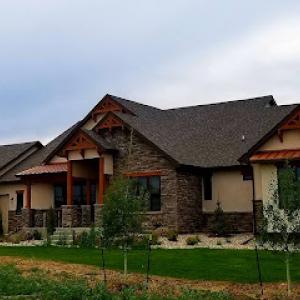
Faithful Roofing and Restoration is a locally owned and operated company on a mission to help our neighbors restore their assets with the highest quality material, and world class workmanship! Our love for humanity fuels every project we complete, handling roofing, gutters, paint, windows, siding, stucco, fences, decks, etc. We specialize in both residential and commercial roofing and construction while correlating with all insurance companies to handle insurance claims from start to finish with ease. Our goal is to exceed your expectations and build a strong relationship with you, your family, and your friends. It's also our pleasure to work for some of Colorado's finest home builders and construction companies.
Gus Roofing
(970) 356-1554 www.gusroofing.com
149 30th St, Greeley, Colorado
4.9 from 112 reviews
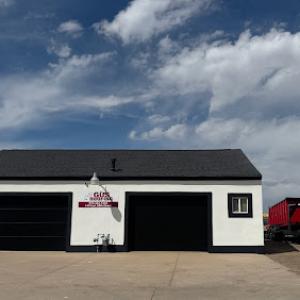
GUS Roofing has over 20 years of full service roofing experience. We are a premier roofing company. We are licensed and insured. We provide great customer service and satisfaction. We provide roofing services from Thornton, CO up north to Cheyenne, WY. We specialize in replacing damaged roofs due to hail and wind. We offer discount rates for multifamily such as an entire home association and apartment complex. We offer FREE roof inspections. We assist qualified customers when filing an insurance claim and throughout the claim process. We offer a five year workmanship warranty on complete reroofing projects. We provide quality roofing products and quality installations. Our roofs are installed to current roofing codes.
Summit Roofing Solutions
(970) 381-9926 summitroofingsolutionsllc.com
2986 W 29th St Unit #10, Greeley, Colorado
4.9 from 100 reviews
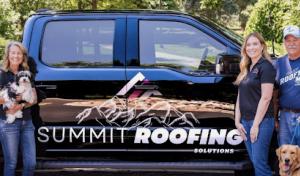
We're a family-owned Roofing Company serving Greeley and Northern Colorado. With over 30 years of experience in the construction and insurance industries, along with 11 years as a licensed roofing contractor, rest assured that we have you covered from the ground up. We not only promise to deliver exceptional workmanship; we promise a seamless personalized experience with an emphasis on top notch customer service and communication. We are also insurance claims specialists. At Summit Roofing Solutions, LLC we specialize in residential and multi-family roofing services which include architectural shingles, seamless gutters, metal roofing systems, low slope & coatings, maintenance & repair, solar panel install. Schedule a free roof inspection.
Martinez Roofing
(970) 335-8464 martinezroofinginc.com
1030 7th Ave, Greeley, Colorado
4.9 from 100 reviews
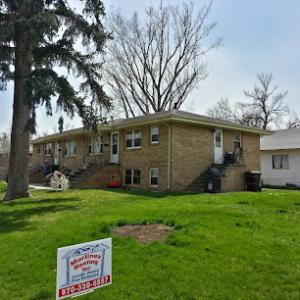
Martinez Roofing is a roofing contractor in Greeley, CO serving Evans, Windsor, La Salle, Miliken and nearby areas. Our roofing company offers residential roofing, roof repair, asphalt shingle roofing, metal roofing and more. We also specialize in siding, gutter, window, and door services. Customers love us because of our comprehensive roof warranties and our affordable roof financing options. We also have industry affiliations and certifications such as Owens Corning Preferred Contractor & Certified Residential Contractor (Emerald Pro). If you want to experience how your most trusted Greeley roofing company embraces our motto “Putting A Roof Over Your Head", call us now for a free estimate!
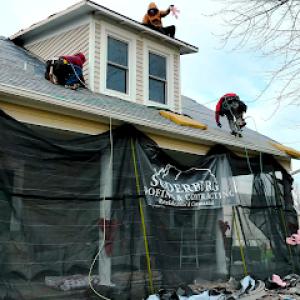
Soderburg Roofing & Contracting
(970) 978-4404 www.soderburgroofing.com
1108 E 18th St, Greeley, Colorado
4.8 from 152 reviews
Soderburg Roofing & Contracting is your choice for top-rated contracting services. We offer the best materials in Residential roofs, Commercial Roofing, Siding, and more! We are experienced in residential, commercial, multi-family, and new construction. With a team full of experts in the industry you can live with peace of mind you are getting the best service possible! We are also insurance claims experts and can help you with any claim related restoration from start to finish taking the hassle from you of doing it alone! We take pride in being a top choice for local contracting services!
Greeley Roofing Company
(970) 888-6494 greeleyroofingcompany.homes
1675 18th Ave, Greeley, Colorado
5.0 from 29 reviews
Looking for the best roofing company in Greeley CO? Greeley Roofing Company is here for you. We specialize in residential and commercial roofing services, backed by years of experience and dedication to excellence. Our free roof inspections identify potential issues before they escalate, ensuring the longevity of your roof. From minor repairs to complete roof replacements, our skilled roofers handle it all with precision and expertise. In the event of storm damage, you can count on us for swift and reliable repairs. We provide prompt assistance to restore your home. Trust Greeley Roofing Company to protect your property and keep you safe for years to come. Our commitment to quality sets us apart from other roofing contractors.
M&N Roofing & Exteriors
2001 Talon Pkwy, Greeley, Colorado
4.9 from 36 reviews
We’ve been in business for over 10 years plus we strive excellence on every job we try to do our best and continue working locally and in all cities around this we offer painting roofing siding everything that’s exterior so whatever you need just call us and we will get it out for youWe give out free estimates so don’t hesitate to call
Sanchez Bros Custom Exteriors
(970) 313-3351 www.sanchezbrosinc.com
3220 47th Ave, Greeley, Colorado
4.7 from 86 reviews
At Sanchez Bros INC, we specialize in high-quality exterior remodeling for homeowners across the Colorado Front Range. Our licensed team delivers expert roofing, siding, gutter, and leaf protection services designed to enhance curb appeal and protect your home. With decades of hands-on experience, we’re known for precision workmanship, honest service, and long-lasting results. Whether you need a full roof replacement, seamless gutters, or a complete siding upgrade, we tailor every project to meet your needs and exceed expectations. Contact us today for reliable exterior solutions backed by local expertise and 5-star service.
Independent Roofing
(970) 353-1389 www.independentroof.com
405 22nd St, Greeley, Colorado
4.7 from 44 reviews
Independent Roofing is your trusted roofing contractor for Roof Damage System Repair in Loveland, CO and reliable Residential Roof Repair. We offer quality Residential Roofing, durable Metal Roofing, and efficient Hail Damage solutions. Established in 1977 and owned by Weld County natives, we’ve upheld the same core values for nearly 50 years as our business passes to the next generation. We stay committed to honest service and long-lasting workmanship. Contact us today to schedule your roofing service.
In Greeley, asphalt shingles are the dominant choice, and for good reason: they balance cost, repairability, and wide installer familiarity. Repeated hail exposure and strong summer sun push you to consider impact resistance and aging performance as central selection factors. When evaluating asphalt, look for programs that emphasize upgraded impact resistance and a robust nailing pattern to stand up to the Front Range wind gusts. Pay attention to underlayment quality and the roof deck's condition, because a hail event can reveal weaknesses that affect long-term performance. In this climate, a shingle with higher reflectivity and better heat resistance can help slow thermal aging, but the key is ensuring the system is properly fastened and vented so that it can accommodate rapid temperature swings without loosening or curling. A routine warranty check and a practical plan for future hail cycles can save unexpected headaches after the next storm.
Metal has a meaningful local specialty presence, reflecting homeowner interest in materials that handle hail, snow shedding, and temperature swings differently than standard shingles. Metal panels or standing-seam options offer solid hail resistance and can shed snow more predictably, reducing ice dam risk in areas that see freeze-thaw cycles. The choice of metal gauge and coating matters here: thicker profiles with durable coatings tend to outperform lighter options under repeated hail. Engineering details to verify include fastener spacing, roof-to-wall transitions, and proper sealing at penetrations to guard against wind-driven moisture. If you expect frequent hail events, metal can be a long-term performer, but confirm compatibility with existing roof geometry and flashing, since retrofit fits vary. Consider a color and finish that helps reflect radiant heat during the peak of summer sun, which supports longer system life in this climate.
Clay tile, slate, synthetic/composite, and fiber cement are all present in this market, but heavier or more brittle systems need careful evaluation after hail and during freeze-thaw periods common along Colorado's Front Range. Clay tile and slate offer longevity and a distinct appearance, yet their weight demands a solid structural assessment and precise installation. Synthetic and composite shingles can bridge performance and weight concerns, but verify that the product has demonstrated hail resistance and UV stability under local conditions. Fiber cement shingles bring improved impact resistance relative to some traditional options, yet installation details, including fastener choices and sequencing, influence how they weather the seasonal temperature shifts. In hail-prone seasons and during freeze-thaw cycles, a thorough inspection of panels, sealants, and flashings becomes essential to prevent moisture intrusion and premature aging. When considering any heavier or more brittle system, a cautious review of roof structure and local wind considerations is prudent to ensure the system can endure the region's weather patterns.
Winter in Greeley brings crisp days and nights that test shingles, flashings, and fasteners through repeated freeze-thaw cycles. When temperatures bounce between freezing and above-freezing, the roof experiences expansion and contraction that can loosen edge seals and misalign nail patterns. If a tear-off is on the calendar, dry-in timing becomes a real constraint, since moisture in the underlayment or decking during a cold snap can trap condensation and slow work. Plan for shorter daylight windows and days when access is safer for crews to work from the ladder to the ridgeline. Pre-winter inspections should focus on flashing around chimneys, valleys, and vent boot flaws, because cold weather makes minor leaks more noticeable and harder to isolate. Expect occasional weather holds, and keep a contingency in the schedule for snow or ice build-up on weekends when crews can safely maneuver tarps and temporary protection.
Spring brings front-range hail exposure that can trigger urgent decisions about the roof. Storm timing matters: after a hail event, shingles may show micro-damage that isn't always visible from the ground but can progress with the next thaw cycle. In northern Colorado, the wind and hail mix can push a well-timed replacement into a narrower window when dew points and temperatures cooperate for dry-in work. Prioritize sealing and ventilation checks as soon as roofs are exposed, because the pressure from gusty spring winds stresses ridge lines and soffits. You will benefit from a plan that anticipates a few wind-driven days where tarps and temporary edge protection help keep insulation and interior ceilings dry while crews work. Clear communication with homeowners about potential rescheduling around storms can prevent mismatched material deliveries and ensure the new roof rests under optimal drying conditions.
Summer months test the roof with high surface temperatures and longer daylight hours. Asphalt and synthetic shingles can expand with heat, but materials should still be fastened per spec to resist wind uplift on the Front Range. In the hottest stretches, crews prefer early morning or late afternoon work slots to avoid the peak heat, reducing the risk of overheating underlayment and blistering. Proper attic ventilation becomes critical to manage interior heat transfer during a full roof replacement, especially on older homes with limited soffit or gable end intake. Summer also brings the risk of sudden pop-up storms; having a plan for rapid tarping and debris containment helps limit interior water intrusion after a brief downpour. Coordination with neighbors around debris piles and daily cleanup keeps the neighborhood flow smooth through the peak season.
Fall wind events and rapid temperature swings can compress installation windows, making late-season planning more sensitive. The window for fully drying in the attic and sealing penetrations tightens as nights drop into the 30s. If work spills into fall, crews focus on completing critical sealing around penetrations first, then finishing with trim and fascia work while days remain sunny and dry. Springlike resets in late September can still deliver reliable conditions, but the forecast should be watched closely to avoid a damp week that stalls the dry-in. In all seasons, ongoing inspection of attic ventilation and flashing joints during a replacement helps prevent wind-driven leaks after the first freeze arrives.
A full roof replacement in Greeley generally requires a building permit through the City of Greeley Building Division. The permit process signals that the work will be reviewed for safety, code compliance, and proper installation practices tailored to the Front Range climate. Before any tear-off begins, verify that the contractor has pulled the correct permit and that the project scope matches the permit plan. This helps prevent delays when the final inspection is due and keeps the project aligned with city expectations for workmanship and materials.
Greeley inspections are typically scheduled during and after the roofing project to verify underlayment, ventilation, and fastening requirements. Expect inspections at key stages: after tear-off and before new material is laid, when underlayment and starter courses are installed, and again after the roof is complete but before final approval. The focus on underlayment integrity, attic ventilation, and fastener patterns reflects the local emphasis on performance under rapid weather swings and hail exposure. Bringing your contractor and the inspector onto the site for a pre-inspection walkthrough can help ensure nothing is missed and that gaps in ventilation or improper nailing aren't overlooked.
Projects involving structural changes or new roof penetrations in Greeley may trigger added inspections or fees beyond a straightforward re-roof. If the plan includes skylights, vent stack rerouting, or changes to roof slope or support members, expect the building official to request additional documentation and possibly extra site visits. In practice, this means coordinating with the contractor to schedule extended inspection windows and preparing for potential review of framing, flashing transitions, and penetrations around vents, chimneys, and HVAC curbs. Clear communication with the Building Division helps reduce surprises and keeps the project on schedule.
To streamline the process, have your permit number, project address, and a copy of the approved scope readily available at the job site. Keep a calendar handy for inspection windows and contact information for both the contractor and the city inspector. If weather-induced delays occur, coordinate promptly-missed inspection slots can stall the project, especially during the busy hail season when replacements are common. A well-documented plan and proactive communication support a smooth, code-compliant roof upgrade.
When you look at cost in this market, asphalt shingles sit roughly between 350 and 550 USD per square, a wide enough spread to reflect roof size, complexity, and the installation crew you choose. Metal roofing runs higher, about 600 to 1000 USD per square, reflecting faster install times and longer-term durability in windy, hail-prone weather. For homeowners eyeing premium systems, clay tile and slate jump well beyond the entry costs, as you'd expect, with substantial increases that match their longevity and weight considerations. These numbers provide a practical baseline for planning a new roof or a major repair on a typical home in town.
Storm-driven surges in demand after hail events can push scheduling pressure and replacement pricing higher than in quieter periods. Greeley's high plains climate means hail can arrive quickly, followed by a flurry of contractor activity as homeowners look to replace damaged roofs. If a hailstorm clusters with weekends or holidays, expect shorter windows to secure bids, which can modestly raise overall project costs and shorten your decision window. In other words, timing matters: a fast-track schedule can tilt quotes upward, while slower periods may yield more negotiation leverage.
Costs in this market can rise when extra penetrations or structural work is needed to restore the roof system properly. For example, a roof that requires additional vents, chimney flashing, or strategically placed skylights may incur higher labor time and material waste, lifting the final price even if the base material is standard. Weight considerations, especially with heavier options like slate or clay tile, can also drive underlayment and support upgrades. If the home has multiple roof lines, complex valleys, or significant attic ventilation needs, budgeting for these contingencies helps prevent sticker shock later in the project.
Start with a realistic window for scheduling during the spring and early summer, when hail season typically winds down and crews are more readily available. Get multiple bids from local crews who understand Greeley's wind patterns and roof dynamics, and ask for itemized quotes that separate material costs from labor and any discretionary add-ons. If you're weighing premium options, consider the long-term value: higher upfront costs can translate to fewer repairs and longer life, which matters in a town where hail can be a recurring challenge.
Get a clear picture of your project costs upfront - no commitment required.
Martinez Roofing
(970) 335-8464 martinezroofinginc.com
1030 7th Ave, Greeley, Colorado
4.9 from 100 reviews
Sorensen Roofing & Restoration
(970) 400-7663 sorensenclaims.com
4681 W 20th St Suite 202C, Greeley, Colorado
4.7 from 30 reviews
Greeley homeowners are in a high-claim Colorado environment where hail and wind losses make roof age, material type, and documentation especially important during claims. When a storm rolls through the Front Range, the clock on depreciation and timing starts ticking in a hurry, and carriers scrutinize older roofs or less durable materials more closely. In practice, that means your roof's history, its current condition, and the exact makeup of the damage can influence how the claim is interpreted long before any settlement is discussed.
Carriers serving hail-prone Colorado markets may apply depreciation, endorsements, or stricter review of older roofs and less durable materials. Adjusters are trained to weigh the roof's current performance against its age and the expected life of the chosen material. If the roof shows widespread wear beyond the recent impact marks, or if the deck and underlayment look compromised, the adjustment can shift toward more cost-involved repairs or a replacement. Understanding that process can help you set realistic expectations and prepare for conversations with the insurer.
Because adjuster timelines and policy terms vary, Greeley homeowners benefit from documenting each slope, soft metal impacts, interior leaks, and prior repairs before filing. Take dated photos after storms, note any changes in attic condensation or ceiling staining, and keep receipts for any temporary fixes. A clear, organized file helps demonstrate the true scope of the damage and supports your case if the claim crosses a line into depreciation, endorsements, or a full replacement discussion.
Connect with contractors who help homeowners navigate the claims process from damage assessment to final approval.
T Bare Roofing
(970) 397-7696 tbareroofing.com
2611 W 11th Street Rd, Greeley, Colorado
4.9 from 443 reviews
Powerhouse Roofing & Exteriors
(970) 324-7651 powerhouseroofingco.com
1907 1st Ave, Greeley, Colorado
5.0 from 79 reviews
Custom Exteriors
(970) 460-8714 customexteriorsllc.com
2881 S 31st Ave, Greeley, Colorado
5.0 from 72 reviews
When a hail or wind event hits, water can find its way inside long before a full replacement is scheduled. Emergency leak response is a meaningful local specialty because Greeley sees sudden water entry from multiple directions, and delays can lead to hidden damage behind walls and ceilings. If you notice dripping after a storm, you must act fast: place a tarp or plastic sheeting over the affected area to slow further intrusion, then call for a rapid assessment. Prioritize securing critical rooms (kitchens, living spaces, and bedrooms) to minimize interior damage and mold risk while you arrange temporary containment and a plan for a proper roof replacement. Quick triage here prevents secondary problems that complicate inspections and insurance decisions.
Repeated storm exposure makes spot repairs and follow-up inspections common between major weather events. Expect crews to seal small punctures, replace damaged sections of siding or flashing, and re-secure loose shingles to prevent wind uplift. These interim measures are not a substitute for a full replacement when the roof has sustained pervasive hail damage, but they buy time and reduce exposure. Schedule a targeted inspection after each major hail event, focusing on seams, valleys, and the edge of the roof where wind-driven rain and debris tend to concentrate. Document all findings with photos for your files and insurance conversations to ensure you're not overlooking hidden trouble spots during the next storm cycle.
Skylights are a relevant local repair category because they can become vulnerable points during hailstorms and wind-driven rain. After severe weather, inspect skylights for cracks, seal failures, and condensation between panes. Damaged skylights can leak directly into attic spaces and living areas, sometimes with little warning. If you notice condensation, drafts, or visible impact marks, arrange a professional evaluation promptly. Temporary sealing can slow leaks, but a proper repair or replacement may be necessary to restore weather-tight performance and prevent recurrent water intrusion during the next gusty front.
When you can't wait, these contractors offer fast response times to stop leaks and prevent further damage.
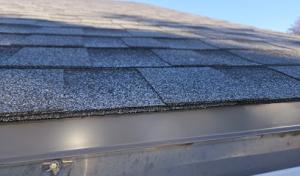
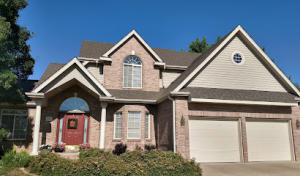
After a hail event, the local market fills with storm-focused re-roofing contractors. In this climate, the first test is how quickly a crew responds and how they show up for tarps, assessment, and documentation. You want a team that treats your asphalt shingles or metal panels with careful attention, not a crew that prioritizes a flashy sale over a solid plan for cleanup and neighborhood notice. Track how promises translate into action-timely measurements, precise material orders, and a clear timeline for work that minimizes exposure to further weather.
The landscape in Greeley includes long-established, family-owned firms that keep a steady presence after storms. Those firms often weather the rapid shifts in demand with reliable crews and consistent follow-through. Look for contractors who can point to repeat responders from prior hail events and who can provide local references. A stable firm is more likely to stand behind workmanship once the last shingle is laid and the last nail is driven, which matters when the inevitable inspection checks underlayment, ventilation, and fasteners.
Because permit inspections scrutinize installation details, favor contractors who organize around inspection scheduling and thorough documentation rather than those who promise fastest completion. Ask how they handle underlayment choices, venting improvements, and fastener patterns, and request a clear plan for scheduling inspections with the city. A contractor who builds a meticulous, paperwork-forward process reduces the risk of last-minute repatches or rework being required after the inspector signs off.
Hail-damaged roofs sit on a variety of house styles common to the area. Look for a crew that understands how different roof lines, attic spaces, and vent placements influence post-storm comfort and energy performance. A responsible choice balances reliable communication, careful cleanup, and a documented approach to the work's impact on your home's long-term protection.
Solar roofing has an active specialty presence in this area, making roof penetrations and re-roof coordination a practical issue for some homeowners. The combination of Front Range hail exposure and rapid weather swings means every penetration-whether for solar panels, vents, or skylights-adds potential weak points. A well-planned placement that avoids compromising underlayment or ventilation can pay off when storms roll in and hail is likely.
In a replacement project, adding new penetrations can change the inspection path or fees when combined with a roof replacement project. Work with the contractor to map all penetrations before the job starts, so the flashing, underlayment transitions, and fastener patterns are evaluated as a unit. If solar is already on the roof, coordinate panel mounting, wiring routing, and edge sealing so there is a continuous, weather-tight finish. A seamless plan helps keep the replacement moving smoothly through the inspection process and reduces the chance of discovery items that trigger additional work.
Storm-prone conditions in this market make flashing quality around solar attachments and other penetrations especially important over time. Poorly sealed penetrations can become leverage points for wind-driven rain and hail impacts. Prioritize durable flashing materials, proper Step and Counter Flashing, and a rainproof transition where the solar racking meets the roof surface. Ensure that sealants are compatible with both the roof substrate and the solar hardware, and verify that all penetrations have proper drains away from seams to prevent water pooling.
When planning solar or additional penetrations, obtain a comprehensive assessment that includes an inspection of Ventilation, Underlayment, and Roof Sheathing around each new point of entry. Ask the contractor to show how flashing will integrate with existing roof lines and how the penetrations will be re-sealed after installation. Request a written plan that outlines maintenance expectations, especially after hail season. Establish a contingency for post-storm checks to confirm that flashing remains intact and water-tight through temperature swings and wind-driven conditions.
Find contractors who integrate solar panels or solar shingles into your roof for long-term energy savings.
T Bare Roofing
(970) 397-7696 tbareroofing.com
2611 W 11th Street Rd, Greeley, Colorado
4.9 from 443 reviews
Summit Roofing Solutions
(970) 381-9926 summitroofingsolutionsllc.com
2986 W 29th St Unit #10, Greeley, Colorado
4.9 from 100 reviews