
Last updated: Apr 19, 2026
When a burst of wind and hail rakes through central Kentucky, this area experiences a surge in claims that can swamp local crews. The risk is real: torn shingles, lifted flashing, and water intrusion can escalate quickly with the next rain. In this market, timing is not a luxury but a necessity. A thorough yard and roof inspection as soon as safely possible after a storm helps lock in replacement decisions before further weather compounds damage. Look for lifted tabs, bruising on shingles, granule loss, dented metal components, and any moisture appearing in attic spaces or along interior ceilings. If you notice active leaks, address temporary containment right away to minimize interior damage while you coordinate the rest of the process.
Insurance carriers here routinely request photo documentation, date-of-loss details, and condition records because weather-related claims are a routine part of the roofing market. To meet those expectations, take clear, date-stamped photos from multiple angles: entire roof, close-ups of damaged areas, and interior shots where daylight reveals leaks or staining. Keep a dated log of the events: when the storm started, how long it lasted, and when you first noticed damage. Create a simple calendar record of any temporary fixes you implement, such as tarping or boards, along with the date and who performed them. This thorough paper trail reduces back-and-forth with adjusters and speeds up the verification process, especially when clustered demand hits all at once.
Seasonal storms in this part of central Kentucky can create clustered demand spikes that strain inspection scheduling, temporary dry-in availability, and replacement timelines after major weather events. You should expect potential overlaps with other homeowners and limited immediate access to seasoned storm-damage crews. Begin the process promptly with your chosen contractor as soon as you have your initial claim number or confirmation from your insurer. Ask for a prioritized inspection window, and confirm who will be on site, what the scope will cover, and how weather windows could affect the dry-in and full replacement schedule. If rain is forecast, insist on an accelerated plan to secure the temporary dry-in so interior spaces stay protected.
In Berea, storm-damage and insurance-focused roofing services are among the most prevalent contractor specialties. When selecting a contractor, verify their experience with insurance-backed projects, documentation bundles, and the ability to coordinate closely with your insurer's adjuster. Ask for a detailed write-up that matches the claim's scope with on-site findings, a phased timeline, and a realistic plan for weather delays. A solid contractor will not push you into unnecessary replacements or upgrade choices without clearly mapping them to the damage and the insurer's scope. Prioritize those who offer active communication, photo documentation packs, and a transparent progress schedule.
Weather swings in this region demand careful planning around dry-in windows. A proper dry-in must shield interior spaces while the roof is being replaced, especially during late fall and early spring when storms can arrive suddenly. Expect temporary tarps, secure decking, and continuous coordination with the crew to minimize exposure to wind-driven rain. Your contractor should provide a clear sequence: tarp or protective cover installation, partial roofing as weather allows, and a final weather-tight seal as soon as conditions permit. Delays due to seasonal volatility are common, but proactive planning with your crew reduces exposure risk and keeps the project moving.
From the first report to the final roof completion, maintain a steady line of communication with both your insurer and your contractor. Document every interaction, preserve all receipts for temporary measures, and request written approvals for any scope changes. In Berea, you're balancing a patchwork market reality with the goal of restoring a secure, weather-tight roof as efficiently as possible, while ensuring the documentation supports your claim and the work aligns with actual damage. Acting decisively at each step helps you weather the aftermath with fewer headaches and a roof that stands up to the next round of storms.
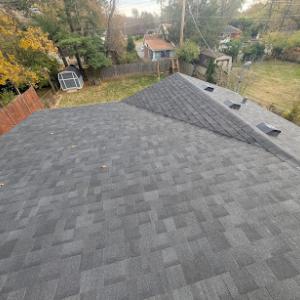
A-Team Roofing
(859) 359-7879 ateamroofingky.com
116 Business Ct, Berea, Kentucky
5.0 from 20 reviews
Reasonable - Reliable -. Reputable Local small family business with low overhead. We believe in word of mouth marketing. We value all our five-star reviews received. We work with you and/or your insurance company to resolve any roof, gutter, or siding issues due to weather related claims. We also repair or replace poorly installed jobs, or end of life material or maybe you just want a facelift for your house. Call today to get your free estimate.
Nelson Roofing & Building
Serving
5.0 from 12 reviews
Nelson Roofing & Building has been a industry leader in London, Corbin, and Somerset, Kentucky since 1990. Providing our full attention to each customer. Our philosophy is simple, " To treat your roof the same as I would my own Mother's." Following this simple rule always create a happy customer!
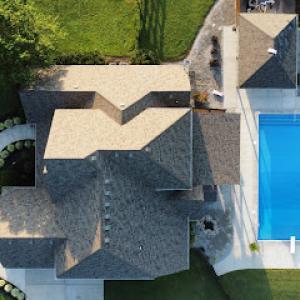
BA Contracting
(859) 621-3443 www.bacontractingky.com
Serving
5.0 from 41 reviews
We are a team of dedicated professionals with a passion for providing high-quality residential and commercial contracting services. With over a decade of experience in the industry, we have established ourselves as a trusted name in roofing, gutters, siding, windows, fascia, soffit, decks, fencing, and painting services. We take pride in delivering exceptional customer service and workmanship on every project, big or small. Our team of skilled and certified technicians are equipped with the latest tools and technology to ensure your project is completed on time, within budget, and to your satisfaction. We are fully licensed, insured, and committed to safety, quality, and professionalism in everything we do. Contact us today to schedule!
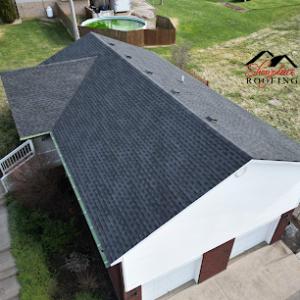
Showplace Roofing
(859) 629-0151 www.showplaceroofing.com
Serving
5.0 from 61 reviews
Showplace Roofing is a local company serving Richmond and Central Kentucky. We offer residential and commercial roofing, siding, gutters, fascia, soffit, and more. We handle everything from repairs and replacements to new construction and insurance claims.
Capstone Roofing KY
(859) 544-0932 www.capstoneroofingky.com
Serving
5.0 from 64 reviews
Capstone Roofing KY, based in Richmond, KY, is your premier choice for exceptional roofing services. As expert roofing contractors, we specialize in roof repair and replacement, ensuring your property is protected year-round. Our dedicated team prides itself on quality craftsmanship and exceptional customer service, making us the trusted roofing company in the Richmond area. Whether you need minor repairs or a complete roof renovation, Capstone Roofing KY provides reliable and affordable solutions. Trust us to enhance your property's safety and curb appeal.
AIC Roofing & Construction
Serving
5.0 from 37 reviews
AIC Roofing & Construction is a certified GAF Master Elite contractor that has built a reputation by providing the highest quality roofing replacements and repairs in the Central Kentucky area. We work diligently with our suppliers to negotiate the best prices which enables us to provide a first rate installation at a competitive price. Our business model is to deliver the same high quality work, day after day, job after job. Whether it’s a simple repair or a complex replacement, we always follow the step-by-step process we have developed for resolving various job specific details. By doing so we greatly reduce the chance for an installer or repair tech to make a mistake.
Bluejay Construction
Serving
5.0 from 266 reviews
Bluejay Construction is a veteran-owned roofing contractor based in Richmond, Kentucky, providing professional roof replacement, roof repairs, new roof installation, and storm damage roofing services in Richmond, Berea, Winchester, Lexington, and London, KY. We work with residential and commercial customers to deliver durable, high-quality roofing solutions built to last. In addition to roofing, we offer siding, gutters, windows, concrete, decks and excavation services. Bluejay Construction is BBB-accredited and certified by Owens Corning, GAF, James Hardie, and VELUX, proudly serving Madison County, Fayette County, Laurel County, and surrounding areas.
Pinnacle Roofing
(859) 800-7663 pinnacleroofingteam.com
Serving
4.9 from 355 reviews
Pinnacle Roofing is GAF Master Elite Two Star President’s Club roofing company with over 10+ years of experience operating in central Kentucky. Google Guaranteed. A+ rated by BBB. Considered by many as the best roofing company in Lexington, Richmond, and central Kentucky. Veteran-owned.

V.C. Veterans Contracting
(859) 888-7663 veteranscontractingllc.com
Serving
4.9 from 211 reviews
V.C. Veterans Contracting is a trusted roofing company based in Richmond, KY, specializing in full roof replacements for homeowners across Madison County and surrounding areas. Our team understands Kentucky’s unpredictable weather—from heavy rain and wind to seasonal storms—and how it can impact your roof over time. We provide professional roof inspections and complete roof replacements designed to protect your home, improve curb appeal, and deliver long-lasting results. Known for quality workmanship, clear communication, and reliable service, V.C. Veterans Contracting is proud to serve Richmond homeowners with honest roofing solutions you can count on.
Causey Roofing
(859) 544-3899 www.causeyroofing.com
Serving
5.0 from 53 reviews
Causey Roofing provides roofing services that will leave you feeling safe and secure. The meticulous attention to detail we put into every job ensures that your roofing quality is A1.
Ark Covering & Restoration
(859) 312-8012 arkcoveringrestoration.com
Serving
5.0 from 43 reviews
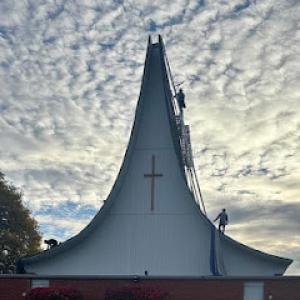
Ark Covering & Restoration is your premier choice for top-quality roofing services in the heart of Richmond. We are dedicated to providing exceptional craftsmanship and outstanding customer service. As a leading roofing contractor, we specialize in comprehensive storm damage repair, ensuring your home is protected and secure. Whether you're searching for "roofing contractors near me" or a reliable roofing company, Ark Covering & Restoration has you covered. Our experienced team uses the latest techniques and materials, guaranteeing durable and lasting results. Trust us to restore and enhance your roof's integrity with unmatched expertise.
Boots on Roofs
(859) 544-0425 bootsonroofs.com
Serving
5.0 from 120 reviews
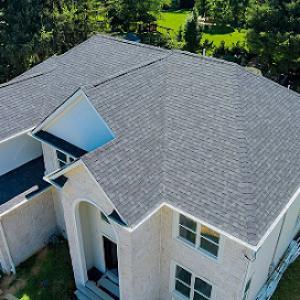
Boots on Roofs, LLC is a local, veteran owned and operated roofing company that serves the Richmond Kentucky and Knoxville Tennessee areas with high-quality materials, exceptional workmanship, and customer service that goes above and beyond. We pay close attention to detail and never cut corners. Integrity is at the foundation of our company’s core values. We are fully licensed and insured to work on both residential homes and commercial buildings.
In this foothill edge, heat stress from hot summers and cold snaps from winter freezing shape not only when you should schedule work, but how crews handle installation conditions. Heat can push underlayment and sealants to work faster but also accelerates drying, which, if rushed, invites gaps. Freezing temperatures slow sealing and set up issues for asphalt shingles or other overlapping materials. The result is a need for precise timing so that the roof not only goes on cleanly but seals properly as temperatures swing from day to night.
Spring in this region brings heavier storm activity and quick shifts from wet to dry spells. The window for tear-off and dry-in narrows when crews are balancing storm-repair demand across Madison County. If rain lingers, expect delays that ripple into material handling, ladder setup, and ventilation work. Plan for a mid-spring start only after a reliable stretch of dry days, and arrange contingencies for weekly weather fronts that can stall lifting, especially if the roof is higher or more complex. Communication with the crew about anticipated rain days helps keep the project on track without losing critical dry-in time.
Peak heat can push installation toward early morning or late afternoon hours. You'll notice crews targeting longer dry periods to avoid heat-related fasteners backing out or sealant softening. In hot weather, shingles tend to sit flatter and thinner when exposed to sun, so the sequencing of tear-off, drying, and re-nailing becomes essential. If a roof has vented attic space, heat-driven expansion can affect the timeline for achieving a tight seal. Make sure the crew has shaded staging areas and water for workers, so the process stays steady rather than rushed.
Fall brings wind events that complicate shingle sealing and underlayment exposure time. High gusts can shift underlayment alignment or raise dust and debris that interfere with proper adhesion. Shorter daylight hours also compress the time available for moisture control steps, so the crew focuses on rapid, methodical sealing and careful moisture management before winter brackets in. If a late-season windstorm hits, it's crucial to stage materials securely and protect interior spaces from sudden rain-driven intrusion during replacement.
Winter freezing temperatures and fall wind events can complicate shingle sealing, underlayment exposure time, and moisture control during replacement. Freezing temps slow the curing of sealants and can cause moisture to fracture or trap underlayment. When temperatures hover near or below freezing, crews adjust by increasing warm-up time for materials and prioritizing moisture barriers and attic ventilation checks. If a project spans into cold snaps, expect shorter work windows and a focus on keeping the roof dry between stages to preserve integrity until temperatures rise.
When you can't wait, these contractors offer fast response times to stop leaks and prevent further damage.
Thomas Quality Construction
(859) 575-7120 www.thomasqualityconstruction.com
Serving
4.8 from 82 reviews
Asphalt shingles remain the most accessible option in Berea's market, but repeated exposure to hot summers, cold winters, and storm activity can shorten service life compared with milder climates. For homeowners facing the Appalachians' seasonal swings, attention to granule retention, flashing integrity, and venting becomes essential. In practical terms, choose a shingle with good impact resistance and a robust nailing zone, and plan for more frequent inspections after severe storms. If a roof shows early signs of granule loss, exposed underlayment, or curling shingles after a heavy season, address it promptly to avoid moisture intrusion during freeze-thaw cycles.
Metal roofing is a meaningful local specialty and is often considered by homeowners looking for better performance against wind-driven rain and lower maintenance after repeated storm seasons. In this area, metal panels or standing-seam systems can offer superior resistance to the rapid shifts between heat and ice. Look for through-fastened versus concealed-fastener options based on roof slope and local load expectations. Proper installation matters: ensure panel alignment, solid sealants at penetrations, and flashing integrated with gutters. A metal roof can be a meaningful upgrade on homes that endure frequent hail or wind events, provided a professional crew prioritizes wind uplift calculations and seamless transitions around chimneys and skylights.
Tile, wood, and synthetic products appear in the market but are less common locally, so availability of installers and repair matching can be more limited than for standard asphalt systems. Clay and concrete tiles deliver a distinctive look and excellent resistance to many weather conditions, but their weight requires structural verification and careful framing. Wood shingles or shakes offer traditional charm but can be more vulnerable to moisture, insects, and rapid weather changes; they also demand closer maintenance to prevent cupping and splitting. Synthetic or composite shingles imitate many finishes while promising durability, yet matchups with existing profiles and color aging can complicate repairs. If choosing these options, secure a local installer with recent Berea projects and request a detailed plan for matching replacements down the line.
In neighborhoods with a mix of mid-century and newer builds, selecting materials should consider the roof's existing geometry, attic ventilation, and exposure to summer sun and winter sun angles. For many homes, asphalt remains a straightforward upgrade path that minimizes disruption and keeps a reasonable repair history. If wind and storm performance are priorities, metal roofing warrants evaluation for uplift resistance, seam quality, and the compatibility of accessories like vents and skylights. Tile, wood, and synthetics may suit homes with specific aesthetic goals or heritage requirements, but plan for longer lead times in sourcing and fewer nearby skilled repair options.
Berea's foothill position means storm season updates and freeze-thaw cycles can drive rapid wear around edges, penetrations, and transitions. After major storms, conduct a focused walk-around to check flashing around chimneys, vents, and skylights, and look for lifted shingles or displaced fasteners. Prioritize gutters and downspouts clear of debris to reduce ice dam risk in winter and to maintain proper drainage during spring melt. A proactive schedule that aligns with seasonal weather swings helps preserve the chosen roof system and minimizes the chance of cascading damage.
With any material, regular maintenance is the best defense against costly repairs. For asphalt, keep an eye on granule loss and edge damage; for metal, inspect fasteners and sealants; for tile or wood, watch for cracks, splits, or rot-prone areas after winter freezes. In this market, a trusted local crew with familiarity in Berea weather patterns often provides the most reliable guidance on inspection intervals, repair techniques, and material compatibility across the life of the roof.
Asphalt shingles run roughly from 350 to 550 per square, a predictable range you'll notice with most standard residential roofs. Metal roofing sits higher, about 700 to 1100 per square, reflecting durability and installation time. If clay tile is in the mix, expect 900 to 1900 per square, with concrete tile close behind at 900 to 1600 per square. Wood shingles or shakes typically land around 600 to 1000 per square, while synthetic or composite shingles sit in the 400 to 800 per square range. These figures reflect the concrete realities of a town perched at the edge of the Appalachian foothills, where roof lines and attic ventilation play into material selection.
After a major storm, demand surges can push pricing and wait times upward, especially for full re-roofs rather than small repairs. In Berea, that seasonal swing matters because a homeowner may face a longer lead time for crews and materials once the local supply chain tightens. If a tear-off reveals moisture or damaged decking, the project naturally expands, and so can the cost. Planning ahead for shoulder seasons can help minimize disruption and keep closer to the lower end of the local ranges.
Roof complexity-think hips, valleys, chimneys, and dormers-adds labor hours and can tilt the price toward the higher end of the square-foot cost. Hidden issues, like spores or mold in sheathing, or compromised moisture barriers, change the scope from a standard replacement to a more involved job. In Madison County, such contingencies are not unusual and can elevate the total beyond the base material cost. The presence of old, problematic decking often means extra materials and additional teardown time.
Request a written bid that separates tear-off, waste disposal, and any decking work. Ask for staged pricing if you suspect moisture or structural concerns-this helps manage cash flow as issues are uncovered. Compare a few reputable local roofers, paying attention to how they document material types and warranty expectations. A careful, well-documented estimate reduces surprises when the project moves from weather-cooled months into the heat of storm season.
Get a clear picture of your project costs upfront - no commitment required.
A-Team Roofing
(859) 359-7879 ateamroofingky.com
116 Business Ct, Berea, Kentucky
5.0 from 20 reviews
In Berea and Madison County, a building permit is typically required for a full roof replacement rather than being treated as a no-permit maintenance item. That distinction matters because a permit creates a formal timeline and keeps you aligned with local code requirements. If a contractor suggests skipping the permit, pause and verify with the county building department. Proceeding without a permit can lead to penalties, a required redo, or delays when the project is later discovered during a sale or insurance claim.
The local process generally involves permit issuance before work begins, plan review by the building department, and final inspection after the roofing work is completed. This sequence helps ensure the work meets local standards for weather-tightness, fire separation, and structural integrity. Expect a review that may require basic details: scope of work, roofing material type, and any venting or penetration changes. If plans are incomplete, the department may request clarifications or amendments, so respond promptly to avoid postponements.
Homeowners should be prepared for milestone or periodic inspections during the project, which can affect scheduling if weather delays overlap with inspection availability. Inspections are not just a formality; they validate critical stages such as deck replacement, flashing, and underlayment installation. In the shoulder seasons, tight windows may force you to adjust start dates to fit weather forecasts and inspector calendars. Have a realistic buffer for rain, wind, or late snow, and coordinate with the contractor to align their timeline with anticipated inspection slots.
The seasonal swings here-wet springs, hot and storm-prone summers, and freeze-thaw cycles-can influence both permit timing and inspection readiness. Keep a centralized file with permits, approved plans, and inspection notices, plus a clear record of weather-adapted milestones. When a storm hits and causes damage, the permit route remains essential to demonstrate proper installation standards and to keep the project moving despite interruptions. Noncompliance or misalignment with permit steps can stall insurance claims and prolong exposure to weather risk.
Verify the permit type early, and confirm each inspection milestone with the building department and the contractor in writing. If a weather window opens and inspections are available, request priority scheduling to minimize delays. Maintain open lines of communication with your inspector, especially if changes emerge in the plan or material adjustments are necessary due to wind or hail risks.
In Berea, repeated wet-dry and freeze-thaw cycling can turn small flashing or shingle defects into interior leak problems over a single winter season. The first sign is often a small bead of water at a ceiling seam after a heavy thaw, but it can creep behind attic insulation before a drip becomes obvious. Inspect attic space after storms for damp insulation, stained joists, or frost on underside of sheathing, and address defects before they widen.
Metal-to-roof transitions where shingles meet chimneys, vent pipes, and skylights routinely take a beating from seasonal swings. In storm lanes along the ridge, wind gusts can loosen sealant and expose underlying nails. When you notice daylight around a vent boot or a corner seam, don't delay. Clean debris from the seam, reseal with compatible roofing sealant, and replace split or curled flashing. After a heavy wind event, perform a quick exterior sweep to confirm no loose pieces are rattling in the gutters.
Wind damage is a common local concern because storm-related service lines and smaller repair jobs dominate among nearby contractors. Look for lifted edges on asphalt or synthetic shingles and bruised granules on the roof's surface after hail. If a shingle curl or loose tab is present, schedule a professional inspection promptly; untreated lift accelerates leaks during freeze-thaw cycles.
Cleanup is a shared local priority, so protect the yard and landscaping during tear-off and repair work. Request installers to use magnetic picks to recover nails, and confirm workers sweep gutters and the ground beneath the cleared work zone. If debris remains, install temporary tarping to shield vulnerable attic entry points and direct runoff away from the foundation. Regularly monitor for new granule loss after storms, and schedule targeted repairs before winter intensifies any preexisting issue.
Find contractors experienced in skylight installation, flashing, and leak repairs to bring natural light into your home.
Thomas Quality Construction
(859) 575-7120 www.thomasqualityconstruction.com
Serving
4.8 from 82 reviews
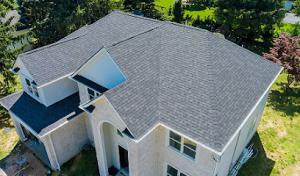
In Berea, the Kentucky storm-claim environment means carriers may scrutinize roof age, prior repairs, and documentation before approving a full replacement. That reality shapes every post-storm conversation with the adjuster: a well-documented history, including photos taken before and after events, can tilt decisions in your favor. If a roof shows older damage or patchwork from past winters, expect questions and slower movement toward a full replacement. The risk here is not merely whether a roof leaks today but whether the file supports the claim with clear, dated records.
Insurers serving this region may have variable approval timelines after weather events, so homeowners should document damage immediately and keep records of temporary protection work. Take prompt, timestamped photos, collect contractor notes, and preserve any temporary tarping or boarding. A single storm can trigger evolving assessments over weeks. Keeping a tidy paper trail helps prevent gaps that insurers later use to justify depreciation or partial approvals, especially when the weather swing accelerates wear across months.
Because repeated storm exposure affects underwriting in this market, homeowners should review policy terms for wind and hail treatment, depreciation, and any multi-year roof condition considerations. Some plans apply depreciation to hail damage or age-based write-downs, while others offer smoother pathways for multi-year wear if documented consistently. Read the fine print with care, noting how prior wind events or recurring freeze-thaw cycles influence potential coverage, and plan for how long-term exposure can alter the recovery path after a serious storm.