
Last updated: Apr 19, 2026
Spring in this part of the Cumberland Plateau hits hard with the heaviest rainfall of the year, and that means leaks and hidden damage show up faster than you think. In a neighborhood where roofs face steady seasonal wear, a sudden storm can turn a quiet attic into a soggy problem overnight. The danger isn't just the water intrusion; hail pummeling shingles or panels can crack protective layers, lift edges, and accelerate mold growth. When a storm rolls through, you need to act with a sharp eye and a plan, because delayed responses turn manageable repairs into bigger, costlier fixes.
Local contractor signals point to a pattern many homeowners already know: projects in this market tend to cluster right after weather events. Emergency repairs get prioritized, then a broader claim-driven replacement follows once storm damage is confirmed. This timing is amplified in Laurel County where carriers lean on documented proof before authorizing full replacements. If your roof took a direct hit or signs of hail appear on visually prominent areas, plan for a claim-driven path rather than a casual remodel timeline. The window for approvals is often tied to how quickly you can assemble credible evidence and how smoothly the claim process moves when weather-driven work is underway.
In this climate, your claim's momentum rides on clear, thorough photos. Kentucky carriers frequently request detailed evidence of shingle or panel damage, the roof type, and installation details to authorize replacement. Start gathering pictures the moment you suspect damage: close-ups of granule loss, dented metal, lifted shingles, and any compromised flashing. Then step back to show overall roof condition-highlight potential entry points where water could reach the interior. Include roof age, visible wear, and any recent storm reports from your area. Photos should capture multiple angles, dates, and a concise timeline of when you first noticed issues. A well-documented collection can mean faster approvals and fewer back-and-forth requests from the insurer.
When spring storms strike, speed matters. Reach out to a trusted local contractor with a reputation for accurate damage assessments and transparent communications. Explain the storm event, the date it occurred, and the initial signs you observed. Ask for a rapid on-site inspection focused on hail evidence, flashing integrity, and potential water intrusion pathways. Request a written scope that differentiates emergency repairs from full roof replacement, so your insurer can see a clear plan. If a contractor notes condition flags beyond the obvious hail hits-like insulation saturation, soffit damage, or gutter concerns-addressing those promptly can keep the overall claim timeline from stalling.
Keep every correspondence organized: incident report, adjustment letters, and all photos organized by date and issue. When your adjuster visits, have the documentation ready and a prepared checklist of items you need addressed: weather-related shingle loss, structural concerns, and the specific roof type installed on your home. If draft decisions linger, request escalation or a second opinion, as many policies in this market rely on precise evidence before moving to replacement authorization. Staying proactive with communications reduces the chance of coverage gaps or delayed work, which is critical when spring storms push projects into a crowded scheduling window.
After a storm, perform a careful, non-invasive exterior inspection from ground level and note any visual red flags-shingle edges curling, soft spots on suspected panels, or exposed fasteners. Document with timestamped photos, then contact a reputable local contractor for a rapid assessment. Agree on a plan that aligns with insurance expectations: a clear emergency repair path to stop further damage, followed by a documented replacement plan if the claim supports it. In this climate, your best defense against a drawn-out process is prompt, precise documentation paired with a credible local contractor who understands how Laurel County handles storm-damage claims.
Kirby Contracting
(606) 312-2452 kirbycontracting.com
45 Allen Dale Ln, London, Kentucky
5.0 from 31 reviews
From repair to replace, we can handle all your roofing needs with the highest levels of customer service and professionalism! We offer free estimates so you can make the decision that's best for you. We have a unique roofing process where we develop a customizable approach that fits each client instead of giving one generic solution like some other roofing companies. When bad weather hits your home, you have no need to look any further. Whether the damage is from wind, hail, tornados, or anything in between, we will take care of you the way you deserve. We also repair, replace and fully remodel siding systems. We're capable of installing vinyl, steel, aluminum, wood, or engineered wood siding to best suit your needs.
Reliable Roofing Solutions
(606) 332-2208 reliableroofsolutions.com
500 S Laurel Rd, London, Kentucky
5.0 from 26 reviews
Local contractors, specializing in all types of repair and installation of roofing, guttering, and siding both residential and commercial.
KDR Roofing Construction Service
1349 S Laurel Rd Suite 4, London, Kentucky
5.0 from 15 reviews
We have 15 years of experience in the installation of guaranteed work covers and our clients have always been satisfied with our service. As a leader in the roofing and remodeling industry, Gallop Roofing & Remodeling, Inc. has established a foundation of quality workmanship, a continuous pursuit of up-to-date product knowledge, and a commitment to giving you, the customer, peace of mind that all of your roofing and remodeling needs will be handled with minimal investment. The majority of our work comes from referrals which is a testament to our performance commitment.
East Kentucky Metal Sales
(606) 877-1848 eastkentuckymetal.com
977 E Hal Rogers Pkwy, London, Kentucky
4.4 from 113 reviews
Metal roofing and supply store.
Barrier Roofs
(859) 251-5119 barrierroofs.com
405 Dons Drive, London, Kentucky
5.0 from 2 reviews
Barrier Roofs offers residential roof repair, replacement, and installation, gutter repair and installation, window installation, and siding.
Mel Chandler Contracting, Inc. (MCCI)
(606) 528-6352 www.melchandlercontracting.com
Serving
5.0 from 10 reviews
We are a fully licensed and insured roofing & sheet metal contractor serving the commercial, industrial and residential markets. Call on us for Roof Repairs, Roof Replacement, Gutter Repairs, Gutter Replacement, Free Inspections, Chimney Caps, Custom Metal Fabrication, Copper, Leak Repairs, Storm Damage, Wind Damage, Hail Damage, Repairs covered by insurance, Replacement covered by insurance and much more.
A Good Roofer
(606) 595-1320 www.agoodrooferky.com
Serving
4.7 from 118 reviews
A trusted, family-owned roofing company committed to quality, durability, and customer satisfaction. We specialize in insurance claims, commercial , and residential roofs!
Action Affordable Roofing
Serving
5.0 from 36 reviews
Locally owned Roofing Company that strives to provide professionalism and quality work to satisfy each and every customer. 30+ years of experience and counting. We offer Shingles, Metal and Flat Commercial Roofing. -Free Estimates -Insurance Claims -Roof Repairs -Wind/Hail Damage
Bellator Roofing & Restoration
(615) 934-1421 www.bellatorroofingandrestoration.com
Serving
4.9 from 54 reviews
Bellator Roofing & Restoration is a premier roofing contractor based in Corbin, Kentucky proudly serving all surrounding areas. Specializing in a comprehensive range of roofing services, we offer free roof inspections to assess your needs and provide expert guidance. Our skilled team excels in roof installations, ensuring quality and durability for every project. We are also dedicated to restoring homes affected by storm damage, providing timely and effective solutions to get you back on track. Whether you need a complete re-roof or repairs, our commitment to excellence and customer satisfaction sets us apart. Trust Bellator Roofing & Restoration for all your roofing needs!
Superior Roofing
Serving
3.9 from 15 reviews
37 years experience in the roofing industry and in business for 22 years now winner of the best of best now 3 years in a row placing us into the business hall of fame and an A plus rating with the bbb we offer an 8 year workmanship warranty
JBK Commercial Roofing
(606) 523-9000 www.flatroofonline.com
Serving
4.4 from 11 reviews
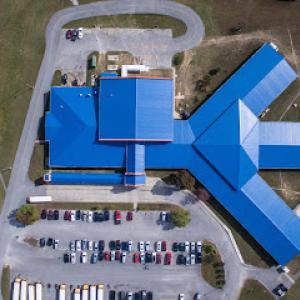
JBK Commercial Roofing has built its roof reputation on excellent workmanship through advanced training and low employee turnover. We maintain efficiency and low overhead, which equates to competitive pricing. Our goals is to exceed our customers’ expectations before, during, and after the roofing project is completed.

Bluejay Construction
Serving
4.8 from 17 reviews
Bluejay Construction is a local Veteran Owned & Operated General Construction company specializing in Residential/Commercial Building, Remodeling, and Renovation.
Spring in this area brings the typical Cumberland Plateau mix of warm days, sudden thunderstorms, and hail events that can ding shingles and gutters. If a storm hits, the first 24 to 48 hours are critical for documenting damage: take clear photos of hail marks, loose shingles, and any shared damage on ridges and flashings. Keeps your photos organized by date and weather, because insurers and adjusters in Laurel County rely on a precise timeline when lining up a replacement window. If you notice granules washing into gutters or a pattern of lifted edges, flag these as high-priority items for the adjuster. On a hot day, crews will work faster in early morning or late afternoon, but mid-day heat on a dark asphalt roof can push temperatures well beyond comfort levels. Plan for shorter exposure periods and water breaks, and ensure crews have shaded access to the attic to minimize heat gain during tear-off.
London's hot, humid summers can complicate material handling and slow crews, especially on dark asphalt roofs that heat up quickly during midday installation windows. If replacement extends into the hottest stretch, consider coordinating delivery times to avoid peak sun and scheduling steps that require adhesives or sealants during cooler parts of the day. Roof edge protection and daily cleanup matter more when debris and dust circulate in humid air that feeds mold and algae on shaded sections of the deck. For metal or lighter-colored options, you may notice less heat absorption, but handling longer sheets and panels still requires careful staging to prevent warping in afternoon heat. Keep a shaded rest area for crews and ensure attic ventilation is prepared to manage any temporary increases in attic temperature during replacement work. Sustained heat can also stress sealant-dependent steps, so confirm product compatibility with current attic moisture levels and avoid back-to-back sealing if forecasted heat waves loom.
Fall in London often offers a narrower but more stable replacement window before winter freezing, though wind-blown leaves and debris can affect sequencing and gutter cleanup. Early fall weather typically pairs cooler days with adequate daylight, which helps crews maintain steady progress. It pays to prepare gutters and downspouts in advance so debris can be removed efficiently as shingles come off and new underlayment goes down. If a storm before autumn has stirred up branches, schedule extra time for debris removal and roof-to-ground cleanup to prevent blockage or damage to newly installed materials. A well-timed fall re-roof minimizes the risk of wind-driven moisture intrusion during the early freeze cycle and makes sealant cure more reliable before winter sets in.
Winter ice and freezing temperatures in southeastern Kentucky can delay tear-off, flashing work, and sealant-dependent steps, so homeowners in London often face longer timelines if they wait too late in the year. Short daytime windows and frozen substrates reduce adhesive performance and slow shingle seating. If weather requires postponement, maintain temporary protective measures like tarping over exposed roof areas and ensuring interior spaces stay dry as work resumes later. Properly staged work in winter prioritizes flashing, drip edge, and ice dam mitigation strategies, since these pieces govern long-term performance once temperatures stabilize. Communicate contingency plans with the crew so that sequence shifts caused by cold snaps don't stall the overall replacement timeline.
Asphalt shingles dominate the market because they fit the area's common residential re-roofing needs and lower upfront budgets better than tile systems. For a typical London homeowner, asphalt shingles offer a straightforward installation path, a broad range of styles to mimic older homes, and a reliable warranty cycle that aligns with the practical realities of spring storm repair. When selecting asphalt, focus on impact-resistant grades and a shingle profile that suits the house's visual character. The local climate-with its four seasons and periodic hail exposure-benefits from a shingle with good adhesive performance and strong granule retention to withstand wind-driven rain and stray hail fragments. In addition, consider the roof's slope and overhangs; shallow pitches may require upgraded underlayment and more cautious flashing details to keep water from migrating toward fascia or gutters during heavy downpours.
Metal roofing has a meaningful specialist presence locally and is especially relevant in this market because repeated rain exposure and storm concerns push some homeowners toward longer-life, lower-maintenance systems. If choosing metal, you'll notice a quick realization of weather resistance and a notable reduction in maintenance cycles compared with traditional shingles. The right metal profile can also help with attic heat management and snow shedding where seasonal patterns contribute to ice damming in shaded corners. In London, Kentucky, the best outcomes come from working with a contractor who understands the region's typical roof lines and overhangs, as well as how metal panels pair with existing soffit and gutter systems. Pay attention to the color coatings and panel seams, which matter for long-term sealing against wind-driven rain and hail, and ensure flashing around chimneys and vents is integrated into the installation plan rather than tacked on afterward.
Clay and concrete tile are available in the market but are less naturally aligned with the prevailing local contractor mix, which is more heavily oriented toward storm restoration, asphalt re-roofing, and practical replacement work. Tile systems can deliver a distinctive look, durable long-term performance in certain microclimates, and excellent fire resistance, yet they demand a sturdier roof deck and precise substrate preparation. In London, the typical contractor pool for storm-driven repairs may be less experienced with tile overlays, echoing a broader preference for systems that accommodate rapid restoration after hail events. If tile is considered, a thorough assessment of roof framing, underlayment, and potential weight upgrades is essential, along with a plan for seamless integration with existing flashing details to guard against wind uplift and water intrusion during multiple weather cycles.
In the decision process, consider how spring storms and hail episodes influence the expected service life and maintenance schedule. A locally experienced contractor can help you assess hail exposure risk on your specific roof plane, factoring in roof orientation, tree cover, and attic ventilation. If the plan leans toward a roof replacement driven by insurance timelines, ensure the chosen material aligns with the property's structure and the insurer's requirements for repair documentation. Regardless of material, prioritize a robust underlayment, proper nail patterns for wind zones, and a flashing strategy that covers penetrations thoroughly. In the end, the best choice balances local availability, anticipated maintenance, and the home's architectural language. In London, Kentucky, these choices often emerge as asphalt for dependable rebuilds, with metal serving as a strategic option for long-term storm resilience.
When planning a roof replacement, use the local London pricing framework as your baseline. Asphalt shingles typically run about $350 to $650 per square, metal roofing runs higher at $600 to $1,200 per square, and concrete tile sits between $900 and $1,600. Clay tile is the top-end option at $1,200 to $2,400 per square. Wood shingles or shakes generally fall in the $650 to $1,100 range, while synthetic or composite shingles span roughly $420 to $900 per square. These figures reflect the mix of material choices common to current London-area homes and the typical labor hours involved for local crews.
Spring brings a cluster of hail events and heavy rain that tighten contractor schedules. In London, you'll often see delays or expedited timelines after a major storm, which can nudge project start dates and overall costs upward compared with quieter seasons. Expect quicker responses on shorter notice when a hail event hits nearby, but also be prepared for higher demand-driven price adjustments if multiple jobs collide for the same crew. It helps to line up trusted installers early in the season and have a clear decision window for material choices.
Asphalt remains a common, cost-conscious choice that fits many London homes, especially when bundled with standard underlayment and flashing upgrades. If metal is selected, plan for stiffer upfront costs but potentially longer-term durability and lighter roof load, which can influence long-term maintenance budgets. Tile options-clay or concrete-offer distinctive aesthetics and longevity but come with higher installation complexity and costs that ripple into the per-square price. Wood shingles or shakes bring a traditional look but require ongoing maintenance, while synthetic or composite shingles provide a balance of price and durability that can suit homes facing more severe weather exposure.
In practice, your project cost hinges on the square footage of roofing replaced, plus the chosen material and the complexity of the roof line. A steeper pitch or more penetrations (vents, skylights, chimneys) increases labor time and costs. For a spring-reliant market like London, plan for potential price edits tied to material availability and crew scheduling, especially after a hailstorm. Discuss haul-away, disposal, and waste management costs with your contractor upfront to avoid surprises in the final invoice.
When an exterior storm event triggers a re-roof, the choice of material can influence insurer expectations and claim resolution timelines. If you anticipate an insurance-driven project, confirm whether your chosen material aligns with your policy terms and any anticipated adjustments to the per-square cost. A well-documented, transparent bid that outlines material specs, layering (underlayment and flashing), and scope can smooth the transition from claim to installation to completion.
Get a clear picture of your project costs upfront - no commitment required.
Kirby Contracting
(606) 312-2452 kirbycontracting.com
45 Allen Dale Ln, London, Kentucky
5.0 from 31 reviews
A full re-roof in this jurisdiction typically requires a permit issued through the Laurel County Building Department, often coordinated with the City of London. The process isn't a one-and-done step; it weaves through the job as the project moves from planning to completion. Understanding who signs off and when helps prevent mid-project holds that push back your schedule during spring storm season. If a contractor suggests they can skip the permit, that is a red flag for major delays and potential code violations that can haunt you after a hail event or a fast-track insurance repair.
Inspection timing is locally important because checks are commonly scheduled after decking, underlayment, and flashing are in place, followed by a final inspection at completion. Expect inspectors to verify deck integrity, proper underlayment installation, starter courses, and flashing around chimneys, vents, and valleys. If the framing or moisture barriers aren't positioned correctly at that stage, you'll face rework and additional inspections. Planning around these milestones helps you align crews, material deliveries, and weather windows without piling up back-to-back delays.
London-area homeowners should expect weather delays and permit backlogs to affect start dates and dry-in timing, especially during busy storm-repair periods. Spring hail events often flood permit offices and extend waiting times for approvals. Dry-in windows become critical after a damaging storm, so factor in possible hold times between permit issuance and shingle lay-down or metal panel installation. Keep a clear line of communication with the contractor about expected inspection days, what prep work is required for each visit, and how weather shortfalls might cascade through the schedule.
When a spring storm rattles the Cumberland Plateau and hail dings shingles, the ledger of a claim starts with what you can document. Kentucky insurers generally support roof replacement when damage is well documented, so you need clear photos of impact marks, lifted and cracked materials, leaks, and the overall roof condition before temporary repairs obscure evidence. Take daylight photos from multiple angles, label dates, and keep a running list of affected areas so the adjuster can see the scope without guessing.
Many carriers in this region use wind and hail endorsements that change how a claim is paid. London homeowners should review deductibles and coverage terms before assuming a storm claim will pay for full replacement. If the policy limits look tight or an endorsement caps certain components, understand where the money comes from and what classes of work are covered. A misread can leave a homeowner facing gaps after a found storm.
After a major weather event, claims activity in the London market can slow adjuster scheduling and approvals. Early documentation and prompt tarping are important to protect interior spaces and prevent further damage from rain. Do not rely on instinct; have a professional inspect the roof soon after the storm and provide written notes to the insurer with the photos.
Practical steps you can take include inventorying damaged areas with a flashlight at dusk, noting shingle granule loss, curling edges, and lifted tabs. Use visible landmarks on the house and adjacent structures to help the adjuster locate everything. If temporary repairs are needed, use proper tarping and secure materials without altering the roof surface in a way that could complicate the claim.
In conversations with the insurer, keep notes of who you spoke with, the dates, and promised timelines. If a contractor is involved, coordinate with the insurer so the work plan aligns with the claim scope and avoid signing off on repairs that expand the claim without approval.
Repeated spring rain in London tends to expose weaknesses at flashing transitions and any areas where underlayment or decking was compromised before replacement. When storms roll through, water can creep along roof edges, around chimneys, and at vent penetrations if fasteners have rusted or sealants have dried out. You may notice small drips that appear after a heavy rain or during rapid temperature swings that cause the flashing to flex. In older homes with aging underlayment, saturated layers may fail to shed water quickly, leading to slow leaks that surface in ceilings or interior walls. A practical check after a storm is to walk the attic on a dry day and look for damp insulation or darkened decking around penetrations. Pay special attention to areas where roof pitch changes, such as transitions from a flat portion to a steeper slope, and to joints where metal flashing meets masonry or siding. If you see shiny wet spots or hear occasional drip sounds near these spots, schedule a targeted inspection of flashing and seals.
Summer heat and humidity in this part of Kentucky can accelerate wear patterns on aging asphalt roofs and make existing ventilation problems more obvious inside attics. Asphalt shingles can curl or become brittle where sun exposure is greatest, and granules may loosen more quickly on older layers. Heat builds pressure in attic spaces, highlighting any lack of soffit intake or ridge vents. Poor ventilation can cause ice damming in shoulder seasons and promote felt or underlayment deterioration from trapped moisture. Inside, you might notice warmer attic temperatures, more rapid attic fan cycling, or higher humidity levels that contribute to condensation on rafters. A focused assessment should include a check of attic ventilation balance, inspection of cracked or lifted shingles near vent pipes, and verification that soffit vents are clear of obstruction.
Fall debris and winter freeze conditions in London can turn minor drainage or flashing issues into active leaks by trapping moisture and slowing dry-out between weather cycles. Falling leaves clog gutters and downspouts, creating standing water that seeks every available seam. Ice buildup along eaves or flashing can pry flashing away from the roof deck, widening existing gaps. In winter, freeze-thaw cycles push water through small imperfections, especially where underlayment has aged or where deck boards have warped. A proactive homeowner approach is to keep gutters clear, ensure downspouts direct water away from foundations, and inspect for any damp spots in ceilings after thaw cycles. If leaks appear after a freeze, focus on flashings surrounding penetrations and along transitions where ice tends to accumulate.
Find contractors experienced in skylight installation, flashing, and leak repairs to bring natural light into your home.

The local market is heavily oriented toward re-roofing, storm response, and commercial work, so you should verify that a contractor's residential replacement experience matches the scope of the project. Look for a portfolio that includes full roof tear-off, underlayment replacement, and venting updates on single-family homes similar to yours. Ask for references from neighbors with comparable houses and roofing materials. A contractor's written scope should spell out fascia, edging, and detail work on chimneys or skylights, not just the bare deck.
Because quick response and cleanup are prominent local hiring signals, homeowners in London often judge contractors on how fast they can tarp, schedule, and leave the property clean after tear-off. Note how promptly they answer questions, whether they provide a clear tarp plan for storm risk, and whether they commit to a written teardown and nightly site protection. On the job, the crew should cordon off the area, protect landscaping, and leave the yard broom-clean. If a crew arrives with full dumpster containment and a plan for debris removal, that's a practical signal of reliability.
Long-established, locally owned, and insured or licensed signals appear in the market but are not universal, so London homeowners should confirm credentials and scope details rather than assume them. Check the contractor's insurance certificate, business address, and a current state or local license if applicable. Ask who will supervise the project daily, and request a written warranty that covers both materials and workmanship for a defined period. A credible contractor will provide a clear, material-by-material plan rather than vague assurances.
Spring storm exposure and hail from the Cumberland Plateau shape the local pattern. Choose a contractor with a documented plan for weather-related work stoppages, tarping, and rapid re-planning to minimize leak risk during a tear-off. Confirm how they handle post-storm cleanup, site protection, and interactions with insurance adjusters to keep the project moving smoothly.