
Last updated: Apr 19, 2026
Prairieville sits in Ascension Parish within southeast Louisiana's hurricane exposure zone, so June through November drives both damage risk and scheduling pressure. Hot, humid summers fuel rapid deterioration of vulnerable spots, while wind-driven rain can whip through even small gaps in shingles or flashing. That means a minor leak today can become a ceiling-full of water tomorrow if a storm's bands hit your home before you're ready. The local housing stock-mid- to late- century rooftops with asphalt shingles, some metal or tile-handles heavy weather inconsistently when preparations lag. In storms, insurance timing and post-storm demand can amplify delays, so proactive, pre-season readiness matters more here than in calmer regions.
Starting now, walk the entire roof with a buddy and a ladder stabilizer to spot loose shingles, lifted tabs, curling edges, or flashing gaps around chimneys, vents, and dormers. In this climate, small shingle or flashing failures turn into interior leaks quickly during tropical weather. Replace loose or damaged shingles and seal flashing thoroughly before hurricane season ramps up. Pay attention to valley intersections and roof-to-wall transitions where wind-driven rain tends to seep in even when the rest of the roof looks fine. Ensure attic ventilation remains unobstructed, because trapped heat and moisture push condensation into the decking and help mold growth after a storm.
Create a rapid-response plan for after-storm checks. Identify a local contractor you trust who can respond quickly when a surge hits and material availability tightens. Have doors and windows weather-stripped to reduce wind entry points, and install or inspect secondary water barriers under vulnerable roofing assemblies. If your home has a flat, low-slope section or a valley, reinforce with corrosion-resistant hardware and ensure proper drainage to prevent ponding. In this area, even modest damage can cascade into larger leaks as interior spaces heat up and rain persists, so treat any sign of moisture as urgent rather than cosmetic.
Homeowners often try to complete replacement before peak storm activity because post-storm demand surges can slow material availability, inspections, and crew scheduling. Plan early with your contractor to secure preferred dates, confirm buffering for weather delays, and establish a clear sequence for removal, decking inspection, underlayment, and final roof cover. Keep a current contact plan on file for your insurer and contractor, including a trusted neighbor who can monitor your property during storms when you're away. In this neighborhood, careful preparation isn't just prudent-it's essential to minimize disruption and protect interior living spaces when the next hurricane eye passes.
Louisiana is a high-claim wind and hail market, and Prairieville homeowners may face tighter underwriting, non-renewal pressure, or changing deductibles after major storm years. That reality lands squarely on your roof and your claim strategy. When a storm rolls through, insurers aren't just looking at the shingle color or the visible dent; they're weighing risk for the next few policy cycles. If your roof has any preexisting vulnerabilities-age, prior patches, or questionable maintenance-expect the review to be more stringent. The outcome can affect coverage gaps or even policy renewal, long after the last gust has faded.
Insurers in this region often want detailed photo documentation, date-stamped damage records, and proof of wind-resistance upgrades when evaluating roof claims. Take photos from multiple angles, including the attic space if accessible, to show both exterior damage and the interior signs of wind-driven moisture. Record the exact date of each event, noting the time, wind direction, and any hail reports from local weather outlets. If a particular storm caused localized damage, collect corroborating receipts for temporary measures or professional evaluations that tie the damage to a specific incident. The emphasis is on traceable, verifiable documentation that stands up under insurer scrutiny.
Because Prairieville sees repeated storm events rather than one isolated season, homeowners need to document each incident separately and keep records before temporary repairs are made. Temporary fixes-tarps, quick patching, or shingle reseaming-are legitimate short-term measures, but they can complicate later assessments if not documented clearly. Photograph the area before and after any temporary repair, and note the material used, the date, and the person performing the service. When subsequent storms hit, maintain a stacked file of reports and photographs that map the progression of damage over multiple years. The goal is to create a transparent timeline that helps an adjuster see persistent patterns rather than isolated misfortunes.
Rushing repairs without proper evaluation invites questions about the extent and cause of damage. If a fix appears to be a permanent cure for perils caused by repeated wind events, an adjuster may request independent appraisal or engineering confirmation. Keep receipts for all work tied to storm damage, including analysis from roofers or wind-load assessments, even if a future claim seems unlikely. Remember that insurers may scrutinize the claim history and the sequence of repairs, so a coherent, well-supported narrative is essential. A careful, methodical approach now can help protect coverage and avoid delays when a claim is needed most.
Connect with contractors who help homeowners navigate the claims process from damage assessment to final approval.
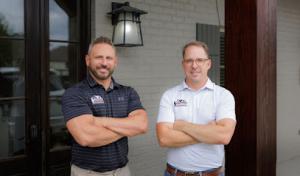
Advanced Exteriors
(225) 320-0432 www.advancedexteriorsla.com
16044 LA-73 Suite 104A, Prairieville, Louisiana
5.0 from 136 reviews
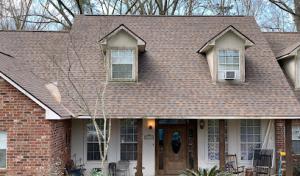
J Reyes Construction
(225) 933-9098 www.jreyesconstructionllc.com
17353 LA-933, Prairieville, Louisiana
5.0 from 48 reviews
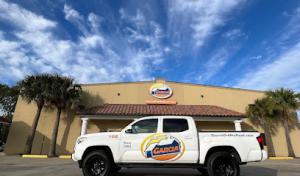
Garcia Roofing
(225) 756-3100 garciadidmyroof.com
18219 Swamp Rd, Prairieville, Louisiana
4.7 from 308 reviews
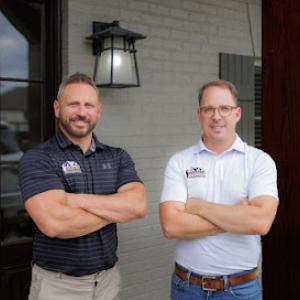
Advanced Exteriors
(225) 320-0432 www.advancedexteriorsla.com
16044 LA-73 Suite 104A, Prairieville, Louisiana
5.0 from 136 reviews
Advanced Exteriors in Prairieville, LA specializes in professional roofing replacement services that protect homes from heavy rain, high humidity, and storm damage common in South Louisiana. Our team works with shingle, metal, and flat roofing systems, providing durable solutions that enhance both strength and curb appeal. We understand the local challenges homeowners face, from hurricane-season winds to rapid wear caused by heat and moisture, and we deliver tailored replacements built to last. With years of experience and a commitment to quality workmanship, our trusted roofing contractors are known for professionalism, reliability, and service that puts homeowners first.
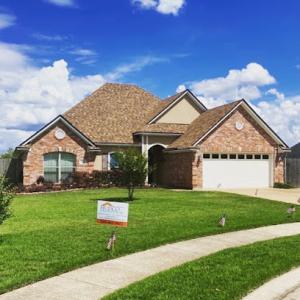
Hudco Roofing & Exteriors
(225) 319-1110 hudcoroofing.com
16171 State Bank Dr # 200, Prairieville, Louisiana
5.0 from 101 reviews
When you have a roof leak or storm related roof damage you need a local roofing contractor you can trust. HudCo Roofing & Exteriors has been a trusted Baton Rouge LA roofer for years. With services like roof repair, new residential roof replacement, commercial roofing, leaky skylight repair and replacement services, HudCo wants to be your go-to Baton Rouge LA roofing company. At HudCo Roofing & Exteriors our #1 goal is customer experience. HudCo Roofing always puts customers first. Call CertainTeed Corporation Select Shingle Master roofing contractor, HudCo Roofing & Exteriors, today if you have a roof leak or need a new roof on your home anywhere in greater Baton Rouge Louisiana.
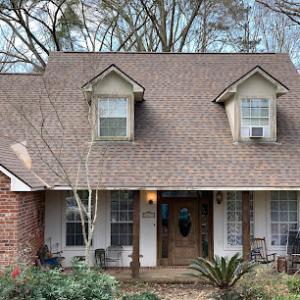
J Reyes Construction
(225) 933-9098 www.jreyesconstructionllc.com
17353 LA-933, Prairieville, Louisiana
5.0 from 48 reviews
With over 22 years of dedicated service, J Reyes Construction stands as a beacon of excellence in the roofing industry. We offer unparalleled expertise in delivering top-notch solutions to the Baton Rouge community and its surrounding areas. Our commitment to professionalism, diligence, and integrity has made us a trusted name in roofing. Whether you're looking for roof repairs, installations, or a complete overhaul, our experienced team is equipped to handle all your roofing needs. We take pride in providing cost-effective solutions without compromising on the quality of our work. At J Reyes Construction, we prioritize your satisfaction. Contact our customer service number to schedule an on-site visit! Licensed & Insured #68640
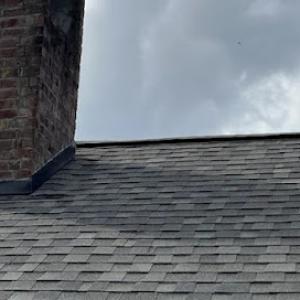
J&G Roofing Repairs
(225) 447-1822 jgroofingrepairs.com
Prairieville, Louisiana
5.0 from 42 reviews
J&G Roofing Repairs provides reliable roofing services in Denham Springs, LA and the surrounding areas. Don't hesitate to contact us now!
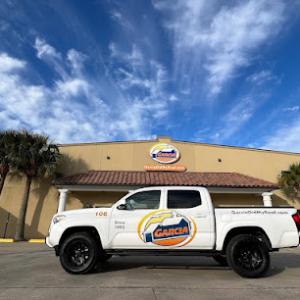
Garcia Roofing
(225) 756-3100 garciadidmyroof.com
18219 Swamp Rd, Prairieville, Louisiana
4.7 from 308 reviews
"Since 1992, the Garcia business group has been one of the largest roofing contractors in the state of Louisiana, servicing thousands of customers a year with over 70 employees. We hold ourselves to a higher standard and focus on the customer experience from the first call to the final cleanup. Providing the people of Baton Rouge quality roofing has been our focus for decades. We've never stopped improving, and we never will. For all your Baton Rouge roofing needs, you can trust Garcia to get the job done right."
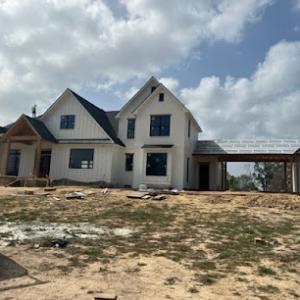
Dependable Roofing of Baton Rouge
(225) 445-3477 dependableroofingofbr.com
38068 Post Office Rd Suite A, Prairieville, Louisiana
5.0 from 31 reviews
Dependable Roofing is a locally owned and operated business. Founded by Miguel Garcia, Sr. in 2005, Miguel has been serving the South Louisiana community with over 25 years of experience. Dependable roofing is a company that provides valuable, quality and dependable service to the community. We are both reliable and affordable. We offer both Residential and Commercial roofing services from repairs to installations. We give each client the best attention to their needs. You can rest assured that you will be given the highest quality of service.
Unique Construction
Prairieville, Louisiana
5.0 from 5 reviews
Welcome to Unique Construction Family owned and operated, our mission is to provide every client with quality roofing/ construction service that surpasses all.
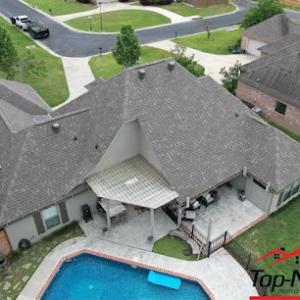
Top-Notch Roofing & Construction
(225) 270-8498 topnotchroofing-construction.com
Serving
4.9 from 32 reviews
A locally owned, licensed & insured roofing company guaranteed to provide the highest quality of services, along with exceptional communication skills and the accommodations of homeowners.
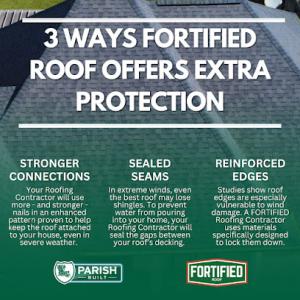
Parish Construction & Roofing
(225) 364-1007 parishbuilt.com
Serving
4.9 from 128 reviews
Dreaming of a more beautiful and secure Louisiana home? Parish Construction & Roofing brings expertise in roofing, construction, waterproofing, and interior projects to transform your vision into reality. Since April 2024, we've been dedicated to providing exceptional craftsmanship and reliable service throughout the state. Let us build the foundation for your peace of mind and create spaces you'll love for years to come.

J.e.s.
(225) 238-6310 www.jesincorporated.com
Serving
4.7 from 14 reviews
J.E.S. Inc., a Louisiana based corporation, has been working across the U.S. since 1974 implementing our expertise in the full scope of Commercial and Residential Construction.
KVN Construction
(225) 454-8505 kvn-construction.com
Serving
5.0 from 10 reviews
KVN Construction is a local Louisiana roofing company serving Baton Rouge LA, Denham Springs LA, Gonzales LA markets, and surrounding areas. Our roofing experts specialize in hand-nailing shingles for roof repairs or replacement services. Our roofing contractors are expert roofers in determining and dealing with hail, wind, or storm damage. We also offer emergency tarp and mitigation services for any leaks or water intrusions you may have. We are here with open hands ready to serve!
V & V Roofing & Sheet Metal
(225) 753-6736 vandvroofing.com
Serving
4.9 from 78 reviews
For over 15 years, V & V Roofing has been providing high-quality roofs to customers in South Louisiana, from Baton Rouge to Mandeville to Slidell, specializing in custom details like flashing, awnings, chimney caps, finials, and louvers.
When a full re-roof is on the horizon, a building permit is not optional and informal approvals don't cut it. In Prairieville, the permit process is handled through Ascension Parish or the local building department. Start by confirming which agency will issue the permit for your street and subdivision, then gather the standard documents the office requires: a contractor license, project scope, and the plan for venting and drainage continuity. This isn't a one-and-done step-schedules align with weather windows and the parish backlog, so plan to submit early in the off-peak season if possible to avoid delays during spring storms and hurricane-season prep.
Inspections are a predictable part of the re-roof sequence in this area. The typical flow begins with a rough or cover inspection after the decking and underlayment are installed but before shingles go on. This check ensures the roof deck is sound, nails, underlayment, and any required ventilation are in place, and that the roof outline matches the permit plan. The second stage is the final inspection, performed after shingles or panels are fully installed and the exterior is buttoned up, including any flashing, vents, and ice-damming detail if applicable. Only after a passing final inspection can the permit close out and the project be considered officially complete.
Inspection timing can stretch from several days to a couple of weeks depending on weather and parish backlog. Prairieville experiences a pronounced swing between calmer spring days and the high demand of hurricane season. A late-spring rain gap can push inspections back, while sudden storms can slow crews and cause rescheduling. If a gap appears between rough and final inspections, work may pause at the critical stages to maintain safety and material integrity. Communicate clearly with both the contractor and the building department about expected windows so you're not surprised by a hold or a rescheduled inspection.
Keep a written record of every permit condition and inspection appointment, including who signed off and the exact date. Have a dedicated contact at the contractor's office who can relay any parish feedback promptly. If weather creates a delay, don't let the schedule slip too far; call the department to explain and request the next available inspection slot rather than waiting for a notice. Finally, ensure the venting plan and any attic insulation adjustments align with the parish's energy and wind-resistance expectations, so there's no last-minute rework when the final inspection arrives.
In Prairieville, storm-driven demand spikes can push pricing upward after hurricanes or major wind events, especially for common replacement materials like asphalt shingles and metal roofing. When a windstorm hits, supply chains tighten, crews fill up fast, and material backorders become real. That timing pressure often translates into higher per-square costs and tighter scheduling windows just when you're trying to restore your roof before the next storm season.
Hot summer conditions in south Louisiana can reduce crew productivity and complicate material handling, which can affect labor pricing and project timing. Shingle bundles and metal panels heat up quickly, making lifts and roof work slower and more physically demanding for crews. Expect longer development times on hot days, and consider buffer days in your schedule for weather-related slowdowns. This can nudge the overall project price beyond the base material cost.
Permit processing and staged inspections in Ascension Parish add scheduling friction that homeowners should factor into total project cost, not just material price per square. Even if the quote seems straightforward, crews may need to align with inspection windows, which can create temporary downtime and affect cash flow during the build. Build in a small contingency for inspections, especially if weather creates delays or if steady access to the roof is necessary for multiple stages.
Asphalt Shingles: The most common choice for many homes here, asphalt shingles generally sit in the lower to mid-range when priced per square. In a spike year, you'll see more pronounced price movements due to demand, but the material remains the most budget-friendly option for replacing a roof in the short term. Consider scheduling early in the off-peak window if possible to lock in steadier pricing and quicker availability.
Metal Roofing: While metal tends to offer long-term durability, it carries more weight and can see sharper price shifts after wind events because of higher material demand and installation labor. In practice, a Prairieville project may begin with a modest material premium after a major storm, but the resilience and faster installation on cooler days can offset some cost later on.
Other materials (Clay Tile, Concrete Tile, Wood Shakes, Synthetic): These options bring unique aesthetics and performance but usually command higher per-square costs. Climate and storm patterns can intensify handling challenges, and availability may fluctuate more during peak demand periods. Plan for a longer lead time and a broader price range, especially for specialty products.
Bottom line: budgeting for a Prairieville roof involves more than sticker price. Storm-driven demand, summer heat, and inspection cycles all feed into the final number. Build a timeline with built-in buffers and discuss potential seasonal price shifts with contractors so you're not caught off guard when the next hurricane season looms.
Asphalt shingles remain a dominant Prairieville choice because they fit the area's large volume of suburban re-roofing projects and lower entry cost range. In this climate with humid summers and the risk of tropical-storm impacts, asphalt shingles offer solid breadth of color options, straightforward installation, and reliable performance when paired with well-sealed underlayment and proper attic ventilation. When selecting asphalt, prioritize architectural or three-tab profiles with a robust granule finish and ensure the package includes good wind-resistance ratings for local hairpin storm patterns. A well-balanced system-shingle, underlayment, and a tight ridge line-goes a long way toward protecting the home through hurricane-season gusts.
Metal roofing has strong local relevance in Prairieville because homeowners in a hurricane-prone part of Louisiana often prioritize wind performance and long-term durability. Steel or aluminum panels with a tested wind uplift rating perform particularly well against driving debris and hail. Metal also sheds wind-driven rain efficiently and can resist repeated storm exposure better than many traditional shingles when installed with proper fasteners, sealants, and an integrated ventilation strategy. If choosing metal, focus on panel systems with concealed fasteners or corrosion-resistant finishes, and verify that flashing and edge details are designed to handle proximity to trees and the typical hail sizes encountered in the area.
Tile and wood options exist in the market but are less prevalent locally, so homeowners need to confirm installer experience rather than assuming every Prairieville roofer handles them routinely. Clay and concrete tiles can provide excellent longevity and a distinctive look, but they demand a strong roof deck, precise slope, and careful handling to avoid impact damage during severe storms. Concrete tiles generally offer better impact resistance than clay, but both require professional installation with appropriate fasteners and care around chimneys and skylights. If choosing tile, ask specifically about past hurricane-season projects and the crew's capability to retrofit underlayment and edge systems for increased wind resilience.
Wood options deliver a classic, curb-appeal look that suits many neighborhoods; however, they demand attentive maintenance and a robust underlayment to cope with high humidity and potential fungal concerns. In storm-prone zones, treated or naturally durable wood species paired with high-quality protective coatings can extend life, but installers must demonstrate experience with wind-rated installation, fastener choices, and damage prevention strategies for pine and cedar in this climate. If wood is on the table, lean toward experienced local crews who can document performance in similar Prairieville homes and discuss maintenance cycles that align with hurricane-season wear.
Explore specialists in steel, aluminum, and standing seam metal roofs built to last 50 years or more.
Advanced Exteriors
(225) 320-0432 www.advancedexteriorsla.com
16044 LA-73 Suite 104A, Prairieville, Louisiana
5.0 from 136 reviews
Garcia Roofing
(225) 756-3100 garciadidmyroof.com
18219 Swamp Rd, Prairieville, Louisiana
4.7 from 308 reviews
Prairieville's long hot season and persistent humidity can accelerate aging in roof systems by stressing sealants, flashing details, and attic ventilation performance. In homes with asphalt shingles or low-slope transitions, you may notice faster curling, hairline cracks, and faster granule loss when the attic stays warm and damp. Those small failures can become bigger leaks after a humid afternoon thunderstorm, so pay attention to attic vents, ridge caps, and underlayment in year-round heat.
Spring rains in this part of Louisiana frequently interrupt tear-off windows and can expose decking if scheduling is too aggressive. A sunny forecast often slides rain into the week, leaving plywood and boards damp or warped before the new cover goes on. When decking is compromised or has moisture trapped beneath, you get soft spots and potential delamination once the work resumes. Local crews know to check decking edges, spacing, and knots, and to dry and ventilate once rain eases.
Wind-driven rain during tropical weather is a regional failure pattern that can reveal weaknesses around penetrations, valleys, and roof-to-wall transitions even when the roof covering itself is not fully blown off. Those conditions push water laterally along joints and under flashings, especially where chimneys, vents, dormers, or skylights meet the deck. If those seams aren't sealed or flashed correctly, moisture will sneak in behind the covering and travel along the sheathing.
Practical steps come from watching for heat-stressed sealants, keeping attic ventilation clear, and scheduling crews that understand Prairieville's storm timing. Before a big draw of storms, have a quick check of seals around vents and valleys, and confirm that any remedial flashing is installed with terminations that shed water away from transitions. A cautious approach now reduces surprises when the next tropical system rolls through.
After a major event, Prairieville homeowners often discover the truth of aging roofs when stains show up after a rain, or when attic air feels humid despite a fresh installation. Document spots where you see moisture or wind-driven spray, photograph the transitions, and keep a record for adjusters and trusted local contractors who understand weather patterns.
The local contractor market leans hard toward re-roofing and rapid response after a storm, so your decision should separate urgent-hurry from solid local capacity. You want a crew that can mobilize quickly without sacrificing steady, methodical work. Look for teams that have established crews, adequate equipment for tear-off and installation, and a track record of handling weather-driven schedules without letting quality slip. In practice, that means checking recent jobs in your neighborhood, speaking with neighbors who used the same crew, and noting how the crew manages a tight job window without cutting corners.
Cleanup is a major local priority in dense suburban blocks where driveway, lawn, and magnetic nail remnants can become common nuisances after tear-off. A dependable crew will outline a concrete cleanup plan: perimeter tarps, magnetic sweeps, tire and wheelbarrow checks, and a final walk-around. Ask for specifics on where debris will be staged, how magnets will be used to collect nails, and how cleanup will occur on windy days so debris doesn't end up in neighboring yards or storm drains. If possible, request photos from a recent job that shows the cleanup standard you should expect.
Because permit handling is a practical bottleneck in Ascension Parish, Prairieville homeowners should confirm that the contractor-not the homeowner-will manage submission and inspection coordination. Require a clear schedule with start and finish targets, and ask how delays in inspection or material delivery will be communicated and mitigated. A reliable crew will assign a single point of contact for storm-season shifts, provide updated progress notes, and ensure inspectors' questions are answered promptly to keep the project on track.