
Last updated: Apr 19, 2026
Danvers experiences cold winters with snow and repeated freeze-thaw cycles, making ice damming a primary roof risk for homes with aging assemblies. When temperatures swing above and below freezing, melted snow refreezes at the eaves, creating a dam that backs water up under shingles and into soffits, fascia, and ceilings. In a town where many houses are older colonials, capes, or split-levels, attic spaces often have uneven airflow or insulation gaps. That combination concentrates heat along ridge lines and overhangs, so the upper roof stays warm while the lower edge stays cold. The result is a push-pull of ice and water that damages insulation, drywall, and the interior structure, even if the shingles themselves appear intact.
The typical winter leak calls in this market aren't tied to a single missing shingle; they're tied to snow backing up at eaves and slow leaks that creep under the drip edge. Eaves on older homes tend to be shallower, soffits may be poorly vented, and attic hatches or knee walls can trap heat. In many Danvers roofs, attic spaces lack uniform insulation depth or have penetrations that create thermal bridges. When snow sits on an overhang, heat from the living space migrates outward, warming the roof deck just enough to melt the underside of the snow. The resulting meltwater pools at the eaves, refreezes, and binds with existing ice, forming a dam that prevents proper drainage. Left unchecked, this cycle chips away at the roof deck, can loosen shingles, and accelerates wear on underlayment and flashing.
Look first at the eaves and along the rake edges where ice dams most aggressively form. In Danvers's climate, ice dams often originate not from a single broken shingle but from compromised ventilation in the attic: a damp, warm roof deck increases heat transfer to the snowpack. Check for areas where insulation stops short of the roofline, especially near kneewalls or dormers common in older splits that create thermal pockets. Flashing around chimneys, skylights, and vent pipes may be buried under ice; once packed with ice, these details can leak even with otherwise good shingles. The attic access hatch, pull-down stairs, and attic ventilation pathways should be evaluated because restricted airflow undermines the uniform temperature needed to keep the roof deck cold at the eaves.
Start with a winter-ready attic inside approach: seal gaps around penetrations with appropriate foam or caulk, and add batt or sprayed insulation to bring the attic up to a consistent, energy-efficient level. Ensure soffit vents are clear and that roof vents or turbines are not blocked by insulation or debris. If you can access the roof safely, remove heavy ice buildup near the eaves with a roof rake from the ground to prevent further damming. For existing ice dams, carefully apply calcium chloride-never rock salt-at the edge of the dam to melt a path for drainage, taking care not to damage shingles or emit fumes into the attic. Consider temporary heat-control measures during cold snaps to minimize heat transfer into the attic; programmable thermostats and night setbacks can help keep the roof deck cooler at critical joints. If a leak has already occurred, address interior damage promptly to minimize mold growth and wood rot, and then re-evaluate the attic's insulation plan to prevent recurrence.
The best defense against repeated ice damming is a balanced system: thorough insulation, airtight attic assemblies, and proper venting. In many Danvers homes, upgrading from the attic hatch to a sealed, continuous insulation layer along the roofline reduces thermal bridging and keeps the deck cold where it needs to be. A full round of attic ventilation improvements-combining soffit intake with ridge or high-side vents-helps eliminate the warm roof zones that feed dam formation. For homes with persistent snow load issues, installing an edge metal drip and proper underlayment can provide a reliable water barrier as a secondary line of defense. In all cases, coordinate improvements with a roofing professional who understands local freeze-thaw dynamics and the risk of rapid interior damage during heavy Nor'easters.
Danvers homeowners contend with heavy snow loads and wind-driven rain from coastal storm systems that hammer the North Shore. When a Nor'easter sweeps through, ice dams form quickly on older roofs, and wind can lift shingles or expose flashing along the eaves and chimneys. After a winter thaw or a spring storm, shingles may look intact but hidden damage can be lurking under ridges and valleys. If you notice icicles lining the gutters or frost buildup along the eaves, treat it as a warning sign-these are common precursors to leaks that escalate once warm sun returns or another storm rolls in.
Spring storms and high winds are a known local scheduling and damage trigger, often exposing flashing and ridge areas after winter wear. In older colonials and capes, vent stacks, dormers, and chimney flashings can develop hairline gaps that let wind-driven rain penetrate the roof deck. Check surrounding siding and attic access for staining, damp rafters, or musty smells after a windy rain. If you see flashing lifting at corners or along the ridge line, that area is not just cosmetic-it's a potential airflow pathway for moisture that undermines insulation and creates ice dam risk as temperatures swing.
Massachusetts insurers commonly validate wind and snow claims with photos and adjuster visits, which matters after Danvers storm events. Start with a clear, timestamped photo record of any suspected damage after each storm: eave lines, fascia, gutters, ridge caps, and any visible flashing around chimneys or dormers. If you suspect moisture intrusion, document interior indicators-water spots on ceilings, stained insulation, or warped plywood in the attic. Maintain a simple storm log noting dates, wind speeds if available, and observed roof conditions; this helps when you file a claim and coordinate with an adjuster.
Prioritize a thorough attic ventilation check to prevent warm attic air from melting snow at the roof deck and feeding ice dam formation. Ensure soffit vents are unobstructed and that insulation is evenly distributed to keep the roof deck cold enough to deter melt-off. In the immediate term, consider installing or upgrading ice and water shield underlayment at critical areas-eaves, valleys, and around penetrations-to block meltwater from penetrating the decking during thaw cycles. If you're planning a repair, a full, proper tear-off where warranted can prevent hidden weak spots from becoming repeat failure points after the next storm. This is especially vital for older homes where structural members may have already endured decades of freeze-thaw cycles.
If you notice loose shingles, exposed nails, sagging ridges, or damp attic insulation after a Nor'easter, don't delay. A local roofer with Danvers experience can assess flashing integrity, verify ventilation adequacy, and recommend a targeted plan that addresses both current damage and underlying vulnerabilities that fuel ice dam risk in this climate. Quick, decisive action now protects the home from escalating water intrusion and long-term rot.
Find local contractors experienced in assessing and restoring roofs after hail, wind, and severe weather events.
DaSilva Roofing
(978) 304-6341 dasilvaroofing.com
21 Robert Rd, Danvers, Massachusetts
5.0 from 98 reviews
JP Carroll Roofing
(978) 547-1861 www.jpcarrollroofing.com
27 Garden St #8, Danvers, Massachusetts
4.9 from 205 reviews
Richfield Roofing
(978) 361-6177 richfieldroofingma.com
281 Andover St, Danvers, Massachusetts
4.9 from 49 reviews
DaSilva Roofing
(978) 304-6341 dasilvaroofing.com
21 Robert Rd, Danvers, Massachusetts
5.0 from 98 reviews
Step into the world of reliable roofing solutions with DaSilva Roofing, where expertise and craftsmanship converge to protect your property. Established in 2019, our team of professionals has a proven track record in crafting new roofs, renewing old ones, and providing prompt emergency repairs. From rubber roof maintenance to chimney flashing, our comprehensive range of services ensures your roof is in the best, most capable hands. #Roofer #Roof Repair #Roof Maintenance #New Roof #New Roof Installation #Roof Replacement #Emergency Roof Repairs #Roof Leak #Roof Damage #Rubber Roof Maintenance #Epdm Rubber #Flat Roof #Chimney Flashing #Roofing Contractor #Roofing #Roofing Specialist #Local Roofing Company #Roofer
JP Carroll Roofing
(978) 547-1861 www.jpcarrollroofing.com
27 Garden St #8, Danvers, Massachusetts
4.9 from 205 reviews
While all roofs will eventually face problems and fail, homeowners can take many preventative measures to protect their roofs so they last as long as possible. The most important action is to find a professional roofing contractor in Danvers, Massachusetts you can rely on when something goes wrong. Whether you need roof repair, inspection, window replacement and installation, vinyl and siding installation, gutter installation, or gutter cleaning, you can count on our trained and certified roofers in Danvers for high-quality service every time. As full-service roofing contractors, JP Carroll Roofing has been prioritizing customers for over 30 years and is the best choice for prompt and dependable residential and commercial roofing services.
Richfield Roofing
(978) 361-6177 richfieldroofingma.com
281 Andover St, Danvers, Massachusetts
4.9 from 49 reviews
Richfield Roofing is a 3rd generation roofing company that provides service throughout the north shore. We are a family owned and operated business that takes pride in meeting your needs by providing proficient and commendable work!
Patriot Contractors - Commercial Flat Roofing Services
(888) 787-8766 patriotflatroofcontractors.com
301 Newbury St #152, Danvers, Massachusetts
5.0 from 25 reviews
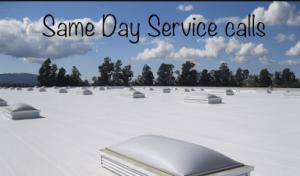
Patriot Flat Roof Contractor is a Commercial roofing company open 24/7. Our extensive portfolio of services includes specialist commercial roof repairs and commercial roof coating applications, designed to enhance your building's resilience against the elements. We're not just a company, we're a family committed to excellence and your satisfaction.
North Shore Roofing
(978) 977-3816 northshoreroofingma.com
281 Andover St, Danvers, Massachusetts
4.8 from 50 reviews
North Shore Roofing has served the North Shore and Greater Boston Area area since 1987 with the best commercial and residential roofing solutions. Our dedicated services to roofing and high-quality customer service set us apart from others. No sales staff, no upselling, no hidden fees; simply the dedication to making sure our customers get the best roof for their home.
MIK Construction & Remodeling
(978) 972-9500 www.mikremodeling.com
10 Elm St #4, Danvers, Massachusetts
5.0 from 22 reviews
MIK Construction takes pride in its attention to craftsmanship and quality. We place tremendous value on our customers’ satisfaction, and we create lifelong partnerships with them to ensure their property is maintained in a quality manner.
WJZ Construction
(781) 469-3726 lynnroofingservices.com
Danvers, Massachusetts
4.8 from 41 reviews
WJZ Construction is the top choice in Lynn, MA, if you are looking for home remodeling services. We understand the importance of sticking to a budget while still providing high-quality craftsmanship. Our team will work closely with you throughout the project to ensure that the results exceed your expectations while staying within your budget constraints.
Sterling Home Improvement
(888) 898-6898 sterlinghomeimprovement.com
301 Newbury St #215, Danvers, Massachusetts
5.0 from 6 reviews
For high-quality home improvement services, call us at 978-921-4300.
US Roofing
Serving
4.9 from 58 reviews
Our goal is to continue to provide the same kind of superior customer service with quality, experience, and integrity that our customers have come to expect. We are committed to continually improve on the quality offered to our customers and the communities we service. Our name reflects our pride in this country as well as family pride. We are proud of what we do and pledge to continue to honor our father’s legacy of quality and service. It is our mission to see that US Roofing continues to be the trusted and respected roofing company that he built.
PKM General contracting
(978) 798-5047 pkmroofingexperts.com
Serving
5.0 from 58 reviews
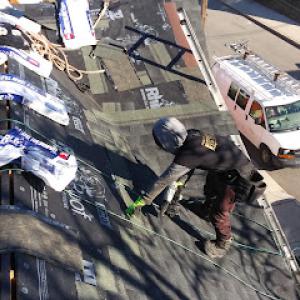
At PKM General Contracting, we provide top-rated residential and commercial roofing services in the north and south shore of boston ma. With over 10 years of experience, our licensed roofers specialized in roof repairs, roof replacement, roof installation, inspection and storm damage restoration. We only use high-quality materials to ensure long lasting results and customer satisfaction, weather you need asphalt shingles, flat roofing or emergency roof repair, PKM General Contracting is the trusted local roofing company you can count on. Call today for free estimate and experience the Difference with affordable, reliable roofing in your neighborhood.
D&G Exteriors
(781) 328-4063 www.dandgexteriors.com
Serving
5.0 from 106 reviews
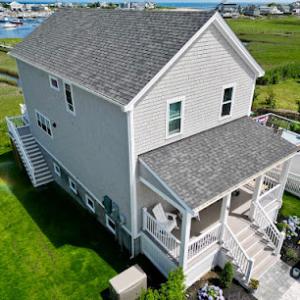
D&G Exteriors is a residential and commercial roofing contractor, gutter installer, siding contractor, window and door installer and deck builder. We specialize in full replacements and large residential projects. Proudly serving the greater Boston area with the best in customer service, integrity and professionalism, from the North Shore to the South Shore. Insured and licensed.

Over The Top Roofing
(978) 854-3418 overthetoproofing.pro
Serving
4.9 from 179 reviews
Serving both residential and commercial clients in Peabody, Salem, Beverly, Marblehead, Clifton, Danvers and nearby. Over The Top Roofing excels in high-quality roofing solutions, including metal, slate, rubber, and shingle installations. As your premier roofing contractor in Peabody, MA, we offer comprehensive services such as gutter installation, siding, and custom carpentry. With years of expertise, we've been recognized with the Super Service Award in 2019 for our commitment to excellence. Benefit from our referral program and earn a $250 check for each successful recommendation. Trust us for reliable, top-tier roofing services that safeguard and enhance your property.
Asphalt shingles are the dominant practical choice for the typical Danvers roof profile: pitched, gable, and cape-style homes with modest to moderate slopes. The local market is stocked with a broad contractor base, making shingle replacement and repair straightforward when winter storms hit. In this climate, a stout asphalt system that's installed with proper nailing patterns, adequate underlayment, and a solid ice barrier at the eaves pays off through several freeze-thaw cycles each season. You'll find the best value comes from a standard architectural shingle that blends with historic and newer homes alike, and the installation window is generally flexible enough to fit a busy North Shore schedule. When considering shingles, the emphasis is on a durable laminate layer, good sealing under wind-driven snow, and a reliable warranty that covers performance in freeze-thaw conditions.
Metal is actively used in this area for a reason: snow shedding and resilience in long winters. A metal roof can reduce the chance of ice dams forming when properly installed with concealed fasteners and a solid ridge vent plan. In practice, metal panels or shingles help shed the weight of packed snow and ice, which is a common concern on older Danvers homes with limited attic ventilation. If longevity and lower maintenance are priorities, metal is worth evaluating, especially on roofs with higher snow exposure or on structures where a full tear-off isn't ideal. The local trades are familiar with metal's nuances, including color fade, panel seam integrity, and specialized underlayment. A careful assessment of roof pitch and eave details ensures you're not over-simplifying the decision.
Tile and wood products exist in the local market, but they remain selective choices for Danvers homes. Older North Shore framing and varied roof pitches often influence feasibility. Clay or concrete tile can offer longevity and distinctive curb appeal, yet the heavier weight may demand structural checks and potential reinforcement. Wood shingles or shakes provide a classic look, but they can be more vulnerable to weathering and require proactive maintenance in freeze-thaw cycles. Replacement complexity rises on older homes where the framing or existing sheathing isn't standardized, so those options should be pursued only after a detailed assessment of the roof's structure and the ease of integrating a water-shedding system with the attic layout.
In this climate, the best choice balances the house's structural reality, attic ventilation, and the likelihood of ice dam formation. A well-ventilated attic paired with a continuous insulation strategy reduces the freeze-thaw stresses that contribute to roof failure. Regardless of material, the system should include a robust ice and water shield at the eaves and, where possible, a vapor-permeable underlayment that works with the local humidity and snow load patterns. For older colonials and capes, it's common to encounter framing quirks and varying roof pitches; in those cases, the most reliable option tends to be asphalt with a well-executed ventilation plan, unless a structural assessment supports a different path.
In Danvers, the local pricing landscape for roof replacements reflects both material choice and the demanding Northeast climate. Asphalt shingles run from $350 to $700 per square, metal from $700 to $1200, clay tile from $1000 to $1800, concrete tile from $900 to $1500, wood shingles or shakes from $500 to $900, and synthetic or composite shingles from $600 to $1100 per square. These ranges are per square and represent typical bids you'll see after a thorough inspection in older North Shore homes with steeper pitches, dormers, chimneys, and flashing transitions. When you're comparing estimates, note how much labor is tied to those transitions and the potential for longer timelines in complex rooflines.
Danvers costs can rise when winter storm demand spikes emergency scheduling or when full tear-off work reveals decking damage from long-term ice dam leaks. Ice dam history on older roofs often means hidden rot or warped decking behind existing underlayment. If a full tear-off exposes compromised sheathing, expect the project to migrate from a standard shingles replacement toward a decking repair or replacement line item. Plan for a buffer in your budget and schedule to accommodate sudden weather-driven delays or expedited starts, especially after a big Nor'easter.
Older North Shore homes often have steeper rooflines, dormers, chimneys, and flashing transitions that increase labor compared with simple modern roof planes. Those design features require more careful removal, temporary containment, and precise flashing detail to prevent future ice dam formation. In Danvers, the difference is meaningful: a straightforward, single-plane install may be dwarfed by the time and materials needed for a roof with multiple planes and a complex rake line. When you receive bids, ask for a line item that breaks out flashing, dormer work, and chimney detailing.
Start with a conservative budget that leans toward end of the higher range if your roof has a history of ice dam problems or long-term leakage. If you anticipate a full tear-off, set aside additional funds for decking repair and potential scaffolding or containment needs during winter months. For most older homes, you'll pay more for high-season scheduling, prompt removals, and meticulous flashing work, even before choosing a roof material. If a contractor suggests a mid-range option, verify how they handle ice dam prevention-ventilation improvements and enhanced insulation work often influence the long-term performance as much as the material itself.
Get a clear picture of your project costs upfront - no commitment required.
JP Carroll Roofing
(978) 547-1861 www.jpcarrollroofing.com
27 Garden St #8, Danvers, Massachusetts
4.9 from 205 reviews
Richfield Roofing
(978) 361-6177 richfieldroofingma.com
281 Andover St, Danvers, Massachusetts
4.9 from 49 reviews
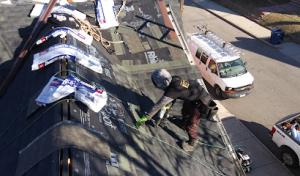
In Danvers, a full roof replacement typically requires a building permit. That permit is your first commitment to doing the job correctly and staying compliant with local enforcement. Older colonials and capes in town often carry unique vulnerabilities-frigid winters, heavy snow, and long-standing venting challenges-that make following the permit process especially worthwhile. Getting the permit handled before you swing the first nail helps prevent delays that come from rework or inspections that don't pass on the first try. The goal is to align your project with Danvers' building codes so your roof performs well under freeze-thaw cycles and Nor'easter snows.
The Danvers Building Department handles plan review and schedules inspections after permit issuance. This means your project will have an official reviewer who checks details such as roof venting strategy, insulation continuity, underlayment, and proper tear-off procedures. If your home features architectural specifics common to older houses, share photographs and any prior renovation notes with the reviewer. Clear, complete submittals help avoid back-and-forth that can stretch a project timeline during a season when freeze-thaw days press for timely work. Coordinate your supplier and crew schedules with the plan reviewer's anticipated timelines to keep the project moving smoothly from teardown through installation.
Inspections in this process are typically performed at tear-off, installation, and final stages to verify code compliance. At tear-off, inspectors will verify that the old roofing is removed down to solid decking and that there is adequate ventilation and insulation in place to address ice dam risk. During installation, expect checks on proper nailing patterns, underlayment quality, flashing around chimneys and dormers, and the integrity of ridge lines and soffits. The final inspection confirms that all system components meet code requirements and that the roof will withstand the region's winter loading and wind conditions. Understanding that these steps exist helps you prepare your crew to present clean, organized work sites and documentation when each inspector arrives.
If you have a plan for an upgraded ventilation approach or a layered roof system, document it in advance and keep a copy available for inspections. Since ice dam risk is a central concern for older Danvers homes, ensure your project includes an effective snow and ice mitigation strategy, including proper attic ventilation and insulation coverage. Schedule your inspections on days when the weather is stable to avoid last-minute rescheduling that can push your project into peak winter periods. Finally, keep a dedicated contact within your contractor team who can respond quickly to inspector questions or required adjustments, so the process stays predictable and efficient.
Older homes in Danvers often show the first signs of trouble at the roof's edges, where ice dams form and water work its way under shingles. In a climate shaped by North Shore freeze-thaw cycles, leak points tend to cluster around transitions and penetrations rather than broad swaths of the roof. Chimneys and skylight surrounds are common trouble spots-the kind of spots where a minor slope mismatch or a tired flashing joint becomes a serious problem after a heavy freeze. If a leak shows up at a chimney flashing or along a skylight sidewall, it's usually a symptom of a longer-term weakness circling the roof perimeter rather than a single bad shingle.
The local contractor market shows unusually strong skylight activity, indicating that skylight flashing and the surrounding roof integration are recurring homeowner issues. Flashing materials age differently from shingles, and sealants lose elasticity with repeated freeze-thaw cycles. The result is a slow creep of moisture that can travel along the flashing line and into attic spaces before any shingle failure becomes visible on the surface. The takeaway is practical: inspect and reinforce flashing around all penetrations, especially near skylights and chimney chases, and pay attention to any gaps or loose metal that tugs at during cold snaps.
Skylights in this area demand close attention because their flat interfaces meet changing roof planes. Leaks often start at the transition seams rather than the center pane. Chimneys, with their tall, protruding stacks, create complex flashing needs that many older homes overlook during routine maintenance. Proactive sealing, proper shingle termination against the chimney side, and ensuring step flashing overlaps are continuous helps prevent moisture from sneaking into the attic.
Freeze-thaw cycling tends to reveal flashing-line weaknesses before broader shingle failure becomes obvious. Every late-winter check should include a close look at all roof penetrations, transitions, and the attic ventilation near skylights. Keeping an eye on the known weak points now-before a heavy thaw or an Nor'easter hits-can avert costly interior damage and cascading repairs down the line.
Find contractors experienced in skylight installation, flashing, and leak repairs to bring natural light into your home.
DaSilva Roofing
(978) 304-6341 dasilvaroofing.com
21 Robert Rd, Danvers, Massachusetts
5.0 from 98 reviews
JP Carroll Roofing
(978) 547-1861 www.jpcarrollroofing.com
27 Garden St #8, Danvers, Massachusetts
4.9 from 205 reviews
Richfield Roofing
(978) 361-6177 richfieldroofingma.com
281 Andover St, Danvers, Massachusetts
4.9 from 49 reviews
While the market skews toward pitched roofing, Danvers has a meaningful slice of flat and low-slope work, especially on rear additions, porches, garages, and small mixed-use structures. These sections age differently from the main roof and are more prone to ice dam build-up and slower drainage during North Shore winters. Snow tends to sit longer on low-slope areas, so their performance affects overall home protection just as much as the primary roof.
In practice, start with a careful inspection of any low-slope sections connected to the house envelope. Look for discoloration, algae growth, and tile or membrane wear where water often sits. Pay particular attention to transitions where the low-slope area meets the main roof, along flashing and edge details. When snow accumulates, you'll see the drainage line retreat and potential pooling behind parapets or at abutments. Keep an eye on interior signs as well: stained ceilings or damp spots near connectors can signal slow drainage or ice dam leakage from these zones.
Create a winter maintenance plan that treats low-slope areas as their own zone. Clear snow accumulations carefully from the roof edge to encourage drainage toward the gutter system, but avoid aggressive scraping on delicate membranes. Ensure roof penetrations and flashings are sealed well, especially where a porch or garage extension ties into the main house. Seasonal checks should include reviewing gutter performance, downspout reach, and any shingle or membrane degradation at the edges. If you have a flat or nearly flat section, consider temporary ice dam barriers or heat trace solutions only after professional assessment.
Low-slope sections age differently and may require earlier attention than the main roof, particularly in areas with heavy snow or repeated freeze-thaw cycles. When planning replacements, treat the low-slope area as a separate project with its own membrane or cladding solution, ensuring compatibility with the adjacent pitched roof. Proper ventilation and a robust edge detail help prevent recurring problems and extend the life of the entire roofing system.
Find specialists in TPO, EPDM, and built-up flat roofing systems for residential and commercial properties.
DaSilva Roofing
(978) 304-6341 dasilvaroofing.com
21 Robert Rd, Danvers, Massachusetts
5.0 from 98 reviews
Patriot Contractors - Commercial Flat Roofing Services
(888) 787-8766 patriotflatroofcontractors.com
301 Newbury St #152, Danvers, Massachusetts
5.0 from 25 reviews
Massachusetts homeowners in markets like Danvers see occasional wind- and snow-related roof claims rather than a constant hail-driven claim cycle. Insurance adjusters here look for a clear line between old wear and recent storm damage, so your documentation should be precise and time-stamped. The goal is to show the exact point at which damage occurred, not when you first noticed a leak months later.
Adjuster site visits are common, so documenting damage immediately after a Nor'easter or wind event is especially important. Take wide exterior photos from ground level and close-ups of flashing, ridge lines, and any ice dammed sections. Note sun exposure on the roof and any visible settling or shingle cupping that may reveal preexisting wear. If you have photos from before the event, keep them accessible to compare conditions.
You should collect dated photos, repair receipts, and any professional assessments that separate old wear from new storm impact. Create a simple chronology: pre-storm condition, the event, and post-event condition. Keep a log of weather dates and wind speeds when possible. If you had prior repairs, document the contractor, dates, and scope so the adjuster can distinguish between persistent wear and fresh damage. In Danvers, ice dam patterns are a common red flag; include shots of dammed sections and any attic or ceiling staining tied to those events.
When you file, provide your most recent contact information and a concise summary of the damage. Be ready to share copies of any prior claim history, warranty letters, and contractor evaluations. Clear, organized records can speed the process and reduce back-and-forth requests during a claim review.