Last updated: Apr 19, 2026
Cold winters bring repeated freeze-thaw cycling that can shorten roof life and make small flashing or shingle defects turn into active leaks. In this climate, water finds tiny gaps and then re-freezes, prying at edges, fasteners, and edge details. A weathered roof in this snow belt can look fine after a dry spell, but a few days of freezing rain or a sudden drop in temperature can reveal how vulnerable those minute flaws are. If shingles already curl at the corners or flashing around chimneys and vents shows hairline gaps, those weak points are primed to fail when a thaw follows a cold snap. The consequence is not just a cosmetic issue; ice and water can travel unseen along roof lines, into soffits, and behind siding if it's left unaddressed. The short late-spring-to-early-fall window makes it especially risky to wait until a leak becomes obvious, because the next round of freeze-thaw cycles can accelerate damage.
Snow loads and winter access limits in Bedford often push full replacements out of winter and into the late spring through early fall scheduling window. That means every winter spike in snowfall increases the chance that a marginal roof will sustain enough stress to push small problems into large repairs. If the roof is near the end of its service life, or if flashing and underlayment have seen years of exposure, the decision to replace rather than repair becomes more urgent as the season narrows. When planning, you should treat marginal roof areas-valleys, complex ridges, and transitions between different materials-as high-risk zones that require prioritized assessment. Delays due to weather or scheduling can leave you with a tight two- to four-month season to complete a full roof replacement, and any mid-winter gap can heighten moisture intrusion risk if ice dams form.
Seasonal precipitation and spring melt in southern New Hampshire make ice-related moisture intrusion a practical concern for homeowners watching older roofs. Ice dams form where heat escapes to the roof deck, melting snow at the eave and refreezing at the overhang, which can push water under shingles and into the attic. In Bedford, that pattern often shows up after a few days of sun followed by a rapid drop in temperature, or after a heavy melt followed by a cold night. If a roof has inconsistent underlayment or compromised flashing, that damming pressure can force moisture into soffits, fascia, and interior ceilings. The most actionable step is a targeted inspection after each major thaw and before a predicted cold snap, focusing on ridge vents, improper chimney flashing, and any areas where waking moisture travels along the deck. Immediate attention to even small ice-related signs can avert larger, costlier repairs later in the short replacement season.
In Bedford, replacements are typically scheduled from late spring through early fall to avoid snow cover and extreme cold. This timing aligns with the most forgiving temperatures for asphalt, metal, and composite materials, and it helps crews complete work before the heating season pushes utility costs higher. The short window means planning ahead matters: a late spring start requires solid coordination to finish before the first freeze and the risks that come with a rushed teardown and install.
Spring melt in this area can be unpredictable, and frequent rainstorms can interrupt tear-off schedules and extend project timelines. If rain moves in, crews may pause removal of old shingles or sheathing to protect exposed surfaces and protect interior spaces. Sandwiched between thawing days, this means a few extra trips, more staging space for materials, and a tighter push to keep the project on track without compromising flashing details or ventilation. Homeowners should anticipate occasional delays and maintain clear access paths to the roof during wet weeks to avoid bottlenecks.
Summer brings longer workdays and better drying conditions, but heat can also wear on crews and materials, especially if a roof runs on the higher end of slope or features darker coverings that heat up quickly. In a Bedford climate, the key practical step is to schedule the most intensive, tear-off portions of the job for cooler mornings and late-afternoon windows when possible. Maintaining proper ladder angles, securing tarps against sudden gusts, and setting up shade for crew rest stops can help maintain safety and pace in midsummer conditions.
Autumn winds and falling leaves in Bedford increase debris management needs and can leave exposed roof areas more vulnerable during installation. Leaves and small branches can clog gutters and valleys, complicating drainage and flashing installation. A typical autumn project benefits from staged debris containment, frequent gutter cleaning, and temporary protection over open roof sections when workers step away for lunch or weather checks. Leaf fall also raises the chance of wind-driven movement of lightweight materials, so robust edge protection and secure temporary anchoring are prudent.
With a condensed replacement season, weather forecasting becomes a practical planning tool. A homeowner can coordinate with the crew to target a firm start date, but should also build in a couple of flexible days for potential weather-related pauses. Early shipments of underlayment, flashing kits, and starter shingles reduce the risk of late-season shortages derailing progress. Having a clear communication plan for weather delays helps keep the project on track without surprises, ensuring the new roof goes down as designed once temperatures stabilize.
Get a clear picture of your project costs upfront - no commitment required.
Queen City Roofing
(603) 289-4663 www.queencityroofingnh.com
1 Hardy Rd, Bedford, New Hampshire
4.9 from 317 reviews
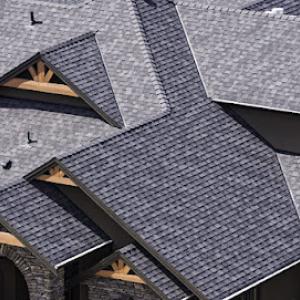
Nick Tracey Roofing & Exteriors
(603) 810-8658 nicktraceyroofing.com
10 Commerce Park N, Bedford, New Hampshire
5.0 from 276 reviews
At Nick Tracey Roofing, we specialize in a wide range of roofing services including installation, repair, maintenance, and replacement. Whether you need a small repair or a complete roof overhaul, our team of skilled professionals is dedicated to providing superior craftsmanship and reliable solutions tailored to meet your specific requirements. Asphalt Shingles, Metal Roofing, EPDM Rubber Roofing, and Skylights.
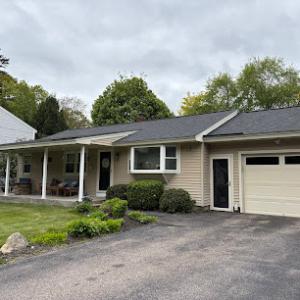
Queen City Roofing
(603) 289-4663 www.queencityroofingnh.com
1 Hardy Rd, Bedford, New Hampshire
4.9 from 317 reviews
Queen City Roofing provides Residential and Commercial roof replacement in Bedford NH, Goffstown NH, Amherst NH, Hooksett NH and Manchester NH and all other local surrounding communities. Our team installs asphalt shingle roofing and low-slope Rubber Roofing Systems ( EPDM) , we offer clean job sites, and clear communication from estimate to final walkthrough. We’re a GAF Master Elite® and Owens Corning Platinum Preferred Roofing Contractor, and we offer free, no-obligation roof replacement estimates. Licensed and Insured. Choose Queen City Roofing for a roof that lasts – quality you can trust, durability you deserve!
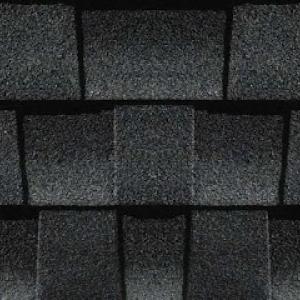
ASAP Roofing NH
(603) 300-6758 www.asaproofingnh.com
3 Executive Park Dr, Bedford, New Hampshire
5.0 from 46 reviews
ASAP Roofing NH is a highly experienced roofing company with over 20 years of proven track record. We specialize in comprehensive roofing services, including repairs, installations, and replacements. Our approach prioritizes high-quality materials, expert craftsmanship, and efficient service to ensure long-term performance for every roof. We also offer extended warranties and innovative maintenance programs, demonstrating our commitment to sustainability. We offer a wide range of home improvement services beyond roofing. Our services include siding and gutter installations, deck construction, window replacements, and complete interior and exterior remodeling. Our team is capable of managing all aspects of home improvement.
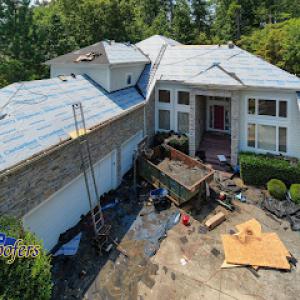
Master Roofers
(603) 623-4973 www.masterroofers.com
Serving
4.9 from 237 reviews
Since 1942, over 83 years, Master Roofers has provided our neighbors in New Hampshire, Southern Maine and North Shore Massachusetts with roofing systems that are professionally designed, installed, and backed by industry leading warranties. Professional roofing consultants and roofing and skylight craftsmen ensure a world class experience and superior value. Master Roofers uses highest quality materials from the top manufacturers to help ensure superior quality roofs for your home or business. Our team will take the time to explain the roofing and skylight installation process and how all the components work together as a system to protect your largest investment.. your home or business. "There are roofers.. and there are Master Roofers!"
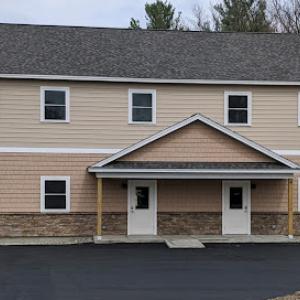
A1 Siding & Roofing
(603) 627-7339 www.a1sidingandroofing.com
Serving
5.0 from 129 reviews
A1 Siding & Roofing is a trusted, family-owned roofing company serving Manchester, NH, and surrounding areas since 1978. With a commitment to excellence and customer satisfaction, we specialize in residential and commercial roofing systems, siding projects, and restoration of older structures. Certified by major manufacturers, we back our work with solid warranties and exceptional attention to detail, ensuring every project is completed to the highest standards. Our team prioritizes a seamless, stress-free roofing & siding experience. We handle setup, cleanup, and disposal—meaning you won’t have to lift a finger. When you choose A1 Siding & Roofing, you’re getting quality craftsmanship & reliable service. Contact us today!

Pyramid Roofing
(603) 641-5500 pyramidroofingne.com
Serving
4.9 from 375 reviews
In business since 1985 Pyramid Roofing has provided Manchester New Hampshire residents and business owners with high-quality roofing services. All of our roofers are manufacturer trained and certified, and we guarantee that subcontractors are never employed to do our job for us. Boasting over 12000 reviews across all major review sites like Google, Angieslist, HomeAdvisor and GAF we are proud of the reputation and work hard to make our customers 100% happy! The next time you need roofing services, think of Pyramid Roofing first.
Patriot Roofing
(603) 722-5149 patriotroofingnh.com
Serving
5.0 from 410 reviews
The team at Patriot Roofing has decades of experience in residential and commercial roofing. We have worked with some of the most talented architects and stringent building envelope consultants in New England to provide high quality and long-lasting roofing and cladding systems. We’ve taken the best of what we have learned along the way and apply it to every job no matter how big or small. We only use the best material and go above and beyond on every job to make sure it’s done right. At Patriot Roofing, we pride ourselves in helping our valued clients navigate which roofing solution will be the best fit for your home or business!

All Weather Exteriors
(866) 469-0972 www.myallweatherexteriors.com
Serving
4.8 from 153 reviews
Are you looking for quality roofing services in Manchester? All Weather Exteriors is your reliable choice for roofing projects. Our team of highly skilled roofers uses durable materials to ensure your roofing investment lasts. As a local company, we understand Manchester's climate and the unique challenges it presents to your roof. We pride ourselves on offering dependable services and convenient solutions. Choose us for your Manchester roofing installation needs and enjoy long-lasting results. Contact us today to get started!
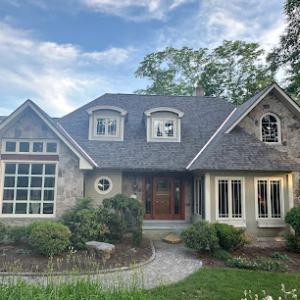
Ridge Roofing
(978) 648-0781 www.ridgeroofingcompany.com
Serving
5.0 from 14 reviews
Ridge Roofing, established in 2024, is a young and energetic roofing contractor based in Manchester, New Hampshire. With a strong commitment to customer satisfaction, they dedicate themselves to providing exceptional roofing and exterior services that surpass expectations. Their skilled crew is dedicated to delivering high-quality workmanship, ensuring an honest and positive experience for homeowners, with each project completed to the highest standards. Their motto, "Above & Beyond," reflects their passion for consistently exceeding expectations and providing long-lasting roofing solutions that elevate any property.
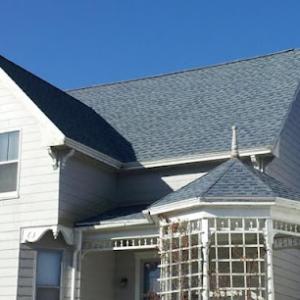
Garon-teed Roofing
(603) 785-4998 garonteedroofing.com
Serving
5.0 from 51 reviews
For skilled roofing contractors in Manchester, NH, look no further. At Garon-teed Roofing, we offer a full range of professional services including emergency roof repair, flat roof installation, and shingle roof repair near you. Our expert team provides quality vinyl siding service in your area, metal roofing solutions, and trusted wood siding repair services. We also specialize in thorough roof inspection service, roof damage repair service, and commercial siding projects. Whether you need a residential roofing company or one of the best siding contractors in Manchester, NH, our experienced professionals are here to help you with our reliable solutions. For reliable and efficient service, call us today!
Mr Kennedy Roofing
(603) 860-8617 www.mrkennedyroofing.com
Serving
4.9 from 13 reviews
Our team of experts is here to streamline the entire process, ensuring you get the coverage you're entitled to without the hassle. From assessing the damage and documenting your claim to working directly with your insurance company, we handle every detail with precision and care.

Joe's Roofing Construction
(603) 952-1684 joesroofingconstruction.com
Serving
5.0 from 68 reviews
Joe's Roofing handles roof repairs, replacements, and exterior work throughout Hillsborough and Rockingham Counties. Based in Manchester since 2020, our licensed team serves Nashua, Derry, Londonderry, Bedford, Goffstown, Merrimack, Hooksett, and Salem. We fix leaks, replace roofs, install siding and gutters, repair skylights, and respond to storm damage. All roof inspections are free with no obligation. We help with insurance claims—documenting damage and working directly with adjusters to get you covered. Emergency service available 24/7 for urgent repairs that can't wait.
Asphalt shingles remain a dominant choice in Bedford due to the large re-roofing market and the mix of residential styles found across the city. The cold southern New Hampshire winters introduce freeze-thaw cycles that stress shingle edges and coatings, so a higher-quality asphalt product with good north-eastern climate ratings can perform well over many seasons. Look for those with thicker mineral granules and reinforced nailing strips to resist wind uplift and to maintain a tight seal through repeated freeze-thaw seasons. In houses with shallow roofs or modest slopes, asphalt provides straightforward installation and dependable drainage, which helps mitigate snow Shedding challenges and the repetitive moisture exposure typical of Bedford winters. If the home has previously barn-vented eaves or a history of ice dam issues, pairing asphalt with a robust underlayment and proper attic ventilation can make a practical difference in long-term performance.
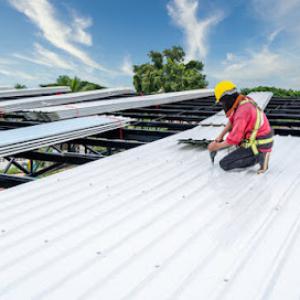
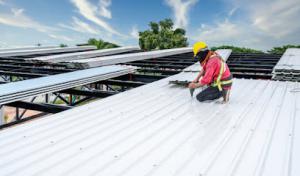
Metal roofs occupy a meaningful niche for homeowners weighing longer-term performance, especially when winter snow and moisture exposure are top concerns. In Bedford, metal can shed snow more predictably and resist shingle blow-off during heavy storms. For those with limited maintenance time, metal reduces some seasonal upkeep tied to shingle granule loss and moss growth on shaded surfaces. When considering metal, focus on a panel system or standing-seam design that minimizes vulnerable penetrations and enhances wind resistance. A properly installed metal roof also benefits from a well-sealed edge detailing and continuous ridge ventilation to prevent condensation issues. While the upfront investment is higher, the potential for extended life cycles suits homes facing repetitive freeze-thaw cycles and the snow load expectations typical of a New Hampshire winter, especially on roofs with complex geometry or multiple pitches.
Slate, clay tile, concrete tile, and synthetic/composite shingles appear in Bedford's material mix, but each comes with unique considerations in a cold climate. Slate offers exceptional longevity and a refined look, yet it is heavy and requires a structurally sound roof deck and precise attachment detailing to handle freeze-thaw expansion and snow load. Clay and concrete tiles bring distinctive aesthetics and robust durability, but their weight can necessitate structural reinforcement and careful load-path planning. Synthetic or composite shingles imitate slate or tile but still demand attention to underlayment choice, ventilation, and fastener corrosion resistance in icy conditions. For any of these options, a professional assessment of roof structure, penetrations (pipes, vents, skylights), and flashing is essential to prevent cold-season leaks. In homes with steep pitches or overhangs, the ideal choice blends the desired appearance with a practical approach to wind, snow shedding, and thermal movement. In practice, these materials often come with longer replacement cycles, but the cold New Hampshire climate can amplify maintenance needs if detailing is not meticulous.
When evaluating options, consider how a roof's profile interacts with Bedford's winter realities: snow buildup, ice dam potential, and the likelihood of repeated freeze-thaw cycles stressing edges and fasteners. A roof that prioritizes high-quality underlayment, proper attic insulation, and ventilation will age more gracefully in this climate, regardless of material. For roofs that require extra snow-sliding capability or improved wind resistance, metal or carefully specified, engineered synthetic products can provide improved performance. In contrast, if the home's structure and budget favor a more traditional look with straightforward maintenance, asphalt shingles offer dependable service with a familiar replacement process. In any case, the best choice aligns with existing roof geometry, local wind exposure, and the long-term goal of minimizing moisture-related wear through Bedford's characteristic winter conditions.
In this market, asphalt shingles remain the most common choice for Bedford homeowners, with cost ranges from about $350 to $550 per square. If you're considering metal, plan for roughly $700 to $1100 per square, which reflects better resistance to freeze-thaw cycles and longer life. For clay tile, the price climbs to about $1100 to $1900 per square, while concrete tile sits around $900 to $1700 per square. Synthetic or composite shingles, a practical middle ground, run about $550 to $900 per square. For those weighing premium options, slate can run from $1200 to $2600 per square. These ranges account for typical installation, basic decking, underlayment, and standard fasteners in the local climate. The exact figure will hinge on roof complexity, such as steep pitches, multiple penetrations, or intricate transitions, which can add to the time and labor.
Bedford pricing can rise when short seasonal scheduling windows compress demand into late spring through early fall after winter delays. The short window means crews often book tightly, which can push project start dates or labor costs higher if you're aiming for a specific week or avoiding weather hazards. If your project lands in a peak window, be prepared for potential price adjustments beyond the base material cost-especially for higher-demand materials like slate or clay when supply tightens.
A straightforward gable with minimal penetrations costs less to replace than a multi-hip, layered roof with skylights or chimneys. The more complex the geometry, the more waste, bracing, and detailing labor your project will entail. In Bedford, older homes with three-tab shingles on uneven sheathing may require additional prep or pull-back, which adds cost. Conversely, newer structures or simpler layouts typically stay closer to the lower end of the material ranges, provided the deck and ventilation are in solid condition.
When evaluating bids, consider not just the sticker price per square but the long-term performance in the Freeze-Thaw environment. Metal and synthetic options often deliver reliable resistance to cold cycles and heavy snows, potentially reducing maintenance costs over time. Clay or concrete tiles offer durability but demand a strong substructure and careful installation to prevent crack propagation under freeze events. If you're weighing options, a thoughtful balance of initial cost, weight considerations, and expected performance in winter conditions will serve you best.
Don't let upfront costs delay a critical repair - these contractors offer payment plans to fit your budget.

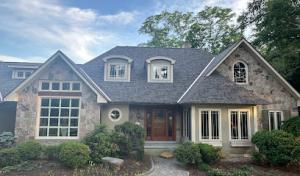
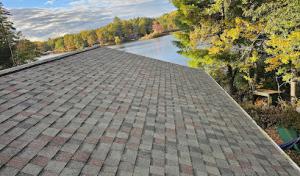
In this area, roof work is subject to Bedford's building permit rules. Before any shingle or metal skin goes on, you must pull a permit so the town knows what's happening and can track the project against local codes and weather realities. The permit acts as a formal record that the work aligns with Bedford's standards for snow-load, ventilation, and flashing details that matter in cold, freeze-thaw winters. If a permit isn't secured, the project can stall when a town inspector notices the activity, and that delay often pushes the job past the narrow late-spring to early-fall window.
The town's building department generally reviews the permit before work proceeds. It's not a paperwork hurdle you can bypass with a friendly handshake; the review helps catch issues that could affect your roof's longevity through Bedford's winter conditions. Expect questions about roof type, underlayment, attic venting, and drainage plan. A complete package-location, contractor, materials, and a realistic work schedule-speeds this step. Once approved, the permit pin is tied to inspections, and progress must align with the department's calendar.
Inspections are conducted during and after the job in Bedford, and a final inspection is required to close the permit. The timing of inspections can shift with weather, contractor workload, or unexpected interior findings in the attic or decking. A weather-driven delay may push a mid-season inspection into a tighter post-winter window, so plan contingencies. If an inspection reveals noncompliance or missing anchors, flashing, or ventilation details, the contractor must address the issues before moving forward.
Coordinate closely with the contractor to align removal, material delivery, and installation with inspection slots. Keep access clear and be prepared to adjust plans if weather creates a hold or if the permit office requests additional documentation. A well-timed sequence reduces the risk of rework and protects you from permit-related hold-ups that can stretch the short replacement season.
When a storm rolls through the southern New Hampshire winter corridor, your roof endures more than a few shingle slaps from sleet and wind. In Bedford, insurers commonly flag claims that hinge on visible condition before and after a storm. The outcome often depends on whether the roof shows ongoing wear or an abrupt, storm-driven failure. This means every claim begins with a careful look at the roof's current state, not just the most recent dime-sized dent or bruise.
Wind gusts and hail are frequent culprits in this region, and they are notorious for exposing weaknesses that aren't obvious on a sunny day. In Bedford, an adjuster may focus on edge damage, flashing integrity, and the roof's ability to shed ice and snow safely. A seemingly minor issue can become a hinge point for coverage decisions if the storm reveals larger hidden deficiencies. Expect the inspection to target how wind-driven forces and hail impacts interact with existing wear.
Carriers in this market may scrutinize age-related wear carefully, especially when a roof appears near the end of its service life without a warranted replacement. Shingle granule loss, curled edges, or sagging sections can prompt questions about longevity and future performance. If a roof shows consistent aging signs alongside recent damage, there is a higher likelihood of coverage limitations or the need for an explicitly justified replacement plan.
During claims, you should provide clear roof-condition documentation, photos from multiple angles, and a detailed estimate that captures both damage and pre-existing wear. Take images after a storm from ground level and from the attic where visible signs of leakage or moisture travel can be detected. Organizing a concise, dated record helps the adjuster assess between isolated storm effects and ongoing wear. In a neighborhood of snow-loads and frozen cycles, this clarity often makes the difference in how a claim is understood and processed.
Connect with contractors who help homeowners navigate the claims process from damage assessment to final approval.
Queen City Roofing
(603) 289-4663 www.queencityroofingnh.com
1 Hardy Rd, Bedford, New Hampshire
4.9 from 317 reviews
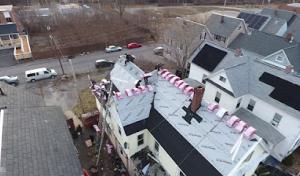
Skylights stick out as a recurring roof-detail concern for local homeowners, and in the Bedford contractor market it is common to see work focused on flashing and seal integrity around these units. Over time, aging flashing pans, nailed seams, and degraded skylight plastic or glass can start to leak during melt-freeze cycles. In practice, the weakest link is often where the skylight transitions to the surrounding roof surface, not the pane itself.
Freeze-thaw conditions in Bedford can make flashing transitions around skylights and chimneys more vulnerable when roofs age. Water can work its way into tiny gaps, expand during a cold snap, and force its way under shingles or underlayment. When that water finally finds a channel, it travels along the flashing edge and manifests as active leaks on interior ceilings or walls near the skylight. The symptom set is best spotted quickly: damp spots near the skylight interior, frost patterns on the exterior around the curb, and cracking or loose shingles adjacent to the unit.
Because emergency response is common among Bedford-area roofers, leak call volume appears to center on detail failures as much as full-roof replacement. A quick-onset leak after a heavy thaw or rapid warm spell often points to flashing laps, mis-seated shingles, or degraded sealant at the curb. Local crews tend to prioritize resealing and re-flashing in these cases, rather than full skylight removal, when the rest of the roof is sound.
If a leak is suspected, keep interior access clear and document with photos during a storm window. A temporary tarp or plastic sheeting can reduce further water entry while a professional evaluates flashing integrity, curb condition, and sealant joints. After repair, confirm the skylight operates freely-venting and opening mechanisms should not bind when the roof is at its oldest.
Find contractors experienced in skylight installation, flashing, and leak repairs to bring natural light into your home.
Nick Tracey Roofing & Exteriors
(603) 810-8658 nicktraceyroofing.com
10 Commerce Park N, Bedford, New Hampshire
5.0 from 276 reviews
Queen City Roofing
(603) 289-4663 www.queencityroofingnh.com
1 Hardy Rd, Bedford, New Hampshire
4.9 from 317 reviews
ASAP Roofing NH
(603) 300-6758 www.asaproofingnh.com
3 Executive Park Dr, Bedford, New Hampshire
5.0 from 46 reviews
Flat and low-slope roofing is present in the Bedford market even though pitched residential re-roofing is more prevalent. Additions, porches, and transitions often introduce surfaces where drainage behaves differently than the main shingle roof. In these spots, a small misstep in setup or flashing detail can translate into ice dam issues or pooled water during melt events. Understanding how the low-slope portion interacts with the primary roof helps you plan for durable performance through repeated freeze-thaw cycles.
On many homes, a low-slope section will carry over from an addition or a covered entry, then tie into the main roof with a transition that requires careful edge and flashing details. The membrane layer in these areas needs to be continuous across the junction, with proper overlaps at the edges to accommodate shifting temperatures. Porches and sunrooms frequently rely on a tapered or drained design to keep water moving toward gutters. Recognize where the slope changes and anticipate slightly different fastening patterns for membrane materials.
Bedford's winter sequence-rain, snow, and spring melt-puts a premium on drainage performance. In practice, that means ensuring the low-slope plane has adequate slope toward a drainage point and that the membrane detailing extends past typical edge areas to guard against edge pooling. Flashings should be secured with compatibility-tested sealants and mechanically fastened where appropriate to resist wind-driven moisture. Detailing around penetrations (vents, skylights, and parapet connections) benefits from extra stitching and continuous sealant beads to prevent capillary wicking during freeze-thaw cycles.
The short replacement season makes planning critical. Proactively verify that transitional areas are tested for ponding after heavy storms and during mid-winter thaws. Schedule inspections after the first big melt of spring, focusing on seams, transitions, and flashing where the low-slope and main roof meet. Maintain unobstructed drainage paths-clear debris from any catching edges and ensure gutters and downspouts stay free of ice buildup. A well-timed maintenance rhythm helps prevent minor issues from escalating during the region's harsh freeze-thaw pattern.
Choose membrane and flashing materials that tolerate temperature swings and resist puncture or tear under foot traffic or temporary storage during construction. When selecting coverings for the low-slope plane, look for products with proven compatibility to integrate with the adjacent shingle roof while offering reliable seam protection and UV resistance. For additions and transitions, match or exceed the performance class of the main roof to maintain a cohesive, durable system across the entire roof envelope.
Find specialists in TPO, EPDM, and built-up flat roofing systems for residential and commercial properties.
Nick Tracey Roofing & Exteriors
(603) 810-8658 nicktraceyroofing.com
10 Commerce Park N, Bedford, New Hampshire
5.0 from 276 reviews
Queen City Roofing
(603) 289-4663 www.queencityroofingnh.com
1 Hardy Rd, Bedford, New Hampshire
4.9 from 317 reviews