Last updated: Apr 19, 2026
Germantown's roof problems are often tied to spring storm rain, summer humidity, winter freeze-thaw cycles, and occasional Nor'easter or tropical-system impacts rather than a single dominant hazard like coastal surge or severe hail. That means leak risk isn't a one-and-done event-it stretches across the year with clustered wet-weather windows. When skies open and wind drives rain against the roof, weaknesses in flashing, ridge lines, roof penetrations, and aging shingles reveal themselves long before interior staining becomes obvious. Understanding this pattern helps you recognize danger early and act before interior damage compounds.
During wet weather, act fast. If you notice damp spots on ceilings or walls after a storm, or see water actively creeping in around vents, chimneys, or flashing, treat it as urgent. Move valuables away from the affected area, place gutters and downspouts under inspection, and lay down towels or plastic to minimize further intrusion. If safe access is possible, inspect from the interior only to avoid slipping on slick areas; otherwise, wait for a dry spell to examine exterior features. A temporary tarp can help, but ensure it's securely anchored and covers the most vulnerable points rather than creating new leaks with wind-driven edges.
With a dry day, walk the perimeter only if you can do so without climbing onto a questionable roof. Look for lifted shingles, cracked flashing around vents, and gaps at the chimney or vent penetrations. Pay attention to ridge lines and any metal flashings that appear misaligned or corroded. In Germantown, where wet springs and humid summers stress adhesives and sealants, aging shingles may curl or blister, exposing nail heads or underlayment. If you notice irregular granule loss in gutters or on the ground, that's a sign the roof is aging and may be more vulnerable to the next storm. Document these cues with photos for insurance discussions and contractor consultations.
Storm-driven leaks often announce themselves during or after wet periods, but the insurance process benefits from prompt, thorough documentation. Start a damage log as soon as you notice issues: note dates, weather conditions, and which areas are affected. Photograph ceiling stains, interior damage, and any visible exterior trouble spots-flashing gaps, ridge-line rust, or bulging shingles. Save all receipts for temporary fixes such as tarping or board-ups, and record dates you contacted a contractor or insurer. When speaking with your insurance adjuster, be prepared to describe the sequence of events, ongoing dampness, and any freeze-thaw cycles that worsened the problem. Providing a clear timeline helps prevent questions about when the damage began and supports a smoother claim review.
Choose a local contractor who understands Germantown's exposure to wind-driven rain and seasonal cycles. Ask for references from neighbors with similar roof types-asphalt shingles, metal, tile, or slate-as each system ages differently under wet springs and freeze-thaw winters. Before any work begins, obtain a detailed scope of repairs and a phased plan if a full replacement is needed. If the leak is sporadic or appears limited to a single area, consider staged repairs that secure the most vulnerable zones first-often the flashing at chimneys or vents and the intersection of roof-to-wall details. Ensure temporary protections remain in place during the process to guard interior rooms from ongoing weather.
After a storm-driven leak repair, schedule a full inspection before the next wet spell intensifies. In a climate with frequent precipitation, you want to catch edging failures, loose fasteners, or compromised underlayment before a Nor'easter or tropical-system event exposes them. Regular inspections-especially after notable storms-help keep small issues from becoming major, expensive repairs.
Residential roof replacement generally runs through Montgomery County's Department of Permitting Services rather than a separate city building department. This means your project will follow county rules and use county forms, even if your house sits in an area commonly associated with Germantown's suburban streets. The county process is designed to keep track of roof scope, materials, and safety measures, and it helps ensure that work complies with local wind, snow, and drainage expectations that matter in this climate. Understanding where the permit fits in your timeline helps you avoid delays when the first crew starts tearing off shingles or installing a new underlayment.
Applications are typically submitted online with project scope and roof details, which makes documentation quality important before work starts. Start gathering your key items early: a clear roof plan showing eave overhangs, vent locations, and any penetrations, plus product data for the proposed underlayment, ventilation strategy, and flashing details. Photographs of the existing roof from multiple angles help verify conditions. If your house has unusual features-like a hip-to-valley transition, a skylight retrofit, or a chimney with a boot replacement-include close-up drawings or notes. In Germantown, where neighborhoods blend asphalt-dominated roofs with slate, tile, or wood accents, the reviewer may look closely at how these materials will interface with vented soffits and ridge lines. Submitting thorough, well-labeled documentation speeds the approval and reduces back-and-forth.
County inspections can occur at multiple stages, including a final inspection that checks items such as underlayment, ventilation, and overall installation compliance. Expect a rough-in check after roof removal and underlayment installation, before new shingles or tiles go on. A mid-point or staged inspection may be required if there are complex details-like specialized ventilation, valley flashing, or transitions around existing chimneys and skylights. The final inspection confirms that the installation follows code, that attic ventilation is adequate for the climate, and that all penetrations are properly flashed to resist moisture entry during the region's wet springs and freeze-thaw winters. Plan for inspection windows in the schedule and have the permit number visible on-site.
Coordinate with your contractor to align the roof work with the county's inspection milestones. Before the final inspection, perform a thorough pre-inspection walkaround to ensure flashing integrates with gutters and downspouts, underlayment seams are clean and continuous, and attic vents are unobstructed. If you have a mix of materials-common in this area-verify that transitions between material types are properly flashed and that any given product's installation requirements are met, as the county reviewer will expect exact adherence to the manufacturer's installation instructions. Keep a small notebook or digital record of the day-by-day progress so you can reference it if the inspector points out a discrepancy.
Have your permit, approved plan set, and a current contractor contact list readily accessible. Prepare a simple site map showing roof lines, ventilation locations, and where new penetrations intersect existing roof features. If the project involves alterations to attic spaces or ventilation pathways, include a brief narrative describing how the attic will be ventilated post-installation and how moisture control will be maintained through the seasonal extremes. During the final walk-through, anticipate questions about underlayment type, drip edge placement, and how new materials tie into existing drip edges and fascia. In practice, aligning documentation with the county's expectations helps ensure a smooth, timely closing of the permit and a compliant, weather-ready roof.
When a heavy rain event pairs with a freeze-thaw cycle, leaks often show up quickly in the neighborhood's mixed-roof stock. Start by locating the most obvious active seep and create a dry work area inside by placing buckets under drips and moving furniture away from the affected zone. If water leaks into ceilings or down walls, place towels and plastic sheeting to limit secondary damage until a professional can assess. For asphalt shingles, metal, slate, or tile, the first priority is to identify whether the intrusion is a surface-through-vent seam, a damaged flashing detail, or a compromised underlayment. In Germantown, the typical approach is to contain the water, protect insulation, and schedule a targeted inspection promptly after a storm window when crews can safely access the roof. A fast response minimizes interior damage and helps keep costs from ballooning due to secondary issues like mold or dried-in leaks.
Asphalt shingles remain the most common choice in this suburban Maryland market, and their repair or replacement typically falls toward the lower end of the cost spectrum. The listed range for asphalt shingles is from 350 to 600 USD per square, which reflects standard tab or architectural grades and modest flashing work. When storms push you toward heavier systems, the project footprint and labor needs rise accordingly. Metal roofing, for example, can run roughly 700 to 1,000 USD per square and often requires specialized fasteners and flashing details to maintain a weather-tight seal in wet springs and hot summers. Slate and clay or concrete tile fall into higher-cost categories and install complexity; slate commonly lands from 1,400 to 3,000 USD per square, while clay tile and concrete tile can run 900 to 1,800 and 900 to 1,700 USD per square, respectively. Wood shakes sit in the middle, around 500 to 900 USD per square, but their maintenance and seasonal performance differ, especially during rapid freeze-thaw cycles.
After a storm, document the damage thoroughly with dated photos from multiple angles: roof surface, interior damage, attic signs of moisture, and any compromised penetrations such as vent boots, flashing corners, or skylights. Create a simple inventory of affected areas, noting whether damage appears on one plane or across several sections of the roof. Save receipts for any temporary protections you install, like tarps or plywood patches. Compile a timeline of events, including when the damage was first noticed, when you contacted your insurer, and when a contractor entered the property. Request a formal assessment from a licensed roofer that details the scope, materials, and an itemized estimate aligned to the damage observed; this helps adjusters correlate the claim with actual condition, especially when heavier materials are involved. If the roof is a non-standard system (slate, clay tile, or concrete tile), emphasize the structural implications and potential substrate support needs, as insurers sometimes question these items when a leak is tied to multiple storm events.
Regional storm periods can compress scheduling, and even if statewide carrier withdrawal isn't a factor, Montgomery County's weather patterns and the local labor market can push timelines. Heavier systems demand longer lead times for specialty trades, scaffold setup, and careful handling to prevent further damage during replacement. Plan for a staged approach: initial tarp or temporary sealing, followed by a detailed inspection, then material-specific work. Asphalt projects may move quicker, while slate or tile projects require precise removal and reinstallation methods. In Germantown, a well-documented claim and a clearly scoped estimate help steady timelines and prevent price surprises as conditions and labor availability shift in the wake of a storm.
Next Level Exteriors
(301) 200-1530 nextlevelhomeremodeling.com
12410 Milestone Center Dr Suite 600, Germantown, Maryland
4.9 from 53 reviews
Next Level Exteriors is a proud, locally owned company delivering top-tier roofing, gutter, window, and siding solutions since 2015. Our team of seasoned professionals excels in all aspects of exterior work, from minor repairs and storm damage restoration to complete new construction projects. We’re committed to setting the industry standard in both craftsmanship and customer service, using only premium materials from trusted manufacturers. With a reputation built on excellence and everyday affordability, we strive to provide homeowners with unparalleled service. At Next Level Exteriors, we’re always pushing boundaries to raise the bar even higher!
Frederick Roofers - Roofing Contractors Frederick, MD
(301) 710-9937 frederickroofers.com
Germantown, Maryland
5.0 from 3 reviews
Need a roof replacement in Frederick MD? Frederick Roofers has you covered with the best prices and best quality replacement in town. If you're roof is over 15 years old, repairs typically cause more damage than they fix. Don't trust your roof to a quick patch guy who doesn't understand roof integrity. Frederick Roofers has quickly grown to be the first choice for roof replacements in Frederick County because our contractors are professional, courteous, and responsive. If you need a roof replacement, give us a call today and lets get you a free estimate.
MLM Home Improvement
Serving
4.7 from 1149 reviews
MLM Home Improvement is a premier storm restoration company specializing in full replacements for roofing, siding, and gutter systems. We offer free, no-obligation inspections and estimates to assess storm damage and provide transparent recommendations for replacement solutions. Our expert team is dedicated to delivering exceptional quality and service in every project we undertake.
Apex Roofing & Construction
(301) 284-8127 www.apexdmv.com
Serving
5.0 from 23 reviews
At Apex Roofing and Construction, we get it. You want to do your research before deciding on a roofing company to trust with work on your home. After all, no matter the size of the project, any home improvement project is a significant investment, and you want to make sure you can rely on a company before you decide to use them. Our estimates are FREE and we will price-match estimates that are using the same materials and installation practices.
Keystone Building & Restoration
(240) 805-7644 keystonebuildingandrestoration.com
Serving
5.0 from 276 reviews
Keystone is the best roofing company in Maryland and other surrounding areas. We offer storm damage repairs and full roof replacements. We are the top contractors for all your roofing, siding, and gutter needs. We have a trail of happy customers in the Maryland, D.C., and Virginia area.
GoodGood Roofing & Siding
Serving
5.0 from 191 reviews
GoodGood Roofing & Siding is a roofing contractor in Gaithersburg, MD serving Gaithersburg, Germantown, Potomac, Rockville, Montgomery Village, and nearby areas. Our roofing company offers residential roofing, asphalt shingle roofing, metal roofing, residential roofing, flat roofing, commercial roofing and more. Customers love us because of our comprehensive roof warranties and our affordable roof financing options. We also have industry affiliations and certifications such as Certainteed's Select ShingleMaster, GAF Certified, Owens Corning Preferred Contractor, and many more. If you want to experience how your most trusted Gaithersburg roofing company embraces our motto "If you're not good, call GoodGood!", call us now for a free estimate!
BRAX Roofing
(240) 658-8016 www.braxroofing.com
Serving
4.8 from 456 reviews
BRAX Roofing, based in Gaithersburg, MD, specializes in residential and commercial roofing services. They pride themselves on delivering Certified & Guaranteed Quality, holding top manufacturer certifications and offering industry-leading warranties for both materials and workmanship. As a local, community-oriented business, they operate with strong family values, emphasizing honesty, integrity, and personalized service. Their team is committed to protecting homes and businesses with expert craftsmanship, responsive support, and trusted roofing solutions tailored to the unique needs of the Maryland area. BRAX Roofing is your reliable partner for lasting roofing excellence.

Shanco Roofing
(301) 208-0848 www.goshanco.com
Serving
4.9 from 401 reviews
Serving the residents of Maryland and Virginia for over 20 years, Shanco maintains an honorable reputation and is an accredited roofing company with the Better Business Bureau with an A+ rating. With a commitment to serve clients on a personal and professional level, you can count on Shanco to deliver an end product you’ll be confident in. Shanco offers high-value solutions for roofing, windows, siding, gutters, chimneys, masonry, skylights, insulation, and more. You’ll never have to wait when it matters most.
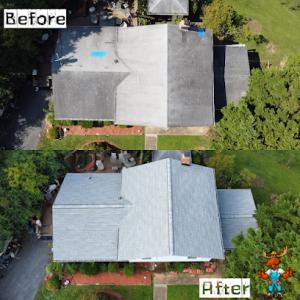
Moose Exteriors
(301) 789-3238 www.mooseexteriors.com
Serving
5.0 from 34 reviews
We provide top-notch craftsmanship and quality materials to protect your home. Contact us today for all your exteriors needs.
New Paradigm Projects
Serving
4.9 from 270 reviews
At New Paradigm Projects, we take great pride in upholding a steadfast foundation of core values and ethical principles that permeate every aspect of our organization. Our streamlined processes, transparent guidance, utilization of top-tier materials, and dedication to superior craftsmanship are among the key factors that consistently draw clients to our Residential and Commercial Roofing services. We're ready to help you whenever you need our help the most. With our unwavering commitment to excellence and extensive roofing, windows and doors, siding, and gutters experience, you can trust that you'll always receive unparalleled service and exceptional value from us.
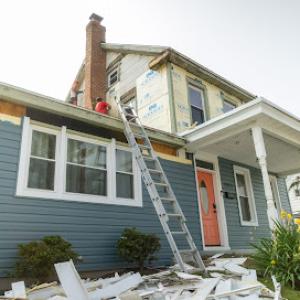
Rapid Response Remodeling
(240) 688-8567 rapidresponsellc.com
Serving
5.0 from 44 reviews
Rapid Response Remodeling specializes in roofing, siding, and remodeling services to bring your vision to life. From new roofs to siding installation or kitchen, bathroom, or basement remodels, we deliver exceptional craftsmanship and attention to detail in every project. Our client-focused approach ensures personalized solutions tailored to your needs, creating homes that are functional, beautiful, and built to last. With a commitment to excellence and efficiency, we make your remodeling and roofing projects seamless and stress-free. Trust Rapid Response Remodeling to turn your dream space into reality!
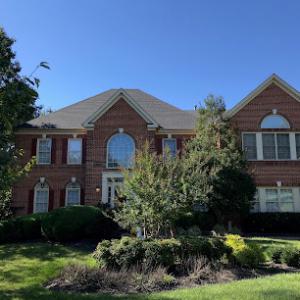
Exterior Renovations
(301) 956-7303 www.exteriorreno.com
Serving
5.0 from 9 reviews
Maryland Exterior Home Renovations. Roofing, Siding, and Replacement Windows Contractor. Quality replacement at affordable prices!
Asphalt shingles fit much of Germantown's subdivision housing stock, offering familiar durability and wide availability. Yet the local market also supports premium materials uncommon in many suburban guides, including slate, clay tile, concrete tile, and cedar. Each of these options shows up on the real-world roofs you see driving through neighborhoods, from older cedar and slate houses to newer homes with clay and concrete tile accents. The choice you make should honor how your roof ages in Montgomery County's four-season climate, with its wet springs, hot summers, and freeze-thaw cycles.
The climate here accelerates aging differently depending on the roof you choose. Moisture management is critical across all options, but the approach varies by material. Asphalt shingles rely on effective underlayment and ventilation to fend off moisture intrusion during wet springs. Metal roofs shed water quickly, but the fast thermal changes of hot summers and cold winters can affect fasteners and expansion joints if ventilation isn't up to par. Clay and concrete tiles bring substantial mass and long lifespans but require careful attic ventilation and a solid deck to support their weight. Cedar responds beautifully to the humid, mixed-season pattern when properly maintained, though it demands more consistent moisture control to prevent warping and rot. In every case, a thoughtful ventilation strategy and a correctly pitched, well-sealed roof deck help minimize leaks during storm-driven events.
Heavier and more specialized roofs for Germantown-slate and tile-are part of the actual local material mix, not just theoretical upgrades. Slate provides exceptional longevity and a distinctive look, but it requires a structurally reinforced deck and precise framing to carry the weight over decades. Clay and concrete tiles offer excellent durability and fire resistance, yet their weight demands a robust support system and meticulous installation to avoid cracking or movement during freeze-thaw cycles. Cedar, while lighter than slate or tile, benefits from a solid ventilation plan and regular treatment to resist moisture-related issues in a region with regular precipitation.
When evaluating options, consider how each roof material handles attic ventilation, underlayment quality, and roof deck condition. In suburban neighborhoods where roofs often back up to mature trees, pine needles and leaves can trap moisture and promote rot if the ventilation and drainage aren't designed to handle debris. A well-ventilated attic paired with a moisture-aware installation plan helps all materials age more evenly and resist leaking after heavy rain or sudden temperature swings. For a Germantown home, aligning material choice with the existing roof's structure, local aesthetic, and long-term maintenance expectations yields the most reliable performance.
In the Germantown and broader DC metro insurance environment, carriers commonly expect thorough project records and post-work photos rather than minimal contractor paperwork. If a storm hits and a leak starts, your claim file should look complete from day one, not like a hurried afterthought. Your insurer's adjuster is trained to scrutinize details, and the more transparent your documentation, the smoother the process.
Adjusters may ask for evidence of underlayment, ventilation details, and attic access, so documentation standards can be more demanding than a simple exterior photo set. Be prepared to show the type of underlayment used, where it was installed, and how vents and soffits tie into the system. Clear photos of attic hatch locations, intake and exhaust vents, and any attic insulation or vapor barriers help anchor your claim. If there are discrepancies between what was promised and what was installed, expect questions that dig into the build quality and compatibility with your roofing choice.
A robust claim file includes dated, labeled photos of damage from multiple angles, a written work scope, and any receipts for materials and labor. Keep a log of every communication with the contractor and the insurer, including dates and summaries of conversations. If a temporary patch is put in place, photograph it and document the reason and expected duration. In the wet, freeze-thaw climate of the region, changes in damage between storms can matter-photos after each significant weather event can become critical evidence.
Attic access points, ladder placements, and interior drainage paths can influence how a roof performs in freeze-thaw cycles. Document how access is gained, what equipment was used, and whether any interior spaces were protected during work. Photos should show the condition of interior ceilings and any signs of moisture migration toward living spaces. Insurance reviewers in this region often cross-check these details against the scope of work to confirm the repairs address all weather-driven risks.
Before a storm season or after a roof event, establish a simple, repeatable photo protocol and file-naming system. Share this system with your contractor so every update aligns with insurer expectations. If you receive a request for documentation, respond promptly with complete, organized records to avoid unnecessary delays or disputes.
Connect with contractors who help homeowners navigate the claims process from damage assessment to final approval.
Next Level Exteriors
(301) 200-1530 nextlevelhomeremodeling.com
12410 Milestone Center Dr Suite 600, Germantown, Maryland
4.9 from 53 reviews
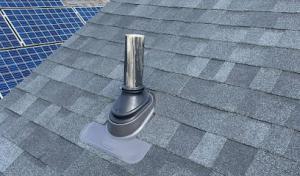
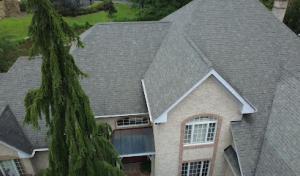
Skylights and flat or low-slope sections are where many Germantown homes leak first after a wet spring or a freeze-thaw swing. The local contractor signal mix shows meaningful demand for skylight work and flat-roof service, indicating homeowners regularly need help beyond simple gable-roof shingle replacement. When rain arrives with wind, those transitions around skylights and low-slope joints become the bottlenecks for water entry.
Check the flashing around skylights, especially where the curb meets the roof deck, and inspect the edge detailing on porch roofs or additions that tie into the main roof. In mixed-roofline homes, look for mismatched flashings, deteriorated sealant joints, and old or compressed underlayment at transitions. In winter, ice damming and thaw cycles push water laterally under flashing; in spring, pooled water on flat sections can seep through compromised penetrations. If visible staining appears on ceilings beneath these areas, treat it as a warning sign to investigate promptly.
Keep the skylight curb clean and wetted with compatible sealant at joints, and replace aging gores or caulk where it has pulled away. For low-slope zones, ensure the drainage plane remains clear and that any screw penetrations are sealed with compatible, weather-rated sealant or flashing tape. When adding a porch or a lean-to, match the new flashing to the main roof and extend a consistent drip edge to channel water away from joints.
After a storm, photograph the affected skylights and transitions, noting signs of moisture intrusion, warped decking, or failed flashing. Document immediate actions taken, such as tarp placement or temporary covering. Keep records of contractor communications, repair estimates, and any delays, as this supports insurance documentation during settlement discussions.
Find contractors experienced in skylight installation, flashing, and leak repairs to bring natural light into your home.
Keystone Building & Restoration
(240) 805-7644 keystonebuildingandrestoration.com
Serving
5.0 from 276 reviews