
Last updated: Apr 19, 2026
In this market, spring storms, hail, summer downpours, autumn wind events, and winter freeze-thaw cycles collide to create a steady drumbeat of roof issues. No single hazard season dominates; the pattern means leaks can start after a surprise shower or linger after a freeze. You should plan for a rapid assessment after any storm, especially if you notice staining on ceilings, damp attic spaces, or granules in gutters. Delays compound damage when moisture crawls into unseen edges of decking or fascia, and temporary tarps are only a stopgap-not a solution. Acting within hours, not days, can prevent escalating interior damage and more extensive repairs down the line.
The local contractor signal mix consistently points to storm damage, emergency repairs, and insurance-claim support as top needs. That means if a storm hits, you may be navigating more than shingles. Look for curled or lifted edges, broken or missing fasteners, dented metal components, and accelerated granule loss on asphalt shingles. In the attic, check for light seeping through rafter bays or damp insulation. Conduct a careful external inspection from the ground after safe conditions permit, paying close attention to valleys, exhaust vents, and chimney flashing. If you see fasteners that look loose, or if the roof line appears weathered with visible gaps, treat it as an urgent situation. Delaying a professional evaluation can turn a manageable repair into a costly full replacement.
Storm-related roof work in this market often comes through an insurance claim, so documenting thoroughly is essential. Collect clear photos from multiple angles after each storm, including close-ups of damage to shingles, flashing, and gutters. Maintain a log of storm dates, wind speeds if known, and any interior leaks you've noticed inside the home. When meeting with a contractor, ask for a written assessment that distinguishes between emergency temporary protection and permanent replacement needs. If a claim is involved, you'll want a proposal that aligns with the scope of damage, supports the claim narrative, and preserves the option to pursue full replacement if the roof's condition warrants it. The goal is to move from temporary protection to a proper fix without bouncing between contractors.
Because many projects in this county cluster from late spring through early fall, storm-driven demand surges can tighten scheduling just when temporary protection is still in place. Plan for a two-step timeline: an immediate emergency repair or tarping if leaks are active, followed by a formal replacement window once the claim is processed and the weather stabilizes. If possible, secure a trusted local crew with a track record of handling insurance documentation and rapid mobilization. Clear communication about staging, sequencing, and clean-up can prevent misfires that leave portions of the job incomplete as the next storm approaches. In this climate, proactive planning is the real safeguard against spiraling disruption.
In this market, you'll often see asphalt shingles priced around $450-$800 per square. If you're weighing options beyond asphalt, metal typically runs $700-$1200 per square, clay tile $1100-$1800, concrete tile $900-$1400, wood shingles or shakes $700-$1400, and synthetic or composite shingles $600-$1000 per square. Those ranges reflect local material availability and typical labor, and they're a useful baseline when you start comparing quotes after a storm or during a scheduled replacement. For many homes in the area, the decision often comes down to roof slope, attic ventilation, and how long you expect to stay in the home, because up-front cost differences compound with durability and maintenance needs over time.
Storms here don't wait for the calendar. Late spring through early fall brings the busiest scheduling window, and the surge in demand from multiple homes in the same block can push both price and lead times higher. When a hail event or strong Nor'easter hits, you'll notice contractors shifting from planned replacements to urgent response, and that shift can shorten the window for comparisons and financing planning. If you're facing a leak or suspected damage, you may feel pressure to lock in a crew quickly, but it pays to get at least two detailed, on-site assessments before committing. Streaming through a quick tear-off-and-replace without a careful material choice can leave you with an suboptimal fit for the house and the neighborhood streetscape.
The area's weather swings mean you'll want a roof that not only stops leaks but also documents the repair in a way that insurers find satisfactory. When you're evaluating quotes, favor suppliers who can provide a clear, itemized change order and a documented pre- and post-repair condition report. This helps with insurer communication, especially if you're reconciling storm damage with an adjuster's assessment. If storm windows collide with the typical re-roof cycle, contractors who can align material selection with insurance requirements-without sacrificing long-term performance-tend to deliver steadier turnaround times and fewer back-and-forth revisions. For most homes, the decision matrix includes durability against future weather events, weight on the existing structure, and compatibility with existing ventilation strategies.
Start with a walk-through checklist for leaks, ponding, and visible shingle wear, then request at least two in-person estimates from reputable local crews who can reference recent Montgomery County storm jobs. Ask for a written photo log of the roof's condition, plus an outline that shows how each material option will affect warranty terms and anticipated maintenance. If you're balancing cost against resilience, consider staged replacements or phased upgrades that prioritize vulnerable valleys and flashing details first. Create a decision timeline that accounts for typical weather windows, with a contingency for an early-fall slow-down-this keeps you from chasing a rushed schedule that compromises ventilation balance and long-term performance.
MLM Home Improvement
Serving
4.7 from 1149 reviews
MLM Home Improvement is a premier storm restoration company specializing in full replacements for roofing, siding, and gutter systems. We offer free, no-obligation inspections and estimates to assess storm damage and provide transparent recommendations for replacement solutions. Our expert team is dedicated to delivering exceptional quality and service in every project we undertake.
Next Level Exteriors
(301) 200-1530 nextlevelhomeremodeling.com
Serving
4.9 from 53 reviews
Next Level Exteriors is a proud, locally owned company delivering top-tier roofing, gutter, window, and siding solutions since 2015. Our team of seasoned professionals excels in all aspects of exterior work, from minor repairs and storm damage restoration to complete new construction projects. We’re committed to setting the industry standard in both craftsmanship and customer service, using only premium materials from trusted manufacturers. With a reputation built on excellence and everyday affordability, we strive to provide homeowners with unparalleled service. At Next Level Exteriors, we’re always pushing boundaries to raise the bar even higher!
Keystone Building & Restoration
(240) 805-7644 keystonebuildingandrestoration.com
Serving
5.0 from 276 reviews
Keystone is the best roofing company in Maryland and other surrounding areas. We offer storm damage repairs and full roof replacements. We are the top contractors for all your roofing, siding, and gutter needs. We have a trail of happy customers in the Maryland, D.C., and Virginia area.
BRAX Roofing
(240) 658-8016 www.braxroofing.com
Serving
4.8 from 456 reviews
BRAX Roofing, based in Gaithersburg, MD, specializes in residential and commercial roofing services. They pride themselves on delivering Certified & Guaranteed Quality, holding top manufacturer certifications and offering industry-leading warranties for both materials and workmanship. As a local, community-oriented business, they operate with strong family values, emphasizing honesty, integrity, and personalized service. Their team is committed to protecting homes and businesses with expert craftsmanship, responsive support, and trusted roofing solutions tailored to the unique needs of the Maryland area. BRAX Roofing is your reliable partner for lasting roofing excellence.
Shanco Roofing
(301) 208-0848 www.goshanco.com
Serving
4.9 from 401 reviews
Serving the residents of Maryland and Virginia for over 20 years, Shanco maintains an honorable reputation and is an accredited roofing company with the Better Business Bureau with an A+ rating. With a commitment to serve clients on a personal and professional level, you can count on Shanco to deliver an end product you’ll be confident in. Shanco offers high-value solutions for roofing, windows, siding, gutters, chimneys, masonry, skylights, insulation, and more. You’ll never have to wait when it matters most.
Eben-Ezer Roofing Contractors
Montgomery Village, Maryland
5.0 from 1 review
Here at Ebenezer Roofing we provide unparalleled service through communication, quality control and scheduling to ensure customer satisfaction on every job. We are a local, friendly, experienced company specializing in roof installation, roof repair, siding installation, siding repair, home remodeling, and much more. Call today to schedule an estimate!
GoodGood Roofing & Siding
Serving
5.0 from 191 reviews
GoodGood Roofing & Siding is a roofing contractor in Gaithersburg, MD serving Gaithersburg, Germantown, Potomac, Rockville, Montgomery Village, and nearby areas. Our roofing company offers residential roofing, asphalt shingle roofing, metal roofing, residential roofing, flat roofing, commercial roofing and more. Customers love us because of our comprehensive roof warranties and our affordable roof financing options. We also have industry affiliations and certifications such as Certainteed's Select ShingleMaster, GAF Certified, Owens Corning Preferred Contractor, and many more. If you want to experience how your most trusted Gaithersburg roofing company embraces our motto "If you're not good, call GoodGood!", call us now for a free estimate!
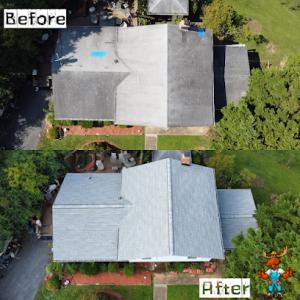
Moose Exteriors
(301) 789-3238 www.mooseexteriors.com
Serving
5.0 from 34 reviews
We provide top-notch craftsmanship and quality materials to protect your home. Contact us today for all your exteriors needs.
Nation Roof
(202) 240-2585 www.nationroofllc.com
Serving
5.0 from 8 reviews
Protect your home's well-being with Nation Roof, your premier roofing contractor. We offer comprehensive exterior inspections and expert services to restore and maintain your roof, siding, and gutters, ensuring your home remains protected from the elements and in peak condition. We believe in restoring more than just roofs. Our purpose is to bring peace of mind to homeowners facing any exterior problem. We do full Inspections of your home exterior: Roof, Siding & Gutters.
New Paradigm Projects
Serving
4.9 from 270 reviews
At New Paradigm Projects, we take great pride in upholding a steadfast foundation of core values and ethical principles that permeate every aspect of our organization. Our streamlined processes, transparent guidance, utilization of top-tier materials, and dedication to superior craftsmanship are among the key factors that consistently draw clients to our Residential and Commercial Roofing services. We're ready to help you whenever you need our help the most. With our unwavering commitment to excellence and extensive roofing, windows and doors, siding, and gutters experience, you can trust that you'll always receive unparalleled service and exceptional value from us.
Apex Roofing & Construction
(301) 284-8127 www.apexdmv.com
Serving
5.0 from 23 reviews
At Apex Roofing and Construction, we get it. You want to do your research before deciding on a roofing company to trust with work on your home. After all, no matter the size of the project, any home improvement project is a significant investment, and you want to make sure you can rely on a company before you decide to use them. Our estimates are FREE and we will price-match estimates that are using the same materials and installation practices.
GRP Construction Services
(301) 835-3527 www.grpconstructionservicesllc.com
Serving
5.0 from 27 reviews
When you’re in need of an expert roofing services in MD, look no further than GRP Construction Services Our roofing contractors bring more than 20 years of relevant experience to each and every job site along with a focused dedication to providing outstanding customer service and the very best workmanship. As a family owned and operate business, we take great pride in serving our local community and living our motto "Customer Satisfaction is our #1 Goal"!
In this community, a full roof replacement typically requires a building permit through Montgomery County's Department of Permitting Services rather than a separate municipal roofing office. That distinction matters because the county process is designed to ensure the project meets broad regional standards that affect venting, insulation, and eave protection-areas that often trigger code-compliance upgrades beyond simply matching the old roof. Knowing this upfront helps you plan for the additional reviews, inspections, and required confirmations that accompany a replacement project.
During the plan review, the county looks closely at the practical, install-ready details that influence long-term performance. Venting and attic insulation are common focus points, especially in homes with mid-Atlantic swings where moisture and heat transfer can stress roofing assemblies. If the proposed replacement changes vent layout, increases insulation depth, or adds an upgraded underlayment or continuous eave protection, the review may require upgrades to meet current code standards. The goal is to prevent moisture buildup, ice dam formation, and energy inefficiency while maintaining safe, durable roof assemblies in your particular home style and attic configuration.
Because many houses in this area were built with aging materials and evolving code expectations, the replacement scope can trigger upgrades beyond simply installing the same shingles. Expect reviewers to consider how the new roof interacts with existing ventilation paths, insulation levels, drip-edge and rake-edge details, and underlayment continuity. A thoughtful plan that anticipates these items tends to avoid last-minute changes during construction.
Inspections occur while the roof is being installed, not just at the end. A typical flow includes a framing or roof deck inspection, followed by a water barrier/underlayment check, and then a final roof finish inspection before the permit is closed. The final inspection confirms that all code upgrades identified in the plan review-such as improved venting, proper eave protection, and any insulation or ventilation adjustments-are in place and function as intended. Because permit records document compliance, keeping these records organized is valuable for resale and insurance documentation down the line.
Before breaking ground, verify with your contractor that a county permit is applied for and that the plan reflects any required upgrades rather than a simple page-by-page duplicate of the old setup. Ask for a written checklist from the contractor that maps which venting, insulation, and eave protections will be upgraded and how they will be verified during inspections. As work progresses, maintain a dedicated folder of permit approval letters, inspection notices, and completed checklists. When you prepare for resale or file insurance documents after a storm, having clear permit records helps demonstrate that the replacement met current standards and was reviewed by county authorities.
In the aftermath of a storm, the permit process remains central to both documentation and cost recovery discussions. If damage triggers a replacement rather than a repair, ensuring your permit is up to date and the final inspection is completed can streamline insurance claims and support resale value if the home is assessed later. Keeping a well-organized permit trail also helps when negotiating with adjusters who want to see that the project complied with county requirements and that any code-mandated upgrades were implemented.
Maryland insurers commonly expect pre-work and post-work photos, scope of work documentation, and permit records when evaluating roof replacement claims in this market. That means you should gather clear images showing the roof from multiple angles before any work begins, then provide a detailed description of what the contractor will do and what materials will be used. Keeping these documents organized and readily accessible can shorten the review window and reduce back-and-forth requests that slow a claim. In practice, that means setting aside a dedicated folder or photo album for your roof and updating it as work progresses.
Adjusters reviewing Montgomery Village roof claims are looking not only at weather-related damage history but also at licensing and permit compliance before approving replacement work. The storm cycles in this area can create nuanced damage patterns that resemble wear, so a thorough claim package helps prevent surprises. Ensure the contractor's license and any applicable certifications are up to date and that the scope of work aligns with the observed damage. If the adjuster has questions about what constitutes a proper venting upgrade or eave protection, having precise, labeled photos and a written checklist can make the difference between a smooth approval and an extended review.
Because Montgomery County inspections formally document code-related items like venting and eave protection, homeowners here benefit from keeping county permit paperwork with their claim file. This local practice supports the narrative of your damage and the necessity of specific repairs, especially when an insurer questions the retrofit details after a storm event. If you have any county-issued documentation showing ventilation corrections or eave enhancements, include copies with your claim package and reference the exact inspection dates. Staying organized with these records reduces the risk that a later review identifies a missing item as a hang-up rather than a legitimate part of the repair.
Create a simple timeline that ties storm dates to inspection notes, permit milestones, and visible roof changes. Label photos with the date, location, and what they show (shingle condition, flashing, venting). When you speak with the adjuster, present a concise summary that maps weather history to the observed conditions and the recommended scope of work. In this market, the combination of weather pattern awareness and meticulous documentation can influence both the acceptance of the claim and the pacing of the replacement work, so organization is your ally.
Connect with contractors who help homeowners navigate the claims process from damage assessment to final approval.
Keystone Building & Restoration
(240) 805-7644 keystonebuildingandrestoration.com
Serving
5.0 from 276 reviews
Asphalt shingles remain the dominant practical choice in this market, aligning with a strong local contractor presence for re-roofing and asphalt-focused work. In a neighborhood that experiences hot summers, cold winters, heavy rain, and freeze-thaw cycles, asphalt is favored for its balance of cost, install familiarity, and repairability. The key for Montgomery Village homeowners is to work with a crew that prioritizes ventilation, correct underlayment, and moisture management alongside the shingle choice. Proper attic ventilation helps mitigate heat buildup in summer and reduces the likelihood of ice damming in shoulder seasons.
The local climate makes ventilation, underlayment, and moisture management more important than mere material appearance. Ensure the roof deck is sound and dry before install, and that the underlayment picked is rated for freeze-thaw conditions. A well-sealed attic space with balanced intake and exhaust vents reduces condensation risk and lengthens the life of asphalt profiles. In longer storm seasons, a solid moisture barrier beneath the shingles decreases the chance of hidden leaks after a heavy downpour. When discussing options, emphasize ridge venting, soffit ventilation, and a breathable underlayment that tolerates moisture without compromising airflow.
The local market supports metal, wood shake, tile, and synthetic options, though contractor signal prevalence suggests specialty installation depth is strongest for asphalt and more selective for tile or cedar. Metal roofing can be appealing for longevity and wind resistance, but it requires precise flashing and vent details to avoid leaks during seasonal transitions. Wood shakes and tiles bring distinct aesthetics and certain durability traits, yet they demand careful maintenance in response to moisture, mold risk, and expansion-contraction cycles in this climate. Synthetic shingles offer flexibility and good moisture resistance, but installation quality still hinges on proper attic ventilation and underlayment choices to prevent thermal movement and condensation issues.
When storm damage or moisture concerns arise, prioritize a roof replacement plan that aligns with venting upgrades and underlayment improvements. A well-coordinated install that treats ventilation, moisture barriers, and flashing as core components delivers the most durable result in this market. For homeowners weighing options, the strongest outcome comes from pairing a trusted installation crew with a shade of shingle that suits the attic's ventilation strategy and the home's exposure to driving rain and freeze-thaw cycles. This approach helps ensure the roof carries through the next season with fewer leak questions and more consistent performance.
The most popular roofing material in the US. Find pros who install, repair, and replace asphalt shingles.
Keystone Building & Restoration
(240) 805-7644 keystonebuildingandrestoration.com
Serving
5.0 from 276 reviews
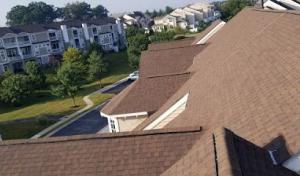
In this area, the climate swings-from humid summers to cold winters-make attic ventilation a real turning point for roof longevity. When exhaust and intake vents aren't balanced, heat and moisture build up in the attic, which can show up as premature shingle aging, warped decking, or condensation on ceilings. Montgomery County's emphasis on proper venting means this is not a cosmetic detail; it's a foundational component of a compliant, durable roof. If soffit vents are blocked by insulation or the ridge vent isn't functioning, you'll see higher attic temperatures in summer and frost-damaged sheathing in winter. Plan for a ventilation audit that includes airflow calculations and unobstructed intake and exhaust paths before any replacement begins.
Winter freeze-thaw cycles hammer eave details, especially where water is allowed to back up or where ice dams form. In practice, the eave edge needs a continuous, properly installed underlayment and drip edge to shed meltwater away from the fascia. When this edge isn't correctly protected, water can creep under shingles at the eave, refreeze, and worsen leaks just as freezing temperatures descend. You'll also want a surface underlayment that tolerates moisture and bridges small gaps at eaves. A well-sealed eave line reduces the chance of moisture intrusion that cold days can magnify into interior staining or rot.
Ventilation, insulation, and eave protection operate as a system. If one element is overlooked, you'll still feel the effects later-especially after a full replacement. Local projects often reveal gaps where code-appropriate insulation meets venting and where eave protection isn't integrated with the roof deck. Prioritize an integrated plan that addresses airflow, moisture control, and edge detailing in a single, cohesive installation to avoid mismatches that invite leaks and heat buildup.
In this market, local contractor signals show meaningful demand for both flat-roof and skylight work, indicating that leak-prone roof details are a recurring homeowner concern. Heavy rain periods in the county make flashing transitions, low-slope drainage, and skylight perimeter waterproofing more consequential than on a simple uninterrupted gable roof. The combination of aging re-roof projects and Mid-Atlantic storm swings means these details often drive urgent calls after storms, so planning ahead is practical.
Low-slope sections around flashings, parapet walls, and transitions into vents are common failure points. Inspect for loose sealant, uplift at edges after strong winds, and calcium buildup that can crowd drainage paths. In Montgomery Village, where storm-driven rain can stress joints quickly, ensure flashings are sealed with compatible materials and that gutters and downspouts are clear to prevent ponding near transitions. If water sits along a roof edge after a clear rain, treat the area as high priority for leak assessment and targeted repair.
Skylight perimeters are recurring leak hotspots in this market. Look for compromised flashing around the unit, dried or cracked sealant, and condensation-related gaps. Perimeter waterproofing tends to fail first where decks or overhangs create thermal movement. Re-seal or replace compromised flashing and consider higher-quality flashing kits designed for daylight openings. Favor flashing solutions that accommodate movement and resist UV weathering common in spring-wall cycles.
When a leak is detected after a storm or wind event, document the affected area with photos focusing on low-slope transitions and skylight edges. Do a targeted, temporary tarp or plastic shield if accessible, and prompt a professional assessment to prioritize emergency repairs. In this climate, timely attention to these spots helps prevent broader interior damage and aligns with insurance-ready repair workflows.
Find specialists in TPO, EPDM, and built-up flat roofing systems for residential and commercial properties.
GRP Construction Services
(301) 835-3527 www.grpconstructionservicesllc.com
Serving
5.0 from 27 reviews
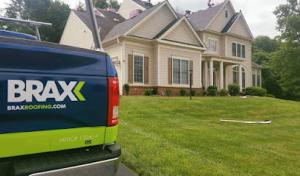
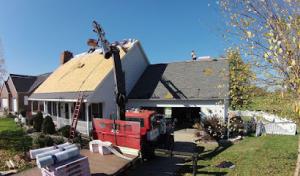
Most full roof projects in Montgomery County are scheduled from late spring through early fall because that window is generally more workable than winter for installation and inspections. In this area, the combination of moderate temperatures, daylight, and dry days helps crews stay on track and reduces the risk of complications from frozen materials or frozen nails. If your roof is aging or showing persistent leaks, aligning with this seasonal window often means fewer weather-induced delays and smoother permit and inspection alignments.
Spring storms and hail can create both sudden damage and immediate scheduling backlogs, so homeowners often have to choose between fast temporary repair and waiting for full replacement. If hail leaves pockmarks or lifted shingles, a prompt temporary fix can prevent interior damage, but it's crucial to document every symptom for insurance and contractor review. When insurance work is involved, a clear, staged plan helps avoid startup delays: emergency tarps or boards may buy time, while a scheduled full-replacement timeline can be communicated with adjusters and crews.
Summer heat and humidity can affect adhesive performance and material handling, so selections that rely on strong bonding and proper sealants should be planned with regional conditions in mind. Contractors may schedule more morning work or midday pauses to protect crew safety and ensure shingle adherence remains reliable. In the peak heat, material storage and forklift handling require shaded staging areas and hydration planning to keep the job moving without compromising quality.
Winter snow and freeze-thaw cycles can halt work or complicate shingle installation, so discussing contingency plans with the contractor is essential. For homes facing late-season projects, expect potential weather- or salt-related delays, and verify that the chosen roofing system tolerates cold-weather fastening and flashing adjustments. A well-timed, season-aware plan reduces the risk of premature leaks and out-of-season setbacks.
In this market, storm swings can mean overnight leaking and attic moisture. Homeowners value contractors who respond within hours, stage tarping and debris removal efficiently, and commit to a thorough once-over to prevent follow-up calls. Local crews familiar with mid-Atlantic wind patterns know where shingles, vents, and chimney flashings typically fail and can prioritize those hotspots in the first visit.
Montgomery County projects often require practical, cost-conscious choices that hold up through multiple seasons. Homeowners here lean toward contractors who can explain exactly what needs to be replaced, what can be repaired temporarily, and how a practical re-roof plan aligns with storm-season risk. The emphasis is on getting the job done right without surprises, with a clear path from inspection to completion that keeps the project affordable while maintaining long-term performance.
The local landscape includes a mix of long-established and family-owned companies. Buyers compare responsiveness and process reliability more than flashy specialties. Choose a contractor who comes with a track record of working on typical mid-Atlantic roofing assemblies and can reference nearby projects with similar roof types and ventilation setups. Experience handling common aging stock in communities with yards and second-story access proves valuable during replacements after hail or wind events.
Because insurance documentation is central here, the preferred contractor provides clear, organized repair and replacement records, including material specs, win/loss documentation, and post-installation moisture testing. Ask for a written scope that aligns with common storm-damage claims and ensures smooth claim review. This keeps the project moving from assessment through final sign-off.
Get a clear picture of your project costs upfront - no commitment required.