
Last updated: Apr 19, 2026
Hail and wind drive most insurance-related roof losses here, and the damage often hides under shingles or behind flashing until a cold snap or a rain event reactivates leaks. You need date-stamped photos the moment a storm passes and close-up condition records before any repair starts. Sit down with your photos and a dated note that ties the evidence to the exact date of the event. This isn't just about documenting what happened; it's about creating a credible timeline when the insurer reviews your claim weeks or even months later. If you notice any unusual attic moisture or signs of water staining after a storm, treat it as an active priority, not a deferred worry.
Regular freeze-thaw cycles in this area can turn minor storm-created shingle cracks or flashing gaps into active leaks after the next cold snap or rain event. The window between a storm and a leak can be small, but the consequences are large-wet sheathing, compromised underlayment, and accelerated deterioration of edge flashing. Before any repair, capture the problem at multiple angles: top-down roof surface, edge details where shingles meet flashing, and interior ceilings or walls showing water intrusion. If a leak is detected, seal temporary ingress points quickly with a watertight tarp or a roof-approved sealant to limit interior damage while awaiting adjuster assessment. Keep the old shingles and flashing pieces you remove for the adjuster to review; it makes the damage narrative clearer and can speed up approval.
Spring rain and autumn wind events create a local pattern where storm damage often becomes both an insurance issue and a scheduling issue at the same time. The claim process can stall when shop spaces fill up and adjusters run behind, so you should be ready to move fast. Create a storm-response folder immediately after a event: dated photos, a concise damage log with locations (ridge, valley, flashing), interior moisture notes, and a list of affected rooms. When you file, attach the storm date, the photo timestamps, and the interior signs of damage. If multiple storms occur in a short window, organize the documentation in chronological order so the insurer can clearly see the progression. Do not wait for a single rain event to dictate action; you may be looking at a weather pattern that repeats across the season, increasing the likelihood of subsequent leaks if left unaddressed.
Start with a rapid, documented assessment after each storm, prioritizing vulnerable zones around chimneys, dormers, and valleys where wind uplift and hail impact tend to be greatest. If you suspect hidden damage, request a professional roof inspection focused on shingle integrity, edge flashing, and ventilation assembly seals. When repairs are warranted, insist on a repair plan that targets the root cause of leaks rather than just patching symptoms-this often involves resealing flashing joints, replacing damaged underlayment, and replacing compromised shingles along critical seams. Keep a running log of communications with your insurer and the contractor, including dates, names, and outcomes of each contact. This log becomes a practical roadmap during the approval and scheduling squeeze that typifies Gaithersburg's storm aftermath.
In this market, the timing squeeze matters as much as the damage itself. Insurers often request a pre-repair inspection and a post-repair follow-up, so align those steps tightly with the contractor's schedule. Ensure that the plan outlines temporary containment measures to protect interiors during wind-driven rain events while final repairs are staged. If a storm creates a severe, ongoing leak, prioritize an emergency temporary fix that slows further intrusions and preserves interior finishes, but document it clearly and photograph the results. The clear objective is to bridge the gap between sudden weather changes and a solid, weatherproof repair that stands up to the next round of freeze-thaw cycles.
Keystone Building & Restoration
(240) 805-7644 keystonebuildingandrestoration.com
9 N Summit Ave suite 200, Gaithersburg, Maryland
5.0 from 276 reviews
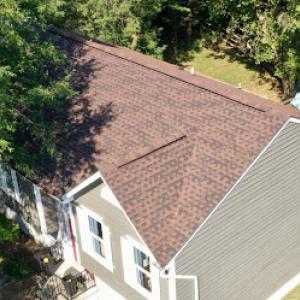
Keystone is the best roofing company in Maryland and other surrounding areas. We offer storm damage repairs and full roof replacements. We are the top contractors for all your roofing, siding, and gutter needs. We have a trail of happy customers in the Maryland, D.C., and Virginia area.
GoodGood Roofing & Siding
615 S Frederick Ave STE 301, Gaithersburg, Maryland
5.0 from 191 reviews
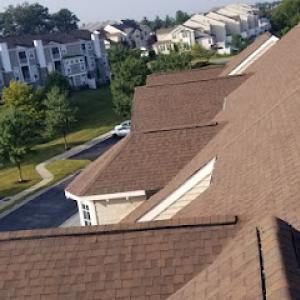
GoodGood Roofing & Siding is a roofing contractor in Gaithersburg, MD serving Gaithersburg, Germantown, Potomac, Rockville, Montgomery Village, and nearby areas. Our roofing company offers residential roofing, asphalt shingle roofing, metal roofing, residential roofing, flat roofing, commercial roofing and more. Customers love us because of our comprehensive roof warranties and our affordable roof financing options. We also have industry affiliations and certifications such as Certainteed's Select ShingleMaster, GAF Certified, Owens Corning Preferred Contractor, and many more. If you want to experience how your most trusted Gaithersburg roofing company embraces our motto "If you're not good, call GoodGood!", call us now for a free estimate!
New Paradigm Projects
9841 Washingtonian Blvd #200, Gaithersburg, Maryland
4.9 from 270 reviews
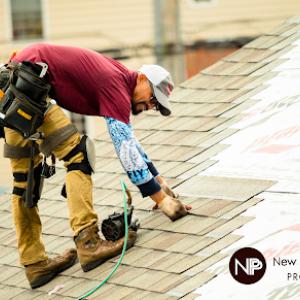
At New Paradigm Projects, we take great pride in upholding a steadfast foundation of core values and ethical principles that permeate every aspect of our organization. Our streamlined processes, transparent guidance, utilization of top-tier materials, and dedication to superior craftsmanship are among the key factors that consistently draw clients to our Residential and Commercial Roofing services. We're ready to help you whenever you need our help the most. With our unwavering commitment to excellence and extensive roofing, windows and doors, siding, and gutters experience, you can trust that you'll always receive unparalleled service and exceptional value from us.

Shanco Roofing
(301) 208-0848 www.goshanco.com
7404 Lindbergh Dr suite g, Gaithersburg, Maryland
4.9 from 401 reviews
Serving the residents of Maryland and Virginia for over 20 years, Shanco maintains an honorable reputation and is an accredited roofing company with the Better Business Bureau with an A+ rating. With a commitment to serve clients on a personal and professional level, you can count on Shanco to deliver an end product you’ll be confident in. Shanco offers high-value solutions for roofing, windows, siding, gutters, chimneys, masonry, skylights, insulation, and more. You’ll never have to wait when it matters most.
BRAX Roofing
(240) 658-8016 www.braxroofing.com
7851 Beechcraft Ave Suite A, Gaithersburg, Maryland
4.8 from 456 reviews
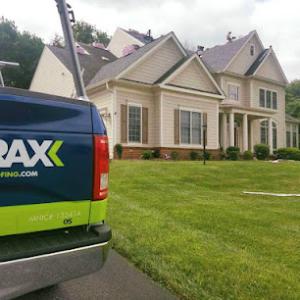
BRAX Roofing, based in Gaithersburg, MD, specializes in residential and commercial roofing services. They pride themselves on delivering Certified & Guaranteed Quality, holding top manufacturer certifications and offering industry-leading warranties for both materials and workmanship. As a local, community-oriented business, they operate with strong family values, emphasizing honesty, integrity, and personalized service. Their team is committed to protecting homes and businesses with expert craftsmanship, responsive support, and trusted roofing solutions tailored to the unique needs of the Maryland area. BRAX Roofing is your reliable partner for lasting roofing excellence.
Rapid Response Remodeling
(240) 688-8567 rapidresponsellc.com
15605 Ancient Oak Dr, Gaithersburg, Maryland
5.0 from 44 reviews
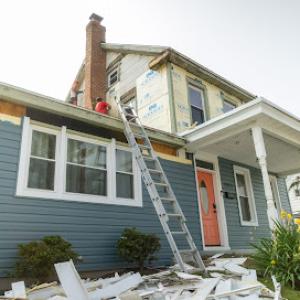
Rapid Response Remodeling specializes in roofing, siding, and remodeling services to bring your vision to life. From new roofs to siding installation or kitchen, bathroom, or basement remodels, we deliver exceptional craftsmanship and attention to detail in every project. Our client-focused approach ensures personalized solutions tailored to your needs, creating homes that are functional, beautiful, and built to last. With a commitment to excellence and efficiency, we make your remodeling and roofing projects seamless and stress-free. Trust Rapid Response Remodeling to turn your dream space into reality!
MLM Home Improvement
481 N Frederick Ave Suite 101, Gaithersburg, Maryland
4.7 from 1149 reviews
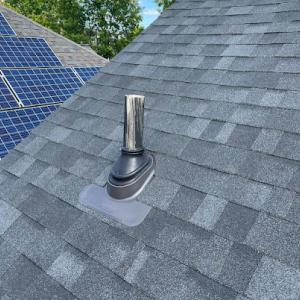
MLM Home Improvement is a premier storm restoration company specializing in full replacements for roofing, siding, and gutter systems. We offer free, no-obligation inspections and estimates to assess storm damage and provide transparent recommendations for replacement solutions. Our expert team is dedicated to delivering exceptional quality and service in every project we undertake.
Moose Exteriors
(301) 789-3238 www.mooseexteriors.com
604 S Frederick Ave Suite 211, Gaithersburg, Maryland
5.0 from 34 reviews
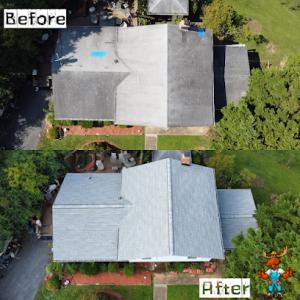
We provide top-notch craftsmanship and quality materials to protect your home. Contact us today for all your exteriors needs.
Roofsimple Maryland
8665 Grovemont Cir, Gaithersburg, Maryland
5.0 from 11 reviews
Roofsimple provides roofing repair and replacement services in Maryland, Northern Virginia and the Shenandoah Valley, including installation of asphalt, cedar, metal, and synthetic slate roofing. Start with a free roof assessment today and get the information you need to decide where you want to go from there.
Exterior Renovations
(301) 956-7303 www.exteriorreno.com
267 Kentlands Blvd, Gaithersburg, Maryland
5.0 from 9 reviews
Maryland Exterior Home Renovations. Roofing, Siding, and Replacement Windows Contractor. Quality replacement at affordable prices!
Nation Roof
(202) 240-2585 www.nationroofllc.com
7545 Cinnabar Terrace, Gaithersburg, Maryland
5.0 from 8 reviews
Protect your home's well-being with Nation Roof, your premier roofing contractor. We offer comprehensive exterior inspections and expert services to restore and maintain your roof, siding, and gutters, ensuring your home remains protected from the elements and in peak condition. We believe in restoring more than just roofs. Our purpose is to bring peace of mind to homeowners facing any exterior problem. We do full Inspections of your home exterior: Roof, Siding & Gutters.
Skyfall Exteriors
(301) 789-6848 www.skyfallexteriors.com
15884-B Gaither Dr, Gaithersburg, Maryland
4.5 from 8 reviews
We are a family-owned roofing company with over a decade of industry expertise. Since 2018, we've proudly served homeowners across a wide range of communities across the DMV area. Guided by our core values of quality, integrity, and a customer-first approach, our dedication has earned us the loyalty and trust of our clients. Our commitment to excellence ensures that every project is completed with the highest standards of craftsmanship and attention to detail. With integrity at the heart of everything we do, our team of certified professionals is devoted to restoring your home to a better condition than before while providing a smooth and stress-free experience from start to finish.
Asphalt shingles stand as the dominant residential choice in this area because they fit the broad stock of suburban pitched roofs found across Montgomery County. They're easier to replace after hail or wind damage than more fragile options, and they shrug off the freeze-thaw cycle without the same weight and installation sensitivity that heavier materials demand. For most homes, a standard asphalt roof delivers a balanced mix of installability, repairability, and long-term performance when paired with proper attic ventilation and adequate attic insulation. When damage does occur, shingles typically lift or crack predictably, making leak response straightforward and repair costs contained compared to higher-end materials.
Slate, clay tile, and concrete tile show up in the market, especially on older or higher-end homes within Montgomery County, but they come with real considerations. All three are heavier than asphalt, which means structural assessment is essential before proceeding. Slate and clay are notoriously brittle; hail can shatter individual pieces, and wind can loosen fasteners on vulnerable edges. Concrete tile sits in between but shares the same weight and breakage risks. When contemplating these materials, pay attention to repair matching: finding a close color, texture, and profile is harder after years of weathering, so plan for potential replacement panels to maintain a cohesive roof appearance. In higher-wend configurations or vintage homes, ensure the apron flashing and joints align with the tiles' geometry to avoid dated failure points.
EPDM is a relevant option for low-slope sections, additions, and some commercial-style roof areas that exist alongside residential builds. In Gaithersburg, standing water on flat or low-slope surfaces can stress traditional shingles, so employing a membrane helps manage water drainage and freeze-thaw impact differently than steep-slope systems. If a portion of the roof serves as a deck, carport, or shaded extension with minimal slope, a durable EPDM installation can extend life and reduce leak risk where shingles might otherwise struggle. For these areas, durability and UV resistance are key, and membrane seams require meticulous sealing to prevent slow leaks that can mimic more dramatic storm damage.
After a hail or wind event, start with a careful exterior survey from ground level and then from the roof if safe. Look for missing, cracked, or curled shingles, lifted tabs, and dented flashing. Take time-stamped photos from multiple angles, focusing on areas around valleys, vents, and chimney flashing where leaks are most likely to begin. For slate, clay, and concrete tile, document any chipped pieces or cracked tiles, and note the surrounding area's play of light to catch hidden fractures. Keep documentation organized by material type and location, since many repairs hinge on matching, weight considerations, and the roof's historical fabric.
If a leak is suspected, place a bucket under the drip and protect interior finishes with towels or plastic sheeting to minimize water intrusion. Avoid delaying professional assessment, especially following freeze-thaw cycles when hidden damage can worsen quickly. For lower-slope sections or additions using EPDM, pinpoint seams and edges where standing water could be lingering and plan a targeted fix. In all cases, coordinate with a local roofing contractor who understands Gaithersburg's seasonal weather and the mix of materials common on local homes, ensuring the repair plan respects the roof's original design intent and temperature-related performance.
Late spring through early fall is the preferred replacement window in this area because it minimizes weather delays tied to winter snow, ice, and repeated freeze-thaw cycles. Start planning for a replacement when the soil is thawed, the chance of heavy summer storms is forecast to be manageable, and there's a reliable two-week stretch without extreme heat or soaking rain. This stretches the project into a predictable timeline, helping avoid the worst of Mother Nature while keeping crews on a steady pace. If a spring project slips into early summer, that's manageable, but coordinate with the crew to avoid the most humid weeks when material handling becomes a hotter, heavier job.
Summer heat and humidity in central Maryland can affect shingle handling and installation pace, so crews need to manage material storage and timing carefully. Book an installation slot with a crew that has experience storing under shade when possible and using ventilated setups to prevent warping or overheating of vulnerable materials. On hot afternoons, plan the most labor-intensive tasks for cooler parts of the day, and ensure a shaded staging area is available to minimize edge curl on asphalt shingles and to keep sealants and underlayment at stable temperatures. Expect shorter daily progress during the peak heat, but a steady cadence overall with proactive planning for dew-point and humidity that can affect adhesive performance on certain products. Concrete or fiber cement products benefit from overnight cooling in a shaded area if the crew is forced to pause due to heat.
Winter access and snow load concerns are more than inconvenience here; they can delay tear-off, conceal damage, and complicate emergency leak tracing. If a winter thaw opens a temporary window, use it to address any urgent leaks, but document the condition thoroughly because snow and ice can rapidly re-form and obscure exposed damage. When snow is present, plans should include safe access routes and shovel-accessible work zones to prevent slippery hazards. If a leak is discovered during winter, avoid extended tracing in deep freezes; instead, isolate likely problem areas and schedule a targeted, rapid response once temperatures allow safe access. In shoulder seasons, keep the site weather-tight as much as possible to protect the interior while the roof is exposed for diagnostic checks. Communicate with the contractor about any observed attic condensation or ice dam tendencies so the replacement plan includes improved insulation details and venting considerations suited to Gaithersburg's cold snaps.
Effective replacement hinges on aligning materials, crews, and weather forecasts. For several consecutive days of favorable conditions, aim to advance from tear-off to underlayment to shingle installation without extended gaps that invite moisture intrusion or wind-driven debris. In transitional weeks, prepare for possible micro-delays caused by late-season storms or unexpected heat spikes, and establish a primary contingency schedule with the crew. The local pattern of mixed precipitation events means that waterproofing steps should be prioritized early in each good-weather window, followed by precise shingle alignment and fastener patterns to withstand gusts typical of late spring and summer thunderstorms. Keep an eye on rainfall forecasts and ensure the site has proper drainage during the transition between removal and replacement phases.
Get a clear picture of your project costs upfront - no commitment required.
GoodGood Roofing & Siding
615 S Frederick Ave STE 301, Gaithersburg, Maryland
5.0 from 191 reviews
MLM Home Improvement
481 N Frederick Ave Suite 101, Gaithersburg, Maryland
4.7 from 1149 reviews
Moose Exteriors
(301) 789-3238 www.mooseexteriors.com
604 S Frederick Ave Suite 211, Gaithersburg, Maryland
5.0 from 34 reviews
A full reroof typically requires a permit, but the filing path is a real local quirk: the route depends on whether the project is handled through the City of Gaithersburg or the Montgomery County Department of Permitting Services. In practical terms, that means the paperwork, plan review requirements, and where you submit drawings and forms can differ depending on which agency governs your address. The distinction isn't just a formality-it shapes how quickly a project gets reviewed and when inspections can be scheduled.
Before any nails go in, verify the proper permiting path for your home. The City and County processes each have their own intake points, inspection schedules, and closeout procedures. A local permit office or your contractor can confirm the correct jurisdiction for your specific address, ensuring the application is routed correctly the first time. Misrouted filings can cause delays, which in a region with frequent weather-driven repairs can push storm-damage work past ideal windows.
Inspection timing in this area follows a two-part rhythm: inspections during the project and a final inspection once work is complete. During construction, inspectors verify that the installation adheres to applicable codes and standards, addressing issues like underlayment, flashing, and proper fastening in a climate prone to freeze-thaw cycles. After the roof is installed, the final inspection confirms that the entire installation meets code requirements before the permit can close out. Scheduling the final inspection promptly helps avoid lingering permit holds that can stall occupancy or subsequent maintenance work.
Keep a clear line of communication with your contractor about which jurisdiction is handling the permit, and request the exact permit numbers and inspection dates in writing. Maintain organized documentation: permit applications, plan sheets, and any amendments requested during review. If weather events prompt prompt repairs, document pre-and-post conditions with dated photos so inspectors can quickly assess compliance and progress. On hail or wind impacts, prompt notification to the permitting office about work start dates and any needed amendments can prevent inspection bottlenecks when the project relies on rapid turnaround for weather-related damage.
In this market, pricing reflects a mix of common suburban asphalt reroofs and a meaningful share of premium slate and tile work that requires specialized labor. That blend means you'll see a wide spread in bids, even for roofs that look similar from curb appeal. Asphalt shingles remain the baseline, but the premium tier-especially slate and concrete or clay tiles-pulls average project costs higher than a simple per-square calculation might suggest. Local pricing tends to sit near the lower end for standard shingles, with occasional spikes for heavier, more intricate installations.
Asphalt shingles typically land in the mid-to-lower end of the spectrum, roughly 350 to 800 USD per square to install, depending on shingle quality, attic access, and roof complexity. Clay tile sits well above that, commonly from about 1,600 to 2,800 USD per square, driven by weight handling, specialized fasteners, and longer installation times. Concrete tile follows closely, often in the 1,100 to 2,000 USD per square range, with labor intensity similar to clay but different weight considerations. For premium options, slate installations can range from 2,500 to 6,500 USD per square, reflecting the skill needed for nailing patterns, sloping transitions, and delicate material handling. Fiber cement shingles offer a middle ground, about 700 to 1,400 USD per square, while EPDM rubber roofing sits at roughly 4.50 to 7.50 USD per square foot for flat or low-slope sections. Storm-driven demand can nudge these numbers upward, particularly for premium materials.
Storm-driven demand spikes after hail or high-wind events tighten contractor availability in the area, which can push replacement timelines and pricing upward. If hail impacts your neighborhood, expect several weeks of backlog for material orders and crews, especially for slate or tile jobs that require specialty masons or tile setters. Asphalt projects can still move quickly, but delays in freight, sample approvals, or crew scheduling are common after a weather event. Planning ahead for the typical spring and late-summer storm windows helps stabilize both timing and cost.
Disposal and access logistics on varied roof designs can alter total project cost beyond the base material range. Heavier materials such as concrete or clay tiles require more crane or hoist coordination, staged debris containment, and potentially more roof penetrations for ventilation or flashing. In tight urban setbacks or sloped lots, extra crew hours to maneuver around landscaping and driveways also add to the bill. If your home features multiple roof planes or unusual geometry, expect additional per-square charges for transition details and edge work.
In Gaithersburg, insurers commonly ask for pre-existing damage documentation, close-up roof condition photos, and a repair summary before finalizing hail or wind claims. After a storm, gather clear photos of all roof surfaces, gutters, vents, and any interior signs of leakage. Keep a simple log that notes the date of the storm, observed damage, and any temporary measures taken to prevent further harm. Providing a complete, organized package helps shift the claim from disputes to a more straightforward adjustment, especially when freeze-thaw cycles start to complicate the condition of cedar, asphalt, or clay tile in late winter.
Coverage availability in Maryland remains generally stable, but premium pressure after major storm seasons can influence how an adjuster views the claim and the speed of the settlement. File promptly, but avoid rushing critical photos or repair summaries. If the roof is older, an adjuster may request additional information or impose limitations, so prepare to document pre-storm conditions and any known pre-existing issues. Having a trusted local roofer provide a detailed, signed assessment can streamline the process and clarify what constitutes necessary repairs versus cosmetic wear.
Roof age matters locally because some carriers may limit coverage on older roofs even when the immediate loss event is otherwise covered. If the loss involves wind-driven debris or hail damage, the carrier may scrutinize whether a pre-existing condition contributed to the leak or accelerated failure. Be prepared to discuss maintenance history, previous repairs, and any recent wind or ice dam events that could influence patchwork versus full replacement decisions. A transparent history can help protect the recovery path and reduce surprises at the settlement table.
Coordinate with a licensed local roofer to produce a thorough assessment that covers visible damage and potential hidden issues, such as underlayment or flashing damage revealed by freeze-thaw cycles. Request a repair summary that aligns with the insurer's documentation needs, and ensure photos are timestamped and labeled. Clear communication between you, the adjuster, and the contractor is essential to prevent delayed payments or coverage gaps when the season's weather returns.
EPDM is part of the local material mix because many Gaithersburg properties have low-slope sections over additions, porches, or commercial-style areas that fail differently from shingle roofs. When these roofs are mixed with steeper main runs, the failure modes shift toward edge leaks, seam separation, and flashing wear at transitions. Keep an eye on edge details where the low slope meets vertical walls, and inspect around any patchwork that added EPDM years after the original installation. A small bubble or lifted seam can become a sizable leak after a freeze-thaw cycle.
Regular rainfall combined with freeze-thaw makes drainage details, seams, and ponding-prone transitions especially important on low-slope roofs in this region. Water should shed promptly toward outlets; any standing water beyond 48 hours after a rain invites membrane deterioration and mineral deposits that mask hidden leaks. Verify that flashing at curbs, vents, and skylight penetrations remains continuous and undisturbed. If you notice damp insulation or dark staining on ceilings below a low-slope section, treat it as a red flag and confirm that combatting ice dam formation at the eave is part of the repair plan.
Skylights are a meaningful local service category, which points to leak-prone penetrations and flashing transitions as recurring homeowner concerns. Check skylight units for wicking along the flashing joint, degraded sealant, or cracked curb edges after winter storms. Remember that penetrations near low-slope zones tend to move with temperature swings, so a once-over during mild months can save a lot of trouble when storms arrive. Regularly reseal and reflash any aging skylight flashing to curb creeping leaks before they travel.
Find specialists in TPO, EPDM, and built-up flat roofing systems for residential and commercial properties.
GoodGood Roofing & Siding
615 S Frederick Ave STE 301, Gaithersburg, Maryland
5.0 from 191 reviews
BRAX Roofing
(240) 658-8016 www.braxroofing.com
7851 Beechcraft Ave Suite A, Gaithersburg, Maryland
4.8 from 456 reviews
In this market, the pace after a storm or leak matters as much as the fix itself. Homeowners tend to prioritize contractors who can mobilize quickly, assess the damage on-site, and outline a staged plan that minimizes further interior exposure during freeze-thaw cycles. When you screen prospects, ask about their typical response time after a call, how they prioritize projects after hail events, and whether they maintain crews dedicated to emergency assessments. A company that arrives promptly can prevent secondary damage and reduce overall disruption in a dense suburban setting.
Cleanup is a major local expectation. Driveways, landscaping, and shared property lines sit close to active work zones, so you want a crew that arrives with a plan to protect neighboring yards and utilities. Look for contractors who cover landscaping beds, use tarping and debris containment, and clean as they go rather than letting waste accumulate at the edge of your driveway. Clear communication about daily end-of-day cleanup, equipment placement, and traffic flow on narrow streets helps avoid conflicts with neighbors and prevents damage to parked cars or entryways.
Long-established, family-owned firms have a visible presence in Gaithersburg, reflecting a value placed on reliability and follow-through. When you screen, ask about how long the company has served the area, who will be on site for your project, and how they handle warranty work years after a reroof. Families often balance pricing with accountability, offering clearer lines of responsibility and easier contact if issues arise after a storm. Prioritize firms with a track record of stable staffing, clear communication, and documented project follow-through.
Storms bring hail, wind, and freeze-thaw stress that can complicate leaks and hidden deck damage. You should expect a contractor to perform a thorough moisture check, inspect underlayment for wind-driven damage, and verify roofing penetrations around chimneys and vents. The homeowner should request a written scope that includes progressive milestones, a photo-based damage log, and a post-repair inspection checklist. In Gaithersburg, this documentation helps with insurance review and ensures that water intrusion is addressed before the next freeze.