
Last updated: Apr 19, 2026
In the neighborhood fabric of Loudoun County, wind and hail claims are common enough that storm damage and insurance-claims support are among the most prevalent contractor specialties in the local market. Spring storms in the area regularly bring rain and high winds that can both damage roofs and delay replacement scheduling at the same time. That combination creates a narrow window of opportunity: act quickly to document damage, but be prepared for weather and scheduling bottlenecks that push work into late spring or fall. Your roof and home deserve a timely, coordinated response to avoid longer-term leaks, interior damage, and higher risk of wind-driven failure during the next storm.
Before any insurer approves a full replacement, local insurers commonly want thorough documentation, including pre-damage photos or recent roof condition records. Start gathering evidence the moment you suspect trouble: clear photos of shingles curling, granule loss, and flashing corrosion; video walk-throughs of attic spaces showing any signs of water intrusion or compromised decking; and dated notes describing when you first noticed issues after a storm. If you have any previous roof inspections or maintenance records, pull those together as a baseline. In Sterling, the emphasis on thorough documentation cannot be overstated: it speeds approvals and helps contractors forecast exact replacement needs, including matching materials and colors to preserve curb appeal in a market that values consistent aesthetics.
Spring storms in this area bring a double-edged sword: you may need replacement promptly after damage but face an unpredictable schedule as weather windows open and close. Insurance-driven timelines hinge on presenting a solid claim package quickly, yet the real-world work can be delayed by rain, high winds, and contractor availability in peak season. The practical move is to secure a reputable local storm-response team as soon as damage is confirmed, while simultaneously preserving dry-season windows for actual installation. If you can, line up a preferred crew to begin board-up, tarping, and temporary mitigation immediately after a claim is filed, then schedule the full replacement for a dry, consecutive stretch when weather permits uninterrupted work.
When an adjuster arrives, expect a thorough walk-through of the attic, decking, underlayment, and flashing, with emphasis on the roof's current condition and the extent of hail impact. Document their findings with notes and photos, and compare them to your pre-damage records. If discrepancies arise between your notes and the adjuster's report, request a written supplement that revisits any overlooked areas, especially decking and attic insulation vulnerability. Stay engaged through the process and designate one point of contact with your insurance company to avoid conflicting statements. In Sterling, adjusting conversations often hinge on visible wear patterns and the absence of prior documentation, so your prepared records can be the deciding factor in whether the insurer authorizes a full replacement rather than a patch job.
Start a storm-damage folder that includes dated photos, video notes, and correspondence with your insurer. Create a simple timeline: storm event, initial inspection, claim filing, adjuster visit, and planned replacement window. If a contractor begins temporary mitigation, keep receipts and confirm that temporary measures align with insurance expectations to avoid disputes about coverage. Build a list of local, storm-focused contractors who understand Sterling's climate quirks, such as wind-driven debris, hail impact patterns, and the importance of color-matched, field-verified materials. Remember: the sooner you secure documentation and a trusted crew, the smoother the storm claim moves toward a full, proper roof replacement.
In Sterling, most full reroof projects go through Loudoun County permitting rather than a separate city building department. That means your contractor will likely pull the permit from the county's system and coordinate the inspection timeline with you. The county's approach fits the local housing stock and the way storms tend to stack up in this part of Northern Virginia-there's a clear, centralized process that builders and homeowners learn to navigate over time. If your home has unique features-like a hip roof, complex ridge lines, or multiple venting zones-expect the plan review to ask for more detail on underlayment, ventilation calculations, and flashing transitions. The county process rewards clarity and a well-documented installation plan.
The permit application is typically submitted by the roofing contractor, not the homeowner. That makes choosing a contractor who truly knows Loudoun County workflow particularly important. A familiar contractor will know what documents the county expects, where to upload the notes on roof deck condition, and how to align the project timeline with county inspection slots. In practice, that means your roofer should be prepared to provide detailed site plans, ventilation calculations, and product specifications for the underlayment and flashing. If your property has any unique setbacks or historical-style elements, a locally seasoned contractor will also anticipate the need for additional documentation or a brief narrative to accompany the submittal. When the permit goes in, you'll typically receive a permit number and a schedule window; keeping those in the project file helps during windstorm-season he-said-she-said media inquiries and-more practically-when coordinating access for inspections.
Inspection visits are a core part of the Sterling reroof timeline. Inspections commonly include a roof installation or underlayment check early in the process, and a final inspection focused on installation quality, ventilation, and flashing. The early visit verifies that the deck is sound, that the chosen underlayment is correctly installed, and that nail patterns and fastener types meet county requirements. The final inspection zeroes in on ventilation adequacy, proper airflow to prevent moisture buildup, and flashing at chimneys, walls, eaves, and roof-to-wall transitions. If the inspector flags a concern-such as insufficient attic venting or a flashing seam that doesn't meet spec-the contractor will be expected to correct it before the permit is released as closed. In neighborhoods with frequent wind and hail events, inspectors look closely at our climate realities: ridge vents and soffit vents must function as a system, and any mismatches between decking, underlayment, and shingles can become the focal point of a reinspection.
Coordinate with your contractor to align storm-season timetables with county inspection slots. Because Sterling experiences abrupt weather shifts, it helps to plan ahead for potential weather-induced delays or reschedules of inspections. Have access to the permit number and the contractor's contact information on site, as the county may require updates if there are changes in roof line scope, such as the addition of venting or staggered ridge vents. If your home has nearby trees or limited access, mention this to the contractor early, since delivery windows and staging for materials can influence inspection readiness. By staying on top of the county process and keeping the inspection calendar in view, you reduce hold-ups and ensure the reroof progresses smoothly through the Loudoun County system.
Asphalt shingles sit at the low end of Sterling's common material range, making them the default choice for many suburban homes with standard slopes and modest budgets. Expect roughly 350 to 700 USD per square for asphalt in this market. Metal roofing runs higher, typically 700 to 1200 USD per square, and is a solid option where a longer life and fire rating matter, but it commands a steeper upfront investment. Clay tile and concrete tile are present in the area, yet they sit well above typical reroofing budgets: clay often lands around 1200 to 2100 USD per square, with concrete tile commonly 800 to 1500 USD per square. Wood shingles or shakes fall in the 550 to 1000 USD per square range, offering a distinctive look but higher maintenance and fire concerns for certain neighborhoods. Synthetic or composite shingles sit between asphalt and metal, about 600 to 1100 USD per square, giving a compromise between cost and performance. In Sterling, these ranges reflect local material availability, labor dynamics, and the preference for a durable, weather-ready roof in a climate with brisk springs and fast-changing conditions.
Asphalt shingles are the sensible baseline for most suburban houses in this market. They balance upfront cost with reasonable warranty options and straightforward repairs after wind or hail. If speed of replacement and a longer service life are priorities, metal can be attractive, but the higher price tag means the decision often comes after evaluating insurance timelines and storm-driven demand. Tile options-both clay and concrete-are more common on specialty homes or where a homeowner is pursuing a premium aesthetic or a longer lifespan, but they are less typical for standard reroofing and can complicate attic ventilation and structural loading considerations. Wood shakes deliver a classic, rugged appearance but require more maintenance and can raise concerns in areas with wildfire risk or strict HOA guidelines. Synthetic shingles provide a middle ground: decent durability with a manageable price, and they're often easier to install than heavier tile options.
Replacement timing often clusters into spring and fall because summer heat, storm interruptions, and winter snow or ice can all reduce production efficiency and affect labor pricing. In practice, this means scheduling windows may tighten as temperatures rise and fall, with crews prioritizing projects that fit within comfortable working conditions and material delivery cycles. Storm-driven demand spikes in the Sterling area can tighten scheduling and push pricing upward when many homeowners are trying to replace roofs after the same weather event. If a hailstorm or wind event hits, expect a few weeks of backlog as insurers and homeowners move through documentation, assessments, and approvals, which can translate to higher costs or shorter-term coordination challenges for your replacement window. Planning ahead for a spring or fall project aligned with dry periods can help stabilize both timing and price, especially if a storm event looms on the forecast.
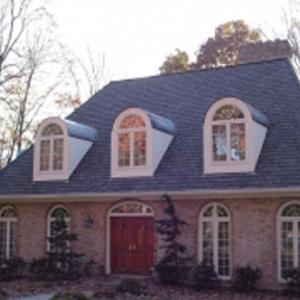
DryHome Roofing & Siding
(703) 230-7663 www.dryhome.com
45921 Maries Rd #100, Sterling, Virginia
5.0 from 535 reviews
For over 35 years, DryHome Roofing & Siding, Inc. has been providing homeowners and businesses in the Northern Virginia area with quality work while promoting an honest and reliable service.
Roofing & More
(703) 467-0206 www.roofingandmoreinc.com
1323 Shepard Dr STE J, Sterling, Virginia
4.9 from 494 reviews
Roofing & More, Inc. is the leading roofing contractor in Sterling, VA, and the surrounding area. We specialize in high-quality roof replacements and repairs, and roof inspections for residential and commercial properties. In addition to our expert roofing services, we proudly offer siding, windows, doors, gutters, and exterior remodeling services designed to enhance your home's curb appeal and durability. With decades of experience and a commitment to exceptional customer service, Roofing & More, Inc. is your trusted partner for protecting and improving your home. Contact us today for all your exterior remodeling and roofing needs in Sterling!
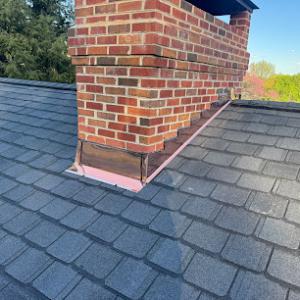
Shiner Exteriors
(703) 783-6350 shinerexteriors.com
22735 Executive Dr STE 180, Sterling, Virginia
4.8 from 350 reviews
Shiner Exteriors is a trusted Sterling roofing company offering a reliable choice for homeowners needing exterior upgrades. Located in Sterling, VA, we proudly serve Northern Virginia, Washington, D.C., and Maryland. Our commitment to quality is evident in our customer service, warranty protection, and industry certifications. We provide a thorough approach to exterior renovations, focusing on roofing, decks, doors, gutters, siding, and windows. Whether you need a minor repair or a full-scale renovation, Shiner Exteriors is here to help. Contact us today to get a quote for your home exterior project with confidence.
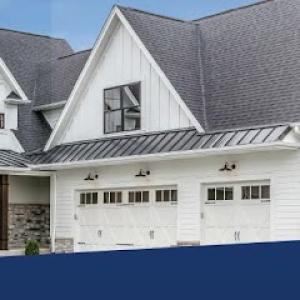
NV Roofing
43671 Trade Center Pl #142, Sterling, Virginia
4.7 from 204 reviews
Roofing, Siding, Windows, and Gutters for home and commercial clients. Serving NoVa, DC, and MD since 1963. We promise responsive communications delivered with exceptional results.
A Atlantic Services
(703) 586-0506 aatlanticservices.mobi
23293 Rogerdale Pl, Sterling, Virginia
5.0 from 24 reviews
Family owned and operated with quality and integrity since 2005.
RNC Roofing & Construction Group
(703) 964-6233 therncgroup.com
22900 Shaw Rd suite 112-5, Sterling, Virginia
4.8 from 44 reviews
At RNC Roofing and Construction Group, we specialize in high-quality roof installations, repairs, and replacements in Northern Virginia and Maryland. Our licensed and insured team provides fast, reliable, and affordable roofing solutions for homeowners and businesses. Whether you need a full roof replacement, emergency roof repairs, or storm damage assistance, we’ve got you covered! Contact us today for a FREE roof inspection!
S&K Roofing, Siding & Windows
(888) 994-8303 www.skroofing.com
23585 Overland Dr #104, Sterling, Virginia
4.8 from 45 reviews
Worry Free. Guaranteed. S&K Roofing, Siding and Windows' Northern Virginia branch provides a wide range of exterior home and commercial exterior replacements. Services include roofing, siding, windows, doors, skylights, gutters, decks, and attic insulation. S&K is family owned and operated, and has served the area since 1980. Visit the website for additional information, to request and estimate, and to see examples of our work.
Ridgeline Roofers
(703) 884-2484 www.ridgelineroofers.com
21248 Mirror Ridge Pl, Sterling, Virginia
5.0 from 18 reviews
If you're in need of roof, gutter or siding repairs or replacement then call Ridgeline Roofers, a family-owned and operated roofing contractor in Leesburg, Ashburn or Sterling, VA. We owe all of our success to you, our Ashburn, Leesburg and Sterling customers who support us and we want to thank you! The highest compliment we receive is the trust in your referral and we truly appreciate your support!
Rain Guard Roofs
(571) 867-1776 rainguardroofs.com
1104 N Argonne Ave, Sterling, Virginia
4.8 from 20 reviews
Rain Guard Roofs is a trusted roofing brand in Sterling, VA, specializing in top-quality roof installations and repairs. Our team of experienced and skilled roofing professionals takes pride in delivering exceptional service and craftsmanship to ensure your roof is always in top shape. We use only the highest quality materials and innovative techniques to ensure that your roof stands up to the harshest weather conditions. From leak detection and repair to complete roof replacements, Rain Guard Roofs has you covered. Our team is dedicated to providing personalized service and attention to detail to every project we take on, no matter how big or small. You can trust Rain Guard Roofs to keep your home or business safe and secure.
Virginia Home Services
(571) 310-3240 virginiahomeservices.info
10 Pidgeon Hill Dr Ste 40, Sterling, Virginia
4.9 from 10 reviews
A local Complete Home improvement company with over 20 years in business working with both residential and commercial domiciles in the DMV. We handle Complete Home Remodels, Roofing, Insurance Restoration, Repairs, Painting and exterior projects. Pretty much a one stop shop for any home improvement and repair projects you may need now and or down the road! Contact us today for a free consultation!
Prime Exteriors
(703) 286-9498 www.primexteriors.com
Serving
4.8 from 29 reviews
At Prime Exteriors, we believe in treating every client with the highest level of professionalism and honesty, as we know that dealing with someone you can trust is of utmost importance. Founded by lifelong NOVA residents with over 40 years combined industry experience throughout Ashburn, Leesburg, Sterling, and the surrounding Virginia areas, we offer full-service exterior remodeling services for homeowners, business owners, and property managers. For windows, doors, siding, gutters, and more, call Prime Exteriors.
Dulles Roofing
(703) 817-6275 www.dullesroofing.com
Serving
5.0 from 205 reviews
We are a roofing company that specializes in roof replacements. We serve Fairfax County and Loudoun County. Our crews are highly trained roofing professionals. We offer long-term roof warranties. Class A licensed and insured to do all types of residential and commercial roofing.
Sterling's mix of hot summers and cold winters, paired with regular precipitation, drives how every roofing material behaves. In this market, the same roof must endure repeated expansion and contraction as temperatures swing from sweltering heat to chilly cold, all while continually managing moisture exposure from wind-driven rain. Asphalt shingles and metal roofs are common choices because they respond predictably to temperature shifts, but each material handles moisture, wind, and aging differently. A roof that breathes well and resists ice damming in winter will stay flatter and tighter through spring's rainstorms and summer's heat, reducing edge wear and edge curling.
The dominant residential roofing mix includes asphalt shingles, metal roofing, clay tile, concrete tile, wood shakes or shingles, and synthetic or composite shingles. Each material brings a distinct balance of wind resistance, weight load, and thermal behavior. Clay and concrete tiles handle heat well and offer excellent longevity, but their weight and installation rigidity can make them less forgiving in storm-driven wind if not properly secured. Wood shakes provide a classic look but demand careful maintenance to prevent moisture absorption and splitting. Synthetic or composite shingles aim to blend durability with lower maintenance, often offering better wind resistance than traditional asphalt in some installations.
Because wind-driven rain is a regular stressor, the edge detailing, fastener patterns, and underlayment choice matter. In Loudoun County's climate, you'll notice that roofs with integrated moisture barriers and properly vented attics perform more reliably during rapid weather changes. For shingles and shakes, look for systems that emphasize wind uplift resistance and corner and ridge detailing that minimizes water intrusion during heavy storms. Tile systems, while durable, rely on precise installation to prevent cracked tiles during wind gusts; ensure the substrate is solid and that installation includes appropriate sealants and lappings to keep out driven moisture.
When evaluating replacements, consider how a material handles expansion and contraction over decades of seasonal swings, not just initial appearance. The best choice balances wind resilience, moisture management, and temperature performance for a mature suburban roofscape. In practice, that means checking for a robust underlayment, solid fasteners, and well-sealed penetrations, along with a roof system that matches the home's climate expectations and structural limits.
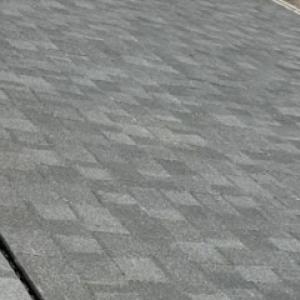
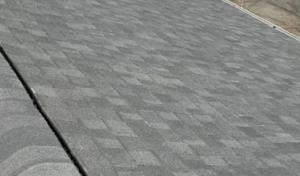
The most popular roofing material in the US. Find pros who install, repair, and replace asphalt shingles.
Roofing & More
(703) 467-0206 www.roofingandmoreinc.com
1323 Shepard Dr STE J, Sterling, Virginia
4.9 from 494 reviews
RNC Roofing & Construction Group
(703) 964-6233 therncgroup.com
22900 Shaw Rd suite 112-5, Sterling, Virginia
4.8 from 44 reviews
S&K Roofing, Siding & Windows
(888) 994-8303 www.skroofing.com
23585 Overland Dr #104, Sterling, Virginia
4.8 from 45 reviews
Spring arrives with a mix of sunny days and sudden squalls, a pattern that shapes reroofing in this area. The frequent wind-and-hail insurance activity means storm damage can show up gradually after a wet spell or become evident only after a strong gust that rattles shingles. A practical approach is to inspect after each major storm, focusing on missing granules, curling edges, and any dented metal detailing around vents and flashing. If a homeowner's claim is filed, keep a detailed log of dates, storm names if known, and any downstream effects like interior water marks. Scheduling work in spring hinges on tolerating intermittent rain; plan for patchable days, with crews ready to pause and tarp exposed areas to prevent interior leaks. For Sterling homes with steep pitches or older decking, consider staging the project in longer, more predictable sequences rather than sprinting through a single week.
Summer brings heat and humidity, which slow installation and complicate material handling on the roof. Concrete and clay tiles, in particular, can become fragile when temperatures spike, so crews often adjust hatch times to cooler mornings and late afternoons. Storm windows still matter: a sudden, severe shower can halt progress and require re-sequencing of tasks, from underlayment to panel placement. Documentation routines become critical in this season as well; any hail events should be logged with photographs of attic or interior leaks that appear during the hottest days, since heat-driven expansion can exaggerate small preexisting imperfections. If a replacement is insurance-driven, aim to align sequencing with lender or insurer expectations, ensuring that temporary fixes do not create a false sense of completed work while waiting on approvals.
Fall is a favored replacement window because cool, dry days reduce roof-surface sweating and moisture buildup. However, heavy rain and wind events can compress the workable season before winter cold, snow, and ice set in. Plan for narrower weather windows and keep contingencies for early shutdowns if a string of storms hits. Fall inspections should verify that all penetrations, slopes, and transitions are sealed before a potential freeze, as freeze-thaw cycles increase the risk of leaks if any detail is left unattended. For storm-related claims, prepare a rapid-response plan: a contractor on standby and a documented intake process to accelerate approval and start dates, while maintaining thorough notes on any extent of damage.
In all seasons, precise documentation is the backbone of an insurance-driven roof replacement. Capture high-resolution photos from multiple angles, with timestamped shots of every damaged area, including interior signs of water intrusion. Keep a running log of storm dates, wind speeds when available, and any prior maintenance that might influence damage interpretation. When negotiating with insurers, align the documented condition with the reported events and ensure the anticipated scope matches observed damage. Timely communication with the restoration team is essential to minimize exposure to weather and to keep the project on a steady, recoverable pace.
In Sterling, repeated wind events make missing or lifted shingles a recurring trigger for inspections and insurance conversations. A single gust can peel back a corner or allow moisture to migrate under the surface, quietly compromising underlayment and decking. The result is not always visible from the ground, which means later when leaks appear or hail claims are filed, the root cause becomes a source of negotiation rather than a simple fix. Regular, careful inspections after storms help catch these issues before they snowball into mold, rot, or extended roof downtime. If curls or lifting are noticed, address them promptly and document the area with photos to support any insurance review.
The local permit inspection process specifically checks ventilation and flashing at final inspection, reflecting how often these details matter in successful reroof outcomes here. Poorly vented attics trap heat and moisture, accelerating shingle deterioration and deck rot. Flashing around chimneys, valleys, and vents is where leaks commonly begin, especially after wind damage or heavy rain. A contractor who prioritizes precise flashing installation and attic vent layout reduces the chance of recurring leaks and costly callbacks. Keep a close eye on any signs of rusted nails, loose metal, or a top edge that shows signs of movement after storms.
Regular precipitation combined with winter freeze conditions in Sterling increases the importance of underlayment integrity during full replacement. If the underlayment is compromised, moisture can creep even through seemingly sound shingles, freezing into ice dams or expanding cracks. Choose a system with a robust, wind-resistant underlayment and ensure overlaps and sealant joints are handled correctly at all penetrations. A careful installation now saves the hassle of patching leaks during a mid-winter spell and reduces the risk of interior damage that can linger well after the roof is deemed weatherproof.
Skylights show up in Sterling projects with notable frequency, enough to be a recognizable specialty among local contractors. When planning a reroof that includes skylights, verify that the flashing around each unit is specifically designed for skylight transitions and that the curb or flush-mount details are compatible with the chosen roofing material. Insist on proper daytime sun exposure checks and ice-dam prevention measures where skylights sit in valleys or near dormers. A misfit skylight can become a chronic leak point after spring winds.
Flat and low-slope roofing is a visible specialty in this market, reflecting the mix of additions, porches, and attached structures. Expect more transitions where a low-slope section meets steeper main roofs. During replacement, ensure the edge details, parapets, and drainage runs are precisely flashed and sealed. Pay particular attention to roll roofing or single-ply transitions at eaves and valleys, where glare from storm activity can stress sealants and fasteners over time. Clear, accessible deck surfaces help inspectors and owners verify the integrity after hail events.
Because roof penetrations and low-slope transitions deserve extra scrutiny during reroofs, plan a meticulous inspection of all flashing around skylights, chimneys, vents, and edge metals. In Sterling, wind-driven debris can loosen any loose flashing, lifting around low-slope interfaces. Document prior repairs thoroughly and verify that sealants are compatible with the chosen roofing system. After a storm, focus on skylight seals and parapet return flashings, and consider temporary protection if a full roof replacement faces a weather window constraint.
Find contractors experienced in skylight installation, flashing, and leak repairs to bring natural light into your home.
DryHome Roofing & Siding
(703) 230-7663 www.dryhome.com
45921 Maries Rd #100, Sterling, Virginia
5.0 from 535 reviews
Roofing & More
(703) 467-0206 www.roofingandmoreinc.com
1323 Shepard Dr STE J, Sterling, Virginia
4.9 from 494 reviews
A Atlantic Services
(703) 586-0506 aatlanticservices.mobi
23293 Rogerdale Pl, Sterling, Virginia
5.0 from 24 reviews
When a wind or hail event rattles your neighborhood, the adjuster visit can set the pace for whether a repair or a full replacement happens first. In Sterling, the ramp-up between storm date, claim filing, and the adjuster's inspection often hinges on the specifics of the policy and how quickly the carrier can send someone out. Expect delays if the weather window compresses or if multiple homes in the same subdivision are file-heavy. You should plan for a decision timeline that aligns with how the policy defines covered repairs versus replacements, rather than hoping for an immediate verdict on site.
Recent roof condition assessments can matter in Sterling-area claims because carriers may ask for evidence that damage was caused by a covered event rather than prior wear. Keep your own records of maintenance, the age of materials, and any prior leaks or buckling patterns. A well-documented claim helps prove that the damage aligns with the storm event, not gradual deterioration. If a prior assessment exists, have it ready to contrast with the post-storm findings.
The local claims environment makes photo documentation before and after storms especially valuable for homeowners in Sterling. Take wide-angle shots of the entire roof, close-ups of lifted shingles, granule loss, and any interior signs of water intrusion. After the storm, repeat the process and tag each image with dates and locations. Clear visuals can support the narrative that a covered event caused the damage, which can influence the claim outcome and subsequent replacement timing. In Sterling, a disciplined photo log often becomes the deciding factor when the line between repair and replacement is blurred.