Last updated: Apr 19, 2026
Leesburg's highest roofing risk period is spring, when Northern Virginia storm systems roll through with hail and wind that routinely trigger inspections, temporary tarping, and insurance claims. That means if you notice granule loss, dented shingles, or a sheathing edge lifting after a Nor'easter or strong line of thunderstorms, act fast. The goal is to document damage while it's fresh and before damp air or new thunderstorms complicate clear assessment. Local roofs already weather seasonal swings, so a swift, documented response reduces the chance of gaps in coverage or delayed repairs when the first warm days arrive. Don't wait for the next storm to assess the roof as if it could weather another season unscathed.
In this market, insurers frequently ask for specific details to validate damage and establish a claim path. You should have ready the roof's age, the material type, and a concise history of wind or hail events that affected your home. A log of storm dates, approximate time frames, and any prior repairs can streamline the process. Because springstorms in this area often hit quickly and leave noticeable marks, gathering this information into a clear, chronological record helps the adjuster see the pattern of damage. The more you document now, the smoother the claim review tends to be, reducing the risk of back-and-forth requests during peak processing periods.
Because summer thunderstorms are frequent in this region, storm-related roof work can be delayed even after an approval, making early documentation especially important. Start with current photos from multiple angles: high-resolution shots of fascia, gutters, shingle edges, and any visible leaks or staining inside the attic. Note signs of water intrusion, even if dramatic leaks aren't present yet. Keep a simple journal of follow-up events, such as temporary tarping, contractor visits, and any weather that seems to worsen the condition. If a claim is filed, having these records organized by date and event makes it far easier for the insurer to verify the damage and for a contractor to prepare a precise scope of work.
Spring damage needs timely action, but the Leesburg climate can push work back into late spring or early summer as crews juggle multiple claims and weather delays. The risk is that ongoing moisture, rapid temperature swings, and repeated afternoon storms shorten ideal workdays and complicate material installation. Planning around weather windows is essential: you want to start temporary repairs when necessary to prevent further interior damage, but you also need to avoid rushing a permanent fix into a wet or unstable wall sheathing. Having a documented plan and a prioritized sequence of steps helps ensure the job progresses when ventilation, access, and safety align.
Begin by surveying the roof for obvious damage after any significant spring storm and photograph with a date stamp. Create a simple damage timeline: note when you first observed issues, when the insurer provided an approval, and when contractors entered the property. If you have experienced wind or hail events in the past, record those dates as well, since insurers often weigh history alongside current damage. Contact a local, trusted roofing contractor early to come out for a non-pressured assessment that can be used to support a claim or a recommended temporary tarping plan. In conversations with your insurer, reference the spring risk pattern and the frequent summer delays to underscore the urgency of fast, documented actions.
Last Call Exteriors
(703) 345-8709 lastcallexteriors.com
18 Liberty St SW, Leesburg, Virginia
5.0 from 69 reviews
Last Call Exterior is a premier roofing company serving Leesburg, VA, and the surrounding areas. We specialize in providing top-quality roofing solutions tailored to meet the demands of residential roofing and commercial clients. Our experienced team at Last Call Exteriors is dedicated to delivering exceptional craftsmanship, using only the best materials to ensure durability and aesthetic attraction. From roof repairs and roofing replacements to new installations and routine maintenance, we offer comprehensive services to protect and enhance your property. At Last Call Exterior we strive to exceed expectations with every project. Trust us to keep your home or business safe, secure, and looking its best.
Loudoun Roofing
(571) 508-8642 www.loudounroofinghic.com
Leesburg, Virginia
4.9 from 66 reviews
Loudoun Roofing is your top choice for expert roofing services in Leesburg, Virginia, and surrounding areas. Specializing in metal roofing, roof repair, asphalt shingles, and both residential and commercial roof replacements, we deliver unrivaled craftsmanship and customer service. Whether you need roof leak repair, a new roof installation, or routine maintenance, our fully licensed and insured team ensures your project meets all safety and compliance standards. We use premium materials from trusted brands like GAF Timberline HDZ® and Owens Corning Duration® to provide durable, high-quality solutions. Contact us for a free inspection and estimate.
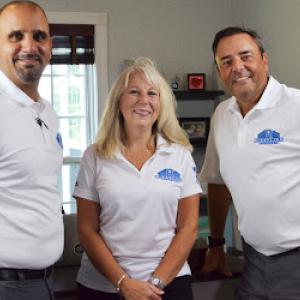
Ashburn Pro Roofing
(703) 345-0601 www.ashburnproroofing.com
43017 Dearmont Terrace, Leesburg, Virginia
4.9 from 56 reviews
Ashburn Pro Roofing (owened and operated by Ridgeline Roofers) is a roofing contractor that provides roof repair, roof replacement, siding repair and replacement, and gutter services. We're working extremely hard to be the #1 service provider in Ashburn, Leesburg, Sterling and all other towns in Loudoun county. Please call us for all your repair and replacement needs. Thank you, the Ashburn Pro Roofing team.
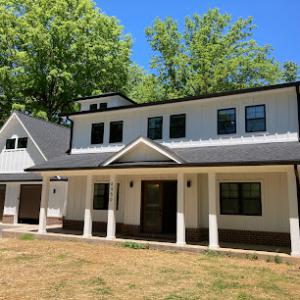
Potomac Roofers & Builders
(703) 624-8382 www.potomacrb.com
16348 Limestone Ct, Leesburg, Virginia
5.0 from 26 reviews
Roofing, Siding, Gutters and Windows installer.
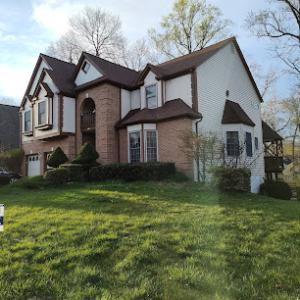
Cornerstone Building & Restoration
(703) 930-4472 www.cornerstonebuild.com
722 E Market St Suite 102, Leesburg, Virginia
5.0 from 17 reviews
Cornerstone Building & Restoration is a family owned business that has been serving customers for over 34 years in the mid Atlantic states. We have the expertise and skills needed for all your exterior restoration projects to improve and protect your home. Using the industries finest materials and providing the highest quality workmanship we stand behind our work with extensive warranties. Specializing in many types of roofing, siding and gutters, we strive to make lasting improvements that increase your property value and aesthetics while weathering the test of time. Along with our many specialty licenses and certifications we also have inspectors who are HAAG certified to identify any storm related damage that can shorten the life of you
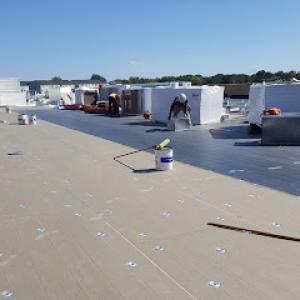
Columbia Roofing & Home Improvement
(571) 246-6856 columbiaroofingva.com
Barksdale Dr, Leesburg, Virginia
4.8 from 25 reviews
Since 1983, our family owned business has provided Northern VA with residential and commercial roof replacements, installations, repairs and certified inspections. We are fully covered by workers' compensation, liability and umbrella insurance. We hold Class A licensing in both Virginia and West Virginia. Our company specializes in a wide variety of roofing materials. Including asphalt shingles, stone slate, synthetic slate, wood shakes, synthetic wood shakes, epdm membranes, mod bit, coatings and metal roofing. We provide a 7-year labor warranty on all standard residential asphalt shingle roof replacements. Additional Contact Info: Andrew Smigelski (Owner): 202-374-6759 Garrett Smigelski (Operations Manager): 571-246-6856
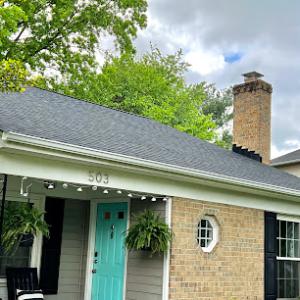
Larry Doyle Roofing & Gutter
(703) 444-9153 www.roofinggutter.com
Leesburg, Virginia
4.5 from 39 reviews
Larry Doyle Roofing & Remodeling is a full service roofing and remodeling contractor based in Ashburn, Virginia. We offer solutions for all home improvement jobs. Larry Doyle specializes in roofing, guttering, siding, windows and more. We are a locally family owned & operated roofing company. Owner, Larry Doyle, began this business in 1987 after working with other contractors and seeing a need for high quality roofing work, at a fair price. Since the owners grew up in the area, they are well versed with the local housing conditions and requirements.
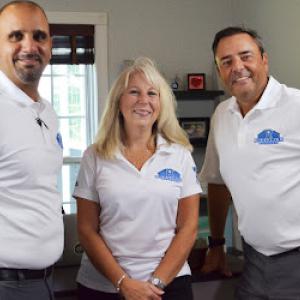
Ridgeline Roofers
(703) 454-8334 www.ridgelineroofers.com
Serving
4.9 from 83 reviews
If you're in need of roof, gutter or siding repairs or replacement then call Ridgeline Roofers. We're a family-owned and operated roofing contractor operating in Leesburg, Ashburn or Sterling, VA. We owe all of our success to you, our Ashburn, Leesburg and Sterling customers who support us and we want to thank you! The highest compliment we receive is the trust in your referral and we truly appreciate your support!
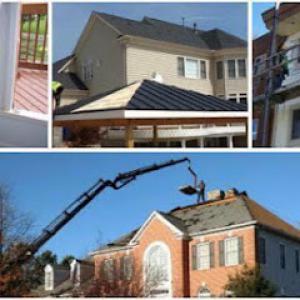
Prime Exteriors
(703) 286-9498 www.primexteriors.com
Serving
4.8 from 29 reviews
At Prime Exteriors, we believe in treating every client with the highest level of professionalism and honesty, as we know that dealing with someone you can trust is of utmost importance. Founded by lifelong NOVA residents with over 40 years combined industry experience throughout Ashburn, Leesburg, Sterling, and the surrounding Virginia areas, we offer full-service exterior remodeling services for homeowners, business owners, and property managers. For windows, doors, siding, gutters, and more, call Prime Exteriors.

Russell M Smith Construction
(703) 669-1105 www.rmsmithconstruction.com
Serving
4.8 from 19 reviews
Russell M. Smith Construction, Inc. is a family-owned roofing contractor based in Ashburn, VA with over 36 years of experience specializing in roof installation and roof replacements. We serve homeowners across Northern Virginia with reliable roof inspections and full roof replacement services. We’re known for clear communication, jobsite professionalism, and completing projects on schedule. Every roof is completed to high standards using quality materials, and we’re always available to walk you through the process from start to finish.
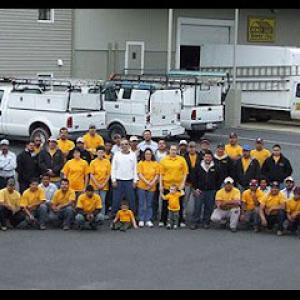
Loudoun Valley Roofing
(540) 338-4400 www.lvroofing.com
Serving
4.7 from 84 reviews
Loudoun Valley Roofing is a family-owned and operated roofing company located in Purcellville, VA. The business was started in 1984 by owner Matt Posey from 1984 until 2014. Over those 30 years, Matt built the company to employee over 35 full-time staff who were like family to him. Within the community that Matt helped build, he and the company earned a reputation for craftsmanship. With Matt’s passing in late 2014, he left the business in the capable hands of his daughter and longtime Office Manager Heather Campbell. Since taking over the business, Heather has maintained the core values instilled by her father and the business has continued to grow and provide the same high level of service to its customers.
DryHome Roofing & Siding
(703) 230-7663 www.dryhome.com
Serving
5.0 from 535 reviews
For over 35 years, DryHome Roofing & Siding, Inc. has been providing homeowners and businesses in the Northern Virginia area with quality work while promoting an honest and reliable service.
Spring and fall are the established reroofing windows in this area because crews avoid peak summer humidity and winter freeze-thaw complications. When planning a replacement, target a stretch between late April and early June or from late September through late November. Those periods give crews solid temperatures for sealants and underlayment to perform properly while reducing the risk of weather-driven delays. If a storm-impacted roof is involved, the calendar tightens and timing shifts toward the earliest dry spell after debris clearance and a thorough assessment.
Spring in this region brings frequent hail events and quick-changing skies. After a major storm, the first priority is documenting damage with clear photos of the roof, gutters, and any interior signs of leakage. Insurance-documented work often hinges on timely photos and notes from a licensed professional. If you confirm storm damage, coordinate with the contractor to set a target start date that stays within the spring window. Temporary measures, like tarps, should be arranged promptly to protect vulnerable areas while awaiting the go-ahead for work. Expect crews to prioritize damaged sections first, but keep the schedule flexible enough to accommodate weather gaps without leaving underlayment exposed longer than necessary.
Summer heat and the frequency of afternoon thunderstorms in this area can interrupt tear-off schedules and extend the project timeline. Under typical conditions, tear-offs proceed in mornings and early afternoons to avoid peak heat, with secure containment and safety plans in place for sudden weather shifts. If a storm rolls through, crews pause to protect exposed decking and flashing with temporary covers, then resume as soon as the site is safe. The key is building in buffer days for heat and storm delays, so the calendar remains realistic rather than locked to a best-case forecast that rarely holds.
Fall leaf drop and moisture are a real local issue because debris can affect deck and underlayment readiness before installation. Plan the replacement so that nearby trees are pruned or cleaned of leaves before work begins, reducing debris that can trap moisture on the roof deck. Scheduling in late September or early October often yields the most favorable conditions: cooler days, lower humidity, and fewer sudden storms, while letting crews complete installation before mid-winter risk rises. If leaves are heavy on the approach to installation, consider a brief maintenance window to clear the debris and protect the work zone, ensuring a smooth deck-to-shingle transition.
For projects tied to weather and insurance, establish a clear line of communication with the contractor about weather contingencies and inspection milestones. Before work starts, request a written sequence of steps for tear-off, decking inspection, flashing replacement, and shingle installation. On the insurance side, keep a running log of weather delays, storm timing, and any temporary repairs, with dated photos. This documentation helps ensure the project stays aligned with expected weather windows and reduces friction if a claim review occurs. Throughout the process, stay in touch with the contractor to confirm that each phase-tear-off, deck repair if needed, underlayment, and final installation-occurs within the agreed window, taking full advantage of Leesburg's favorable spring and fall conditions while mitigating summer and winter risks.
In the older in-town blocks, slate and wood roofs still punctuate the skyline, lending character to historic façades. Those roofs require attentive upkeep and an informed replacement approach, since matching textures and profiles matters for curb appeal and compatibility with historic detailing. By contrast, newer subdivisions in Loudoun County lean toward asphalt shingles for practical, durable replacements that fit contemporary budgets and schedules. The mix in this area is broader than many Virginia markets, with metal, clay tile, concrete tile, wood shingles or shakes, and slate all playing meaningful roles depending on the home's age and original design intent. The result is a neighborhood mosaic where a homeowner's choice can be guided by preserving the historic look or aligning with modern performance expectations.
Where the house sits near the historic core, material choice often aims to respect architectural lineage. Slate remains a natural fit for restoration on period homes, and wood shingles or shakes can be appropriate where authenticity and texture are paramount. In newer Loudoun County developments, asphalt shingles provide straightforward replacement options with wide color and profile variety, while metal roofs answer needs for longevity and a distinctive profile. Clay and concrete tiles bring a Mediterranean or classical vibe that can suit certain estate-scale homes or renovations, but installation compatibility with existing rooflines and attic space is a crucial factor. This broader material mix means a Leesburg project can smoothly blend tradition with modern resilience when selecting a replacement.
The local climate brings a full seasonal cycle: spring hail, humid summers, leaf-laden falls, and freeze-thaw winters. That combination highlights the importance of selecting materials that handle wind and impact well, resist moisture ingress, and maintain performance through cycles of freezing and thawing. Historic settings may favor materials that age gracefully and maintain near-original appearance, while newer homes can leverage modern laminates and underlayment systems for enhanced water management. In both contexts, ensuring proper roof ventilation, attic insulation, and secure fasteners reduces vulnerability during storm events and helps maintain energy efficiency through Leesburg's seasonal swings.
For an older home with historic detailing, consult a skilled roofer experienced in heritage work to preserve lines, rake detail, and eave overhangs while upgrading underlayment and flashing for modern protection. If the aim is a sympathetic replacement in a historic setting, look for profiles and colors that harmonize with neighboring structures while providing improved wind resistance. In suburban settings, prioritize durability and installation oversight-especially with larger tiles or metal panels that demand precise substrate preparation and clip systems. Across both contexts, plan annual inspections after storms and leaf-heavy seasons to catch damage early and keep the roof performing through Leesburg's climate.
In Leesburg, cost expectations vary widely because the local market includes basic asphalt reroofs as well as slate and tile replacements on higher-value homes. That mix means you'll see a broad spread from affordable to premium options, even within one neighborhood. Historic-style homes and steeper rooflines found in parts of town can push labor time higher and lift overall project hours compared with straightforward subdivision reroofs.
Asphalt shingles sit at the lower end of the spectrum, typically running from 350 to 700 USD per square. This is common for many Leesburg neighborhoods where replacement is straightforward and the roofline is not unusually complex. Metal roofing sits higher, generally 700 to 1,200 USD per square, offering longer life and better wind resistance-worth considering if your roof path faces frequent spring storms or harsh summer heat.
Clay tile and concrete tile present distinct choices for high-value homes. Clay tile generally ranges from 900 to 1,400 USD per square, while concrete tile sits around 700 to 1,200 USD per square. The premium for tile tends to come with weight considerations and roof slope, which are more common in Leesburg's historic districts. Wood shingles or shakes span roughly 600 to 900 USD per square, appealing for character but requiring maintenance and careful installation on steeper pitches. Slate, the top tier, runs from 1,200 to 2,100 USD per square and is usually reserved for architecturally appropriate homes or renovations aiming for longevity.
Storm-driven demand spikes in Northern Virginia can push scheduling pressure and pricing, especially after spring hail or wind events. If a storm hits, expect quicker decisions from insurers and crews, which can tighten windows for working between wet springs and fall leaf cycles. In practice, you'll want to line up a trusted local crew ahead of spring and be prepared for potential lead times if a hail event creates a backlog.
Start by matching your home style and roof height to the material tier that fits your goals, then add 10-15% for scheduling volatility tied to storm season. For historic homes or steep slopes, factor in additional labor time and potential reinforcement needs, which can nudge the total upward compared with a standard subdivision reroof. Finally, collect multiple quotes that itemize shingle type, underlayment, fasteners, disposal, and any required deck or fascia work to avoid surprises.
Get a clear picture of your project costs upfront - no commitment required.
Residential reroofs in Leesburg generally require a building permit through the Town of Leesburg in Loudoun County. The process starts before any nail is driven, not after. If the permit is delayed or skipped, you risk stop-work orders, fines, and a much heavier bill to bring the project into compliance later. In practical terms, you should expect to file for a permit and be prepared to show the project scope, including roof replacement dimensions, the roofing material you plan to install, and the contractor's license and information. Delays often cluster around heavy spring schedules or late-fall flushes when permits are in high demand, so plan with the weather window in mind.
The local process typically involves submitting project scope and contractor details before work begins. That means your contractor should provide a clear scope of work, including the exact material type, any attic or vent work, and a rough timeline. You'll also need to verify the contractor's license status and proof of insurance. Submitting early can prevent mid-project headaches if weather shifts or inspections are required to be rescheduled. In Leesburg, the review can take a little time, so align your start date with an anticipated inspection window rather than chasing a rushed spring or fall push.
Leesburg inspections commonly include an underlayment or rough-in stage and a final roof inspection. The underlayment/rough-in inspection checks that the roof deck is sound, that underlayment is installed properly, and that roof penetrations (vents, chimneys, and flashings) are correctly placed for future protection. The final roof inspection verifies the completed roof meets the local code, confirms proper ventilation, and confirms flashing and ventilation work are up to standard. Local enforcement focuses on underlayment quality, attic ventilation, flashing integrity, and contractor license verification. If anything fails, a re-inspection is usually required after corrections are made, which can extend timelines and labor costs.
Spring to fall is the practical weather window for roof work, given Leesburg's four-season pattern-hail risk in spring, humid summers, leaf-laden falls, and freeze-thaw cycles in winter. Scheduling around that window reduces risk of weather-driven damage and ensures inspections can proceed without weather-induced delays. If a storm or hail event occurs, documenting damage promptly helps with both permitting updates and potential insurance work, but never begin without the permit in hand. A well-timed plan that lines up with permit issuance, inspection availability, and favorable weather reduces the chance of delays turning into weeks-long blocks.
Northern Virginia carriers commonly evaluate roof age, material, and prior wind or hail exposure when underwriting or renewing coverage for Leesburg homes. That scrutiny grows after a storm, when the pattern of wear can shift your options. The more you document, the clearer the picture for adjusters and your insurer, and the less room there is for surprises down the line.
Claim activity can affect deductibles and coverage options in this market, so Leesburg homeowners need dated photos and condition records before and after storms. Maintain a current set of high-quality photos of your attic, ceilings, and any visible roof areas, plus a simple catalog of materials and approximate age. Clear, time-stamped images taken from the ground and from the attic can save disputes about what existed before the event.
Adjusters serving this area may ask for a roof condition report or photo set before finalizing settlements. Ensure your documentation captures both visible exterior damage and any interior signs of leakage or moisture. If a contractor has already provided an inspection, keep that report alongside your own records for cross-checking values and findings.
Create a labeled binder or digital folder with storm dates, weather notes, and any prior repairs. After a hail or wind event, photograph the roof from multiple angles, then document interior signs of damage. If you have previous insurance claims, compile those files as well to show history and consistency. In this market, thorough records often translate into smoother, faster settlements and fewer later disagreements.
Connect with contractors who help homeowners navigate the claims process from damage assessment to final approval.
Last Call Exteriors
(703) 345-8709 lastcallexteriors.com
18 Liberty St SW, Leesburg, Virginia
5.0 from 69 reviews
Potomac Roofers & Builders
(703) 624-8382 www.potomacrb.com
16348 Limestone Ct, Leesburg, Virginia
5.0 from 26 reviews
In Leesburg, attic ventilation is more than a comfort feature; it is coded and performance-critical during reroofing. Hot humid summers push moisture upward, while cold winters pull outside air through attic vents. A balanced mix of intake and exhaust vents helps keep attic temperatures closer to the living space and reduces condensation that can compromise sheathing and insulation during reroofing. When the roof is opened, correcting venting is often the simplest way to prevent future problems.
Seasonal Impacts on Ventilation and Flashing
Winter freeze-thaw cycles here can worsen flashing gaps and small water-entry points that were manageable in warmer months. Ice dam risk grows when attic ventilation is poor, or when soffit and ridge vents are blocked by insulation or dust. In spring, spring hail and warm spells test roof seams; ensuring flashing laps and step-flashes are fully sealed becomes crucial as temperatures swing. Proper flashing that accommodates seasonal movement helps avoid slow leaks.
The local inspection process specifically emphasizes ventilation and flashing details, reflecting how often these details drive roof failures in this climate. Expect inspectors to probe attic ventilation balance, vent sizing, and the condition of chimney and vent flashing, plus any signs of moisture staining around penetrations. Catching these issues early can save expensive fixes later, especially after winter.
If reroofing is warranted, coordinate ventilation upgrades with the crew and specify continuous soffit intakes and ridge or turbine exhaust where appropriate. Plan around the town's spring-to-fall weather window, aiming to complete shingle work before the cold snaps return. A small uptick in attention to attic health now pays dividends when a storm rolls through. Keep an eye on vent cleanliness and debris.
Leesburg sees a steady stream of storm-response roofers after every big hail event or wind storm. In this market, execution reliability often trumps price, because quick cleanup and solid reroofing in tight schedules are what you'll rely on for months of pounding spring weather into late fall. When screening, look for firms that can demonstrate a track record of keeping to a clean job site, safeguarding landscaping, and returning to address any post-installation concerns without hesitation.
A warranty that sits on a shelf until spring comes around is hardly a value in a climate with freeze-thaw cycles and leaf-heavy seasons. When you review warranties, push for details on coverage timelines, what is considered workmanship versus material failure, and what steps the contractor will take if an issue arises during a windy week or a hail-streak season. Ask for written proof of the manufacturer's warranty transferability and any limitations that apply to our typical Leesburg exposure, such as tree debris or seasonal maintenance requirements.
Because Leesburg has a high concentration of storm-response roofers, homeowners should verify who will actually pull the permit and appear on inspection records. Confirm the crew's composition: who will be on-site during the install, who handles debris removal, and who takes responsibility for flashing details around chimneys and skylights in our older housing stock. Long-established and family-owned firms are notably present, and those firms often bring continuity, accountability, and a straightforward line of communication-factors that matter when warranty follow-through is needed.
In this climate, the window from late winter through fall is your best bet for project completion and dry-weather days. Ask for a realistic timeline based on current weather patterns and ensure the contractor has a plan to protect your home during storms and to address any moisture-driven concerns promptly. A locally aware crew will prioritize sites with mature trees and historic-appeal roofs, where proper flashing and attic ventilation are essential to long-term performance.
Though the town leans toward pitched roofs, certain properties- additions, porches, and mixed residential-commercial buildings-still create practical low-slope sections. In these cases, you may encounter flat or near-flat portions that are best addressed with purpose-built coverings rather than trying to fit a standard steep-roof solution. The choice often hinges on the specific structure and the way rainwater and snowmelt flow toward gutters and downspouts. When you see these areas, focus on proper drainage details, edge terminations, and compatibility with adjacent pitched roofs to keep a cohesive appearance and dependable performance.
Local contractor signals show flat-roof and coating services are present but secondary compared with storm repair and standard reroofing. Coatings can extend the life of a low-slope surface, particularly for aging membranes or built-up systems, but they are usually part of a broader repair plan rather than a stand-alone replacement strategy. In readings from Leesburg projects, coatings tend to be most effective when there is good substrate condition, a clean surface, and a plan to address flashing and penetrations. For properties that see seasonal temperature swings, a reflective or elastomeric coating can help limit heat gain and manage condensation, but it should be paired with proper detailing.
Leesburg experiences a four-season cycle with spring hail, humid summers, leaf-heavy falls, and freeze-thaw winters. Low-slope areas benefit from scheduling work in the drier, milder window between late spring and early fall, allowing for thorough cleaning, substrate inspection, and flashing repairs before colder temperatures set in. If a storm or hail event damages a flat portion, prioritize timely assessment and documentation so repairs can align with the broader storm-repair workflow common in town.
When talking to a local roofer, verify experience with low-slope systems in mixed housing contexts and confirm a plan for edge detailing, drain integration, and flashing transitions to adjacent pitched sections. Ask about substrate compatibility, estimated surface prep needs, and long-term maintenance considerations specific to Leesburg's climate.
Find specialists in TPO, EPDM, and built-up flat roofing systems for residential and commercial properties.
Columbia Roofing & Home Improvement
(571) 246-6856 columbiaroofingva.com
Barksdale Dr, Leesburg, Virginia
4.8 from 25 reviews