
Last updated: Apr 19, 2026
In Olney, winter snow and ice, spring rain, summer thunderstorms, and autumn wind-driven debris all create different leak triggers across the same year. Each season brings its own threat pattern: ice dams and frozen gutters in winter can force water under shingles; heavy spring rain tests weakened valleys and flashing; summer downpours stress seams and roof-to-wall junctures; and fall winds fling branches that gouge or dislodge roofing materials. The rapid sequence of these events means you can't rely on a single best-guess problem solution. You need a plan that shifts with the calendar and is ready to deploy within hours of a storm.
The local contractor signal mix shows unusually strong demand for emergency repair, storm damage, and insurance-claim help, indicating homeowners often need immediate post-storm roof response rather than purely planned replacements. If you hear that alarm, don't wait for a "perfect day" to check the roof. Start close to the ground: inspect attic insulation and decking for damp spots or new darkness, check around penetrations like vent pipes, chimneys, and skylights, and note any lifted shingles or displaced flashing. A careful, documented assessment helps you separate urgent water entry from a minor cosmetic issue. When you do find active leakage, treat it as a temporary emergency: cover with a sturdy tarp, secure it with heavy-duty nails or boards, and avoid walking on a roof you're not trained to traverse. Your goal is to prevent water from finding its way into living spaces before a professional can seal the problem.
Leaf debris in fall can clog valleys and gutters around Olney homes, worsening drainage during subsequent rain events and increasing the chance of water backup at roof edges and penetrations. If you know autumn winds are coming, clear debris now and monitor debris buildup after storms. Blocked drainage is a leading cause of interior leaks when rain comes back later in the season. Use gutter guards or frequent cleaning to keep pathways clear, and pay special attention to valley intersections, where clogged debris can force water to find alternate entry points along fascia lines and at flashings.
Document everything you see after a storm: time-stamped photos of shingles, flashing, penetrations, and any water staining in the attic. Create a storm-damage log that records dates, conditions, and the exact location of leaks or dampness. This log becomes critical when you contact a contractor or file an insurance claim, helping you articulate the sequence of events and the urgency of repairs. If leaks are active, implement a temporary shield-secure a heavy-duty tarp with wind-resistant fasteners and avoid relying on unanchored canvas covers. When scheduling help, prioritize providers who can respond quickly, assess thoroughly, and guide you through the next steps toward a proper, durable seal that respects the storm-driven cycle you will face again next season.
For Olney homeowners, a full roof replacement typically requires a building permit through Montgomery County Department of Permitting Services rather than a city-run building office. The county process can take a bit longer than a typical neighborhood permit, so plan ahead and start the paperwork soon after choosing a contractor. You'll need to submit project details, including the proposed roofing material and the existing structure's scope. The county focuses on safety, structural adequacy, and proper drainage, so having your contractor provide complete, accurate specifications helps prevent delays. Remember that some rule nuances may apply if the home is older or part of a historic overlay; your inspector may request additional documentation or calculations.
A final inspection is required to close the permit in Montgomery County, so homeowners should confirm the job is not considered complete until inspection sign-off occurs. Do not close out the permit status before the final sticker is issued, and do not assume a temporary certificate allows you to skip the last check. Start planning for the inspection timeline while the crews are finishing the last rows and flashing. It's common to have multiple inspections during a replacement, including rough framing, flashing, and venting checks, especially when replacing underlayment or adding impact-resistant features. A clean, accessible contractor's yard and visible, well-run drainage systems help the inspector verify proper installation without finding avoidable snag items.
Roof work in this jurisdiction must satisfy wind and structural requirements, which matters when replacing heavier systems such as slate, clay tile, or concrete tile on older homes. In practice, that means your project may trigger structural calculations or framing adjustments to support the added weight and wind load. If your home has a history of sag or soft spots, expect closer scrutiny of the rafter spacing, decking condition, and connections to walls and chimneys. Heavier materials also change the way roof edges, hips, and ridges are reinforced, so ensure your contractor coordinates with the inspector on any proposed framing alterations. In addition, consider how the county's wind design standards interact with existing gutter and downspout configurations; improper tie-ins can impact drainage performance and permit compliance.
Begin by securing a written agreement with your contractor that outlines the scope, including material type, overhangs, underlayment, and ventilation. The county will want a clear description of the roof assembly and any structural work, so request stamped calculations if your house is older or has unique framing. Keep a centralized folder of all permit-related documents, including plan reviews, inspection notices, and any correspondence about weather delays or material substitutions. If replacing with premium materials like slate or clay, bring extra copies of product specifications and installation manuals to the permit office and to the inspection day-having exact models and install methods on hand speeds review. Finally, align the project schedule with the county's inspection windows and the upcoming weather; a dry stretch in late summer or early fall reduces risk of storm-related setbacks and helps ensure the final inspection occurs without weather-driven delays.
In Olney, the milder spring and fall periods are the practical target windows for replacement projects. Those seasons minimize the risk of extreme heat, freezing conditions, or frequent storm cells interrupting work. When you choose timing, align the project around typical local weather patterns: aim for a stretch in late spring or early autumn when crews can pace the install without seasonal weather spikes. Keep in mind that spring brings more humidity and rainfall, which can affect drying times and interior protection measures, while fall settles into cooler, drier days that help seal joints and test drainage before winter.
Spring rainfall and humidity can stretch timelines even when temperatures are otherwise favorable for roofing work. Prepare for occasional delays caused by wet conditions that slow roof and window transitions, especially in the first post-winter weeks. In summer, thunderstorm patterns can roll through with little warning, interrupting installations and pressing your crew to secure tarps and temporary protections. Winter ice and snow add a different layer of scheduling risk, making timely coordination crucial to avoid tracking moisture into unfinished spaces. Build your schedule with a buffer for these interruptions and set a preferred start date with a flexible window so crews can adjust without rushing critical sealant cures or flashing checks.
Storm-driven leaks often reveal themselves at joints between siding, trim, and window openings. Before work begins, survey all exterior penetrations and note existing leaks with photos and dates. Create a simple log that records where moisture was observed, the date, and any affected interior areas. This documentation helps prioritize flashing and sealant work around problem spots during installation. On installation day, verify that the new window units have proper drainage weep holes, integrated flashing, and correct shimming to prevent bowing and gaps as the wall settles. Ask for continuous insulation and weather-resistive barrier details that partner with the window sill and head flashing to shed water away from the opening. After installation, inspect for wind-driven water testing by a light spray to confirm seals remain intact during typical Olney storm events.
Coordinate with the contractor to stage the project so interior protection is in place before any exterior work begins, reducing the risk of incidental moisture intrusion during a storm cell. Set clear indicators for temporary containment during rain, and ensure downstream drainage from the work area is directed away from the foundation and windows. Discuss how the crew will handle attic and roof-line intersections where the window head meets roof flashing, since those joints are common leak pathways in four-season cycles. Finally, maintain the documentation log through the first few storms after installation to verify that the new seals perform under Olney's wet, variable climate.

Jireh General Contractors
(301) 404-8409 www.jirehgc.com
18416 Georgia Ave, Olney, Maryland
4.9 from 176 reviews
At Jireh General Contractors, we are your trusted experts in Residential and Commercial Roofing, Siding, and Gutter services. Specializing in storm damage roof repairs and insurance claims, we make the process hassle-free for our clients. We offer flexible financing options to fit any budget. Customer satisfaction is our top priority, and our unmatched customer service reflects our commitment to quality. As a BBB A+ accredited roofing contractor, you can trust us for reliable and professional roofing solutions.
Winfield Builders
(301) 329-8295 www.winfieldbuilders.com
18213 Darnell Dr, Olney, Maryland
5.0 from 39 reviews
At Winfield Builders, we are a licensed, bonded, and insured exterior remodeling company that serves Montgomery County and surrounding cities. We offer certified replacement roofing, siding, gutters, windows, and entry door systems.
Golden America Builders
(240) 447-5959 goldenamericabuildersllc.com
18416 Georgia Ave, Olney, Maryland
5.0 from 16 reviews
Welcome to our roofing company, where we specialize in both commercial and residential roofing. With a strong commitment to quality and service, we provide top-tier roofing solutions tailored to the unique needs of our clients. Our team of highly skilled professionals brings years of experience and expertise in the industry, ensuring that every project is completed to the highest standards. Whether it’s a small residential repair or a large-scale commercial installation, we dedicate ourselves to delivering exceptional results that stand the test of time. Trust us to protect your home or business with our comprehensive roofing services. Your satisfaction is our top priority. Welcome to a roofing experience like no other.
GRP Construction Services
(301) 835-3527 www.grpconstructionservicesllc.com
Serving
5.0 from 27 reviews
When you’re in need of an expert roofing services in MD, look no further than GRP Construction Services Our roofing contractors bring more than 20 years of relevant experience to each and every job site along with a focused dedication to providing outstanding customer service and the very best workmanship. As a family owned and operate business, we take great pride in serving our local community and living our motto "Customer Satisfaction is our #1 Goal"!
DMV Exteriors
(844) 368-7663 dmvexteriors.com
Serving
4.8 from 39 reviews
DMV Exteriors is an exterior contractor located in Sandy Spring, MD. We are a family-owned and operated roofing business that has been providing quality workmanship since 2016. Our commitment to quality and excellence has been recognized by the industry. We have a five-star rating and many great reviews from customers, so you can trust that you are in the right hands. We do residential roofing, commercial roofing, roof repairs, shingle roofs, windows, and gutters. Call today to get an estimate!
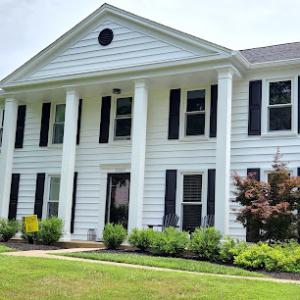
Apex Construction
(301) 655-5234 www.apexremodel.com
Serving
4.6 from 22 reviews
𝐀𝐩𝐞𝐱 𝐂𝐨𝐧𝐬𝐭𝐫𝐮𝐜𝐭𝐢𝐨𝐧, 𝐋𝐋𝐂 is a trusted 𝐫𝐨𝐨𝐟𝐢𝐧𝐠 𝐜𝐨𝐧𝐭𝐫𝐚𝐜𝐭𝐨𝐫 in 𝐒𝐢𝐥𝐯𝐞𝐫 𝐒𝐩𝐫𝐢𝐧𝐠, 𝐌𝐃, specializing in 𝐫𝐨𝐨𝐟 𝐫𝐞𝐩𝐚𝐢𝐫, 𝐫𝐞𝐩𝐥𝐚𝐜𝐞𝐦𝐞𝐧𝐭, and 𝐬𝐭𝐨𝐫𝐦 𝐝𝐚𝐦𝐚𝐠𝐞 solutions. We provide expert 𝐞𝐱𝐭𝐞𝐫𝐢𝐨𝐫 services, including 𝐯𝐢𝐧𝐲𝐥 and 𝐇𝐚𝐫𝐝𝐢𝐞 𝐬𝐢𝐝𝐢𝐧𝐠, 𝐰𝐢𝐧𝐝𝐨𝐰𝐬, 𝐠𝐮𝐭𝐭𝐞𝐫𝐬, and 𝐬𝐤𝐲𝐥𝐢𝐠𝐡𝐭𝐬. Our personalized approach ensures you work directly with owners Mike and David. We 𝐫𝐮𝐧 projects with integrity, meeting all 𝐫𝐞𝐬𝐢𝐝𝐞𝐧𝐭𝐢𝐚𝐥 needs. Serving 𝐎𝐥𝐧𝐞𝐲, 𝐖𝐚𝐥𝐤𝐞𝐫𝐬𝐯𝐢𝐥𝐥𝐞, and 𝐈𝐣𝐚𝐦𝐬𝐯𝐢𝐥𝐥𝐞, we guarantee quality. Contact us today!
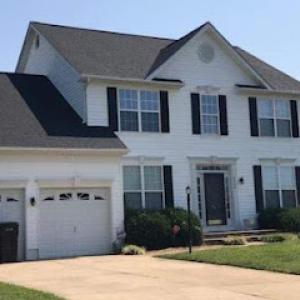
Advanced Building Services
(301) 643-9185 www.abspros.net
Serving
4.9 from 51 reviews
Advanced Building Services is a highly experienced family owned Home Improvement company. Our services include; Roof Repairs, Roof Replacement, Patio & Hardscaping, Water Damage Clean up/ Restoration and Mitigation, Drywall and Painting, Gutter and Downspouts, Siding repairs & relacement, Window replacement, Flooring and much more, to serve your home remodeling needs. Our service area covers all of central Maryland & Suburban Washington DC areas. As a family owned company we are able to keep our rates low and provide personalized service. We also work with All insurance companies directly - for storm damage repairs for Roofs and Siding.
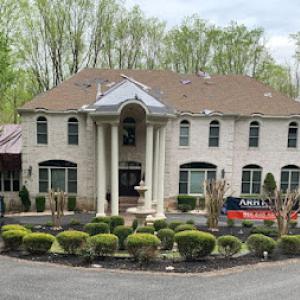
ARHT Home Solutions
(301) 913-0650 arhthomesolutions.com
Serving
5.0 from 160 reviews
ARHT Home Solutions is a trusted roofing service provider based in Derwood, MD, specializing in residential and commercial roofing. With a commitment to quality craftsmanship and customer satisfaction, the company offers a wide range of services, including roof inspections, repairs, installations, and replacements. ARHT Home Solutions is recognized for its experienced team of professionals, who utilize high-quality materials and the latest technology to deliver durable and reliable roofing solutions. Dedicated to enhancing the safety and value of homes, ARHT Home Solutions is the go-to choice for homeowners and businesses in Derwood looking for expert roofing contractors.
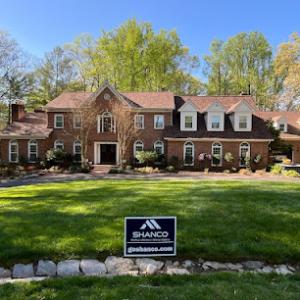
Shanco Roofing
(301) 208-0848 www.goshanco.com
Serving
4.9 from 401 reviews
Serving the residents of Maryland and Virginia for over 20 years, Shanco maintains an honorable reputation and is an accredited roofing company with the Better Business Bureau with an A+ rating. With a commitment to serve clients on a personal and professional level, you can count on Shanco to deliver an end product you’ll be confident in. Shanco offers high-value solutions for roofing, windows, siding, gutters, chimneys, masonry, skylights, insulation, and more. You’ll never have to wait when it matters most.
American Custom Contractors
(301) 962-2919 americancustomcontractors.com
Serving
4.9 from 607 reviews
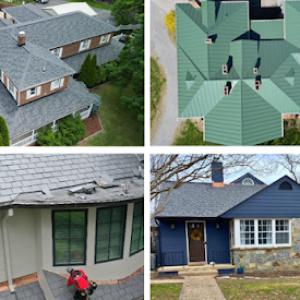
American Custom Contractors is a trusted roofing and exterior remodeling company based in Maryland, proudly serving the DMV area since 1972. We specialize in residential roof installation, repair, and replacement, delivering reliable, long-lasting results. Our team also provides expert siding, window, door, and gutter services to enhance your home’s appearance and protection.
BRAX Roofing
(240) 658-8016 www.braxroofing.com
Serving
4.8 from 456 reviews
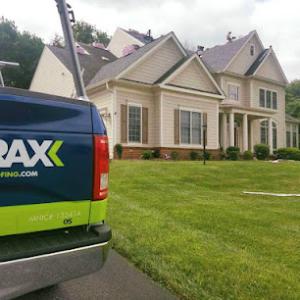
BRAX Roofing, based in Gaithersburg, MD, specializes in residential and commercial roofing services. They pride themselves on delivering Certified & Guaranteed Quality, holding top manufacturer certifications and offering industry-leading warranties for both materials and workmanship. As a local, community-oriented business, they operate with strong family values, emphasizing honesty, integrity, and personalized service. Their team is committed to protecting homes and businesses with expert craftsmanship, responsive support, and trusted roofing solutions tailored to the unique needs of the Maryland area. BRAX Roofing is your reliable partner for lasting roofing excellence.
Skycon Roofing & Restoration
(240) 708-0034 www.skycontractingdmv.com
Serving
5.0 from 81 reviews
Roofing Contractors
Asphalt shingles are a dominant local choice in Olney, but the market also supports metal, slate, clay tile, concrete tile, and wood shake replacements, which is broader than many suburban roofing markets. That mix reflects a balance between familiar installability, local weather demands, and the premium feel of long-lasting options. When evaluating replacement, the roof deck and attic layout matter just as much as the visible material, because the four-season cycle in Montgomery County brings both heavy rainfall and temperature swings. A shingle roof may blend easily with many bungalows and colonials, while premium options can elevate the curb appeal on a mid-century rebuild or a modern add-on.
Olney's regular rainfall and seasonal temperature swings make water-shedding performance, flashing quality, and freeze-thaw resilience more important than choosing a roof solely by appearance. In a four-season climate, you want a system that moves water quickly and seals effectively around chimneys, dormers, and vent stacks. Metal roofs shed water rapidly and can resist ice damming with properly engineered underlayment and integrated snow stops, but flashing details and edge detailing must be precise. Slate, clay tile, and concrete tile bring durability and a distinctive aesthetic, yet their weight and tile-to-sheathing connections demand careful structural planning. Wood shakes can offer rustic charm but require meticulous detailing to resist moisture infiltration and moss growth in damp seasons. Each option behaves differently during thaw cycles, so information about underlayment, ventilation, and drip edge quality matters as much as the outer appearance.
Heavier premium materials common in this market, including slate and tile, can trigger structural review concerns during replacement in Montgomery County. The roof structure must be evaluated for live load, potential span adjustments, and fastener layouts that accommodate heavier weights without compromising attic insulation and ventilation. If tile or slate is on the shortlist, ensure the existing framing can handle the load or plan for reinforcement. Even when selecting metal or asphalt, attention to rafter spacing, deck condition, and roof-to-wall connections supports long-term performance through seasonal shifts. An informed choice balances the intended lifespan with the existing structure, avoiding a mismatch that could lead to accelerated wear at critical flashing points.
Documentation and proactive maintenance are essential in a four-season cycle. After replacement, establish a routine for inspecting flashing around chimneys and penetrations, clearing debris from gutters, and monitoring signs of water intrusion after heavy storms. In Olney, an emphasis on proper attic ventilation and a well-sealed underlayment reduces the risk of condensation-driven issues that can masquerade as leaks. For homeowners considering premium materials, plan for a period of collaboration with the installer to verify that fastener patterns, sealants, and flashing transitions align with Montgomery County conditions, ensuring reliable performance through the wettest months and the occasional freeze.
Olney's replacement market spans a broad spectrum-from standard asphalt shingles at roughly 350 to 800 USD per square to premium slate at about 1700 to 3500 USD per square. That spread reflects a neighborhood mix of typical suburban reroofing and push-cairs toward high-end material options. In practice, you'll see most crews pricing straightforward asphalt projects at the lower end, with cedar, clay, or metal moving into the middle, and slate or higher-end tile at the top. Knowing where your home sits in that ladder helps set expectations for both cost and contractor responsiveness.
The local four-season cycle matters. A wet spring or a storm-heavy summer can drive scheduling hiccups and incidental delays, which in turn can push labor costs or overtime hours. If a project runs into back-to-back rain days, material handling and tarp work may extend the timeline and nudge the overall price. Heavy materials, when chosen, often require longer framing checks or minor structural assessment that ripple into staging and crew mobilization. Plan a window in late spring or early fall for smoother stretches of weather, and build a cushion for potential weather-driven shifts.
The Olney market leans toward re-roofing practicality, with many contractors competing on affordability and quick response. That competitive pressure helps asphalt replacements stay predictable in price, while specialty systems such as slate, clay, or cedar can see higher variance and longer lead times. If a project pivots from a standard asphalt swap to a premium system mid-build, expect a step-up in both material cost and installation complexity. Conversely, sticking to mid-range products often yields tighter, more reliable timelines and pricing.
Don't let upfront costs delay a critical repair - these contractors offer payment plans to fit your budget.
Jireh General Contractors
(301) 404-8409 www.jirehgc.com
18416 Georgia Ave, Olney, Maryland
4.9 from 176 reviews
GRP Construction Services
(301) 835-3527 www.grpconstructionservicesllc.com
Serving
5.0 from 27 reviews
Maryland is not described here as an exceptionally high-claim roof market, but wind and hail claim activity is present enough that Olney homeowners should expect insurers to scrutinize storm-related roof losses. That means the policy you hold may come with detailed questions about how a roof performed during a storm, and a claim may hinge on clear, verifiable evidence rather than memory alone. Local adjusters are trained to differentiate between the bite of a recent event and signs of long-term wear, so understanding that mindset helps you prepare.
Insurers in this market may request roof condition reports, photos, and evidence of prior maintenance, so Olney homeowners benefit from documenting the roof before and after storms. Start a simple file that includes dated photographs from multiple angles (up close of shingles, hips, valleys, and any flashing), notes on known issues (like loose granules or lifted shingles), and receipts for recent maintenance or repairs. Include a short summary of any storm that affected the house, with dates and the observed effects on the roof. This is especially useful when older wear could be mistaken for new damage.
Because local adjusters may ask for proof distinguishing new storm damage from older wear, delayed reporting after Olney's seasonal storm events can complicate claims. If a storm hits, file promptly and reference your prior documentation to show a clear timeline. Delays can invite questions about whether damage existed before the event, so timely communication matters.
Create a continuous, organized record set. Regularly capture current roof conditions after large storms, after seasonal winds, and after heavy rains. Store digital copies in the cloud and keep physical copies accessible. If a contractor or roofer completes work, obtain a detailed description and date for the file.
An insurer may request a roof condition report and a field assessment. An adjuster will compare storm-related findings against prior maintenance evidence, so clear, dated documentation strengthens your position. Expect questions about the sequence of events and any noticeable changes since the last inspection.
Connect with contractors who help homeowners navigate the claims process from damage assessment to final approval.
Jireh General Contractors
(301) 404-8409 www.jirehgc.com
18416 Georgia Ave, Olney, Maryland
4.9 from 176 reviews
Golden America Builders
(240) 447-5959 goldenamericabuildersllc.com
18416 Georgia Ave, Olney, Maryland
5.0 from 16 reviews
Flat-roof work exists in Olney even though steep-slope reroofing dominates the scene. That means a notable subset of homes or additions rely on low-slope expertise, and the consequences of mismatched materials or sloppy transitions show up more quickly on those projects. When a contractor truly understands low-slope dynamics, you can spot the difference in how seams, flashing, and edge details hold up through seasonal shifts.
Regular rainfall in this area makes drainage performance especially important on low-slope sections over porches, additions, garages, and similar transitions. Water should shed toward proper outlets without ponding. Look for properly pitched membranes, wide drip edges, and well-sealed penetrations where drains meet the roof. If water sits near a seam for more than a short moment after a rain, that area deserves closer inspection and a careful reseal.
Autumn debris and spring moisture can be especially problematic on low-slope roof areas where water exits more slowly than on the steeper roofs common in the area. Leaves and pine needles can clog scuppers or downspouts, creating backed-up runoff. In spring, moss or algae growth can dampen drying and stay damp longer on flat or near-flat planes. Regular gutter and debris cleaning, paired with timely resealing of seams and flashings, reduces the risk of slow leaks that are easy to miss until they create staining or damp patches.
Inspect transitions between flat sections and steeper roof lines for improper terminations or mismatched sealants. When a low-slope area is tied into a porch or garage, the risk of water intrusion grows, so pay extra attention to edge details, flashing at parapets, and the integrity of any ballast or ballast-like systems. Early detection of a slow drip or damp patch can spare substantial repairs later.
Find specialists in TPO, EPDM, and built-up flat roofing systems for residential and commercial properties.
GRP Construction Services
(301) 835-3527 www.grpconstructionservicesllc.com
Serving
5.0 from 27 reviews
The Olney market shows a pattern where contractors emphasize reroofing with cleanup included and quick response over new-construction specialization. When you compare bids, prioritize crews that frame their work around residential reroofing standards: efficient jobsite setup, thorough debris removal, and a clear plan for storm-related leak prevention. Look for teams that can commit to a realistic schedule and a defined sequence for removal, underlayment, and shingle replacement that fits the local climate's needs.
Free inspections and drone checks appear, but not everywhere, so don't assume every roofer offers the same approach. Ask specifically about how they inspect attic space for leaks, ice dam risk, and ventilation issues, and whether they provide a written report with photos. A detailed pre- and post-job document helps you track storm-driven damage and follow-up needs. For Olney's wet cycles, you want documentation that covers attic ventilation, drip edge placement, and fascia integrity, not just visible surface work.
Even with long-established family firms in the market, the strongest signals point to speed, affordability, and residential reroofing focus. Vet how many crews can realistically mobilize quickly after a storm and whether they can handle debris cleanup in the same pass. Check their recent local references for similarly sized homes to gauge whether their process aligns with the typical Olney roof profiles and drainage patterns.
Ask about cleanup protocols, waste disposal, and protection for landscaping and driveways, especially during windy months. Verify that the crew assigns a site supervisor who can address weather shifts and on-site questions during the project. Finally, confirm they carry all necessary trade insurance and have a local address you can verify-these are practical signs of a stable, reliable operation.