
Last updated: Apr 19, 2026
Spring thunderstorms and heavy rains sweep through Prince George's County with quick onset, and outages can cascade into active leaks in minutes. In this neighborhood mix, roofs face wind-driven shingle lift, flashing failures, and water entry after debris impact more than coastal salt or surge. When the skies darken and the first drops hit, your priorities are tarping, stopping active leaks, and documenting everything for claims. Start by checking attic vents and flashing edges for fresh water intrusion, then seal with a temporary tarp or plastic sheeting secured with roof nails or wide tape if on a calm wind moment. If you hear wind-driven banging or see shingles peeling, treat that as an urgent signal for temporary cover and a professional assessment.
In Suitland, the typical damage pattern is connected to routine suburban rooflines: asphalt, metal, or synthetic shingles on 20- to 30-year-old homes, with flashing at valleys, chimneys, and transitions showing wear first. After a storm, you may find lifted corners, curled edges, and granule loss along eaves that indicate wind stress. Debris strikes can puncture or loosen shingles, creating hidden pathways for water that turn into leaks after the rain stops. Focus inspections on valleys, dormer joints, vent flashing, and the base of walls where the roof meets parapets. If a leak is active, follow the path of water down the sheathing and through interior ceilings to locate the entry point. Photograph both exterior damage and interior wet spots from multiple angles, including close-ups of flashing seams and roof-to-wall junctions.
Post-storm documentation is not cosmetic; it is your leverage for rapid insurance response and contractor scheduling. Create a dated log of weather intensity, note the duration and timing of the leak, and capture the sequence of damage as it unfolds. Take wide exterior photos that show the roof plane in context, then close-ups of suspected failures: torn shingles, loose flashing, and any visible punctures. Maintain a simple record of your contact with insurers and any emergency repairs performed, including tarps or temporary fixes. A clear narrative that ties the damage to a specific storm event helps avoid delays when the claim lands with an adjuster.
Emergency tarping is a bridge to a solid repair plan. Do not rely on temporary fixes as long-term solutions, particularly if staining expands or condensation appears in the attic. Schedule a storm-damage assessment with a reputable contractor experienced in rapid mobilization after severe weather. Ensure the contractor can provide a concise scope that prioritizes water control, secure rapid tarp placement, and a follow-up estimate that addresses the root causes-shingle lift, flashing failures, or decking damage. In this market, the willingness to respond quickly and to document every step is a critical signal to insurers that a proper fix is feasible and timely.
Once the area is secured, shift to a durable repair plan that restores the integrity of the roof. Prioritize flashing replacements at corners and transitions, check the condition of vents and chimney cricket assemblies, and evaluate the attic insulation and ventilation to prevent future condensation and cold-weather leaks. Plan for a full, code-consistent repair that minimizes the chance of recurring leaks during the next storm cycle, especially given the spring-through-fall weather pattern that drives recurring damage in this area. Regular post-storm checks with a trusted local contractor help catch small issues before they become costly problems.
JCS Construction
(301) 648-0151 jcsconstructions.com
Suitland, Maryland
5.0 from 13 reviews
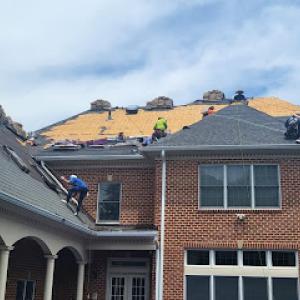
Welcome to JCS Construction, LLC, we are a top-rated roofing company in Maryland, proudly serving Laurel and surrounding. Our expert roofing contractors have over 15 years of experience, so you can be assured that everything is done right.
CS1 Remodeling
(301) 873-6514 www.cs1remodeling.com
Serving
4.8 from 190 reviews
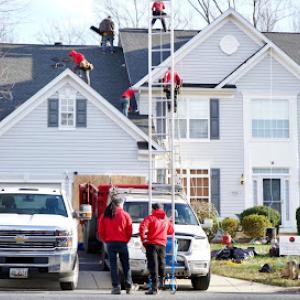
CS1 Remodeling is a full-service construction company specializing Roofing, Gutters, Windows, and Home Remodeling/Renovations in the DMV area. Our mission is to satisfy our client’s home renovation needs through excellent service and quality work.

Custom Home Exteriors
(240) 565-8908 customhomeexteriorsllc.us
Serving
5.0 from 22 reviews
Custom Home Exteriors offers residential and comercial roofing, siding, and gutter installation and repairs, with same-day emergency services throughout the DMV area.
Shaw's 1st Choice Roofing & Contracting
(202) 826-2912 shaws1stchoice.com
Serving
4.9 from 31 reviews
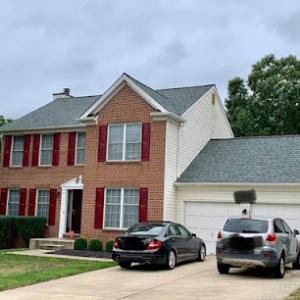
Shaw's 1st Choice Roofing and Contracting is a full-service roofing and contracting company with over 30 years of experience serving the entire DMV area. We offer a wide range of services, from roof, gutter and siding repair and replacement to home remodeling. While we may not be the cheapest nor the fastest, we are the absolute best at completing the job perfectly without any lingering questions or issues. Here at Shaw's 1st Choice, we stand tall in confidence with a A+ rating by the Better Business Bureau. We are dedicated to providing our clients with first-class quality workmanship and superior customer service.
TC Dryer Vent & Air Duct Cleaning
Serving
4.9 from 47 reviews
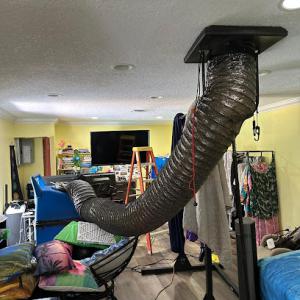
TC Dryer Vent & Air Duct Cleaning And Repair is a trusted and professional company offering comprehensive chimney sweep and repair services in the Clinton area. With a commitment to exceptional customer service and quality workmanship, we are the go-to experts for all your chimney needs. Our highly skilled team specializes in chimney sweep cleaning for residential and commercial properties. In addition to chimney sweep cleaning, we offer a wide range of chimney repair services. Our expertise covers chimney cap installation.

Rapid Roofing & Remodeling
(301) 266-1393 www.rapidroofingandremodeling.com
Serving
4.9 from 161 reviews
Rapid Roofing & Remodeling is a family owned business specializing in Roofing, Gutters, Windows & Siding in the DMV area. We offer flexible financing and affordable pricing. Call Today for a FREE Roof Estimate. If you are looking for a roofing contractor you have come to the right place.

Jet Renovation
(301) 312-0661 www.jetrenovation.com
Serving
5.0 from 233 reviews
Our company, Jet Renovation, is locally owned and operated, proudly serving Maryland, Virginia, and Washington, DC. Since our founding in 2010, we’ve been committed to providing high-quality, reliable, and reasonably priced services. Our dedication to excellence has earned us a strong reputation within the community, thanks to our focus on top-notch materials and skilled workmanship that ensure outstanding results for our customers.
Home Matters Exterior Remodel
(301) 850-1572 www.homemattersremodel.com
Serving
5.0 from 15 reviews
Family Owned and Operated We believe in the people we work with and work for. We measure our own teams with not only the pride they take in their work and results, but the measure of respect and integrity they have for each other, our clients, and the project at hand.
Remodeling Solutions
(301) 604-6600 remodelingsolutionsmd.com
Serving
5.0 from 18 reviews
We help homeowners get a new roof through there insurance. If you have wind/hail damage your insurance has to replace your roof. For more information please visit our website or feel free to call us thanks for your time.
Olde To Better Yet
(202) 352-1839 www.oldetobetteryetllc.com
Serving
4.4 from 21 reviews
Olde To Better Yet Provides Roofing, Siding and Windows serving Montgomery County, Calvert County, Anne Arundel County, & Prince George's County. We also service Baltimore, City Maryland. Based in Clinton, MD we provide free estimates for all jobs. To get a free quote please visit our website and fill out a contact form or give us a call. We service most types of siding. To inquire about the type of siding used in your home please feel free to call and speak with one of our experts. We offer fair pricing, dependable service, and Guarantee every job. Work with a local company that stands behind their work. Call us today! Maryland Licensed Bonded & Insured.
RX. Renovation Xperts
(202) 860-3272 www.renovationsxpert.com
Serving
4.7 from 34 reviews
RX. Renovation Xperts is a local, Washington, DC, home improvement company and general contractor. We believe that our customers should never be taken advantage of – no matter if you’re a business or homeowner.
AROCON Roofing VA
(571) 688-5393 www.aroconllc.com
Serving
4.9 from 256 reviews
At AROCON Roofing and Construction in Alexandria, VA, we offer a comprehensive range of home improvement services with a focus on superior craftsmanship and exceptional customer care. Our expertise includes roofing, gutters, siding, windows, and doors. From routine maintenance to major repairs, our skilled team ensures your home is well-protected. As an Owens Corning Platinum Preferred Contractor, we provide lifetime warranties on both materials and workmanship. We pride ourselves on timely project completion and outstanding service. Contact us for a free consultation to experience our unmatched quality.
In this area, the weather can shift quickly from a sunny afternoon to a hammering hailstorm. That means when a storm hits, carriers often look for solid proof that the damage is new and caused by the event, not preexisting wear. Before storm season, you should establish a dated set of inspection photos that capture the entire roof, gutters, fascia, and any helpers like skylights or vents. If a wind event tears shingles or lifts a corner, a clear before-and-after photo trail helps you tell the story when the adjuster arrives. Keep these images organized by date, and if you notice any visible wear after a season of mid-Atlantic humidity, photograph it again. The goal is to have a concise visual history that can stand up to a meticulous claim review.
When the adjuster shows up, expect questions about what's new versus what's aged. Written estimates are common in this market, and supporting evidence should separate new storm damage from older wear. For aging asphalt roofs that are prevalent in the neighborhood, the line between "damage caused by the storm" and "long-term deterioration" can be blurry. Prepare a narrative that notes the storm's timing relative to the roof's condition, including any visible granule loss, cupping, or curling shingles that existed prior to the event. This helps prevent disputes over whether a repair should be a patch or a full replacement. A detailed sketch or diagram of affected areas, paired with the estimates, can be a practical way to demonstrate the scope clearly.
Coverage terms can shape what gets approved, especially if a claim involves replacing material with like-kind or upgrading. If the policy allows upgrading, the adjuster will weigh whether the chosen upgrade aligns with the dwelling's value and the home's overall roof profile. Documentation should spell out the damage area, the starting point of conditions that require attention, and the rationale for any material changes. Before authorizing work, ensure the scope is precise: identify headers, hips, valleys, and other high-risk zones, and note any secondary damage discovered during inspection. Clear, itemized notes paired with the photos reduce back-and-forth and support a smoother authorization process.
Begin a routine of seasonal roof checks with a reliable ladder, focusing on vulnerable spots like chimney flashings, penetrations, and edge metal. Keep a date-stamped set of photos from these checks and compare them to post-storm images. If a claim arises, present a concise dossier: an incident timeline, before-and-after photos, a written estimate, and a diagram of damaged areas. This approach helps the insurer see that the project stays anchored in reality-the kind of documentation that minimizes confusion and speeds up the process.
Storm damage can tempt a quick fix, but accuracy matters just as much as speed. In this market, the combination of a careful photo history, clear damage delineation, and well-supported estimates can make the difference between a straightforward settlement and drawn-out discussions. Keep the focus on the facts, and let the documentation tell the true story of what happened to your roof after the storm.
Connect with contractors who help homeowners navigate the claims process from damage assessment to final approval.
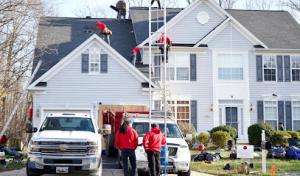


In Suitland, shoulder seasons are usually the safest replacement window because hot, humid summers can slow crews and affect material handling while winter cold can interrupt sealing and exterior work. Plan for a tight, two- to four-week stretch of dry, calm days in late spring or early fall when demand isn't peaking and crews aren't juggling back-to-back storm calls. If a roof needs significant work, target a stretch of mild days with moderate humidity to minimize adhesive curing issues and shingle wrinkling. Have materials staged and the yard cleared ahead of time so crews can move quickly once the forecast holds.
Spring in the Washington-area suburbs often brings rain delays that complicate tear-off moisture control, so project timing matters more here than in drier inland markets. Expect a few wet days that push work into windows when the roof is dry enough for underlayment, sealing, and flashing. Coordinate with your contractor to reserve a dry spell for roof tearing and deck prep, then schedule the final seal and inspection on a stretch of consecutive dry days. If a leak is active, use temporary tarps and rapid-dry patching between storms to limit interior damage while you wait for a full replacement window.
Fall can be productive for re-roofing in Suitland, but wind events and storm-driven demand spikes can tighten contractor availability after regional weather systems. Start planning early to lock in a preferred crew before the peak fall scramble begins. Build in a contingency for a potential interim repair if a late-season storm drives demand up and slows mobilization. Keep gutters clear and edge protection in place during the September-to-November window to reduce debris intrusion and protect siding and landscaping as shingles are removed and replaced.
When weather aligns, aim for a continuous sequence: teardown, deck prep, underlayment, flashing, then shingle or tile installation, followed by a thorough inspection and cleanup the same week. Maintain clear communication with the crew about leaks found during tear-off, so the team prioritizes sealing vulnerable areas first. Document storm damage promptly with photos from multiple angles, and keep a record of weather conditions during each phase for insurance-ready files. Have a dry-to-wet backup plan for sudden rain, including reinforced tarps and rapid debris containment to minimize interior intrusion and keep neighbors on your block comfortable during the project.
Get a clear picture of your project costs upfront - no commitment required.
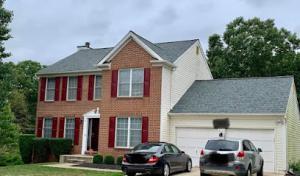
Shaw's 1st Choice Roofing & Contracting
(202) 826-2912 shaws1stchoice.com
Serving
4.9 from 31 reviews
Rapid Roofing & Remodeling
(301) 266-1393 www.rapidroofingandremodeling.com
Serving
4.9 from 161 reviews
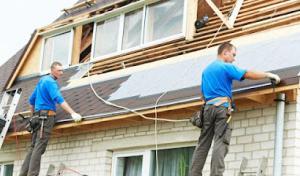
Asphalt shingles are the dominant practical choice for homes in this area because they fit the large stock of conventional suburban rooflines found across the neighborhood and align with the strongest local contractor specialization. This combination of compatibility and contractor familiarity translates into smoother storm-season responses, quicker re-roofing timelines after heavy rains, and more reliable insurance documentation when wind or hail causes damage. When you observe ripples or lifting after a storm, a shingles-based repair approach is often the fastest path to restoring your roof's integrity without overhauling the entire silhouette of the house. You'll notice most local crews bring a ready-made inventory of architectural and basic three tab options, plus color blends that resist fading under humid summers and occasional bright sun.
Metal roofing exists in the market here, but it's less common, which makes installer experience especially important if you're weighing longer service life or superior shedding during heavy Mid-Atlantic rain. A metal roof can shed moisture efficiently and resist wind-driven leaks, but the best outcomes come from local installers who understand typical attic ventilation and the way metal panels perform on common suburban rafters. If your goal is to pursue a longer replacement cycle and you're choosing metal, verify prior local projects in your neighborhood and ask for detailed rain-shed performance notes from the contractor. In Suitland, metal rarely becomes the default choice, so a few seasoned crews handle the specifics, including panel fastening patterns and flashing compatibility with existing chimneys or skylights.
Clay tile, concrete tile, wood shingles or shakes, and synthetic composites exist in the market but are noticeably niche compared with asphalt in this community. Expect a smaller pool of specialists who can accurately assess weight load, attic venting, and roof-to-wall transitions for these materials. Tile and shakes can offer distinctive curb appeal, but they demand precise structural assessment and professional gutters-and-drainage integration to manage the heavy saturated periods typical of humid summers. Synthetic and composite shingles provide a middle ground in weight and longevity, yet still rely on qualified installers who understand local moisture cycles and the way these products respond to temperature swings. If you're exploring these options, you'll benefit from visiting recent local installations and speaking with neighbors about maintenance patterns and service response times after a severe storm. Suitland's climate and housing stock make asphalt the most practical baseline, while metal and alternates offer specialized advantages that should be weighed with the help of experienced, locally active contractors.
In this market, the labor pool and travel logistics matter every step of the way. Suitland pricing is influenced by its location in the Washington metropolitan labor market, where demand, travel logistics, and permit handling can push costs above what homeowners expect from more rural Maryland areas. When you're comparing bids, expect crews to factor in the time it takes to reach suburban blocks with tighter driveways and street parking, plus the cost of hauling materials through busy corridors. This often translates to higher per-square pricing than you might anticipate from similar roof types inland.
Storm-driven surges in re-roofing demand can affect scheduling and pricing locally because emergency repair and storm damage services are unusually prevalent in this market. After a hail event or a heavy wind spell, contractors flock to the area, sometimes creating tight windows for inspections, material delivery, and installation. If your roof is flagged for urgent work, you'll likely see quicker mobilization but higher premiums for expedited services. Plan for potential short-term price spikes and longer lead times for popular materials right after a major weather event.
Costs rise when homeowners switch from basic asphalt to metal, tile, wood shake, or synthetic systems that require scarcer specialty crews in the Suitland area. The standard range for common options is backed by local conditions: Asphalt Shingles typically range from about 350 to 750 USD per square, Metal Roofing from 700 to 1300, Clay Tile from 900 to 1800, Concrete Tile from 950 to 1700, Wood Shingles/Shakes from 600 to 1100, and Synthetic/Composite Shingles from 550 to 950 per square. If your house features complex geometry, multiple penetrations, or an older deck that needs reinforcement, expect the premium end of these ranges. Conversely, simpler, single-story homes with straightforward ridge lines can land closer to the lower end, even with the same material.
Start with a conservative estimate that factors in a likely post-storm bidding window, potential expedited scheduling needs, and local travel time for crews. If you're upgrading from asphalt, build in a cushion for the possibility that a metal or synthetic system will require a smaller, specialty crew and potentially longer lead times. For insurance-driven projects, request a detailed line-item breakdown that captures material costs, scafolding or access equipment, disposal fees, and any required underlayment upgrades. Finally, ask for a clearly defined project timeline with milestones to accommodate the unpredictable weather patterns typical of the region.
A full re-roof project in this area typically falls under Prince George's County permit oversight rather than a separate city roofing office. Homeowners should anticipate county-level review and inspection steps as part of the process. Your permit package should reflect the current roof design, materials, and any changes to attic ventilation or structure. Coordinating early with the county helps avoid the delays that storm-driven projects can trigger, especially when moisture and wind exposure during severe weather are fresh in the records.
The county commonly performs inspections during construction and a final inspection after completion. These inspections can influence closeout timing and the scheduling of final payment with your contractor or insurer. Plan for potential adjustments if an inspector requests minor corrections or additional ventilation details. Keeping a clear line of communication with the contractor, the permit office, and your insurer helps align inspection results with the project timeline and any required documentation for reimbursement or claim settlement.
Plan review may be triggered when a roofing project includes structural changes or new ventilation components. Because Suitland homes often have compact attic space or older framing, accurate scope definition before permit submission is essential. Have the contractor provide detailed elevations, vent placements, and a description of any structure modifications. If the roof line, decking, or chimney flashings are changing, flag these early with the county reviewer to minimize back-and-forth during the process.
Expect to submit a project description, structural notes if applicable, and compliance with applicable energy and ventilation standards. Maintain a clean file of permit approvals, inspection reports, and any corrective orders. When the county issues final clearance, you'll want the closing paperwork ready for insurance documentation and mortgage compliance, so organize the final stamped drawings and inspection receipts in one consolidate folder.
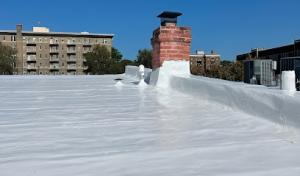
In this area, the contractor market shows meaningful demand for both flat-roof and skylight work, signaling that leak-prone transitions and low-slope sections are a real local service category rather than an edge case. The moisture from heavy summer storms and late-season rain can find its way through the simplest joints if attention isn't steady. A practical mindset is to test, not assume, that every flat section is solid after the worst storms.
On homes and small multifamily buildings in Prince George's County, low-slope rear additions and porch tie-ins often become drainage and flashing weak points during heavy rain. Look closely at the transitions where the flat roof meets the vertical walls, and at the area where the porch roof ties into the main envelope. Inadequate slope, clogged drains, or misaligned drip edges can allow water to back up and seep into attic spaces or wall assemblies. When inspecting these spots, prioritize visible flashing, seam treatments, and the condition of any pitch breaks that channel water toward these joints. If moisture shows up around the edge of a tie-in after a storm, treat it as a warning sign rather than a one-off nuisance.
Skylight penetrations require careful scrutiny after storms because water entry around curbs and flashing can be mistaken for broader field-roof failure. Look for soft decking where the curb sits, crusty sealant that has cracked, and any gap where flashing meets the skylight frame. In small multifamily or aging suburban settings, these penetrations often suffer from cumulative wear rather than a single event. When a leak is traced, start with the skylight enclosure and its flashings before expanding the search to surrounding roof planes.
After a heavy rain, document suspect spots with dated photos, focusing on transitions, joints, and skylight surrounds. Note any staining or mildew on interior ceilings near the suspected area, and keep records of weather events that correlate with leaks. When engaging a contractor, emphasize proper flashing details around low-slope transitions and skylight curbs, and request clear checks for drainage paths and edge treatments. In this climate, timely, documented inspections can make insurance discussions smoother and help prevention-led maintenance stay on track.
Find specialists in TPO, EPDM, and built-up flat roofing systems for residential and commercial properties.
You are selecting a contractor in a market that prizes quick response, thorough cleanup, and affordability. In the neighborhoods surrounding the DC beltline, storm-driven leaks are common after heavy summer downpours or winter nor'easters, so reliability and speed matter as much as price. When the crew arrives, you want clear communication about timing, site protection, and tarp coverage to minimize interior damage during a rapid roof swap.
Long-established, family-owned firms are well represented, and that matters when warranty follow-up is needed after county inspections. Look for two generations of service and a track record with local insurers and adjusters. Ask how they handle post-install support, including who to call if a shingle lifts after the first big wind and who oversees the cleanup once the crew leaves.
The local signal mix includes free inspections and drone assessments from some firms, but not all. Verify exactly how damage is documented before signing any agreement. Request a written scope, note the condition before work starts, and favor crews that provide a final, photo-documented report showing gutters, flashing, and underlayment conditions. If a drone image is offered, ensure it accompanies a written checklist that you can keep with the contract.
Ask for recent neighbors' references, especially those who had storm repairs completed in the last year. Check insurance coverage details and confirm the company will complete the cleanup to residents' satisfaction, including disposal of debris and protection during loud periods near busy streets. Ensure the crew value drives the job: dependable response, thorough cleanup, and solid communication when questions arise. Trust your instincts during the initial on-site visit.