
Last updated: Apr 19, 2026
After severe weather, the local storm pattern shows moderate wind and hail activity that drives frequent roof damage in aging Capitol Heights homes. Your first step is a careful, on-roof or close-quarters inspection as soon as it's safe. Missing or damaged flashing, compromised seals, and debris-blocked drainage are common on roofs that haven't seen a proper refresh in years. Leaks can start small but travel fast, especially during spring storms and heavy rainfall when once-stable conditions suddenly reveal weak spots. Recognize that a quick assessment today can prevent a bigger, more expensive problem tomorrow.
The local contractor signal mix leans heavily toward emergency repair, storm damage, and insurance-claims work. Homeowners often hire for active leaks and post-storm assessments first, not elective upgrades. That means your best path after a wind or hail event is to secure temporary protection (tarp or cover) if safe to do so, document all damage with clear photos, and contact a storm-damage specialist who understands how insurers evaluate claims in this market. A focused, evidence-based claim with dated photos, attic moisture notes, and visible damage to shingles, flashing, or gutters can streamline the adjustment process and reduce delay in needed repairs.
Spring storms and heavy rainfall routinely delay scheduling for repairs, amplifying exposure to flashing failures, seal gaps, and debris-related drainage problems on aging roofs. The combination of lingering moisture and a tight repair window means leaky conditions can worsen quickly during a storm cycle. Plan for a temporary fix that buys time while a licensed roofer coordinates a comprehensive assessment and a targeted, insurer-supported repair plan. If shingles are missing or curling, or if you notice interior staining after a storm, treat this as an urgent signal to prioritize inspection and documentation.
Document everything with dated photos of shingles, flashing, vents, and gutters, plus any attic signs of moisture or hidden leaks. Create a simple roof condition log: when damage occurred, what areas show signs of water intrusion, and any prior repairs that might affect coverage. Engage a storm-damage-focused contractor who can perform a thorough exterior and interior inspection, identify critical failure points, and prepare a scope aligned with insurance expectations. Request a written assessment that highlights leak sources, possible temporary protections, and a prioritized repair sequence that stabilizes the roof while the claim is processed. In this market, clarity and speed in reporting damage matters, especially on aging roofs where spring weather can provoke new failures alongside existing vulnerabilities.
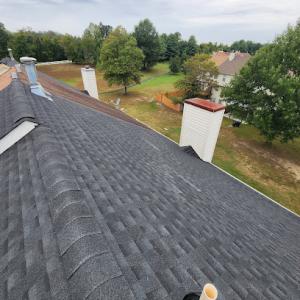
Remodeling Solutions
(301) 604-6600 remodelingsolutionsmd.com
601 62nd Pl, Capitol Heights, Maryland
5.0 from 18 reviews
We help homeowners get a new roof through there insurance. If you have wind/hail damage your insurance has to replace your roof. For more information please visit our website or feel free to call us thanks for your time.
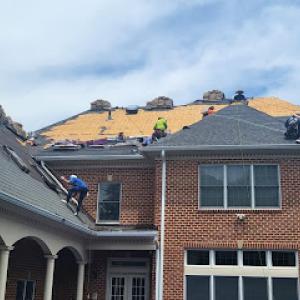
JCS Construction
(301) 648-0151 jcsconstructions.com
Serving
5.0 from 13 reviews
Welcome to JCS Construction, LLC, we are a top-rated roofing company in Maryland, proudly serving Laurel and surrounding. Our expert roofing contractors have over 15 years of experience, so you can be assured that everything is done right.
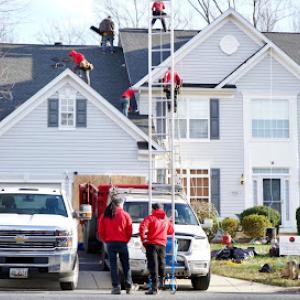
CS1 Remodeling
(301) 873-6514 www.cs1remodeling.com
Serving
4.8 from 190 reviews
CS1 Remodeling is a full-service construction company specializing Roofing, Gutters, Windows, and Home Remodeling/Renovations in the DMV area. Our mission is to satisfy our client’s home renovation needs through excellent service and quality work.

Custom Home Exteriors
(240) 565-8908 customhomeexteriorsllc.us
Serving
5.0 from 22 reviews
Custom Home Exteriors offers residential and comercial roofing, siding, and gutter installation and repairs, with same-day emergency services throughout the DMV area.
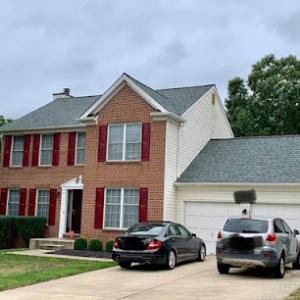
Shaw's 1st Choice Roofing & Contracting
(202) 826-2912 shaws1stchoice.com
Serving
4.9 from 31 reviews
Shaw's 1st Choice Roofing and Contracting is a full-service roofing and contracting company with over 30 years of experience serving the entire DMV area. We offer a wide range of services, from roof, gutter and siding repair and replacement to home remodeling. While we may not be the cheapest nor the fastest, we are the absolute best at completing the job perfectly without any lingering questions or issues. Here at Shaw's 1st Choice, we stand tall in confidence with a A+ rating by the Better Business Bureau. We are dedicated to providing our clients with first-class quality workmanship and superior customer service.
RX. Renovation Xperts
(202) 860-3272 www.renovationsxpert.com
Serving
4.7 from 34 reviews
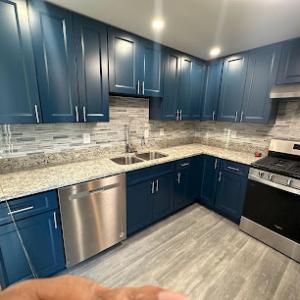
RX. Renovation Xperts is a local, Washington, DC, home improvement company and general contractor. We believe that our customers should never be taken advantage of – no matter if you’re a business or homeowner.

Home Genius Exteriors
(301) 381-1768 homegeniusexteriors.com
Serving
4.8 from 1887 reviews
Elevate your home with Home Genius Exteriors, setting the standard in Maryland and Washington DC by offering full-service solutions for roofing, siding, windows, doors, gutters and insulation. We support our veterans and communities by supporting local and national charitable organizations through our Home Genius Cares initiative. With an Owens Corning® Platinum Preferred designation, we also offer flexible payment options, industry leading warranties and a wide range of premium products tailored for your home. It’s time for a different experience, entrust your next home project to a genius and schedule your free inspection today!
United Roofing
(202) 568-6865 www.unitedroofingdc.com
Serving
5.0 from 221 reviews
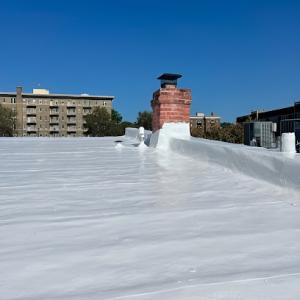
United Roofing in Washington, DC provides professional roof replacement services designed to protect homes and businesses from the region’s heavy rains, winter snow, and seasonal temperature swings. Our team handles complete tear-offs, roof installations, and structural assessments to ensure lasting performance. In a city where older buildings and row homes face unique roofing challenges, we deliver solutions that improve durability and energy efficiency. With a commitment to quality workmanship and reliable service, United Roofing is the choice for property owners seeking trusted roofing contractors with the experience to handle Washington’s demanding climate.
Rapid Roofing & Remodeling
(301) 266-1393 www.rapidroofingandremodeling.com
Serving
4.9 from 161 reviews
Rapid Roofing & Remodeling is a family owned business specializing in Roofing, Gutters, Windows & Siding in the DMV area. We offer flexible financing and affordable pricing. Call Today for a FREE Roof Estimate. If you are looking for a roofing contractor you have come to the right place.
Neighborhood Restoration
(240) 502-0996 www.myrooflawyers.com
Serving
5.0 from 49 reviews
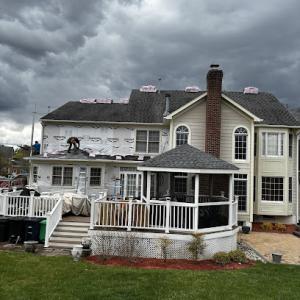
Neighborhood Restoration is a 5-star Roofing, Siding, and Gutter Contractor serving the DC, Maryland, and Virginia areas. We specialize in Home Roof Inspections and are a trusted local Roofing Contractor. Your trusted partner in preserving and enhancing your home. ⭐️Discover if you qualify for a no out-of-pocket cost roof replacement! 🏡 Call or Text anytime!
TC Dryer Vent & Air Duct Cleaning
Serving
4.9 from 47 reviews
TC Dryer Vent & Air Duct Cleaning And Repair is a trusted and professional company offering comprehensive chimney sweep and repair services in the Clinton area. With a commitment to exceptional customer service and quality workmanship, we are the go-to experts for all your chimney needs. Our highly skilled team specializes in chimney sweep cleaning for residential and commercial properties. In addition to chimney sweep cleaning, we offer a wide range of chimney repair services. Our expertise covers chimney cap installation.
GoTech Roofing
(703) 417-9200 gotechroofing.com
Serving
5.0 from 13 reviews
GoTech Roofing has established itself as the Number 1 Provider of Residential and Commercial Flat Roofing Services in Washington DC. We provide flat roof repair and flat roof replacement services with a real focus on customer satisfaction. We are a DC Class A Contractor and fully insured with Workman's Compensation and Liability Insurance. GoTech Roofing provides each and every client with an incomparable roofing experience through our outstanding customer service and exceptional quality. With our GoTech Proprietary Customer Service-Oriented Roofing Process you can skip the headaches, schedule delays, lack of contractor communication, cost increases, and nonsense – we handle every roofing project detail from start to finish.
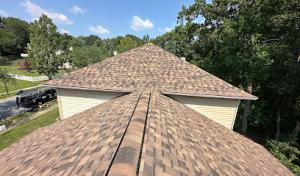
Asphalt shingles remain the dominant practical choice in this market. They are familiar to local crews, widely available, and typically the fastest route back to a weather-tight roof after a storm. In this climate, hot, humid summers can accelerate granule loss and thermal aging if attic ventilation is weak. If ventilation is limited, you'll notice more attic heat, faster aging of the shingles, and higher cooling costs. When you're evaluating replacement, prioritize a well-ventilated attic with a balanced intake and exhaust system, including soffit vents and ridge or counter-ventilation. A properly sized underlayment, along with good attic baffles to maintain airflow around the roof deck, helps prevent moisture buildup during heavy rain events. In practice, expect crews to install standard laminated shingles with layered protection, but insist on upgrading to a breathable attic vent strategy if the home's existing ventilation is outdated. For most homes in this market, asphalt shingles provide a reliable, cost-efficient path that accommodates the region's storm cycles and humidity.
Metal roofing can perform well through freeze-thaw swings and summer heat, offering excellent longevity and resistance to wind-driven rain. In this market, metal is not as ubiquitous as asphalt, and contractor availability tends to be narrower locally for re-roofing projects. If you're considering metal, ensure the installer has experience with the specific profile you choose and a plan for flashing around chimneys, vents, and skylights. Because metal expands and contracts with temperature changes, proper fastening patterns and sealant choices are essential to prevent leaks at seams and penetrations. Metal shines where a home has a steep pitch or where a homeowner expects a long service life with fewer maintenance cycles. It also pairs well with reflective coatings or lighter colors that reduce heat absorption, a practical benefit during long, hot summers. For a careful choice, assess the existing structure, ensure proper deck preparation, and verify that flashing details are integrated into the installation plan to handle typical Capitol Heights storm patterns.
Tile systems (clay or concrete), wood shakes, and synthetic/composite shingles exist in the broader market but require careful flashing and structural suitability checks on older Prince George's County homes before replacement. These options bring distinct aesthetics and, in some cases, longer lifespans, but they also demand a precise, well-detailed installation approach. Older homes may have limited roof deck structure or attic routing that complicates tile or heavy shingles, and flashing around dormers, valleys, chimneys, and vent pipes must be meticulously designed to accommodate local moisture and wind loading. If you're upgrading to any of these materials, engage a contractor who specializes in retrofit flashing, deck reinforcements if needed, and a comprehensive wind uplift plan. In addition, verify compatibility with existing insulation strategy to avoid heat buildup and condensation issues in the attic space. For homeowners prioritizing curb appeal or a distinctive look, these materials can be appealing, but the must-have steps are structural validation and a detailed flashing plan tailored to an older home's configuration.
A full re-roof in the area typically requires a building permit through the Prince George's County Department of Permitting Services (DPS) rather than a city-only roofing office. That distinction matters because DPS processes can take longer than a quick permit pull for a simple repair, especially after a wind or hail event when many roofs are in play. Being proactive about permit timing helps avoid delays that could stretch into the busy storm season. In practice, the project is treated as a county matter rather than a neighborhood administrative task, so expect DPS to review the project with county-wide standards in mind, not just local expectations.
County inspections may occur during and after installation, with attention to ventilation, flashing, and venting details rather than just shingle appearance. The climate here-humid, with seasonal storms-puts a premium on proper venting and moisture management. A roof that looks correct from the street but skims over proper attic ventilation can trap heat and humidity, accelerating roof line deterioration and inviting mildew in the attic space. Flashing around chimneys, vents, and skylines should be comprehensive and well-sealed to withstand wind-driven rain common to the region. Be prepared for inspectors to probe the attic space, not just the newly laid surface, to ensure the ventilation balance complements the chosen roofing system.
Homeowners or contractors may need to provide plan details during the DPS process, which can affect scheduling compared with simple repair-only jobs. The county expects a level of documentation that demonstrates how the new roof will tie into existing systems: intake and exhaust ventilation, attic bypasses, insulation considerations, and any roof penetrations for vents or HVAC components. A thorough submittal reduces back-and-forth reviews and helps keep the project on track during a period when many homes in the area are undergoing re-roofing. If a storm-damaged roof is involved, be aware that insurers and DPS may require additional documentation to verify the scope and method of replacement before full approval is granted.
In this neighborhood, a re-roof is rarely a cosmetic upgrade alone. The combination of older housing stock, close setbacks, and mid-Atlantic humidity makes proper installation and permit compliance essential for long-term performance. Expect some coordination with inspectors around attic accessibility, venting adequacy, and flashing integration with existing chimneys or roof valleys. If the plans include any changes to roof geometry, such as new vent stacks, additional skylights, or integrated roof venting strategies, ensure those elements are clearly specified and synchronized with the DPS submission. Obtaining a clear, written approval path from DPS before ordering materials can prevent missteps that delay completion and complicate the project after a wind event.
In this neighborhood, roof costs are best understood per square (a 10-by-10-foot area). Asphalt shingles run roughly 350 to 700 dollars per square, metal can range from 750 to 1500, clay tile sits around 1000 to 2000, concrete tile 900 to 1700, wood shingles or shakes 600 to 1100, and synthetic or composite shingles 450 to 900 per square. This framing helps you compare bids without getting tangled in confusing "per roof" totals when storm-damaged roofs spike the need for fast decisions after a wind event.
When a regional storm hits, demand for emergency repair and re-roofing surges, and scheduling becomes tighter. Local crews may quote higher labor windows or request quicker turnarounds to secure material, especially for asphalt and metal where replacements show up first after hail or wind. If your home has older stock-common around these blocks-expect quick triage pricing on tear-off and disposal as crews manage limited disposal slots and crane access in crowded neighborhoods.
Asphalt remains the most common for mid-century housing stock here, so plan for the 350-700 range per square as a practical baseline. If you're weighing upgrades to metal, clay, or concrete tile after wind damage, note that clay (1000-2000) and concrete (900-1700) come with longer-term durability but higher upfront costs. Wood shingles or shakes (600-1100) can be appealing for visual authenticity on older bungalows, though they may require more maintenance in high-humidity months. Synthetic or composite shingles (450-900) offer a tempered middle ground with decent hail resistance and quicker installation.
Because Prince George's County handles the process, there is an administrative timeline to consider during and after storm events. Inspections and coordinated sequencing can extend the overall project schedule compared with unpermitted patch work. This is a practical factor when you're aligning insurance proceeds, contractor timelines, and temporary repairs to keep your home dry while you navigate the process.
Get a clear picture of your project costs upfront - no commitment required.
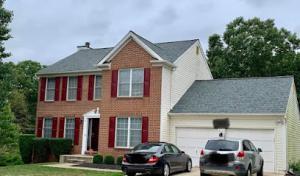
Shaw's 1st Choice Roofing & Contracting
(202) 826-2912 shaws1stchoice.com
Serving
4.9 from 31 reviews
Rapid Roofing & Remodeling
(301) 266-1393 www.rapidroofingandremodeling.com
Serving
4.9 from 161 reviews
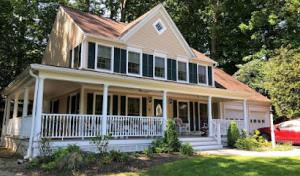
In this market, insurers see moderate wind and hail claim activity, so homeowners should expect adjusters to scrutinize roof age, prior condition, and whether damage is sudden or long-term wear. The closer you are to the inner neighborhoods and mature tree cover, the more likely a claim will hinge on how the roof performed in recent storms versus visible aging. Capable adjusters will look for signs that maintenance was neglected or that a long-running issue existed before a wind event. Understanding that nuance helps you prepare a stronger, more credible filing.
Photo documentation and a detailed contractor estimate carry real weight when a adjuster reviews a claim funded full replacement. Start with clear, date-stamped photos showing the entire roof from multiple angles, interior signs of leakage, and any attic moisture or staining. Include close-ups of damaged or missing shingles, flashing, and vent seals. Alongside photos, an itemized, professional estimate that explains each repair or replacement step, material types, and the rationale for replacement over patching can prevent back-and-forth delays. In this climate, carriers often press for evidence of sudden damage rather than cumulative wear; having a well-documented narrative helps bridge that gap.
There are no known statewide Maryland coverage bans specific to roofing, but claim outcomes can still hinge on documentation quality and visible maintenance history. Keep a record of past roof-related work, prior leaks, and any weather-driven incidents from the last several years. Photos taken after major storms, especially those that show the roof in distress or interior water intrusion, can be decisive. If a prior repair was performed, obtain a clear receipt or warranty details to demonstrate ongoing care and prevent a dispute over post-event credibility. When presenting the claim, tie the damage to a concrete storm event and distinguish it from pre-existing conditions with your documentation timeline.
Coordinate with a reputable local contractor who understands the region's weather patterns and housing stock. Have them provide a comprehensive, scope-based estimate that aligns with the photos and narrative you submit. If the contractor notes any ventilation or attic-related concerns tied to moisture have been neglected, include those observations, since proper ventilation is a practical factor in storm response and long-term roof health. Finally, maintain steady communication with the insurer, keeping records of every contact, response, and decision. A careful, transparent approach helps prevent surprises as the claim moves through the process.
Connect with contractors who help homeowners navigate the claims process from damage assessment to final approval.
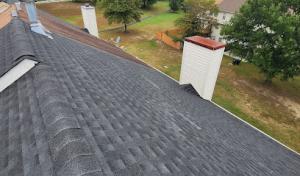
Remodeling Solutions
(301) 604-6600 remodelingsolutionsmd.com
601 62nd Pl, Capitol Heights, Maryland
5.0 from 18 reviews
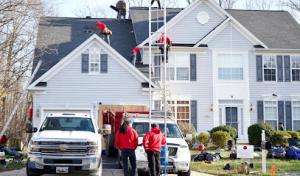

Capitol Heights roofs face winter freeze-thaw stress that can open vulnerable flashing transitions and expose seal failures around penetrations. As temperatures swing above and below freezing, water that wicks into small gaps expands and contracts, forcing edge seals at valleys, step flashing, and around vent pipes to work, crack, or pull away slightly. When a roof line sits near the eave or along a side wall, these micro-movements are amplified by the humid air and occasional nighttime freezes. The result is a higher likelihood of slow leaks that show up after a heavy rain or a rapid thaw. Inspectors will look for hairline gaps at chimney aprons, dormer flashing, and the transition from the roof deck to the fascia. If hidden under shingles, these issues can quietly degrade until a routine storm exposes them.
Prince George's County inspections specifically checking ventilation and flashing make these details more than a workmanship preference during re-roofing. In Capitol Heights, attic ventilation is not just about comfort; it directly influences shingle aging, condensation control, and the lifespan of sealants. Poor intake or exhaust can cause uneven deck humidity, which weakens sealants around vent boots and rafter tails. During re-roofing, ensure vents are properly sealed and that boot flashings are integrated with the chosen roof material. An undersized or misaligned soffit vent, combined with a leaky flashing boot, can trap moisture that corrodes the sealant at the vent base and accelerates oxidation of metal components. A well-ventilated roof space reduces the risk of mold growth and helps maintain the integrity of the underlayment against seasonal humidity cycles.
Autumn wind events and year-round precipitation in this part of Maryland can accelerate wear at flashing edges, vent boots, and sealant-dependent details. Wind-driven rain can push moisture under improperly sealed joints where shingles end and flashing begins. Pay close attention to the step flashing along the rake edge and any transitions where different roof planes meet. Sealant compatibility matters: certain caulks shrink with temperature fluctuations, creating micro-gaps that let moisture travel behind the shingles. During a re-roof, verify that flashing pieces overlap correctly, that sealants are compatible with the chosen roofing material, and that vent boots are secured with corrosion-resistant fasteners. This proactive approach helps prevent wind-driven leaks after the first cold snap and reduces the chance of a small issue becoming a larger stain down the line.
Find contractors experienced in skylight installation, flashing, and leak repairs to bring natural light into your home.
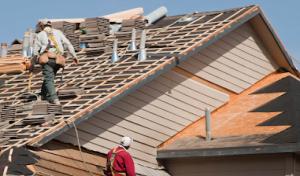
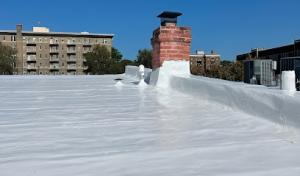
Flat-roof work is a real local specialty here, with many older homes and small additions relying on low-slope sections, porches, and compact commercial-adjacent structures. The prevalent humid Mid-Atlantic climate makes drainage performance and ponding prevention not optional-it matters year-round, and spring debris adds to the challenge. When maintenance is deferred, seams, edge metal, and penetrations fail sooner on flat sections than on steeper portions.
Capitol Heights sees frequent showers that can leave low-slope roofs damp well into the day. Inspect drainage paths, scuppers, and internal gutters after every heavy rain or wind event. Ensure downspouts are clear and outlets are pitched correctly to move water away from walls and foundations. On flat roofs, even small areas of ponding can accelerate membrane wear and lead to blisters or leaks; address any stagnant water within 24 to 48 hours after a storm, and plan for periodic rake and cleanouts to remove leaves, pine needles, and storm debris before they clog drainage channels.
Edge metal and seams take the brunt of wet-season exposure. A loose seam or corroded edge flashing often signals trouble before a visible leak appears inside. Pay attention to penetrations such as roof penetrations for HVAC, vent pipes, and skylights, which are common leak paths when flashing ages or is disturbed. In porch and addition zones, flashing transitions between different roof planes require careful overlap and sealant compatibility to prevent interfacial leaks during spring storms.
Schedule a seasonal walk-around focusing on flat sections after winter rains and spring debris buildup. Look for signs of blistering, loose fasteners, or lifted edge metal. Keep sealants and flashing joints clean and inspect the condition of coatings or membranes used on flat roofs. Document any changes in water staining or damp patches inside ceilings and prioritize resealing or flashing repairs before the next wet season. Regular inspections make it easier to respond quickly to wind or hail events and minimize interior damage.
Find specialists in TPO, EPDM, and built-up flat roofing systems for residential and commercial properties.
The Capitol Heights market is crowded with re-roofing contractors, so you should compare responsiveness, cleanup practices, and affordability just as much as material brand. Look for crews that return calls promptly, show up on schedule, and leave the yard clean each day. In storm season, you'll notice a raft of fast-turnaround bids; focus on who actually shows up with a plan for leak control, tarps, and site protection rather than hype about a single "superior" shingle brand.
Long-standing, family-owned and locally owned firms are common here, and that matters when warranty follow-up is on the line after county inspections. Ask for a list of nearby homes with similar roof styles and weather exposure, and call at least a couple to confirm satisfaction with both workmanship and post-install service. Companies that have weathered several seasons in this climate tend to handle ventilation and haloed leak paths more skillfully than newcomers.
Manufacturer-certified contractors and warranty-offering firms exist locally, but they are not the majority. Verify who is accountable for workmanship versus product coverage. Ask for written details on who handles damaged decking, flashing, or leak-related claims years after installation. A reliable contractor will stand behind the full scope of the work, not just the shingles or the warranty on the product itself.
In this market, a timely written proposal matters as much as what's inside the document. A contractor should present a clear schedule, an outline of what gets inspected, and a step-by-step process for storm-damaged or wind-driven leaks. If the plan lacks specifics about tarping, prioritized flashing checks, or how debris will be contained, seek clarification. The right choice balances practical storm-response steps with dependable follow-through after the crew has left.
Ask about how warranty questions and post-inspection issues are handled after the county review. Choose a contractor who commits to accessible communication channels and a defined process for addressing warranty requests, so issues are not left unresolved during the next season's weather.