Last updated: Apr 19, 2026
Storm damage in this part of Prince George's County moves quickly from a tile or shingle ding to a full-through leak when wind and hail hammer roofs exposed to spring weather. Winter freezes and fresh snow can add load and turn small flashing gaps into active leaks in a matter of hours. You should treat any sudden roof disturbance as an urgent moisture event: water may migrate along sheathing and into ceilings far from the original impact. If you hear rain intruding or see damp spots, act without delay. The goal is to prevent interior damage, mold growth, and further structural wear while you arrange the right documentation for insurance.
Storm-related roof claims almost always hinge on a clear paper trail. Insurers in this area commonly want roof-age records, plus a comparison of pre-storm and post-storm photos to establish damage onset and scope. Gather contractor estimates, repair invoices, and any prior roof disclosures related to age or known vulnerabilities. If you have a recent roof inspection or a warranty file, pull those pages together. Your goal is to present a concise, timestamped narrative: when the storm hit, what areas show damage, and how the condition evolved afterward. Store digital copies in cloud storage and carry a small, organized packet to any adjuster visit.
Local demand for emergency repair is unusually strong, and contractors respond quickly when wind or hail knocks out shingles, dislodges flashing, or exposes underlayment. If you can verify exposed decking or dripping water, set up a tarped cover as soon as possible to block rain ingress and to buy time for a proper assessment. A tarp should span the affected area and extend beyond the damaged edges, securing with boards or weighted ballast. Do not rely on temporary measures alone; coordinate with a licensed professional for a safe, code-appropriate application. The homeowner's immediate task is to prevent further water intrusion while you mobilize documentation for insurance and a repair plan.
Winter weather compounds storm damage risk. Freezing temperatures can cause ice buildup and water to back up under flashing and kick out seals. After a storm, even a small flashing failure can become a recurring leak during thaw cycles or mid-winter sleet. If you notice staining after a freeze or see ice dams forming along eaves, address flashing integrity and attic ventilation as urgent components of the restoration plan. Don't wait for the next cold snap to test a leak; any active leak deserves professional evaluation, especially in mid-century homes with low-slope sections that are more prone to water tracking.
Temple Hills homeowners frequently encounter high demand for emergency repair and insurance-claim assistance. When selecting a contractor, prioritize firms with a proven track record handling storm claims and providing rapid, tarped responses. Ask for before-and-after photos, a transparent chain-of-custody for photos and measurements, and a clearly documented scope that aligns with insurer expectations. Ensure the contractor can deliver a claim-ready packet that includes the pre-storm condition, post-storm findings, and any temporary repairs. A reliable firm should be able to communicate a realistic plan for temporary remediation and a firm timeline for permanent repair, minimizing disruption during a claim review.
Begin with a visual survey from the ground to identify obvious damage: missing shingles, lifted edges, bent flashing, or exposed decking. If safe to access, lightly inspect around the attic hatch for signs of moisture or increased humidity if you can reach an interior space without stepping on saturated areas. Photograph every damaged area from multiple angles and capture date-labeled shots. Contact your insurer promptly to initiate the claim, sharing a concise summary of the storm event, observed damage, and the timeline of measures taken (including tarping). Simultaneously, request a licensed local roofer to perform an on-site inspection and provide a written assessment that can be attached to the claim file. Maintain a repair log detailing temporary measures and planned permanent fixes, and keep all receipts and correspondence in one organized place. The goal is to establish a clear, convincing narrative that supports a timely, fair settlement and a solid path back to a dry, structurally sound roof.

CS1 Remodeling
(301) 873-6514 www.cs1remodeling.com
4512 Beech Rd, Temple Hills, Maryland
4.8 from 190 reviews
CS1 Remodeling is a full-service construction company specializing Roofing, Gutters, Windows, and Home Remodeling/Renovations in the DMV area. Our mission is to satisfy our client’s home renovation needs through excellent service and quality work.

Custom Home Exteriors
(240) 565-8908 customhomeexteriorsllc.us
6005 Tipton Dr, Temple Hills, Maryland
5.0 from 22 reviews
Custom Home Exteriors offers residential and comercial roofing, siding, and gutter installation and repairs, with same-day emergency services throughout the DMV area.
Shaw's 1st Choice Roofing & Contracting
(202) 826-2912 shaws1stchoice.com
Temple Hills, Maryland
4.9 from 31 reviews
Shaw's 1st Choice Roofing and Contracting is a full-service roofing and contracting company with over 30 years of experience serving the entire DMV area. We offer a wide range of services, from roof, gutter and siding repair and replacement to home remodeling. While we may not be the cheapest nor the fastest, we are the absolute best at completing the job perfectly without any lingering questions or issues. Here at Shaw's 1st Choice, we stand tall in confidence with a A+ rating by the Better Business Bureau. We are dedicated to providing our clients with first-class quality workmanship and superior customer service.
Home Matters Exterior Remodel
(301) 850-1572 www.homemattersremodel.com
Temple Hills, Maryland
5.0 from 15 reviews
Family Owned and Operated We believe in the people we work with and work for. We measure our own teams with not only the pride they take in their work and results, but the measure of respect and integrity they have for each other, our clients, and the project at hand.
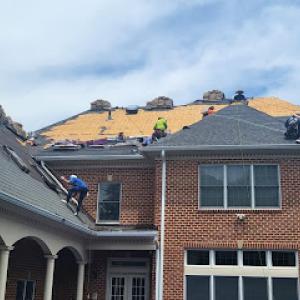
JCS Construction
(301) 648-0151 jcsconstructions.com
Serving
5.0 from 13 reviews
Welcome to JCS Construction, LLC, we are a top-rated roofing company in Maryland, proudly serving Laurel and surrounding. Our expert roofing contractors have over 15 years of experience, so you can be assured that everything is done right.
TC Dryer Vent & Air Duct Cleaning
Serving
4.9 from 47 reviews
TC Dryer Vent & Air Duct Cleaning And Repair is a trusted and professional company offering comprehensive chimney sweep and repair services in the Clinton area. With a commitment to exceptional customer service and quality workmanship, we are the go-to experts for all your chimney needs. Our highly skilled team specializes in chimney sweep cleaning for residential and commercial properties. In addition to chimney sweep cleaning, we offer a wide range of chimney repair services. Our expertise covers chimney cap installation.

Rapid Roofing & Remodeling
(301) 266-1393 www.rapidroofingandremodeling.com
Serving
4.9 from 161 reviews
Rapid Roofing & Remodeling is a family owned business specializing in Roofing, Gutters, Windows & Siding in the DMV area. We offer flexible financing and affordable pricing. Call Today for a FREE Roof Estimate. If you are looking for a roofing contractor you have come to the right place.

Jet Renovation
(301) 312-0661 www.jetrenovation.com
Serving
5.0 from 233 reviews
Our company, Jet Renovation, is locally owned and operated, proudly serving Maryland, Virginia, and Washington, DC. Since our founding in 2010, we’ve been committed to providing high-quality, reliable, and reasonably priced services. Our dedication to excellence has earned us a strong reputation within the community, thanks to our focus on top-notch materials and skilled workmanship that ensure outstanding results for our customers.

Olde To Better Yet
(202) 352-1839 www.oldetobetteryetllc.com
Serving
4.4 from 21 reviews
Olde To Better Yet Provides Roofing, Siding and Windows serving Montgomery County, Calvert County, Anne Arundel County, & Prince George's County. We also service Baltimore, City Maryland. Based in Clinton, MD we provide free estimates for all jobs. To get a free quote please visit our website and fill out a contact form or give us a call. We service most types of siding. To inquire about the type of siding used in your home please feel free to call and speak with one of our experts. We offer fair pricing, dependable service, and Guarantee every job. Work with a local company that stands behind their work. Call us today! Maryland Licensed Bonded & Insured.

Penwin Roofing & Windows
(301) 296-8444 penwinroofing.com
Serving
4.6 from 20 reviews
Penwin Roofing & Windows has been a trusted provider of home improvement services in Clinton, Maryland for over 25 years. We offer a wide range of services, from roofing and windows to siding and doors. We believe in quality workmanship and customer satisfaction, and we're proud to have helped thousands of homeowners improve their homes.
AROCON Roofing VA
(571) 688-5393 www.aroconllc.com
Serving
4.9 from 256 reviews
At AROCON Roofing and Construction in Alexandria, VA, we offer a comprehensive range of home improvement services with a focus on superior craftsmanship and exceptional customer care. Our expertise includes roofing, gutters, siding, windows, and doors. From routine maintenance to major repairs, our skilled team ensures your home is well-protected. As an Owens Corning Platinum Preferred Contractor, we provide lifetime warranties on both materials and workmanship. We pride ourselves on timely project completion and outstanding service. Contact us for a free consultation to experience our unmatched quality.
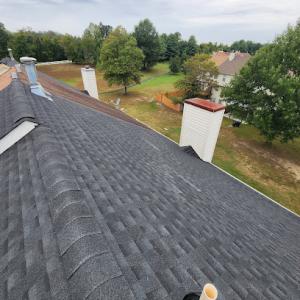
Remodeling Solutions
(301) 604-6600 remodelingsolutionsmd.com
Serving
5.0 from 18 reviews
We help homeowners get a new roof through there insurance. If you have wind/hail damage your insurance has to replace your roof. For more information please visit our website or feel free to call us thanks for your time.
The housing stock in this area features postwar and mid-century homes with simple gable roofs, but additions, porches, and carports frequently create low-slope transitions that tend to leak before the main field fails. Asphalt shingles dominate locally, so expect common wear patterns like cupping, splitting, and flashing gaps around edges and transitions. You'll also encounter metal, slate, clay tile, concrete tile, and synthetic/composite shingles block by block, which means repairability and matching can vary a lot from street to street. When planning repairs, identify the exact roof material first and map out the most common failure points for that type.
Low-slope sections are a particular concern near additions and porch roof lines. Water can travel laterally before it pools into a seam or flashing. In Temple Hills, those transitions often fail at the interface between a steeper main field and a flatter extension. Look for signs of edge drip, raised shingle tabs at the transition, or algae-streaks that indicate slow leaks. For metal roofs, check panel seams and closures; for tile or slate, inspect fasteners and underlayment at the change line. In many cases, the field remains solid while the transition leaks first, so targeted attention there saves bigger repairs.
Skylights and chimney penetrations show up often enough to shape contractor practice in this market. Older homes may have flashing details that predate current underlayment and ventilation practices, which means flashing lintels, step/flashing seams, and sealant wear can fail earlier than you expect. Inspect around skylights for loose or missing shingle laps and degraded sealant. Chimneys should be checked for mortar cracks that widen with winter cycles, which can pull flashing away from the roof surface. On slate or clay tile, improper flashing can cause rapid deterioration of surrounding tiles, so plan for careful re-flashing or tile replacement when evidence of movement exists.
Asphalt shingles: repairs should preserve the existing pattern and thickness, so matching color and tab size matters. Synthetic/composite shingles offer better patching flexibility than natural slate, but color shade can still differ across batches. Metal roofs require attention to panel seams and flashings; corrosion-resistant fasteners help extend life in a climate with freeze-thaw cycles. Clay and concrete tile demand precise matching to maintain the roof's water-shedding profile; a mismatched tile can create new leak paths. For slate, individual tile replacement may be feasible, but finding exact thickness and color can be challenging. In all cases, careful inspection of underlayment and attic ventilation helps determine whether a repair will hold long term or if a larger section needs replacement.
Seasonal storm patterns in this area stress roof edges and penetrations. After wind events or hail, prioritize clearing gutters and inspecting for lifted edges along gables and low-slope transitions. Keep an eye on flashing around skylights and chimneys after winter freezes, as rapid temperature changes amplify joint stress. If an older home shows unusual staining or damp patches near transitions, don't delay a professional assessment-especially if you live near a porch or carport extension where leaks tend to start. Regular, staged inspections now help avoid bigger leaks when a storm hits.
Spring brings milder temperatures and longer daylight, which helps with energy efficiency during roof work. In this window, asphalt shingles and synthetic/composite options typically go on smoothly, and crews can tackle leak-response tasks more reliably than in the peak heat of summer. However, spring scheduling can still be disrupted by hail and wind events, which means crews are frequently juggling storm-response jobs for priority clients. If a wind-driven leak or hail dent appears after a storm, act quickly to preserve underlayment and interior protection while arranging a wind-damage assessment with the insurer. Plan ahead for potential delays by having a preferred contractor on a short list and confirming crew availability a few weeks in advance after a significant storm.
Summer in this area brings hot, humid days and occasional heavy popping thunderstorms. Roofing tasks that involve underlayment and ventilation work can stall when temperatures push past comfort thresholds or when afternoon storms roll through. If a replacement is underway, ensure the crew has shaded breaks and an anchor plan for long days on a steep slope or low-slope section. For metal roofs or tile replacements, alignment and sealant curing depend on consistent drying conditions, so expect some flexibility in scheduling. If a leak is active, temporary measures to divert water should be coordinated with the contractor, and a rapid response plan should be established to minimize interior damage before a weather window opens for full replacement or repairs.
Autumn is commonly the best overall window for a full roof project, thanks to cooler days and less humidity. The moderate temperatures help with underlayment bedding, vent installation, and sealant performance. However, autumn rain and humidity can slow underlayment drying and ventilation-related work, so late-season projects need tighter scheduling than homeowners often expect. Plan for a sequence where tear-off, if needed, is completed during dry spells, with surface prep and ventilation work finished before heavy rains resume. This season-friendly pace means coordination with the crew to avoid overlapping tasks with other nearby projects is essential to keep the project on track.
Even outside the peak replacement windows, a storm can trigger urgent repairs. In Temple Hills, wind-driven damage and hail events require prompt assessment and documented evidence for insurance purposes. Have photos ready showing the roof's condition before and after the storm, notes on leaks, and a written timeline of when the damage occurred. When scheduling after a major storm, confirm that the selected crew can prioritize emergency repairs and then transition to a full roof replacement or repair plan within the preferred season windows. Clear communication about expected sequencing helps ensure the project remains on track despite the variability of storm activity.
Coordinate with the contractor to secure a start date that aligns with your preferred window, but build in a buffer for weather-related delays. For spring starts, reserve contingency days for potential hail or wind redeployments if a storm sweeps through your area. In autumn, set clear milestones for underlayment drying and ventilation work, and request daily progress updates to catch delays early. In all cases, maintain a ready-to-activate leak response plan so interior protection can be deployed at the first sign of a new leak while awaiting the next favorable weather period.
Asphalt shingles in this market run roughly from 420 to 640 USD per square, a range that factors in local crew availability and near-DC demand cycles more than raw material price alone. Metal roofing tends to land between 700 and 1,200 USD per square, reflecting the specialty labor and longer lifecycle considerations common to storms and high-wear winters. Clay tile sits higher in the mix-about 1,500 to 2,500 USD per square-while concrete tile generally falls between 1,400 and 2,600 USD per square. Synthetic or composite shingles offer a middle ground, roughly 520 to 900 USD per square, with performance claims tied to weight and wind resistance. Slate remains the premium option at 2,600 to 6,500 USD per square, dominated by installer availability and structural compatibility.
Pricing in this area isn't driven by material choice alone. The Prince George's County permit process and the scheduling of inspections can push timelines and costs higher, especially when crew availability tightens after a storm. In practice, this means two projects with identical material specs can diverge in price based on how quickly the work can start and how long inspectors take to clear completed work. Storm activity can further raise local pricing and extend wait times as emergency repairs and insurance-funded replacements crowd the schedule. For homes with low-slope tie-ins or additional features, expect a steeper climb in both price and lead time, since crews may need specialized equipment and careful weatherproofing before a seal is considered final.
Heavier materials like slate and tile demand more structural review and labor, which amplifies both cost and scheduling sensitivity. If a home has skylights or a chimney with multiple penetrations, the complexity adds to the price tag and requires skilled detailing to maintain water-tight seams. Shingles and synthetic options provide faster throughput in many cases, but even these can be affected by peak storm seasons when crews swing from repairs to replacements. In mid-century homes with mid- or high-slope sections, anticipate higher labor hours and potential reinforcement work, which pushes the square-rate upward above standard estimates.
Get a clear picture of your project costs upfront - no commitment required.
Shaw's 1st Choice Roofing & Contracting
(202) 826-2912 shaws1stchoice.com
Temple Hills, Maryland
4.9 from 31 reviews

Rapid Roofing & Remodeling
(301) 266-1393 www.rapidroofingandremodeling.com
Serving
4.9 from 161 reviews
A full re-roof in Temple Hills typically requires a building permit through Prince George's County rather than a separate city-run building department process. Because the area is unincorporated, the county handles the plumbing, electrical, and structural oversight tied to a roofing project. The permit acts as a formal acknowledgement that the work meets county-adopted standards for wind resistance, underlayment, ventilation, and fire safety. Handling this through the county helps ensure corrections or adjustments are tracked consistently, especially when weather-driven claims arise after a storm.
The county workflow includes scheduled inspections and a final inspection focused on items such as nailing, underlayment, and ventilation. In practice, you'll submit plan details, receive an issuance notice, and then schedule inspections at key milestones: after roof deck and underlayment are in, after flashing and vent details are installed, and finally at completion. A typical sequence aligns with the weather window in late summer or early fall, when shingles and underlayment are less vulnerable to rapid freeze-thaw cycles. If any round of inspection fails, a re-inspection will be needed, which can affect project timing and permit expiration. Keeping a clear record of inspection dates and inspector feedback helps prevent delays, especially if storm repairs require expedited processing.
Storm damage and wind-driven hail responses often trigger accelerated claim work. Because Temple Hills sits in the county jurisdiction, the permit process coordinates with insurance documentation and contractor scheduling in a predictable way. You should expect the county to verify that membranes, fasteners, and ventilation are installed to the standard that resists typical Prince George's County weather patterns. When insurance adjustments are involved, retain inspector-approved documentation, including references to nailing patterns and underlayment types, to support claim reimbursements or scope changes.
Start by contacting the Prince George's County permit office early in the planning stage, not after materials arrive. Have your roofing contractor provide stamped plans or a straightforward scope of work that identifies underlayment type, ventilation strategy, and fastener schedule. Schedule your inspections with built-in buffers for potential weather delays, and prepare the roof line, attic access, and ventilation components to allow smooth access for the inspector. Because the county relies on a transparent, traceable process, keeping copies of permits, inspection reports, and any amendment requests in your project folder helps you respond quickly if a claim needs to reference compliance status.
If the project involves low-slope sections on mid-century homes, ensure the plan confirms appropriate strap, seam, and drip-edge details, as these are common inspection focal points. Coordinate with the contractor to ensure the final inspection paperwork clearly documents nailing density, underlayment type and laps, and attic ventilation adequacy. Should a storm claim influence scope mid-project, request a quick, documented review with the county inspector to confirm that any changes maintain code compliance and permit validity.
In this market, carriers may limit coverage on older roofs or on certain materials, making roof age and maintenance records especially important for Temple Hills homeowners. The idea is simple: a roof that has shown proactive care and remains structurally solid can still meet a carrier's standards, while long since neglected roofs invite closer scrutiny or denials. When a storm hits, that scrutiny sharpens quickly, and your claim may hinge on the condition your insurer saw before the event and the upkeep you can prove afterward.
Adjusters commonly compare pre- and post-storm images, so Temple Hills owners benefit from keeping dated photos before the next hail or wind event. A few clear snaps of ridge lines, flashing, and any existing leaks help establish a baseline. Store these images in a cloud folder labeled by year and address, with reminders to refresh after seasonal maintenance or upgrades. If hail pocks a gutter or wind loosens a shingle, the before-and-after record can dramatically influence how a claim is assessed.
Because claims are common locally, homeowners replacing roofs in Temple Hills should ask how documentation, ventilation notes, and final inspection records will support future claims. Ventilation and attic condition influence moisture management, mold risk, and overall roof health-factors insurers consider when evaluating wear and the potential for latent damage. Retain contractor certificates, test results, and a clear summary of any non-visible repairs. Those records can become your valuable evidence if a future storm requires another claim.
In this neighborhood, the best defense is organized documentation and honest maintenance records. Treat every repair or upgrade as part of a claim-prep file, not an afterthought. If a storm exposes vulnerabilities, clear, dated notes and photos help demonstrate that damage arose from the event, not from prior neglect. Being prepared now can ease the path to resolution later.
Connect with contractors who help homeowners navigate the claims process from damage assessment to final approval.
CS1 Remodeling
(301) 873-6514 www.cs1remodeling.com
4512 Beech Rd, Temple Hills, Maryland
4.8 from 190 reviews

Custom Home Exteriors
(240) 565-8908 customhomeexteriorsllc.us
6005 Tipton Dr, Temple Hills, Maryland
5.0 from 22 reviews

Asphalt shingles remain the default choice because they fit the housing stock and typical budget in this area. In Temple Hills, a humid climate and regular rainfall can shorten their service life if attic ventilation and roof ventilation are inadequate. To get the most from an asphalt roof, pair shingles with a vented soffit and an appropriately sized ridge vent, and ensure the attic has a breathable vapor barrier. Proper attic drainage and directing runoff away from exterior walls helps prevent leaks around eaves and intersections. When choosing asphalt, consider a higher-than-average nail pattern and a quality sealant around penetrations to cope with seasonal humidity swings.
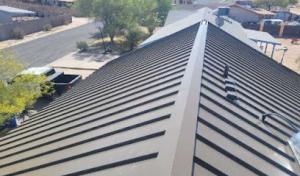
Metal roofing stands out for durability through wet winters and hot summers. It is a sensible upgrade if you want to resist wind-driven leaks and rapid temperature shifts. In older homes, detailing around additions, chimneys, dormers, and penetrations matters as much as the panel choice itself. Pay close attention to flashing at transitions, joints, and fastener sealing. A metal roof over a shallow slope can work, but ensure the underlayment and substrate are compatible with the system you select. For mid-century and add-on sections, matching fastener color and sealant types helps minimize corrosion risks and water intrusion.
Slate, clay tile, concrete tile, and synthetic products appear in the local market but require more careful matching, flashing, and structural consideration than standard shingle replacements. These materials are heavier and demand a solid deck and sometimes reinforcement around supporting members. Ensure flashing around outlets, chimneys, and skylights is specifically rated for the chosen material, and verify that valleys and hips are properly flashed to accommodate expansion and contraction. Synthetic and composite options can offer lighter weight or easier handling, but still rely on precise installation and compatible underlayment to perform well in this climate.
Explore specialists in steel, aluminum, and standing seam metal roofs built to last 50 years or more.
Custom Home Exteriors
(240) 565-8908 customhomeexteriorsllc.us
6005 Tipton Dr, Temple Hills, Maryland
5.0 from 22 reviews