
Last updated: Apr 19, 2026
Oxon Hill sits along the Potomac River corridor in southern Prince George's County, where thunderstorms and wind-driven rain can push water under vulnerable shingles and flashing. The humid subtropical pattern means hot, storm-prone summers that routinely stress roofing seams, vents, and edging. In practical terms, a fast-moving squall can lift a handful of shingles, ripple underlayment, or force water into flashing corners near chimneys and vents. That combination-wind, rain, and a humid roof deck-produces leaks many homeowners discover in the middle of a thunderstorm or during the immediate aftermath. The most important thing is to treat every active leak as an emergency, especially during prolonged downpours when rain can travel along attic spaces and rafters before a visible drip shows up in the living area.
After a storm, look for lifted edges along the rake and eave lines, curling of shingles near hips and ridges, and flashing that looks displaced or corroded. Water marks on ceilings that don't correspond to a visible interior plumbing issue are a telltale sign of wind-driven infiltration around vents, chimneys, and roof-to-wall junctions. If you see moisture staining or active dripping, assume the roof is compromised beyond a cosmetic patch and needs quick containment. In this climate, small openings can widen rapidly as wind continues to press against the facade, so do not delay a tarp or temporary cover once you've verified the leak path.
When a leak is suspected or confirmed, the number-one objective is to prevent more water from entering while you arrange a professional response. Start by safeguarding personal belongings in the attic and moving valuables away from the leak path. From outside, identify a dry, continuous surface over the affected area to anchor a tarp. Roll or lay a heavy-duty plastic or poly tarp over the damaged section, extending at least several feet beyond the leak line to create a true shield. Secure with roofing nails or corrosion-resistant fasteners, and add a layer of plywood or sturdy boards under the edges to prevent wind from lifting the tarp. If possible, use C-clamps or weighted sandbags at the corners to keep the cover from billowing in gusts. Check the tarp after the heaviest rain stops; wind-driven gusts can loosen fasteners, leaving a vulnerability that needs reinforcements.
Flashing around chimneys, vents, and stack penetrations is particularly vulnerable to Oxon Hill's storm patterns. Water tends to travel along the line of least resistance, so even a small gap under flashing can channel leaks into the attic or ceiling. A temporary seal with duct tape is not a solution for a long-term fix, but it can reduce immediate ingress while you arrange professional help. Avoid applying sealants that trap moisture under membranes; the goal is to keep water out, not to create a moisture trap that will complicate later remediation.
Contractor signals in this market strongly favor emergency repair and storm damage work, indicating homeowners commonly need rapid response after severe weather rather than only planned replacements. Communicate clearly: describe the observed leakage path, the areas tested, and any prior damage you suspect around flashing, valleys, or vents. If a tarp is in place, photograph it to show the coverage extent and wind resistance. Request a prioritized assessment window and a documented plan for temporary containment until a full repair can be scheduled. In this climate, a fast, documented response not only reduces interior damage but also streamlines the insurance documentation you may need in the days after a storm.
In this neighborhood along the Potomac-facing edge and near National Harbor, storm claims are scrutinized more closely than in many other markets. If a leak or wind event hits, the timeline you build with photos, notes, and a clear contractor scope becomes the backbone of any claim. A well-documented sequence can mean the difference between a repair and a full replacement being approved, so the quality of your files matters as much as the damage itself. This is not about fearmongering; it is about making sure you hold onto the recovery options when storm-driven damage is on the line.
Begin with date-stamped evidence the moment the storm stops. Interior signs of water intrusion-stains, warped drywall, soaked insulation, and ceiling sag-should be photographed with close-ups and wide shots to show the scope. Exterior photos should capture the roof from multiple angles, attic spaces if accessible, and any displaced flashing or lifted shingles. After the event, keep a running, dated log of every witness observation: where water appeared, how fast it spread, and any temporary fixes attempted. In this market, interior leak evidence and a written damage timeline before temporary repairs erase clues are indispensable. If possible, preserve damaged materials or take high-resolution images of them before removal to anchor your claim in verifiable condition.
Adjusters in this district often request contractor estimates and scope comparisons. A clear, itemized scope that aligns with your photographs helps define whether the damage is repairable or warrants replacement. Work with a contractor who can provide both a detailed scope and a concise narrative tying each item to the observed condition. When the contractor's scope mirrors the photos and timeline, the documentation reads as credible and complete. If a dispute arises, you will have a straightforward, auditable trail showing what was damaged, what was proposed to fix it, and why those decisions matched the evidence on site.
Create a single, organized binder or digital folder labeled by incident date and location within the home. Include: the storm date, the sequence of leaks or damage, the interior photos with timestamps, exterior roof photos, attic observations, and a contractor's scope with line-item details. If you made temporary repairs, document what you did, why, and when, with photos taken before and after. For interior work, ensure you have clear evidence of pre-existing conditions that justify the need for restoration rather than cosmetic patchwork. This structure helps an adjuster quickly verify the claim and reduces back-and-forth that could delay approval.
Storm claims evolve as more information comes in, so be prepared to supplement your file with updated contractor estimates or scope refinements. A claim in this region hinges on presenting a coherent narrative: the exact problem, the observed progression, and a credible plan for repair or replacement. If the evidence shows rapid deterioration after the initial event, you are better positioned to demonstrate urgency and necessity. In the end, the clarity of your documentation shapes the likelihood of a timely, fair resolution, rather than leaving a slow-moving decision to chance.
Connect with contractors who help homeowners navigate the claims process from damage assessment to final approval.
Jet Renovation
(301) 312-0661 www.jetrenovation.com
7401 Livingston Rd, Oxon Hill, Maryland
5.0 from 233 reviews

Jet Renovation
(301) 312-0661 www.jetrenovation.com
7401 Livingston Rd, Oxon Hill, Maryland
5.0 from 233 reviews
Our company, Jet Renovation, is locally owned and operated, proudly serving Maryland, Virginia, and Washington, DC. Since our founding in 2010, we’ve been committed to providing high-quality, reliable, and reasonably priced services. Our dedication to excellence has earned us a strong reputation within the community, thanks to our focus on top-notch materials and skilled workmanship that ensure outstanding results for our customers.
Shaw's 1st Choice Roofing & Contracting
(202) 826-2912 shaws1stchoice.com
Serving
4.9 from 31 reviews
Shaw's 1st Choice Roofing and Contracting is a full-service roofing and contracting company with over 30 years of experience serving the entire DMV area. We offer a wide range of services, from roof, gutter and siding repair and replacement to home remodeling. While we may not be the cheapest nor the fastest, we are the absolute best at completing the job perfectly without any lingering questions or issues. Here at Shaw's 1st Choice, we stand tall in confidence with a A+ rating by the Better Business Bureau. We are dedicated to providing our clients with first-class quality workmanship and superior customer service.
AROCON Roofing VA
(571) 688-5393 www.aroconllc.com
Serving
4.9 from 256 reviews
At AROCON Roofing and Construction in Alexandria, VA, we offer a comprehensive range of home improvement services with a focus on superior craftsmanship and exceptional customer care. Our expertise includes roofing, gutters, siding, windows, and doors. From routine maintenance to major repairs, our skilled team ensures your home is well-protected. As an Owens Corning Platinum Preferred Contractor, we provide lifetime warranties on both materials and workmanship. We pride ourselves on timely project completion and outstanding service. Contact us for a free consultation to experience our unmatched quality.
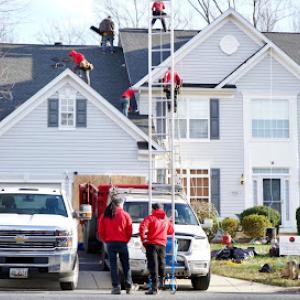
CS1 Remodeling
(301) 873-6514 www.cs1remodeling.com
Serving
4.8 from 190 reviews
CS1 Remodeling is a full-service construction company specializing Roofing, Gutters, Windows, and Home Remodeling/Renovations in the DMV area. Our mission is to satisfy our client’s home renovation needs through excellent service and quality work.
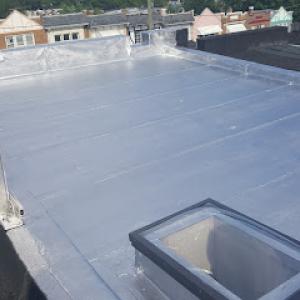
Flat Roof Experts
(202) 494-3138 www.flatroofexpertsmd.com
Serving
4.7 from 14 reviews
Professional Flat Roof Experts in Metro DC for Residential Homes and Business. My business is licensed, owned, and operated with a crew of professionals since 1981. I will personally come to your home or business and provide you with a free cost estimate in a timely manner. Thanks, Raymond Johnson
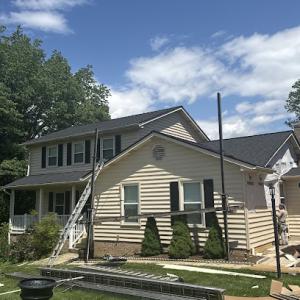
StormProof Exteriors
(410) 934-4923 stormproofext.com
Serving
5.0 from 54 reviews
StormProof Exteriors is the fastest growing exterior remodeling contractor servicing Maryland and Virginia. With the knowledge acquired from over 20 years in the industry, StormProof Exteriors guarantees each customer the best roofing, siding, and gutter solutions available. Specializes in hassle-free insurance claim resolutions.

Custom Home Exteriors
(240) 565-8908 customhomeexteriorsllc.us
Serving
5.0 from 22 reviews
Custom Home Exteriors offers residential and comercial roofing, siding, and gutter installation and repairs, with same-day emergency services throughout the DMV area.
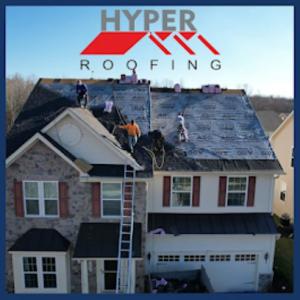
Hyper Roofing
(703) 952-5216 hyperroofing.com
Serving
5.0 from 35 reviews
Hyper Roofing is a premier roofing contractor in Alexandria, VA, established in 2021. Renowned for exceptional craftsmanship and reliable service, we specialize in residential and commercial roofing solutions, including installations, repairs, and maintenance. Our team is committed to using top-quality materials and innovative techniques to ensure lasting results. Trust Hyper Roofing for expertise, integrity, and a dedication to exceeding customer expectations. Your roof, our priority!
Home Matters Exterior Remodel
(301) 850-1572 www.homemattersremodel.com
Serving
5.0 from 15 reviews
Family Owned and Operated We believe in the people we work with and work for. We measure our own teams with not only the pride they take in their work and results, but the measure of respect and integrity they have for each other, our clients, and the project at hand.
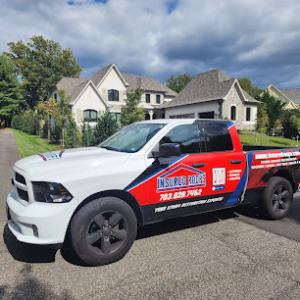
Insured Roofs - Arlington Branch
(703) 828-7462 www.insuredroofs.com
Serving
5.0 from 56 reviews
Insured Roofs is a storm restoration company and roofing contractor serving Arlington, VA and the greater DMV area. We specialize in roofing, siding, solar as well as general home improvements. Contact us for our FREE roof assessment. Our complimentary roof inspections come with a 3d model of the exterior of your home with the measurements attached. We also take over 100 photos of every component of your roofing system.
SBG Home Exteriors
Serving
4.9 from 51 reviews
Here to service all your home exterior roofing, siding, windows and doors needs. We also specialize in storm restoration and assisting with home insurance repair claims.
TC Dryer Vent & Air Duct Cleaning
Serving
4.9 from 47 reviews
TC Dryer Vent & Air Duct Cleaning And Repair is a trusted and professional company offering comprehensive chimney sweep and repair services in the Clinton area. With a commitment to exceptional customer service and quality workmanship, we are the go-to experts for all your chimney needs. Our highly skilled team specializes in chimney sweep cleaning for residential and commercial properties. In addition to chimney sweep cleaning, we offer a wide range of chimney repair services. Our expertise covers chimney cap installation.
Spring brings mild days that help sealants cure and shingles settle without the extreme heat of mid-summer. In this climate, replacement windows are most reliable when temperatures hold in the comfortable range without sudden cold snaps. If a tear-off is planned, align the schedule so asphalt shingles are handled during a stretch of dry days rather than after a long rain spell. A cautious approach to spring work includes confirming that roofing crews have a clearly defined sequence: protective tarps over exposed decking, proper ventilation during removal, and a rapid return-to-service plan for any deck or attic access. In practice, that means locking down a window with two consecutive dry days, a short backup contingency, and a crew prepared to accelerate a minor repairs punch list if unexpected moisture appears. The goal is to minimize decking exposure time while the weather remains cooperative.
Fall work benefits from cooler, stable temperatures that help sealants and fasteners set without overheating. However, this season also brings hurricane-season moisture pressure and heavy storm demand, which can tighten contractor availability and extend lead times. Plan fall projects with a long horizon, and confirm your chosen contractor has a clear fallback plan for weather delays, including prioritization of essential repairs to prevent leaks. When autumn storms are forecast, you should expect tighter scheduling and potential rescheduling due to moisture in the air and on the surface. Ahead of the first cold snaps, complete a thorough roof inspection to identify loose shingles, lifted edges, or flashing that could misbehave under a freeze-thaw cycle. That inspection helps you address small issues before they become leaks during a storm-driven delay.
Frequent spring rain in the Washington-area corridor can delay tear-offs and expose decking if schedules are not tightly managed. If a project hits a rainy spell, talk through contingency steps with the contractor: a temporary weather-tight solution for hours of rain, rapid deck protection, and a clear plan to resume once skies clear. You should also verify that decking edges are protected during removal so that plywood and sheathing aren't compromised by moisture intrusion. A practical approach is to stage the tear-off in sections, allowing portions of the roof to be resealed and insulated while other areas remain under temporary protection. This reduces prolonged exposure and minimizes the risk of interior leaks while the weather cycles.
In the transition weeks between spring and fall windows, discuss with your crew how to balance workload with the unpredictable spike in demand after winter storms. A neighborly tactic is to coordinate start dates with adjacent homes on the block, sharing determined lead times and backup crews when possible. In practice, the most resilient approach is a documented plan that anticipates weather delays, schedules material deliveries during forecasted dry spells, and prioritizes rapid leak prevention if rain becomes imminent.
Get a clear picture of your project costs upfront - no commitment required.
Shaw's 1st Choice Roofing & Contracting
(202) 826-2912 shaws1stchoice.com
Serving
4.9 from 31 reviews
Rapid Roofing & Remodeling
(301) 266-1393 www.rapidroofingandremodeling.com
Serving
4.9 from 161 reviews
Asphalt shingles are the workhorse of Oxon Hill roofs, a practical default for many neighborhoods. The local climate-hot, humid summers paired with thunderstorm-driven rain-tavors a product that resists wind uplift and dries quickly after downpours. In this setting, asphalt shingles perform reliably when installed with quality underlayment and proper ventilation. However, the hot humid summers tend to shorten their service life faster than in cooler inland climates, so it's wise to choose architectural or laminated profiles that provide better wind resistance and a thicker, more durable grain. Pay attention to the warranty details from the manufacturer and ensure a competent installation crew that can handle moisture-prone conditions around chimneys, vents, and skylights. In neighborhoods with mixed architectural styles, asphalt remains flexible enough to match older façades while still delivering straightforward maintenance.
Metal roofing offers meaningful gains for storm resilience and heat performance. Its fast shedding of rain and resilience against wind make it appealing where severe thunderstorms are common and the house faces open exposure along the Potomac corridor. The local market treats metal as a premium option, and the upfront investment reflects that. For the best performance here, select metal with a standing-seam profile or a hidden-fastener system, and confirm adequate attic insulation and ventilation to moderate interior temperatures. Proper sealing around eave edges, flashing, and transitions to brick or stucco matters, especially on older homes with complex rooflines. If you anticipate rapid weather changes, metal can reduce the chance of small leaks during heavy storms, but it still requires careful installation and inspection after major events.
Clay and concrete tiles bring a distinct curb appeal and durability, yet their weight can dictate structural load. In blocks of older neighborhoods and newer National Harbor-area development, some roofs may need reinforcement to carry heavier tile systems, and moisture exposure requires solid underlayment and moisture barriers. Wood shakes offer a warm, textured look but demand meticulous maintenance against rot and insect activity in humid heat. Synthetic shingles imitate natural materials with less weight and often better impact resistance, but they vary in performance across long dry spells and heavy rain. When evaluating these options, consider how the architectural mix in the home and the surrounding streets interact with materials, and ensure the roof structure can handle the chosen option without compromising energy efficiency or attic health.
In a storm-prone climate, the best material is the one you can inspect and repair quickly after a wind-driven event. Prioritize roof systems with quality flashing, layered underlayment, and robust edge detailing. Develop a simple post-storm plan: safely inspect from the ground, note any damaged shingles or flashing, and contact a local pro promptly for an assessment and leak-stop measures. In older houses, test for gaps around chimneys, vents, and skylights, especially when a different material is proposed for a replacement. A proactive approach to inspections and timely repairs helps keep moisture out and preserves the roof's performance through Oxon Hill's thunderstorm season.
Flat-roof specialization is active in this market, reflecting the number of low-slope sections found on additions, porches, multifamily buildings, and some commercial-residential mixed structures near the corridor. The humidity and proximity to the Potomac mean a lot of weather events hit these roofs, especially during summer storms. Expect more frequent small leaks from wind-driven rain and channeling through curb or parapet details. A practical mindset here is to treat every low-slope roof like a first-line defense: robust edge detailing, reliable drains, and attention to the transition points where the main roof meets additions or replacement sections.
Oxon Hill's frequent rain and summer downpours make drainage and ponding management especially important on low-slope roofs. Start with drainage assessment: confirm that drain sumps are clear, scuppers are unobstructed, and downspouts discharge away from walls. Check for any standing water after a heavy shower, even on roofs with slight slope; the goal is no ponding that lasts more than 48 hours. Foot traffic and maintenance access should align with drain locations to avoid dislodging membranes. For repairs, match existing slope where feasible and seal penetrations around vent stacks, skylights, and HVAC curb penetrations with materials rated for low-slope use. Consider temporary protective measures for anticipated heavy rains during any repair window.
Roof coatings have a smaller but real local presence, suggesting some owners are pursuing restoration on aging low-slope systems instead of immediate full replacement. If a coating is chosen, ensure the system is compatible with the existing membrane type and that the substrate is sound enough to hold the coating long term. Coatings can buy time on a marginally performing roof, but they don't fix structural issues or severe ponding. Schedule a competent coating contractor to perform surface prep, patch delaminations, and apply a breathable, elastomeric coating designed for the local rainfall patterns. Regular inspection after application helps verify coating integrity through the spring thunderstorm season.
Develop a simple seasonal check routine focused on low-slope areas adjacent to additions and porches. After storms, inspect for lift or bubble in the membrane near penetrations and transitions. Clean gutters and verify the roof edge metal is intact to prevent wind-driven infiltration. Document any signs of wear with clear photos and a dated note; these records help with early leak response and, if needed, insurance communication. When planning a small retrofit or patch, coordinate with a contractor who has explicit experience with flat-roof systems and drainage details to ensure compatibility with the added sections and year-round exposure.
Find specialists in TPO, EPDM, and built-up flat roofing systems for residential and commercial properties.
Jet Renovation
(301) 312-0661 www.jetrenovation.com
7401 Livingston Rd, Oxon Hill, Maryland
5.0 from 233 reviews
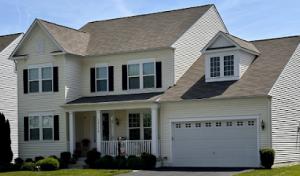
In Oxon Hill, a full roof replacement typically requires a permit through Prince George's County rather than a separate city building department. The contractor usually files the permit and coordinates the county inspection sequence, streamlining the process for a storm-damaged or weather-updated roof. A final inspection is required after completion to confirm the work meets county standards and to close the permit properly. Understanding this flow helps you avoid delays when a rapid tarp-to-shingle turnaround is needed after a heavy rain or wind event.
Because the county handles the bulk of the permit tasks, your chosen roofing company should be prepared to submit the initial paperwork, arrange inspections, and respond to any county-specified corrections. Inspections commonly occur at multiple stages: after the roof deck is exposed, midway through installation, and at final completion. Having clear communication with your contractor about scheduling windows-especially during peak storm season-can help ensure inspections align with weather and avoid rework.
Some neighborhoods and HOA-governed communities carry additional steps beyond county permitting. Exterior appearance standards, color and material approvals, or mitigation requirements for wind resistance can trigger extra review. If your home sits in a community with an HOA, check the governing documents or contact the management association early in the project to prevent delays. Having these approvals lined up before the permit is issued reduces the chance of hold-ups at the county stage.
Start with a pre-project walkthrough to document storm-related damage and share notes with the contractor for accurate permit scope. Request a copy of the county inspection schedule and maintain a calendar of inspection dates. Keep HOA approval confirmations accessible, so there is a clear path from permit submission to final clearance. This coordinated approach helps minimize downtime and keeps the project moving efficiently in the often weather-hit environment valleys and storms of the area.
In this market, per-square pricing follows the local ranges you'll see posted for typical Oxon Hill homes. Asphalt shingles run about 350 to 700 USD per square, depending on thickness, underlayment, and whether any upgraded warranty is included. Metal roofing sits higher, roughly 900 to 1500 USD per square, with costs climbing for thicker panels or specialized coatings that improve wind resistance. Clay tile tends to land between 1000 and 1800 USD per square, influenced by the weight, substrate requirements, and the need for reinforcement in certain roof lines. Concrete tile moves from about 1100 to 1900 USD per square, with higher figures for intricate patterns or larger roof footprints. Wood shingles or shakes typically span 600 to 1100 USD per square, where the aesthetic and slower installation can push prices up in storm-prone seasons. Synthetic or composite shingles fall in a mid-range, roughly 500 to 900 USD per square, offering a balance of wind resistance and ease of installation. These per-square numbers reflect standard pitched roofs; if the roof has low-slope sections or unusual geometry, expect adjustments.
Costs in this area can rise after regional storm events when emergency demand spikes across Prince George's County and the broader Washington metro labor pool tightens. When a surge hits, material lead times lengthen and crew availability tightens, pushing day rates and overtime into the job quote. Any estimate should include a contingency for unexpected repairs detected during inspection, such as flashing or ventilation work that becomes apparent only once the existing roof is exposed. In a high-wind environment, higher-end underlayments or fasteners may be recommended, which can elevate the total beyond the base per-square figure.
For homes facing frequent thunderstorm activity, metal or synthetic options often deliver the best long-term value in terms of wind resistance and service life, though initial cost is higher. Clay and concrete tiles provide durable aesthetics but require careful assessment of roof structure and weight capacity. Asphalt remains a practical, lower-cost choice if the goal is a straightforward replacement with solid warranty coverage. Evaluate the balance between upfront price, wind performance, and the likelihood of rapid replacement needs after a heavy storm.
In the end, the mix of standard pitched sections with occasional low-slope areas, along with the specific storm history of your neighborhood, will shape the final project cost. A thorough assessment that details the roof's complexity, material choice, and anticipated labor conditions during the next storm season will help anchor a reliable budget.
Don't let upfront costs delay a critical repair - these contractors offer payment plans to fit your budget.
Rapid Roofing & Remodeling
(301) 266-1393 www.rapidroofingandremodeling.com
Serving
4.9 from 161 reviews
Capitol Improvements Washington DC - Roofing | Siding | Doors
(410) 587-0128 www.improveitmd.com
Serving
5.0 from 65 reviews
In this coastal area with frequent thunderstorm activity and wind-driven rain along the Potomac corridor, skylight leaks are rarely a mystery born of one bad sheet of glass. Instead, recurring seepage tends to trace to aging seals and marginal curb flashing that can fail under heavy downpours. Skylight service is notably active in the local market, and that pattern points to a common reality: the weakest link is often the transition from skylight to roof, not just the size of the opening. When a storm roars through, damp interiors often reveal itself as stains that track along the headlaps, rafter tails, or around the skylight curb. Face-sealing tapes and glazing putties can degrade with sun exposure and humidity, so inspections during or after a heavy rain are not cosmetic concerns but timing cues for a potential reseal or curb flashing refresh.
Wind-driven rain near the Potomac corridor can expose weak transitions around skylights, chimneys, and wall intersections faster than broad-field shingle wear alone. Curb flashings that shift or split, wall penetrations that pinch or crack, and step flashing that has loosened with time are common culprits when interior staining shows up after a big storm. Even when the primary roof surface looks sound, the small gap around a skylight or a chimney can become the fast path for water intrusion. The takeaway is to treat flashing details with the same urgency as the surrounding roofing material, because a minor misfit here often becomes a major leak there.
If interiors show new stains after heavy rain, focus on the skylight perimeter first: seal integrity, sealant color and adhesion, and curb flashing fit. Inspect for loose or displaced metal around the skylight, as well as any corrosion at chimney sidewalls or wall-terminals where flashing meets siding. In Oxon Hill, storm-resilient repairs are less about a single perfect component and more about a coordinated refresh of seals, flashings, and the immediate roof edge. When in doubt, address the flashing failure promptly, because delayed attention compounds damage and disrupts living spaces during the next downpour.
Find contractors experienced in skylight installation, flashing, and leak repairs to bring natural light into your home.
Jet Renovation
(301) 312-0661 www.jetrenovation.com
7401 Livingston Rd, Oxon Hill, Maryland
5.0 from 233 reviews