
Last updated: Apr 19, 2026
In this market, storm_damage, emergency_repair, and insurance_claims are among the strongest contractor specialties, showing that homeowners commonly need fast post-storm roof help rather than purely planned replacements. Spring wind and hail events spike activity, and that means crews shift from planned projects to urgent responses. Delays aren't just inconvenient-they can expose your home to more interior leaks, structural damage, and higher downstream repair costs if a roof isn't stabilized quickly. A rapid assessment and a documented plan help you regain dry, weather-tight protection before the next front moves through.
After a storm, your priority is to prevent further damage. If shingles are lifted, granules are displaced, or flashing is compromised, arrange for emergency tarping or temporary cover within hours, not days. Local storm-response teams are accustomed to short-notice callouts, so have a clear access path to the roof and a safe path from the attic to the exterior for quick inspection. Photograph damage from multiple angles, focusing on wind-driven failures, lifted shingles, hail hits on flat surfaces, and any interior staining that indicates a roof leak. These photos become your first line of evidence for insurance, so organize them in a dated folder and keep copies. If you smell or see active water intrusion, prioritize temporary containment even before a full assessment.
Local handling is shaped by wind and hail documentation requests, with carriers often asking for photos, roof age information, and wind-related details before approving replacement. You should prepare a concise damage narrative that ties visible damage to the storm event and the date you observed it. Keep a log of every contact with the insurer, including names, times, and promised turnaround dates. When arranging for adjuster visits, coordinate a two-step process: first, a quick on-site assessment to establish scope and urgency; second, a formal estimate from a licensed contractor. If the insurer requests specific documentation, respond decisively with organized files to avoid back-and-forth delays. In this market, a contractor who can document wind zones, uplift potential, and hail impact with professional notes helps streamline approvals.
Spring storms and occasional hail increase claim activity in Clinton and can create scheduling bottlenecks for inspections, temporary tarping, and full replacement crews across Prince George's County. Expect increased wait times for both insurer and contractor availability, especially when back-to-back storm threats occur. To navigate this, secure an emergency-visit window as soon as possible and lock in a preferred contractor for the initial tarp and quick-repair phase. Maintain clear, written follow-ups with both insurer and contractor, emphasizing the urgency of stabilization to protect living spaces and valuables. If a claim is moving slowly, request interim coverage for essential leaks and a documented inspection timeline to prevent gaps in protection while the claim work details are finalized.
Choose a local contractor who routinely handles storm damage in this area and who can provide rapid on-site assessments, transparent documentation, and a credible plan for both temporary protection and full replacement if needed. A reliable crew can align tarping, temporary repairs, and the sequencing of claim-approved work to minimize exposure to future weather while keeping you informed every step of the way. In the end, the fastest path to peace of mind is a documented, coordinated approach that compresses the storm-response timeline without sacrificing quality or safety.
In Clinton, homeowners commonly choose among asphalt shingles, metal roofing, clay tile, concrete tile, slate, and synthetic slate. Asphalt shingles remain the practical baseline: you'll typically see installed cost in the low-to-mid range for a full roof replacement, and this material plays well with the suburban rooflines common in this area. Metal roofing sits higher, valued for resilience against storm-driven rain and high summer heat, but the upfront price jumps noticeably. Clay and concrete tiles bring a distinct look and strong durability, yet they require a heavier structural approach and can push both labor and substructure costs higher. Slate and synthetic slate sit at the top end, reflecting substantial labor time and meticulous installation. The cost spectrum you'll see in Clinton roughly aligns with these material categories: asphalt shingles from about 370 to 640 USD per square; metal roofing from 650 to 1100; clay tile from 1100 to 1700; concrete tile from 1000 to 1600; slate from 1800 to 3200; and synthetic slate from 800 to 1400 per square. These ranges help you gauge whether your project is moving toward a cost-conscious or a premium route.
Prince George's County administrative steps add time to a full roof replacement that matters in practice for Clinton homes. While material price is only part of the picture, the administrative time and scheduling can affect the total project cost beyond what's listed for materials alone. In other words, even if the shingle price for an asphalt roof is favorable, the window to start and finish the job can shift depending on the county's processing pace and the contractor's current workload. Factor in this timing when you're comparing bids, and build a buffer into your schedule so you aren't surprised by delayed starts or extended crews.
Spring wind and hail events can tighten crew availability in Clinton and nearby Prince George's County. After a storm, the busy market often means longer lead times and higher pricing as crews swing to storm response duties. If you're weighing a replacement in the months following a severe storm, you should expect not only higher labor demand but potential scheduling gaps. This reality often makes asphalt the most time- and cost-efficient choice during peak demand periods, while premium materials like slate or tile may require more careful timing and longer lead times. Planning ahead for the typical shoulder seasons-before summer heat and winter freeze-thaw cycles heat up demand-can help lock in reasonable schedules and costs.
To get a clearer picture, gather three to five written bids and ask each contractor to itemize material costs, labor, and the "administrative" time component tied to county steps. For Clinton homeowners, it's wise to align your chosen material with your house's structural tolerance, attic ventilation, and potential future weather patterns. If you anticipate hail or high-wind risk in the coming season, consider how much value you place on wind resistance, impact resistance, and long-term maintenance. The biggest decision often comes down to balancing upfront price against expected longevity and resilience under seasonally challenging weather.

Rapid Roofing & Remodeling
(301) 266-1393 www.rapidroofingandremodeling.com
8222 Schultz Rd #214, Clinton, Maryland
4.9 from 161 reviews
Rapid Roofing & Remodeling is a family owned business specializing in Roofing, Gutters, Windows & Siding in the DMV area. We offer flexible financing and affordable pricing. Call Today for a FREE Roof Estimate. If you are looking for a roofing contractor you have come to the right place.

TC Dryer Vent & Air Duct Cleaning
6441 Coventry Way, Clinton, Maryland
4.9 from 47 reviews
TC Dryer Vent & Air Duct Cleaning And Repair is a trusted and professional company offering comprehensive chimney sweep and repair services in the Clinton area. With a commitment to exceptional customer service and quality workmanship, we are the go-to experts for all your chimney needs. Our highly skilled team specializes in chimney sweep cleaning for residential and commercial properties. In addition to chimney sweep cleaning, we offer a wide range of chimney repair services. Our expertise covers chimney cap installation.

Olde To Better Yet
(202) 352-1839 www.oldetobetteryetllc.com
8315 Old Branch Ave, Clinton, Maryland
4.4 from 21 reviews
Olde To Better Yet Provides Roofing, Siding and Windows serving Montgomery County, Calvert County, Anne Arundel County, & Prince George's County. We also service Baltimore, City Maryland. Based in Clinton, MD we provide free estimates for all jobs. To get a free quote please visit our website and fill out a contact form or give us a call. We service most types of siding. To inquire about the type of siding used in your home please feel free to call and speak with one of our experts. We offer fair pricing, dependable service, and Guarantee every job. Work with a local company that stands behind their work. Call us today! Maryland Licensed Bonded & Insured.

Penwin Roofing & Windows
(301) 296-8444 penwinroofing.com
8787 Branch Ave, Clinton, Maryland
4.6 from 20 reviews
Penwin Roofing & Windows has been a trusted provider of home improvement services in Clinton, Maryland for over 25 years. We offer a wide range of services, from roofing and windows to siding and doors. We believe in quality workmanship and customer satisfaction, and we're proud to have helped thousands of homeowners improve their homes.
Home Matters Exterior Remodel
(301) 850-1572 www.homemattersremodel.com
Serving
5.0 from 15 reviews
Family Owned and Operated We believe in the people we work with and work for. We measure our own teams with not only the pride they take in their work and results, but the measure of respect and integrity they have for each other, our clients, and the project at hand.
Home Heroes
Clinton, Maryland
3.7 from 3 reviews
We offer a safe, on time, and most importantly 100 percent satisfaction building experience for all.
Spirit Roofing & Contractor
(240) 856-0090 spiritroofingmd.com
6807 Surratts Rd, Clinton, Maryland
4.5 from 2 reviews
MARYLAND’S PREMIER RESIDENTIAL ROOFING BUSINESS

Custom Home Exteriors
(240) 565-8908 customhomeexteriorsllc.us
Serving
5.0 from 22 reviews
Custom Home Exteriors offers residential and comercial roofing, siding, and gutter installation and repairs, with same-day emergency services throughout the DMV area.

CS1 Remodeling
(301) 873-6514 www.cs1remodeling.com
Serving
4.8 from 190 reviews
CS1 Remodeling is a full-service construction company specializing Roofing, Gutters, Windows, and Home Remodeling/Renovations in the DMV area. Our mission is to satisfy our client’s home renovation needs through excellent service and quality work.

Jet Renovation
(301) 312-0661 www.jetrenovation.com
Serving
5.0 from 233 reviews
Our company, Jet Renovation, is locally owned and operated, proudly serving Maryland, Virginia, and Washington, DC. Since our founding in 2010, we’ve been committed to providing high-quality, reliable, and reasonably priced services. Our dedication to excellence has earned us a strong reputation within the community, thanks to our focus on top-notch materials and skilled workmanship that ensure outstanding results for our customers.
JSK Contracting,LLC
(240) 640-3301 www.jsk93contracting.com
Serving
5.0 from 13 reviews
Locally owned and operated with over 35 year of residential contracting experience, JSK Contracting specializes in Roofing, Gutter & D.S., and Siding installation. Your project will be completed on time and under budget. Our business model is based on the highest integrity, honesty and ethics, realizing JSK Contracting reputation is built one job at a time. We offer customized service, explaining all the details to ensure our customers have a full and clear understanding of the requested scope of their project before we start. We will work closely on your behalf with your insurance adjuster on your claims, so you will not have too. So, give us a call today for your free estimate.

JCS Construction
(301) 648-0151 jcsconstructions.com
Serving
5.0 from 13 reviews
Welcome to JCS Construction, LLC, we are a top-rated roofing company in Maryland, proudly serving Laurel and surrounding. Our expert roofing contractors have over 15 years of experience, so you can be assured that everything is done right.
In this area, a full roof replacement requires a building permit through Prince George's County rather than a city-run process. That means your project will navigate county-wide rules for plan review, permit issuance, and final inspection, not a standalone Clinton city check. Understanding where to file and who reviews plans can save you a hold on the project at a critical moment, especially after a spring wind event where roofs often suffer both shingle lift and hidden water intrusion. The county's system is designed to ensure structural integrity and fire safety, but it also means more moving parts to track from start to finish.
The county's Department of Permits, Inspections, and Enforcement coordinates roofing inspections, and a final inspection is required to close the permit. This is not a single-stage process; you may encounter multiple checks-underlayment, ridge vent installation, flashing around chimneys and vents, and a final review to confirm the roof is complete and weatherproof. If your contractor plans to replace roof decking or address ventilation, those steps often trigger additional inspections. Prepare for the possibility of scheduling windows that align with county-driven inspection calendars, which can be tighter during the busy roofing season.
Clinton homeowners should expect contractor paperwork requirements and possible inspection scheduling delays during peak roofing seasons in Prince George's County. The county's process relies on timely submittal of plans, material specs, and contractor credentials. Delays can occur if any document is missing, if a variance is needed, or if one of the inspections uncovers an issue needing correction. In practice, that means you should anticipate a few extra days in the timeline for permit review and for coordinating with the inspection office. Having your contractor submit complete, detailed documentation upfront helps minimize back-and-forth and reduces the chance of a reinspection.
First, confirm that your chosen contractor is comfortable navigating county permitting and scheduling. Ask for a copy of the permit application, the anticipated inspection plan, and the point of contact at the permits office. Keep a proactive calendar: mark when your permit is issued, when inspections are due, and the window for final clearance. If a spring storm has damaged the roof, document the damage with photos and notes for both the permit file and your insurance claim; this evidence can help streamline the county review and reduce back-and-forth during the process. Finally, coordinate with your contractor to align material deliveries and scheduling with the county's inspection availability so that work does not stall waiting on a single inspection window.
After wind and hail, the urge is to move fast, but the county process emphasizes safety and code compliance. Expect clearer, sometimes longer paths to get a green light to proceed and finish. A well-prepared plan, with complete paperwork and a realistic timeline that accounts for inspection delays, reduces surprises when spring storms pulse again. This careful approach helps ensure the roof you replace stands up to Prince George's seasonal mix of wind-driven rain and freeze-thaw cycles, while keeping the project aligned with the local permit framework.
Maryland's hot summers and cold, wet winters shape every roof decision in this area. Thermal movement matters: shingles and underlayment expand and contract with the heat, then tighten up again as temperatures drop, which can stress edges, seals, and flashing over time. Moisture management becomes critical after spring wind and hail events, when saturated decks and leaking gutters can push small issues into visible leaks. Replacement timing should account for how a roof performs under both summer heat and winter freeze-thaw cycles, so installations are planned for the cooling shoulder seasons when attic temperatures are less extreme and roof sheathing has fewer rapid temperature swings.
Asphalt shingles are the local staple, favored for their cost-to-performance balance and faster install timelines. In this context, the heat of summer can accelerate shingle aging and impact the pace of a proper installation, so crews often schedule more efficient, staged work to prevent heat-related workmanship gaps. When moisture is a factor in the attic or decking, the installation sequence should emphasize thorough sealing of gaps and precise flashing around chimneys, vent pipes, and skylights to prevent post-install leaks after heavy storms. In areas near Joint Base Andrews, homes frequently rely on standard rooflines that respond well to proven asphalt systems, provided moisture barriers and proper attic ventilation are prioritized during the replacement window.
Higher-end materials-slate, synthetic slate, clay tile, and concrete tile-offer longevity and a distinct aesthetic, but require attention to weight, accessory compatibility, and specialized repair methods that not every Clinton roofer emphasizes. Slate and concrete-heavy systems place significant demand on roof framing and mechanical connections; underlayment and starter courses must be matched to the weight load and wind exposure typical of this market. Synthetic slate can be a practical compromise, offering look-alike appeal with easier handling, yet still needs careful assessment of fasteners and proper integration with flashing and vent terminations to handle our seasonal moisture swings.
With thermal movement in play, fasteners should be chosen for predictable performance across a wide temperature range, and sealants need compatibility with both metal flashing and the chosen roofing surface. Winter conditions demand attention to proper ice and water shield placement at eaves and valleys, while summer heat calls for adequate ventilation and staging to prevent warping or adhesive failures. In Clinton, the best installers coordinate flashing details with existing penetrations and gutters, ensuring a robust, weather-ready interface that can withstand spring wind and hail without compromising interior safety.
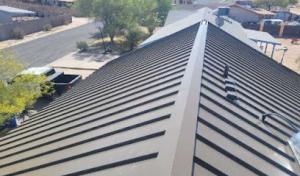
Explore specialists in steel, aluminum, and standing seam metal roofs built to last 50 years or more.

Skylight and flat_roof specialties are both meaningfully present in the Clinton contractor market, indicating that leak-prone roof penetrations and low-slope sections are a real local service need. When a leak appears around a skylight or a flat portion, start by checking the flashing where the curb meets the roof surface and the boot or flange around the skylight itself. In this climate, flashing can deteriorate faster under wind-driven rain and freeze-thaw cycles. Inspect the immediate surrounding area for smooth, continuous sealant-look for cracks, gaps, or dried-out caulk. If you find any gaps, plan for resealing with compatible flashing materials and a high-quality sealant rated for roof joints, rather than relying on general-purpose caulk. For flat sections, confirm that the drainage plane beneath the roofing material remains intact and that any flashing transitions to vertical penetrations have proper kick-out and terminations to direct water away from the curb.
Mixed suburban roof designs in Clinton often combine standard shingle fields with porch roofs, additions, garages, or rear sections that drain more slowly and need different detailing than the main roof plane. In practice, this means paying extra attention to transitions where a porch roof ties into the main deck. Check for continuous drip edges and ensure that headwall flashing on porch connections remains sealed along the joint with the primary roof. Pay special attention to skylight-adjacent valleys and rafter tails that extend into these secondary planes, as they can channel water toward a single point on the ledger or curb. When multiple roof planes meet, confirm that the snow and rain loads are effectively carried across the junctions without creating standing water at any low point.
Wet winters in Maryland make flashing, curb details, and drainage transitions more important in Clinton than simple shingle-surface condition alone. A common weak spot is where a flat roof curb meets a pitched surface; ensure the curb flashing is continuous and free of punctures, with a proper step-flashing detail that extends up the wall and over the curb. For skylights, verify that the waterproofing membrane around the curb is intact and that any added skylight flashing is integrated with the surrounding roof horizon so water flows onto the slope rather than pooling near the curb. In all cases, inspect the drip edge alignment along low-slope transitions and verify that the edge protection extends sufficiently to shed water away from fascia and soffit areas.
Begin with exterior sight lines: look for wisps of water staining near skylights, curbs, and low-slope junctions after a rainfall. Move to a close inspection of flashing at roof penetrations, then assess drainage paths from porch and rear sections. If a previous contractor used sealant at the curb, test for bonding strength by gently lifting a corner; delamination is a warning sign. Finally, document findings with clear photos of the skylight curb, joint flashings, and any drainage terminations to streamline an insurance or repair process.
Find contractors experienced in skylight installation, flashing, and leak repairs to bring natural light into your home.

Rapid Roofing & Remodeling
(301) 266-1393 www.rapidroofingandremodeling.com
8222 Schultz Rd #214, Clinton, Maryland
4.9 from 161 reviews

Storms in this area reliably bring wind and hail that trigger more claims and more scrutiny from insurers-far more than carriers quietly backing out. Keep date-stamped photos of the roof and any visible damage, along with notes from a trusted contractor detailing findings like lifted shingles, granule loss, or damaged flashing. Have a contemporaneous roof age assessment ready as well, so the insurer sees what condition the roof was in before any temporary repairs. These three items tend to surface together during claim reviews, and having them organized can prevent delays.
Coverage and rate changes can follow significant weather events in Maryland, so Clinton homeowners benefit from documenting damage before temporary repairs obscure the original condition. Insurers may request all three items-photos, contractor findings, and the age assessment-at any point in the process. If the claim is opened after a spring wind or hail event, delays often come from missing or inconsistent records. Provide clear, sequential documentation: the as-found condition, the date of observations, and any professional assessments that corroborate the damage. Being proactive reduces back-and-forth and the chance of reduced recovery.
Keep the chain of record-keeping tight and time-stamped. Store digital copies in cloud folders labeled by date and event type, with physical copies filed in a single, organized binder. If temporary repairs are necessary, photograph the repair itself and the spot it covers, then note the date and who performed it. When possible, secure a written statement from the contractor on findings and conclusions, and attach the roof-age assessment as a separate, dated document. In this market, a clear, complete packet often speeds the review and protects your recovery.
In this market, speed and tidy work often matter as much as the shingles themselves. When you call, note how quickly the crew responds, whether they schedule a pre-work evaluation, and how they describe their cleanup plan. A typical Clinton job leans toward storm-response service, so you should expect a clear timeline, a posted debris plan, and a promise to protect landscaping and driveways from falling debris. Ask how they handle daily cleanup during a multi-day replacement to minimize disruption.
Affordable pricing is common here, but homeowners also look for reliability and good cleanup in practice. Prioritize crews who can demonstrate insured coverage, a current license, and a solid track record with re-roof projects rather than only new-construction work. Family-owned and locally rooted crews are a meaningful screen in this area, as they often balance prompt service with accountability. Manufacturer-certified credentials matter, too, because they signal access to recommended materials, proper installation methods, and warranty alignment that holds up after a wind-driven rain event.
Get a written bid that itemizes the scope: tear-off approach, underlayment types, new shingles or panels, flashing replacements, vents, and attic ventilation checks. The local climate-wind, heat, and freeze-thaw cycles-means crews should address water-diversion details, drip edge quality, and sealant choices appropriate for this region. Ensure the proposal states which parts of the roof will be protected during removal and how roof sheathing or decking issues will be handled if found. Request a short, staged work plan so you can track daily progress and cleanup milestones.
Ask for recent Clinton-area projects and contactable references, then follow up on workmanship and on-site conduct. A contractor with a long-standing presence-often family-owned or locally based-tends to be steadier during weather-driven delays and provides a clearer point of contact. Confirm they maintain a local shop or warehouse, which helps with parts availability and faster response for post-install questions or minor fixes.
Ultimately, choose a crew that aligns with your priorities: prompt response, thorough cleanup, credible credentials, and a plan that minimizes disruption. The right combination gives you confidence when spring storms roll in again and a quick, solid re-roof is on the line.