
Last updated: Apr 19, 2026
Pittsfield's cold, snowy winters and repeated freeze-thaw cycles make ice damming a first-order roof concern rather than a secondary maintenance issue. When snow piles up along eaves and refreezes, meltwater backs up behind the dam, seeping under shingles and flashing. The result is not just icicles on the gutters; it's water wicking into soffits, walls, and ceilings. With the Berkshire winter rhythms, this danger isn't occasional - it's seasonal, predictable, and increasingly costly if ignored.
Snow and ice buildup around eaves can be worsened by the city's older housing stock, where insulation and attic air sealing are often uneven from one section of the roof to another. During warm spells, collected water sits on the roof surface, then refreezes when temperatures drop again. That cycle creates strong ice dams at the eaves and pushes against roof edges with renewed pressure. In steep historic roofs, thinner attic insulation in some bays means heat leaks upward unevenly, accelerating dam formation in pockets most homeowners don't inspect regularly. The consequence is not just a leak, but a slow, creeping intrusion that travels along joists and into ceilings, often without obvious initial signs.
Leak paths in Pittsfield homes commonly show up around eaves, valleys, chimney intersections, and skylights after thaw periods rather than during the initial snowfall. Valleys concentrate water flow, and if flashings are aged or poorly integrated with slate, clay, or concrete tiles, thawwater finds new routes. Chimney intersections are notorious flirtations with freeze-thaw damage because chimney flashing faces both heat from the home and moisture from the outer environment. Skylights, set into roof planes with sealants that have aged, can trap meltwater behind trims and dampen interior walls. Expect creeping staining along ceiling seams and paint cracks near these features after a warm spell breaks.
Act quickly when warmer days melt snow from the roof. Clear safe, accessible sections of the roof edge only if you can reach without risking a fall or damaging the roof - leave steep or high sections to professionals. Install or upgrade continuous ridge and eave ventilation to improve attic air exchange so heat doesn't concentrate near the roof edge. Seal gaps around attic hatch seals, and review insulation in the attic to reduce warm air leakage that feeds dam formation. Check existing flashing around chimneys, skylights, and valleys for cracks or loose bends; even small gaps can let meltwater pool and seep. If you notice staining, damp ceilings, or peeling paint after a thaw, treat it as an emergency signal and call a roofer for a rapid assessment before the next freeze.
Prioritize upgrading insulation and air sealing in the attic, prioritizing the roof plane irregularities that form in older housing stock. Consider reinforcing or replacing aging flashing at eaves, valleys, and chimneys with materials compatible with the overlying roofing. A well-sealed attic and a roof system designed to shed ice and snow efficiently reduce the risk of repeated freeze-thaw damage. When planning re-roofing, choose materials with proven performance under freeze-thaw cycles, and ensure proper underlayment and ventilation strategies are integrated from the outset. In this climate, proactive maintenance is your strongest defense against costly water intrusion after every thaw.
The Berkshires deliver heavy snow, wind-driven rain, and abrupt shifts in weather that can turn a small roof breach into interior damage fast. When a thaw follows a storm, melted water can pool behind a compromised roof line and find its way through concealed channels, soaking into attic insulation or ceiling assemblies before a repair crew can even set up. In this climate, the window to stop leaks is narrow: a single warm day can loosen ice dams, while back-to-back storms drive more water under shingles or flashing. Treat every suspected breach as an active leak, not a cosmetic issue.
Temporary tarping is not cosmetic theater here-it buys you hours, sometimes days, to schedule full repairs without letting melting snow and rain saturate the interior. If you notice moisture along crown moulding, staining, or damp drywall after a storm, place a sturdy tarp over the affected area, securing edges well below eaves and around any penetrations. Pay special attention to valleys, skylights, and chimney surrounds, where wind pressure concentrates leaks. Use roofing nails or screws with caps, and avoid creating new punctures in the membrane. Check the tarp after strong winds or additional snowfall; re-anchor promptly if it loosens.
Because many heavy storms in this region interact with chimneys and roof penetrations, leaks are not always field-shingle failures. A flashing fault around a chimney hood, vent pipe, or skylight can let meltwater seep into concealed joist spaces. A rapid, focused inspection is warranted after each storm: inspect flashing along the chimney base for lifting metal, inspect step and counter-flashing transitions at roof-to-wall interfaces, and verify sealant integrity where roof planes meet penetrations. If flashing is suspect, call a skilled roofer to resecure or replace the flashing with materials compatible with the roof type.
Speed matters, but safety comes first. Avoid climbing on ladders after storms when surfaces may be slick or hidden ice is present. If you must access the roof, have a partner steady the ladder and wear non-slip footwear. Document the leak with photos and keep a log of roof areas affected by each storm. When scheduling repairs, share your notes with the contractor so they can pre-identify likely trouble spots-chimneys, vents, and flashing-to minimize disruption and shorten the leak window.
Find local contractors experienced in assessing and restoring roofs after hail, wind, and severe weather events.
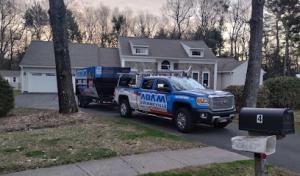
Adam Quenneville Roofing & Siding Pittsfield
(413) 823-2471 1800newroof.net
100 North St #410, Pittsfield, Massachusetts
4.9 from 97 reviews
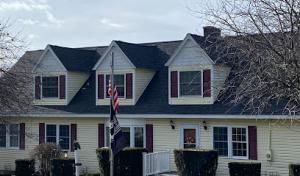
JAF Contracting
(413) 329-9042 jafcontractingma.com
346 Wahconah St, Pittsfield, Massachusetts
5.0 from 69 reviews
Adam Quenneville Roofing & Siding Pittsfield
(413) 823-2471 1800newroof.net
100 North St #410, Pittsfield, Massachusetts
4.9 from 97 reviews
Adam Quenneville Roofing & Siding, the premier choice for roofing backed by over 30 years of experience, proudly serving New England with high quality customer service, roofing and home exterior projects. Our team is committed to providing expert craftsmanship and unrivaled customer service. We specialize in roofing installations, repairs, storm damage restoration, assistance with roof insurance claims, and energy-efficient solutions like Roof Maxx and Roof Tune-Up services - ask about our roof shampoo feature. Fully GAF certified and insured, we offer financing options and work hard to ensure your property is safe, beautiful, and protected for years to come.
JAF Contracting
(413) 329-9042 jafcontractingma.com
346 Wahconah St, Pittsfield, Massachusetts
5.0 from 69 reviews
JAF Contracting tackles your home's needs from top to bottom, inside and out. Our services span from roofing, siding, windows, doors, decks, drywall, and all your remodeling dreams. 24/7 emergency service ensures peace of mind, any time of day or night. Whether you envision a refreshed kitchen or a weatherproofed exterior, JAF Contracting serves Berkshire county, Columbia county, & surrounding areas!
F&J Construction services
(413) 329-4923 fjconstructionservices.com
63 Edward Ave, Pittsfield, Massachusetts
4.7 from 12 reviews
F&J Construction Services is a trusted local contractor specializing in roofing, siding, window installation, and chimney repair for residential and light commercial properties. We deliver high-quality craftsmanship, dependable service, and honest pricing on every project—whether you need a roof repair, full roof replacement, siding upgrade, window replacement, or chimney restoration.
Wheeler, Robert Seamless Gutters
54 Harvard St, Pittsfield, Massachusetts
4.3 from 6 reviews
Dont let your gutters become clogged with leaves and debris You could end up damaging your roof and allow water to leak into your home. Our licensed professionals can handle any job.
J Smegal Roofing•Gutters•Repairs
(413) 655-7663 www.jsmegalroofing.com
Serving
4.9 from 272 reviews
Maintaining a strong, attractive, and valuable home starts with the roof. That is because roofing problems can impact the entire property, causing interior water damage, mold, and other issues. Plus, the roof accounts for over 30% of your home's appearance. So, if your roof is old or has algae stains, this can lower its curb appeal. Gutters are a vital part of keeping your home safe from water damage, roof damage, and mold. We use Gutter Shutter Systems and Gutter Guard because they're some of the best products on the market. Contact Klaus Roofing Systems by J Smegal to see why Berkshire, Franklin, Hampden, & Hampshire Counties has been choosing us since 2010. Schedule a free roof repair or roof replacement estimate to learn more.
ML Contracting
(413) 347-7836 mlcontractingma.com
Serving
4.9 from 111 reviews
We are a home improvement company , specializing in new roof replacements or repairs , interior or exterior painting , siding and all your carpentry needs .We take pride in our work and strive to please our customers .Owner is on all jobs .We provide free estimates and offer senior discounts !!!We hope to hear from you soon !!!
Clover construction
309 Elm St, Pittsfield, Massachusetts
3.0 from 2 reviews
Here at Clover Construction We Offer Free Estimates On All Roofing Repairs We Are Family Owned & Operated And Offer Emergency Repairs And Regular Roofing Repairs Such As -Flat Roofs Shingle Repair -Skylights -Emergency Patches -Roof Cleaning And much more! Call today (518) 334-7299
Chris Battaini Roofing & Seamless Gutters
Serving
5.0 from 159 reviews
Chris Battaini Roofing is the most trusted and highly rated roofing company in the Berkshires. We combine 20+ years of superior workmanship with the personal service of a local, family-owned business, which makes our customers feel valued, respected, and heard. We serve all of Berkshire County: Stockbridge, Lenox, Great Barrington, Williamstown, Richmond, Pittsfield, Lee, Dalton, Becket, and Hinsdale. From roof repair to roof replacement and new roof installation, Chris Battaini Roofing uses the highest quality materials to serve all your commercial and residential roofing needs. From asphalt shingles to metal and flat roofing, you can trust Chris Battaini Roofing to deliver the best workmanship and customer service in the Berkshires.
Berkshire Roofing
Serving
4.9 from 52 reviews
Roofing Company in Berkshire , Free Estimate , We install asphalt shingles , Metal roof , flat roof , seamless gutters system , family owner , establish 2002 , fast service , live time warranty , Cowers Berkshire , Ma , Ny , Ct ,locate Stockbridge Ma
Briggs Roofing
(413) 243-1888 www.briggsroofinginc.com
Serving
4.0 from 4 reviews
Looking for roofing you don’t have to second-guess? At Briggs Roofing, we’ve been putting quality and customer satisfaction first for over 30 years across Lee, MA, and surrounding counties. As a fully licensed and insured, family- and woman-owned business, we take pride in delivering honest, reliable service with a personal touch. Whether you need a small roof repair, a full replacement, new gutters or siding, or just want a second opinion, we’re here to help — and we treat every home like it’s our own. Our experienced team works on both residential and commercial properties with the skill and care that only decades of hands-on experience can provide.
CMV Contracting | Hinton's Berkshire Homes
(518) 733-0082 hintonsberkshirehomes.com
Serving
5.0 from 5 reviews
Serving Eastern NY, Southern VT and the Berkshires in Massachusetts for over 25 years!
D.J. Wooliver & Sons Incorporated Roofing
(413) 442-0192 djwooliverroofing.com
Serving
4.2 from 5 reviews
Your roof is vitally important because it protects you, your employees and your inventory from the elements. If your roof is due for a replacement, turn to D.J. Wooliver & Sons Roofing. Our roofing contractors have over 100 years of combined industry experience, which means you can trust us to deliver exceptional results. From sheet metal fabrication services to slate roof installation work, we've got you covered. Schedule an appointment with our roofing contractors today. We serve the Lanesborough, MA area.
Winter in this Berkshires corridor brings heavy snow, frequent freeze-thaw cycles, and long months of shingle and tile wear. The roof you choose must shed snow predictably and resist ice dam formation when temperatures swing from above freezing to well below. In practice, that means prioritizing materials and details that manage meltwater efficiently, maintain good ventilation, and provide reliable edge protection against damming at the eaves. A well insulated attic, continuous ridge and soffit ventilation, and properly installed underlayment all start with the roofing material you pick.
Asphalt shingles remain a practical fit for Pittsfield because they are widely used locally and align with the city's large re-roofing market. They install quickly, are forgiving on steep historic roofs, and pair well with a variety of chimneys and dormers common on Berkshire homes. For best performance in winter, choose a cold-weather rated shingle and ensure a robust attic ventilation plan to minimize ice dam risk. A shingle roof can be reinforced with heat-conductive ice barrier products along the eaves, plus estratégic drip edge flashing to guide meltwater away from gutters and fascia. If the home has historic detailing, look for asphalt options that mimic the look of slate or composite textures to maintain curb appeal while keeping practical re-roofing timelines.
Metal roofing has strong local relevance because snow shedding and freeze-thaw resilience matter more here than in milder Massachusetts markets. A metal roof can dramatically reduce ice dam risk when installed with proper overhangs and integrated snow guards. In Pittsfield's climate, standing-seam metal or riveted panels with a solid underlayment can outperform other choices during heavy snows, while offering long service life and easier snow management from upper roofs and dormers. For homes with existing masonry chimneys or complex rooflines, metal panels can be adapted to preserve sightlines and preserve historical character, provided the installation respects the original roof plane and detailing.
Slate remains especially relevant in Pittsfield and the Berkshires because older homes in the region still carry original or long-life stone roofs that require different repair and replacement decisions than standard shingles. Slate offers excellent durability and a distinctive look, but repair and replacement demand careful matching of tile size, thickness, and slope compatibility. When slate is retained, ensure the underlayment is modern and continuous, and plan for occasional targeted repairs rather than wholesale replacement. If original slate is still present, work with specialists who can source compatible replacement pieces and maintain the roof's historic rhythm.
Regardless of material choice, the critical winter factor is consistent maintenance. Clear gutters and downspouts before the first heavy snowfall, inspect flashing around chimneys and dormers, and verify attic ventilation to prevent warm-air pockets that feed ice dam formation. For steep or complex Berkshire roofs, schedule seasonal inspections after the snow melts to catch hidden damage before it worsens. In this climate, the best roof is one that combines proven winter performance with careful integration into the home's historic character.
Late spring through early fall is the preferred replacement window in this area because winter snow and spring moisture complicate tear-off, drying, and access. If you're looking at a full roof swap, align the project with a stretch of reliably dry days, and aim to complete before the first hard frosts. In practice, that means waiting for a stretch of weather without repeated freezes at night and with consistent daytime warmth to help dry-in the new underlayment and shingles.
Spring storms and heavy rain in Pittsfield can delay scheduling and increase concern about trapped moisture in roof decks and underlayments. If a replacement must occur in late spring, plan for a longer finish window and ensure crew access is clear from gutters to eaves. Ask for a dry-in contingency that protects the interior while the roof is open, and consider staged work that prioritizes the most vulnerable sections first to minimize exposure.
Fall leaf drop in Pittsfield can clog gutters and reduce ventilation performance just before winter, making late-season replacements and tune-ups more time-sensitive. Clean gutters and downspouts ahead of the project, and verify that attic ventilation remains adequate during the tear-off and installation. If a replacement spills into late fall, build in a shorter inspection cycle to catch any signs of moisture-trapped decks before cold weather.
Before any material is removed, have a trusted crew assess the roof's structure and deck moisture, especially on older stock with chimneys and dormers. A dry deck and proper ventilation are essential for a successful installation in this climate. After the installation, schedule a quick follow-up to confirm lines, valleys, and flashings are sealing correctly as temperatures swing.
Coordinate with a local contractor who understands that unseasonal storms can shift timelines in this region. Build a cushion in the schedule for weather-related delays, and communicate clearly about protection of interior spaces and finished surfaces during the tear-off and rapid dry-out phase.
Get a clear picture of your project costs upfront - no commitment required.
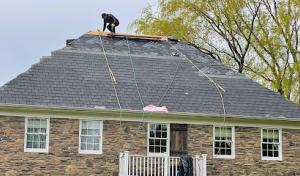
Asphalt shingles are the practical workhorse for many Pittsfield homes, especially on straightforward re-roofs where the slope isn't extreme and there's no heavy tear-off complication. The typical cost range is 350 to 700 USD per square installed. In practice, you'll see lower bids for simple, flat decks and steeper hillsides bumped by extra size or minor repair before laying down new shingles. Seasonal timing matters here: late spring through early fall is the window contractors plan around, but late winter projects can spill into early spring when schedules tighten and crews are juggling several Berkshire calls at once. If the roof has chimney flashing or requires additional step flashing, the price can edge up toward the upper end of the range, even for asphalt, because those details add time and require careful sealing against freeze-thaw cycles.
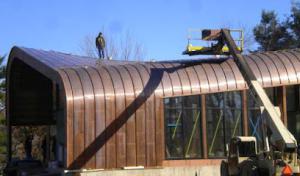
Metal offers longer life and better resistance to ice damming, which is a real concern for homes facing Berkshires winters. Expect about 700 to 1200 USD per square installed. The premium is worth it when your roof needs to shed heavy snow efficiently or you're replacing a system with frequent freeze-thaw damage. In Pittsfield, metal can be more cost-sensitive if the project is a straight tear-off and replacement on a straightforward shed or bungalow, but steep roofs, complex chimney work, or nonstandard profiles push the job toward the higher end. Scheduling pressure in shoulder seasons can still influence bids, since metal crews with precise flashing must coordinate carefully with existing structures.
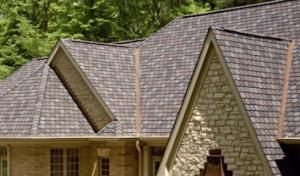
Premium options are where Pittsfield faces notable cost sensitivity. Slate, clay tile, and concrete tile can run well above standard shingle or metal installs, with slate typically the most labor- and sourcing-intensive. The stated ranges are generally higher, reflecting limited local availability, specialized labor, and the extra teardown or scaffold work required on older Berkshire properties with steep slopes and meaningful chimney flashing. Expect estimates to cluster toward the upper ends of 1000 to 2000 USD per square for slate and 900 to 1500 USD per square for clay tile, with concrete tile sitting between those margins. Short installation windows mean fewer crews on the ground during peak demand, which can push prices up in late spring through early fall. If the project involves tear-off of existing premium materials or intricate flashing around historic features, bids can widen further.
Don't let upfront costs delay a critical repair - these contractors offer payment plans to fit your budget.
Adam Quenneville Roofing & Siding Pittsfield
(413) 823-2471 1800newroof.net
100 North St #410, Pittsfield, Massachusetts
4.9 from 97 reviews
When planning a full re-roof, a building permit submitted to the city's Building Department is required, with a clear project scope and material details. This is especially important in an area with mixed historic and modern homes, where the roof assembly and flashing details can affect long-term performance. Before any work begins, verify that the permit application specifies the chosen roofing material and the intended underlayment, ventilation strategy, and any chimney or skylight work. The department tends to scrutinize details that influence wind and moisture performance, so include notes on eave and ridge venting, ice and water shield placement, and snow-load considerations if updates are being made to traditional steep-slope roofs.
The Pittsfield Building Department generally conducts inspections during key milestones and again upon completion. Expect a rough-in inspection once underlayment and roof deck are in place, followed by a final inspection after installation to verify everything is securely fastened and properly flashed. Schedule these checks to align with the contractor's progress, so issues can be addressed promptly without delaying the project. Keeping the inspector informed about any unusual roof geometry-such as exposed chimneys, dormers, or historically sensitive slopes-helps ensure a smoother review.
Local review may emphasize wind resistance and moisture mitigation, critical for Pittsfield's winter regime. Snow buildup, ice dam risk, and repeated freeze-thaw cycles demand robust edge detailing, proper underlayment, and well-sealed penetrations. If a chimney or vent stack is present, insist on continuous moisture barriers around the base and accurate flashing that accommodates seasonal movement. For homes with historic elements, coordinate with the Building Department about preserving visible architectural features while upgrading to modern, resilient materials. Proper documentation of ventilation strategy and insulation compatibility will also support a smoother permit path and durable performance.
Massachusetts insurers commonly want roof photos, a detailed scope of work, and material specifications, which is especially important in Pittsfield after winter leak events where damage develops over multiple freeze-thaw cycles. When a claim starts, you'll be asked to show how snow loads, ice damming, and creeping moisture have affected the roof edge, valleys, and any chimneys. Having clear project notes helps prevent back-and-forth delays and ensures relief for the roof's vulnerable zones.
Pittsfield homeowners with slate or other high-cost roof systems should expect closer insurer scrutiny because some carriers apply stricter coverage criteria to non-manufactured or premium materials. If you have a premium roof, expect questions about installation standards, underlayment, and any retrofits that may influence coverage decisions. Being prepared with product literature and installation dates can smooth the process.
Because Pittsfield roof claims often involve snow, ice, and water intrusion rather than a single dramatic event, documenting the timeline of interior staining, attic moisture, and exterior damage is critical. Start tracking when stains appear in the ceiling, when attic dampness is noticed, and how progressively the problem worsens after each thaw. A clear chronology helps establish causation and coverage.
Take wide and close-up shots from multiple angles after each notable storm or melt cycle. Include roof edges, gutters, downspouts, and any ice dams. Preserve damaged underlayment, drip edges, and flashing that show the progression of the issue. Label photos with dates and locations to create an easy, chronological file for your adjuster.
Provide a detailed scope of work and material specifications as soon as possible. If interior damage is present, include timelines for mitigation steps and temporary fixes you implemented to limit further intrusion. Keeping records organized and timely reduces friction and speeds toward a fair settlement.
Older homes in this area often pair roof replacement with chimney flashing work, making masonry intersections a bigger local issue than in newer subdivisions. When a chimney and roof meet, the flashing faces more freeze-thaw cycles and creeping ice dams than a plain gable edge. Expect a tighter timeline between visible leaks and hidden seepage where brick and stone shoulders have settled over decades. The result is that a quick patch at the chimney is rarely enough; you need a careful, integrated approach that treats flashing, step flashing, and counter-flashing as a single system. If you notice damp spots along masonry joints after a storm, don't delay a dedicated flashing assessment.
Skylights deserve special attention in Pittsfield because freeze-thaw movement and snow buildup can expose flashing weaknesses that stay hidden in warmer seasons. Snow can trap moisture at the curb, and ice buildup can push against corners where the sealant has aged. Even a well-installed skylight can develop small gaps over time, which become channels for water intrusion when the temperatures swing. Look for condensation between panes, peeling sealant, or frost along the edges as early warning signs. When a roof already carries historic materials, a skylight retrofit should be coordinated with the surrounding roof surface to avoid mismatches that invite leaks.
Historic-looking rooflines and legacy materials in Pittsfield can make partial repairs harder to match, especially when the existing roof is slate or an older premium system. Slate, in particular, may require careful selection of matching pieces or a compatible overlayer, and mismatched tiles can foster micro-leaks that worsen year after year. If a repair interrupts a continuous field of material, plan for visible seams or color shifts to be addressed in a coordinated restoration. The goal is a seamless appearance that preserves the roof's historic character while restoring its weather-tight performance.
Find contractors experienced in skylight installation, flashing, and leak repairs to bring natural light into your home.
JAF Contracting
(413) 329-9042 jafcontractingma.com
346 Wahconah St, Pittsfield, Massachusetts
5.0 from 69 reviews
Flat and low-slope roofs are a meaningful niche in this area's contractor market even though steep residential roofs are more common overall. Homeowners with porches, additions, or rear sections often encounter different wear patterns than the main roof, so addressing these areas requires a mindful, site-specific approach.
On low-slope sections, snow can linger longer and melt more slowly, leaving membranes wet well into spring. This increases the risk of surface ice dams at transitions and creates extended exposure to freeze-thaw cycles. Plan for better drainage details where flat portions meet higher pitches, and consider enhanced insulation at the edge to reduce summertime soaking that can worsen thermal expansion and contraction.
Mixed-roof homes may have complex transitions between steep roofs and flat or low-slope areas. Pay close attention to parapet walls, skylights, and flashings around dormers or porches. Improperly sealed joints here become critical failure points as ice and water push against seams. Prioritize continuous drainage paths and metal step-flashings that extend well onto the membrane, with dedicated drip edges where appropriate.
Low-slope roofs benefit from carefully chosen membranes that tolerate low-temperature cycles and foot traffic from maintenance. Inspect for lifted edges, punctures, or pooled water, especially near penetrations and transitions. If a membrane shows cracking or blisters, plan timely resealing or replacement before spring thaw accelerates deterioration.
Create a seasonal check routine that targets flat and low-slope sections: clear debris from gutters and scuppers, resecure loose edges, and verify clearance of any ice guards at key interfaces. Keep an eye on the perimeter flashing where snow and ice can press against the roof line, and address any corrosion or corrosion-prone fasteners promptly to prevent leaks as temperatures swing.
Find specialists in TPO, EPDM, and built-up flat roofing systems for residential and commercial properties.
D.J. Wooliver & Sons Incorporated Roofing
(413) 442-0192 djwooliverroofing.com
Serving
4.2 from 5 reviews
When the Berkshires snow piles high and spring thaws begin, homeowners want quickly responsive roofing help that won't stall after the first storm. In this market, fast second- or same-day evaluations after a leak or heavy meltwater is a common expectation. Your choice should balance a contractor's ability to respond promptly with a solid plan to finish the job without dragging through another winter cycle.
Cleanup matters unusually strongly in the reviews you'll see around older properties with landscaping, driveways, or detached structures tucked close to the home. Before committing, ask how crews protect plantings and hardscape, and whether equipment can reach tight spaces without damaging guides or borders. Look for evidence of careful debris removal, proper disposal, and cleanup routines that minimize disruption to gardens or neighboring driveways.
Long-established and family-owned firms are a visible part of the Pittsfield market, suggesting homeowners here often value local track record over purely lowest-price bidding. Ask for a minimum of three in-field references from homeowners with similar house styles or roof ages. A local contractor with repeated engagements in your neighborhood often understands common peak-season scheduling, challenging access points, and the subtle differences between historic steep roofs and modern re-roofs.
Ice dam prevention and monitoring during freeze-thaw cycles require clear communication. Expect written scopes that outline materials, sequence of work, and contingency steps for storm days. A dependable roofer will set expectations for weather delays, staging areas, and how they protect interior spaces during shingle replacement or slate work.
Pittsfield homes range from historic steep-roofed structures to more practical, weathered commercial lines. Your chosen roofer should present options that respect the architectural character, whether preserving slate where feasible or detailing compatible underlayment and ventilation for efficient, lasting performance.