Last updated: Apr 19, 2026
West Hartford's cold winters and repeated freeze-thaw cycles make ice damming one of the most locally relevant roof risks. When the attic and ceiling stay warmer than the roof deck, melted snow refreezes at the eave, forming an ice barrier that backs up water behind it. That standing ice and the resulting pressure can force water under shingles, through flashing, and into ceilings. With heavy snows and sudden thaws common in our area, the danger isn't theoretical-it's happening year after year on homes in this neighborhood.
Many homes in this area are older and more likely to have ventilation, insulation, and flashing conditions that worsen winter leak patterns. Insulation gaps let heat escape to the attic floor, warming the roof deck enough to melt snow near the top of the slope while the lower edge remains cold. Inadequate attic ventilation creates a hot, stagnant space that fuels those melt cycles even during a cold snap. Flashing around chimneys, vent pipes, and skylights can be degraded by decades of shifts in the roofing and freeze-thaw cycles, creating potential leak paths once water behaves unpredictably on a sloped roof. The result is that even a previously low-risk roof can show leaks after a season of heavy snow and fluctuating temperatures.
Replacement timing in West Hartford is commonly pushed into late spring through early fall because winter conditions complicate tear-offs and proper installation. That scheduling reality means preparing for another harsh season requires pre-emptive action now, and planning for a project window that minimizes further risk during the heart of winter. If a roof needs more than cosmetic attention, delaying critical steps can escalate interior damage and complicate insurance documentation later. Being proactive helps keep the home dry through the next freeze-thaw cycle rather than chasing leaks once the ice dam forms.
Pay attention to attic warmth during cold snaps; a visibly warm roof sheathing or ceiling spots beneath the attic floor can indicate heat loss contributing to thawing on the roof. In the attic, look for condensation on rafters or insulation that looks damp or compressed. On the exterior, ice damming often manifests as a narrow strip of icicles and ice along the eave with a bulging ice mass higher up the roof line. Inside, stained ceilings or walls around ceiling fixtures and vents signal a slow drip from above. If any of these patterns appear after a snowfall or during a thaw, action is needed immediately to minimize interior damage.
First, clear ice near the eaves with extreme care, using appropriate tools and safety practices. Do not chisel aggressively on the ice dam; that can damage shingles or fascia and worsen leaks. Consider installing temporary heat cables only where approved, and never on untreated wood or near flammable materials. Improve attic ventilation by ensuring soffit vents are open and that there is a clear path for air to circulate up to the ridge vent or other exhaust. If insulation is compressed or lacks depth, add insulation to reduce heat leakage into the attic. Sealing gaps between the attic floor and living spaces with proper air barriers helps cut the heat making it to the roof deck. These steps are to stabilize current conditions while arranging for a longer-term fix.
A properly balanced attic insulation and ventilation plan significantly lowers the likelihood of repeated ice damming. Target a continuous insulation layer at the roof deck and perimeter details to minimize heat reaching the roof. Upgrade or repair flashing around chimneys, skylights, and vent penetrations to restore a watertight barrier against thawing water. In older homes, replacing or resealing degraded vents and adding effective soffit returns can dramatically improve air flow. For many households, integrating a roof ventilation retrofit with upgraded insulation yields the best protection against the season's most punishing cycles. If a full roof replacement is considered, prioritize materials and layouts that tolerate freeze-thaw stress and ensure the installation crew follows best practices for ventilation and underlayment-critical to lasting performance through the next few winters.
Asphalt shingles are the dominant practical choice for West Hartford, with a long track record of delivering reliable protection on the region's older homes. They handle the freeze-thaw cycle, resist wind-driven rain, and sit well on smaller roof footprints common to mid-century designs. When you choose asphalt, focus on architectural or laminated profiles to gain extra curb appeal and improved wind resistance. In this climate, ensure proper attic ventilation and a solid underlayment to help manage moisture year-round. A quality installation with a careful ice-and-water shield in the eaves and along any valleys is essential for preventing early-stage leaks during spring thaws and winter storms.
Metal roofs appear in local inventories as a durable alternative that can shed snow more predictably and reduce ice dam buildup when installed with careful detailing. If you're weighing metal, expect a higher upfront cost but a longer service life and faster snow shedding, which matters in areas with heavy winter moisture. For best performance, pair metal with a well-sealed eaves detail and a continuous underlayment to minimize condensation and freeze-thaw stress at roof-to-wall junctions. Metal tends to work best on steeper pitches or on homes where a contemporary or craftsman look is desired, and where the roof line integrates cleanly with existing architectural features.
Wood shingles and shakes offer a distinctive, traditional curb appeal that fits many older homes in a mature neighborhood. They excel in color richness and natural drainage, but require diligent maintenance to resist moisture intrusion and surface wear after multiple seasons of freeze-thaw cycles. If choosing wood, plan for regular inspections to catch loose fasteners, cupping, or splitting in vulnerable areas such as hips and valleys. A high-quality sealant and periodic resealing help maintain performance, especially where shade from trees keeps sections damp longer in the shoulder seasons.
Clay and concrete tiles are available locally and provide excellent durability when properly installed. However, their weight and rigidity demand structural assessment and careful detailing at chimneys, vents, and eaves. This approach is more specialized than asphalt and may require additional reinforcement. If you lean toward tile, ensure that the existing framing can support the load and that flashing around penetrations is executed with precision to prevent leaks during winter storms and spring melt.
Synthetic or composite shingles offer a balance between classic appearance and modern performance. They can imitate traditional textures while delivering enhanced resistance to temperature swings and moisture exposure. In practice, they pair well with older roof lines and lower maintenance compared to natural wood, making them a sensible middle ground for homes showing age-related wear without compromising on style.
When evaluating options, think about how each material behaves through winter expansion and summer heat, and how it handles year-round moisture exposure. Heavier materials, like tile, can be visually impressive but may be overkill on smaller, structurally modest homes unless there is a deliberate design intent and proper framing. For most households, asphalt remains the steady, practical choice, with metal or synthetic options offering meaningful advantages in particular situations or architectural goals.
When a Nor'easter barrels through this part of the state, roofs on older homes with slate, wood, or aging asphalt shingles absorb the worst of the wind, sleet, and driving rain. Ice dam formation becomes not just a nuisance but a structural concern, threatening fascia, gutters, and attic insulation. In a tight row of houses, wind exposure from neighboring structures can push water into vulnerable seams and penetrations before a proper interior check reveals the extent. The practical roofing issue often centers on freeze-thaw cycles that loosen fasteners and elevate the risk of hidden leaks after the storm passes. This is the moment when roof claims spike, and the documentation you gather now can shape the outcome later.
After the storm, your first moves should be immediate and disciplined. Take clear photos from multiple angles before any tarp or temporary repair is done. Capture attic signs of moisture, insulation compression, and any daylight visible through deck boards or under flashing. Keep a dated record of weather conditions and the sequence of events when water appeared inside the home. Written estimates from reputable local contractors are valuable, especially if they spell out required temporary protections and a scope that aligns with proven conditions seen on the roof. Documentation that demonstrates code-compliant repair paths, including proper flashing, ice barrier placement, and appropriate underlayment, supports a stronger claim when insurers review the file.
Insurers in this region pay close attention to wind and hail exposure, even though winter weather is often the bigger practical roofing issue. Present a cohesive claim package that situates the damage within credible storm-driven failure rather than isolated wear. Provide the insurer with a consolidated set of photos, the storm date, and a concise narrative of how freezing temperatures contributed to the visible failures. If an adjuster visits, let them review the same documented material you prepared ahead of time. A clear, evidence-backed presentation can reduce back-and-forth and speed up the evaluation, particularly in neighborhoods where storm response and insurance documentation are common homeowner concerns.
Seal the most obvious leaks to buy time, but avoid improvisation that could cloud the claim. Use tarps or boards for temporary cover where instructed by a reputable roofer. Schedule a professional assessment as soon as the weather allows; a prompt, thorough inspection can identify ice-damming risk points and hail-induced damage before it worsens. Keep all receipts for temporary repairs and any remediation products used to mitigate further moisture ingress. In tight, storm-prone blocks, a proactive, well-documented response not only protects the home but strengthens the position when filing for a replacement or major repair.
Connect with contractors who help homeowners navigate the claims process from damage assessment to final approval.
RRCA - Roofing & Reconstruction Contractors of America -CT
15 N Main St, West Hartford, Connecticut
4.9 from 54 reviews
Bartlett Brainard Products
(860) 233-4475 bartlettbrainard.com
75 Talcott Rd, West Hartford, Connecticut
4.7 from 40 reviews
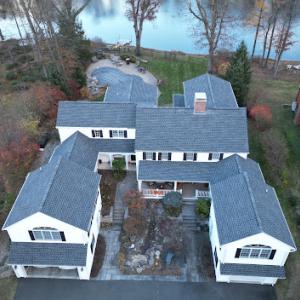
Connecticut Roofing Solutions
(860) 245-9665 www.connecticutroofingsolutions.com
998 Farmington Ave, West Hartford, Connecticut
5.0 from 215 reviews
Connecticut Roofing Solutions, based in West Hartford, CT, is your dependable roofing partner, bringing together a team of seasoned experts dedicated to delivering outstanding products and unmatched service. As your go-to roofing company in West Hartford, we provide a comprehensive range of roofing services, ensuring peace of mind through extensive roof warranties and budget-friendly financing options. Our commitment to excellence is underlined by prestigious affiliations and certifications, including GAF Certification. Reach out to us for all your roofing needs and discover how we can make your next project a resounding success!

J.T. Burke & Sons
(860) 289-9381 www.jtburkeandsons.com
1041 New Britain Ave, West Hartford, Connecticut
4.9 from 389 reviews
Roofing Contractor, Vinyl Siding Contractor, Aluminum Gutters, Replacement Windows, Family Business...
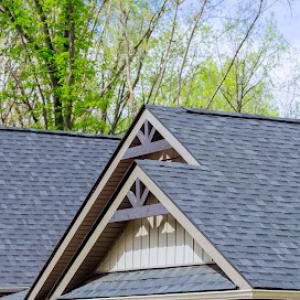
RRCA - Roofing & Reconstruction Contractors of America -CT
15 N Main St, West Hartford, Connecticut
4.9 from 54 reviews
RRCA - Roofing & Reconstruction Contractors of America, LLC proudly opened its doors in 1993 in Texas, and over the past 30+ years, we’ve completed more than 10,000 roofing projects throughout the country. We are your go-to source for top-quality commercial, residential, and solar roofing services. As one of the top 100 roofing contractors in the U.S., we prioritize customer satisfaction above all else. We ensure peace of mind with high-quality materials, professional craftsmanship, and comprehensive after-service warranties. Our dedicated roofing experts treat every customer like family, ensuring your project is completed to the highest standards—far surpassing industry expectations.
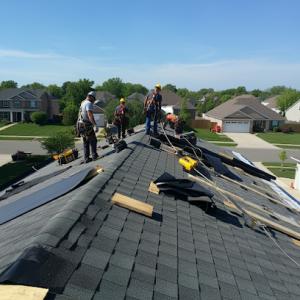
Roofing Company West Hartford
(860) 606-3905 roofingcontractor-westhartfordct.com
30 Lilley Rd, West Hartford, Connecticut
5.0 from 22 reviews
We are Roofing Contractor of West Hartford, and our roofing specialists are here to deliver top-notch residential and commercial roofing in West Hartford, CT, and surrounding areas. Our roofing company’s licensed roofer in West Hartford, CT, offers services such as roof installation, maintenance, replacement, and repair, to name a few. You can count on our residential and commercial roofing specialists if you want a solid and sturdy roof that will serve you for a long time.
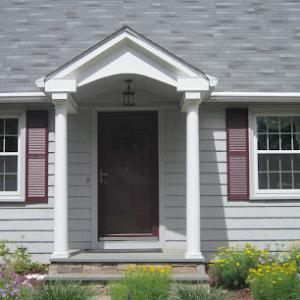
Bartlett Brainard Products
(860) 233-4475 bartlettbrainard.com
75 Talcott Rd, West Hartford, Connecticut
4.7 from 40 reviews
Unleash the potential of your home with Bartlett Brainard Products! Rooted in West Hartford since 1921, we're a third-generation company excelling in roofing, siding, windows, doors, and more. We take pride in our craftsmanship and commitment to quality, recognized as we clinched West Hartford Magazine's Best of We-Ha award for the 7th consecutive year. As BBB members, we underscore our dedication to integrity and customer satisfaction. Handpicking only premium brands like Andersen, Certainteed, Harvey, Owens Corning, ProVia, and Wolf, we deliver a fusion of style and durability. Need a trusted partner for your exterior transformation? Call for a complimentary estimate. Don't forget to follow us on Facebook!
All Phase Roofing
(860) 214-8870 allphaseflatroofing.com
West Hartford, Connecticut
5.0 from 14 reviews
All Phase Roofing is a family owned business serving the Connecticut area for over 30 years. We specialize in all aspects of commercial and residential roofing including single ply and shingles. We are located in East Windsor and proudly serve all of Connecticut. We are continually growing and will tackle even the biggest roof replacements. We have worked with a number of commercial buildings, churches, residential homes and buildings, and other establishments. If you are in Connecticut and in need of roof repair or replacement, reach out today!

Graves Brothers Home Improvement
71 Raymond Rd, West Hartford, Connecticut
4.6 from 22 reviews
Graves Brothers Home Improvement has been locally-owned and operated in Upstate N.Y. since 1977. As one of the fastest growing businesses in the region, they offer their residential and commercial clients Roofing, Siding, Windows, and other Home Improvement services. Graves is a nationally-recognized contractor that has been repeatedly named a Top 100 company in the region as well as one of the top 500 home improvement companies in the United States, annual Angie’s List certification holder, countless product certifications, and more. Graves Brothers services New York State, and portions of Connecticut and Pennsylvania from their facilities in Rochester, Buffalo, Albany, Syracuse and Tarrytown NY, West Harford CT and Center Valley PA.
Eastcoast Roofing & Masonry
(475) 296-0660 eastcoastroofingandmasonry.com
15 N Main St STE 100 ste 100, West Hartford, Connecticut
4.7 from 17 reviews
Is your roof ready to face another winter, or have the summer storms revealed weaknesses that need professional attention? Rest easy -- East Coast Roofing and Masonry is here to ensure that your home is protected and curb appeal remains on par. Located in Hartford, CT, we are a third-generation family business with decades in the community. We offer a blend of traditional craftsmanship and modern expertise that ensures every roof is a masterpiece of durability and aesthetics. Every roof repair and installation completed by East Coast Roofing and Masonry is a blend of quick, efficient service and meticulous attention to detail.
Allied Roofing & Sheet Metal
(860) 289-4374 www.alliedroofingct.com
West Hartford, Connecticut
4.9 from 14 reviews
Allied Roofing & Sheet Metal Inc provides commercial roof installation, repair, maintenance advice, curb installation, storm damage relief and 243/7 services to Hartford County, CT, and surrounding areas.
Taylor Made Roofing
West Hartford, Connecticut
3.3 from 23 reviews
Taylor Made Roofing in Rocky Hill, CT is operated by skilled and friendly roofers. We offer affordably priced roofing services. From flat roof installation to roofing repairs, choose us for the job. Call 860-237-3344 to hear from us. * Roofing Services * Commercial Roofing Services * Industrial Roofing Services * Industrial Roofing Repair Services * Flat Roof Installation Services * Flat Roof Specialist Services * Metal Roofing Services * Residential Flat Roofing Services * Roofing Repair Services * Commercial Roofing Repair Services
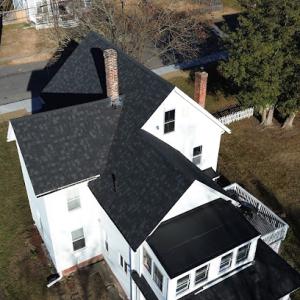
Hemlock Roofing CT
(774) 418-3724 hemlockroofingco.com
Serving
5.0 from 103 reviews
Hemlock Roofing CT serves the Hartford area consisting of roof replacements, roof repairs, and drone inspections. Call for your FREE quote today!
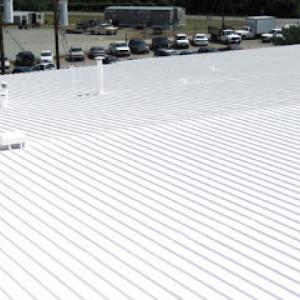
Roofing Services
(860) 707-9171 roofingservicesct.com
Serving
5.0 from 11 reviews
Top Rated Commercial Roofing Contractors in Hartford, CT: Roofing Services offers a full array of commercial roof services for any size customer with a commercial or industrial building to manage. From manufacturing facilities, office buildings, schools, stores, small businesses, apartment complexes, and condos, our commercial roofing company has a solution for every large or small structure. Call us today to discuss your project requirements and request a free estimate. Roofing Services: Commercial Roofing ● Residential Roofing ● Roof Coatings ● Roof Repair ● TPO Roofing ● Flat Roof Specialists ● EPRDM Roofs ● Metal Roofs ● Industrial Roofers ● Flat Roofing Specialists - we are your local Commercial Roofing Company in Hartford, CT.
When planning a replacement in this area, your budget should be anchored to per-square costs rather than a flat rough figure. Asphalt shingles sit at the low end of the market, while tile options push the high end. In practical terms, you can expect asphalt to land toward the lower end of the spectrum, and tile to be at the top end, with other materials filling the middle. In West Hartford, these ranges reflect not just material quality but the realities of older housing stock, such as deck aging and the need to address long-term moisture exposure from freeze-thaw cycles and ice dams. If the roof deck has endured prolonged moisture intrusion, the replacement may uncover and require repair work, which drives up price beyond the basic per-square material and installation cost.
For a typical mid-range home, asphalt shingles offer a straightforward, reliable option that can still meet strong local performance against ice dam risks when paired with proper underlayment and ventilation. Synthetic or composite shingles provide a balance between cost and durability, often performing well against freeze-thaw cycles without the higher price tag of tile or metal. If you're weighing clay or concrete tile, the weight and long-term durability come with a premium. Clay tile sits at the higher end of the market, and concrete tile is similarly costly but can offer lasting resilience in snow-prone conditions. Wood shingles and shakes, while attractive, have their own maintenance profile and cost implications, particularly if cooling and condensation management are concerns on an older roof deck.
Costs in this region can rise when the underlying roof deck shows damage from long-term moisture exposure. Ice dam prevention and enhanced ventilation are essential considerations in West Hartford, and addressing a compromised deck or insulation gaps during replacement adds to project time and expense. Expect to see higher labor hours if the installer must remove and re-secure existing sheathing or repair sheathing fasteners to restore a watertight base. This work is more common on older homes with multiple generations of roofing or previously repaired sections.
Scheduling pressure after regional storms is real, and the preference to work outside winter can tighten contractor availability. When storm recovery demands spike, the gap between available crews and your project window may widen, and pricing can move accordingly. If you're aiming for a spring or summer window, start coordinating early, especially if you're balancing deck repair needs with ventilation upgrades to stave off ice dam risks. This proactive approach helps align costs with the per-square ranges and reduces the chance of last-minute price bumps due to tight scheduling.
Get a clear picture of your project costs upfront - no commitment required.
RRCA - Roofing & Reconstruction Contractors of America -CT
15 N Main St, West Hartford, Connecticut
4.9 from 54 reviews
Bartlett Brainard Products
(860) 233-4475 bartlettbrainard.com
75 Talcott Rd, West Hartford, Connecticut
4.7 from 40 reviews
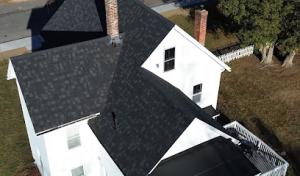
In West Hartford, a roofing permit is typically required for a full roof replacement. This isn't a formality meant to slow you down; it's how the town keeps track of changes to the outer shell that seals in heat, wards off ice dam damage, and preserves the integrity of aging homes. The permit process isn't a one-and-done step-it's a conversation about scope, materials, and the sequence of work that affects neighboring homes and the street's drainage patterns.
The West Hartford Building Department generally requires a permit application that includes contractor details and project scope. That means you'll need a licensed roofing contractor who can present a complete plan: the type of roof system, underlayment choices, ventilation strategy, and any penetrations for vents, skylights, or chimneys. The department will want to see that the plan aligns with local code requirements and weather realities particular to our freeze-thaw cycles, which drive ice-dam prevention and proper attic ventilation. If a contractor's paperwork looks slim or incomplete, expect delays or a denial until the correct information is provided. Take this as a heads-up that rushing the paperwork can stall the project as winter approaches.
Inspections occur during and after the work in West Hartford to verify code compliance and proper installation. An on-site review often happens while the roof is open and the ventilation and flashing are visible, not just at the end. This staged approach matters because ice dam resistance and leak prevention hinge on how well the underlayment, drip edge, and flashing integrate with existing dormers, gutters, and frequency of freeze-thaw cycles. After completion, a final inspection confirms that the installation matches the permit's scope and meets applicable weatherization standards. If an inspector flags gaps, you'll be asked to correct them before final sign-off, which can extend timelines and complicate insurance documentation if claims are tied to a specific project date.
If you skip the permit or avoid the inspections, the consequences can ripple through warranty coverage and insurance claims. Unpermitted work may complicate appraisal records or future resale, and some insurers require proof that replacements adhered to current codes. To minimize risk, plan for the permit submission early in the project, keep a clear line of communication with the contractor, and schedule inspections in a timely fashion, especially when storms or rapid temperature swings are in the forecast. This proactive approach helps protect your home's shell and your peace of mind when winter returns.
Skylight work is a meaningful specialty in this market, reflecting how common penetrations are on older homes. When a skylight starts leaking, the issue is rarely only the glass; the surrounding flashing, curb, and insulation play a big role in how winter moisture migrates inside. In freeze-thaw cycles, small gaps can widen quickly, so addressing flashing integrity and sealant condition around the skylight curb is a priority. If a skylight is aged, consider upgrading to a design with improved flashing detail and better thermal breaks to reduce condensation and ice dam risk on the roof edge.
Chimney-related roofing work is also notably present among local contractors, which fits the area's older housing stock. The transition between brick or stone and roofing materials creates natural weak spots where ice and melting water can back up under shingles or shingles' edge metal. Inspect the chase flashings, step flashings at the chimney base, and any mortar joints that show deterioration. In colder months, ensure chimney caps stay clear of debris to prevent moisture intrusion from above, while the top seal remains intact to stop wind-driven rain from entering the crown area.
Winter moisture and freeze-thaw conditions can turn minor flashing weaknesses around penetrations into interior leaks. Regular checks should cover skylight and chimney flashings, roof-to-wall transitions, vents, and drainage scuppers. Look for micro-cracks in sealants, copper or aluminum flashing that has peeled back, and any rust or corrosion on metal pieces. When you find a suspect area, clean the surface, reseal with a compatibility-friendly sealant, and, if flashing has deteriorated, replace the failing section rather than patching only. Regular maintenance before heavy storms reduces the chance of ice dams finding their way beneath shingles.
Find contractors experienced in skylight installation, flashing, and leak repairs to bring natural light into your home.
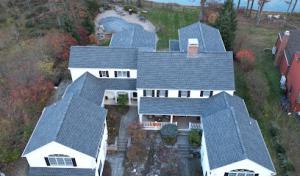
Connecticut Roofing Solutions
(860) 245-9665 www.connecticutroofingsolutions.com
998 Farmington Ave, West Hartford, Connecticut
5.0 from 215 reviews
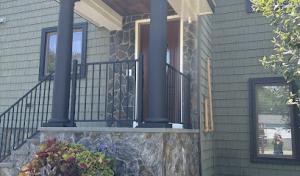

Flat-roof specialization exists in West Hartford, but it remains a secondary niche compared to steep-slope roofing. The mix of homes with additions and a smaller share of commercial properties means you'll find solid flat-roof expertise tied to reliable membrane work and drain- detailing. In practice, you'll notice more flat sections on 1950s and 1960s renovations, multi-family units, and some office-adjacent structures, where a careful approach to drainage is essential.
With year-round precipitation and brisk winter weather, drainage performance and membrane condition are central concerns for low-slope roofs. In colder months, ice dams can form at transitions between flat runs and perimeter edges if water backs up near parapets or scuppers. For the average West Hartford home with a low-slope section, inspect the roof edge details, flashing around penetrations, and the condition of any ballast or ballast-like layers that support the membrane. Regular seasonal checks-especially after winter freeze-thaw cycles-help prevent small leaks from turning into bigger problems during spring rains.
Durable results come from proactive maintenance that targets drainage paths first. Ensure gutter downspouts feed away from foundations and that roof drains are clear of debris before mid-winter storms. Look for seam and flashing wear where membranes abut walls, curbs, or equipment curbs; these areas tend to deteriorate first in our climate. If you notice pooled water or standing ice on a flat roof, call in a local professional who can verify membrane integrity, confirm substrate support, and evaluate insulation performance behind the membrane. In commercial-adjacent neighborhoods, you'll often find a broader range of flat-roof systems, but the best outcomes still hinge on clean drainage, reliable flashing, and timely repairs after freeze-thaw cycles.
Find specialists in TPO, EPDM, and built-up flat roofing systems for residential and commercial properties.
Connecticut Roofing Solutions
(860) 245-9665 www.connecticutroofingsolutions.com
998 Farmington Ave, West Hartford, Connecticut
5.0 from 215 reviews
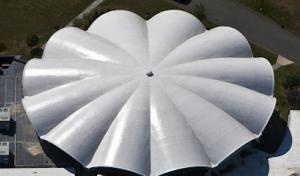
Allied Roofing & Sheet Metal
(860) 289-4374 www.alliedroofingct.com
West Hartford, Connecticut
4.9 from 14 reviews
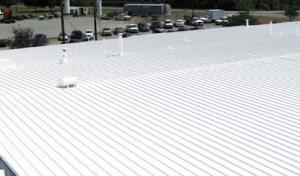
When insurers assess a roof after a wind or hail event, the evaluation often hinges on exposure patterns common to this area's aging housing stock. Steep pitches on capes and colonials, plus trees surrounding many lots, can amplify impact risks. Expect questions about shingle wind uplift resistance, fastener integrity, and the condition of ridge and valley details. Documentation that highlights prior maintenance, last reputable inspection, and any storm-related damage helps the claim move through more smoothly, but the carrier will still weigh exposure history carefully.
After a big Nor'easter or derecho, carriers may request proof that replacement work was performed to current standards and that proper materials were installed. This can mean copies of contractor notes, photos showing venting or underlayment details, and confirmation that flashing around chimneys and skylights was addressed. Because storm cycles here recur, anticipate a more thorough paper trail than you might expect in milder regions. Keeping a clear record now can shorten the path from damage to payout.
Because claims are common after Nor'easters in this region, homeowners benefit from organizing dated photos, contractor notes, and permit records. A simple folder system-before, during, and after shots, plus notes about material types and installation dates-helps establish a credible history if an issue recurs. Clear imagery of roof edge details, ice dam risk areas, and attic ventilation can support discussions with adjusters and reduce back-and-forth during the claim process.
Connect with contractors who help homeowners navigate the claims process from damage assessment to final approval.
RRCA - Roofing & Reconstruction Contractors of America -CT
15 N Main St, West Hartford, Connecticut
4.9 from 54 reviews
Bartlett Brainard Products
(860) 233-4475 bartlettbrainard.com
75 Talcott Rd, West Hartford, Connecticut
4.7 from 40 reviews
The West Hartford market strongly favors re-roofing contractors rather than only new-construction specialists. That means you'll find firms that handle leak-prone winters, ice dam mitigation, and older-structure detailing without relying on a short-term crew. Look for crews that promise rapid on-site response when active leaks are involved and emphasize clean, thorough debris removal, since homes stay occupied during repairs and storm cleanup is a common homeowner concern. The field includes long-established family-owned firms as well as manufacturer-certified teams, so the landscape blends legacy reliability with service-driven approaches.
Begin with firms that have verifiable local references and a visible presence in your neighborhood. Check how long they have worked in town, not just how recently they completed a flashy project elsewhere. A solid candidate will provide a clear project timeline, a structured warranty, and a dedicated point of contact for weather-related issues. Prioritize those who demonstrate clear coordination with insurance adjusters and document leak history and repair strategies through their proposals. Expect a written scope that details deck-to-shawn, attic ventilation, ice-dam prevention measures, and temporary containment if weather interrupts progress.
When comparing proposals, pay attention to how each contractor addresses freeze-thaw wear and ice dam risk specific to older homes. Ask about attic insulation checks, ventilation improvements, and the condition of underlayment and flashing around chimneys, dormers, and valleys. A reputable crew will schedule work to minimize disruption to a fully occupied home, implement daily cleanup routines, and communicate any changes to weather-driven plans promptly. Notice how quickly each firm can mobilize in reaction to leaks and how their crew manages site safety and dust control on narrow West Hartford streets.
Choose a contractor whose crew can sustain quality through winter cycles and who maintains transparent practice standards. Long-standing, family-owned firms can offer dependable, repetitive performance, while manufacturer-certified teams bring access to proven materials and installation guidelines. In this market, a trustworthy contractor blends neighborhood familiarity with a professional, responsive workflow that keeps your roof and home protected year after year.
The local contractor market includes solar roofing as a secondary specialty, so a roof replacement aimed at longevity and ice-dam resistance should still accommodate future solar plans without compromising performance. Older housing stock here often features tight eaves, venting challenges, and historical roof pitches that influence how panels can be mounted. A solar-ready approach prioritizes a solid, breathable underlayment, appropriate rafter spacing, and a roof deck that can support panel mounting without rework later. The goal is to keep the roof durable during freeze-thaw cycles while preserving flexibility for a solar addition down the line.
For homeowners replacing an aging roof, coordinating roof life with future solar plans can avoid rework on a recently installed system. Plan for a roof that can accept solar conduits, micro-inverters, or string inverters with minimal penetrations or penetrations placed to align with rafter lines. Consider selecting a roofing system that offers compatible flashing details around skylights and chimneys, since these junctions are common trouble spots in the Northeast climate. A thoughtful layout reduces the chance of later interventions that could disturb a new solar array.
Ice-dam prevention remains a core concern in this climate, so roof assemblies must manage meltwater effectively before mounting any solar hardware. When panels are installed, use mounting profiles that minimize heat traps at the roof surface and preserve drainage paths. In a neighborhood with frequent freeze-thaw cycles, it helps to choose a roof with proven ice-dam resistance and a clean, continuous attic airflow. This careful pairing of roof and potential solar hardware supports both long-term performance and straightforward future upgrades, should the homeowner decide to add PV later.
Find contractors who integrate solar panels or solar shingles into your roof for long-term energy savings.
RRCA - Roofing & Reconstruction Contractors of America -CT
15 N Main St, West Hartford, Connecticut
4.9 from 54 reviews

Graves Brothers Home Improvement
71 Raymond Rd, West Hartford, Connecticut
4.6 from 22 reviews