Last updated: Apr 19, 2026
In this city, the cold winters regularly create freeze-thaw stress that can open shingle seals, widen flashing gaps, and expose vulnerable roof decking on aging homes. Each rapid swing from freezing to above-freezing temperatures pushes moisture into small hairline cracks. When it refreezes, those cracks widen and the sealant around shingles loosens, making leaks more likely just as you're finishing winter repairs. Older roofs with missing granules or soft spots will feel the impact first, especially on steep hills where wind-driven snow sits longer along eaves and valleys. The immediate task is proactive inspection after the first thaw and before the next cold snap: check ridge lines, vent flashings, and around skylights for any lift or gap that appears as frost retreats.
Waterbury homes built decades ago often rely on basic flashing that doesn't stand up to repeated freeze-thaw cycles. Widespread gaps in step flashing along chimneys and dormers can act like highways for meltwater, and even a small opening can allow a steady drip that weakens attic insulation and roof decking. Look for frost on the underside of sheathing in late winter or early spring as a signal that warm days aren't sealing the problem away. If the attic feels damp, or if you notice musty smells or darker streaks on rafters, there's a high likelihood moisture has penetrated beyond the shingles. Scheduling a targeted inspection in late winter-before a fresh round of storms-can pinpoint compromised areas and prevent widespread decking deterioration that leads to costly replacements.
Spring in inland western Connecticut often brings gusty storm systems that can lift shingles and delay scheduled roof replacements across Waterbury. Strong wind events push granule loss, peel back edges, and force moisture into vulnerable seams. A single storm can compromise a roof that already endured winter wear, accelerating aging and increasing the chance of leakage at valleys and penetrations. After a storm, perform a quick exterior sweep: look for lifted tabs, torn underlayment edges, and any shingles missing granules in exposed areas. If you hear wind-driven rain or feel active leaks inside the attic after a storm, do not delay a professional evaluation. The goal is to restore the roof's protective barrier before subsequent weather systems cycle through.
The city's warm, humid summers can accelerate asphalt shingle aging after winter damage has already weakened the roof system. Heat stresses cause asphalt to become brittle and expand, which can push already loosened seals further apart. That combination-summer humidity and prior winter damage-creates a perfect window for leaks to develop around vents, pipe stacks, and along the eaves. In practice, that means you should not wait for visible signs before addressing concerns flagged in inspections. A preventive retrofit or reseal of flashing, plus targeted repairs to compromised shingles, helps preserve underlying decking and insulation through the next cycle of cold weather.
Schedule a mid-spring roof assessment to capture the transition between winter and storm season. Prioritize inspection of flashing around chimneys, skylights, and dormers, plus ridge and valley lines where stress concentrates. If lifting or gaps are detected, plan prompt resealing or flashing replacement to reduce the risk of water entry during spring storms. After any major wind event, perform a quick exterior inspection for missing or damaged shingles and granule loss, and address issues before the next storm arrives. Remember, the goal is to stop moisture before it travels from roof to attic, then into living spaces. A small, timely repair can prevent a much larger problem once summer humidity and autumn storms arrive.
Chimneys and brick intersections are a familiar sight on Waterbury's aging housing stock, and winter thaws plus spring storms often bring these joints into sharp focus. The combination of tight roof-to-chimney transitions, mortar joints, and the way step flashing meets brick creates recurring leak points when temperatures swing between freezing and mild, and when damp air saturates old masonry. This section focuses on practical steps for identifying, detailing, and maintaining those critical junctions so leaks stay out of the living space.
Chimney flashing and masonry intersections are the first places to inspect after a heavy rain or thaw cycle. Water has a habit of finding small gaps around the base of a chimney where brick and mortar have settled or deteriorated. Look for hairline cracks in mortar, spalling bricks, and any staining or moisture traces on interior ceilings tied to a chimney wall footprint. In many older homes, the original chimney flashing may have been installed with materials that don't hold up to repeated freeze-thaw cycles. When spring winds gust through, shifting bricks can pull flashing away just enough to allow water to bypass the top edge and travel down into the attic or into wall cavities.
Step flashing is the unsung hero of a leak-free roof around masonry. The classic Waterbury condition is not flat, but varied roof pitches meeting brickwork at odd angles. Step flashing must be integrated with both the roofing material and the masonry, not simply caulked over. If you see rust stains, lifted shingles at the flashing line, or tar lines that look aged, expect that the step flashing has aged or failed. The remedy is to remove damaged sections, install fresh step flashing with corrosion-resistant components, and secure it under the shingle course to create a continuous shield against moisture. Do not rely on sealant alone; it serves as a secondary defense, not a primary one on a masonry intersection.
When a re-roof is on the table, Waterbury homeowners often face the choice between patching and a more comprehensive re-detailing of the roof edges around chimneys and masonry. Re-roof decisions in Waterbury frequently involve replacing aged underlayment and correcting older detailing rather than simply laying new shingles over an existing problem area. If the old underlayment shows signs of wear, tearing, or mold, replace it with a compatible high-quality membrane that works with the chosen roofing material. Pay careful attention to the transition from the roof deck to the brick or stonework; the underlayment should extend up the chimney collar or flashing and be embedded beneath the brick veneer where possible to maintain a moisture barrier behind the masonry.
Water ingress can also travel along brick-to-roof intersections at other masonry penetrations such as vents, hats, and exhausts. Inspect mortar joints around these penetrations for gaps, spalling, or plant growth that can trap moisture. In many cases, resealing with a breathable, flexible sealant in combination with improved flashing details around penetrations yields the most durable result. Keep the attic air seal in mind: insulation that is poorly aligned with the attic access or chimney chase can create condensation paths that amplify leak risks during thaws and humid summers.
Finally, seasonal vigilance matters. After heavy rains or rapid temperature swings, perform a quick exterior scan for softened or lifted flashing, missing shingle tabs at the chimney line, or new staining on interior ceilings. Addressing these symptoms early commonly prevents more extensive water damage in the attic and eaves, which often present as stubborn, hard-to-trace leaks later in the season.
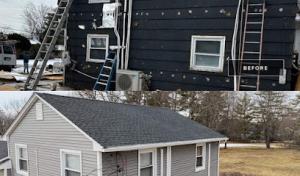
Mega Construction of CT
(203) 510-4085 megaconstructionllcofct.com
138 Madera Dr, Waterbury, Connecticut
5.0 from 61 reviews
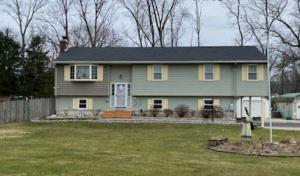
Welcome to Mega Construction of CT, your reliable roofing contractor based in Waterbury, CT. We pride ourselves on delivering top-tier services marked by unparalleled quality, innovation, and expertise. Specializing in residential roofing repair and installation, as well as siding installation and repair, our team boasts a wealth of experience and a stellar reputation for exceptional craftsmanship and customer service. Serving the communities of Waterbury, Naugatuck, Watertown, Middlebury, and the greater New Haven and Hartford regions, we are committed to exceeding your expectations.

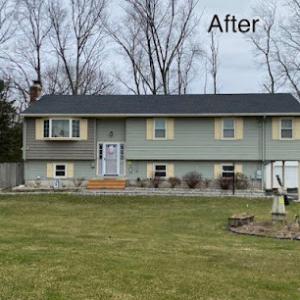
Enterprise Home Improvement
(203) 518-2010 www.enterpriseroofingsiding.com
189 Easton Ave, Waterbury, Connecticut
4.9 from 86 reviews
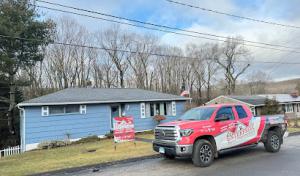
At Enterprise Home Improvements, we specialize in residential roofing, siding, and gutter services throughout Connecticut. With over a decade of experience, our mission is to protect your home and increase its value with high-quality materials and expert workmanship. We work closely with homeowners and insurance companies to make sure your roof replacement is fully covered when eligible. We offer free inspections, fast estimates, and professional guidance throughout the process. Whether your home was damaged by wind, hail, or heavy storms — we’re here to help. Trusted by dozens of satisfied customers, we treat every project as if it were our own home. Licensed, insured, and always committed to excellence. 📞 Call or text us today at

Paolino Roofing
(203) 721-1442 www.paolinoroofing.com
463 Congress Ave, Waterbury, Connecticut
4.9 from 45 reviews
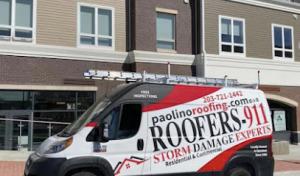
We are a Better Business Bureau accredited business. Based in Waterbury Ct, servicing New Haven, Hartford, Fairfield, Litchfield, and Middlesex Counties since 1990. We specialize in residential and commercial roofing, roofing repairs, storm damage emergency services and commercial roof maintenance. We also offer storm damage insurance claim assistance and free storm damage inspections. We are family owned and operated, A LOCAL NAME YOU CAN TRUST! We always help our customers understand the problem and solution with guided video and photos.
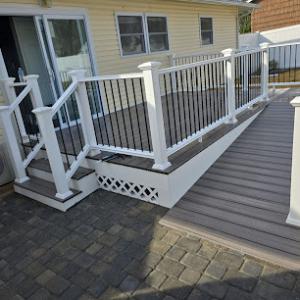
Ecua Giovanny Construction
(860) 622-1038 ecuagiovannyconstructionllc.com
364 Mill St, Waterbury, Connecticut
4.9 from 42 reviews
Roof repair roof replacement
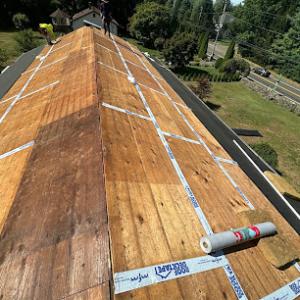
Che Roofing
(203) 802-0469 cheroofingllc.com
63 Bellevue St, Waterbury, Connecticut
5.0 from 26 reviews
CHE Roofing, a leading roofing contractor in Waterbury, CT, is the premier choice for all your roofing needs. Established in 2021, our team of veteran professionals take pride in delivering exceptional roofing services and installations designed to enhance both the structural integrity and aesthetic appeal of your home. With a strong commitment to quality craftsmanship and customer satisfaction, CHE Roofing ensures the longevity of your roof while elevating the overall value of your property.
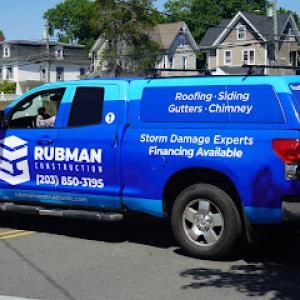
Rubman Construction
(203) 850-3195 rubmanconstructionllc.com
2095 S Main St Unit B7, Waterbury, Connecticut
5.0 from 26 reviews
Rubman Construction is recognized as the best roofing contractor in Waterbury. Our team ensures the highest quality craftsmanship for every project. From installing a new roof to replacing the damaged one, we deliver reliable and efficient solutions that meet the unique needs of our clients. With years of expertise in the industry, Rubman Construction offers comprehensive services, including roof repair in Watertown. We understand the importance of a sturdy and well-maintained roof for the safety and comfort of your home. Our skilled professionals use top-quality materials and techniques to ensure lasting results. Choose us for all your roofing needs, and experience the difference that our expertise can make for your property.

We Got A Guy
(203) 879-2118 www.wegotaguyremodeling.com
2714 E Main St, Waterbury, Connecticut
4.7 from 127 reviews
We Got A Guy is a trusted roofing and construction company known for fast, high-quality work completed by our in-house team. Serving the local community with integrity and care, we specialize in roofing, siding, gutters, and more.
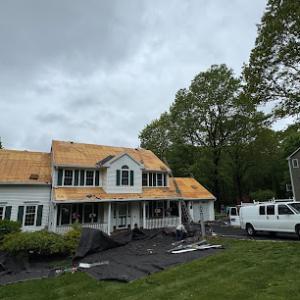
Leon Roofing
(203) 600-6160 leonroofing-llc.com
50 Donahue St, Waterbury, Connecticut
5.0 from 22 reviews
Since 2013, Leon Roofing has proudly served homeowners in the Connecticut region. We specialize in every stage of roofing, including maintenance, complete overhauls, and replacements. Our team provides prompt, reliable service with a focus on high-quality craftsmanship and excellent customer care. We also assist homeowners in obtaining new roofs and siding through insurance (if qualified), offering free inspections to evaluate eligibility. As a trusted "one-stop contractor," we take pride in meeting all your roofing and exterior needs. 📞 Call us today for a free estimate and inspection
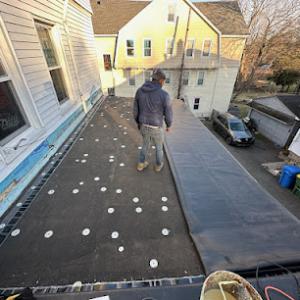
Apex Exteriors
(203) 923-8121 www.apexexteriors.net
207 Bank St Suite 3A, Waterbury, Connecticut
4.8 from 43 reviews
Apex Exteriors provides residential and commercial roofing, solar power installations, and other exterior home improvement services. Serving Waterbury, CT.
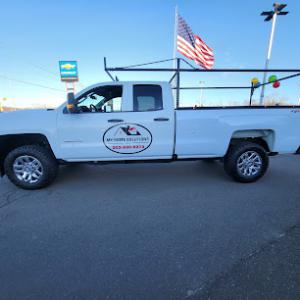
My Home Solutions
(203) 490-4194 www.ctroofandsiding.com
20 Eagle St, Waterbury, Connecticut
4.7 from 51 reviews
Discover superior roofing and home solutions with My Home Solutions in Waterbury, CT. As a Master Shingler-certified roofing contractor with nearly 40 years of expertise, we specialize in top-quality roofing systems backed by lifetime warranties. Beyond roofing, we offer professional vinyl siding installation, custom composite deck and railing designs with free computer-generated previews, and expert property grading and clearing services. Our comprehensive drainage solutions, including French drains, yard drains, and channel drains, ensure your home remains dry and secure. Trust us to guide you through storm damage insurance claims with ease.

Express Roofing & Remodeling
(203) 527-3702 expresroofing.com
35 Baldwin Ave, Waterbury, Connecticut
4.8 from 31 reviews
Express Roofing & Remodeling provides roofing, siding, gutters and remodeling services to Fairfield, New Haven, Litchfield Counties, CT and the surrounding areas. + Free roof inspections + Fully licensed + Insurance claim Specialist + insured
M2J construction
(347) 717-7656 www.m2jconstructionllc.com
9 Ridge St, Waterbury, Connecticut
5.0 from 16 reviews
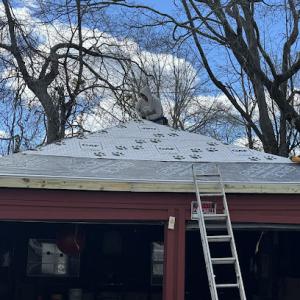
At M2J CONSTRUCTION, we provide high-quality roofing, siding, gutters, windows, deck, skylights, and remodeling services backed by over 10 years of experience in the construction industry. Our certified team delivers reliable workmanship, long-lasting materials, and exceptional customer service for residential and commercial projects
Late spring through early fall is typically the preferred replacement window in Waterbury because winter freeze-thaw conditions and early snow risk complicate installation quality and inspection timing. During this stretch, attic and interior spaces tend to be drier, temperatures are moderate, and long dry spells help roofing crews move steadily from one repair to the next. If you're planning a roof upgrade on an older home with steep pitches or multiple penetrations, aim to start the project as soon as skies stay reliably clear and dry for a week or two at a stretch. Your best results come when you avoid the coldest weeks yet still complete before winter's grip tightens.
Spring storm patterns in Waterbury can create both damage spikes and scheduling backlogs, so homeowners often need to book before peak summer demand. Shingle impact from hail or wind during late March to early May can reveal hidden underlayment issues, making an assessment visit essential before the main replacement window. If a storm hits, have your roof inspected promptly, because minor issues can become costly leaks once warm, humid air returns. As the days lengthen and soil thaws, crews can mobilize more effectively, but keep in mind that a busy spring often means tighter calendars. Reserve a concrete start date early, and plan buffer days for weather delays.
Summer in this area tends to offer the most predictable weather for long, uninterrupted installs. The longer daylight hours and lower moisture content help ensure shingles seat properly and flashings seal. However, heat can tire crews and can affect asphalt products more than metal or slate alternatives. If a steep hillside home or a structure with multiple dormers is in need, request daily progress checks and material protection plans to prevent expansion cracks or wind uplift during hot midday gusts. Have inside spaces ready for contractors, because attic access and debris containment matter when precision work is required on older homes.
Fall leaf accumulation in Waterbury can trap moisture in valleys and around penetrations, making pre-winter inspections especially important. By October, your roof should be assessed for lingering valley debris, clogged gutters, and compromised flashing near chimneys or skylights. The goal is to seal and shed moisture well before the first freeze. If shingles show wear from previous seasons, addressing weak spots now minimizes emergency calls when temperatures drop. A well-timed autumn walkthrough helps you lock in a durable, leak-resistant setup before winter storms arrive.
Asphalt shingles are the dominant practical choice in this market, with local pricing commonly ranging from 350 to 650 USD per square. That span reflects the typical residential re-roofing demand on older homes with steep, hilly streets and four-season exposure. In Waterbury, asphalt performs reliably year to year, offering solid protection against the mix of freeze-thaw cycles and summer humidity that wears shingles fastest. If a homeowner is balancing upfront cost with a need for dependable winter leak resistance, asphalt remains the go-to option on most re-roof projects.
Metal roofing in this area runs about 600 to 1100 USD per square and is often considered by homeowners looking for better performance through snow, ice, and long seasonal moisture exposure. Metal sheds weight and can shed water quickly, which helps during rapid freeze-thaw shifts that push against older underlayment. It is particularly appealing on homes with long roof runs, where reducing ice dam risk and wind-driven leaks matters. Expect a higher upfront investment, but longer service life and potentially lower maintenance in storm-prone periods.
Clay and concrete tiles, wood shingles/shakes, and synthetic/composite shingles each offer distinct advantages in specific Waterbury housing stock. Clay tile typically sits in the 700 to 1500 USD per square range, while concrete tile runs 600 to 1200 USD per square. Wood shingles/shakes usually fall between 450 and 900 USD per square, and synthetic/composite shingles 450 to 950 USD per square. These options can provide enhanced curb appeal or improved durability in certain structures, but they also require careful installation on steeper roofs and may add heavier loads that influence supporting structure needs.
Costs in Waterbury can rise when older roofs need decking repairs, chimney flashing work, ventilation corrections, or permit-driven inspection compliance during a full tear-off.
A full residential re-roof project requires a Building Permit through the city's Building Department. This isn't something treated as simple over-the-counter maintenance; the department will actively review the project scope before issuing any permit. That means your contractor should have a clear plan for materials, ventilation, underlayment, and fastener patterns before the clock starts. If the plan changes mid-project, expect another review cycle. The process can feel slow, but it exists to prevent missteps that lead to leaks and accelerated wear once winter returns.
Inspections in Waterbury serve a practical purpose beyond paperwork. During installation, inspectors pay close attention to the underlayment choice and its correct installation, ensuring a continuous, weather-tight layer beneath the shingles. Ventilation is checked to avoid heat buildup and moisture issues that mimic the symptoms of older roofs failing early. Nailing patterns are scrutinized to confirm proper hold against wind uplift and freeze-thaw cycles, which are common in this climate. After installation, inspectors confirm that all elements meet the required sequence and spacing, and that any penetrations-like vents and chimneys-are properly flashed and sealed. The goal is to catch missteps before cold snaps or summer storms expose gaps that can lead to leaks and accelerated wear in a neighborhood with steep hills and aging structures.
Delays and rework can stem from permit holds or inspection setbacks, especially when a project encounters unexpected framing or attic venting needs. In a community with four-season exposure, timing matters: you don't want a stalled permit to linger into a late-fall window or a spring storm season. Coordinate carefully with your contractor to align delivery of materials, underlayment, and flashing components with the inspection timetable. If a defect is found during an inspection, the clock starts again on corrections, which can extend your exposure to moisture and shingle wear during the transition. A straightforward, well-documented scope and a willingness to adjust promptly help the process stay on track and reduce the risk of weather-driven surprises. If you are uncertain about any step, call the Building Department early to confirm what documentation and details they will require for an efficient review.
Connecticut's insurance environment is relatively stable, but this area's older housing stock and four-season climate mean some extra scrutiny after storms. Carriers will expect detailed project plans and photo documentation before and after roof work, with clear notes on materials, layers, and any existing damage. After a steady melt in the spring and the humid heat of summer, shingle wear and leak risk rise, so expect the insurer to want a precise record of the roof's condition going into and coming out of repairs.
When a spring or early summer storm hits, adjusters may ask you to distinguish pre-existing damage from new wind or hail effects. Early documentation helps prevent disputes about what caused a leak or failure. Take timestamped photos of every roof surface, attic ventilation, and visible leaks as soon as safely possible after a storm. If a contractor identifies pre-existing issues during inspection, make sure those findings are included in the claim package with clear dates and explanations to avoid questions later in the process.
Insurers serving Connecticut commonly want ventilation and underlayment details documented before finalizing roof-related claims, which directly affects replacement paperwork. Have your contractor verify attic ventilation, drip edge, and underlayment type and condition, then capture those specifics in the claim packet. Missing or vague information on these components can stall approval or complicate coverage decisions.
Keep a dated, organized folder of photos from multiple angles, plus notes on any pre-existing leaks or attic signs of moisture. Secure a written project plan from the roofer, including a scope of work, materials, and sequencing. Share these materials promptly with the adjuster and your insurer, and coordinate any needed interim inspections to keep the claim moving smoothly. Clear, consistent documentation helps prevent delays and reduces the chance of later disputes.
Connect with contractors who help homeowners navigate the claims process from damage assessment to final approval.
Mega Construction of CT
(203) 510-4085 megaconstructionllcofct.com
138 Madera Dr, Waterbury, Connecticut
5.0 from 61 reviews
Enterprise Home Improvement
(203) 518-2010 www.enterpriseroofingsiding.com
189 Easton Ave, Waterbury, Connecticut
4.9 from 86 reviews
Paolino Roofing
(203) 721-1442 www.paolinoroofing.com
463 Congress Ave, Waterbury, Connecticut
4.9 from 45 reviews
Waterbury's roofing mix includes asphalt shingles, metal roofing, clay tile, concrete tile, wood shingles or shakes, and synthetic or composite shingles. The four-season climate-freeze-thaw winters and humid summers-puts extra strain on shingles and can elevate leak risk on older roofs with uneven framing. Asphalt shingles stay a practical choice because they are familiar to local crews, straightforward to install in a variety of pitches, and amenable to timely replacement when storm-driven wear occurs. If choosing asphalt, prioritize thicker profiles with strong underlayment and good granule adhesion to endure annual freeze-thaw cycles and seasonal moisture intrusion.
Clay and concrete tile offer long-term durability in many climates, but their weight matters in older homes with varying roof framing. In this neighborhood mix, these materials may require closer evaluation of structural capacity, existing rafters, and the ability to support added dead loads. When added care is taken with a professional assessment, clay or concrete tile can provide excellent resistance to wind and a low susceptibility to surface granule loss. However, installation costs and potential retrofit needs can be higher on aging structures, so a careful engineering check is essential before proceeding.
Metal roofing delivers quick storm resistance, excellent longevity, and a light weight compared with tile options, which can be appealing on steeper hills and tight lots. Wood shingles or shakes bring a traditional look but demand attentive maintenance to prevent decay in humid summers. Synthetic or composite shingles offer boosted impact resistance and a broader design palette while maintaining lighter weight than tile. For Waterbury storms and seasonal temperature swings, the right synthetic or metal choice can provide robust performance with fewer maintenance surprises on older homes.
The primary goal is guarding against moisture ingress during freeze-thaw cycles and rapid storm events. A roof system that balances material characteristics with existing framing, proper underlayment, and adequate ventilation minimizes repeated water intrusion and reduces the risk of ice dam-related damage. On steeper hills and varied roof lines common in these neighborhoods, ensure flashing details are tested and secured, gutters are clear, and downspouts direct meltwater away from load-bearing ridge lines.
Find specialists in TPO, EPDM, and built-up flat roofing systems for residential and commercial properties.

Diamond Roofing Specialists
(203) 754-7884 www.diamondincct.com
99 Brookside Rd, Waterbury, Connecticut
4.4 from 36 reviews
Hira Roofing | Storm Damage Professionals
(203) 707-1104 hiraroofing.com
Serving
5.0 from 63 reviews