Roofing in Massachusetts
Last updated: Feb 28, 2026
In Massachusetts, a roof is more than a shield from rain—it's a frontline defense against Nor'easter winds, heavy snow, and the constant freeze-thaw cycle that can lift and crack shingles if a roof isn't well prepared. Our winters throw ice dams and relentless cold at the attic, while coastal towns wrestle with salt air and higher wind loads. Summers bring humidity that can strain seals and flashing, and routine debris from our trees adds wear over time. The result: MA roofs need thoughtful upkeep, timely repairs, and materials that stand up to frequent temperature swings and seasonal surprises. A smart plan now saves costly repairs later.
This page offers practical, trustworthy guidance tailored to Massachusetts conditions. You'll get a clear sense of how our local climate shapes material choices, the roof styles that fit MA homes, and what costs you're likely to see here. You'll also get a practical sense of permits and local regulations, common problems we see across Massachusetts and solid fixes, plus maintenance routines that help your system perform year after year. We'll cover when a repair makes sense versus when a replacement is the wiser long-term move, and how to decide when it's time to bring a professional into the picture.
Advice here is grounded in Massachusetts realities—seasonal patterns, climate data, and the kind of on-the-ground experience you'd get from a trustworthy neighbor who also happens to be a roofing contractor. We lean on local resources, from nearby suppliers to municipal building departments, so the guidance fits real MA neighborhoods—from urban street fronts to hillside suburbs and coastal towns.
Let's start by taking a practical look at how our seasons shape your roof in everyday terms—and what that means for your home this year.
Local Climate & Its Impact on Roofs
Winter snow loads and ice dam risk
Massachusetts winters bring heavy snow, freezing rain, and rapid thaw cycles. That combination increases snow loading on pitched roofs and raises the risk of ice dams along eaves. Ice dams can back up water under shingles, leading to leaks and interior damage if flashing and ventilation aren't up to the task.
What this means for your roof
- Snow buildup adds weight; older or undersized structures may sag or fail under extreme loads.
- Ice dams form when warm attic air melts snow at the top of the roof, which refreezes at the cooler eaves.
- Poor attic insulation and inadequate ventilation worsen dam formation and heat loss.
How to mitigate
- Ensure proper attic insulation and ventilation to maintain a cold roof deck in winter (check local code for R-values and vent requirements).
- Install an ice/water shield along eaves and at roof penetrations per code during new work or major repairs.
- Regularly clear snow from low-slope sections with a roof rake from the ground; never climb on a snow-covered roof.
Long, hot summers in Massachusetts can accelerate aging of roofing materials, especially asphalt shingles, and drive interior attic temperatures higher if attic ventilation is poor. Humidity and UV exposure can also encourage algae, moss, or mold on darker shingles near shaded or coastal areas.
What this means for your roof
- Adhesives and shingles may become less durable with repeated heat cycles.
- Elevated attic temperatures reduce the effectiveness of insulation and can shorten roof life if ventilation is inadequate.
How to mitigate
- Improve attic ventilation (soffit intake and ridge or mechanical ventilation) and seal air leaks to reduce heat buildup.
- Consider reflective or cool-roof shingles/materials in new installations or when replacing a roof.
- Keep gutters and downspouts clear to prevent moisture backup at roof edges.
Coastal winds, salt spray, and storm exposure
Coastal MA counties face stronger winds, salt-laden air, and more frequent storm-driven rain. Salt can corrode metal fasteners and flashing, and high winds can lift shingles if nails aren't driven per code or if edges aren't properly sealed.
What this means for your roof
- Faster wear on exposed fasteners and flashing, especially in coastal zones.
- Greater risk of wind damage during Nor'easters and summer storms.
How to mitigate
- Use corrosion-resistant fasteners and flashing materials suitable for salt exposure.
- Ensure a wind-rated installation with proper nail patterns and edge fastening as required by code.
- Regularly inspect flashing, vents, and ridge caps after major storms.
Freeze-thaw cycles and durability
Massachusetts' fluctuating temperatures cause repeated freeze-thaw cycles that push and pull on roofing materials and sealants. Over time, this can lead to cracked shingles, lifted flashing, or seam failures, especially on older roofs.
What this means for your roof
- Seals and coatings degrade faster in climates with repeated freezing.
- Small gaps can become leaks if left unaddressed.
How to mitigate
- Schedule proactive inspections, especially for roofs older than 15–20 years.
- Re-seal or replace flashing and compromised seals during maintenance cycles.
- Maintain attic insulation and ventilation to minimize inner roof temperature swings.
Practical steps for Massachusetts homeowners
1. Do a fall inspection: check for missing shingles, damaged flashing, and clogged gutters before winter.
2. Keep gutters clear to reduce ice dam risk and water backup.
3. Trim trees near the roof to prevent debris and branch damage from storms.
4. Confirm attic insulation and ventilation meet current code requirements.
5. After major storms, inspect for wind damage and water intrusion; hire a pro if you're unsure.
Warnings and official resources
- Ice dams and snow load considerations are addressed in the Massachusetts State Building Code (780 CMR). See and verify local amendments with your town or city.
- For storm readiness and building safety, consult the Massachusetts Emergency Management Agency:
- General weather and storm data: National Weather Service,
- Flood risk and coastal planning resources: FEMA Flood Map Service Center,
- Energy and insulation guidance for cold climates: US DOE Energy Saver,
Recommended Roofing Materials for Massachusetts
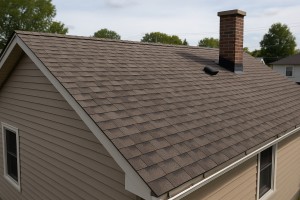
A versatile, cost-conscious option that works well in Massachusetts' climate. Modern architectural shingles often outlast basic 3-tab varieties and handle wind with proper installation.
- Pros: Affordable upfront cost, wide color range, easy to install, good wind resistance with correct nailing, readily available.
- Cons: Lifespan typically 20–30 years, performance can vary in harsh winter extremes and repeated freeze-thaw cycles, not ideal for very heavy snow loads on shallow pitches.
- Best for: Many traditional and newer homes, especially if you're replacing on a tight budget or want quick installation.
- Tips: Choose architectural (laminated) shingles with a 30-year or longer warranty and Class A fire rating when available. Pair with a high-quality underlayment and ensure proper attic ventilation. Use corrosion-resistant nails and follow wind-resistance specs for your town.
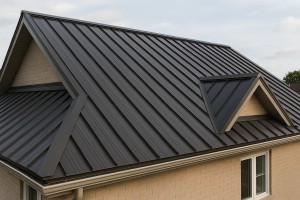
Metal, especially standing-seam panels, is a standout performer in snowy winters and windy MA summers.
- Pros: Extremely long life (40–70 years), superb snow shedding, excellent wind resistance, lightweight relative to tile or slate, energy efficient.
- Cons: Higher upfront cost, can be noisier in rain/snow unless insulated, color fading possible in coastal salt exposure, requires skilled installer.
- Best for: Homes in exposed locations, modern or classic designs wanting low maintenance, coastal areas with salt spray (choose coastal-grade coatings).
- Tips: Install a standing-seam system with proper flashing around chimneys, vents, and skylights. Include snow guards in heavy snowfall zones and ensure full insulation and ventilation to minimize heat loss that can contribute to ice dams.
Slate and Cedar: Historic Homes and Long-Term Value
These materials offer distinct aesthetics and long lifespans but come with structural considerations.
- Slate
- Pros: Extremely durable, fire resistant, timeless look, can last 100+ years with proper maintenance.
- Cons: Very high upfront cost, very heavy (requires structural assessment), limited local skilled installers.
- Best for: Historic homes or high-end remodels where weight and preservation are priorities.
- Cedar Shakes/Shingles
- Pros: Natural insulation feel, warm appearance, lighter than slate, renews with maintenance.
- Cons: Prone to rot, insect damage, and fading; maintenance intensive; not ideal in very wet or coastal environments without regular treatment.
- Best for: Heritage properties or homes where a rustic, authentic look is desired.
- Tips: If choosing cedar, plan for regular sealing and annual inspections to catch rot early. Slate requires structural evaluation and potentially reinforcement to support weight.
Synthetic Alternatives: Slate, Shake, and Tile Made Affordable
Fiberglass, polymer, and engineered composite products mimic the look of slate or cedar without some of the drawbacks.
- Pros: Lighter weight than real slate or tile, lower maintenance, better hail resistance than some natural materials, longer warranties than traditional asphalt.
- Cons: Appearance may fade over time, some products vary in long-term performance; ensure a manufacturer-backed warranty.
- Best for: Homes wanting a classic look with modern durability and easier installation.
- Tips: Look for a Class A fire rating and a warranty that covers color, hail resistance, and adhesion in MA climate.
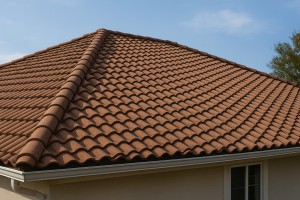
Clay and concrete tiles offer durability and energy efficiency but require careful planning.
- Pros: Excellent longevity, strong fire resistance, good insulation value, attractive in the right architectural style.
- Cons: Very heavy (needs structural assessment), expensive installation, not ideal on shallow pitches or in freeze-thaw prone regions without proper detailing.
- Best for: Homes with strong structural support and a design that suits tile aesthetics, especially on elevations that handle the weight.
- Tips: Ensure substructure can support the weight, use underlayment designed for cold climates, and plan for proper attic ventilation to prevent ice damming.
Flat Roofs and Low-Slope Options
Low-slope roofs are common in extensions or modern designs but require different materials.
- Common options: EPDM, TPO, or modified bitumen.
- Pros: Good for flat layouts, excellent water resistance when installed correctly.
- Cons: Vulnerable to punctures and UV wear if not properly protected, drainage must be well planned to avoid ponding.
- Tips: Use a professional experienced with Massachusetts climate to select the best low-slope system and ensure proper insulation and drainage.
Ice Dam Prevention and Underlayment Considerations
- Start with insulation and attic ventilation to minimize heat loss into the roof plane.
- Install an ice/water shield along eaves and at critical penetrations in MA winters.
- Choose a roofing system with appropriate underlayment for freezing conditions and salt exposure if near the coast.
- Maintain gutters and downspouts to reduce ice buildup and water backup.
Steps to choose the right roofing material for Massachusetts
1) Assess your roof pitch, structure, and ability to support heavy materials (slate, tile).
2) Consider climate factors: snow load, freeze-thaw cycles, coastal salt exposure, and wind.
3) Balance budget with longevity, maintenance, and desired aesthetics.
4) Check local building codes, HOA rules, and insurance implications; verify contractor experience with your chosen material.
5) Work with a local roofer to confirm warranty coverage, installation details, and performance expectations for MA winters.
Popular Roof Styles & Architectural Trends in Massachusetts
Cape Cod influence
The Cape Cod style remains a defining look across Massachusetts, from coastal towns to inland neighborhoods. Its roof is deliberately steep to shrug off heavy snowfall, typically a symmetrical gable with modest eaves. Many homes gain usable space and daylight with dormers that break up the roofline.
- Pitch ranges commonly 8:12 to 12:12, maximizing snow shedding and attic space
- Materials: asphalt shingles, cedar shakes, or a slate appearance on historic homes
- Dormer design: one or two vertical additions per side to brighten rooms and create usable upper levels
- Practical effect: reliable winter performance, timeless curb appeal
Colonial and Federal Revival
Colonial-era and Federal-era homes continue to shape Massachusetts's streetscapes. These houses often feature balanced facades, multi-pane windows, and rooflines that favor gable or hip shapes. Gambrels appear in Dutch Colonial variants, echoing early settler architecture.
- Common roof shapes: gable or hip; occasional gambrel for authentic Dutch Colonial vibes
- Materials: asphalt shingles for most updates; slate on historic restorations
- Dormers and cornices: slim dormers or shallow gables preserve symmetry
- Design note: keep fascia and trim clean and proportionate to the home's overall scale
Gambrel and Dutch Colonial
Gambrel roofs are a distinctive choice for many Massachusetts homes, especially in suburbs with historic ties. The two-slope sides maximize upper-story headroom while preserving a compact footprint.
- Structural pluses: ample upper-floor space without a bulky roof silhouette
- Materials: cedar shakes, architectural asphalt, or metal for durability
- Flashing considerations: more complex flashing detail due to multiple planes
- Snow considerations: steeper inner slopes help shed snowfall, but proper drainage remains essential
Victorian and other historic trends
In areas with Victorian, Queen Anne, and Italianate rows, rooflines become more intricate—cross gables, towers, and decorative patterns are common. These homes demand thoughtful maintenance and historically informed replacements.
- Roof lines: multiple ridges, turrets, and ornamental shingles
- Materials: slate, galvanized or copper accents, or patterned shingles
- Maintenance: higher due to complexity; prioritize proper ventilation and robust guttering to prevent water intrusion
- Restoration tip: match original profiles and flashing details to preserve character
Modern farmhouse and contemporary blends
Newer Massachusetts builds and renovations blend classic silhouettes with modern performance. Expect larger overhangs, mixed materials, and streamlined silhouettes that still nod to traditional forms.
- Key features: broad eaves, metal roofing or standing-seam panels on sections, and generous window bays
- Solar integration: roof layouts often planned for easy PV mounting
- Color palette: neutral tones, charcoals, and white trims with natural wood accents
Popular roof materials in Massachusetts
Massachusetts homeowners balance budget, aesthetics, and climate resilience when choosing materials.
- Asphalt shingles: the workhorse for value and ease of repair
- Architectural ( dimensional ) asphalt: improved texture and durability
- Cedar shake/shingle: authentic, rustic look; higher maintenance
- Slate: premium, long-lasting, historically accurate on older homes
- Metal (standing-seam): excellent snow-shedding, longevity, and a modern edge
- Copper accents: premium touches on gutters, flashing, and decorative elements
Massachusetts winters drive design decisions. Roofs must handle heavy snow, ice damming, and temperature swings, while staying energy-efficient.
- Snow loads and pitch: steeper roofs reduce ice dam risk and improve drainage
- Ice dam prevention: proper insulation, continuous attic ventilation, and ice-and-water shield at eaves
- Ventilation and insulation: balanced attic ventilation keeps sheathing dry and reduces cooling/heating costs
- Flashing and gutters: durable seams and robust downspouts prevent leaks during freeze-thaw cycles
Practical planning steps for MA homeowners
- Step 1: Confirm your home's architectural style and choose a roof type that honors it while delivering performance
- Step 2: If you're in a historic district, verify any guidelines before making significant changes
- Step 3: Select materials based on climate, upkeep, and budget; consider long-term value
- Step 4: Plan for snow and ice mitigation with appropriate underlayment, ice guards, and ventilation
- Step 5: Inspect existing components (flashing, gutters, vents) and address gaps before a replacement
- Step 6: Hire a local contractor familiar with MA codes, weather patterns, and seasonal planning
Average Roofing Costs in Massachusetts
Typical cost ranges by material
- Asphalt shingles (3-tab): $4.50–$6.50 per sq ft installed. For a 1,500–2,000 sq ft roof, roughly $6,750–$13,000.
- Architectural asphalt shingles: $5.50–$9.00 per sq ft installed. Typical total around $8,250–$18,000.
- Metal roofing (steel, aluminum, or zinc): $7.50–$14.00 per sq ft installed. Typical total about $11,250–$28,000.
- Cedar shakes or shingles: $7.50–$12.50 per sq ft installed. Typical total around $11,250–$25,000.
- Slate: $20–$40+ per sq ft installed. Typical total $30,000–$80,000+.
Labor, tear-off, and other mandatory costs
- Tear-off and disposal: $1.50–$3.00 per sq ft, depending on existing roof condition and debris.
- Underlayment and ice/water shield: $0.80–$2.50 per sq ft, especially important in Massachusetts winters.
- Flashing, vents, chimneys, and penetration work: upcharges that can add a few hundred to several thousand dollars.
- Permit and inspection fees: typically $200–$800, varying by town and project scope.
Labor factors you'll notice in MA
- Local craft labor rates: Massachusetts tends to be on the higher end, reflecting contractor demand and urban pricing.
- Roof complexity: steep pitches, multiple ridges, or complicated transitions add labor hours and cost.
- Tear-off requirements: if your crew must remove multiple layers or repair rotten deck, expect higher prices.
- Weather scheduling: cold or snowy windows can shorten seasonal options and may affect pricing due to tighter schedules.
Local considerations that influence price
- Climate impact: frequent freeze-thaw cycles, ice dams, and heavy snow drive Ice & Water Shield use and improved flashing, which adds to cost but saves against leaks.
- Roofing style and architecture: Colonial, Cape Cod, or multi-family homes common in MA may have chimney stacks, dormers, or skylights that increase flashing and ventilation work.
- Insulation and ventilation retrofits: many MA homes benefit from upgraded attic insulation and ridge/soffit ventilation, which can add to initial cost but improve long-term energy efficiency.
- Local codes and permitting: Massachusetts towns require permits; some municipalities require specific venting or moisture barriers, influencing total price.
Common roof types seen in MA and price impact
- Flat or low-slope roofs: often require additional drainage systems and membranes; costs rise with slope and drainage complexity.
- Shake or shingle over existing layers: sometimes possible, but many cities limit layers; extra deck prep or removal adds cost.
- Specialty materials: slate or copper flashing look premium, with significantly higher installed prices but long lifespans.
How to estimate and plan
1. Step 1: Determine roof size and slope. Measure or review plans; rough area helps ballpark costs.
2. Step 2: Pick material and class of shingle or metal. Decide between standard asphalt, architectural options, or premium materials.
3. Step 3: Factor tear-off and disposal. If you have one or more old layers, add removal costs.
4. Step 4: Include underlayment, flashing, ventilation, and permit fees. Add 10–20% contingency for surprises.
Quick cost-saver tips
- Get at least 3–4 written quotes from MA contractors and check references.
- Schedule work in shoulder seasons (late spring or early fall) to potentially improve pricing and scheduling.
- Prioritize proper ventilation, insulation, and water protection; upfront investments reduce long-term maintenance.
- Ensure your contractor provides a clear warranty on workmanship and material with documented terms.
Permits & Local Regulations
Do you need a permit?
In Massachusetts, most roof replacement projects require a building permit from your local building department. Permits help ensure the work meets the Massachusetts State Building Code (780 CMR) and any local amendments, including ventilation, underlayment, and fire safety. Some towns may require a permit even for minor re-roofs or when the project involves decking, skylights, chimneys, or vent work. Always check with your municipality early to avoid fines or delays.
Where to start
- Find your town's Building Department contact on its official website.
- Ask about permit requirements, fees, and typical turnaround times.
- Request the permit checklist and any specific forms for roofing projects.
- If you're hiring a contractor, have them share their license and insurance details; you may need these on the permit application.
- Confirm whether additional approvals are needed (historic district, HOA, or zoning).
What you'll need to file
- Completed permit application for roofing work.
- A clear scope of work: location, materials, square footage, and whether decking or structural components are replaced.
- Roof plan or accurate drawings showing the existing and proposed roof configuration.
- Structural details if you're replacing decking, rafters, or changing the roof line; otherwise note that no structural changes will occur.
- Contractor information: name, license number (if applicable in your town), and proof of general liability and workers' compensation insurance.
- Manufacturer installation instructions and a brief installation method for the chosen roofing system.
- Lead paint considerations (for homes built before 1978): evidence of lead-safe work practices if disturbing old paint; your town may require a lead-safe plan or EPA RRP documentation.
- Any energy-code documentation relevant to insulation, venting, or radiant barriers, if requested.
- Permit fees and a proposed project timeline.
Inspections you'll encounter
- After key milestones, the inspector will review compliance with code requirements.
- Typical milestones:
1) Rough/structure inspection after roof deck, underlayment, and flashing are installed.
2) Ventilation and insulation inspection if applicable.
3) Final inspection when the job is complete and all components are installed.
- If adding skylights, a chimney or vent work, additional inspections may be required. Schedule inspections promptly to avoid extending your project.
Historic districts, landmark, and zoning considerations
- If your home sits in a historic district or is a designated landmark, you may need approvals from the town Historic District Commission or a similar body before or in addition to a building permit.
- Zoning rules can affect roof setbacks, height, or appearance (color, material, or ridge line changes). Check with the Planning/Zoning Office for any restrictions or waivers.
Lead paint and asbestos awareness
- Homes built before 1978 may have lead paint hazards. If disturbing lead paint, hire an EPA-certified renovator and follow lead-safe work practices.
- For any suspected asbestos-containing materials (rare in typical residential roofing), consult a licensed professional before disturbing materials.
Contractor licensing and insurance
- Massachusetts does not uniformly require a state-wide roofing license, but many towns require licensed contractors for permit eligibility. Verify your contractor's licensing status with the local building department and request up-to-date proof of liability and workers' compensation insurance, plus lien waivers as work progresses.
- Don't skip a written contract that includes scope, materials, timeline, and permit numbers.
HOA and neighborhood rules
- If you're in an HOA or a condo association, obtain architectural approval or any required HOA permits before applying for town permits.
- Some associations have color, material, or installation standards that differ from town code.
Quick checklist
- Contact local building department and confirm permit needs.
- Gather scope of work, roof plan, and contractor details.
- Verify licensing, insurance, and EPA lead-safe compliance if applicable.
- Submit permit application and pay fees.
- Schedule required inspections and keep records of all approvals.
Common Roofing Problems in Massachusetts & Solutions
Ice dams and attic condensation
Massachusetts winters bring freeze-thaw cycles that push rain and melting snow back under shingles. Ice dams can cause interior leaks and ceiling stains if water overflows under the roof's edge.
- Signs to look for:
- Icicles forming along eaves and water backup on ceilings
- Damp or staining in the attic or along walls
- Warm spots on the ceiling after a thaw
- Steps to fix (short term and long term):
1) Safely remove accumulated snow from the roof with a roof rake from ground level.
2) Increase attic ventilation and seal air leaks between living spaces and the attic.
3) Add or upgrade insulation to meet current codes (aim for plenty of continuous insulation under the roof deck).
4) Install ice/water shield along eaves and in valleys to divert meltwater.
5) If leaks persist, call a pro to inspect decking, interior damage, and install proper ventilation paths.
Wind damage and shingle lift
Nor'easters and stiff storms can peel shingles, lift edges, or disrupt flashing around vents and chimneys.
- Signs to look for:
- Loose, curled, or missing shingles
- Loose or corroded flashing around chimneys, skylights, or vents
- Visible damage after a strong wind event
1) Inspect from the ground and safely note loose areas; avoid climbing on a damaged roof.
2) Re-nail loose shingles with corrosion-resistant roofing nails, securing at proper spacing.
3) Replace any shingles that are cracked or torn; reseal or replace damaged flashing.
4) Clean and re-secure gutters and downspouts to prevent further lift.
5) Have a pro evaluate the roof for any underlying decking or structural issues.
Hail damage and granule loss
Sleet and hail can bruise shingles and knock off granules, shortening lifespan and increasing leak risk.
- Signs to look for:
- Bruises or pockmarks on asphalt shingles
- Significant granule loss in gutters or shingles
- Denting on metal valleys, vents, or flashing
1) Photograph and document damage for insurance claims.
2) Have a roofing contractor assess for underlying leaks or soft spots.
3) Replace damaged shingles and repaired flashing as needed.
4) If the roof is near end-of-life, plan a full replacement rather than patching limited areas.
Moss, algae, and roof staining
Massachusetts shade, moisture, and aging shingles encourage moss and algae growth, which can trap moisture.
- Signs to look for:
- Dark streaks or green/brown patches on shingles
- Soft, spongy areas where moss grows
1) Gently remove moss with a soft brush or low-pressure wash; avoid high pressure.
2) Apply a moss/algae cleaner following product instructions.
3) Trim overhanging branches to reduce shade and moisture on the roof.
4) Install zinc or copper strips near the ridge to slow regrowth; ensure proper installation.
Gutter and drainage problems
Clogged or sagging gutters cause water to back up onto the roof edge and into fascia.
- Signs to look for:
- Standing water in gutters or downspouts
- Erosion at foundation or basement dampness after heavy rain
- Sagging gutters or peeling paint on fascia
1) Clean gutters and downspouts at least twice a year; remove leaves and debris.
2) Ensure downspouts direct water away from the home's foundation.
3) Consider guards or screens, but avoid designs that trap debris.
4) Check for loose hangers and reseat or replace as needed.
Flashing leaks around chimneys and skylights
Flashing can fail due to temperature swings and settling, leading to leaks at seams.
- Signs to look for:
- Damp spots around chimney base or skylight perimeter
- Bulging sealant or corroded flashing
1) Inspect flashing for cracks, gaps, or loose nails.
2) Reseal or replace flashing with winter-grade sealants and proper counter-flashing.
3) Replace rotted or damaged chimney flashing or skylight curb.
4) Confirm nearby shingles and gutters are directing water away from seams.
Vent boot and pipe penetration leaks
Missing or degraded vent boots allow water to enter around pipes.
- Signs to look for:
- Water staining around vent pipes or attic condensation near penetrations
- Cracked or warped rubber boots
1) Replace damaged vent boot with a new rubber or metal option.
2) Re-seal joints with high-quality roofing sealant and ensure proper flashing integration.
3) Check surrounding shingles for damage and replace as needed.
Roof deck rot and structural issues
Persistent leaks or soft, spongy spots indicate compromised decking.
- Signs to look for:
- Soft, dark boards or visible sagging
- Musty odors in the attic or ceiling patches
1) Identify and remove rotten decking sections.
2) Replace with compatible plywood or oriented strand board, securing properly.
3) Reinstall underlayment and shingles with correct nail patterns.
4) If widespread, consider a full roof replacement to restore integrity.
Maintenance & Repair Tips for Massachusetts
Seasonal Maintenance Checklist
Massachusetts winters demand a proactive maintenance rhythm. Use a seasonal routine to spot trouble before it leaks.
Spring
- Inspect for winter damage: look for cracked, curling, or missing shingles.
- Clean gutters and downspouts; remove debris and ensure water flows away from the house.
Summer
- Check for sun-related wear: faded or brittle shingles; look for lifted edges after storms.
- Trim branches away from the roof to prevent impact damage and moss growth.
Fall
- Do a thorough roof and flashing check; fix loose flashing and reseal where needed.
- Clear gutters again; ensure downspouts direct water several feet from the foundation.
Winter
- Clear light snowfall safely with a long-handled roof rake from the ground.
- Look for ice dams along eaves from inside the attic and address heat loss or ventilation issues promptly.
Ice Dams and Snow Management
Ice dams are a common MA problem. Prevent them with a combination of insulation, ventilation, and careful snow removal.
- Improve attic insulation and air sealing to keep heat from reaching the roof line.
- Ensure soffit and ridge vents are clear and functioning for proper ventilation.
- If heat cables exist, test them and follow manufacturer guidelines for safe operation.
- When removing snow, work from the ground with a roof rake; never hammer or poke at ice from ladders.
- If an ice dam forms, address it promptly at the source (let a pro handle significant buildup) to avoid interior water damage.
Gutter and Drainage Tips
Proper drainage protects the roof and the foundation.
- Clean gutters in fall and again in spring; remove leaves, pine needles, and debris.
- Ensure downspouts extend 3–4 feet away from the foundation; add splash blocks or extensions as needed.
- Check for proper slope (roughly 1/16 inch per foot toward the downspout) to prevent standing water.
- Consider gutter guards if you have heavy leaf fall, but monitor for clog buildup around the guards.
Common Roofing Issues in MA and Fixes
Massachusetts climates drive specific wear patterns. Recognize and respond early.
- Ice dams and water intrusion: fix ventilation and insulation gaps first; reseal flashing around chimneys and vents; replace damaged shingles as needed.
- Moss, algae, and mold: remove gently with a roof-safe cleaner; avoid high-pressure washing that can lift shingles; use zinc or copper strips at the ridge to slow regrowth.
- Damaged or lifted flashing: reseal with the correct flashing material and sealant; ensure proper feathering to shed water.
- Faulty boot flashing at vents: replace cracked boot flashing and reseal around the pipe.
- Curling or missing shingles: replace affected shingles in small patches; confirm underlying deck isn't damaged.
- Poor attic ventilation: add or repair soffit and ridge vents; consider a professional assessment if you notice persistent condensation or damp insulation.
Inspection and DIY Maintenance Steps
Follow these steps to keep your roof in check between pro visits.
1) Walk the exterior lightly and inspect for broken, cracked, or missing shingles.
2) Check flashing around chimneys, hips, and vents for gaps or lifting.
3) Inspect boot flashing at vent pipes; look for cracks or dryness.
4) In the attic, look for stains, damp spots, or signs of past leaks near the rafters.
5) Check insulation and ventilation: ensure adequate insulation and unobstructed soffit and ridge ventilation.
6) Clean gutters and downspouts; confirm water is directed away from the foundation.
When to Call a Pro and What to Expect
Certain issues require a licensed roofer's eye and equipment.
- Visible sagging, large leaks, or extensive shingle failure.
- Repeated leaks after a storm or ice dam season, or suspected structural damage.
- Damaged flashing that you can't reseal safely from the ground.
- If you're unsure about the roof's structure, ventilation, or the need for permits.
Typical pro work you can expect: a detailed written assessment, a scope of work with materials and timeline, a written warranty, and proper permits where required. Ask for a local estimate that includes a clear breakdown of parts, labor, and any ventilation or insulation work. Ensure they carry proper liability and workers' comp insurance and can provide references from MA projects.
When to Repair vs. Replace
When a repair makes sense
- Damage is localized to a small area (roughly a single or a few shingles, flashing around a vent, or a minor leak) and the rest of the roof is sound.
- The roof is relatively young and has most of its life left (often 10–15 years or more, depending on material).
- Flashing, vents, or a small valley sealant issue is the culprit, not widespread shingle failure.
- You're dealing with temporary ice dam irritation rather than widespread water intrusion.
- A professional inspection confirms decking is solid and there's no hidden rot or sagging.
In these cases, a targeted repair can buy time and preserve the current roof without the disruption and cost of a full replacement. Keep in mind that any repair should address the underlying problem (ventilation, insulation, or flashing) to prevent recurrence.
When replacement is the realistic choice
- More than about 30–40% of the roof surface is damaged or shows widespread wear, curling shingles, or significant granule loss.
- You're facing multiple leaks in different parts of the roof or recurring leaks after repairs.
- There is visible rot, soft spots, or sagging in the decking or rafter system.
- The roof is near or beyond its expected life for the material (e.g., asphalt shingles 20–25 years; metal 40–70 years; slate 50–100 years; tile varies widely).
- Ice dam damage has been frequent and extensive, indicating insulation/ventilation issues plus damaged underlayment that would be costly to repair piecemeal.
- The cost of repeated repairs would exceed a reasonable fraction of the replacement price, or you're considering a material upgrade for insulation, energy efficiency, or reliability.
In Massachusetts, you're often balancing winter demands, wind, and snow loads. If the roof has seen repeated freeze–thaw cycles, moisture intrusion, or persistent ice dam issues, replacement is usually more cost-effective and protective in the long run.
Massachusetts-specific considerations
- Ice dam and snow load risk: Massachusetts winters stress roofs. Proper attic insulation and ventilation reduce ice dam formation, and replacing may be the best way to install newer underlayment and ventilation systems.
- Coastal and salt exposure: In coastal areas, corrosion-resistant materials and fasteners help long-term performance.
- Historic or multifamily buildings: Historic districts or condo associations may have material or color restrictions and permit requirements; replacement may need approvals beyond a standard retrofit.
- Warranties and codes: Check manufacturer warranties for your chosen material and ensure contractor adherence to Massachusetts building codes. Some materials carry longer warranties that improve long-term value.
- Energy considerations: A new roof can improve insulation and reduce energy costs, especially if paired with upgraded underlayment and venting.
A practical decision checklist
1. Assess extent: Is damage isolated or widespread? Is there visible decking rot?
2. Age and material: What's the roof's age and what material is it? What's the expected life left?
3. Cost comparison: Get written estimates for both a repair and a full replacement; include underlayment, ventilation upgrades, and disposal.
4. Warranties: Compare labor and material warranties; consider how they affect long-term reliability.
5. Permits and rules: Verify local permit requirements and any historic or condo rules that may apply.
6. Professional evaluation: Have a licensed roofer perform an in-depth inspection, including attic and decking, to confirm the proper path.
Quick decision steps
1) Inspect the attic for moisture and signs of deck damage. 2) If damage is localized and the roof is relatively young, prioritize repair. 3) If damage is widespread or the roof is near end-of-life, opt for replacement. 4) Consider climate-related benefits: better ventilation, insulation, and modern underlayment can prevent future ice dams and leaks. 5) Choose materials suited to Massachusetts conditions (durable underlayment, corrosion-resistant fasteners if near salt, appropriate wind resistance).
When to Hire a Professional
Signs you need to hire a pro sooner rather than later
A roof issue rarely improves on its own. If you notice any of these, bring in a professional promptly to prevent further damage and higher costs later:
- Active leaks or water stains on ceilings or walls after rain or snowmelt
- Missing, curling, cracked, or blistering shingles after a wind event
- Sagging or soft spots in the decking
- Ice dams or recurrent ice buildup along eaves and gutters
- Damaged or bubbling flashing around chimneys, vents, skylights, or dormers
- Extensive moss, algae, or rot that hides underlying damage
- Attic condensation, excessive attic heat, or poor ventilation making the roof feel hot
Massachusetts-specific considerations
Massachusetts weather and codes shape when and how you should hire a pro. Consider these local realities:
- Permits and inspections: Most Massachusetts towns require a roof replacement permit. Your contractor should pull the permit, coordinate inspections, and ensure code-compliant installation.
- Lead paint and old homes: If your house was built before 1978, lead-safe practices may apply if you disturb painted surfaces. Hire an EPA Lead-Safe Certified Firm and ask about lead paint containment and disposal during removal or repair.
- Winter and cold-climate issues: MA winters bring snow, ice dams, and freezing temperatures. Many shingles and underlayment perform best in milder weather. If you must address a leak in winter, expect temporary tarping and a plan for permanent repair when weather allows.
- Historic or preservation rules: If your home sits in a historic district or has preservation restrictions, additional approvals may be needed. Check with your local planning or historic commission before work begins.
- Insurance and licensing expectations: Massachusetts relies on local licensing and permit compliance rather than a universal state license for roofing. Verify your contractor carries current general liability and workers' compensation insurance and is prepared to provide certificates. Confirm who handles permits and inspections.
How to evaluate a roofing contractor in Massachusetts
Use these steps to find a trustworthy pro who will do right by your MA home:
1. Gather three written estimates
- Compare scope, materials, warranty, and timeline, not just price.
2. Verify licensing/registration and local compliance
- Ask to see any town-issued license or registration and confirm permit responsibilities.
3. Check insurance
- Request current certificates of general liability and workers' compensation, naming your property as an additional insured where possible.
4. Check references and local reviews
- Call past MA customers and look for consistency in workmanship and reliability.
5. Confirm permit handling and inspections
- Ensure the contractor will pull the permit, schedule inspections, and address any code- or city-specific requirements.
6. Review material specs and code compliance
- Confirm shingle type (asphalt, metal, etc.), underlayment, ice/water shield placement, ventilation, and adherence to 780 CMR and current code amendments.
7. Demand a detailed, written contract
- Scope of work, exact materials, disposal plan, start/completion dates, cleanup, and a clear payment schedule.
8. Ask about warranties
- Manufacturer warranties on shingles and a robust workmanship warranty (often 5–10 years, sometimes longer for certain products).
9. Get lien waivers and a solid cleanup plan
- Ensure the contract includes cleanup of debris and disposal and a waiver of liens upon final payment.
10. Set expectations for safety and site management
- Request a safety plan, use of fall protection on steep roofs, and protection of landscaping and gutters.
Red flags to watch for
- Pressure to sign immediately or pay in full upfront
- No written contract or inability to provide a clear scope
- Missing or questionable license/registration, or reluctance to share COIs
- Unwillingness to pull permits or schedule inspections
- Extremely low bids compared with other estimates
- Door-to-door “storm chasers” with limited local references
- No local business address or verifiable local presence
What a reputable contractor will provide
- Detailed written proposal with materials, scope, and timeline
- Certified proof of insurance (general liability and workers' comp)
- Clear permit plan and schedule for inspections
- Thorough warranty information (material and workmanship)
- A well-defined cleanup and disposal plan
- Transparent payment terms with no hidden costs
Putting A Lid On It: Roof Maintenance, Repair, and Replacement in Massachusetts
Massachusetts faces a big weather mix: heavy snow and ice in winter, rapid freeze-thaw cycles, salty coastal air near the shoreline, and hot, humid summers inland. All of these conditions stress roof systems differently than in milder climates. A well cared-for roof acts as a first line of defense—protecting your home from leaks, preserving insulation, and keeping energy bills reasonable. Regular upkeep and timely repairs aren't just about avoiding headaches; they're about extending the life of your roof and safeguarding your home's value.
A practical approach is to treat roof care as an ongoing habit rather than a one-time project. Conduct a quick check each season, address small issues before they grow, and plan for a professional inspection every few years or after significant storms. By combining vigilant inspections with sound maintenance and wise material choices, you'll weather Massachusetts's hazards with more confidence and less stress.
Seasonal maintenance at a glance
- Spring: clear debris from valleys and gutters, inspect for winter damage, seal flashing where needed, and check attic insulation and ventilation.
- Summer: inspect for wind or hail damage, trim nearby branches, verify attic venting and why-shaft clearances, and keep gutters free of debris.
- Fall: clean and repair gutters, reseal penetrations around chimneys and vents, look for ice dam risk as temps dip, and schedule a professional inspection before winter.
- Winter: safely remove snow if it accumulates heavily, monitor for interior signs of leaking, and avoid rapid temperature shocks that can stress roofing materials.
Massachusetts-specific issues to watch
- Ice dams and interior leaks after heavy snows
- Wind damage from Nor'easters and coastal storms
- Granule loss or shingle curling from freeze-thaw cycles
- Salt exposure near the coast impacting fasteners and metal flashings
- Gutter and downspout blockages from pine needles and winter debris
Signs you may need repair or replacement
- Visible curling, cracking, or missing shingles
- Granule loss accumulating in gutters
- Dark streaks or stains on ceilings or walls
- Recurrent leaks after storms or significant temperature swings
- Decking that feels soft or sagging under decking materials
Working with a professional
- Look for licensed, locally experienced roofers with solid references
- Ask for written estimates and scope of work, including permit needs
- Request before-and-after photos or a brief inspection report
- Trust a contractor who explains options clearly and respects your budget and timing
You're not alone in this. With mindful upkeep, community know-how, and the help of trusted local pros when needed, you can enjoy a durable, beautiful roof that stands up to Massachusetts' unique climate—and feel confident inviting neighbors and friends to admire it for years to come.
