Last updated: Apr 19, 2026
Middletown sits in the Connecticut River Valley, where winter temperature swings around freezing create repeated expansion and contraction at shingles, flashing, and exposed fasteners. That cycle happens year after year, especially on roofs that see sun in the afternoon and shade in the morning, or on sections with misfit ventilation. The combination of moisture-rich warm seasons and cold winters means you're dealing with two kinds of stress: ice-related movement and prolonged wetting that can linger into spring. In practical terms, that means materials must stand up to cyclical loads, and the roof deck needs to hold together even when moisture pushes in from the attic or a poorly flashed seam.
As shingles lift and settle from freeze-thaw cycles, hidden substrate deterioration can emerge once shingles are removed for inspection or replacement. Older homes near the city center often hide decades of incremental wear beneath a seemingly sound surface. When you replace, take the opportunity to lift one or two shingles to confirm the condition of the decking and the sheathing beneath. Look for soft spots, cupping, or mushrooming edges around cutouts and along eaves where moisture can collect. If decking shows rot or delamination, it's not just a matter of a new roof; the underlayment and ventilation need attention to prevent a fresh round of deterioration.
Flashing around chimneys, vents, and valley intersections takes a beating in this climate. Freeze-thaw moves push against seals, and ice dams can impose concentrated pressure on flashing where leaks often first appear. Fasteners can loosen as wood expands and contracts, creating tiny gaps that invite moisture. When you're evaluating a roof for potential work, pay close attention to the condition of step and counter-flashing, the integrity of sealant lines, and the continuity of the metal around roof perimeters. If you notice rust, lifted laps, or dried-out sealant, address these issues before they propagate into leaks that follow the next thaw.
Ice dams are a recurring concern in this climate. They form when warm roof sections melt snow that refreezes at the eaves, creating a dam that forces water to back up under shingles. This is especially troublesome on older roofs with limited insulation or ventilation. A practical approach is to assess the attic insulation and roof ventilation adequacy, but also to inspect gutters and downspouts for blockages. Clogged or sagging gutters can hold meltwater, exacerbating dam formation and delaying drainage. During a replacement or repair, ensure the roof line and gutter system are coordinated so water shed is predictable and unobstructed.
Freeze-thaw exposure is cumulative. Even if a roof looks sound after a winter, the next season can reveal new signs of stress. Establish a seasonal check routine that aligns with the shoulder months: inspect after the coldest part of winter and again after the first warm, wet stretch of spring. Look for loose granules, dark streaks, or curling edges on shingles, and for any new damp spots on the attic floor or along interior walls. If a roof is nearing the end of its service life, plan a replacement that accounts for the local moisture regime and the likelihood of future freeze-thaw cycles. A thorough plan should include decking evaluation, flashing upgrades, and a ventilation upgrade if needed to reduce condensed moisture in the attic.
When you're preparing for work, start with a deck inspection as part of the initial assessment, not as a post-removal surprise. If deck boards show rot or significant adhesion loss, replace them before re-laying underlayment and shingles. Coordinate flashing replacement at all penetrations and transitions, using weather-tight sealants rated for seasonal movement. For larger repairs or a full replacement, request a roof system approach that reconsiders ventilation, insulation, and attic sealing to blunt the impact of future freeze-thaw cycles. In this climate, a well-ventilated attic with a continuous insulation layer helps keep the roof deck closer to a stable temperature, reducing the severity of expansion and contraction and extending the life of the new roofing system.
Storms in the valley hit hard outside the peak summer replacement window. In this climate, wind-driven debris and moisture arrive just as roofs are still drying from winter and before the next heat spike can bake vulnerabilities into concrete deck and flashing. Those shoulder-season events can punch through aging seals, lift shingles, and push water into eaves, penetrations, and vent boots. You need to treat spring and fall as the first line of defense: inspect after every significant gust, and before the next storm line heads in. If a tree limb brushes the soffit or grazes the gutter, address it now rather than waiting for a full-blown leak to appear under a rising wind event.
The winter environment in this river valley turns small weaknesses into active leaks fast. Freeze-thaw cycles pull and push at shingles, underlayment, and edge details. Ice dam formation near eaves and penetrations is a telltale sign that water has found its way past protective layers. The moment you notice uneven attic heat, damp spots along the ceiling, or a crusty ice rim along the roof edge, take action. Shovel clear access to roof areas where ice buildup accumulates, and if ice damming persists, call in a professional to reassess insulation, ventilation, and the critical drip edge details. A single thaw-damage cycle can cascade into widespread leakage, especially around vent pipes, skylights, and chimney flashing where heat-driven melt meets cold exterior surfaces.
Storms that arrive with wind and hail are common claim triggers for windows and roofs alike. Connecticut agencies frequently link payouts to documentation that proves impact and moisture intrusion, so you must photograph the roof system after a storm passes. Focus on weathered shingles, lifted edges, cracked sealant, damaged flashings, and any new dark stains on ceilings or drywall inside the attic. A dated, high-resolution photo set helps insurers verify claim scope and prevents disputes later. Keep images organized by date and storm name, and include wide-angle shots of the entire roof as well as close-ups of suspect areas. If you can, capture a quick video walkthrough showing gutter flow, flashing joints, and any gutter detachment, since movement during wind can reveal failures that static photos miss.
After any significant event, perform a rapid exterior scan within 24 hours: look for missing shingles, lifted edges, or damaged flashing at the valleys, chimney, and vent openings. If you see new staining on interior ceilings or walls, assume water has found a path and act accordingly. Use temporary tarps to cover exposed areas if you notice active drips, but only in a safe, supported manner that avoids walking on weakened sections. Schedule a professional roof inspection promptly when you detect damage or after a severe storm, because early intervention often prevents widespread cracking and further water intrusion once the next freeze-thaw cycle begins. In this climate, timely response isn't just smart-it's essential to preserving the roof over the livable spaces below.
Find local contractors experienced in assessing and restoring roofs after hail, wind, and severe weather events.

La Roofing
(860) 877-3006 laroofingct.com
272 S Main St, Middletown, Connecticut
4.9 from 364 reviews
LA Roofing is a trusted roofing contractor serving Connecticut. Our team of experienced professionals specializes in roof repair, roof replacement, gutter services, and skylight installations. We have years of experience in the industry and are dedicated to providing top-quality workmanship and excellent customer service. Whether you need a full roof replacement, repair work, or new roofs, we have the knowledge and expertise to get the job done right. As one of the leading roof contractors in Connecticut, we have partnered with the most renowned roofing material manufacturers to bring you durable, sturdy, and high-quality roofs. Get a free estimate from us today and find out how we can protect and enhance the value of your property.
Champion Exteriors
(860) 929-8521 championexteriorsct.com
Serving
4.9 from 33 reviews
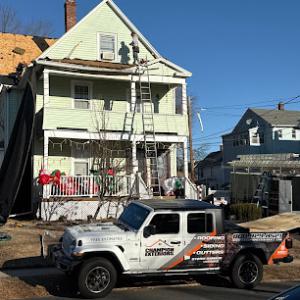
Champion Exteriors, LLC is a family-owned business committed to delivering exceptional service and top-tier craftsmanship. We take pride in our work, offering a level of care and attention—our signature white-glove service—that truly sets us apart. Storm damage to your roof? Don’t stress — we’ve got you covered. Dealing with insurance can be overwhelming, but we handle it for you. Our expert team will guide you through every step with white-glove service to ensure a smooth, hassle-free experience. Make your first call to us — the roofing pros who take care of the rest. Guaranteed.
Gunner Roofing
(866) 262-6005 www.gunnerroofing.com
Serving
4.9 from 38 reviews
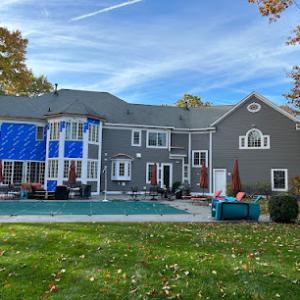
Gunner is an innovative roofing, siding, windows installation company. It is the first of its industry to create a technology that allows you to generate a quote online in under an hour and even go as far as to fully purchase your roofing/siding/windows project online. Putting customer service at the forefront, Gunner also provides unmatched speed, unmatched craftsmanship and unmatched quality. Redefining roofing, we make it easy for you.
Classic Metal Roofs
(860) 828-2050 classicmetalroofs.com
Serving
5.0 from 71 reviews
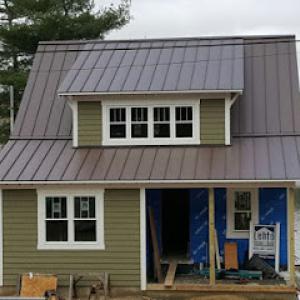
Classic Metal Roofs, LLC in East Berlin, CT offers high-quality metal roofing solutions. With over 20 years of experience, we specialize in durable standing seam roofs, stone-coated steel roofs, and more. Our environmentally friendly practices include materials with up to 95% recycled content. We provide reliable warranties and tailored solutions for "metal roofs near me.
Artisan RoofWorks
(860) 775-8678 www.artisanroofworks.com
Serving
5.0 from 101 reviews
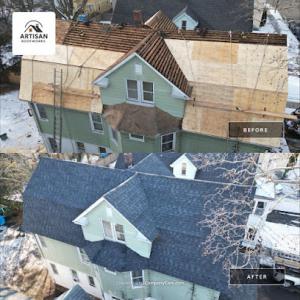
Your Dedicated Roofing Contractor Based in Portland, CT, and Serving all of Connecticut. At Artisan RoofWorks, we’ve been proudly serving the Portland, CT area for over 23 years. As a fully licensed and fully insured roofing contractor, we specialize in providing reliable and high-quality roofing services to residential clients. Our family-owned business is committed to honesty, reliability, and top-tier craftsmanship. We offer flexible financing options, backed by a 30-year product guarantee, to ensure lasting solutions. From storm damage restoration to gutter installations, we protect your home with personalized services and a commitment to quality.
The Roof Girl
(203) 463-5075 www.theroofgirl.net
Serving
4.9 from 133 reviews
The Roof Girl, LLC is a woman-owned business with a focus on providing exceptional, highly personalized customer service and superior workmanship. We strive to enhance the value and your enjoyment of your home. Our commitment to high-quality roofing is backed with a 12 year workmanship warranty. In order to personalize each roof, The Roof Girl is proud to offer all customers a detailed proposal outlining the job, tailored to the customer's needs and taste. We make roofing fun! It's a whole new way to do roofing.
ENH Restoration
(203) 453-5571 www.enhrestoration.com
Serving
5.0 from 46 reviews
ENH Restoration is your trusted roofing contractor, gutter service, and siding specialist proudly serving the Connecticut Shoreline. We provide professional roof installation, roof repair, roof cleaning, gutter replacement, and siding services for residential and commercial properties. Fully licensed and insured, our team delivers top-quality results for new construction, remodeling, and restoration projects. From small repairs to full exterior upgrades, ENH Restoration ensures your home or business is protected and built to last. Contact us today for a free estimate and let your roof shine!
KLS Construction
(203) 565-9188 klsconstructionllc.com
Serving
5.0 from 44 reviews
KLS Construction is a family-owned business specializing in roofing, siding, and windows. We are well trusted and ensure that our customers are happy and satisfied with our work. KLS Construction prides itself on professionalism.
CT Roof Masters
Serving
5.0 from 24 reviews
We've Got You Completely Covered! With over 25 years of experience CT Roof Masters has protected what matters most. We provide the highest quality roofing and siding services to residential customers in all of Connecticut. A commitment to exceptional customer service has earned us a reputation as one of the best contractors in the area! We guarantee that we won’t use high-pressure sales tactics. We will provide you with a free estimate and let you make the final decision. We guarantee to provide fair and reasonable prices.
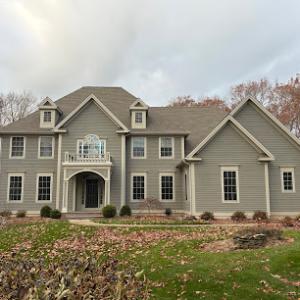
Spinelli Exteriors llc - CT GAF roofing, windows, siding, Provia doors, & Gutters
Serving
5.0 from 83 reviews
Spinelli Exteriors has over 20 years of experience in roofing, windows, gutters, and doors. A GAF certified roofing contractor in CT Specializing in roof repair and full roof replacement located in the central CT area. Our main goal is deliver high end materials and installation at a better price. The owner is always on site for every job and no detail gets over looked. We aim to deliver a much different experience than your average roofing contractor. Portland, Glastonbury, Cromwell, Marlborough, Hebron, East Hampton, Tolland, Manchester, West Hartford, Newington, Berlin, Avon, Simsbury, Farmington, Middletown, Columbia, East Hartford, Old Saybrook, Windsor, Clinton, Coventry, Granby,
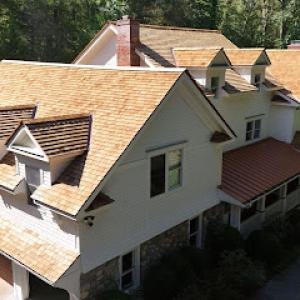
International Home Improvement
(203) 346-8087 inthomeimprovement.com
Serving
5.0 from 36 reviews
Inthome Improvement is a company dedicated to transforming residential and commercial spaces with high quality solutions in Roofing, Interiors, Gutter and Siding. With years of experience in the industry, we pride ourselves on offering exceptional services that exceed our clients' expectations. This company began as a father and son collaboration, where we have served the New York and Connecticut areas for over 13 years. This gives us credibility with our clients by offering quality service.
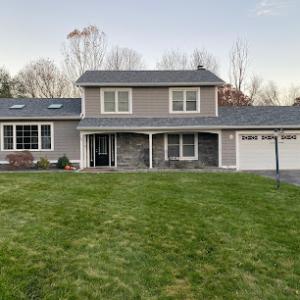
Starter Home Improvements
(203) 395-9675 www.starterhomeimprovements.com
Serving
4.9 from 52 reviews
Roofing Roof Vinyl Siding Gutters Doors WIndows Flooring Home Improvements Remodeling Contractors Oxford Seymour New Haven Southbury Waterbury Shelton CT Connecticut
Asphalt shingles are the most practical fit for many homes here because they align with the dominant residential re-roofing market and broad contractor availability. When you price shingles, you'll see a broad, predictable range that fits most Middletown budgets: roughly 350 to 700 USD per square for a standard asphalt replacement. This material pairs well with the mid-sized homes that populate older in-town neighborhoods and newer suburban streets alike, reducing project timelines and easing scheduling with local crews who know the local climate patterns.
Costs in Middletown can rise when tear-off exposes damaged decking from long-term moisture exposure, a common issue in climates with repeated freezing and wet summers. If the existing roof deck shows soft spots, cupping, or rot after removing the old shingles, expect additional charges for decking repair or replacement. The full price for replacement decking varies, but the risk factor should be weighed against the benefit of a solid, weather-tight roof. In practice, a few extra hundred dollars can become a material savings later if untreated deck issues are discovered during a tear-off.
Material choice matters locally because heavier systems like clay and concrete tile may be less common in Middletown's housing stock and can involve more structural and labor considerations than standard shingle replacements. For heavier systems, plan for higher costs and possible structural checks, along with longer installation windows. Metal roofing offers durability against moisture and freeze-thaw cycles but comes with higher upfront costs, typically in the 800 to 1,300 USD per square range, and may require staggered scheduling for crews who can handle the specialty work.
Clay tile and concrete tile bring distinct benefits in moisture resistance and lifespan, but their weight and the need for reinforced decking make them less typical in the local market. Clay tile often lands around 900 to 1,800 USD per square, while concrete tile sits around 900 to 1,600 USD per square. If a home features an older roof with limited attic space or weak framing, retrofit costs can climb quickly as structural safeguards are installed. In neighborhoods with tighter lot lines and mature trees, tile options may also require additional considerations for expansion joints and proper attic ventilation to manage condensation.
Synthetic and composite shingles offer a middle ground, providing decent longevity without the heavier deck requirements of tile. These options typically run 700 to 1,200 USD per square and can be a favorable compromise for homes needing a reliable weather barrier without the higher structural impact. When evaluating bids, compare not only per-square costs but the scope of work, including potential decking rehab, underlayment upgrades, and attic ventilation improvements that help mitigate freeze-thaw damage across the valley climate.
A full roof replacement project in this area typically requires a building permit through the city Building Department. Start the process early in the planning phase, and have your contractor handle the bulk of the paperwork, including the project scope, framing details, and any decking or underlayment changes. Submitting complete drawings and specifications helps avoid delays when the department reviews the plan.
The local review process generally includes inspections at the underlayment or decking stage and again at final completion. This means the contractor should carefully sequence tear-off and dry-in so inspections can be scheduled around the critical milestones. If the deck is replaced or structural work is done, timing those steps to align with the underlayment inspection helps prevent rework and keeps the project on track during Middletown's typical winter-to-spring transition, when weather can push timelines.
Permit processing can take about 1 to 2 weeks depending on department workload, which can affect scheduling after storms or during busy seasonal demand. If a severe weather event occurs, permit review times can extend, so coordinate with the Building Department and your contractor to plan contingency dates. Expect potential pauses in work if an inspection window is missed; planning around the anticipated inspection slots helps minimize downtime.
Have a clearly labeled package ready for submission, including a current site plan, contractor licenses, and proof of liability coverage. Communicate with the Building Department about any unique roof features common to older in-town homes-such as complex eaves, chimneys, or skylights-that might require additional notes or plan details. For storm-damaged roofs, document the extent of damage with photos and a materials list to assist the review and avoid back-and-forth requests.
During busy seasonal demand, especially after severe weather, permit review backlogs can form. Build a buffer into your project schedule by aligning the tear-off, dry-in, and final decking steps with the anticipated inspection windows. Your contractor should flag any anticipated delays with the Building Department early so you can adjust timelines without compromising the integrity of the roof and the local storm-preparedness plan.
The Connecticut River Valley climate, with its rapid freeze-thaw cycles and moisture pushes, makes wind and hail claims a common thread in Middletown roofing history. Insurance carriers in this market stay active, but that doesn't mean every claim sails through smoothly. A sustained insurer retreat is not the pattern here, but claims can face delays when the storm footprint is large or when the roof has multiple vulnerabilities from years of moisture exposure. Understand that a fresh storm can spawn a cluster of claims, so preparedness and timely documentation matter more than ever.
When shingles lift, flashing shows exposed edges, or you notice interior signs of leakage, gather evidence fast. Detailed photos of missing or curling shingles, lifted counters flashing around chimneys or vents, and any water staining on ceilings can shape the claim's direction. Note the date of the storm and the extent of damage across the roof and any affected attic or ceiling spaces. Written notes detailing what you observed, when you first saw it, and any steps you took to mitigate further damage can help an adjuster understand the scope. In this market, adjusters may request both high-quality photos and written estimates, so a careful, immediate record is a practical move that can keep the process moving rather than stalling at the photo gallery stage.
A practical approach is to secure a pre-approval for a repair scope that covers both insurance coordination and the practicalities of getting work scheduled. In Middletown, where projects often hinge on coordinating storm response with local conditions and contractor availability, having a defined repair plan before the paperwork lands can prevent avoidable delays. This means you have a clear picture of what the roof needs, what can be claimed under insurance, and what work will require city permitting or inspections when the project resumes. Aligning the scope early also helps ensure that contractors can mobilize quickly after approval, reducing the time your home spends exposed to weather.
Keep a current, organized file with storm dates, photos, and any correspondence from the insurer. When speaking with adjusters, present the damage narrative in a concise, factual way and reference your attached photos and notes. If your roof shows a mix of vulnerabilities-shingle wear from years of moisture, failing flashing at connections, or signs of interior moisture-be explicit about each item and its location. The goal is to establish a clear, actionable picture that translates into a repair plan without guesswork, so you can move from assessment to restoration with as little friction as possible.
Connect with contractors who help homeowners navigate the claims process from damage assessment to final approval.
La Roofing
(860) 877-3006 laroofingct.com
272 S Main St, Middletown, Connecticut
4.9 from 364 reviews
Middletown's older housing stock often features roof-to-chimney intersections that demand close flashing review during replacement. The strength of this detail can make or break a saturated valley of moisture, especially after a harsh CT winter. When a contractor replaces shaking shingles, the chimney flashing deserves extra attention: mismatched metal, torn sealant, or layered patches from past repairs often fail under freeze-thaw cycles. Expect repeated inspections of the flashing along the chimney chase, and anticipate follow-up remedial work to keep heat and moisture from sneaking into the attic.
On older homes, leak sources are often not just field shingles but transitions around masonry, valleys, and penetrations that have been patched through multiple roof cycles. Valleys accumulate ice dam risk, and patched transitions can harbor concealed leaks that only reveal themselves after a thaw or heavy rain. Look for cracked mortar lines, loose step details, or caulking that has aged beyond its seal. Each misfit invites moisture to infiltrate beneath decks and into rafters, where rot can quietly take hold before a more dramatic failure becomes visible.
Re-roofing is the dominant local service pattern in Middletown, so many projects involve correcting legacy installation issues rather than installing on new construction. Expect crews to revisit the original layout, underslopes, and nail patterns that once seemed adequate but now falter under repeated freeze-thaw stress. A thorough assessment should map every vulnerable seam, from chimney lines to attic penetrations, and plan replacements that address both visible wear and hidden trouble spots.
Find contractors experienced in skylight installation, flashing, and leak repairs to bring natural light into your home.
La Roofing
(860) 877-3006 laroofingct.com
272 S Main St, Middletown, Connecticut
4.9 from 364 reviews
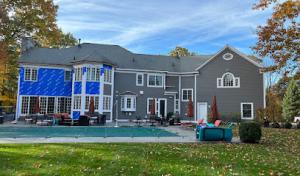
In Middletown, additions often bring a low-slope or flat section alongside a steep main roof. While Middletown is primarily a pitched-roof market, contractor activity shows a meaningful need for flat and low-slope roof work on additions, porches, and mixed-roof homes. These areas extend the building envelope and demand tight detailing at seams.
The wetter seasons accentuate trouble. These lower-slope sections are especially vulnerable in Middletown's seasons because slower drainage and prolonged moisture exposure increase membrane and flashing stress. Expect frequent edge leaks along parapets, step-flashings, and chimney transitions after rain or freeze-thaw cycles.
Homes with both steep main roofs and low-slope rear sections often need replacement planning that addresses two systems in one project. Coordinate decking checks, underlayment, and flashing upgrades so the new materials meet at a shared line without creating a moisture trap. A coordinated plan saves time and callbacks.
When evaluating a slope addition, start with drainage assessment. Verify that the existing gutter and troughs are sized for the combined roof area and that downspouts align with adjusted runoff. Choose a compatible slope membrane and sheet metal detailing for edges, corners, and penetrations, and ensure proper headlap and drainage planes.
Maintenance and inspection should focus on transitions. Schedule checks for pooled areas, fastener security, and sealant durability at terminations. In Middletown, membrane life hinges on proper drainage, material compatibility with older deck assemblies, and timely resealing after thaw cycles. Treat the addition as a distinct roof section that earns its own attention.
Implementation steps for crews: map both roof types and transitions; have a single contractor supervise all work; confirm ventilation and attic access meet the new layout; verify warranty language covers both systems; document drainage tests after completion.
Find specialists in TPO, EPDM, and built-up flat roofing systems for residential and commercial properties.
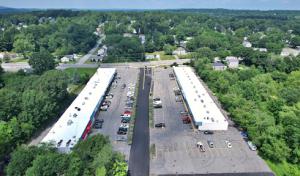
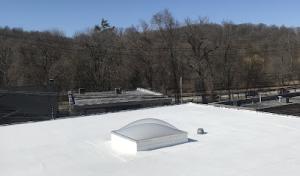
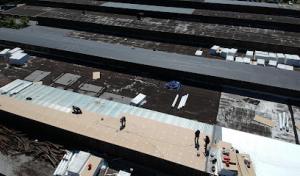
Metal roofing is not the default choice around here, but it has a steady, active specialist presence that makes it a practical upgrade for older homes with frequent leak concerns or ice dam risks. The smaller local pool means pricing and scheduling can align more tightly with a re-roof, and metal's durability against freeze-thaw cycles pays off on decks that have shown signs of moisture intrusion. If a pair of larger stands or a steep pitch are part of the house, metal can provide a long-lasting, low-ventilation solution, especially where old shingles have begun to curl or where plywood shows signs of moisture exposure. The trade-off is that a proper metal installation relies on precise flashing details and accurate attic ventilation to avoid condensation risks.
Solar-integrated roofing exists in the market, yet it remains a niche offering rather than a mass-market choice. Homeowners should expect a more specialized contractor pool for combined roof-and-solar planning, with emphasis on weight loading, panel placement, and the compatibility of existing decking with a new system. In the sourdough climate of winter and spring melt, the interaction between solar modules and roof seams becomes critical, so a thoughtful integration plan-addressing potential ice dam paths, venting, and access for cleaning-helps prevent moisture from finding its way under the flashing.
Upgrades are most often pursued during re-roofing because the local market is replacement-driven rather than build-new. This timing allows the contractor to address decking, underlayment, and drainage layout in one pass, reducing the chance of retrofits that trap moisture. If metal or solar are on the table, the re-roof window provides an opportunity to design for better ventilation, improved gutter alignment, and enhanced valley and hip flashing, all tailored to a Connecticut River Valley climate that swings from cold to wet.
When considering metal and solar together, weight, wind exposure, and the alignment with existing rafter spans matter. A careful assessment of attic insulation and moisture barriers helps ensure that upgrades enhance, rather than compromise, the roof system's resilience against freeze-thaw cycles and seasonal moisture shifts.
Explore specialists in steel, aluminum, and standing seam metal roofs built to last 50 years or more.