
Last updated: Apr 19, 2026
Port Huron sits at the south end of Lake Huron, where lake-effect snow and wind-driven winter weather push uneven snow loads right to the eaves. That immediate exposure means roofs see rapid, repeated loading and unloading as storms slam in off the lake and then thaw, refreeze, and refreeze again. The result is ice dams that form at the eaves, over valleys, and at roof-to-wall transitions, exactly where water wants to back up and find leaks. When ice dams form, heat loss through the attic becomes obvious: warm air escapes, snow melts near the ridge, and water pools behind the dam, backing up under shingles or flashing. In short, this isn't a nuisance-it's a real threat to the roof's underlayment, decking, and interior ceilings.
Homes near the waterfront or in open exposures take a harder hit. Wind shifts drive snow drift, piling it high against the eaves and creating long, stubborn icicles that pull on flashing and fascia. The freeze-thaw swings that follow thaw events make ice more aggressive and more likely to back up through any small gap. Valleys and transitions-where roof planes meet walls, or where an adjoining roof line meets a dormer-are especially vulnerable because even a small ice dam can redirect water toward a weakness you don't notice from the ground. Because Port Huron temperatures swing from cold to thaw and back, those vulnerabilities don't stay hidden for long; they reveal themselves as leaks late in winter or early in spring when the sun returns and the ice dam finally gives way.
Pay attention to more than visible ice. If attic vents run hot or if you feel drafts at the eaves in winter, heat is escaping and fueling dam formation. Look for wet spots or stains on ceilings near exterior walls or under insulation gaps in the attic-these can indicate sustained water infiltration behind the dam. Icicles that grow long and heavy or form irregular shelves along the eaves are more than cosmetic. They signal ice is forming where it shouldn't and that the roof edge is under stress. Shingle edges that curl, lift, or show granular loss near the eaves are another warning; freezing water moving under the shingles can lift them up and accelerate damage to the roof deck.
Clear the perimeter around the house where ice tends to build up, but only if it's safe to do so from the ground or with proper equipment. Do not strike ice from ladders-slipping or falling is a serious risk. If you use a roof rake, stay away from the edge and pull toward the center to avoid dislodging ice onto walkways. Improve heat escape control in the attic: seal obvious gaps in the attic floor, ensure baffles are correctly positioned to keep attic air from warming the roof deck, and confirm insulation is evenly distributed to reduce hot spots along the eaves. Install or repair an ice and water shield at low-slope areas and along valleys if your roof design and local conditions warrant it, ensuring shingles extend past the shield adequately to keep water from finding a path behind the underlayment. Consider adding metal or reinforced flashing at transitions where ice tends to back up and leak-areas where a single cold snap can compromise the seal.
If ice dams have already formed and water intrusion is evident inside ceilings or walls, you need a contractor immediately. A local roofer will evaluate the attic ventilation, insulation effectiveness, flashing integrity, and underlayment condition to determine whether the dam was caused by heat loss, attic setup, or improper flashing. For recurring issues, a professional assessment is essential to diagnose root causes and implement a durable plan: targeted insulation improvements, venting adjustments, and flap or dam reinforcement at problem transitions. In this climate, a proactive, staged approach beats reactive patchwork-especially when the lake's next winter storm is just around the corner.
Port Huron homeowners face wind-driven rain sweeping off Lake Huron and funneling through the Blue Water area. Missing shingles, lifted flashing, and moisture entry aren't rare after a strong gust or hail. The combination of lake-effect snow, freeze-thaw cycles, and rapid temperature swings means ice dams and hidden damage can develop quickly, even when the roof looked fine at first glance. Storm exposure amplifies wear on older roofs, and an unchecked leak now becomes a bigger problem when temperatures drop again. Stay alert for attic condensation, staining on ceilings, or damp insulation-these are red flags that require prompt attention.
As soon as safe, perform a careful exterior and attic check. Look for loose or curled shingles, lifted edges at the overhangs, and gaps around vents and chimney flashing. Inspect the gutters for excess granule loss, which signals shingle wear, and check for water in the attic or along interior rafters after driving rain. If a ladder is necessary, take extreme caution on wet or icy surfaces, and avoid stepping on damaged sections of the roof. Photograph roof edges, flashing seams, and any obvious areas of concern from ground level and, if possible, from a second story or ladder-safe vantage point. Keep notes on wind direction, hail size, and the weather timing that correlated with the first observed leaks. This documentation helps insurers and contractors understand the scope and urgency.
Storm response is in high demand after hail or wind events, and scheduling can fill quickly. Prioritize securing interior spaces by placing tarps or plastic sheeting over affected ceilings or walls where leaks are evident, while avoiding heavy loads on compromised areas. Contact a local roofing contractor with emergency response capabilities for a rapid assessment. Choose a crew that offers temporary protection along with a plan for permanent repairs, since lingering moisture accelerates deck and sheathing deterioration in this climate. Expect a focused evaluation on flashing wear, ridge lines, vent boots, and the integrity of spots repeatedly exposed to lake breeze and freeze-thaw cycling.
After the storm, insurers scrutinize roof age and damage documentation more closely, especially when wind events coincide with hail or heavy rain. Obtain a written assessment from a reliable, local contractor that details observed damage, recommended repairs, and a proposed timeline. If any damage is found near soffits, fascia, or under eaves, ensure the report reflects potential water intrusion paths that could worsen with later freezes. Prompt communication with the insurer, backed by clear photos and expert notes, can smooth the review process and help secure the necessary repairs before secondary damage escalates.
Find local contractors experienced in assessing and restoring roofs after hail, wind, and severe weather events.
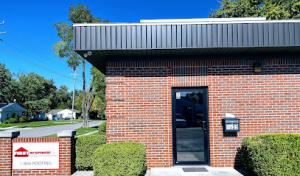
First Response Roofing & Construction
(810) 788-7818 firstresponseroofingandconstruction.com
1935 Bancroft St, Port Huron, Michigan
4.8 from 433 reviews
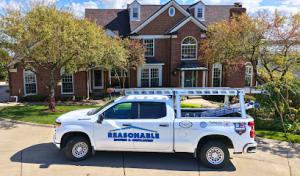
Reasonable Roofing & Contracting
(810) 984-3420 reasonablecontractingservices.com
1605 Beard St, Port Huron, Michigan
4.8 from 170 reviews
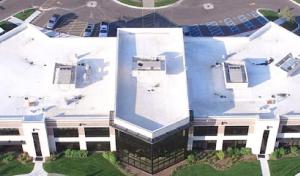
Zimmer Roofing & Construction
(810) 966-6991 www.zimmer-roofing.com
1621 11th Ave, Port Huron, Michigan
4.9 from 28 reviews
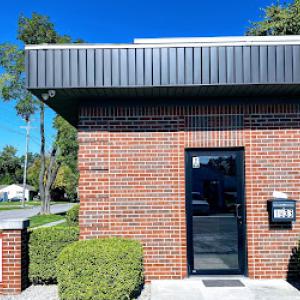
First Response Roofing & Construction
(810) 788-7818 firstresponseroofingandconstruction.com
1935 Bancroft St, Port Huron, Michigan
4.8 from 433 reviews
First Response Roofing and Construction is a Port Huron, MI roofing replacement company serving homeowners and businesses throughout the local area. Based at our Bancroft Street storefront, we provide professional roof replacement services designed to handle Michigan’s harsh winters, heavy snowfall, lake-effect winds, and seasonal storms. Our team works with both residential and commercial properties, carefully addressing aging roofs, weather damage, and long-term structural concerns common in St. Clair County. With decades of hands-on experience in roofing and construction, we approach every project with attention to detail, clear communication, and jobsite professionalism.
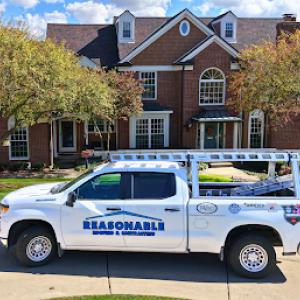
Reasonable Roofing & Contracting
(810) 984-3420 reasonablecontractingservices.com
1605 Beard St, Port Huron, Michigan
4.8 from 170 reviews
Since 1984, Reasonable Roofing & Contracting Services has been the trusted choice for roofing, siding, gutters, windows, and home exterior upgrades in St. Clair, Lapeer, Sanilac, Macomb, and Oakland Counties. Our licensed and insured team delivers top-quality craftsmanship for residential and commercial properties. Whether you need a roof replacement, siding installation, or energy-efficient windows, we offer affordable, reliable solutions that last. Call us today for a free estimate!
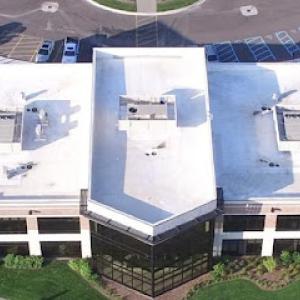
Zimmer Roofing & Construction
(810) 966-6991 www.zimmer-roofing.com
1621 11th Ave, Port Huron, Michigan
4.9 from 28 reviews
For over 35 years, Zimmer Roofing has been the go-to choice for high-quality roofing solutions in Eastern Michigan and the Thumb area. As a family-owned, full-service roofing contractor, we specialize in flat and low-sloped roofing systems, as well as shingles, metal roofing, and insulated wall panels for both residential and commercial properties.
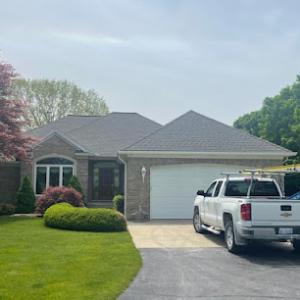
Precision Roofing & Construction
(810) 987-3508 www.precisionroofing.net
1504 10th Ave, Port Huron, Michigan
4.6 from 34 reviews
Precision Roofing and Construction, a trusted contractor in the Blue Water Area, provides top-notch residential roof repair and replacement. We cater to all homes, using diverse roofing materials like wood, metal, slate, asphalt shingles, and EPDM (flat rubber roofing). Our team prioritizes your roof's functionality and durability, offering quality services at affordable prices. If your roof has damage or you're looking to enhance curb appeal, we're here to help. We provide free quotes, assist with insurance claims, and ensure efficient service. Choose us for our quality workmanship, unwavering commitment to excellence, and over 25 years of experience as a GAF Master Elite Roofing Contractor.
Marc Nano Roofing Protection
(226) 402-9003 www.gonanoreseller.com
Serving
5.0 from 55 reviews
Marc Nano Roofing Protection is your trusted GoNano installer in Sarnia-Lambton, offering eco-friendly roof rejuvenation, roof repair, and advanced surface protection. Using cutting-edge nanotechnology, we extend the life of your roof, wood, and concrete by 10–15 years with just one application. We also provide gutter cleaning, gutter guards, soffit fascia, eavestrough. Proudly crafted for Canadian homes—protect your property, save on replacement costs, and get a free quote today.
Superior Roofing
Serving
5.0 from 6 reviews
Respected Roofers At Reasonable Rates. Serving Sarnia & Lambton County for over 20 Years. Free Estimates. Fascia, Soffit, Siding, Custom Metal Flashings. FULLY INSURED!
Mike Hayes Roofing & Siding
(810) 984-4564 mikehayesroofingmi.com
Serving
4.3 from 43 reviews
At Mike Hayes Roofing & Siding, we're not just another roofing company. This family-owned business has over 50 years of experience providing high-quality exterior remodeling solutions to homeowners and business owners in Saint Clair County and surrounding counties. Insured and equipped with an up-to-date Michigan Builder's License, Mike Hayes Roofing & Siding has completed thousands of successful residential and commercial renovations, including condominiums, businesses, churches, and industrial buildings, since 1972. Our team of experts strives to stay up-to-date with the safest strategies and efficient technologies, ensuring we consistently provide our customers with the best experience.
Sarnia Steel Roofing & Siding
Serving
4.2 from 5 reviews
Sarnia Steel is one of the most reliable steel roofing companies in Sarnia. The company is owned and operated by two best friends who have been together for over 20 years and have 17 years of combined crew experience in the roofing industry. When it comes to steel roofs, Sarnia Steel has the experience and knowledge to offer dependable metal roofing solutions for residential, commercial and industrial clients. We can install, repair, remove and restore metal roof structures in Sarnia and surrounding areas. Our aim is to do a job right the first time.
Cheshire Roofing Sarnia
(519) 330-7376 cheshireroofing.ca
Serving
4.2 from 5 reviews
Cheshire Roofing is a registered and fully insured business dealing in a variety of roofing services. Our roofers specialize in residential and commercial roof installation in Sarnia, ON. As a full-service exteriors contractor, we offer flat, metal and asphalt shingle roofing installation and repairs; soffit and fascia installation and repairs, siding installation and repairs, eavestrough installation, repairs and cleaning, and windows and doors installations. We serve all of Sarnia-Lambton with pride - Call us. It's a privledge and honour to serve you.

Exterior Styles Roofing
(519) 330-7240 www.exteriorstyles.ca
Serving
5.0 from 49 reviews
Local Roofing and Exteriors business. Specializing in fibreglass shingles, steel roofing, vinyl siding, and aluminum work. Servicing Sarnia Lambton as well as Huron County.
Ben's Roofing & Repairs
(519) 344-4598 www.bensroofingandrepairs.ca
Serving
4.1 from 10 reviews
Roofing Contractor
Sarnia Pro Roofing
(226) 243-8755 www.sarniaroofingpro.com
Serving
4.6 from 19 reviews
Since its establishment, Sarnia Pro Roofing has been working on premier roofing household as well as business projects. Our company realizes that every house requires its roof to be strong and can protect the interiors from every corner and edges therefore, we ensure to take care of it by following all the needful protocols. Our company holds its expertise in offering a variety of roofing services which include but are not limited to storm damage repair, skylight repair, metal roofing, and offer a package to the customer on the basis of preference, budget and roofing requirements. Our company has highly experienced roofers to assist its customers and our pricing model remains competitive as well as reasonable.
Asphalt shingles remain a dominant Port Huron choice because they fit the area's large stock of residential re-roofing projects and moderate replacement budgets. When selecting asphalt, prioritize a thicker architectural profile and a shingle with good granule adhesion to resist lake-effect snow and wind-driven moisture. Look for a starter strip and properly sealed edges to minimize gaps where ice can form along eaves. In a climate with repeated freeze-thaw cycles, ensure the roof deck is solid, ventilation is adequate, and attic insulation is up to standard. A well-installed asphalt system can handle standard snow loads and provide reliable shingle life without heavy upfront costs, making it a steady option for neighborhoods with older homes.
Metal roofing has a meaningful local presence and is often considered for snow shedding and durability in a city with long winters and lake-influenced weather. When choosing metal, focus on panel profiles that promote smooth snow slide and robust underlayment that protects against wind-driven moisture. Horizontal rib patterns can help shed snow more predictably, reducing ice dam risk near eaves. Pay attention to flashing details at walls, chimneys, and skylines, since wind-driven snow can exploit any seam. A properly fastened metal roof with a well-vented attic can maintain energy efficiency and resist hail damage common in this lake region.
Clay tile, concrete tile, and slate are available in the market but require careful structural and flashing planning in a freeze-thaw climate where water intrusion can be amplified by winter expansion. These materials demand a reinforced roof deck and precise installation practices to manage weight and expansion. In practice, that means ensuring structural support can handle the load, upgrading or detailing flashing around penetrations, and confirming attic ventilation to reduce condensation. If choosing these materials, work with a contractor who has experience in lake-adjacent climates and who can tailor underlayment and flashing to resist ice dam formation and chilly winds.
Port Huron homes vary from modest bungalows to multi-story residences, so the best roof for weather hinges on balancing local performance with the home's structure and budget. For many homeowners, asphalt offers dependable protection against the seasonal melt-refreeze cycle with straightforward maintenance. For ongoing snow management and longevity, metal can be worth the investment when the roof is designed with proper slopes, venting, and flashed connections. If considering tile or slate, prepare for enhanced structural checks and detailed flashing to guard against water intrusion during severe winters.
Provided local pricing ranges run about $320-$520 per square for asphalt shingles, $650-$1100 for metal, $1150-$1800 for clay tile, $900-$1500 for concrete tile, $450-$800 for synthetic/composite, and $1200-$2400 for slate. These figures reflect the mix of housing stock around the lake and the typical crews available in shoulder seasons. When you're planning, lock in a per-square price rather than a per-roof estimate to avoid surprises on larger projects.
Costs in Port Huron can rise when storm demand spikes after wind or hail events, reducing crew availability and extending scheduling windows. If a hail event or strong gusts hit your area, expect higher bids as crews reroute to flood-damaged neighborhoods and storm-damaged homes. Plan for a longer staging time and be prepared for back-to-back weather pockets that push the project into a later window. A realistic schedule accounts for weather-driven delays and the resulting higher daily labor costs.
Lake-effect weather, winter delays, and spring rain interruptions can increase staging time and labor inefficiency compared with a straightforward dry-season replacement. Ice dams, wind-driven moisture, and freeze-thaw cycles can complicate tear-offs and material handling, especially when temps swing above and below freezing during a single day. If your project starts in late winter or early spring, expect additional overhead for temporary heat, tarping, and rapid material turnover as crews chase dry, workable days.
Shingle choices drive the bulk of your budget, with asphalt shingles offering the lowest per-square cost and slate the highest. In a Port Huron climate, you'll want to weigh long-term durability against upfront cost, considering how lake winds and freeze-thaw cycles stress flashing, valleys, and hips. Premium options may reduce future maintenance calls during those wind and thaw events, but require careful budgeting up front.
Get a clear picture of your project costs upfront - no commitment required.
First Response Roofing & Construction
(810) 788-7818 firstresponseroofingandconstruction.com
1935 Bancroft St, Port Huron, Michigan
4.8 from 433 reviews
Reasonable Roofing & Contracting
(810) 984-3420 reasonablecontractingservices.com
1605 Beard St, Port Huron, Michigan
4.8 from 170 reviews
Precision Roofing & Construction
(810) 987-3508 www.precisionroofing.net
1504 10th Ave, Port Huron, Michigan
4.6 from 34 reviews
In this lakefront area, a full roof replacement is treated more like a major building project than routine maintenance. The building department generally requires a permit for a full roof replacement, reflecting the potential for significant structural and moisture considerations after ice dams and freeze-thaw cycles. This isn't something to skip or treat as informal work, especially with roofs exposed to Lake Huron's wind-driven moisture and seasonal temperature swings. The permit process helps ensure that the replacement accounts for proper ventilation, attic air sealing, and flashing details that reduce future ice dam risks.
Typically, the contractor handles the permit filing with the city. Submittals commonly include the roofing material type, underlayment details, and any changes to venting or flashing. Given Port Huron's climate, attention to attic ventilation, ice and water shield placement, and flashing where walls meet chimneys or vents is essential. If your roof includes complexity like skylights, dormers, or a partial reroof, the submittal should clearly map which areas are replaced and how existing structures will be treated to minimize water intrusion during construction. You should request a copy of the submitted plan and verify that it aligns with your installation goals and local weather considerations.
Expect about a 1-2 week review window once the permit is submitted. During this period, city reviewers may request clarifications or additional details. Once the project starts, inspections are typically scheduled during the work and again at final completion. An inspector will verify that underlayment and flashing meet code expectations, that ventilation is adequately addressed, and that any venting or flashing changes conform to the approved plan. For a storm-prone coastal climate, the final inspection often focuses on ensuring there are no gaps near eaves, chimneys, or roof penetrations that could allow moisture intrusion during freeze-thaw cycles.
Keep a running record of subcontractor details and permit numbers, and ensure your contractor provides a clear timeline that includes inspection milestones. Before work begins, review the approved plans to confirm that the materials and details match what you expect for steady performance through winter conditions. If weather windows push construction into shoulder seasons, confirm that temporary protections and during-work inspections align with the approved schedule. Clear communication with the contractor and the city's building department helps prevent delays and supports a durable, code-compliant roof replacement.
After a blue water storm, your claim may be scrutinized more closely than usual. In this market, hail and wind events can trigger concentrated claim activity, so insurers may focus on whether damage is storm-related versus age-related wear. That means a small hail dent or wind-driven moisture intrusion could be treated differently from long-standing, gradual deterioration. Your roof is often the line between a fixable patch and a bigger replacement, so documenting what happened promptly helps prevent misinterpretation later.
Michigan carriers commonly ask for roof age, photos, and contractor or adjuster notes. Early documentation is your best defense when a storm hits. Take clear photos of all angles, close-ups of damaged areas, and timestamped images showing hail impact, missing shingles, or lifted flashing. Gather records from any temporary repairs, and keep a simple log of when you noticed issues and who inspected them. Having a professional assessment early on reduces back-and-forth and strengthens your position if a rebuild or partial repair becomes necessary.
Accurate damage assessment matters in this market because freeze-thaw wear and storm damage can overlap on older roofs. In Port Huron, repeated freeze-thaw cycles during thawing and refreezing can mask true storm contributions, making it essential to separate preexisting wear from new impacts. A qualified roofer who understands local materials and typical aging patterns can help distinguish these factors with photos, notes, and, if needed, a written appraisal. Misclassifying wear as storm damage or vice versa can lead to delays, surprises, or denial of parts of a claim-so precise, contemporaneous documentation is your best safeguard.
Promptly contact your insurer to report the event and request a claim number. Schedule a same- or next-day evaluation with a trusted, local roofer who is familiar with the storm history of the area. Ask for an itemized assessment that separates preexisting conditions from new damage and keeps copies of every document. If you disagree with an adjuster's conclusions, request a second opinion promptly and document the rationale. An orderly, well-documented file keeps the process as smooth as possible when the winds settle and insurers review the record.
Flat or low-slope roofs show up in a meaningful share of local homes, especially where aging ballast and mixed-use upkeep are common. The climate-lake-effect snow, wind-driven moisture, and freeze-thaw cycles-lends itself to water tracking at edges and slow drainage in corners. When you notice pooling after a thaw or a slick edge, prioritize a quick inspection of the membrane flashing and edge trim. In practice, keep an eye on where the roof meets the parapet wall, as well as transitions around vents and penetrations. A small crack or seam opening can become a big leak after a cold snap. If you have a flat area that sounds hollow under a soft rain, that's a sign to call a contractor to verify membrane integrity before winter storage begins.
Skylights are a recurring specialty locally because snow, ice, and flashing movement push on seals around roof penetrations. Regular checks in late fall and after heavy storms help prevent ice dams from forming at the curb edge. If you notice condensation between panes, water streaks on the interior glass, or exterior flashing lifting at the curb, address it promptly. When replacing skylights, request reinforced curb flashing and a continuous drip edge to improve drainage during rapid temperature swings. For existing units, resealing the perimeter and ensuring proper shingle overlap over the skylight base reduces exposure to wind-driven moisture.
Chimney intersections matter in this market because many established homes in older Michigan housing stock have masonry penetrations that need careful flashing maintenance. Inspect the step flashing where bricks meet the roof deck, and look for cracked mortar that can channel water under flashing. Metal counter-flashing should extend over the masonry, with a waterproof seal where the base meets shingles. If you see rust, loose flashing, or efflorescence on brick, plan a targeted repair before the next freeze drives moisture inward. Regular flash checks around stovepipes or chimney vents help prevent attic leaks during thaw cycles.
Find specialists in TPO, EPDM, and built-up flat roofing systems for residential and commercial properties.
Reasonable Roofing & Contracting
(810) 984-3420 reasonablecontractingservices.com
1605 Beard St, Port Huron, Michigan
4.8 from 170 reviews
Zimmer Roofing & Construction
(810) 966-6991 www.zimmer-roofing.com
1621 11th Ave, Port Huron, Michigan
4.9 from 28 reviews
Precision Roofing & Construction
(810) 987-3508 www.precisionroofing.net
1504 10th Ave, Port Huron, Michigan
4.6 from 34 reviews