
Last updated: Apr 19, 2026
Wind and hail events are common across the Detroit metro, and that pattern directly shapes how a roof sustains and shows damage in this market. In a typical storm cycle, shingles may appear intact at first glance but carry microcracks, lifted tabs, or hail impact bruising that only becomes evident after a few days of sun or a passing wind gust. The key is immediate, clear documentation: capture wide-angle roof footage to establish the general condition, then close-up photos of damaged shingles, flashing, gutters, and any dents on metal surfaces or vents. In Sterling Heights, you will see a mix of architectural styles and roof lines that complicate a quick assessment, so documenting multiple elevations-front, back, left, right-helps an adjuster understand exposure and tree impact, which often drives the claim outcome. This is not just about one storm; it's about building a precise record that translates clearly when the insurer reviews the file during and after a wind or hail event.
Spring in this area brings a double-edged sword: new damage from late-season wind bursts and hail, plus scheduling delays as crews juggle multiple emergency stabilization requests and full roof replacements. The risk here is simple: waiting too long to document or to initiate a claim review can muddy repair timelines and extend exposure to leaks, interior damage, and further weather exposure. Separate emergency stabilization from full replacement timing in your plan. If the roof is compromised to the point where water intrusion is possible, arrange immediate, temporary protection-tarps or tarps plus boards-so you can mitigate further interior damage. Then, coordinate a clear path to a full assessment with your insurer, so the later stages of replacement aren't squeezed by a sudden spring storm backlog. In this season, thinking in two steps-stop the leak now, evaluate the rest later-can save you both time and risk.
Local adjuster availability can swing with storm workload, and that variability often hinges on the insurer's staffing and the number of claims filed in a given week. Thorough photo records, a documented timeline of events, and a history of any prior replacements on the home all matter when the claim is reviewed. If a prior roof was replaced on the same home, point to that documentation as context for the insurer's adjuster. When the storm window runs hot, expect some delays between first contact, inspection, and a formal determination. A steady, well-organized file with dated images and notes about when each step was initiated tends to move the process more reliably. If the adjuster suggests a later appointment, confirm a concrete time frame and request written confirmation so there is a tangible plan to reference.
In this climate, speed matters-but speed must be balanced with accuracy. Start by securing the property against additional weather exposure. Fasten temporary coverings and clear gutters to prevent water backup that can complicate damage assessments or create secondary claims. Then, begin the documentation cascade: photos from all angles, measurements of any visible sag or missing shingles, and a concise list of visible hail damage on siding, vents, and metal components. Share this dossier with your insurer as soon as possible, and keep a log of communications with the insurer, the contractor, and any public inspectors. If you encounter a scheduling bottleneck, request escalation through a supervisor or a dedicated claims liaison within the insurer's office, and push for priority in cases of active leaks or structural concerns. In this market, a timely, precise claim package is the foundation for preventing minor issues from becoming major, long-running headaches.
Sterling Heights winters bring repeated freeze-thaw cycles that can stress shingles, flashings, and roof decking through expansion, contraction, and trapped moisture. When a sunny day thaws snow and ice, moisture moves within the roof layers and can freeze again at night. Over several seasons, those micro-movements accumulate, especially where edge details or penetrations exist. Shingles that seem intact in summer can crack or curl after a winter with repeated cycles, and flashings around chimneys, vents, and dormers can develop micro-separations that only reveal themselves with spring warmth and moisture activity.
Moisture-related movement after winter is a key local concern because damage may not appear as a major leak until spring thaw or the first warm-weather storm. Trapped moisture can migrate into underlayment, sheathing, and decking, promoting wood rot or fastener corrosion. The timing matters: a quiet, damp spring can mask slow leaks until a heavy rainfall or rapid temperature rise drives water into attic spaces. Look for soft spots along eaves, peeling interior paint near ceilings, or musty attic odors that appear well after winter ends. Even if the exterior looks solid, the interior signs often lag behind the actual roof stress, keeping many homeowners surprised by post-winter repairs.
Start with a careful visual from the ground and using a ladder only if you are comfortable and safe. Focus on edge/bulk areas: overhangs, hips, ridges, and valleys where snow settles or ice dams form. Inspect flashings around vent pipes, chimneys, skylights, and transitions to walls. Look for loose granules on shingles, lifted tabs, or dark staining on decking, which can indicate moisture intrusion. Inside the attic, check for daylight coming through cracks, signs of staining, and any hasty repair patches that suggest prior moisture entry. If any of these are found after winter, plan a professional assessment before spring storms intensify.
Late spring through early fall is typically the best reroofing window in Sterling Heights because dry periods are more reliable and crews are less constrained by cold-weather installation limits. The goal is to complete work before the late-summer heat and the fall freeze cycle reassert themselves. Scheduling during a stretch of consecutive dry days helps deliver a proper seal at flashings, joints, and penetrations, reducing the chance of early moisture intrusion during the next freeze-thaw season. Coordinating timing with anticipated storm patterns can also minimize the risk of weather delays and expedite the return to a weather-tight roof.
If post-winter signs emerge, document with photos from multiple angles and note dates of observed issues. Maintain clear eaves and roof areas free of debris to reduce water damming during thaws. When planning repairs or replacement, prioritize roof systems that resist moisture movement and provide robust flashing details around penetrations. For many homeowners, a thorough, professionally installed reroof in the appropriate window protects the home's structural integrity and minimizes the likelihood of hidden moisture damage in the attic after the next winter.
Asphalt shingles are the dominant practical choice in Sterling Heights, aligning with the area's large reroofing market and cost-sensitive suburban housing stock. The typical home here benefits from a balance of straightforward installation, broad availability, and dependable performance through Michigan winters. When selecting asphalt, look for a composition that includes good granule adhesion and a sealed, wind-resistant edge; you'll want to avoid products with overly glossy finishes that can trap heat and accelerate wear in spring sun and freeze-thaw cycles. In this climate, a proven, mid-range shingle with a solid weather package tends to hold up well under the region's wind gusts and hail patterns, while maintaining a repair-friendly profile if localized damage occurs after storms.
Metal roofing is present locally and can appeal to homeowners planning for long-term durability through Michigan winters, but upfront cost is notably higher than asphalt in this market. For Sterling Heights homes facing frequent wind-driven hail and the seasonal freeze-thaw stress, metal offers excellent resistance to impact and rapid temperature changes. The key is to choose a profile and coating that handle both intensifying winter winds and the occasional heavy snowfall without buckling or expanding excessively. Metal also tends to shed snow more predictably, reducing ice dam potential on certain roof designs. However, installation quality matters greatly: improper fastener sealing or substructure mismatches can defeat the durability advantage. If the plan is to keep a roof for several decades, metal can be a sensible, lower-maintenance option, especially on homes with simpler, modern lines where fast installation can minimize disruption.
Clay tile and concrete tile exist in the market but are more specialized choices in Sterling Heights and usually require contractors with narrower installation experience. Clay tile offers excellent longevity and a distinctive look, yet its weight demands a reinforced structure and precise underlayment details to resist freeze-thaw damage and wind uplift. Concrete tile is a tougher, heavier alternative with similar considerations; it can perform very well in dry seasons but may require careful detailing around chimneys, vents, and skylights to avoid cracking in cold snaps. Wood shakes bring a rustic charm but are comparatively more vulnerable to wind-driven damage and moisture-related issues unless properly treated and installed with airtight ventilation and durable underlayment. Synthetic or composite shingles aim to mimic traditional textures while offering greater uniformity and often enhanced resistance to cracking and fading. In residential Sterling Heights applications, these options are typically chosen for aesthetic reasons or when a very specific architectural look is desired, and they demand crews with experience addressing local wind and hail patterns to avoid premature wear.
The strongest strategy is to match material performance to the house design, roof pitch, and exposure to wind corridors and hail-prone zones. Homes in this area often combine practical reroofing realities with the need for a durable seal against storm events. If a roof already sits on a tight budget but with an eye toward resilience, asphalt shingles remain the sensible workhorse for most properties. For owners prioritizing the longest service life and the potential savings from reduced maintenance, metal roofs deserve serious consideration, provided the installation team has proven experience with Michigan winters. For distinctive architectural wants, clay, concrete, wood, or synthetic options can work well when paired with equipment and workmanship that address wind uplift, insulation performance, and proper flashing around penetrations. The right choice balances local weather challenges, roof geometry, and the contractor's proven track record with these materials. Sterling Heights homes benefit from steady guidance through the selection process, ensuring the roof you choose stands up to wind, hail, and repeated freeze-thaw cycles year after year.
Provided local cost ranges run about $360 to $700 per square for asphalt shingles, $600 to $1100 for metal, $900 to $1700 for clay tile, $950 to $1800 for concrete tile, $450 to $900 for wood shingles or shakes, and $500 to $900 for synthetic or composite shingles. In this market, actual pricing you see on a contract will reflect not just the chosen material but the roof's specifics, including pitch, exposure, and the complexity of detailing around dormers, skylights, or low-slope transitions. Use these ranges as a baseline, and treat bids with apples-to-apples comparisons rather than straight price tags.
Storm-driven demand spikes in the Detroit metro can push scheduling pressure and pricing in Sterling Heights, especially after hail and wind events when many homeowners seek inspections at once. When a cluster of hail reports hits, it's common to see a rush of projects that squeezes crew availability and can elevate material and labor costs temporarily. If your roof is on the radar after a storm, expect a shorter bidding window and tighter scheduling, even for well-prepared homeowners.
Look beyond the bottom line and confirm scope details: are tear-off and disposal included or billed separately, is underlayment replacement assumed, and are flashing and edging tied into any repairs around chimneys or skylights? If a bid omits a tear-off on an older roof, ask how that will affect long-term performance and warranty. On Sterling Heights homes, where freeze-thaw cycles stress shingles and flashing, ensure the bid accounts for drainage improvements and edge detailing that withstands winter cycles.
Costs in Sterling Heights can also shift based on tear-off scope after winter moisture exposure, and whether the home has features like skylights or low-slope sections that complicate flashing and labor. A roof with multiple skylights or a low-slope segment will typically command a premium because special flashing, extra safety measures, and careful moisture management are required. If a project includes new ventilation or insulation work, expect price adjustments that align with locally observed needs following harsh seasons.
Track recent hail or wind events and anticipate inspection demand peaks to set a realistic replacement window. If winter moisture exposure affected underlayment or decking, budget for additional inspection and potential replacement of compromised sections. When comparing bids, prioritize solid warranty terms, a clear scope of work, and a detailed breakdown of material choices, labor, and any disposal or tear-off charges that may apply.
Bella's Roofing
(248) 884-8888 www.bellasroofing.net
7200 19 Mile Rd, Sterling Heights, Michigan
4.9 from 210 reviews
Residential and commercial shingle roof replacement specialist

My Quality Construction & Roofing Contractors
7617 19 Mile Rd, Sterling Heights, Michigan
4.9 from 72 reviews
For over 20 years, My Quality Construction has been providing a complete Home Repair, Remodeling, Maintenance & Disaster Restoration Service. Our company started as, and remains a family run business focused on providing high quality home repairs and improvements to customers in South Eastern Michigan. We offer excellent customer service all at a price you wouldn’t believe possible!

Rapid Roofing
(586) 203-3193 rapidroofing.com
13854 Lakeside Cir, Sterling Heights, Michigan
4.9 from 64 reviews
Rapid Roofing: Sterling Heights' Trusted Roofing Experts Serving Sterling Heights, MI, and nearby communities, Rapid Roofing delivers top-notch roofing solutions with a focus on quality and customer satisfaction. Known for reliability and exceptional craftsmanship, we complete every project to the highest standards. We provide bespoke services tailored to your specific roofing needs. We prioritize clear and honest communication, keeping you informed throughout the process. Our proficient team uses the latest industry techniques to address any roofing challenge with precision and efficiency. Your satisfaction is our ultimate goal. Contact us today to protect and enhance your home with our superior roofing services.
The Roof Resource
(586) 232-1012 www.theroofresource.com
13400 Canal Rd, Sterling Heights, Michigan
4.8 from 163 reviews
The Roof Resource isn’t just another roofing company—it’s a revolution in how homeowners buy roofs. For decades, the roofing industry has thrived on complexity, markups, and mistrust. We said enough. We stripped the process down to its essence: transparency, technology, and trust. A flat-fee service. Real-time roof reports. Proposals in hours, not weeks. Prices that are at cost—often 50% less than retail. This isn’t about shingles and nails. It’s about giving homeowners clarity where there was once confusion. Confidence where there was doubt. Control where there was exploitation. We’re not here to play by the old rules of the roofing industry. We’re here to change the rules entirely. The Roof Resource. The roof, reimagined.
Dennis Robert Roofing
(586) 295-1844 dennisrobertroofing.com
5740 Foss St, Sterling Heights, Michigan
5.0 from 24 reviews
Dennis Robert Roofing is a trusted and experienced roofing contractor and masonry contractor where quality and integrity comes first. After completing thousands of successful roofing projects over the span of 40+ years in business, you can be certain your project will be done correctly, and at an affordable price. Call now and work with the owner/operator (Dennis) for your next roofing installation or roofing repair. Experience and honesty really counts, and that's why you need the professionals at Dennis Robert Roofing. Take advantage of quality workmanship and lifetime warranty for your home or business. Get free estimates with no obligation, and rest assured you will always be charged a fair price!
Astropro Home Solutions
(586) 718-4568 astroprohomesolutions.com
Sterling Heights, Michigan
5.0 from 12 reviews
Astropro Home Solutions provides high quality craftsmanship and constant professionalism. When it comes to your Roofing Project you can feel confident you are being taken care of by an established, fully-licensed and insured contractor who has 25+ years of experience building and 20+ roofing alone - commercial and residential . All installers are experienced and held to the highest work standard. Professionals are dedicated to serving our customers and providing them absolute highest level of customer service..
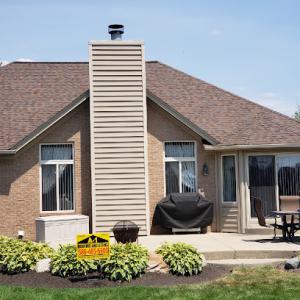
A-1 Roofing & Siding
(586) 465-5600 www.a-1roofing-siding.com
Sterling Heights, Michigan
4.2 from 42 reviews
Since 2003, A-1 Roofing & Siding has been a trusted name in roofing and exterior home services. Specializing in comprehensive roof installations, emergency repairs, and maintenance, the company is dedicated to protecting your most valuable asset. Their skilled team also provides top-quality siding and gutter services, including aluminum and vinyl siding replacement, ensuring your home's exterior is both durable and beautiful. With a commitment to exceptional results and years of experience, A-1 Roofing & Siding delivers dependable service for all your roofing and siding needs.

The Roof Specialists
(586) 765-7663 www.theroofspecialistsmi.com
14734 Carmel Dr, Sterling Heights, Michigan
4.7 from 7 reviews
At The Roof Specialists, we prioritize quality, durability, and your peace of mind! Our team is dedicated to delivering tailored solutions that protect your home and enhance its value. whether you're considering a repair, replacement, or a new installation, we offer professional assessments and transparent advise to ensure you receive the best possible outcome.
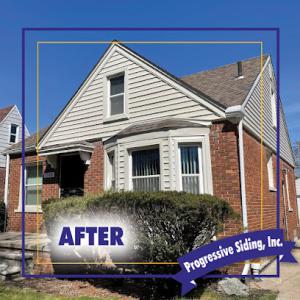
Progressive Siding
(586) 294-6678 progressivesiding.com
Sterling Heights, Michigan
3.7 from 12 reviews
At Progressive Siding, we’ve been serving the home exterior needs of Metro Detroit for over 20 years. We are the area's preferred full-service roofing, siding, gutters and window replacement company. -Licensed & Insured -No Money Down -Financing Available (minimum 640 FICO score.) Get Your Free Quote!
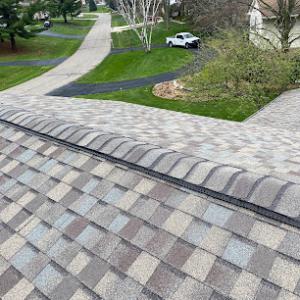
Swift Services
(586) 932-2130 swift-servicesllc.com
Serving
5.0 from 38 reviews
"Since 2015, Swift Services has been providing top-notch roofing services to homeowners in Utica, MI and surrounding areas. Call us when you need a roofing contractor to inspect, repair or replace your roof. Not only are we a local roofer, but we're also proud to... - Be family-owned and -operated - Offer financing through Hearth - Perform thorough roof inspections - Use materials made by the leading manufacturers - Be roofing experts with over 30 years of experience Our repeat clients say we're knowledgeable, reliable and dedicated to quality. Call us today for your free estimate!"
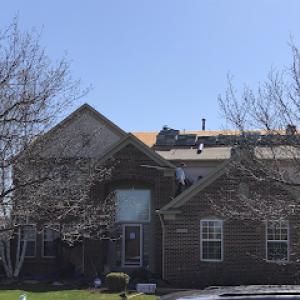
First Point Construction & Restoration
(248) 469-4436 www.firstpointbuilds.com
Serving
5.0 from 35 reviews
We specialize in roofing, siding, gutter repair, dry wall and painting repairs. We provide our services for the entire state of Michigan. We are committed to excellent customer service during any home renovation project and keep you in the loop during the entire process. We manage the entire Insurance Claim process from start to finish. View our website and read about our services that we offer to help bring your home exterior dreams to reality.
J Taylor Construction
(586) 254-2700 www.jtaylorconstruction.com
Serving
5.0 from 227 reviews
J Taylor Construction - 25 Years Roofing Excellence Trusted Metro Detroit roofing specialists serving residential and commercial clients. Expert installation of roofing, siding, and gutters for ranches, colonials, condos, apartment complexes and multi-units. NO PRESSURE SALES EVER!! 25 Years Proven Experience Complete Exterior Solutions Licensed & Insured Commercial and Flat Roofing Specialists Quality Craftsmanship Guaranteed From storm repairs to full replacements, we protect your investment with professional service and premium materials from Certainteed. Visit our website or call for your free in-home estimate!
Reroof work in this city is treated as a formal permit project rather than casual maintenance. The local building department handles the permit, and the process typically runs through an official review track. That means your contractor should be prepared to submit plans and respond to any department requests in a timely fashion, and you should expect a clear path from application to approval rather than a quick ticket on file. When storm activity is fresh in memory, the department can see more plan reviews or additional questions, so anticipate a bit longer turnaround if the workload is high.
Processing commonly takes about 1 to 2 weeks, depending on workload and whether plan review is needed. This matters for homeowners trying to coordinate work around Sterling Heights's tricky weather windows-think fall lull before freeze or a brief window after a hail event but before winter pressures. If a plan review is required, add a little more time for coordination between the contractor's design, your expectations, and the building department's desk review. Having a realistic schedule helps prevent rushed decisions when weather shifts.
Inspections are scheduled after installation, and final approval is required before occupancy. That makes it essential to confirm that permit closeout is part of the contractor's scope. If the final stamp isn't secured, you may face delays in moving back into a fully weather-tight home or completing any necessary interior work tied to the reroof project. Coordinate with the contractor to track each milestone-permit submission, any plan-review notes, the inspection day, and the final approval-so nothing slips through the cracks during a compact fall or spring cycle.
Skylight work is a meaningful specialty in this market, so expect leak-prone penetrations to be a recurring concern during reroofs and repairs. When evaluating a job, have the contractor identify all skylights, vent stacks, and dormer penetrations early, then map out flashing details and sealant transitions. Ask for close-up photos of the skylight base, curb mounting, and curb flashing to verify corrosion resistance and compatibility with the chosen roofing material. In addition, confirm that flashing transitions around skylights are integrated with the surrounding valley or hip lines to prevent water tracking during thaw cycles.
Chimney-related roof intersections are common enough to matter when assessing older suburban homes. Inspect the chimney chase, base flashing, and counter-flashing every time a roof is opened. Look for signs of past chimney repairs, loose mortar, or paint touch-ups that may indicate moisture intrusion. A well-sealed chimney with properly embedded step and counter-flashing helps guard against wind-driven rain and freeze-thaw cycling. If the chimney abuts a valley, ensure the flashing continues smoothly into the valley apron without gaps that can trap moisture.
Flat and low-slope sections appear regularly in the local specialty mix, even though pitched roofs dominate. Attached garages, porches, and additions may need different materials or restoration methods. Inspect these zones for ponding, deteriorated underlayment, and edge termination details that differ from the main roof. For low-slope sections, confirm that the chosen material offers reliable waterproofing at seams and penetrations, and that roof-to-wall transitions are tightened with compatible flashing and sealant choices. In all cases, plan for thorough dry-out intervals after a storm to verify that water is shed away from the deck and into proper drainage.
Find contractors experienced in skylight installation, flashing, and leak repairs to bring natural light into your home.

Rapid Roofing
(586) 203-3193 rapidroofing.com
13854 Lakeside Cir, Sterling Heights, Michigan
4.9 from 64 reviews
Astropro Home Solutions
(586) 718-4568 astroprohomesolutions.com
Sterling Heights, Michigan
5.0 from 12 reviews

The Roof Specialists
(586) 765-7663 www.theroofspecialistsmi.com
14734 Carmel Dr, Sterling Heights, Michigan
4.7 from 7 reviews
Because the Detroit metro sees regular wind and hail claim activity, homeowners benefit from keeping date-stamped roof photos even before damage occurs. You should build a simple, portable binder or digital folder with recent roof condition shots, a dated summary of key components (shingles, flashing, vents, gutters), and notes on any prior repairs. When a claim starts, those visuals can help confirm pre-storm conditions and support the scope of work. Keep invoices for roof-related work, along with final inspection notes or approval documents, so you can assemble a coherent history quickly if an adjuster asks for evidence. The aim is to present a clear before-and-after story that avoids second-guessing about what existed and when.
Insurers in this market may ask for prior replacement records and condition evidence, so homeowners should keep permit paperwork, invoices, and final approval documents together. A well-organized file speeds the review and reduces the chance of back-and-forth requests that drag out settlement timelines. In addition, consider recording any communication with your insurer-dates, names, and what was promised-as this can help if a dispute arises during a busy claim season. Because weather-driven surges in claims are common, a proactive stack of documentation becomes a practical shield against delays.
Adjuster access and response times can vary by company and season, which makes temporary protection and organized documentation especially important after area-wide storms. If a storm warning hits, take immediate steps to cover vulnerable areas, document the protection you've put in place, and photograph the temporary measures. After a storm event, prioritize prompt debris clearing from the roof and yard to keep inspection paths clear, and maintain ongoing records of any temporary repairs. This disciplined approach helps ensure that the claim process progresses steadily, even when the weather keeps everyone busy.
Connect with contractors who help homeowners navigate the claims process from damage assessment to final approval.
Rapid Roofing
(586) 203-3193 rapidroofing.com
13854 Lakeside Cir, Sterling Heights, Michigan
4.9 from 64 reviews
Dennis Robert Roofing
(586) 295-1844 dennisrobertroofing.com
5740 Foss St, Sterling Heights, Michigan
5.0 from 24 reviews
A-1 Roofing & Siding
(586) 465-5600 www.a-1roofing-siding.com
Sterling Heights, Michigan
4.2 from 42 reviews