
Last updated: Apr 19, 2026
In Troy, winter snow and repeated freeze-thaw cycles are a primary aging factor that can shorten the service life of roof systems and make leak patterns harder to diagnose until thaw periods. Freezing expands in cracks and micro-blisters in shingles, while thaw cycles allow moisture to penetrate more deeply before any visible sign of trouble appears. That means by the time a problem shows up, a wider area of the roof may be compromised. If ice dams form along eaves, attic insulation matters just as much as the shingles themselves, because heat that escapes upward accelerates damage. You need to watch for subtle changes: a few dark granules in gutters, a sporadic drip during warm spells, or sudden new patches of discoloration after a thaw. The key risk is that damage can hide in plain sight until the next melt, when it suddenly becomes obvious.
Storm, hail, and wind claims are common in the area, so many homeowners end up making roofing decisions on an insurance timeline rather than a purely age-based timeline. A hail hit may not show immediately but can compromise shingle granules and sealant integrity, accelerating granular loss and edge wear. Wind can lift edges and loosen fasteners, creating micro-leaks that only reveal themselves after a stretch of heavy rain. Steep-slope asphalt remains the workhorse for many houses, but when you see curling, cupping, or granule-shed patterns, treat them as the first signs of accelerated wear. In higher-end homes with metal, clay, or slate, wind-driven debris can dent, crack, or misalign fasteners and hips, leading to leaks that are deceptive until a late-season storm hits.
Late spring through early fall is the main replacement window in Troy because winter cold can affect shingle sealing and underlayment performance, while spring storms can interrupt open-roof schedules. If a major storm arrives late in spring, it can throw a wrench into contractor availability, pushing inspections and work into hotter months. That pressure can tempt homeowners to defer, but delaying too long increases exposure to summer heat, wind-driven debris, and intermittent heavy rain. The best plan is to prepare for a post-storm inspection season, with a clear checklist for what to look for after each significant weather event.
A stubborn leak that tracks along a rafter or shows up in multiple rooms after a thaw is a sign to evaluate the overall roof condition rather than patching in isolation. Freeze-thaw wear compounds existing vulnerabilities; a small, isolated repair can be insufficient if the underlayment is already fatigued or if trusses show signs of moisture damage. If shingles show disproportionate curling, losing granules, or if ongoing ice dam formation persists after remediation, a replacement becomes a more reliable long-term option. For homes with metal, tile, or slate, the decision hinges on visible deformation, fastener integrity, and the extent of water intrusion behind the cladding. In this climate, a comprehensive assessment that considers the roof deck, underlayment, and flashing is essential to prevent repeat failures season after season.
If you notice irregular staining on ceilings, new dampness along interior walls, or unexplained drafts near attic openings after a thaw, start with a rapid exterior inspection from ground level only. Check gutters and downspouts for abnormal granule loss or debris build-up, and look for loose shingles or visible gaps at flashing. Do not delay prudent scheduling of a professional assessment after a sizable storm or rapid thaw; the sooner a qualified roofer identifies whether you're facing isolated patchwork or systemic wear, the better you can protect the home from further damage.
In Troy, typical pricing runs about $350 to $550 per square for asphalt shingles, $700 to $1100 for metal roofing, $1200 to $2000 for clay tile, $900 to $1500 for concrete tile, $1500 to $3200 for slate, and $450 to $700 for fiber cement shingles. These ranges reflect the local mix of standard re-roofs and a notable share of premium systems that require specialized labor. When you're comparing bids, lane-by-lane the numbers can line up differently, but the ranges below give you a practical reference point for planning and conversations with homeowners' insurers or contractors.
Costs in a typical year can rise when storm demand surges across Oakland County after hail or wind events, tightening contractor schedules and extending lead times during the busiest months. Those bursts tend to push both material allowances and labor windows, so you'll often see longer scheduling queues and delays on the high-demand materials like slate or tile. If a storm hits, expect bids to reflect not just material prices but the challenge of securing qualified crews who can handle premium systems. Having a clear contractor timeline and a contingency plan helps keep the project moving, even when the market tightens.
Material choice matters more in Troy than in nearby markets because the local roof mix includes both common asphalt re-roofs and a smaller but real set of premium systems like slate, tile, and metal that require more specialized labor. Asphalt remains the most accessible and frequently chosen option for re-roofs, especially when timelines and budget are tight. Premium systems-clay tile, concrete tile, metal, and slate-carry significantly higher upfront costs and typically longer lead times due to skilled installation needs and, in some cases, careful roof framing evaluations. That premium labor component is a practical factor to weigh alongside the sticker price when you're planning around weather cycles and insurer expectations. If your home sits on a steep slope or has older decking, a premium system becomes even more relevant, both for performance and for the potential impact on insurance-adjusted replacement timelines.
First, align expectations with your roof's current condition and the right material for your climate. Freeze-thaw cycles here can accelerate wear, so a thoughtful evaluation of decking, underlayment, and ventilation should accompany material choices. Second, request multi-bid comparisons that clearly separate material costs from labor and disposal. In a market with storm-driven demand, it's prudent to confirm estimated lead times for the specific material you want and to discuss phased options if scheduling pressures are high. Third, document any storm-related damage promptly and work with your insurer to establish an expected replacement window; premium materials may factor into payout discussions if you're upgrading in the process. Finally, consider long-term value: metal, tile, and slate offer durability advantages worth weighing against higher upfront costs, especially if you anticipate a long stay in the home or appraised resale considerations.
Don't let upfront costs delay a critical repair - these contractors offer payment plans to fit your budget.
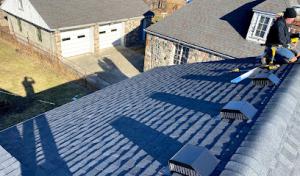
Swift Services
(248) 835-1135 swift-servicesllc.com
2284 Camilla Dr, Troy, Michigan
4.8 from 52 reviews
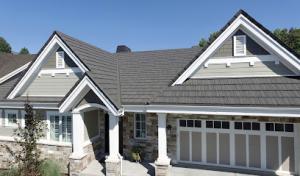
Erie Home
33333 Dequindre Rd Suite B, Troy, Michigan
4.3 from 293 reviews
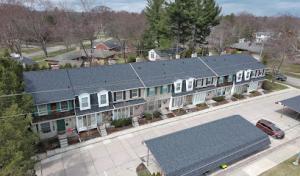
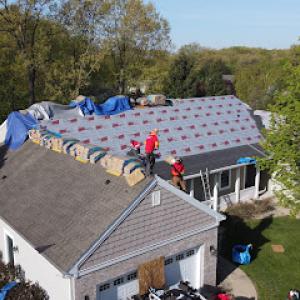
Mills Siding & Roofing
(248) 453-2056 millssidingandroofing.com
101 W Big Beaver Rd Suit 1400, Troy, Michigan
4.8 from 1574 reviews
Mills Siding and Roofing has been trusted by homeowners and businesses since 1946, completing over 100,000 roofs with a 4.9-star rating and thousands of glowing reviews on Google. Headquartered in Detroit, MI, with regional offices across Michigan and Ohio, we specialize in residential, multi-family, and commercial roofing. Whether it's storm damage, a new installation, or an upgrade, we offer expert insurance assistance, direct payment, and flexible financing options. Fully licensed, insured, and certified, Mills delivers top-tier service, helping you choose the perfect shingles and ensure long-lasting protection. Book a free consultation today and see why so many trust Mills for their roofing needs!
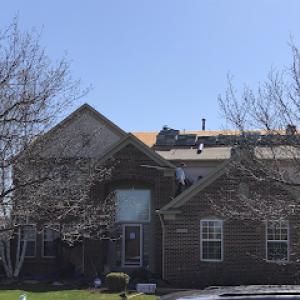
First Point Construction & Restoration
(248) 469-4436 www.firstpointbuilds.com
1977 E Wattles Rd Unit C, Troy, Michigan
5.0 from 35 reviews
We specialize in roofing, siding, gutter repair, dry wall and painting repairs. We provide our services for the entire state of Michigan. We are committed to excellent customer service during any home renovation project and keep you in the loop during the entire process. We manage the entire Insurance Claim process from start to finish. View our website and read about our services that we offer to help bring your home exterior dreams to reality.
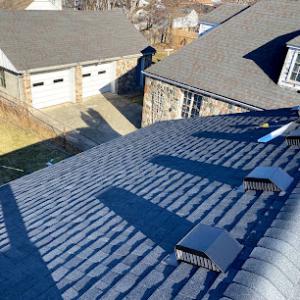
Swift Services
(248) 835-1135 swift-servicesllc.com
2284 Camilla Dr, Troy, Michigan
4.8 from 52 reviews
Since 2015, Swift Services has been providing top-notch roofing services to homeowners in Troy, MI and surrounding areas. Call us when you need a roofing contractor to inspect, repair or replace your roof. Not only are we a local roofer, but we're also proud to... - Be family-owned and -operated - Offer financing through Hearth - Perform thorough roof inspections - Use materials made by the leading manufacturers - Be roofing experts with over 28 years of experience Our repeat clients say we're knowledgeable, reliable and dedicated to quality. Call us today for your free estimate!
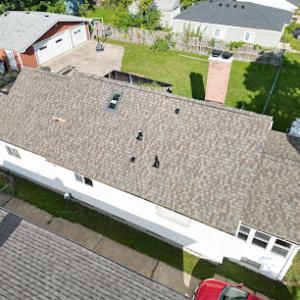
Complete Home & Building Maintenance
(248) 773-2314 completehomeonline.com
Troy, Michigan
4.8 from 48 reviews
We are a contractor working out of Hazel Park, MI and surrounding communities. We are a top rated construction service provider, and from the first nail to the final creative touches our contractor and crew will turn your home into a modern, unique, and comfortable place to live. We offer general contracting, roof replacement, concrete flatwork, stamped concrete and much more.
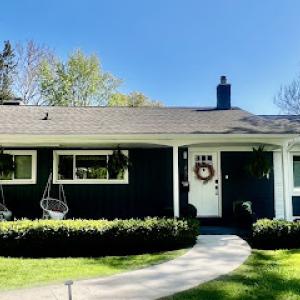
Reliant Roofing Solution
(248) 657-4260 reliantroofingsolution.com
1675 E Maple Rd, Troy, Michigan
5.0 from 18 reviews
Reliant Roofing Solutions is a skilled and reputable roofing contractor serving Michigan. We uphold excellence in every aspect of your roofing project, providing the best possible roofing solutions for your property. Our knowledgeable team is dedicated to delivering craftsmanship and utilizing high-quality materials to ensure your complete satisfaction. From assessments to repairs and installations, we go above and beyond to guarantee exceptional results and enduring protection for your roof.
Richards & Swift Roofing
(248) 544-3908 www.richardsandswiftroofing.com
360 E Maple Rd, Troy, Michigan
4.6 from 62 reviews
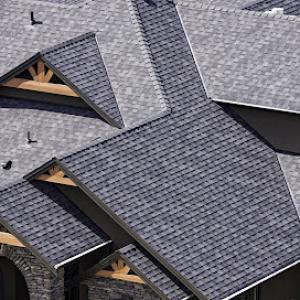
Family owned company with 25 years of experience specializing in residential and commercial roofing; serving Oakland, Macomb, & Wayne Counties. Our goal is 100% customer satisfaction and we have nearly 10,000 satisfied customers! And we are proud to offer quality service, products, & workmanship without compromise so our customers know they are getting the best service, product, & warranties for an unmatched value. You can trust us for all your roofing needs!
S.A. Construction
6041 Glyndebourne Dr, Troy, Michigan
4.9 from 16 reviews
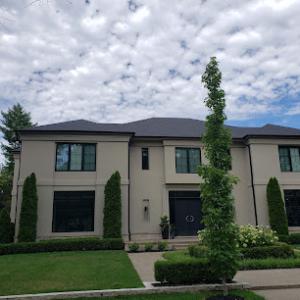
Roofing, Siding and Custom Trim Installation
Rochester Hills Roofing Pros
(248) 397-6991 www.rochesterhillsroofers.com
Troy, Michigan
5.0 from 15 reviews
We are a local roofing company operating in Rochester Hills, Michigan. We have been working in this region for over 10 years and offer top-notch quality roofing services to any individuals who depend on us. Our team of roofing contractors all have received proper expert training and are certified to take on any task that you throw at us regarding your roofing needs. We only use the most reliable and durable roofing materials to install your roof and you can trust our professional roofers to have your roof properly installed the first time. When we are finished with your roof, you will have a very durable product that will last you years to come.

Green Homes Roofing & Solar
2115 Livernois Rd Ste 100, Troy, Michigan
4.6 from 58 reviews
Green Homes brings our spirit of service to the Detroit Metro area with quality residential and commercial roofing, gutter, and solar solutions.
Platinum Roofing
(586) 201-8890 www.platinumroofingmi.com
Troy, Michigan
4.6 from 33 reviews
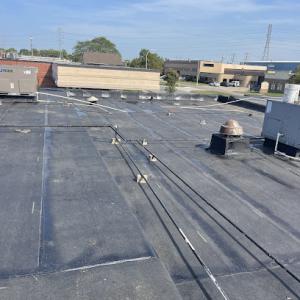
PREMIER COMMERCIAL ROOFER IN MICHIGAN Dedicated to providing you reliable, top-quality EPDM, Hot Tar, White TPO, Torch Down & Metal Roofs, plus Silicone Coatings. Searching for a commercial roofing contractor? Let the team at Platinum Roofing provide you with superior quality roofing commercial roofing services. Whether you need a repair, replacement or completely new roofing system - we help you each step of the way. Click the button below to learn a little more about us, or scroll down to read more about our specific commercial roofing services.
Erie Home
33333 Dequindre Rd Suite B, Troy, Michigan
4.3 from 293 reviews
Since 1976, Erie Home has manufactured, supplied, and installed the best-performing roofing on the market. By providing ironclad warranties and convenient financing, we ensure that every homeowner we work with receives top quality service and value for their homes and properties. Erie Home professionals are the roofing company of choice in the greater Detroit, MI area. Whether you need roof inspections or roof damage repair services, Erie Home has been the go-to roofing contractor for nearly 50 years because of our attention to detail and dedication to making sure our customers are satisfied with their results. Contact us today for a quote and see why we're the trusted roofing company Detroit counts on.
Atex Builders
(800) 916-4112 www.atexbuilders.com
1195 Rochester Rd Suite: i, Troy, Michigan
4.3 from 30 reviews
Atex Builders is a construction and restoration company in Troy, MI that specializes in roofing, insurance restoration (water, fire, storm), new construction, and exteriors. We serve residential and commercial customers throughout Southeast Michigan. We value hard work, integrity, and quality. Our goal is to provide reliable, safe, efficient solutions to each of our clients. Atex Builders is certified by multiple industry-leading organizations, so our customers can feel confident that we use top-rated products and produce high-quality workmanship. Contact Atex Builders today for your next home project!
Asphalt shingles are the baseline option for most replacement scenarios, and they anchor insurance estimates and typical reroof comparisons. In this market, the majority of steep-slope homes use architectural or modern 3-tab shingles as the standard, making it the familiar reference point when evaluating upgrades. For homeowners updating in older neighborhoods or with mid-century layouts, this baseline helps align expectations with common availability, contractor familiarity, and long-term serviceability. When choosing asphalt, pay attention to granule adhesion, warranty coverage, and the roof's overall slope to ensure compatibility with local weather cycles.
Beyond the dominant shingle market, there are meaningful uses of metal, clay tile, concrete tile, slate, and fiber cement shingles. Homes with distinctive detailing, historic character, or structural capacity to support heavier assemblies often benefit from a contractor who can match less common roof systems rather than defaulting to standard architectural shingles. Metal roofing offers speed of installation and resilience in freeze-thaw cycles, while clay and concrete tiles bring a timeless look and additional mass that can improve insulation but require careful flashing and underlayment planning. Slate and fiber cement shingles provide a premium appearance with different weight and flexibility profiles, demanding precise integration with transitions, penetrations, and ventilation details.
Freeze-thaw exposure makes detailing and material compatibility especially important on premium roofs. Heavier and more rigid systems can be less forgiving if flashing, underlayment, or transitions are poorly executed. When selecting materials for a high-end or historically styled home, insist on a detailed drainage plan, temperature-compatible fasteners, and a careful slope assessment. Premium materials demand precision in corner terms, ridge lines, and vent terminations to prevent ice dam formation and water intrusion. A local contractor should verify that all joints and step-flashes are designed for the seasonal temperature swings and that the chosen system keeps water away from vulnerable eaves and chimneys.
Older homes or custom builds often require an exact look to preserve curb appeal. In such cases, coordinated color palettes and profile matching become as important as performance. If a project involves transitioning from a traditional material to a newer system, ensure that the installation details account for different expansion rates and flashing interfaces. Contractors should provide written notes on how the new system will interface with existing soffits, gutters, and roof-to-wall transitions, with explicit plans for high-stress areas like valleys, skylights, and dormers. The goal is a seamless integration that withstands Troy's freeze-thaw cycles without compromising aesthetics or longevity.
A full re-roof in Troy typically requires a building permit through the City of Troy building department rather than being handled informally between homeowner and contractor. The permit process is designed to align with the suburban housing stock and the mix of steep-slope asphalt and higher-end roof types common in the area. Start by confirming that the scope includes complete removal and replacement of the roofing system, which triggers the need for a formal permit rather than a repair notice.
In Troy, the contractor commonly files the permit application, pays the applicable fees, and coordinates the required inspections with the city. While some homeowners may prefer to manage filings directly, most timelines and inspection rescheduling align more smoothly when the contractor handles the paperwork and communication with the building department. Expect the permit to be tied to the project schedule, including inspection windows and documentation of underlayment and ventilation as part of code compliance.
Inspections are scheduled through the city, and timing matters because weather windows can impact completion. Troy inspections usually include a rough or underlayment inspection before the roof is fully covered and a final inspection after completion, so scheduling has to account for municipal sign-off as well as weather. Plan for at least one intermediate check to verify that roof deck, underlayment, and flashing meet code requirements, especially in areas with freeze-thaw exposure and storm-driven damage history.
Coordinate with the contractor to lock in inspection dates early in the project. If a major storm or unusually wet spell hits, the final inspection may be delayed, so keep a buffer between the last decking and the final layer to avoid weather-related hold-ups. Have all pertinent documentation ready for inspections, including a brief summary of the work, material specs, and ventilation details. This readiness helps prevent unnecessary re-inspections and keeps the project moving toward completion within the approved permit timeline.
Storm, hail, and wind claims are a regular fact of life around here, and insurers often ask for roof age, photos, and contractor estimates before moving a claim forward. In practice, that means you should assemble a simple, accurate record before you even call the claim in. If a roof is already aging or has visible wear, you may face questions about whether a replacement will be necessary or even financially favorable for the policyholder. Being prepared with a clear history helps you avoid delays and disputes during busy claim periods after a regional storm.
Some carriers serving Michigan have tightened underwriting in recent years, which can affect whether an older roof is insurable at renewal or whether replacement is pushed sooner. In Troy, where housing stock ranges from modest steep-slope asphalt to more premium materials, inspectors may closely compare current conditions to the last documented state. Having recent, dated photos and a concise, independent assessment can influence outcomes. If you have ongoing concerns about your roof's condition, consider obtaining a professional opinion before the insurer requests one, so you can present a coherent case.
Adjuster timing in the Troy market can vary by carrier and by how widespread a regional storm event is, so homeowners benefit from documenting damage immediately after a storm and before temporary repairs obscure evidence. Quick action helps ensure the damage is captured while it's still fresh and prevents misunderstandings about what was present at the time of the incident. Keep a dated log of every weather event, note any interior signs of leakage, and photograph any exterior damage from multiple angles and distances. If you do engage a contractor, request a written, dated estimate that details visible components and rationales for any recommended work, so the claim has a solid, corroborated basis.
Connect with contractors who help homeowners navigate the claims process from damage assessment to final approval.
First Point Construction & Restoration
(248) 469-4436 www.firstpointbuilds.com
1977 E Wattles Rd Unit C, Troy, Michigan
5.0 from 35 reviews
Complete Home & Building Maintenance
(248) 773-2314 completehomeonline.com
Troy, Michigan
4.8 from 48 reviews
Atex Builders
(800) 916-4112 www.atexbuilders.com
1195 Rochester Rd Suite: i, Troy, Michigan
4.3 from 30 reviews
Winter in Troy can delay tear-offs and affect shingle adhesion, making cold-weather emergency work very different from a planned full replacement. When temperatures linger below freezing, crews may limit the number of roofing squares tackled in a day and rely on heated tarps or temporary heat sources, which adds complexity and risk. If a project starts in late fall, plan for a possible lull when a cold snap hits, and build buffer days into the schedule to accommodate thawing cycles and material handling challenges.
Spring rain and storm activity in Troy can create moisture exposure concerns during active projects and can push back inspection and installation dates. Expect days with sudden downpours to pause work, especially if decking or underlayment is exposed. Protect interior walls and ceilings from water intrusion, and coordinate leak checks after every significant rain event. Scheduling should include a contingency window for delays caused by saturated substrates drying out before new underlayment or flashing can be installed reliably.
Summer heat and humidity and fall wind events both affect Troy job pacing, crew productivity, and safe material handling, especially during the busiest replacement season. Heat slows adhesive cures on certain shingles and can increase worker fatigue, so afternoon shading and hydration become practical requirements. In fall, higher wind risk challenges material staging and nail gun operation; secure loose edges early in the day and plan for higher on-site safety overhead.
Coordinate with the crew to target reliable weather blocks-dry, moderate days for tear-off and deck inspection, and cooler mornings for fastener work. Build a rolling 2-3 week window that accommodates anticipated spring storms, summer heat, and autumn wind events. Maintain clear communication with homeowners about the likelihood of weather-driven shifts and have a simple, agreed-upon protocol for rain delays, inspection hold times, and staged progress milestones.
When you can't wait, these contractors offer fast response times to stop leaks and prevent further damage.

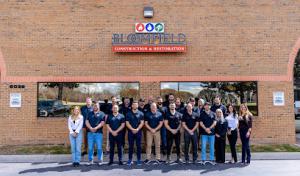
Bloomfield Construction & Restoration
(248) 333-3987 www.bloomfieldconstruction.com
Serving
5.0 from 174 reviews
Skylights in this neighborhood often become leak hotspots because Troy contractor signals show notable demand for skylight work, especially where angles meet mature roofs or older flashings have seen decades of weather. Snow and ice sitting at penetrations and wall intersections stresses the flashing and curb details. When a snow pack lingers along the edges, meltwater can back up and find its way through gaps that might not have shown themselves during milder seasons. A practical approach is to inspect the skylight curb and surrounding shingles after heavy storms or thaw cycles, paying particular attention to any staining, damp insulation, or soft decking near the skylight. You'll want to verify that the integrated flashing sits flush and that the sealant joints at the skylight flashing are intact. If a leak is detected, prioritize resealing or flashing replacement rather than a full roof tear-off, unless the surrounding roof is calling for broader work.
Chimneys are another common failure point in this market. Chimney detailing-valleys where brick or siding meets roof planes, step-flashings, and the transition from vertical walls to the roof plane-receives frequent attention from Troy crews. Freeze-thaw cycles can open small gaps in masonry reglets and flashing, and ice buildup around the chimney crown can force moisture into deck-fastener zones if the flashing isn't continuously integrated. Curbing failures or deteriorated boot flashing at the base of the chimney are frequent culprits, especially on homes with mixed roof geometries. A targeted chimney inspection should assess the integrity of counter-flashing, the sealant at step-flash points, and any signs of mortar deterioration that may channel water downward.
Many homes in this market show flat or low-slope sections blended into steeper main planes, creating dynamic leak challenges. Transitional areas-where a flat porch roof meets a higher slope, or where metal or tile edges meet asphalt-demand careful detailing. In Troy, these transitions are common service calls, and flashings must be continuous and well-secured to resist wind-driven rain and ice dam pressures. Expect more comprehensive detailing around edge metal, kick-out joints, and terminations at rake lines. If the low-slope areas show signs of water staining, delamination, or moisture in the attic bays beneath, plan for checks of decking condition and flashing continuity rather than a quick patch.
Find contractors experienced in skylight installation, flashing, and leak repairs to bring natural light into your home.
Swift Services
(248) 835-1135 swift-servicesllc.com
2284 Camilla Dr, Troy, Michigan
4.8 from 52 reviews

Richards & Swift Roofing
(248) 544-3908 www.richardsandswiftroofing.com
360 E Maple Rd, Troy, Michigan
4.6 from 62 reviews
Atex Builders
(800) 916-4112 www.atexbuilders.com
1195 Rochester Rd Suite: i, Troy, Michigan
4.3 from 30 reviews
The Troy market strongly favors re-roofing contractors that advertise cleanup included and quick response, reflecting homeowner concern about active leaks, driveway debris, and disruption in established neighborhoods. When a claim or leak hits, homeowners expect a contractor who can mobilize fast, protect landscaping, and contain mess to the minimum amount of surface disruption. Look for messages that promise on-site cleanup at the end of every day, not just once the job is finished.
Long-established, family-owned, residential-focused firms are common in this area, so tenure and local reputation carry weight alongside price. In practice, that means you'll often encounter crews who know the typical roofing layouts on suburban two-story homes, understand the snow-thaw cycle, and have built-in fall protection and cleanup routines suited to driveways and alley access. A familiar name with steady crews can translate into smoother scheduling and fewer surprises during the project.
Licensed, insured, and manufacturer-certified positioning appears in the market, but it is less universal than affordability and responsiveness, so homeowners often need to verify credentials rather than assume them. Start by asking for current license numbers, proof of general liability and workers' comp coverage, and any manufacturer certifications tied to the specific roofing system you want. Cross-check these with the provider and the manufacturer's directory. If a contractor hesitates or cannot provide documentation, move on to another option.
In a suburban setting where neighbors share block gossip and driveways are visible from the street, word-of-mouth matters. Ask for references from homeowners with similar roof types and ages, especially those who had leaks or storm damage claims. A contractor who routinely provides detailed site drawings, material samples, and a written cleanup plan tends to stand up better to the rapid weather shifts and seasonal blow-back that Troy experiences.
When reviewing bids, compare response timelines, what cleanup entails, and whether daily debris containment is included. Require a clear schedule with milestones and confirm who will manage cleanup after each rain or wind event. A proposal that aligns with the local emphasis on prompt, tidy, and low-disruption execution is a reliable indicator for a smooth re-roof in this neighborhood.