
Last updated: Apr 19, 2026
Saginaw's cold winters with repeated freeze-thaw cycles are a primary driver of shingle aging and can worsen moisture problems at the roof deck. The repeated thawing and refreezing push asphalt shingle granules loose, accelerate edge lifting, and can drive small leaks into larger problems if water sits on the roof or in the attic. That same cycle can also trap moisture in the decking, which may lead to warped plywood or soft spots over time. Understanding this pattern helps you plan a replacement before real leaks or structural concerns surface.
Late spring through early fall is the preferred replacement window in Saginaw because winter conditions and spring rainfall can disrupt tear-off, drying, and inspection timing. If a roof is torn off in winter or early spring, rain and lingering snowmelt can halt progress, complicate tarping, and delay critical drying times. By waiting for a steadier stretch of dry days, you reduce the risk of moisture getting trapped under new underlayment and shingles before the roof is fully resealed. This window also aligns with better access to supplies and a more predictable schedule for crews, which helps avoid the typical springtime rush that can push jobs into unfavorable weather slots.
Warm, active summers in Saginaw improve installation conditions overall, but mid-summer heat can still affect material handling and crew pace. Hot days can cause fasteners to behave differently and may demand more frequent water breaks for crews and for certain underlayment products. Heat can also accelerate the curing of some sealants or roof adhesives, which is beneficial if installation is steady and well-timed with roof deck drying. However, extreme heat can challenge shingle handling and introduce risk of flaws if bundles sit in direct sun too long. Planning around the hottest weeks-without squeezing the job into a peak heat spike-helps maintain quality without slowing progress.
Inspecting the roof after a typical Saginaw winter gives clues about timing. Look for loose granules in gutters, curling or buckling shingles, and any obvious gaps at valleys or intersections. If attic insulation shows consistent signs of moisture or frost-like dampness during or after thaw periods, that moisture may have found its way through the decking. These indicators do not always demand immediate replacement, but they do signal that a full assessment by a trusted contractor is prudent before spring rains pick up.
If moisture stains appear on ceilings, especially after a thaw-freeze cycle or a heavy spring rain, that is a clear prompt to move ahead with a thorough evaluation. A professional should check for deck rot, flashing integrity, and the condition of underlayment. Delays beyond late spring give a window of opportunity to complete tear-off and install before the fall and winter cycles return, reducing the risk of mid-winter leaks.
1) Schedule a late-spring inspection with a local roofing contractor who understands the area's freeze-thaw dynamics. Ask to focus on deck integrity, flashing, and attic moisture patterns, not just surface looks.
2) If recommendation is for replacement, set a start date in early to mid-summer when dry spells are more common and the crew can maintain a steady pace without the pressure of prolonged rain delays.
3) Prepare the home for tear-off by clearing eaves and ensuring shelter for landscaping and driveways. Confirm that gutters and drainage are addressed early to prevent runoff from impacting work zones.
4) Coordinate a mid-project checklist to verify deck dryness after any rain, and to confirm roof deck ventilation remains adequate during seasonal heat.
5) Plan for a thorough post-install inspection once shingles are set, to confirm flashing seals, venting, and attic moisture controls are functioning as intended before the next winter set begins.
Keep a close eye on the calendar and the long-range forecast. If a spring project encounters a late frost or an extended wet spell, it may be wiser to push back a week or two rather than press through. A well-timed replacement that hits the late spring to early fall window typically yields the best balance between material performance and crew efficiency, reducing the chance of moisture-driven problems once the first frost returns.
Michigan's periodic hail and wind events drive roof claim activity here, and after a big storm in your neighborhood, every dent, loosened shingle, or granule loss can become a crucial piece of evidence. You are closer to the truth of roof wear when you photograph and timestamp damage from multiple angles, then keep a dated log of weather conditions and timing. If a hail event was reported locally, act quickly: wind-driven debris can open small leaks that escalate once freeze-thaw cycles resume. Your photos should capture the entire roof surface, skylights, vents, and any roof-to-wall flashing-make it easy for an adjuster to understand the scope without guessing.
In this market, insurers often ask for records of prior damage and weather-related conditions before approving a full scope repair. Gather any past roof issues, prior claims, or repairs, even those you thought were minor. Provide a concise narrative linking current damage to the recent storm window and to seasonal freeze-thaw stress. If you kept maintenance notes, bundle them with photos to show a consistent narrative. When communicating, reference local storm events and seasonal patterns that can influence the insurer's view of damage severity and causation.
Adjuster timelines shift after regional storms, and some claims may require supplementary reports or appraisals before final settlement. Expect weekends and holidays to slow responses; plan around potential delays in scheduling roof evaluations, especially after a widespread storm. If an adjuster visits but the weather shifts to rain or bitter cold, ask for a provisional assessment to prevent further damage from delaying the claim. Keep a running record of all conversations, dates, and promised actions. If you receive a denial or a low settlement without clear justification, request written explanations and consider an informal reinspection request while conditions are favorable for accurate assessment.
You should immediately secure weather-sensitive areas to minimize further water intrusion while awaiting an appraisal. Maintain continuous documentation: update photos after each heavy rainfall, observe any new daylight gaps at ridge lines, and note any interior signs of moisture. Coordinate with your contractor to prepare a staged plan: prioritize sections most exposed to wind-driven rain and freeze-thaw stress, so if the insurer approves a partial restoration, you can move quickly. Communicate that timing matters: delayed settlements can extend exposure to winter conditions, increasing the risk of additional damage and complicating the final appraisal. By aligning meticulous documentation with proactive communication, you improve the odds of a smoother, faster resolution despite the unpredictable weather rhythms here.
Find local contractors experienced in assessing and restoring roofs after hail, wind, and severe weather events.
Yeager Roofing
(989) 401-4772 www.yeagerroofing.com
2100 Midland Rd, Saginaw, Michigan
4.3 from 39 reviews
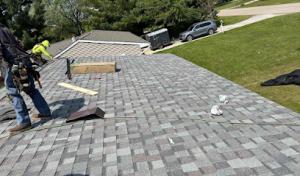
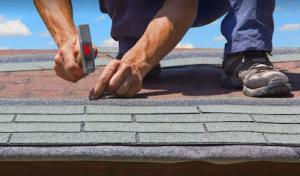
Versatile Commercial Flat Roofing
(989) 401-1462 www.versatileflatroofing.com
4778 N Michigan Ave, Saginaw, Michigan
5.0 from 8 reviews
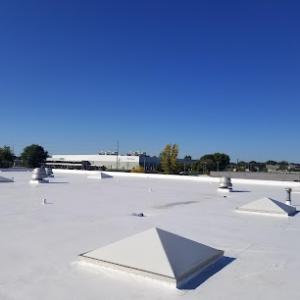
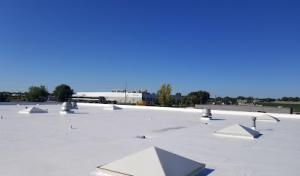
Versatile Commercial Flat Roofing has years of experience in flat roof replacement. Our experts will install your flat roof replacement quickly and efficiently. As commercial roofers, we install flat roof systems throughout Michigan. We understand how important it is to feel confident and worry-free when it comes to your low slope membrane roof.
Yeager Roofing
(989) 401-4772 www.yeagerroofing.com
2100 Midland Rd, Saginaw, Michigan
4.3 from 39 reviews
Since 2007, Yeager Roofing has been the Saginaw area’s premier choice for roofing and skylight installation. As a leading contractor, we are dedicated to providing superior craftsmanship on every project, from minor repairs to full replacements. Our team of skilled professionals ensures each client receives the highest quality service and results that stand the test of time. Trust Yeager Roofing to bring unparalleled expertise and dedication to your next home improvement project.
Hect Home Improvement LLC - Saginaw
(810) 243-3303 hecthomeimprovementllc.com
2883 McCarty Rd, Saginaw, Michigan
4.6 from 11 reviews
Hect Home Improvement proudly serves Saginaw, MI with expert roofing services you can trust. With over 25 years of experience, we specialize in roof repairs, replacements, and installations for residential homes throughout the Saginaw area. Our team is committed to top-quality craftsmanship, reliable service, and competitive pricing to protect your home with long-lasting roofing solutions. Whether you need a small repair or a full roof replacement, we’re ready to help. Contact us today for a free estimate in Saginaw.
Ultimate Exteriors
(989) 497-1470 www.ultimateexteriorsinc.com
6185 Tittabawassee Rd, Saginaw, Michigan
4.4 from 19 reviews
Honest, Professional, Thurough, since 2005 over 50 years combined experience call today for a free consultation
Midwest Home & Gutter
(989) 980-3019 www.midwesthomeandgutter.com
Serving
5.0 from 42 reviews
Protect your largest investment with our reliable roofing services. We are a locally owned and operated roofing company currently serving Saginaw, MI and surrounding communities. If you want to make your roof last as long as possible, it is vital that you never put off a roof repair. Small issues with roofing become big issues in a hurry. No matter how major or minor the repair you need, we are here to help. We offer roofing contracting, asphalt shingles roofing, and dimensional shingle roofing.
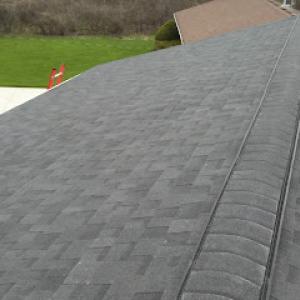
Haines Enterprise
3196 Elm St, Saginaw, Michigan
4.7 from 3 reviews
Complete interior and exterior construction
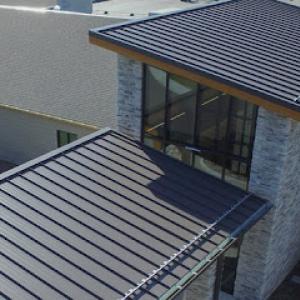
EXCEPTIONAL Metals
(866) 337-4599 exceptionalmetals.com
525 W Morley Dr, Saginaw, Michigan
5.0 from 2 reviews
Do you need metal for your next project? EXCEPTIONAL Metals has a variety of discounted edge metal inventory available for immediate shipment or pickup from the Saginaw, Michigan facility.

Herbert Roofing
(989) 220-4702 www.herbertroofing.com
5226 State St, Saginaw, Michigan
5.0 from 2 reviews
Welcome to Herbert Roofing, the premier, full-service Michigan roofing company serving Saginaw, Midland, Bay City and surrounding areas as well as Harbor Springs, Traverse City and neighboring towns. Since 1973 we’ve been the reliable and credible local roofing company for thousands of home and business owners.
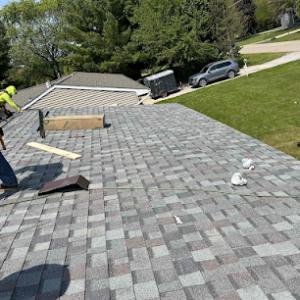
King Contractors
(855) 978-5464 www.kingcontractorsmi.com
Serving
5.0 from 32 reviews
Our roofing solutions are custom tailored to provide superior durability and unmatched protection for your home or business. Trust us to deliver exceptional quality and expertise, ensuring that your investment stands strong against the test of time. We are now servicing the entire state of Michigan!
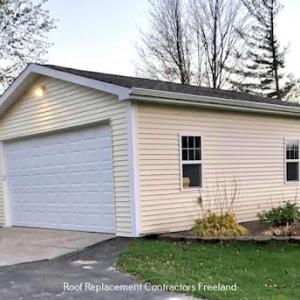
Aboveboard Roofing & Remodeling
(989) 233-9587 www.aboveboardmi.com
Serving
5.0 from 11 reviews
Are you looking for a reliable roofing company to install or replace the roof in your residence? If yes, Aboveboard Roofing & Remodeling can help. We are the leading roofing company Freeland you can count on to install a new roof or replace your old/damaged roof in your residential home. We have a highly trained team of roofing technicians with advanced tools and equipment to get the job done correctly and quickly. Our team uses the highest quality roofing materials and accessories and we guarantee that you’ll get an attractive and durable roof. Besides roof installation and replacement, we offer construction, siding, home remodeling, window replacement, and gutter installation services. Contact us to get a quote or for more information.

Storm Master Exteriors
(989) 488-4846 www.stormmasterexteriors.com
Serving
4.7 from 78 reviews
Storm Master Exteriors in Freeland offers reliable exterior home services throughout the Saginaw and Midland areas. With over 20 years of experience, we specialize in roofing, siding, windows, insulation, gutters, and decking, ensuring homes are both durable and stylish. Our team focuses on quality workmanship and honest service, providing free estimates with no gimmicks. For homeowners seeking roof replacement Freeland, we deliver trusted solutions tailored to your needs. We’re proud to serve our community and build lasting relationships through integrity and dedication. Let Storm Master Exteriors enhance your home’s value and protection. Call us today to get started!

Roy E Woods Builder
(989) 695-6206 royewoodsbuilders.com
Serving
4.5 from 13 reviews
Roy E Woods Builder providing Windows & Doors, Additions & Remodels, New Construction, Pole Barns & Garages, Gutters & Gutter Covers, Excavation, Septic Fields & Waterlines, Driveways, Handicap Ramps and much more since 1974. Serving Saginaw, Freeland, Bay City, Midland and the Great Lakes Bay Region.
Asphalt shingles are the dominant residential roofing material in Saginaw, reflecting the area's strong re-roofing market and affordability focus. For homeowners navigating the freeze-thaw cycles that rip through winter and the spring storm bounce-back, asphalt provides a practical balance of cost, installation speed, and repairability. Modern asphalt roofs resist wind uplift well when installed with a proper underlayment and ice barrier along eaves and valleys. They also offer a broad range of warranties and color options that help maintain curb appeal after a long winter. When choosing asphalt, pay attention to the asphalt's granule consistency and the presence of a solid synthetic underlayment that holds up to repeated freezing and thawing without becoming brittle or slipping under heat.
Metal roofing is a meaningful secondary choice for homeowners prioritizing durability through snowy winters and active summer weather. A metal roof can shed snow more predictably, reducing ice dam risk on certain designs. It also handles sun exposure without absorbing heat in a way that accelerates aging in attic spaces with inadequate ventilation. If a metal option is appealing, look for a standing-seam profile or panels with a durable finish, and ensure proper valley flashing and ridge ventilation. A metal roof paired with adequate insulation helps keep attic temperatures steadier, which is key during the shoulder seasons when freeze-thaw cycles can stress seals and fasteners. Local installers who understand Saginaw's snow load expectations and the seasonal moisture patterns can tailor fastener patterns and sealants to minimize rattle and corrosion over time.
Clay tile, concrete tile, wood shakes, and synthetic/composite products are present in the market but are less typical than asphalt for mainstream residential replacements. Clay and concrete tiles bring long life and a distinct look, yet they require a strong deck structure and careful roof pitch to prevent cracking under freeze-thaw stress. In practice, these materials are suited to slopes that support their weight and to homes that can accommodate heavier roof systems without structural retrofits. Wood shakes deliver a traditional aesthetic but demand regular maintenance to resist moisture, mold, and thermal movement after cold snaps. Synthetic or composite shingles offer a compromise between weight, durability, and appearance, with better impact resistance and lower maintenance than natural wood, though they still require sound attic ventilation and a solid underlayment to manage moisture pressure. For a typical Saginaw home, these options are most commonly chosen by homeowners seeking a specific look rather than as the standard replacement path.
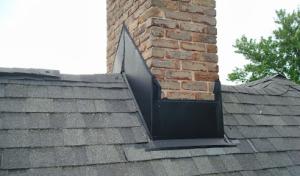
Practical performance notes help guide material selection. The region's winter freeze-thaw stress means any roof should incorporate a robust ice barrier at eaves and in valleys, plus well-sealed flashing around chimneys and vent stacks. A roof's drainage slope matters: steeper pitches are less vulnerable to standing water after thaw events, while flatter sections can trap moisture that accelerates aging. Ventilation sits at the intersection of comfort and longevity; a vented attic reduces condensation that can worsen rot and hail impact over time. When evaluating options, consider how a chosen roof responds to both the snowy season and the hot, bright days of summer, and ask installers for a maintenance plan that addresses debris, shingle granule loss, and fastener corrosion across multiple seasons.
The most popular roofing material in the US. Find pros who install, repair, and replace asphalt shingles.
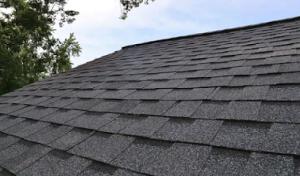


In this area, asphalt shingles sit around 350 to 550 per square, a reflection of homes with mixed roof styles and winter wear. Metal roofs run higher, about 600 to 1100 per square, while clay tile can span 900 to 1500 per square and concrete tile 800 to 1200 per square. Wood shingles or shakes tend to land between 650 and 1000 per square, and synthetic or composite shingles come in around 450 to 800 per square. Those figures line up with houses that endure heavy freeze-thaw cycles and the need for durable, weather-ready materials. When you're planning, think in terms of a "square" being 100 square feet of roof coverage to keep comparisons simple.
Costs in the Saginaw area can rise when storm-driven demand increases scheduling pressure after hail or wind events across Mid-Michigan. If a storm hits and several shingles show wear or damage, contractors may prioritize fast turnarounds, which can squeeze your project window and potentially affect materials ordering and crew availability. That pressure can shift both material pricing and labor rates for a short window, so it helps to have a plan for a fall or early spring re-roof if possible, aiming to avoid peak storm times.
Project pricing can shift based on whether the property lies inside the City of Saginaw or in surrounding townships, since inspection timing and logistics aren't identical across the local area. In practice, this means you may see slightly different bids for neighboring homes that otherwise look the same. It's common to notice marginal differences between bids from firms working out of the city core versus those serving a township route. If you're comparing multiple estimates, ask each contractor to separate labor, underlayment, and material costs so you can see where any small location-based adjustments are coming from.
Saginaw winters deliver repeated freeze-thaw cycles that stress roofing underlayment and fasteners. If your roof is near the end of its life, replacing before spring storms can save you from interim patches or emergency fixes. For asphalt, you'll likely see the best value by planning ahead in late summer or fall when demand isn't at peak and crews aren't racing to finish before winter weather. For heavier roof types like clay or concrete tiles, think longer-term budgeting, since material costs and installation complexity are higher and spring rain can complicate teardown and reinstallation.
Get a clear picture of your project costs upfront - no commitment required.
Hect Home Improvement LLC - Saginaw
(810) 243-3303 hecthomeimprovementllc.com
2883 McCarty Rd, Saginaw, Michigan
4.6 from 11 reviews

Full re-roofs in this area are typically regulated through the local city or township building department, and the process can vary depending on whether the house sits within a city boundary or a neighboring township. In practice, the permit is a practical signal that the project will follow current code and moisture management standards, reducing risk of future leaks. The permit requirement is not something to leave until the last minute, since the review can uncover site-specific details that affect the scope and sequencing of the job. Expect an assessment of flashing, ventilation, underlayment, and the roof-to-wall transitions, all of which matter when the temperature swings from deep winter to spring rains.
Local contractors typically file the permit and coordinate inspections, rather than leaving the homeowner to chase paperwork. A reputable contractor should confirm permit needs up front, pull the documents, and lay out a realistic inspection timeline that aligns with the project schedule. In Saginaw, with its mix of city and township rules, this coordination helps prevent gaps where weather or staffing shortfalls could stall progress. If a homeowner ends up juggling approvals, it often signals a mismatch between the contractor's capabilities and the local permitting cadence.
A final inspection is used to verify code compliance and proper installation practices. This is the moment the city or township confirms that the roof has been installed with the correct nailing method, underlayment type, ventilation details, and proper flashing around chimneys, vents, and skylights. Weather or holiday schedules can delay sign-off, especially during shoulder seasons when inspectors juggle multiple jobs. Planning for potential delays is prudent, since a hold at final inspection can push back the return to normal occupancy or use of attic space.
Given heavy winter freeze-thaw cycles and spring storms, timing your re-roof to avoid peak system stress reduces risk of wind uplift or water intrusion during a critical wet period. Start conversations with the contractor early enough to absorb permit review times and any needed adjustments to materials or details that the city may require. If a project misses an inspection window due to weather, the permit remains active, but the work must resume and pass a subsequent inspection before occupancy or the project can be deemed complete.
Keep all permit documents, inspection reports, and manufacturer installation guides on site. Having a centralized file helps address any questions from future buyers, while also streamlining any necessary future repairs. If a contractor offers a staged approach, ensure each stage is explicitly tied to a permit item and inspection step, so nothing is left to ambiguity when the final sign-off arrives.
Freeze-thaw cycles in this region are relentless. In Saginaw, water that seeps into shingles or along flashing can freeze overnight and push seams apart by morning. Over years, that cycle concentrates wear at edges, valleys, penetrations, and around chimneys. If ice dams form or if gutters clog, meltwater sits where it shouldn't, accelerating decking moisture concerns. The result can be hidden rot that only becomes obvious after a long thaw-often right when a new project should be underway. Expect to see fragile spots worsen after a harsh winter, even if the rest of the roof looks fine from the ground.
Spring rains in this area are notoriously variable, and wind-driven downpours can expose underlayment sooner than you'd like. Exposed underlayment invites faster degradation, especially if a roof is already aging from repeated freeze-thaw stress. Delays during the dry-in phase can leave decking and fasteners vulnerable to rain during a critical window, complicating inspections and prolonging the time before a project is ready to be sealed up. In practical terms, anticipate temporary sheltering needs and plan for longer dry-in periods if spring weather turns unsettled.
Autumn wind events can pick apart loose shingles or weak sections of aging roofs, flipping away small problems into large, repair-needed areas. Late-season disruptions can interrupt replacement schedules just as temperatures begin to dip, increasing the risk that a roof sits partially complete into cold snaps. If a roof is marginal, autumn wind exposure can force last-minute repairs or rework, pushing schedules and amplifying moisture exposure on vulnerable decking. The takeaway: identify weak spots early and prepare for potential pushbacks as autumn weather intensifies.
Find contractors experienced in skylight installation, flashing, and leak repairs to bring natural light into your home.
Yeager Roofing
(989) 401-4772 www.yeagerroofing.com
2100 Midland Rd, Saginaw, Michigan
4.3 from 39 reviews
Chad Moody Building & Remodeling
(989) 573-0881 www.chadmoodybuilding.com
Serving
4.6 from 24 reviews
Flat and low-slope roofs take a direct hit from Saginaw's winter behavior. Snow that sits and refreezes creates constant stress on membrane seams and edge details. The repeated freeze-thaw cycle expands and contracts fasteners, flashing, and interlayers, which over time invites small leaks that can show up only after a spring rain. Look for lifted edging, gap near penetrations, and any wrinkling or ridges in the surface that signal underlying movement. In practice, keep an eye on areas with parapets, vents, and roof penetrations, where cold air and melted snow converge. If you notice spalling concrete or exposed fasteners around a metal edge, address it quickly before water finds its way beneath. A flat roof should feel solid underfoot; if it feels soft or has unusual bounce, that can indicate compromised decking or trapped moisture calling for a careful inspection.
Spring rain is a regular disruptor to low-slope roofs here, especially after a long cold spell leaves ice dams that block flows. When drainage becomes sluggish, standing water accelerates membrane wear and can push water into the structure through seams or docked flashings. The goal is continuous, unobstructed drainage from all points of the roof to the primary downspouts. Inspect scuppers, gutters, and internal drains for blockages after winter thaws. Check that parapet walls and roof penetrations do not create low spots that collect runoff. A practical habit is to run a test of drainage after a heavy rain event or early thaw, looking for even water distribution rather than pooling in any corner.
Many Saginaw contractors also serve commercial properties, which helps explain the local prevalence of flat-roof service offerings. This breadth means a familiarity with built-up roofs, modified bitumen, and various single-ply membranes remains common in the residential market too. When evaluating a flat section, consider the compatibility of membrane type with surrounding flashing details and with any adjacent higher-slope roof sections. Consistency in materials between transitions matters for long-term performance and ease of maintenance. Pay attention to edge detailing where the roof meets vertical walls, as these zones carry the most water exposure and require diligent sealing and periodic rechecking.
Find specialists in TPO, EPDM, and built-up flat roofing systems for residential and commercial properties.
Versatile Commercial Flat Roofing
(989) 401-1462 www.versatileflatroofing.com
4778 N Michigan Ave, Saginaw, Michigan
5.0 from 8 reviews
The local market shows especially strong demand for quick response, which aligns with emergency leak calls and storm-related service needs. When a leak starts in late winter or early spring, timing isn't just about stopping the water-it's about reducing freeze-thaw damage and limiting interior damage during busy weeks. Homeowners look for crews that can be on site within a practical window, triage the strongest priorities, and brief you on the plan for the next 24 to 48 hours. Talk through a clear response timeline and what will be addressed first as weather shifts.
Cleanup is a major local hiring signal in Saginaw, suggesting homeowners strongly value crews that leave older residential properties and yards in good condition after tear-off. A reputable crew will cover landscaping beds, protect gutters, and haul debris promptly. After the job, expect a thorough sweep of nails, shingle fragments, and other waste. If the area around the home ends up cleaner than before, that often signals reliable workmanship and pride in the project.
Long-established and affordable contractors are both common in the area, so homeowners are often balancing price against track record rather than shopping only for premium specialty work. Look for proven local experience with similar housing stock and weathered roofs. Request local references, especially from nearby neighborhoods, and confirm they have successfully managed freeze-thaw cycles without repeating leaks.
Roof wear from freeze-thaw cycles means many homes perform best with a planned replacement or reseaming between harsh winter months and the spring storm season. Prioritize crews that can document a practical schedule, including inspection, tear-off, and a solid weather contingency plan if spring rains arrive early.
Michigan's insurance environment around wind and hail claims adds extra steps to the roof repair process. In Saginaw, claims reviewers commonly request evidence that separates older wear from recent storm damage. Organized, dated documentation helps insurers see a clear timeline and supports the case for needed work before spring storm season rolls in. Supplementary reports or appraisals are sometimes part of the claim path, so having a complete file can influence how quickly roofing work is approved and scheduled.
Start with a baseline set of photos of the entire roof from ground level and from a ladder-safe vantage point. Capture close-ups of any named trouble spots: curling shingles, granule loss, lifted edges, granulated leakage near soffits, damaged flashing, and signs of hail impact like dented metal fasteners or bruised shingles. Include photos of attic or ceiling staining that aligns with a specific roof area. Document seasonal changes by taking fresh photos after major storms and again after repairs. Note the date, time, and weather conditions in a simple log alongside each image.
Keep photos in clearly labeled folders by year and storm event, with a concise description for each image. If a claim moves toward an appraisal or third-party report, have scans or clear copies ready of any prior maintenance records, previous repairs, and contractor notes. Insurers serving this market may request evidence that helps separate pre-existing wear from new damage, so cross-reference photos with dated invoices or service notes when possible. A tidy, chronological file speeds review and helps prevent back-and-forth delays between estimate and final inspection.